Advanced Solutions
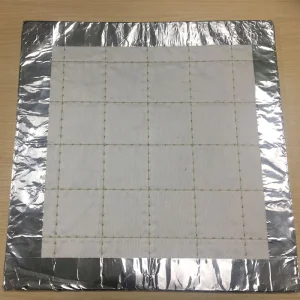
Engineered for complex structural geometry. Offers superior thermal barrier protection with negligible thickness, ideal for Polish kiln pipelines and heat exchangers.
View Details +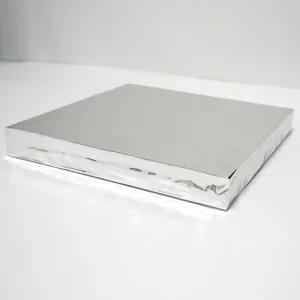
Rigid, high-density microporous structures boasting lowest thermal conductivity. Customizable to specific configurations for metallurgical backing linings.
View Details +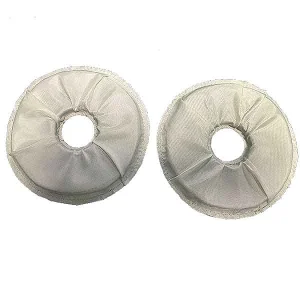
Custom circular and cylindrical configurations designed for Polish chemical reaction columns and industrial pipelines requiring rapid heat maintenance.
View Details +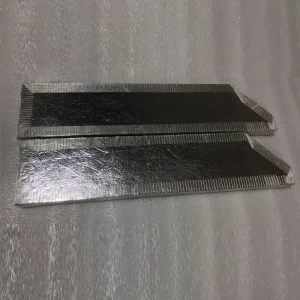
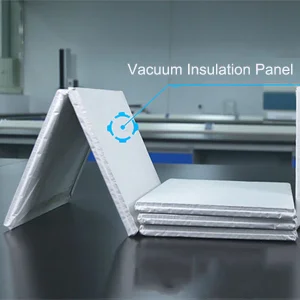
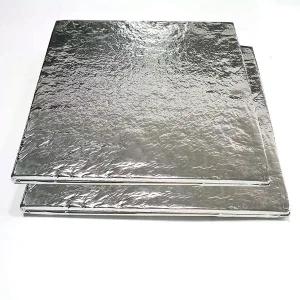
Advanced vacuum insulation incorporating PET outer layer barriers, providing excellent low-temperature cold chain and building envelope protection.
View Details +Market Insights
Poland's heavy industry sector—concentrated significantly in Silesia (Katowice, Gliwice) and Central Poland—is undergoing a rapid technological paradigm shift. With the European Union setting strict greenhouse gas emission ceilings under the European Green Deal and the Carbon Border Adjustment Mechanism (CBAM), thermal efficiency is no longer merely a cost-saving consideration; it is a critical regulatory mandate. High-temperature process operations, ranging from blast furnaces and ladle preheaters to petrochemical cracking units and ceramic kilns, lose immense energy via radiant and conductive emissions.
Traditional ceramic fibers and calcium silicate panels require significant thickness (often between 150mm to 300mm) to maintain casing temperatures within acceptable safety margins. However, space constraints in vintage facility retrofits across Krakow and Lodz prevent the application of thick traditional insulations. Nano microporous panels represent the technological zenith here, achieving similar or superior thermal resistance at a fraction of the physical thickness (typically 10mm to 50mm). By replacing conventional backing insulation with fumed silica microporous cores, Polish industrial operations can expand furnace chamber volume, accelerate cycle times, and slash carbon-tax liabilities.
The stellar performance of nano microporous insulation is driven by the manipulation of gas molecule thermodynamics. Within these panels, fumed silica particles form an agglomerated skeletal matrix with pore sizes ranging between 10 to 50 nanometers. This is crucial because the mean free path of an air molecule (nitrogen/oxygen) at atmospheric pressure is approximately 68 nanometers.
By restricting the physical boundaries of the internal pores to a size smaller than the mean free path of gas molecules, the probability of collisions between gas molecules drops close to zero. Instead, molecules collide almost exclusively with the cell walls. This phenomenon, known as the Knudsen Effect, completely suppresses gaseous thermal convection. Coupled with the addition of inorganic opacifiers (such as silicon carbide or titanium dioxide) that scatter infrared thermal radiation, the overall thermal conductivity at 600°C is minimized to values as low as 0.022 W/m·K.
Refractory Ceramic Fiber (RCF) has faced mounting regulatory scrutiny across Europe due to health classifications concerning inhalable dust. Polish processing units are rapidly substituting RCF with eco-friendly bio-soluble fiber boards and high-density fumed silica microporous panels. This transition ensures compliance with EU REACH registration standards while elevating work safety parameters.
Our custom-shaped nano microporous panels are manufactured to prevent dusting by utilizing specialized fiber encapsulation, aluminum foils, or heat-shrinkable plastics. This makes them highly clean during installation in modern automotive paint ovens and laboratory furnace manufacturing lines across Poland's high-tech zones in Wroclaw and Rzeszow.
Data & Engineering
To assist thermal engineers and procurement managers across Poland, we present a standardized reference of physical-chemical properties for our High-Temperature Nano Microporous Panels compared to traditional alternatives.
| Property / Material Type | Nano Microporous Panel (Fumed Silica) | Calcium Silicate Board | Ceramic Fiber Board |
|---|---|---|---|
| Classification Temp (°C) | 1000 / 1100 | 1000 | 1260 / 1430 |
| Density (kg/m³) | 320 - 430 (Customizable) | 220 - 280 | 280 - 360 |
| Thermal Conductivity (W/m·K) @ 400°C | 0.020 - 0.024 | 0.095 - 0.120 | 0.085 - 0.110 |
| Thermal Conductivity (W/m·K) @ 800°C | 0.029 - 0.035 | 0.160 - 0.190 | 0.150 - 0.180 |
| Compressive Strength (MPa) | ≥ 0.35 (at 10% deformation) | ≥ 0.50 | ≥ 0.20 |
| Thickness Required for 60°C Shell | approx. 40 - 50 mm | approx. 150 - 200 mm | approx. 120 - 180 mm |
The unit price of Nano Microporous Panels depends on several physical parameters rather than a singular flat rate. When requesting a price quote for deliveries to Gdańsk port or direct-to-site trucking in Poznań, procurement officers should consider:
For volume contracting (FCL containers) shipped from our advanced Chinese factory directly to your Polish distribution hub, pricing ranges between USD 120 to USD 350 per cubic meter, depending on detailed specifications. Please contact our technical desk for a project-specific tender proposal.
About Our Group
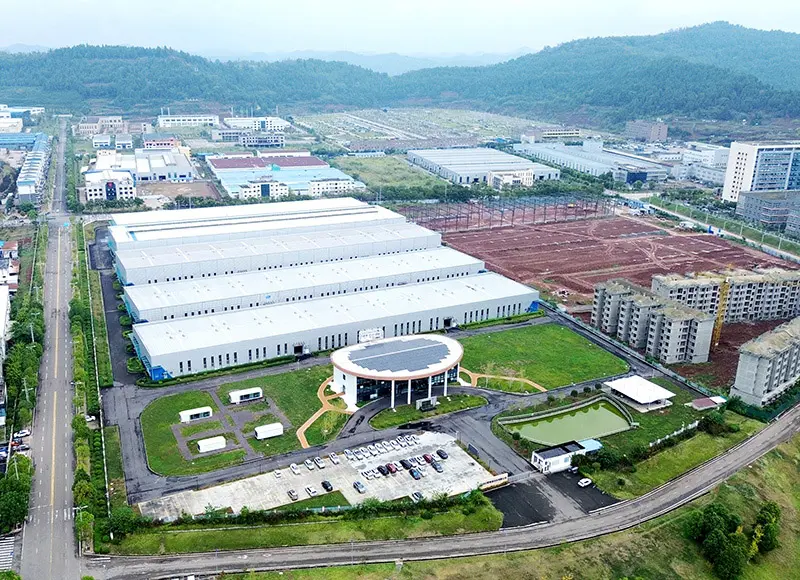
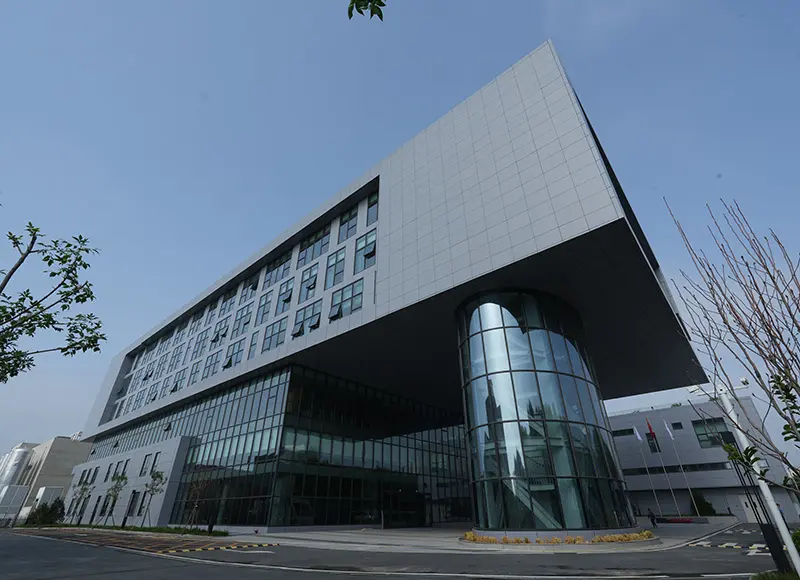
We are a proud subsidiary of the prestigious CBVAC Group, a national high-tech enterprise at the forefront of vacuum technology and high-performance thermal barriers. Headquartered in the Beijing Economic-Technological Development Area, our state-of-the-art production base is strategically located in Nanchong City, Sichuan Province.
Our manufacturing complex stands as one of the largest comprehensive facilities for vacuum insulation and nano-porous technology applications globally. By unifying heavy R&D engineering, automated manufacturing pipelines, and strict quality control standards, we support clients globally across metallurgical, aerospace, cold chain, and clean construction fields.
"We don't just sell insulation; we deliver systemized thermodynamic security. From custom flange geometries to complete furnace lining designs, our engineers solve thermal loss problems."



Applications

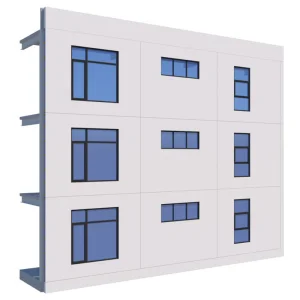
Providing high-efficiency thermal insulation solutions for building envelope systems through innovative products such as vacuum insulation panels and vacuum insulated glass, empowering the cold storage sector to maintain strict biological temperature bounds.

Enabling zero-energy building goals with ultra-thin walls. Achieving maximum floor usage rates in high-density European cities by substituting bulky conventional rockwool with sleek vacuum panels.

Providing high-efficiency thermal insulation solutions for steel lining, industrial furnaces, backings, and rotary kilns, helping reduce carbon emissions and achieve climate-neutral operations.

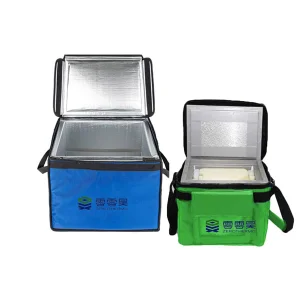
Optimizing custom high-performance storage containers, modular insulated enclosures, and specialty energy preservation pods for mobile cold storage systems.
Global Supply Chain
For global procurement managers in Poland, building materials supply chains demand three primary metrics: consistency, throughput, and certified reliability. Our Nanchong City production base integrates high-speed robotic press technology, automatic core drying units, and continuous tunnel kilns to ensure consistent quality control.
Unlike smaller batch plants, our continuous automation limits human touch, preventing microscopic tears in protective foils and maintaining core density uniformity within a ±5% tolerance. Every single production batch is marked with an individual tracking identifier and subjected to thermal validation via guarded hot plate methods before export packaging.
By combining this massive capacity with direct rail connections from Sichuan to Poland via the New Silk Road (Chengdu-Lodz Railway), we offer delivery timelines of under 20 days directly to central European warehouses, eliminating oceanic delays.
ISO 9001, 14001, and 45001 Certification: Full conformance with environmental and safety manufacturing norms.
Custom-Tailored Solutions: Engineering custom shaped flanges, curved pipe halves, and high-temp door gaskets.
Strict EU Compliance: Non-hazardous inorganic composition conforming to EC safety and REACH directives.
Our Advantage


Proven Execution

Substituted ceramic fiber backings with customized microporous panels, slashing external furnace wall temperature by 45°C and saving 12% in daily electricity/gas expenditure.

Implementation of vacuum insulation panels in cold containment cells to achieve continuous, high-insulation ratings under variable ambient coastal climates.

Engineered ultra-thin microporous walls for test chambers requiring precise, high-speed thermal cycles without significant space footprint penalties.
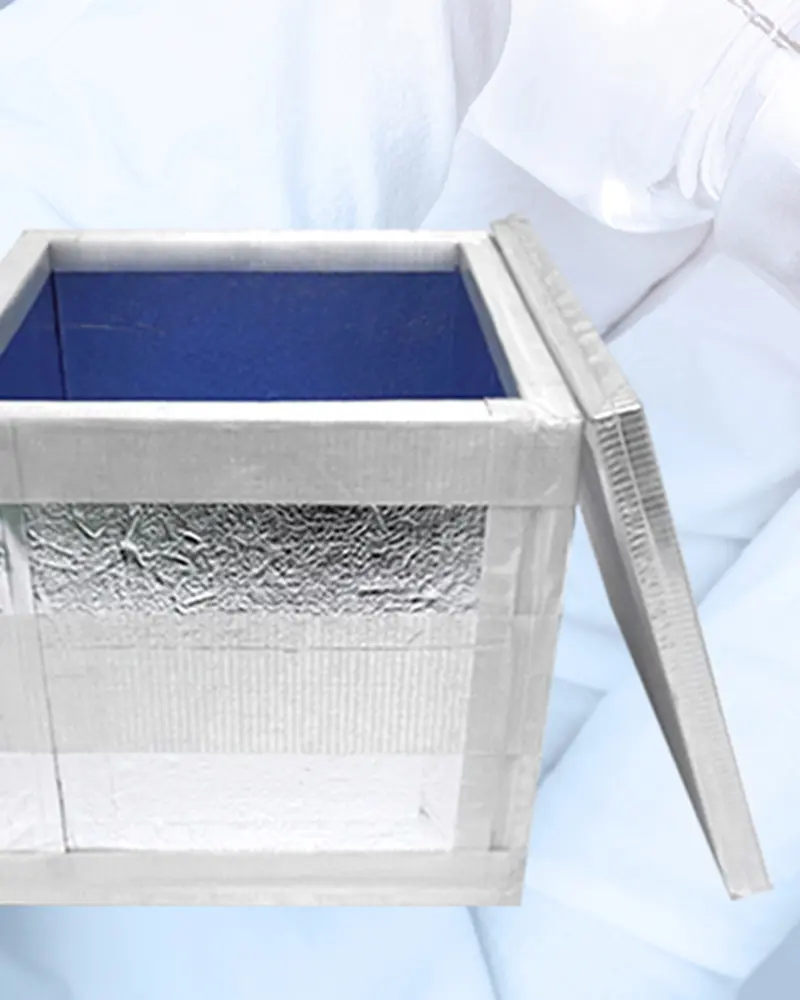
Utilized fumed silica VIP insulation to design lightweight transport containers, extending thermal preservation time from 48 hours to 120 hours.
Custom Catalog
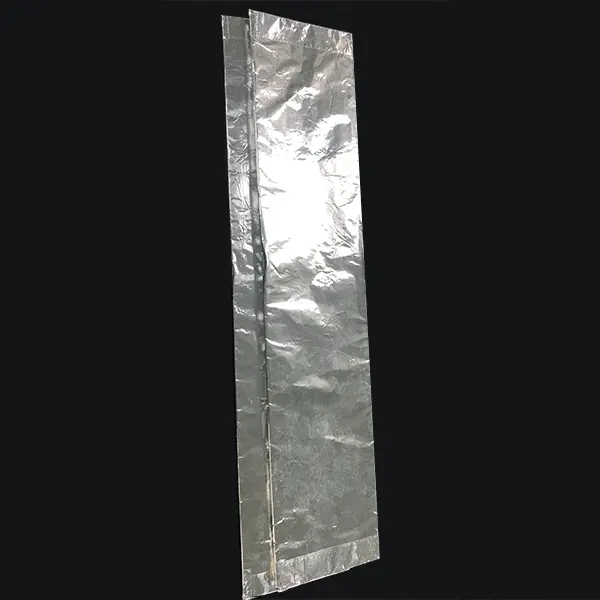
Specifically developed thin barriers to prevent thermal runaway propagation in high-density electric vehicle battery modules.
View More +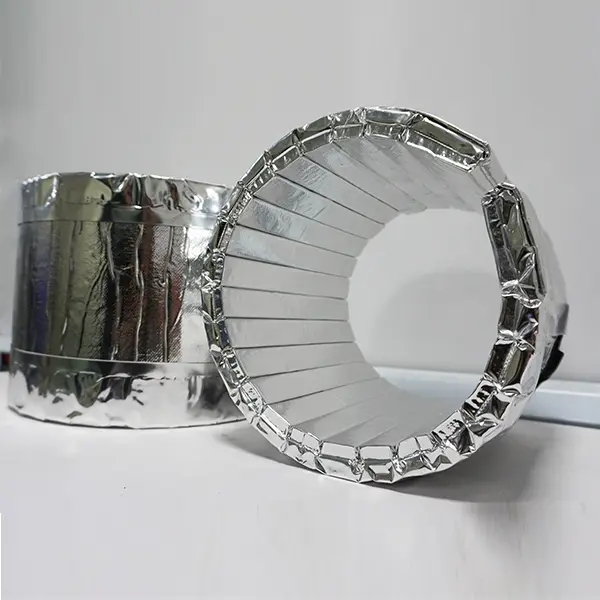
Features hydrophobic coatings to repel humidity and moisture ingress, ideal for outdoor pipelines and steam tunnels in wet soils.
View More +
Provides critical high-temperature protection for fire doors, elevator gates, and high-performance safety enclosures.
View More +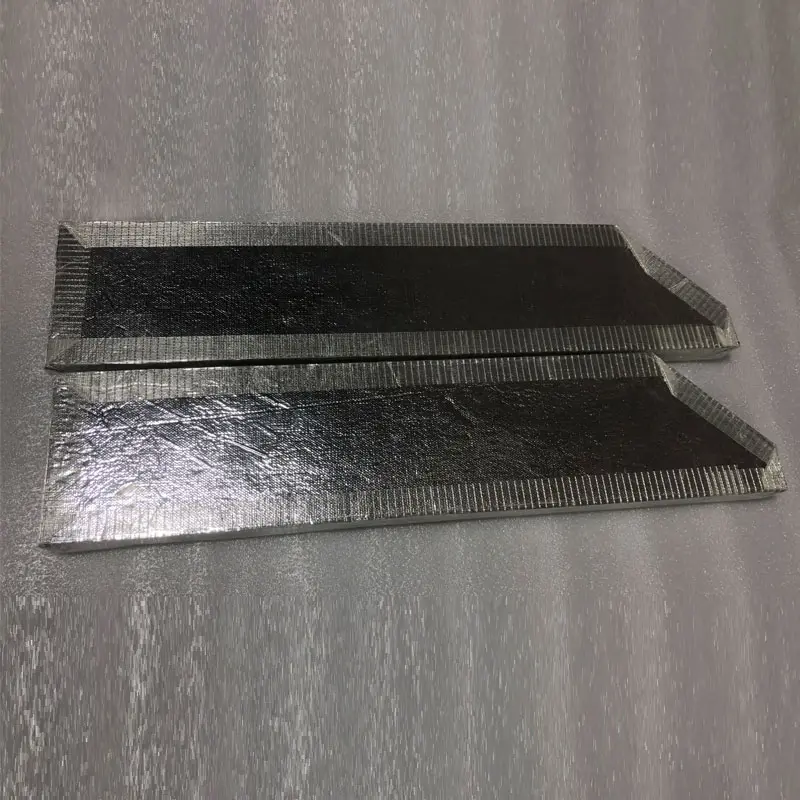
Features custom contours to insulate pipes, tanks, and structural corners without thermal bridging gaps.
View More +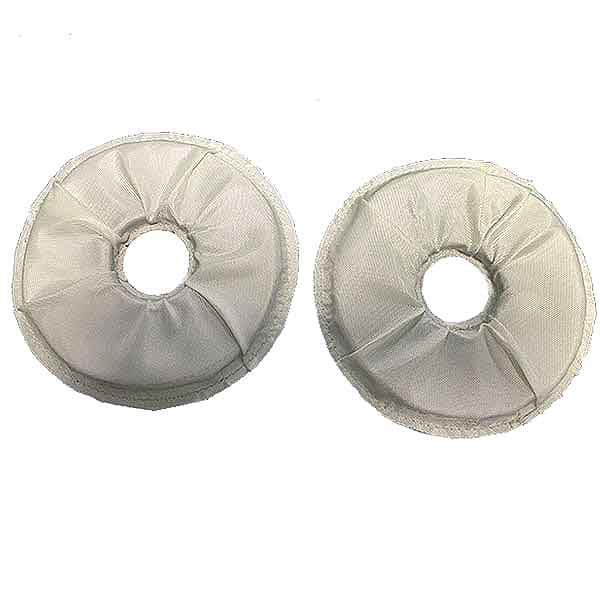
Flexible circular blankets designed for pipe bends, valve blocks, and turbine exhaust casings.
View More +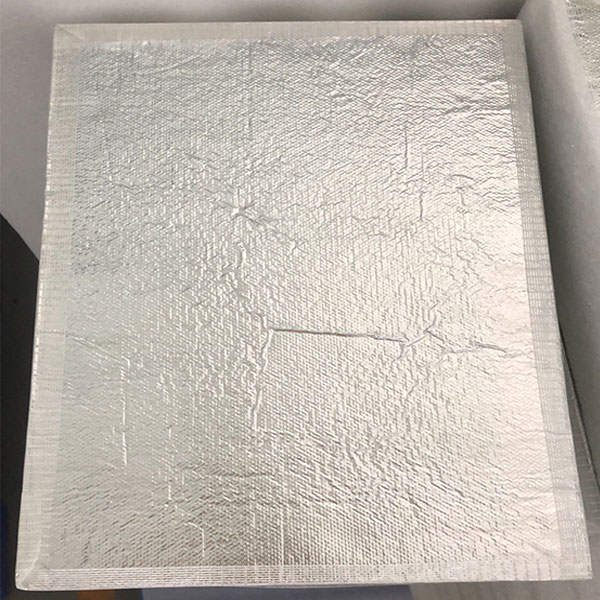
Premium grade fumed silica core encapsulated with high barrier PET film, maintaining high-efficiency performance over decadal lifespans.
View More +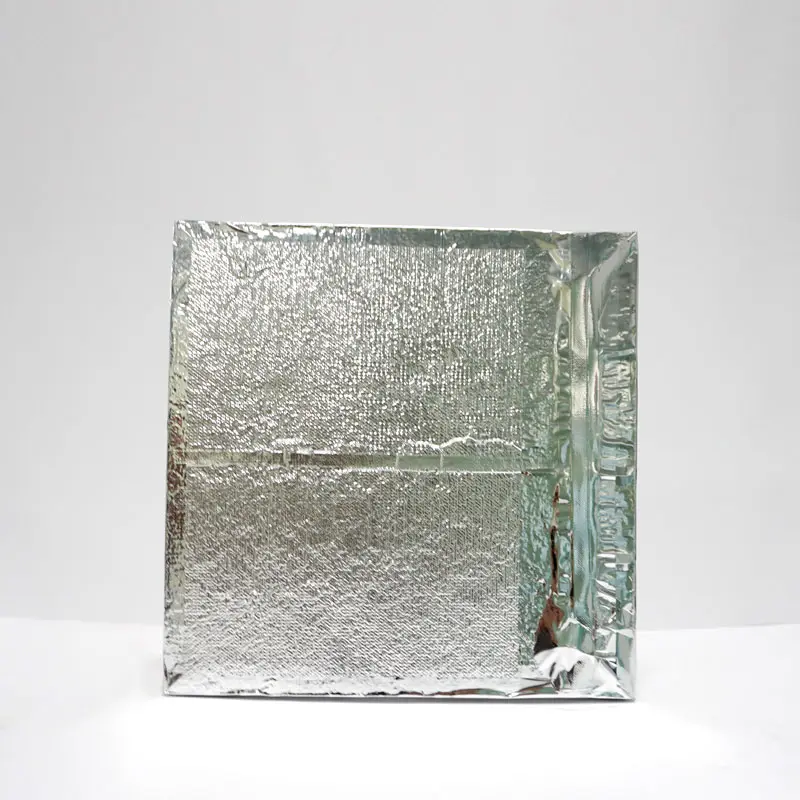
Specifically optimized panel density targeted for maritime shipping containers carrying temperature-sensitive biopharmaceuticals.
View More +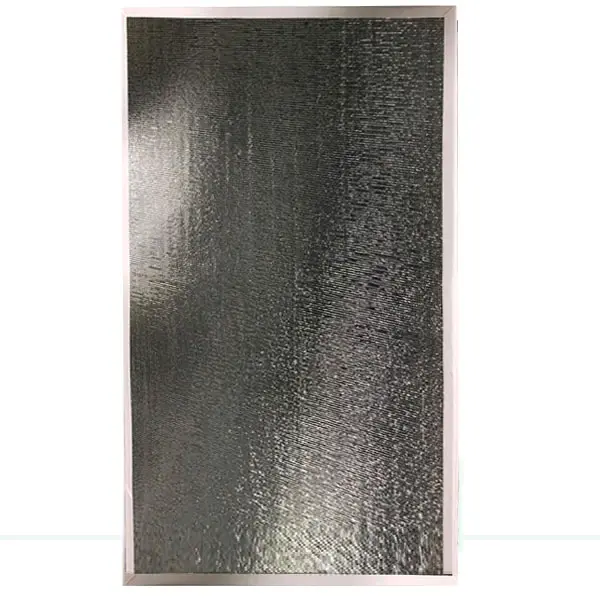
Large format VIP panels developed to simplify installation steps and reduce joint density on large flat facades.
View More +FAQ
Whether you are designing a high-capacity electric rotary kiln in Silesia, planning a pharmaceutical cold chain depot in Warsaw, or upgrading furnace systems in Poznań, our engineers will help compute the thermal insulation thickness and estimate potential energy savings.