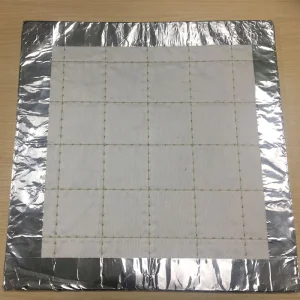
Nagoya Standard Flexible Nano Thermal Insulation Mats
State-of-the-art flexible nano insulation wraps built for tight spaces, intricate piping, and dynamic thermal systems within industrial kilns and aerospace modules.
View Details
Explore our premium grade micro-nano thermal barrier materials engineered to deliver optimal structural integrity under extreme heat conditions.
State-of-the-art flexible nano insulation wraps built for tight spaces, intricate piping, and dynamic thermal systems within industrial kilns and aerospace modules.
View Details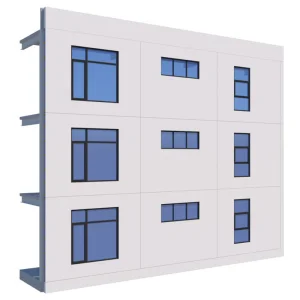
Premium high-durability integrated insulation panels designed to satisfy modern green building codes and modern aesthetics in corporate facilities.
View Details
Fast-installation vacuum insulated structural wall elements, reducing onsite thermal bridging and maximizing indoor spatial configuration.
View Details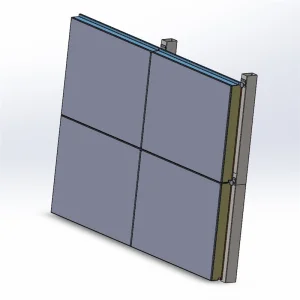
Combined architectural finishing and ultra-low thermal conductivity insulation solution, providing an all-in-one approach to smart building envelopes.
View DetailsThe Greater Nagoya Area, positioned as the heart of Japan's automotive, aerospace, and advanced manufacturing sectors (Chubu region), relies heavily on energy-intensive operations. Steelworks in Tokai, automotive forge lines in Toyota City, and aerospace parts fabrication in Nagoya Port demand robust high-temperature systems. As the Japanese government pushes for net-zero carbon goals by 2050, local manufacturers face strict energy reduction requirements under the Act on the Rational Use of Energy. Traditional insulation materials like mineral wool, calcium silicate, and ceramic fiber struggle to deliver the required efficiency in space-constrained thermal equipment. This challenge has driven Nagoya’s heavy industry to adopt Nano Microporous Panels.
With localized environmental compliance laws growing increasingly stringent, facilities near Nagoya Port and Aichi Prefecture are migrating toward insulation technologies that reduce overall CO₂ footprints. Nano microporous panels exhibit thermal conductivity values as low as 0.015 W/(m·K), ensuring high energy savings and reducing furnace wall thicknesses by up to 50%.
Nano microporous panels are composed of fumed silica nanoparticles mixed with infrared opacifiers and reinforcement structural fibers. The core mechanism involves restricting the movement of gas molecules. At standard atmospheric pressure, the mean free path of an air molecule is approximately 68 nanometers. By engineering the pore structure of these silica panels to average less than 20 nanometers, gas molecules are prevented from colliding and transferring heat through gaseous conduction (Knudsen effect). Furthermore, integrated opacifiers absorb and reflect infrared radiation, rendering the material highly effective up to continuous operating temperatures of 1000°C.
On a global level, high-temperature industries face rising fuel costs and supply chain constraints. Heavy industries require thermal management solutions that offer long service lifespans with minimal maintenance. Nationally in Japan, and locally in Nagoya, these problems are magnified by high land costs, resulting in compact plant layouts. Compact furnaces require thinner, highly efficient thermal insulation to maximize internal chamber volumes. Our customized nano microporous panels address these challenges, offering high compression strength and low thermal degradation compared to conventional insulation.
We provide comprehensive design and customization services matching high-temperature specifications across diverse industries.
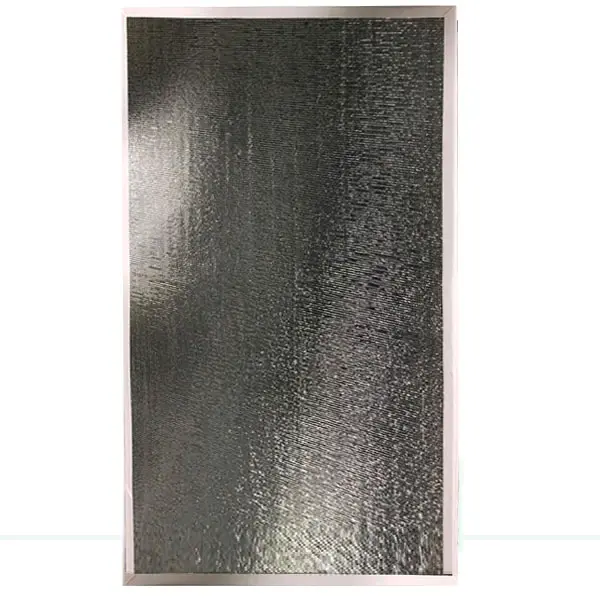
Size: Customized | Thickness: 5-30mm. Specifically engineered for electric vehicle battery packs, providing heat shielding and thermal runaway mitigation.
Size: Customized | Thickness: 5-50mm. Designed with specialized water repellent membranes to withstand humid industrial environments.
Premium fireproofing nano insulation inserts designed specifically for elevator fire door profiles and industrial hatch protection.
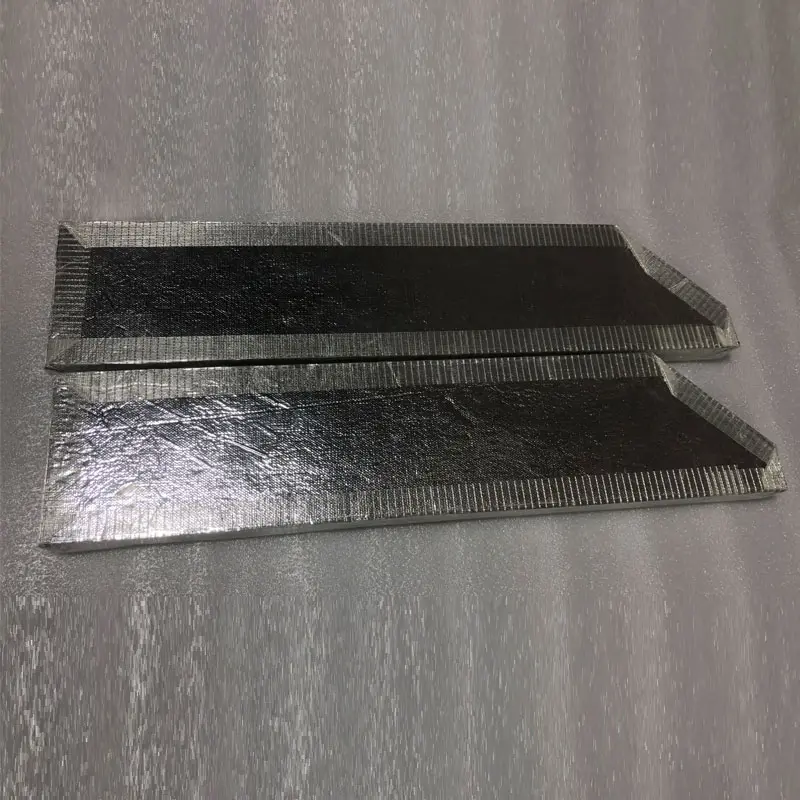
Complex geometries engineered for custom piping contours, specialized instruments, and dynamic temperature storage cells.
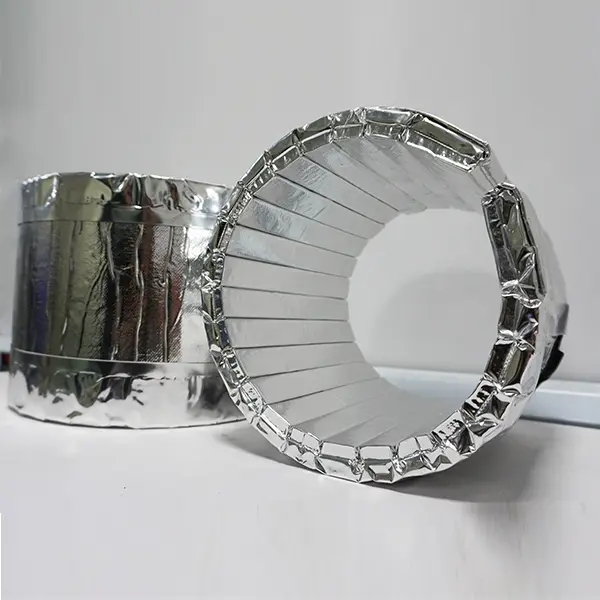
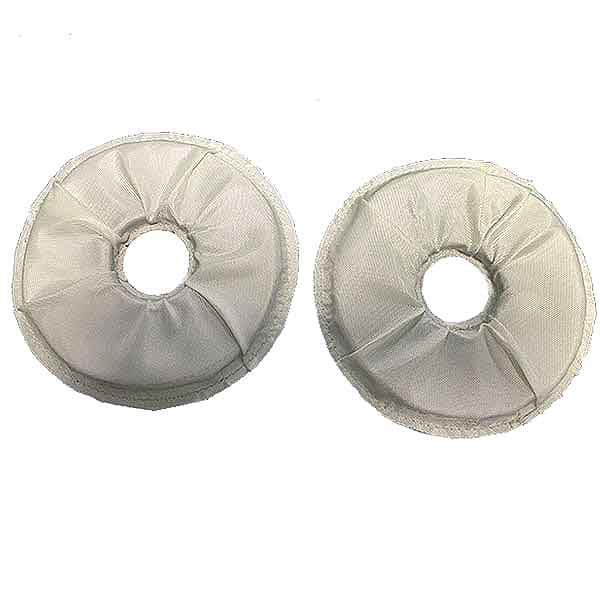
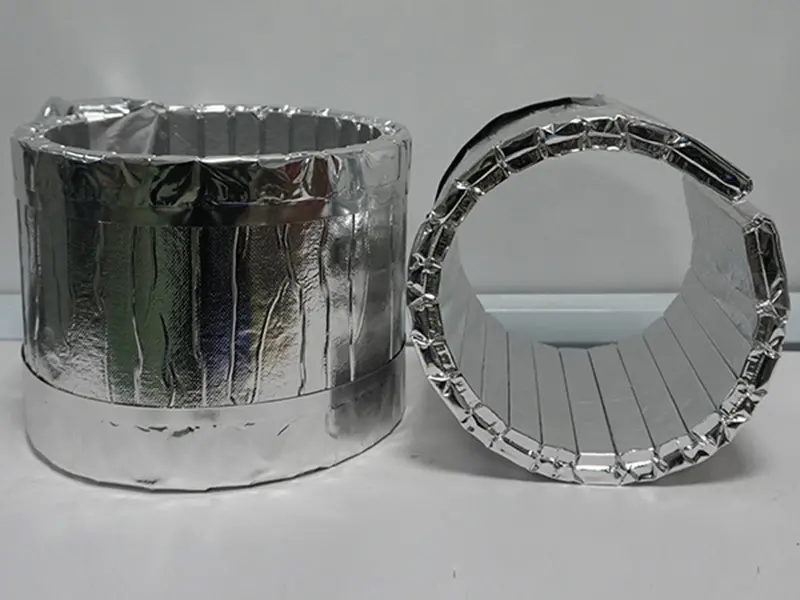
Specially designed for round pipelines, curved industrial flue exhausts, and circular reaction chambers in petroleum processing.
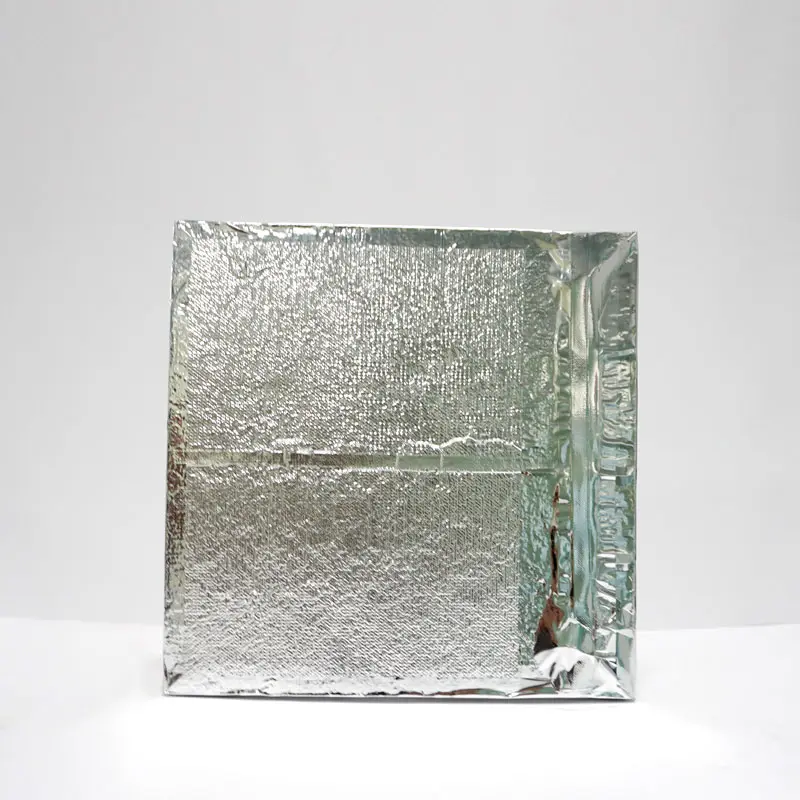
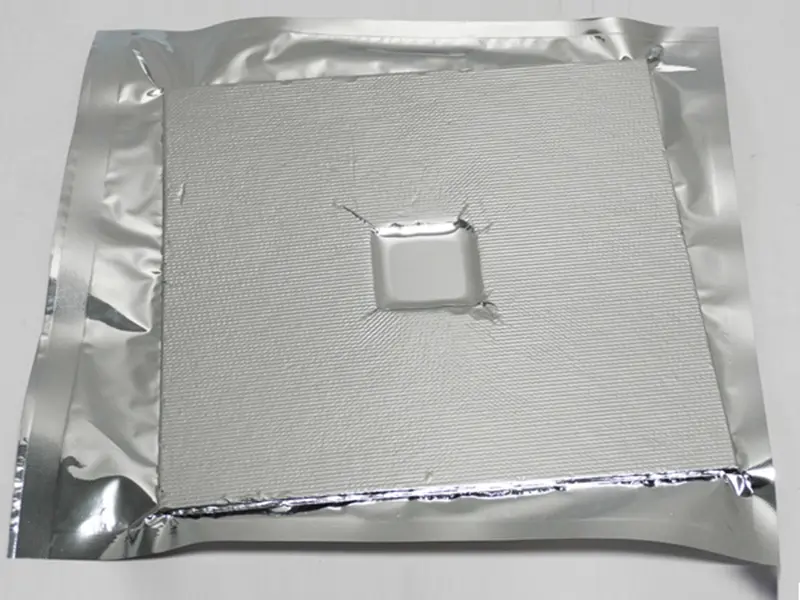
Encased in high-barrier PET film. Provides durable low-conduction performance for deep refrigeration and storage containers.
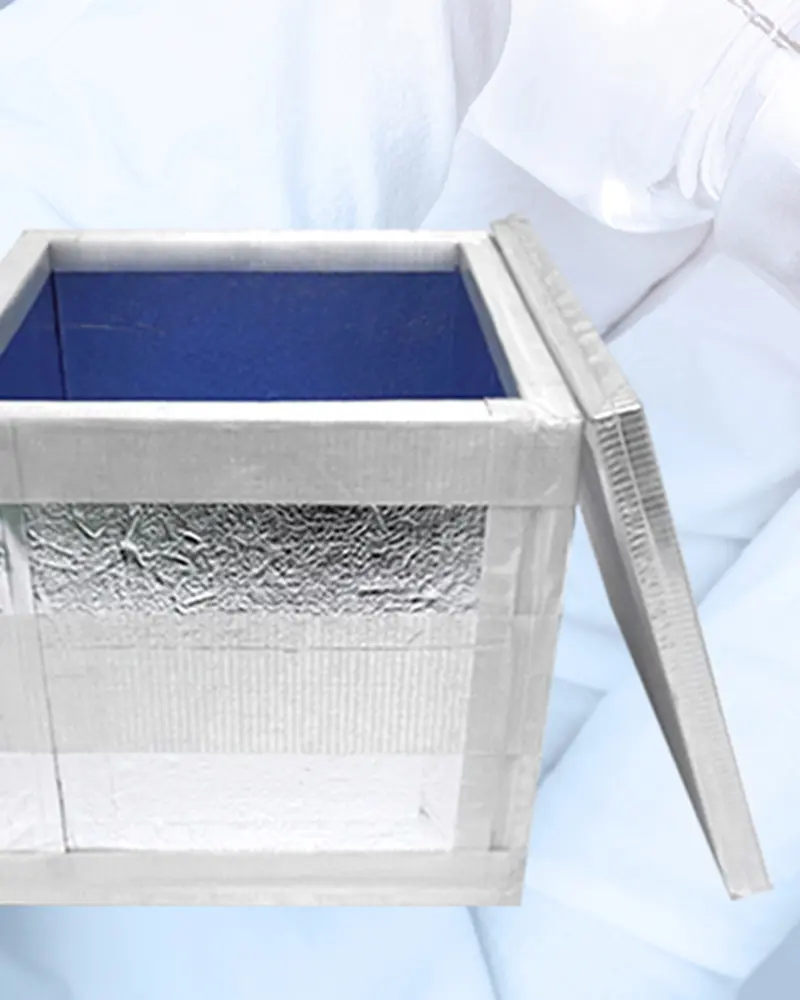
Integrated VIP solutions for pharmaceutical container transport, preserving temperature stability across global corridors.
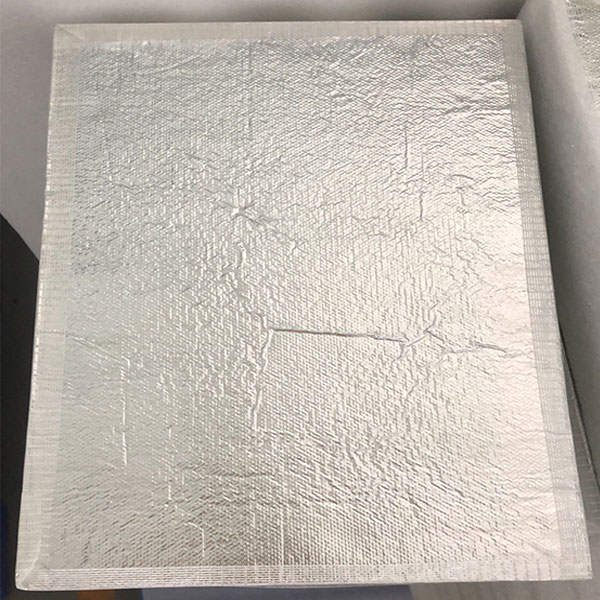
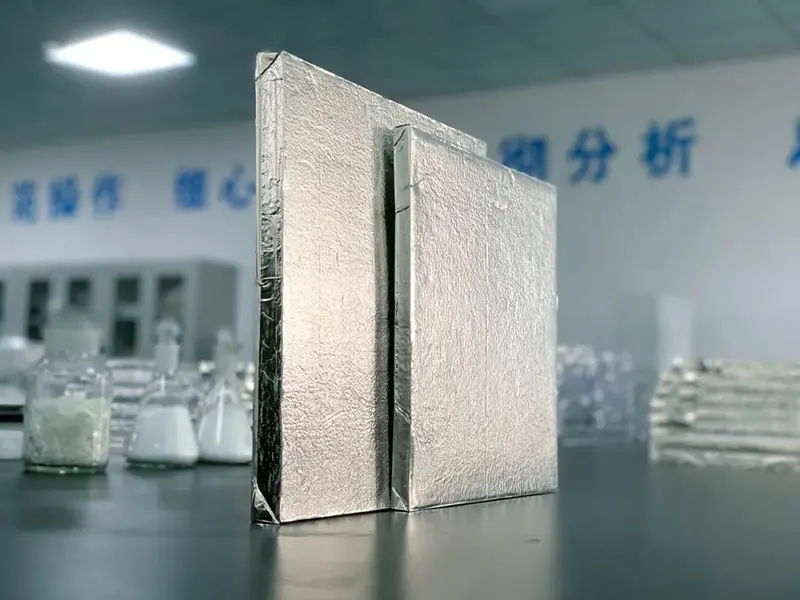
Large-format VIP panels manufactured to customer size specifications to cover substantial areas with minimal thermal bridging joints.
Zerothermo Technology Co., Ltd., a subsidiary of CBVAC Group and a national high-tech enterprise, is headquartered in the Beijing Economic-Technological Development Area with its production base located in Nanchong City, Sichuan Province. This facility stands as one of China’s largest comprehensive production centers for vacuum technology application products.

Special sizes (beyond the range of ANSI/ASME/DIN and other standards) are produced according to customers' drawings or technical parameters.

Square, oval, or other special shaped flanges. Oversize/small diameter: such as diameter over 60 inches or micro precision flanges.

Specialized vacuum flanges, structural fittings, and sealing interfaces manufactured under rigorous quality-control environments.
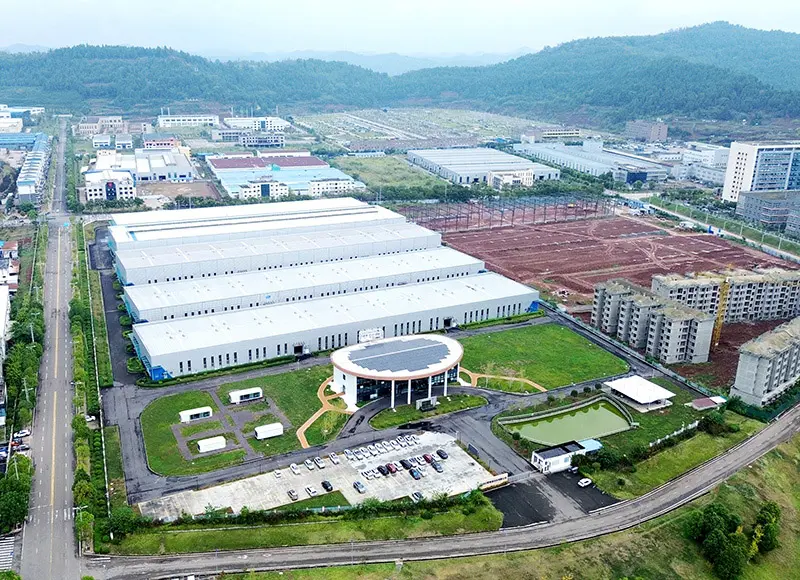

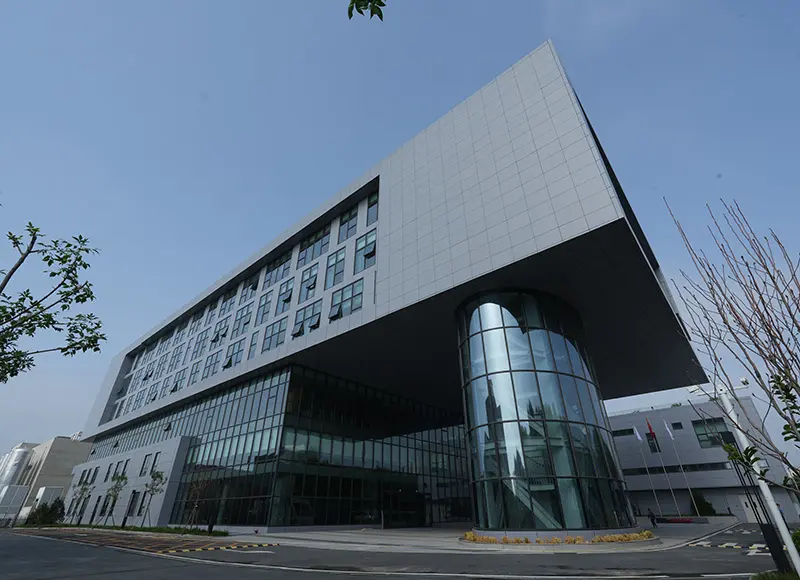


Delivering reliable quality vacuum insulation board systems with responsive support.


Serving diverse sectors with customized advanced microthermal barrier installations.

High-efficiency thermal control panels for vaccines and medical logistics, ensuring temperature integrity in cold chain storage boxes.

Providing high-efficiency thermal insulation solutions for building envelope systems, reducing carbon emissions to support carbon neutrality goals.

Optimizing fuel usage in industrial kilns, refining reactors, and high-temp heat treatment furnaces for automotive forging lines.

Smart thermal enclosures for ecological facilities, modular houses, and transport container spaces designed for durability.
Demonstrated performance in high-stakes structural developments and temperature-controlled operations.



In Japan, the High Pressure Gas Safety Act and the Industrial Safety and Health Act impose strict limits on high-temperature machinery. For enterprises operating in Nagoya’s heavy industrial zones (e.g., Minato Ward, Tokai City, Midori Ward), insulating materials must meet fire safety standards such as JIS A 9501 (Standard Practice for Thermal Insulation Works) and JIS R 2611 (Test methods for insulating firebricks). Nano microporous panels are class-A1 non-combustible material, preventing gas output during fire events. This safety profile minimizes risk in automotive facilities, metallurgy shops, and chemical processing plants.
The transition to Smart Manufacturing (Society 5.0 in Japan) requires machinery integrated with thermal sensors. Traditional thick insulation obscures heat signatures and makes maintenance inspection difficult. Thinner nano microporous insulation boards facilitate compact configurations, allowing manufacturers to integrate structural monitoring equipment directly outside the heat chamber without risking sensor failure from heat exposure.
Our ongoing development focus aims to achieve lower thermal conductivity rates (target: 0.012 W/m·K at 400°C) by refining the silica core structure. We are also optimizing dry binder formulations to create semi-flexible nano boards that adapt to small pipe bends, providing efficient insulation for complex industrial systems.
Technical answers to common queries regarding nano microporous thermal insulation panels.
Nano microporous panels have a thermal conductivity value (0.015 - 0.020 W/m·K) that is approximately 3 to 4 times lower than ceramic fiber blankets. This performance allows engineers to use thinner insulation layers to achieve equivalent thermal performance, saving structural space and improving overall system energy efficiency.
Yes. While standard microporous silica is hydrophilic, we manufacture hydrophobic panels using custom water barriers and specialized protective encapsulation layers. This protection preserves the nanopore structure, maintaining thermal insulation performance in humid industrial environments.
Nagoya is aligning its industrial operations with Japan's "Green Growth Strategy." By using nano microporous panels, factories reduce heat loss from furnaces and boilers, lowering fuel consumption and greenhouse gas emissions. These materials are also free of harmful inhalable fibers, matching local work safety standards.
Our standard high-temperature nano microporous panel series operates continuously at temperatures up to 1000°C. For brief intervals, they can withstand temperature spikes up to 1100°C without significant structural degradation or loss of insulation properties.
Committed to supporting sustainable industrial advancement through innovative thermal technologies.
Get in touch with our engineering team to design custom thermal insulation systems for your high-temperature processes.






Explore our extensive line of vacuum insulation panels and fumed silica thermal blocks engineered to withstand challenging industrial conditions.
Engineered with robust outer protective composite layers to withstand compressive stress in under-slab floors and industrial heavy plant decks.
View Details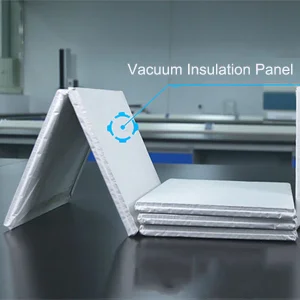
High-efficiency thermal wall insulation panels designed to maximize interior floor area in urban architectural settings.
View Details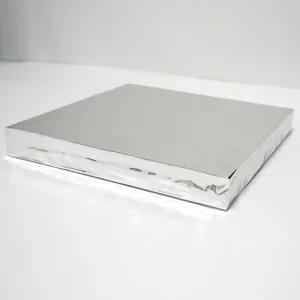
Ultra-low thermal conductivity panels designed to withstand up to 1000°C for furnaces, boilers, and petrochemical reactors.
View Details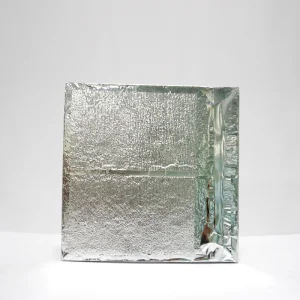
Designed for transport refrigeration units, keeping food products, biological assays, and vaccines safe during long-distance shipping.
View Details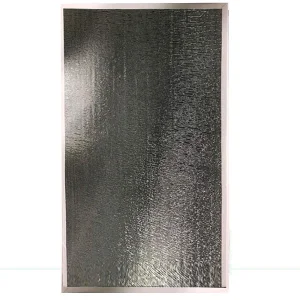
Fumed silica vacuum insulation panels, custom-fabricated to match unique box profiles, maximizing volume efficiency.
View Details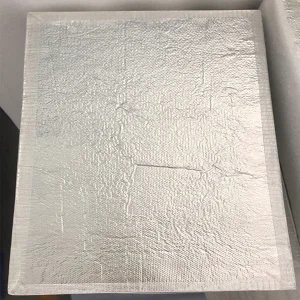
Low thermal conductivity vacuum panels, laminated with protective PET film to ensure resistance against water vapor transmission.
View Details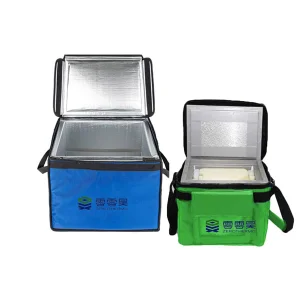
High-performance vacuum-insulated thermal boxes optimized for local health clinics and long-range vaccine transport.
View Details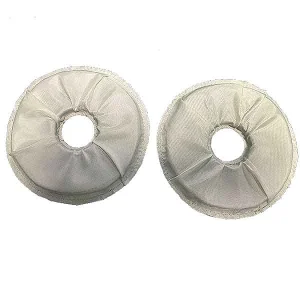
Flexible high-temperature mats designed to insulate curved pipes, high-temp exhausts, and heat-treating machinery parts.
View DetailsConsult with our engineers to configure nano microporous panels that meet your project specifications.
Send Inquiry Now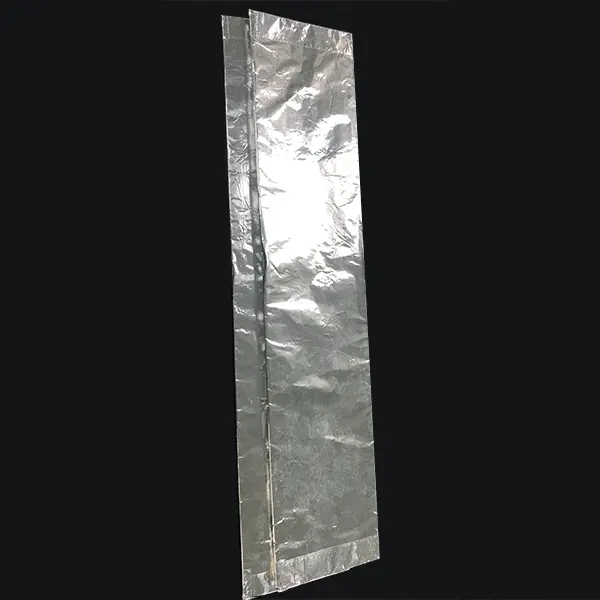



 +86 15892792306