
Precision-engineered insulation solutions designed to cut heat loss, lower energy costs, and boost operational safety across high-temperature applications in Hanoi.
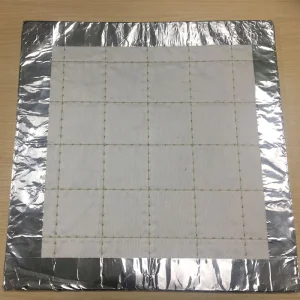

As Vietnam works toward its commitment of net-zero emissions by 2050, the industrial hubs surrounding Hanoi (including Bac Ninh, Vinh Phuc, and Hung Yen) are modernizing their thermal setups. Traditional manufacturing systems—such as metal smelting, glass manufacturing, ceramics, and chemical processing—frequently run into high operational overhead due to heat loss in old insulation linings.
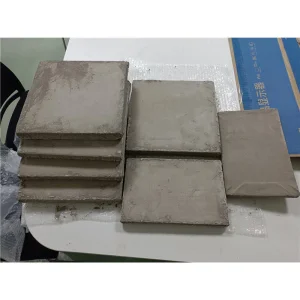
For Hanoi’s industrial developers, utilizing nano microporous technology is not just about environmental compliance; it directly affects bottom-line margins. In high-temperature facilities, space is often limited. Nano microporous panels allow for thinner insulation walls without sacrificing thermal resistance, providing factories with a valuable way to upgrade their output capacity.
To understand the value of nano microporous material over standard options like ceramic fiber or calcium silicate, check the core physics below:
| Insulation Material | Thermal Conductivity (W/m·K at 800°C) | Required Thickness (for same thermal gradient) | Max Operational Temp | Eco-Impact / Safety |
|---|---|---|---|---|
| Nano Microporous Panel | 0.024 – 0.032 | 25 mm (Ultra-compact) | 1000°C - 1100°C | Bio-soluble, non-hazardous, asbestos-free |
| Ceramic Fiber Board | 0.120 – 0.180 | 100 mm | 1260°C | Classified as respiratory irritant (RCF) |
| Calcium Silicate Board | 0.140 – 0.200 | 120 mm | 1000°C | Heavy, rigid, prone to moisture damage |
By switching to nano microporous structures, engineering teams in Hanoi can reduce thermal lining thickness by up to 75%, expanding the working space inside kilns, furnaces, and ladles.
Every industrial furnace, power plant pipeline, and transport system requires custom insulation layouts. Below are the customized thermal configurations we provide for the Hanoi and regional markets:
Highly thin thermal barriers designed for EV battery compartments to prevent thermal runaway. Ideal for Vietnam's developing automotive production bases.
Proprietary hydrophobic coatings shield the microporous silica core from dampness and water ingress, suitable for Hanoi's humid climate.
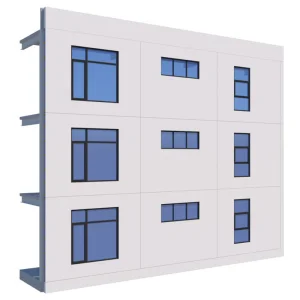
High-temperature fireproof core layers that provide long-lasting barriers, helping commercial developments in Hanoi comply with building safety standards.
Custom three-dimensional geometries designed to fit complex pipe curves, valve boxes, and irregular industrial equipment with minimal seams.
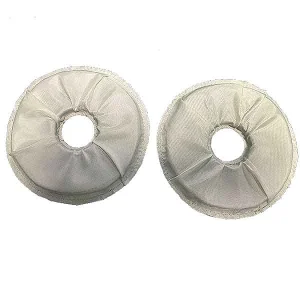
Engineered for high-temperature pipe bends and cylindrical vessels, offering flexibility without losing structural properties.
Multilayer protective barriers that maintain deep vacuum integrity over long lifespans, lowering thermal transfer rates.
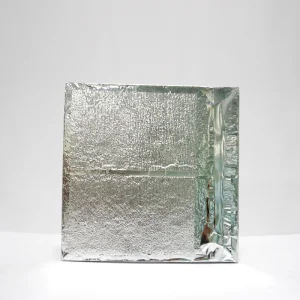
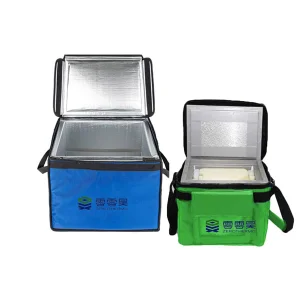
Designed for vaccine transport, temperature-sensitive medicine transit, and cold logistics terminals in Hanoi.
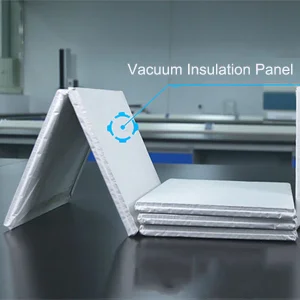
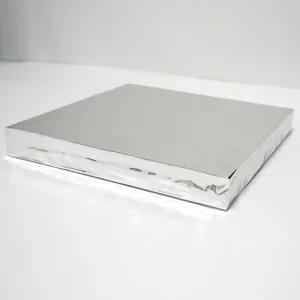
Large-format vacuum insulation panels created to minimize joints in thermal containers, optimizing cargo temperature control.
CBVAC Group Subsidiary
Zerothermo Technology Co., Ltd., a subsidiary of the CBVAC Group, is a national high-tech enterprise. Headquartered in the Beijing Economic-Technological Development Area, our core production base is located in Nanchong City, Sichuan Province. This facility is one of China's largest comprehensive manufacturing centers for vacuum technology and thermal insulation products.
We combine advanced vacuum science with material engineering to manufacture high-performance nano microporous panels and vacuum insulation panels (VIPs) for global clients, including industrial operations across Northern Vietnam.
Along with thermal insulation, our group provides specialized components for high-vacuum and ultra-high-vacuum systems:


Building high-performance insulation requires raw material control, precise compaction, and advanced vacuum processing. Our vertically integrated supply chain ensures consistent thermal performance.
We source high-purity fumed silica and opacifiers to prevent infrared radiation transfer at extreme temperatures, ensuring long-term thermal resistance.
We offer fast design, modeling, and fabrication of custom-sized insulation shapes to help projects move quickly from planning to installation.
Our automated production facilities maintain strict quality controls, keeping thermal conductivity values consistent across large production batches.
Our direct shipping network connects our Chinese production bases with Hanoi's industrial zones, ensuring reliable delivery schedules.
We offer engineering support, thermal calculations, and installation guidance to help you meet local Vietnamese construction guidelines and TCVN requirements.
Our microporous and vacuum insulation panels serve multiple key industries, helping operators reduce energy usage and improve process safety.
Protects temperature-sensitive vaccines and pharmaceuticals during transit, reducing dependence on continuous power sources.
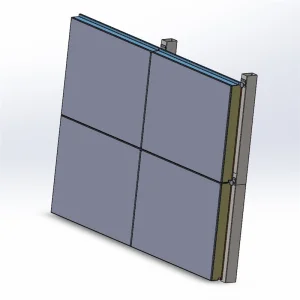
Thin vacuum insulation panels (VIPs) for wall envelopes help developers meet green building certifications and reduce heating and cooling loads.
Reduces heat loss in industrial furnaces, kilns, and ladles, helping operators save on fuel and energy costs.
Thin insulation profiles provide fire protection and save usable space in high-density commercial developments.
We work closely with engineering teams in Hanoi to design and deliver high-performance thermal insulation solutions:

Supplied customized vacuum insulation panels to help maintain stable, controlled temperatures inside high-precision cleanroom facilities.

Implemented custom microporous panels on high-temperature furnace walls, reducing surface temperatures and heat loss.

Supplied structural fire safety panels and sound barrier materials to meet local safety standards for public buildings.
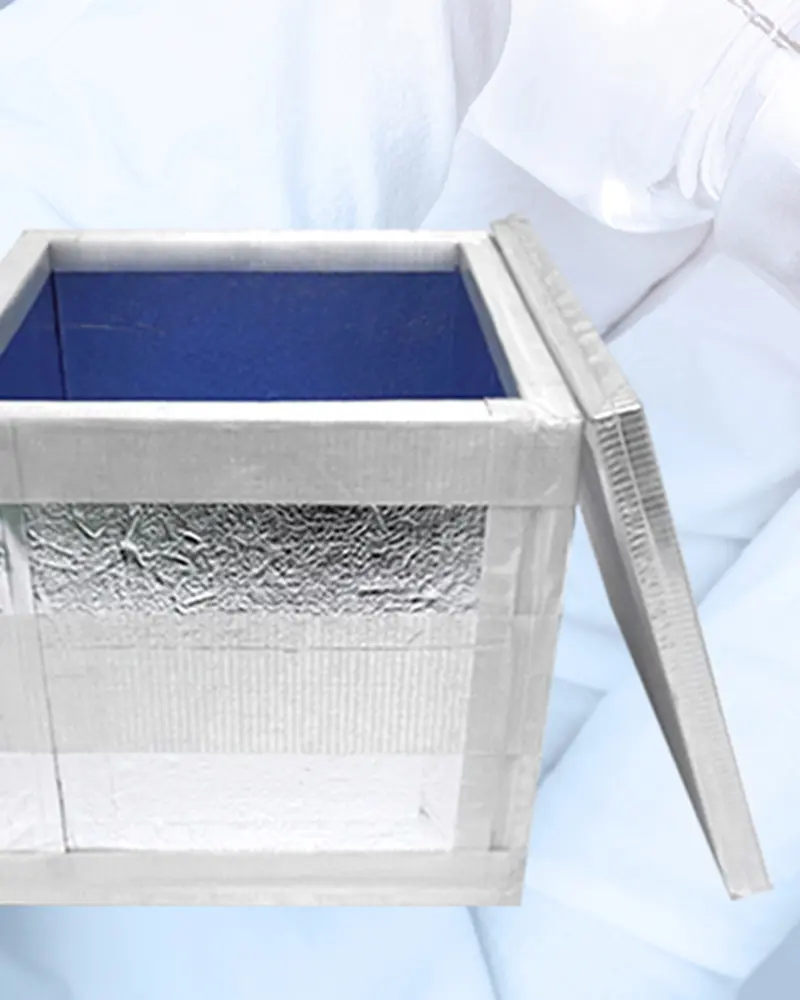
Installed VIP insulation kits in cold boxes used for air transport, maintaining precise temperature ranges for medical cargo.
Keep up with technical updates, industry standards, and material science developments in high-temperature insulation.
An analysis of how modern high-rise elevator systems use slim microporous barriers to meet strict commercial fire ratings.
Read Article →Highlighting our latest VIP designs and high-temperature microporous products for industrial clients at Booth #10.2K06.
Read Article →A look at the science behind microporous insulation, showing how fumed silica cores limit thermal transfer in demanding applications.
Read Article →Find answers to common questions about selecting, testing, and installing high-temperature microporous insulation panels.
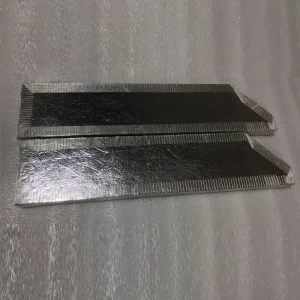
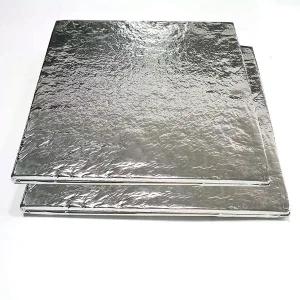
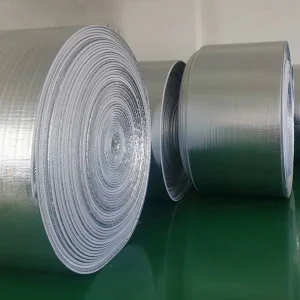
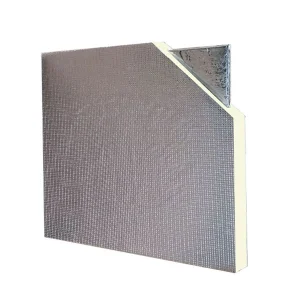
Explore our full range of vacuum insulation panels, thermal boards, and high-temperature mats designed for diverse industrial applications.
Global Service Network
We provide comprehensive vacuum insulation board solutions. Get in touch with our engineering team for technical evaluations, pricing, and project support tailored to your requirements.
Follow Us Online:


 +86-15892792306