
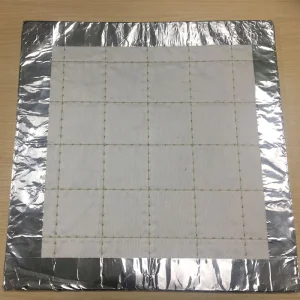
Advanced microporous mat featuring ultra-low thermal conductivity for flexible utility runs across Manhattan networks.
Learn More →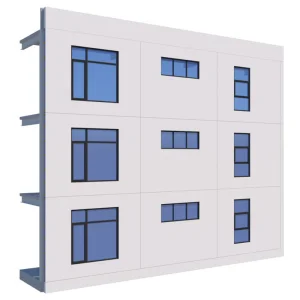
Architectural insulation integration meeting stringent NY local fire-code ratings and high-end aesthetics.
Learn More →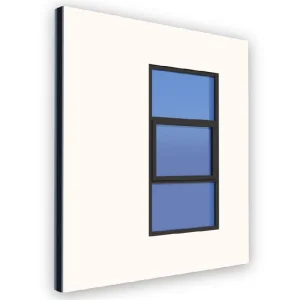
Optimized envelope system engineered for modern urban density and stringent thermal retention rules.
Learn More →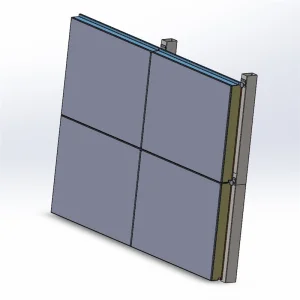
Dual-purpose exterior wall paneling with built-in microporous fumed silica core for zero-carbon buildings.
Learn More →As global energy markets undergo structural realignment and government regulators intensify climate targets, the industrial heartlands of the United States—specifically the state of New York—are facing unprecedented pressure to optimize thermal processes. With New York's Climate Leadership and Community Protection Act (CLCPA) requiring a target of zero-emission electricity by 2040 and an 85% reduction in greenhouse gas emissions by 2050, industrial manufacturing, processing, and municipal energy utilities must fundamentally upgrade their insulation systems.
Traditional high-temperature insulations, such as mineral wool, calcium silicate, and ceramic fibers, are no longer commercially viable on their own due to their high spatial profile, vulnerability to moisture, and moderate thermal conductivity values. Nano Microporous Panels, built upon specialized fumed silica and titanium opacifier technologies, represent the pinnacle of current material science. By reducing gas conduction via the restriction of molecular collisions inside nano-sized pores, these materials deliver thermal barriers up to 4 to 10 times more efficient than classical alternatives. This whitepaper analyzes how Zerothermo Technology provides the technical answer for industrial facilities operating across New York State.
Microporous materials rely on the *Knudsen Effect*. By engineering pore sizes (approx. 20 nanometers) below the mean free path of air molecules at atmospheric pressure (~68nm), gas conduction is virtually neutralized. Radiative heat transfer is simultaneously suppressed using advanced silicon-based infrared opacifiers, making these panels superior at temperatures exceeding 1000°C.
The regional landscape of New York offers distinct challenges. In New York City (Manhattan, Brooklyn, Queens), the district steam system operated by Consolidated Edison (ConEd) distributes thermal energy under streets to heat and cool massive skyscrapers. Heat losses in high-pressure steam distribution networks present severe operational inefficiencies and thermal hazards to surrounding underground fiber optic cables. Upgrading to ultra-thin nano microporous flexible mats allows NYC municipal networks to insulate narrow conduit lines within crowded subterranean utility channels without sacrificing structural clearances.
Simultaneously, upstate regions—including Buffalo, Syracuse, Rochester, and the Capital District—are home to metal casting foundries, glass production kilns, pharmaceutical production cleanrooms, and chemical plants. These factories demand reliable thermal performance to maintain stable process controls. Integrating Zerothermo's nano panels into ladles, furnaces, and boiler systems reduces heat-up cycles, protects workers from surface-temperature hazards, and minimizes carbon tax penalties under modern state compliance structures.
Globally, the transition to high-temperature thermal barriers is driven by high fuel costs and international standardizations such as ISO 50001 (Energy Management). Industries worldwide contribute to approximately 30% of global CO2 emissions, with high-temperature processing furnaces responsible for a significant portion of this expenditure. From steelworks in Germany to glass makers in East Asia, the adoption of fumed silica-based vacuum insulation panels (VIPs) and microporous sheets has shifted from an optional upgrade to a capital requirement.
As global supply chains demand reliable logistic channels, thermal insulation has also permeated the medical transport sector. Maintaining vaccines and biological material at precise sub-zero temperatures requires VIP containment panels. Therefore, the technology is critical both at extreme high temperatures (+1000°C) and cryogenic low temperatures (-196°C).
No two industrial setups are identical. Zerothermo Technology, supported by the national high-tech manufacturing capacity of the parent CBVAC Group, offers unparalleled non-standard customization. Our design pipelines accommodate complex geometries, including round-shaped flexible blankets, irregular fumed silica configurations, and heavy-duty structural flanges that deviate from ANSI/ASME/DIN presets. Our engineering department works alongside New York EPC (Engineering, Procurement, and Construction) companies to provide tailored thermal solutions from initial digital modeling to final fabrication.
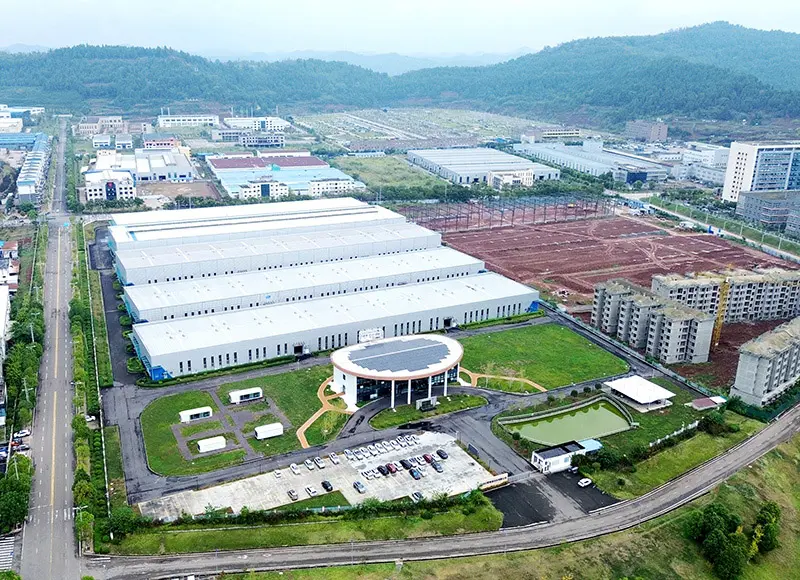
Zerothermo Technology is a leading national high-tech enterprise, operating one of the largest comprehensive vacuum application production facilities in the region.


Zerothermo Technology Co., Ltd., a subsidiary of CBVAC Group and a national high-tech enterprise, is headquartered in the Beijing Economic-Technological Development Area, with its primary manufacturing complex located in Nanchong City, Sichuan Province. This facility stands as one of China’s largest and most advanced production hubs for vacuum science applications and thermal materials.
By integrating comprehensive R&D laboratories, high-tech production lines, and quality assurance frameworks, Zerothermo serves critical industries globally, ensuring client applications meet the highest performance and environmental safety metrics.
Specialized dimensional sizes engineered directly to CAD drawings.
Custom square, oval, and micro-precision geometries.
Our insulation materials provide thermal performance across diverse temperature profiles.

Preserving vaccines and critical medicines under extreme storage limits globally.

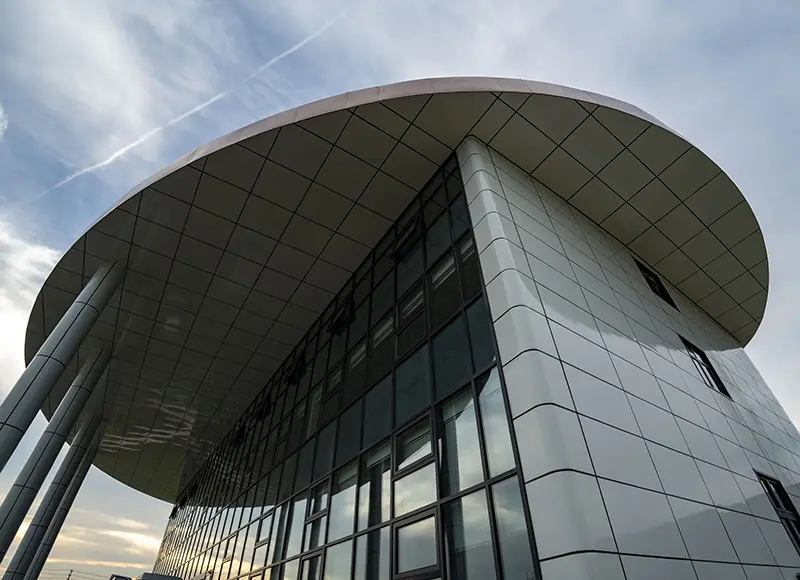
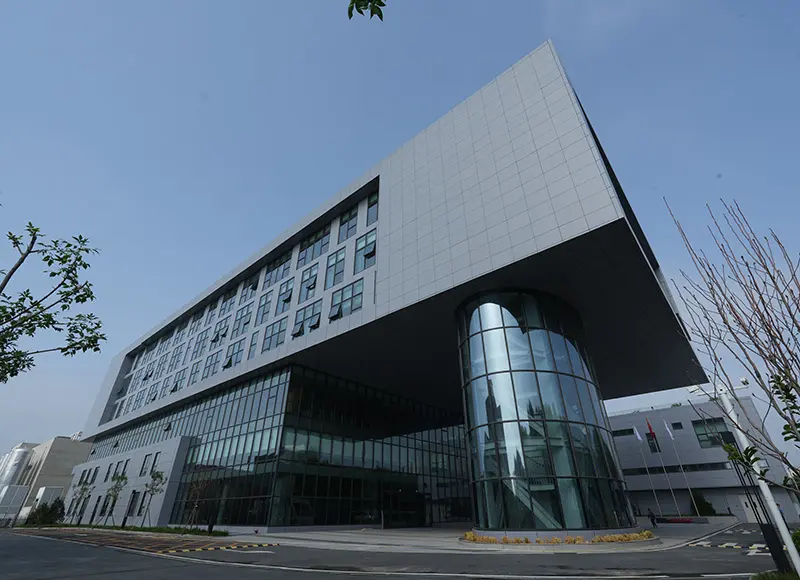
High-efficiency thermal wall systems to decrease commercial carbon footprint.

Advanced heat barriers for processing plants, kilns, and smelting units.

Modular panels engineered for environmental integration projects.
Explore our standard and specialty fumed silica vacuum and microporous nano panels, optimized for New York engineering firms.
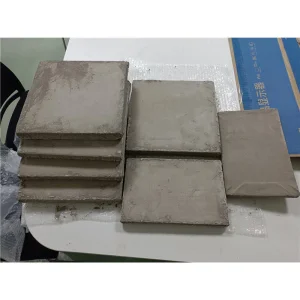
Mechanically reinforced barrier cores designed to withstand high pressure loads and urban environments.
Learn More →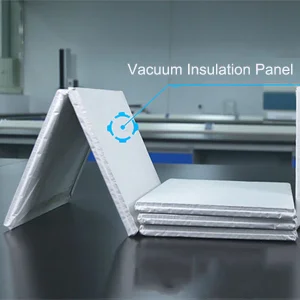
Ultra-thin retrofit insulation board minimizing floor space loss while achieving R-value metrics.
Learn More →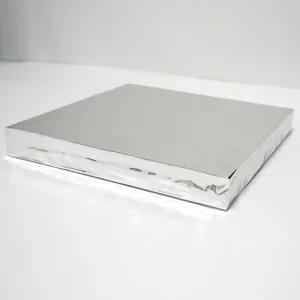
Engineered for continuous thermal loads exceeding 950°C in industrial smelting environments.
Learn More →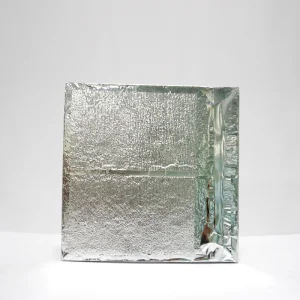
Optimized dry-ice shipping environments for vaccine cold chains and bio-pharmaceutical delivery networks.
Learn More →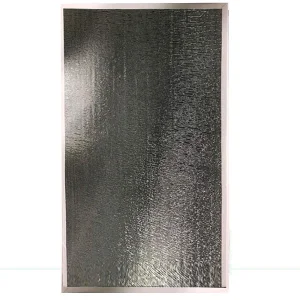
Configurable thermal barriers for cargo vessels, marine containers, and overland logistics systems.
Learn More →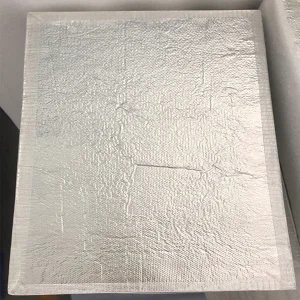
Heavy-duty protective film wrapping preventing puncture risks in demanding site scenarios.
Learn More →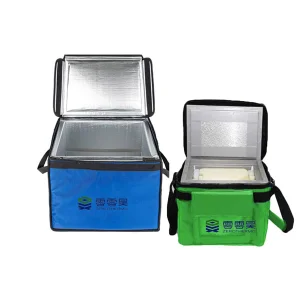
Engineered cold container solutions for NYC hospital networks and clinical supply logistics.
Learn More →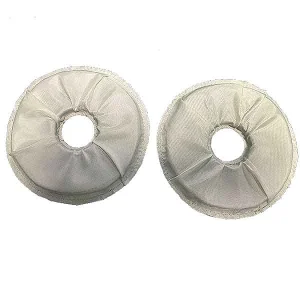
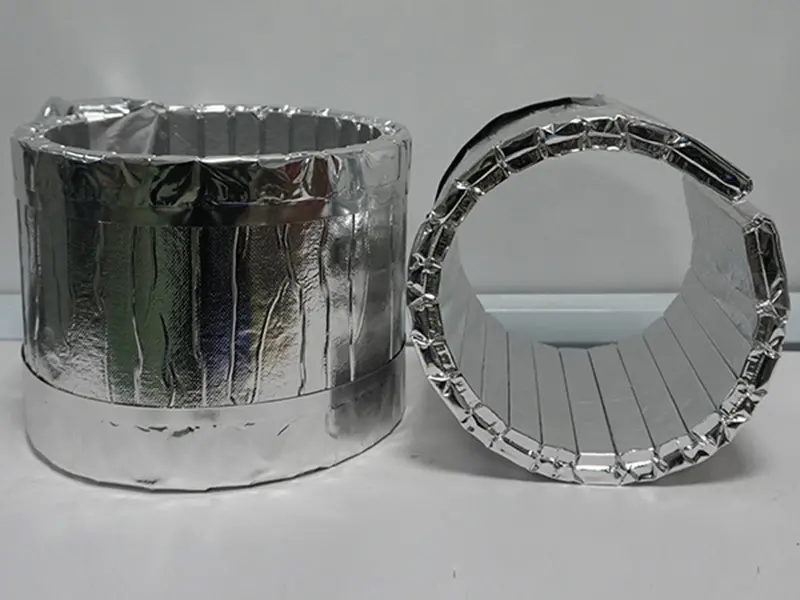
Flexible wraps for high-temperature pipe networks, valves, and cylindrical reactor chambers.
Learn More →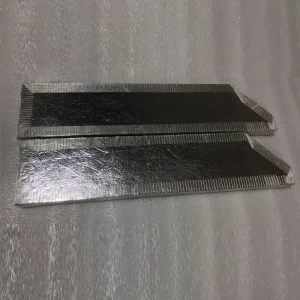
Precision-molded core inserts for cooling boxes, refrigerators, and complex layout retrofits.
Learn More →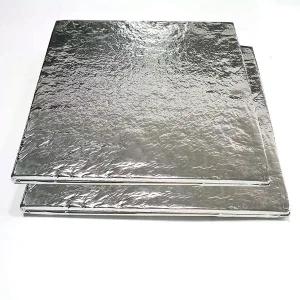
High-efficiency thermal values optimized for home appliances and commercial display coolers.
Learn More →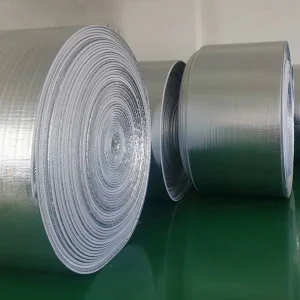
Reflective barrier solutions for industrial warehouses and roofing structures.
Learn More →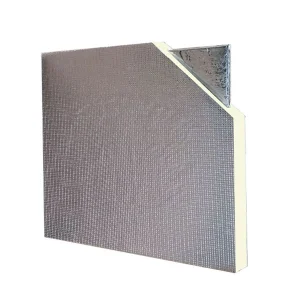
Polyurethane encased VIPs optimized for cold logistics in pharmaceutical distribution.
Learn More →

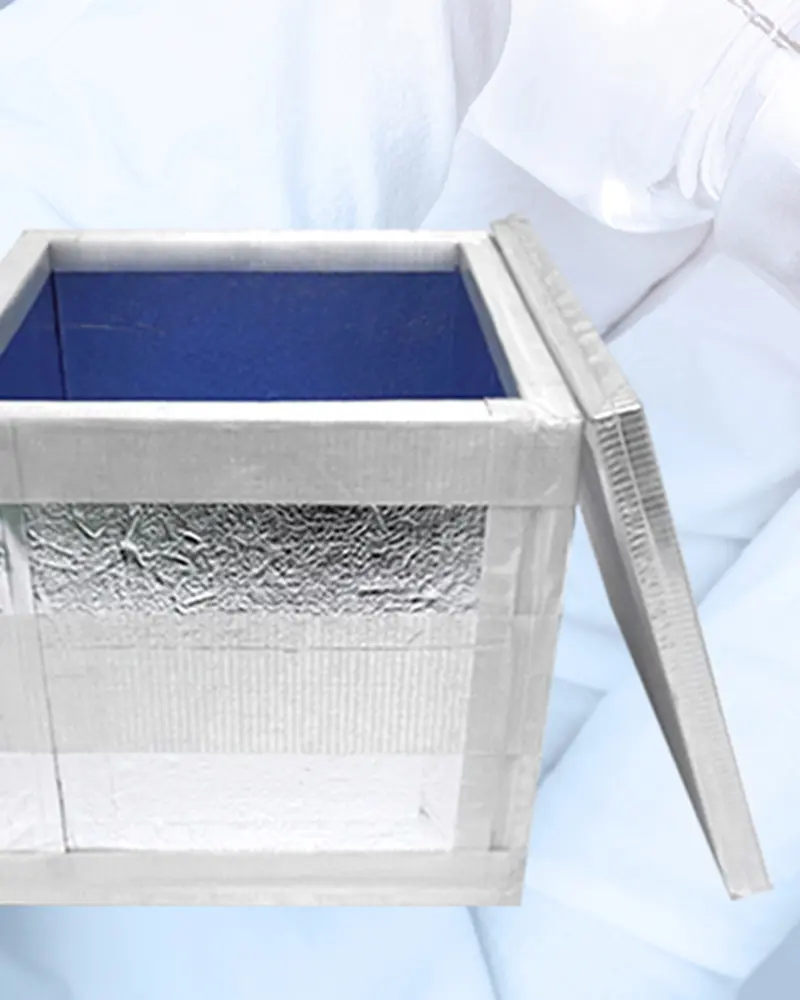
Tailored thermal insulation components developed to fit unique application envelopes.
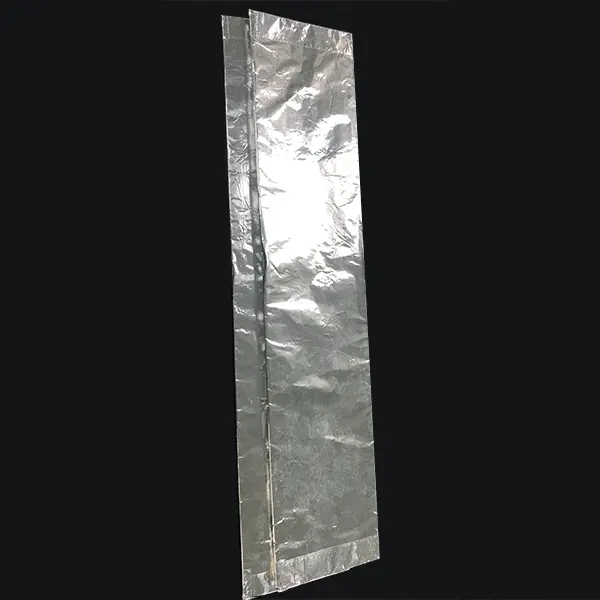
Advanced thermal run-away containment barriers for high-density automotive battery arrays.
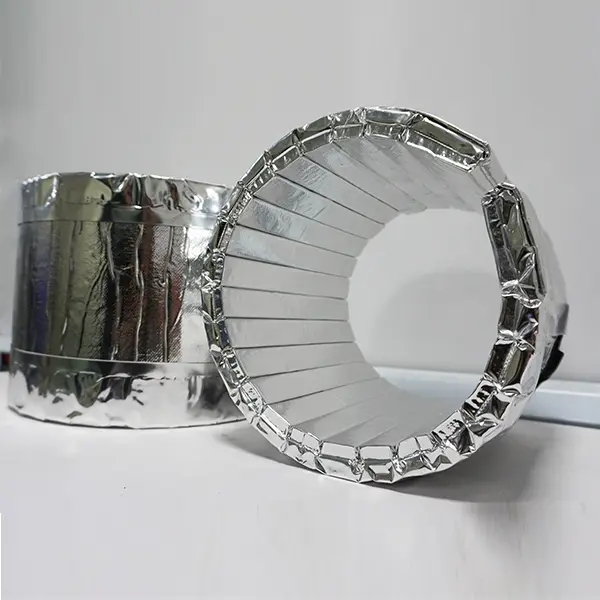
Hydrophobic formulas preventing structural water intrusion in humid utility corridors.
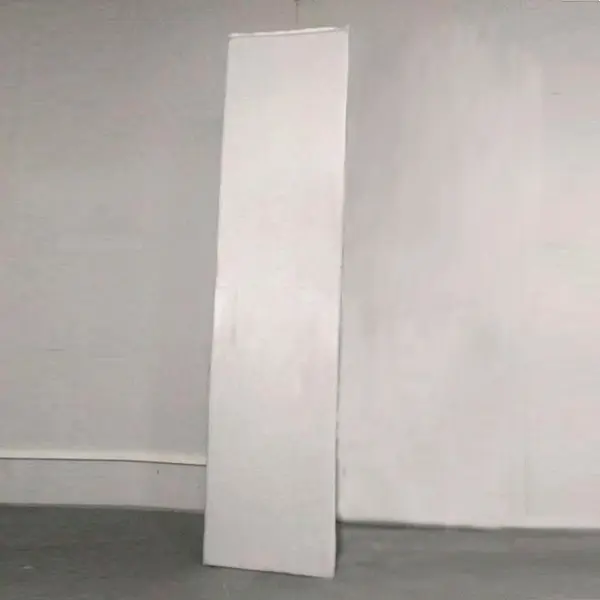
Ultra-thin fire barriers meeting structural requirements for commercial skyscrapers.
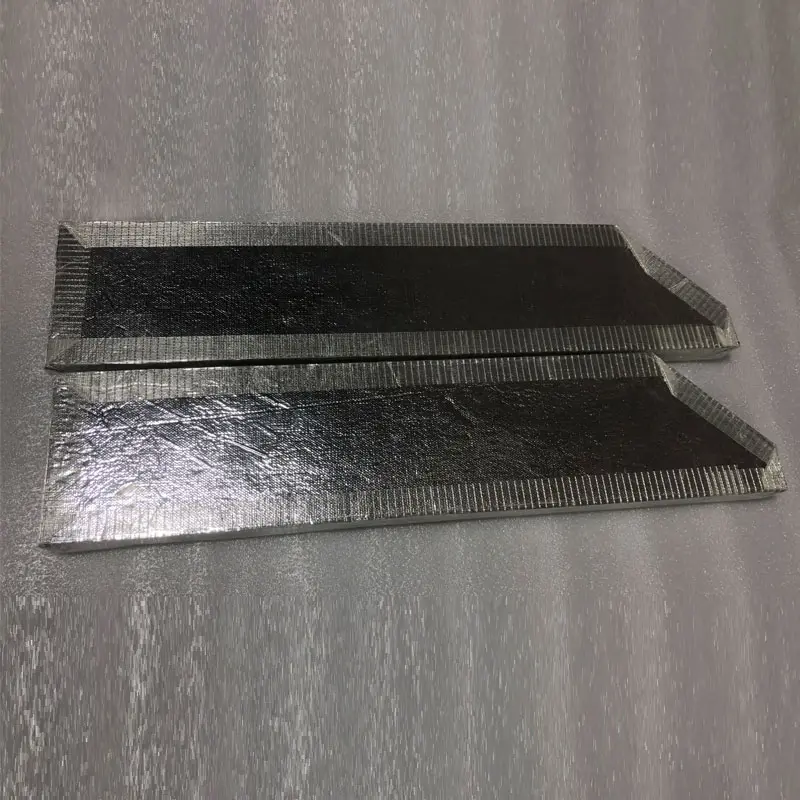
Molded shapes optimized for precision fits around fittings and system corners.
To understand why international and New York-based engineers specify nano-porous thermal barriers, a comparison across key metrics is essential. Conventional glass fiber or calcium silicate insulation relies on material thicknesses of 50mm to 100mm to achieve moderate thermal safety. In contrast, nano microporous panels achieve equivalent thermal performance at thicknesses under 15mm.
In the regulatory environment of New York, any material integrated into building facades, elevators, steam tunnels, or manufacturing pipelines must hold verifiable security credentials. Zerothermo Technology products comply with:
Through the *Knudsen Effect*. By maintaining internal cell structures and pore diameters around 20nm, which is smaller than the mean free path of air molecules at sea level, the kinetic energy exchange between air molecules is restricted. This suppresses gaseous heat conduction within the core insulation material.
Yes. Standard microporous cores are sensitive to liquid moisture, which can disrupt the nano-pore network. However, Zerothermo offers specialized hydrophobic formulations and protective heat-sealed vapor barriers (such as PET film casing) designed specifically to operate in high-humidity areas, including New York utility steam corridors.
Vacuum Insulation Panels (VIPs) based on fumed silica cores offer high compressive strength, often exceeding 0.15 to 0.25 MPa. This mechanical strength prevents deformation under light structural loads, unlike soft elastomeric or low-density fiberglass materials.
Yes, our fumed silica and microporous panels are composed of non-combustible inorganic materials. They do not outgas, contain zero organic volatile compounds (VOCs), and are fully fire-rated (Class A1), making them safe for chemical processing and industrial manufacturing environments.
Yes. Backed by the manufacturing capacity of the CBVAC Group, we produce custom-dimensioned panels, pipe sections, and complex-shaped sheets directly to CAD specifications. Our logistics network coordinates delivery to your warehouse or project site in New York.
Committed to supporting global decarbonization goals, Zerothermo Technology drives high-quality development of new industrial material solutions while promoting sustainable advancement.

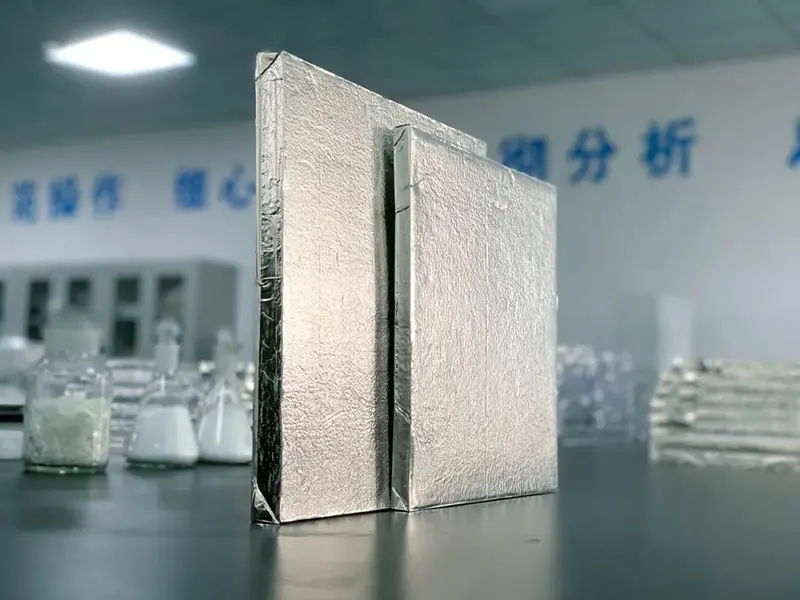
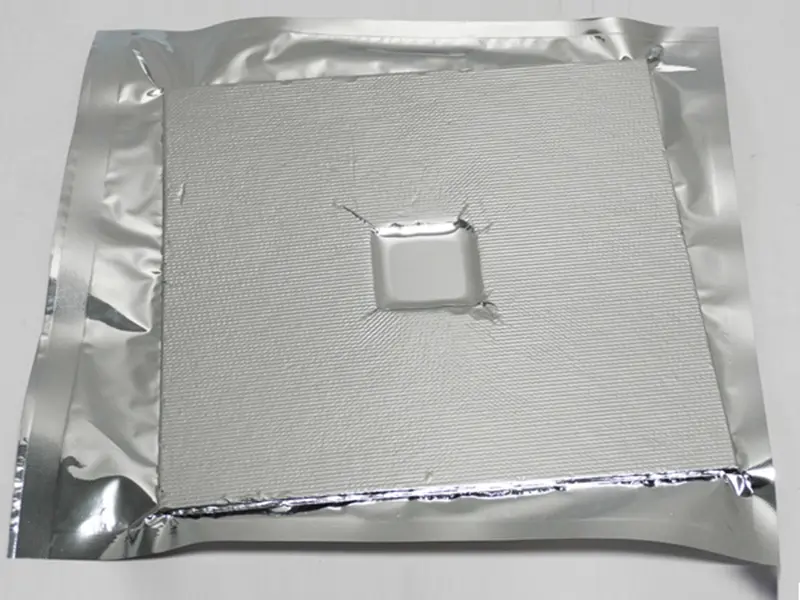
Our technical support team collaborates with industrial designers, contractors, and project managers to deliver optimized thermal solutions. Get in touch to discuss your parameters.
 [email protected]
 +86-15892792306


