
Featured Engineering Materials
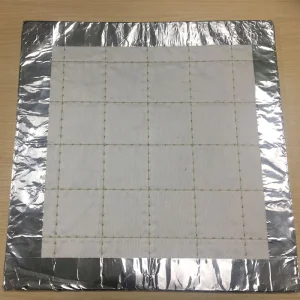
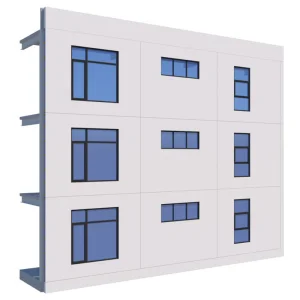
Serbia's manufacturing and heavy industry sectors—anchored by steel mills in Smederevo, non-ferrous metallurgical smelters in Bor, chemical networks in Pančevo, and massive coal-fired power facilities in Obrenovac—face unprecedented regulatory pressure to lower carbon emissions and transition away from inefficient thermal processes. Under the EU Integration trajectory, compliance with strict environmental mandates (such as the EU Carbon Border Adjustment Mechanism, or CBAM) requires these thermal assets to significantly reduce their energy consumption. Nano Microporous Insulation Panels present a vital engineering solution to help meet these goals.
In thermal management, conventional refractory liners like ceramic fiber blankets, calcium silicate boards, and insulating firebricks are failing to keep pace with modern efficiency requirements. In high-temperature zones exceeding 800°C, traditional systems exhibit high thermal conductivity, requiring extremely thick lining structures to maintain safe casing temperatures. This excessive lining volume reduces the internal capacity of furnaces, increases the structural load, and leads to significant cumulative heat loss during cycles.
The introduction of Nano Microporous Panels for High-Temperature Industry Factories in Serbia provides an engineering alternative. Engineered from fumed silica particles combined with opacifiers to suppress infrared radiation, these panels have a microporous structure with pore diameters averaging 20 nanometers—well below the mean free path of air molecules at standard atmospheric pressure. This structure effectively stops gaseous thermal convection and minimizes solid conduction, achieving thermal conductivity values as low as 0.015 W/m·K at 200°C and less than 0.035 W/m·K at high temperatures. This technology enables Serbian plants to reduce furnace lining thickness by up to 50–70% while improving energy efficiency by 20–30%.
The performance of nano microporous insulation is governed by the principles of microscale heat transfer, specifically the Knudsen effect. In standard thermal insulation materials, heat travels through three primary pathways: solid conduction through the material framework, gaseous convection and conduction through the air trapped inside pores, and radiative transfer across the void spaces.
For nano microporous panels, the thermal performance relies on specific microstructures:
To demonstrate the performance of nano microporous panels, let us examine the thermal conductivity profile across different insulation materials under typical industrial working conditions:
| Material Class | Thermal Cond. @ 400°C (W/m·K) | Thermal Cond. @ 800°C (W/m·K) | Required Lining Thickness for 80°C Shell |
|---|---|---|---|
| Zerothermo Nano Microporous Panel | 0.021 | 0.034 | 50 mm |
| Ceramic Fiber Board | 0.095 | 0.170 | 180 mm |
| Calcium Silicate Board | 0.115 | 0.210 | 220 mm |
| Insulating Firebrick (IFB) | 0.280 | 0.390 | 400 mm |
Serbia's trade links with the European Union mean domestic manufacturers must adapt to the EU's Carbon Border Adjustment Mechanism (CBAM). Under CBAM, imports of carbon-intensive products—including steel, cement, fertilizers, and electricity—face tariffs based on their embedded carbon emissions. Industrial processes that rely on outdated, poorly insulated furnaces face higher production costs due to these carbon taxes.
By upgrading thermal systems with Zerothermo's nano microporous solutions, industrial operators can reduce energy loss from furnace shells, lowering fuel consumption and minimizing carbon footprints. This engineering upgrade helps Serbian exporters keep their products competitive in European markets while demonstrating compliance with modern energy efficiency standards.
Custom Engineered OEM Solutions
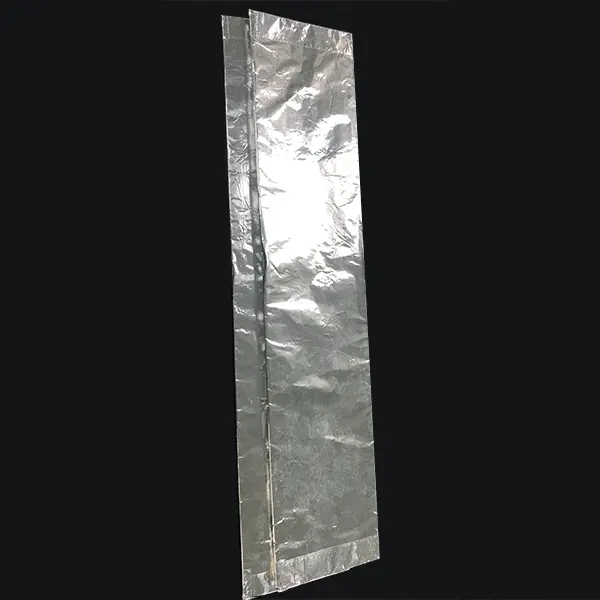
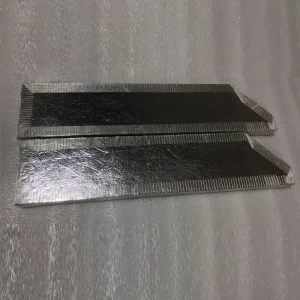
Size: Customized | Thickness: 5-50mm. Designed for thermal runaway protection in electric vehicle power packs.
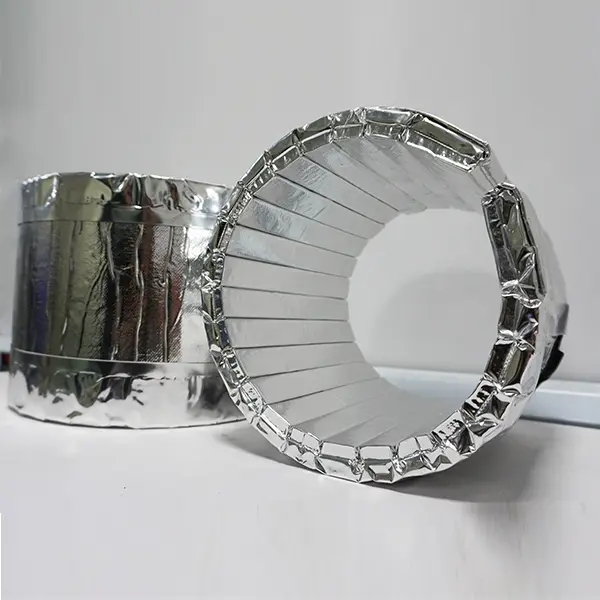
Size: Customized | Thickness: 5-50mm. Engineered with hydrophobic properties for wet mine shaft conduits.

Our elevator fireproof door high temperature nano panels satisfy strict European class-A1 fire safety standards.
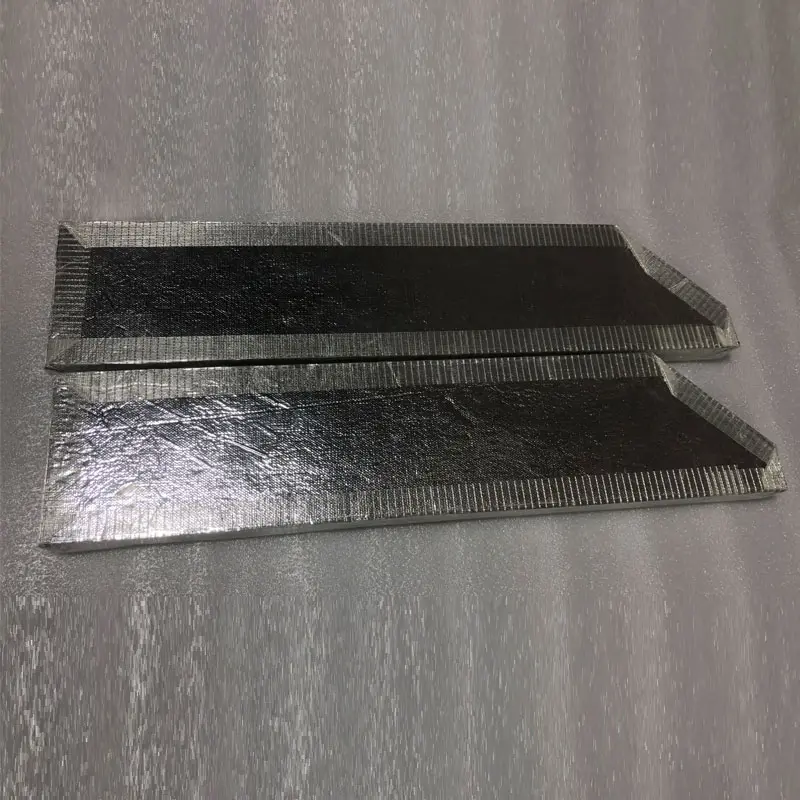
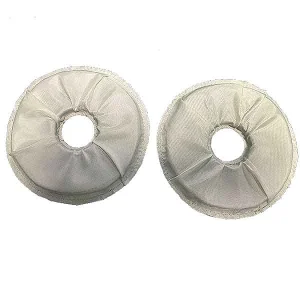
Custom shapes tailored to round piping systems and complex industrial geometries.
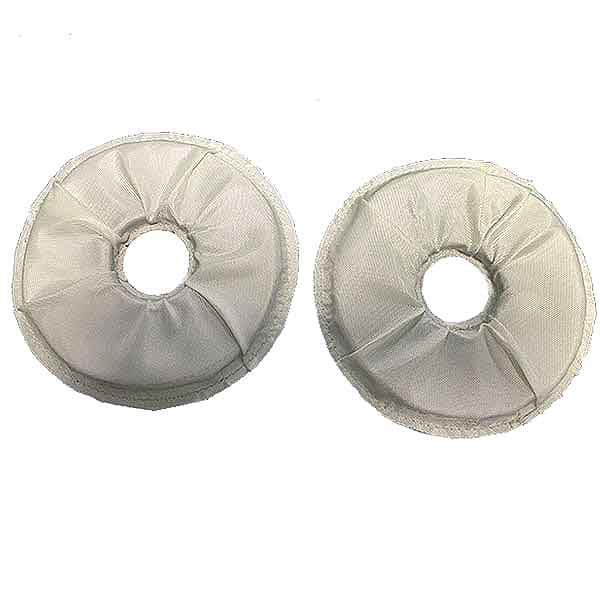
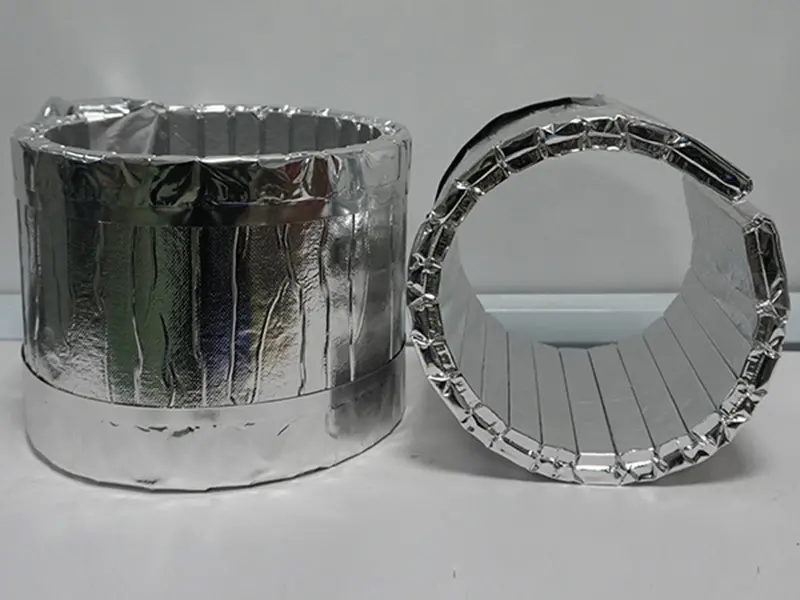
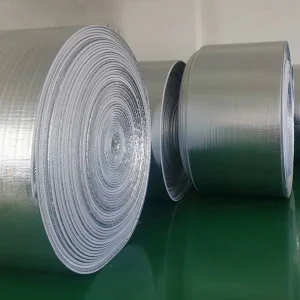
Flexible wraps designed for ladle preheaters, pipelines, and curved furnace shell linings.
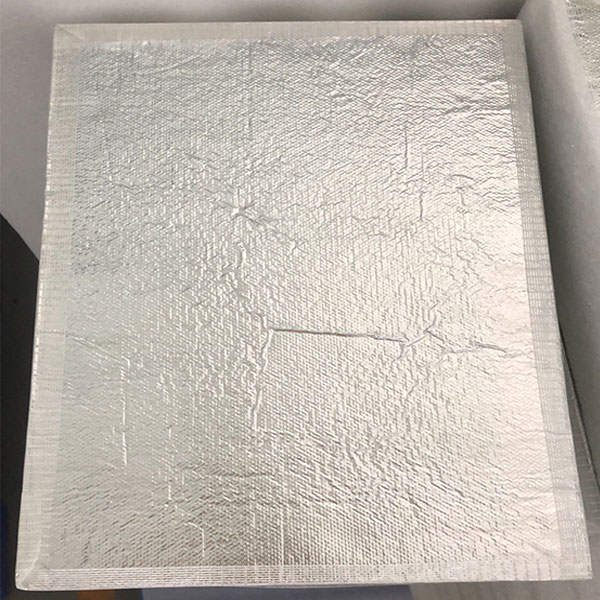
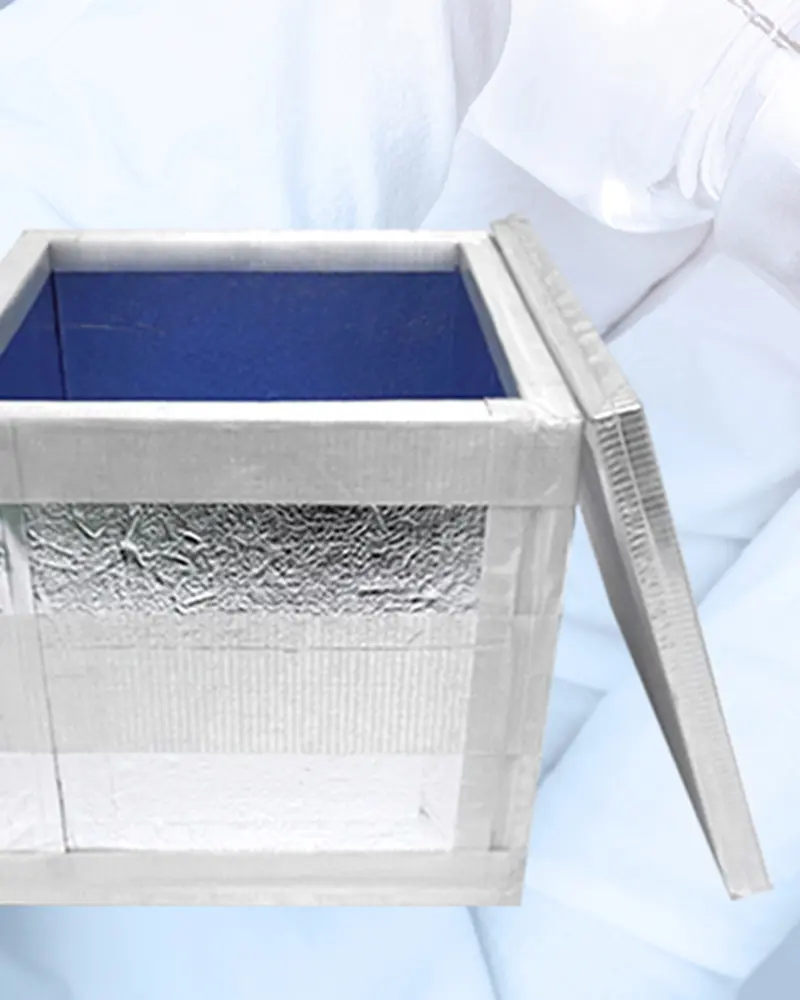
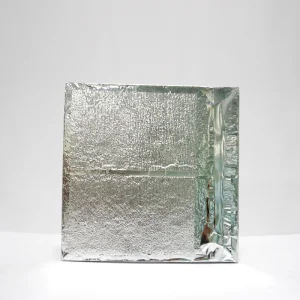
High-efficiency insulation barriers optimized for temperature-sensitive cold chain distribution.
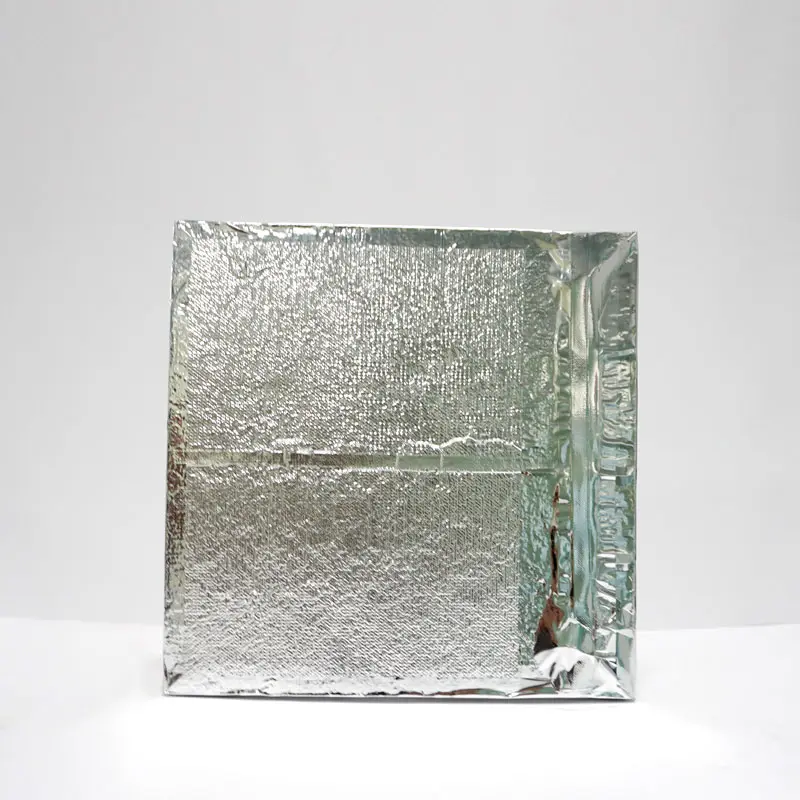
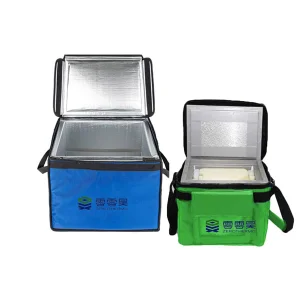
Protective packaging inserts designed for vaccine distribution networks across the Balkan region.
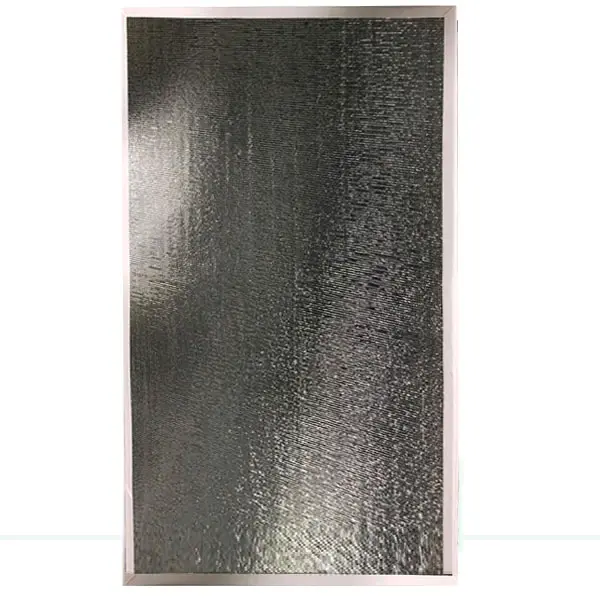
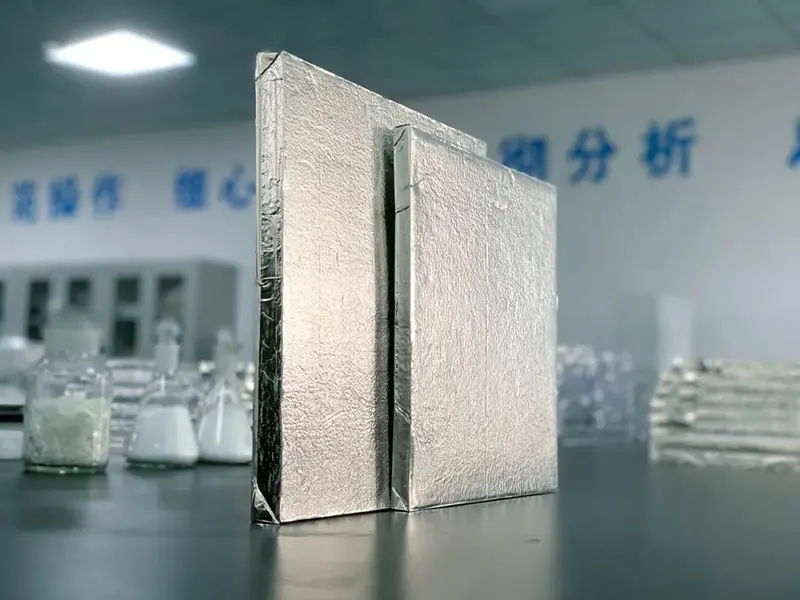
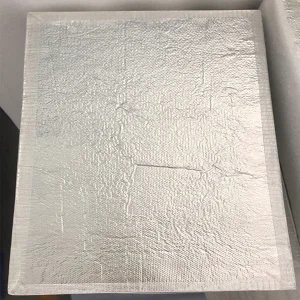
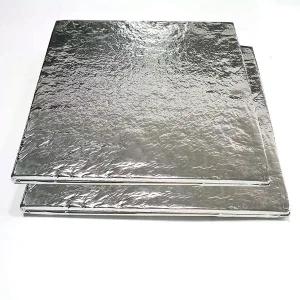
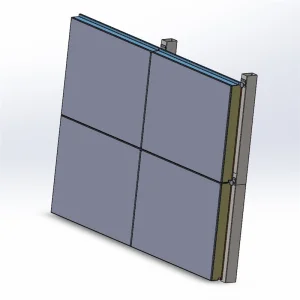
Large-format insulation panels designed for quick installation on industrial warehouse walls.
About Us
Zerothermo Technology Co., Ltd., a subsidiary of CBVAC Group and a national high-tech enterprise, is headquartered in the Beijing Economic-Technological Development Area with its production base located in Nanchong City, Sichuan Province. This facility stands as one of China’s largest comprehensive production centers for vacuum technology application products.

Special sizes (beyond the range of ANSI/ASME/DIN and other standards) are produced according to customers' drawings or technical parameters.

Square, oval or other special shaped flanges. Oversize/small diameter: such as diameter over 60 inches or micro precision flanges.

Special sizes designed according to customer parameters to fit chemical piping systems and high-pressure reactors.
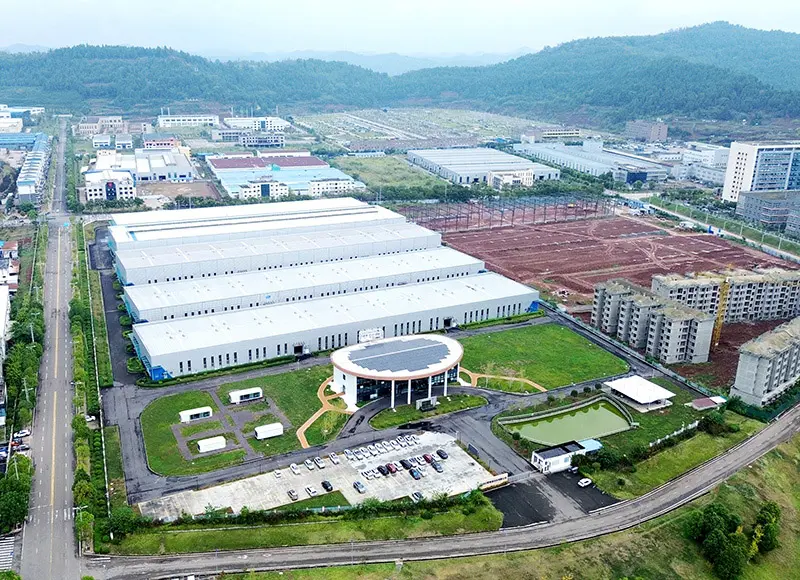

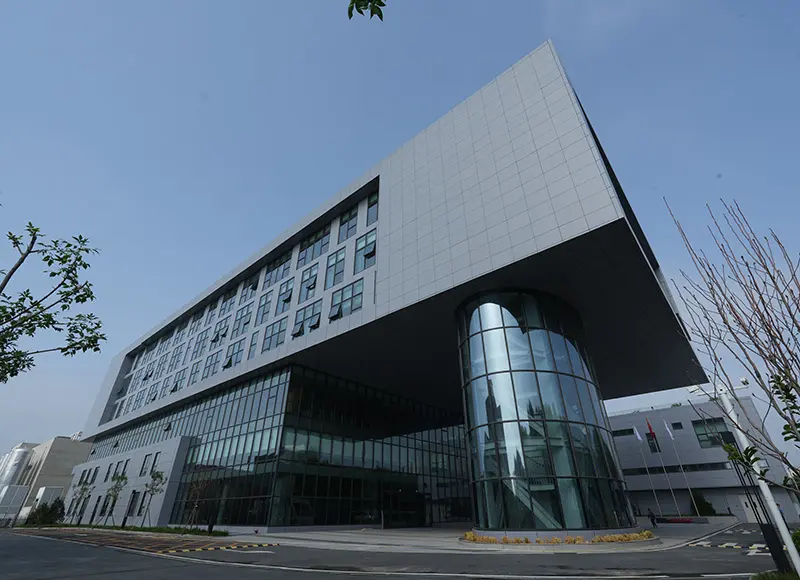
State-of-the-art Vacuum Manufacturing Plants & Advanced Material Inspection Systems


Technical & Strategic Dominance


Diverse Application Framework

Providing high-efficiency thermal insulation solutions for cold storage and delivery systems through fumed silica VIP panels.

Integrating vacuum insulation panels and vacuum insulated glass into envelope systems to reduce heating energy use.

Supplying microporous insulation systems for metallurgical ladles, tundishes, and steam boilers to reduce energy loss.

Providing custom acoustic and thermal shielding solutions for regional hospitality buildings and commercial spaces.
Proven Performance Records



Corporate Insight & Industry Dynamics

Technical & Commercial Answers
Our custom high-temperature nano microporous panels are engineered to perform reliably up to 1050°C. For applications demanding continuous exposure to extreme heating cycles, we incorporate specialty silicon-based fibers and sintering inhibitors to maintain structural integrity and prevent shrinkage.
Unlike ceramic fibers, which contain Refractory Ceramic Fibers (RCF) classified as potentially carcinogenic under European REACH directives, Zerothermo's nano microporous insulation panels are manufactured using fumed silica, mineral opacifiers, and bio-soluble reinforcing fibers. They are non-toxic, eco-friendly, and safe for installation in industrial plants.
Standard microporous panels are hydrophilic and can lose insulation value if they absorb moisture. However, for challenging conditions like those in the Bor copper mines, we offer hydrophobic treated panels. These water-resistant versions maintain their structure and low thermal conductivity in high-humidity environments.
Replacing traditional refractory bricks with nano microporous panels can reduce the lining weight of ladle covers, kilns, and furnaces by up to 60%. This reduces stress on mechanical components, lowers structural support requirements, and decreases maintenance costs.
Most upgrades see a return on investment within 9 to 18 months, driven by lower energy consumption, reduced heat loss, and decreased CO2 emissions. For plants affected by CBAM carbon taxes, the economic benefits are realized even faster.
Global Product Catalog
Start Your Decarbonization Journey
We offer specialized vacuum insulation panel systems and custom high-temperature thermal barriers designed for the technical requirements of factories and production plants throughout Serbia. Get in touch with our team of specialists today for technical consultations, customized sizing quotes, and samples.




 +8615892792306