
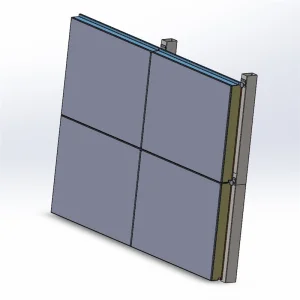
High-performance integrated panels designed for building envelope systems requiring minimum thermal bridging.
View Details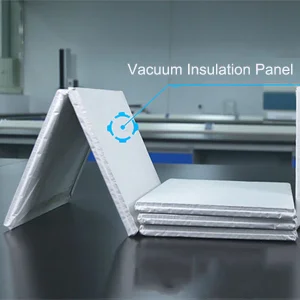
Economical thermal barrier solutions optimizing energy footprints in commercial architectural structures.
View Details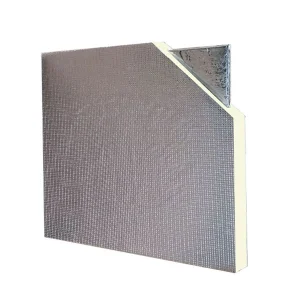
Hybrid PU-sheathed vacuum core designs delivering double-barrier protection for temperature-sensitive shipping.
View Details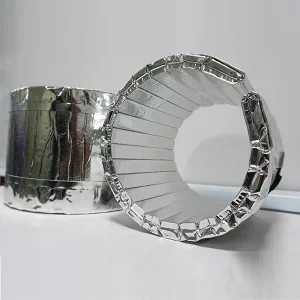
Engineered high-temperature resistance wraps designed to eliminate standing heat loss in processing tanks.
View Details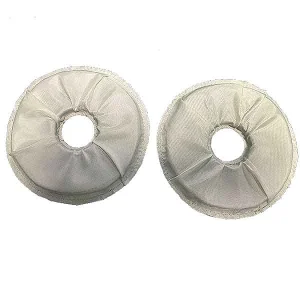
Flexible nanostructured insulation mats configured to wrap around complex geometries and piping manifolds.
View Details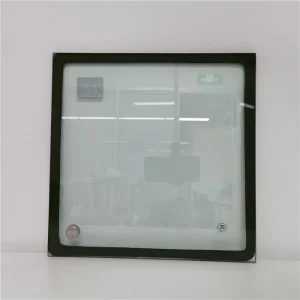
Advanced structural safety glazing featuring internal micro-spacers for absolute thermal performance.
View Details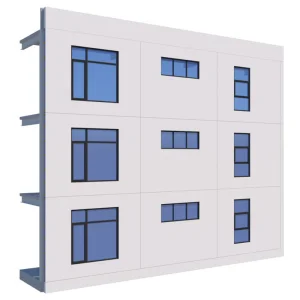
Pre-engineered exterior panels combining architectural finish with high R-value insulation cores.
View Details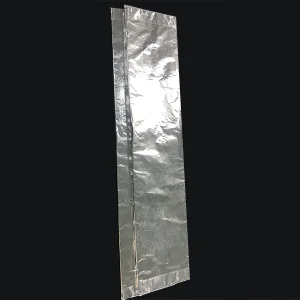
Crucial thermal management layers designed to protect lithium-ion cells against thermal runaway.
View DetailsWhen selecting next-generation insulation systems, thermal engineers analyze the mechanisms of heat transfer: solid conduction (λsolid), gaseous conduction (λgas), radiative heat transfer (λrad), and convection (λconv). Both Vacuum Insulation Panels (VIPs) and Aerogel blankets sit at the peak of thermodynamic engineering, but they restrict heat through different physical pathways.
Vacuum Insulation Panels (VIPs) operate by eliminating gas conduction entirely. By enclosing a nanoporous core—typically fumed silica, glass fiber, or polyurethane—within a high-barrier envelope and evacuating the atmosphere down to an internal pressure of 1 to 5 mbar, gaseous conduction is neutralized. The fumed silica core prevents atmospheric pressure from collapsing the panel. Since the mean free path of nitrogen and oxygen molecules at standard atmospheric pressure is about 70 nanometers, and fumed silica pores are in the range of 10 to 100 nanometers, VIPs maintain a low thermal conductivity (λ ≤ 0.004 W/m·K) even if internal vacuum pressures fluctuate over their service life.
Aerogel Blankets, conversely, restrict heat transfer via the Knudsen Effect. Silica aerogels consist of an open-pore solid structure with a density of 0.003 to 0.5 g/cm³. The pore sizes range between 20 to 50 nanometers. Because these pores are smaller than the mean free path of gas molecules under standard atmospheric pressure, molecules collide more frequently with the solid silica framework than with each other. This restricts gaseous heat transfer without requiring a physical vacuum. Under atmospheric conditions, aerogel blankets maintain a thermal conductivity of 0.015 to 0.023 W/m·K.
While VIPs provide a thermal barrier that is 4 to 5 times more effective than aerogels, they must not be cut or punctured. Puncturing a VIP allows air to rush in, raising its thermal conductivity to that of the unevacuated core material (typically 0.020 W/m·K). Aerogel is mechanically isotropic, meaning it can be cut, drilled, and shaped on-site without affecting its thermal performance.
Ensures thermal conductivity ratings as low as 0.0015 to 0.004 W/m·K.
Retains a stable ~0.015 W/m·K under high mechanical loads and complex geometries.
Both material cores satisfy strict commercial construction and automotive safety ratings.
| Property Parameter | Vacuum Insulation Panel (Fumed Silica Core) | Silica Aerogel Blanket | Polyurethane (PU) Foam VIP |
|---|---|---|---|
| Thermal Conductivity (λ) | 0.0015 – 0.004 W/m·K (At 25°C) | 0.015 – 0.023 W/m·K (At 25°C) | 0.005 – 0.008 W/m·K (At 25°C) |
| Operating Temperature Range | -70°C to +80°C (Core up to 900°C if unsealed) | -200°C to +650°C (Up to 1000°C for custom compositions) | -180°C to +80°C |
| Core Flammability Rating | Class A1 (Non-combustible core) | Class A1 / Class B1 (Fibre-matrix dependent) | Class B2 / Class B1 (Flame-retardant treated) |
| Thickness Availability | 5mm to 50mm (Custom dimensions required) | 3mm to 20mm (Roll formats layerable) | 10mm to 80mm |
| Mechanical Adaptability | Rigid, non-cuttable, pre-engineered size | Highly flexible, cuttable, wraps curves | Semi-rigid, shaped under vacuum constraint |
| Service Life Cycle | 25 to 50 Years (Vacuum loss degradation limits) | Infinite (Assuming no moisture saturation) | 15 to 30 Years |
| Typical Applications | Cold chain containers, EV batteries, facade walls | Subsea piping, refinery lines, high-temp industrial wraps | Appliance linings, deep freeze boxes |
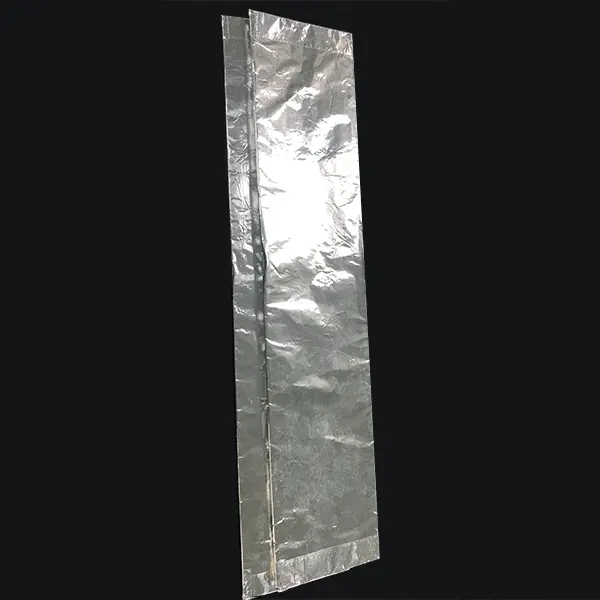
Product Details: Size: Customized Thickness: 5-...
View More +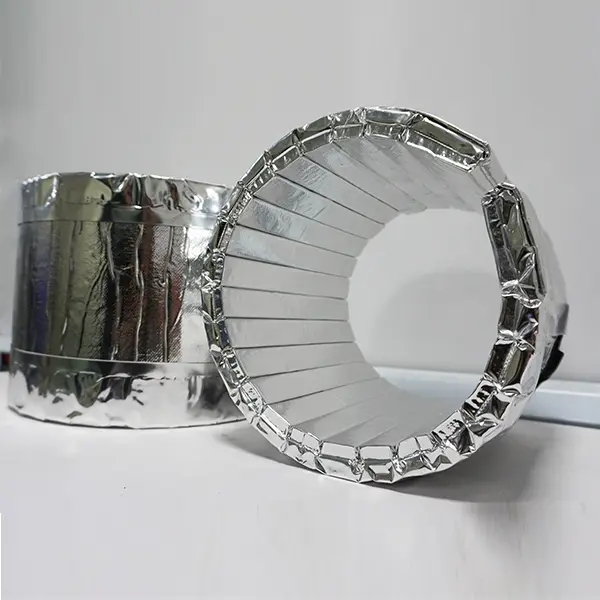
Product Details: Size: Customized Thickness: 5...
View More +
Our elevator fireproof door high temperature na...
View More +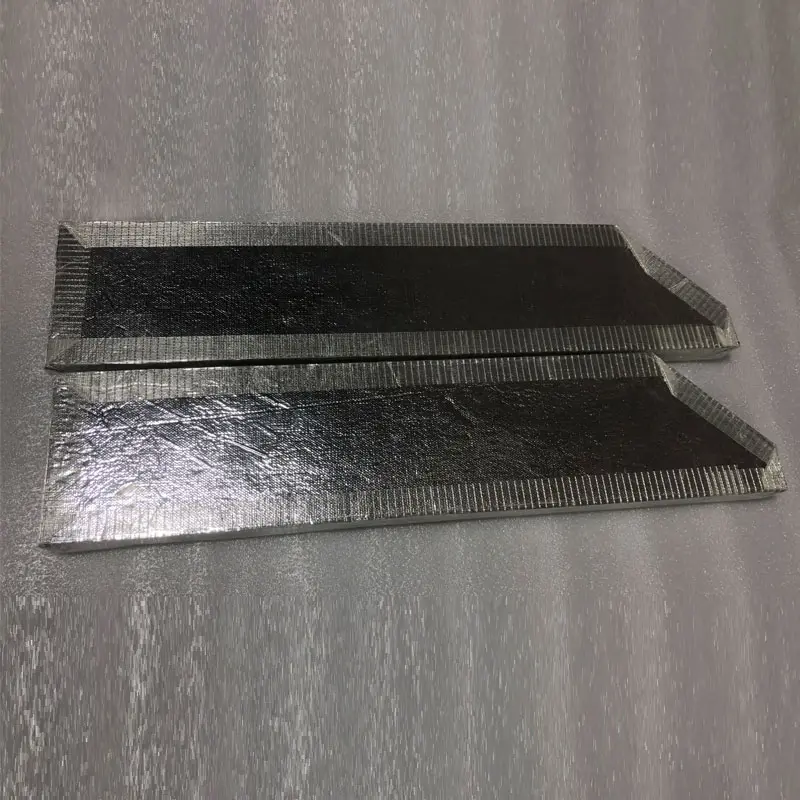
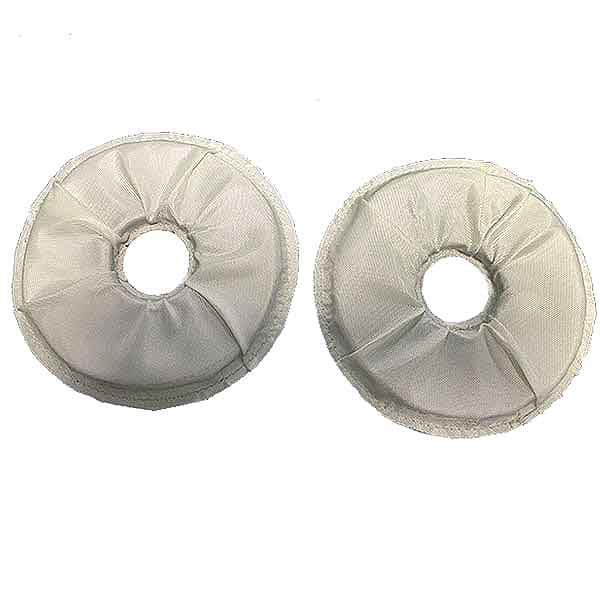
Product Specification Product Features Custom R...
View More +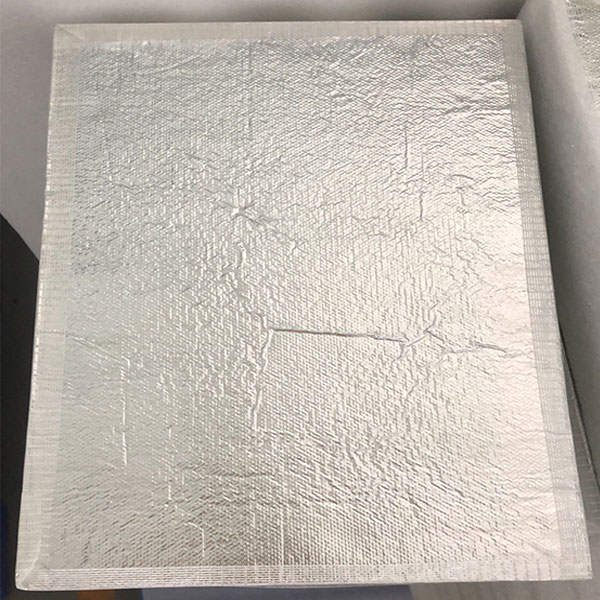
Product Features Size Details Zerothermo vacuu...
View More +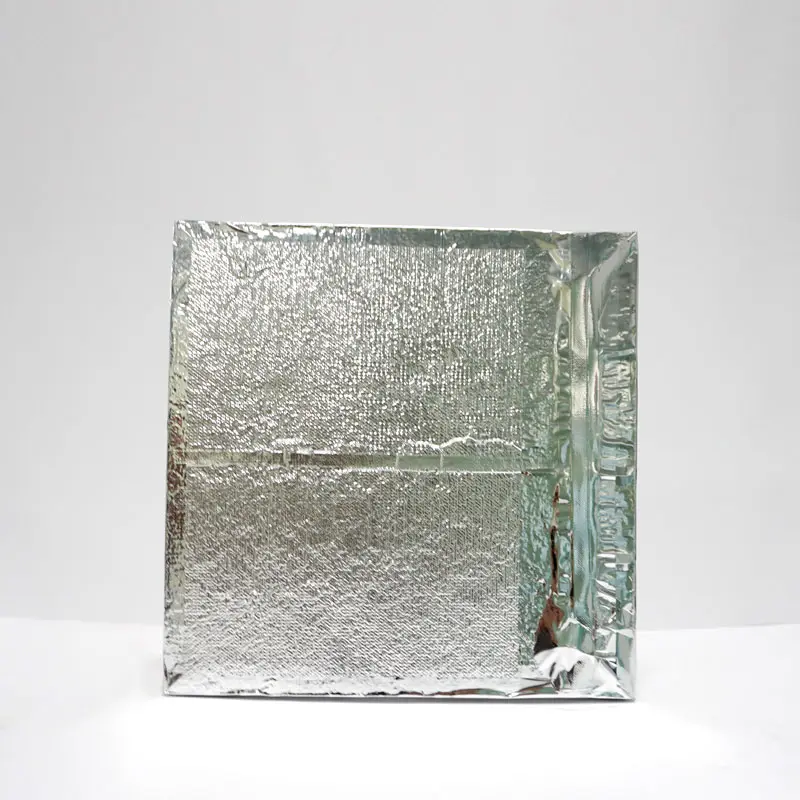
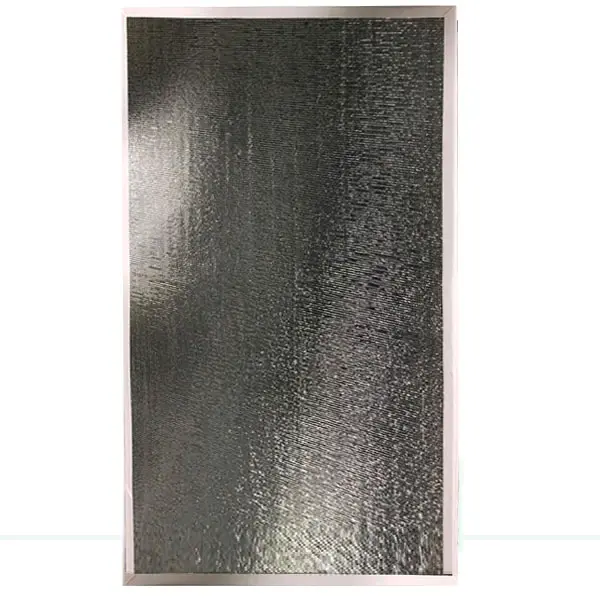
Product Features Product Specification Size ...
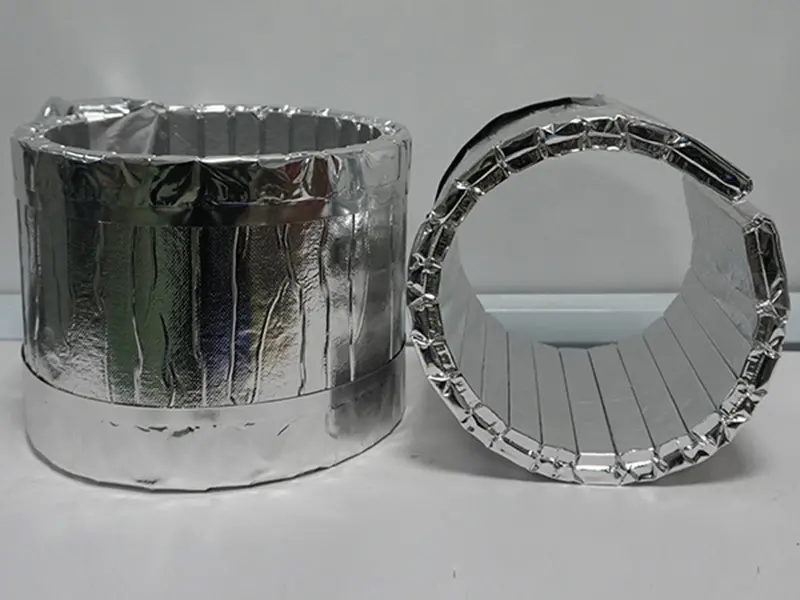
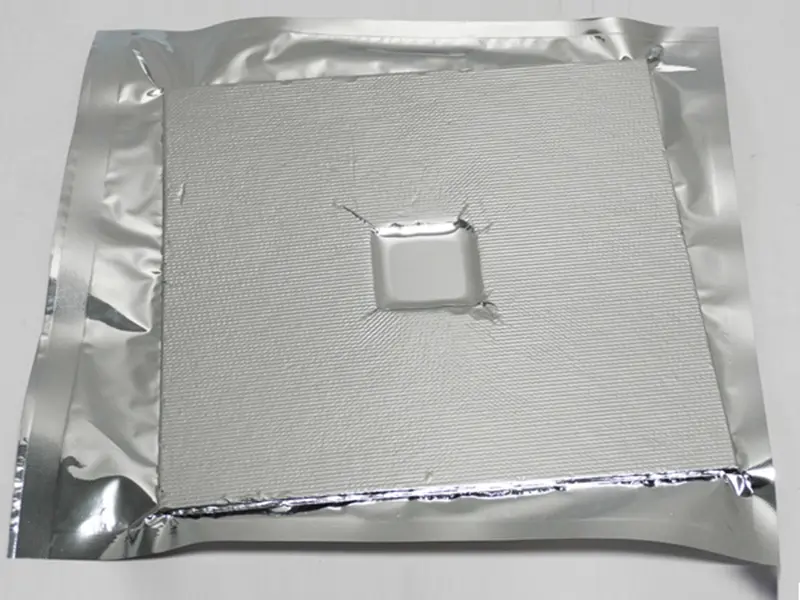
View More +Custom VIP systems require precise engineering due to their non-alterable post-vacuum state. Manufacturers utilize Computer-Aided Design (CAD) files to dry-press, CNC-contour, and pre-wrap the core structures before vacuum evacuation and high-barrier foil thermal sealing. Special shapes, such as 3D box liners, cylinders, or panels with cutouts for electrical wiring, must be modeled to minimize edge-effect heat transfer.
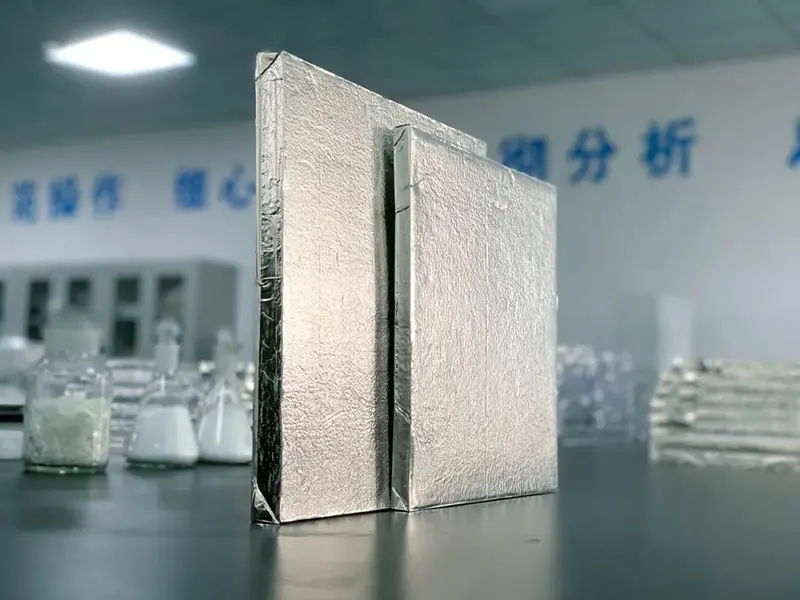
The perimeter of a VIP has a thermal bridge where the metallic high-barrier film connects the warm and cold faces. This edge thermal bridging (measured as linear thermal transmittance, ψ-value) can reduce the overall thermal performance of the installation. For small, complex-shaped panels, edge losses are higher, whereas large-format panels (e.g., 1200mm × 600mm) maintain performance close to the core value.
The pricing dynamics of VIPs and Aerogels depend on material formulations and manufacturing requirements:
Zerothermo Technology Co., Ltd., a subsidiary of CBVAC Group and a national high-tech enterprise, is headquartered in the Beijing Economic-Technological Development Area with its production base located in Nanchong City, Sichuan Province. This facility stands as one of China’s largest comprehensive production centers for vacuum technology application products.

Special sizes produced according to customers' drawings or technical parameters.

Square, oval, or other special shaped flanges including oversize or small diameters.

High-tolerance components designed for high-vacuum and ultra-high-vacuum systems.


Selecting either VIP or Aerogel systems depends on the environmental requirements of the application:
In electric vehicles, space constraints are high. Custom VIP blankets (5mm to 10mm) provide thermal runaway protection between cell modules, delaying propagation above 600°C while maximizing battery density.
Refineries, steam networks, and furnaces use silica aerogel blankets. Aerogel withstands vibrations and mechanical impacts while preventing corrosion under insulation (CUI) because of its hydrophobic qualities.
Retrofitting historic facades requires thin profiles. Modular VIP decorative panels reduce heat loss without altering building structures, helping projects meet net-zero carbon standards.
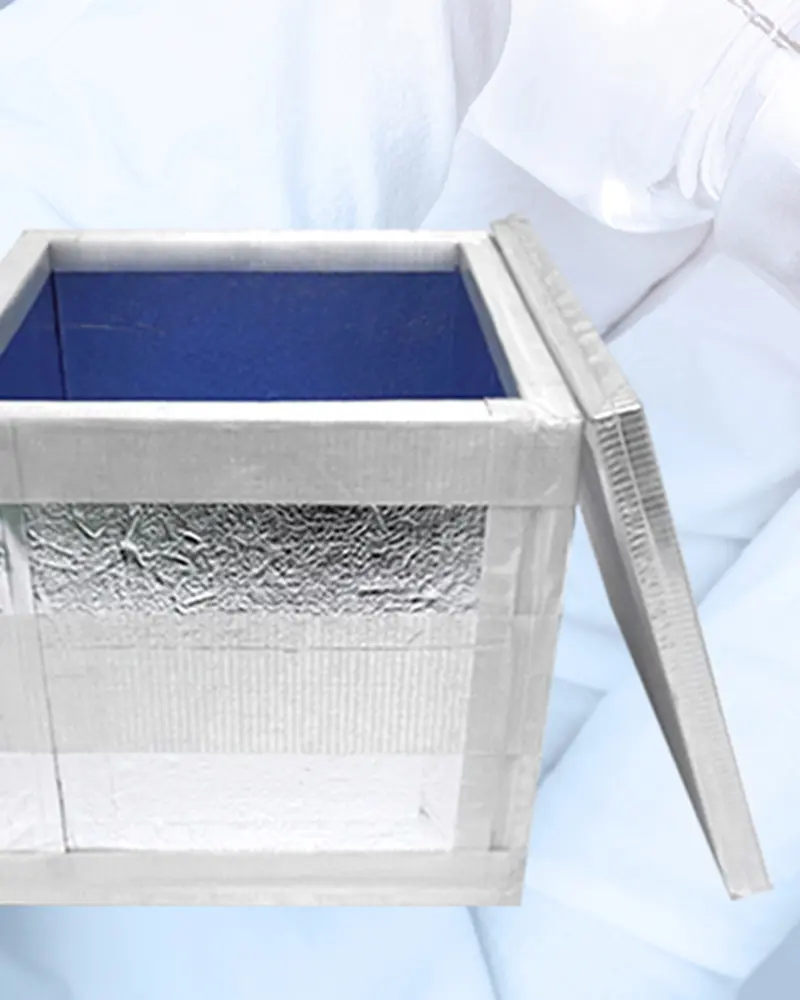
In pharmaceutical cold chains (like vaccine storage), fumed silica VIP boxes maintain temperatures from -70°C to +8°C for over 120 hours without external power. This outperforms traditional PU or EPS foam panels, reducing operational footprint and shipping weight.


Next-generation insulation systems focus on reducing edge losses and optimizing raw material consumption:
Provides high-efficiency thermal insulation solutions for building envelope systems through vacuum insulation panels and vacuum insulated glass, supporting carbon reduction in the construction sector.
Low-K factor vacuum insulation panels reduce wall thickness by up to 80% compared to traditional mineral wool while achieving the same overall thermal resistance.
Aerogel and nano-microporous blankets reduce structural footprints in power generation plants, protecting pipelines from high thermal gradients.






Zerothermo Technology coordinates its vacuum engineering production from its main base in Nanchong City, Sichuan Province. With over 400,000 square meters of production space, the facility uses advanced automation to achieve consistent product quality and cost efficiencies:
We provide global logistics through major shipping hubs, ensuring secure transport, custom packaging, and comprehensive export documentation.
Contact our application engineering team for VIP and aerogel comparison data, customized dimensions, and bulk pricing schedules.






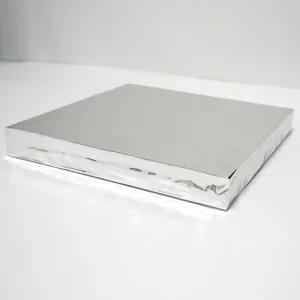
Rigid, high-density microporous panels designed for heat containment in metal processing and furnace linings.
View Details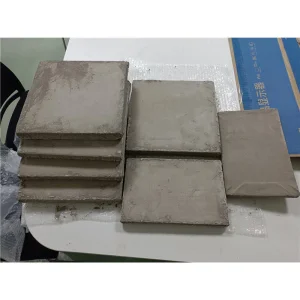
Structural-grade VIPs featuring reinforced core materials to withstand increased mechanical pressure.
View Details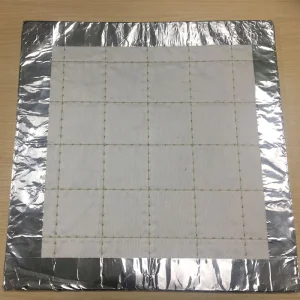
Flexible nanostructured wraps that limit thermal bridging in high-temperature pipelines.
View Details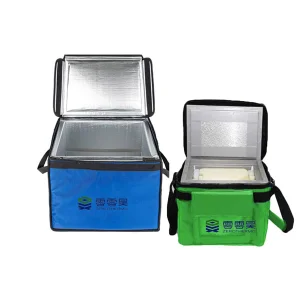
Advanced passive cooling transport boxes designed for temperature-sensitive pharmaceuticals and clinical shipments.
View Details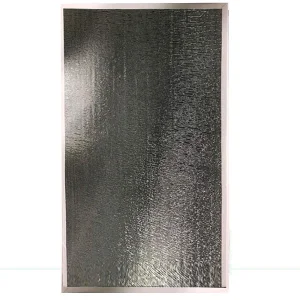
Large-format fumed silica VIPs designed to optimize space and efficiency in intermodal shipping containers.
View Details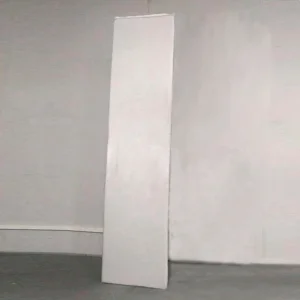
Certified fire-barrier insulation panels designed to delay heat transfer in elevator shafts and fire doors.
View Details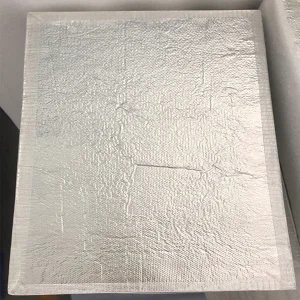
VIPs wrapped in high-barrier metallized PET films to prevent gas and moisture intrusion.
View Details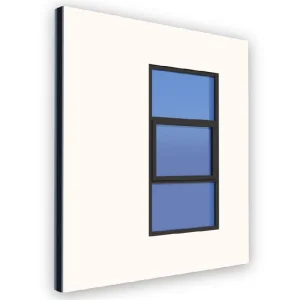
Pre-assembled modular wall units designed for fast installation and low thermal bridging in exterior facades.
View Details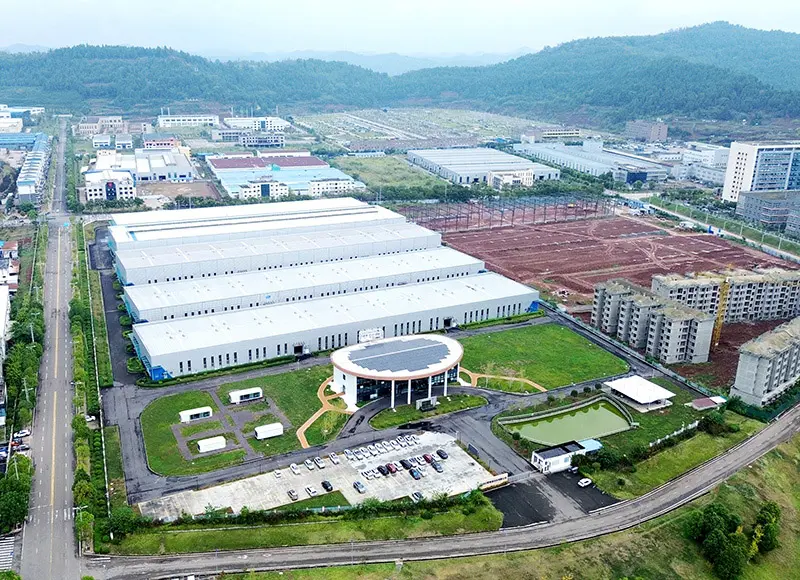


 +8615892792306