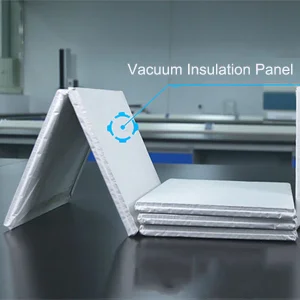
Explore our core selection of customized vacuum insulation panels engineered for unmatched lifespan expectancy and structural durability.
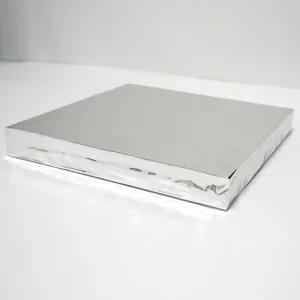
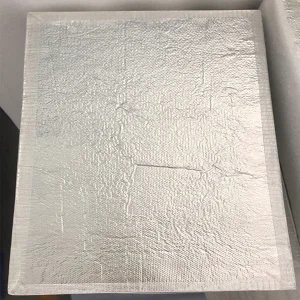
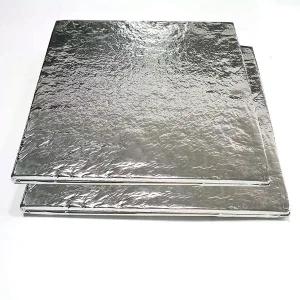

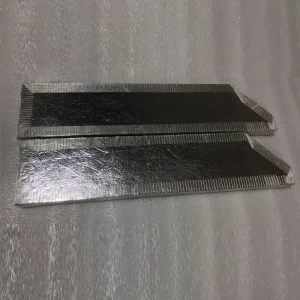
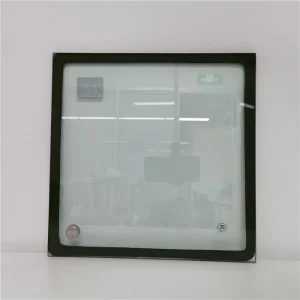
Vacuum Insulation Panels (VIPs) represent the absolute cutting edge of commercial thermal insulation technology, maintaining thermal conductivity rates (λ) as low as 0.0015 to 0.0020 W/(m·K). However, the central factor governing their large-scale deployment is lifespan expectancy. In industries where assets are expected to run for 30 to 60 years, understanding the degradation curves, moisture intrusion mechanics, and core microstructural developments of VIPs is paramount.
The physical lifespan of a vacuum insulation panel is defined by its ability to preserve an internal vacuum pressure of less than 10 mbar. Over decades, atmospheric gases and moisture slow-diffuse through the barrier envelope. By optimizing barrier film laminations, introducing advanced desiccants, and implementing precise manufacturing seals, industry leaders can extend the thermal performance window of high-tech insulation systems.
At Zerothermo Technology Co., Ltd. (a key subsidiary of the CBVAC Group), we engineer VIPs with advanced core microstructures designed to withstand physical aging processes, offering customized solutions that match the lifetime requirements of architectural facades, thermal batteries, and high-value cold chain containers.
| Core Core Parameter | Fumed Silica Core | Glass Fiber Core |
|---|---|---|
| Initial Conductivity (λ) | ~0.004 W/(m·K) | ~0.0015 W/(m·K) |
| Average Lifetime Expectancy | 30 to 60 Years | 5 to 15 Years |
| Critical Pressure Limit | 100 mbar | 10 mbar |
| Thermal Safety Profile | Non-combustible (Class A) | Varies by Binder |
| Outgassing Sensitivity | Extremely Low | Moderate to High |
Our tailored fabrication capabilities allow for bespoke designs, thicknesses, and specialized outer barrier envelopes to ensure target lifespan expectancy.
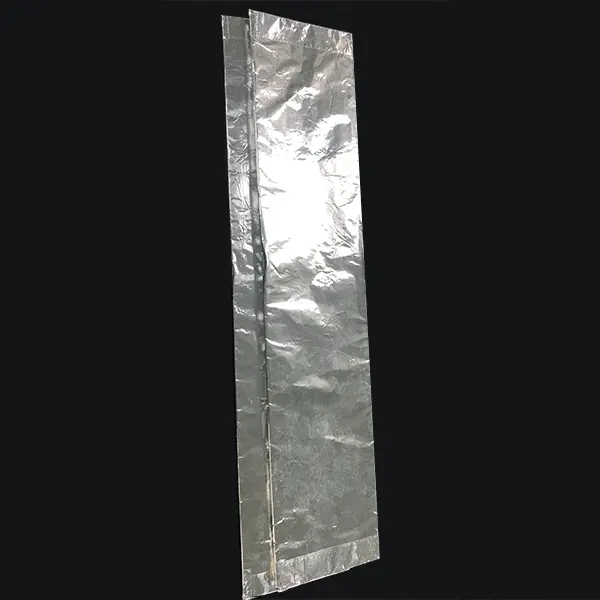
Tailored VIP solutions developed to withstand mechanical shocks and protect new energy vehicle battery compartments from thermal runaway over a 15-year automotive lifespan.
View More +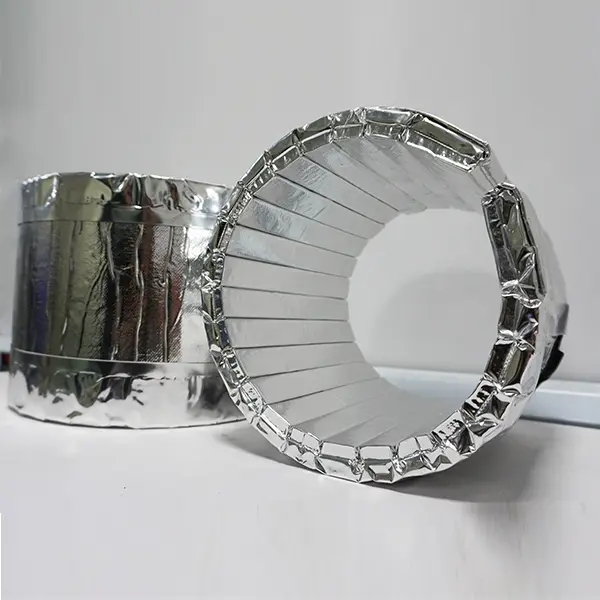
Designed for residential and industrial water storage tanks, optimizing thermodynamic efficiency while ensuring long-term structural insulation stability.
View More +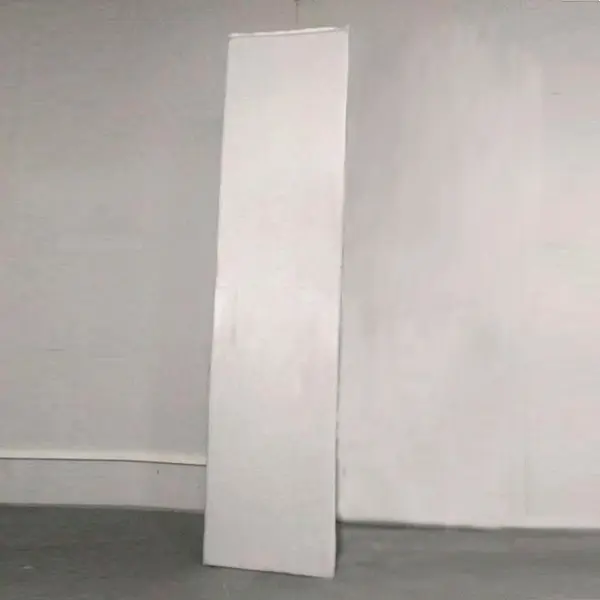
Bespoke insulation configurations designed to resist fire hazards and extreme heat within elevator fireproof systems and high-rise construction doors.
View More +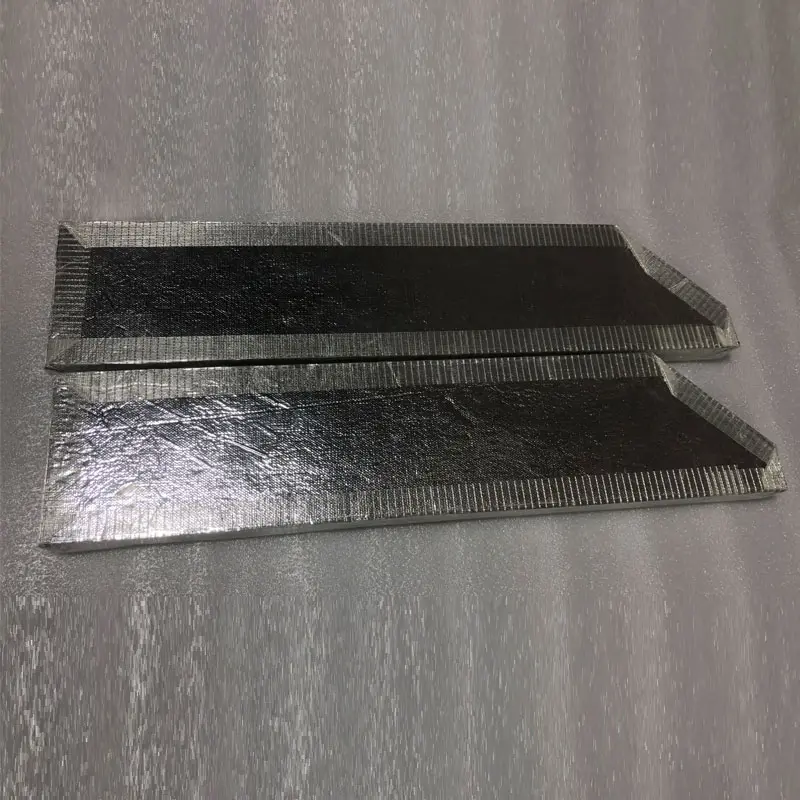
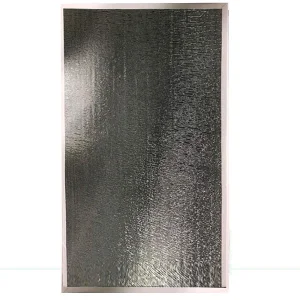
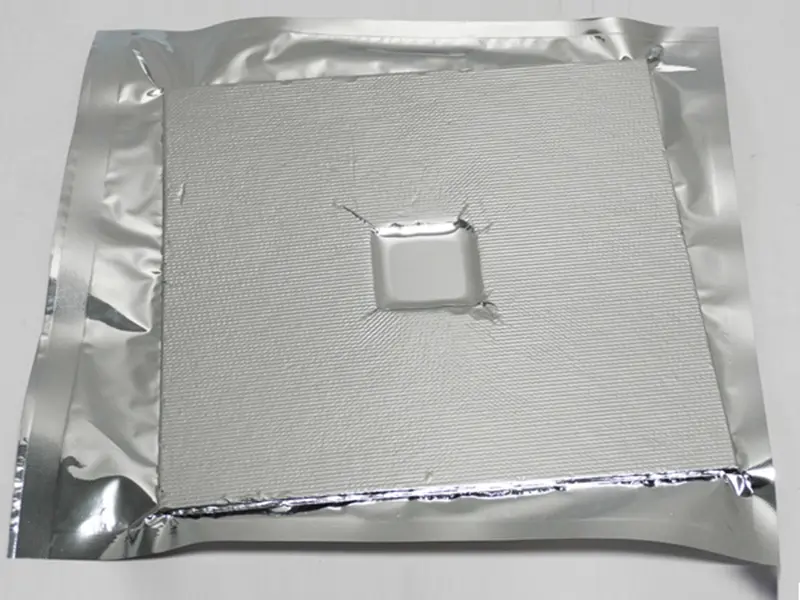
Engineered panels built in non-standard polygonal, curved, or multi-perforated geometries while maintaining vacuum sealing integrity and long lifespans.
View More +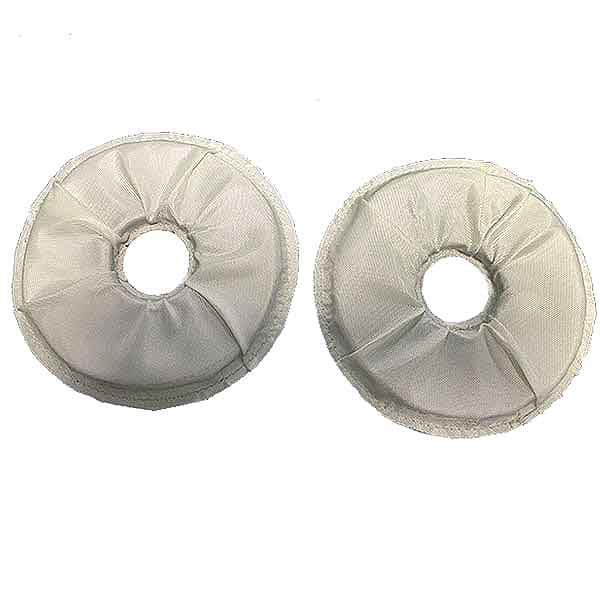
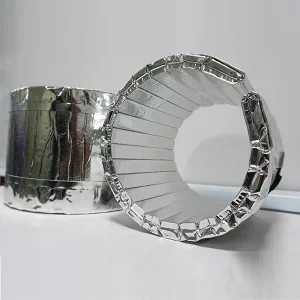
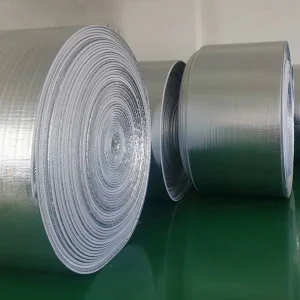
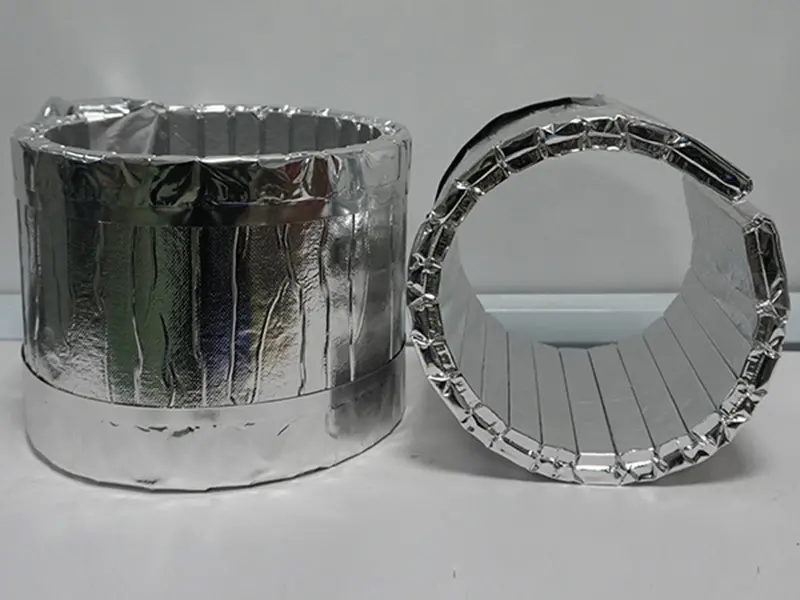
Unique flexible nano-structured mats engineered for curved pipelines and cylindrical reactor cores requiring advanced thermal boundary management.
View More +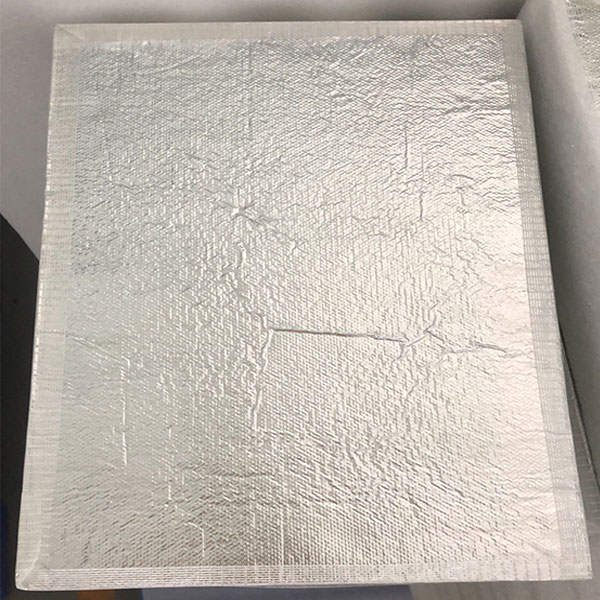
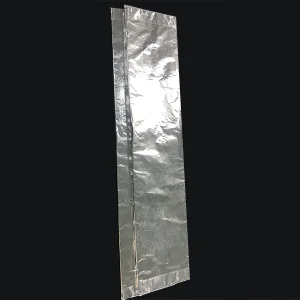
Optimized with protective PET outer films to mitigate environmental damage and prevent puncture-induced vacuum decay during logistics handling.
View More +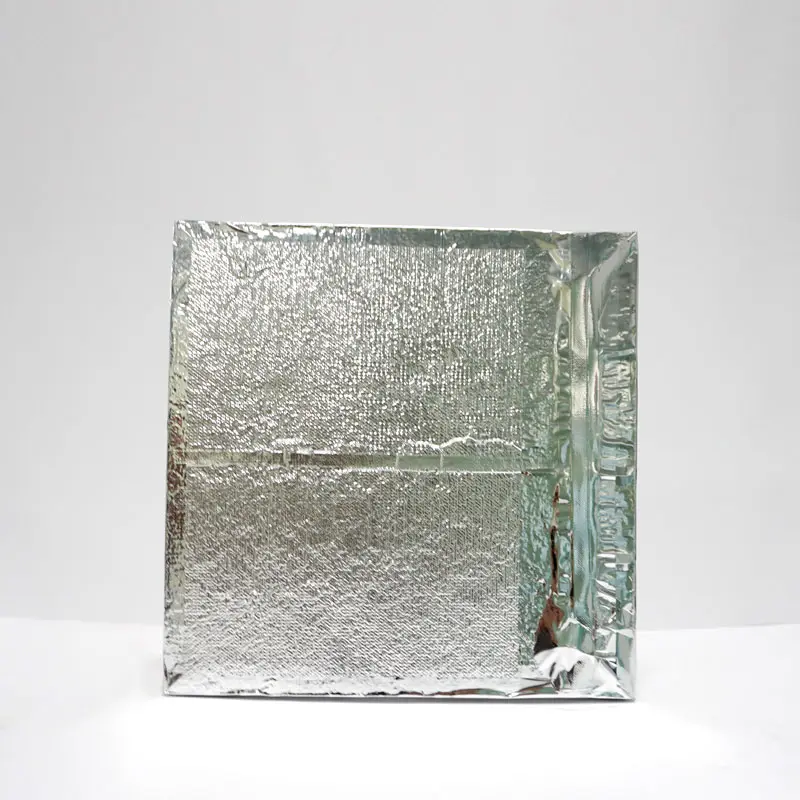
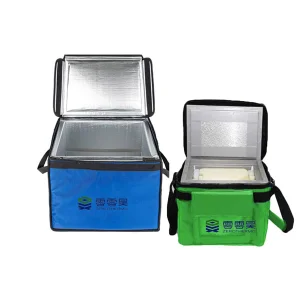
High-efficiency, long-lifespan cold box insulation designed for global vaccine logistics, medical storage, and food distribution chains.
View More +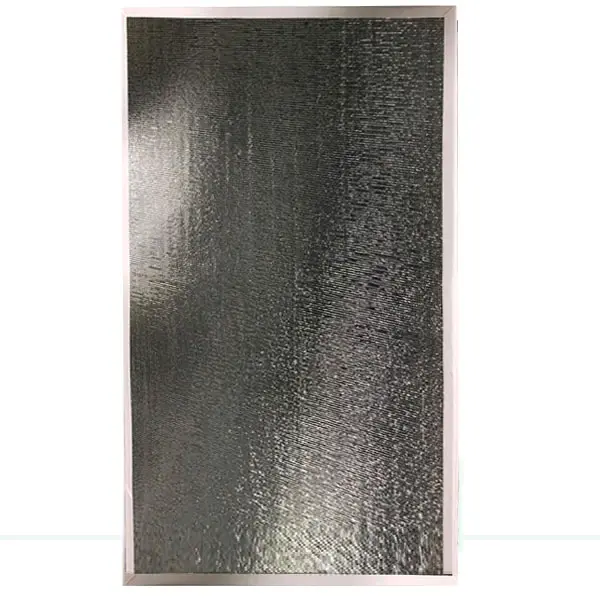
Extra-large format fumed silica panels manufactured to insulate large cargo bays and intermodal transport containers over decades of global travel.
View More +The degradation of a Vacuum Insulation Panel (VIP) is a complex thermodynamic process governed by the laws of mass transport and material aging. Under ideal conditions, a VIP core functions in a high-vacuum state, reducing gaseous thermal conduction to absolute zero. However, in physical applications, atmospheric moisture and gas molecules continually attempt to permeate the panel's barrier envelope.
To model and predict the lifespan expectancy of custom VIPs, engineers focus on two primary degradation pathways: gaseous pressure rise and water vapor accumulation.
The overall thermal conductivity of a VIP, λtot, is defined by the sum of its structural conductivity (λs), radiation transmission (λ_r), and gaseous thermal conductivity (λg). While λs and λr remain relatively constant over time, λg is directly dependent on internal gas pressure. Gaseous heat transport is characterized by the Knudsen number ($Kn$):
Kn = L_m / d
Where L_m is the mean free path of the gas molecules and d is the characteristic pore size of the core. If the pore size is significantly smaller than the mean free path of the gas (resulting in a high $Kn$), gas molecules collide with the pore walls rather than with each other, minimizing thermal conduction even as pressure increases.
This is why fumed silica cores are superior for long-term installations. With an average pore size of 10 to 20 nanometers, fumed silica maintains low thermal conductivity up to an internal pressure of 100 mbar. In contrast, fiberglass cores have micro-sized pores (1 to 10 μm), causing their thermal insulation performance to degrade rapidly once internal pressure surpasses 10 mbar.
Relative humidity (RH) is another key factor. Water vapor entering the VIP increases gaseous thermal conductivity and can also condense within the nanopores of the core. Condensation leads to liquid water bridging, which significantly increases structural thermal conductivity (λs).
To counter this, custom VIP factories integrate specialized desiccants (such as calcium oxide or molecular sieves) and chemical getters directly into the core matrix. These additives absorb moisture and outgassed organic compounds, keeping the internal environment dry and preserving the vacuum for decades.
Procurement requirements for high-performance VIPs vary significantly by sector. Global purchasers must balance mechanical stress, operating temperature range, and target service life:
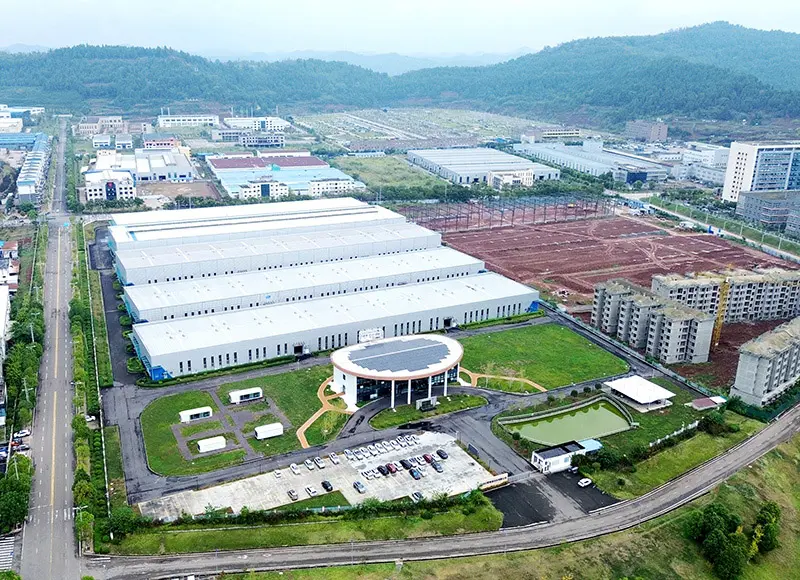
Zerothermo Technology Co., Ltd., a subsidiary of CBVAC Group and a national high-tech enterprise, is headquartered in the Beijing Economic-Technological Development Area with its production base located in Nanchong City, Sichuan Province. This facility stands as one of China's largest comprehensive production centers for vacuum technology application products.
We focus on developing high-durability thermal insulation, offering vacuum insulation panels, microporous materials, and vacuum insulated glass designed for modern infrastructure, green transport, and temperature-controlled logistics.
Read More

Special sizes (beyond the range of ANSI/ASME/DIN and other standards) are produced according to customers' drawings or technical parameters.

square, oval or other special shaped flanges. - Oversize/small diameter: such as diameter over 60 inches or micro precision flanges.

Special sizes (beyond the range of ANSI/ASME/DIN and other standards) are produced according to customers' drawings or technical parameters.


Providing high-efficiency VIP insulation products designed to help green building sectors reduce carbon emissions and achieve carbon neutrality.

Our panels are manufactured to strict industrial tolerances, ensuring uniform core density, optimized barrier sealing, and reliable lifespan expectancy.

We provide comprehensive design support, including customized shapes, cutouts, and multi-layered envelope options, with rapid turnaround times.

Advanced vacuum sealing chambers and automated core-wrapping processes allow us to handle large-scale orders while maintaining strict quality control.

Our specialized packaging protects the vacuum panels during transport, preventing punctures and ensuring long-term thermal performance upon arrival.

We provide ongoing technical support, localized engineering assistance, and performance verification tests to build lasting industry relationships.
Deploying specialized VIP systems across key global sectors to optimize energy efficiency and extend product lifespans.

Ensures precise, reliable temperature control for vaccine transport and biological logistics, maintaining thermal integrity across global supply chains.

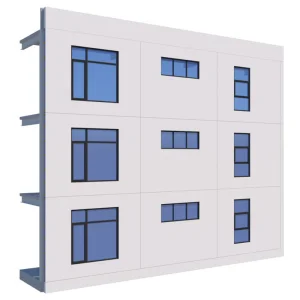
Delivers thin, space-saving insulation panels for building facades and envelopes, helping the construction industry reduce carbon emissions.

Provides specialized insulation panels designed to withstand high operational temperatures in industrial ovens and elevator fire doors.

Provides lightweight, durable prefabricated insulation solutions for high-end temporary resorts and modular cabins.
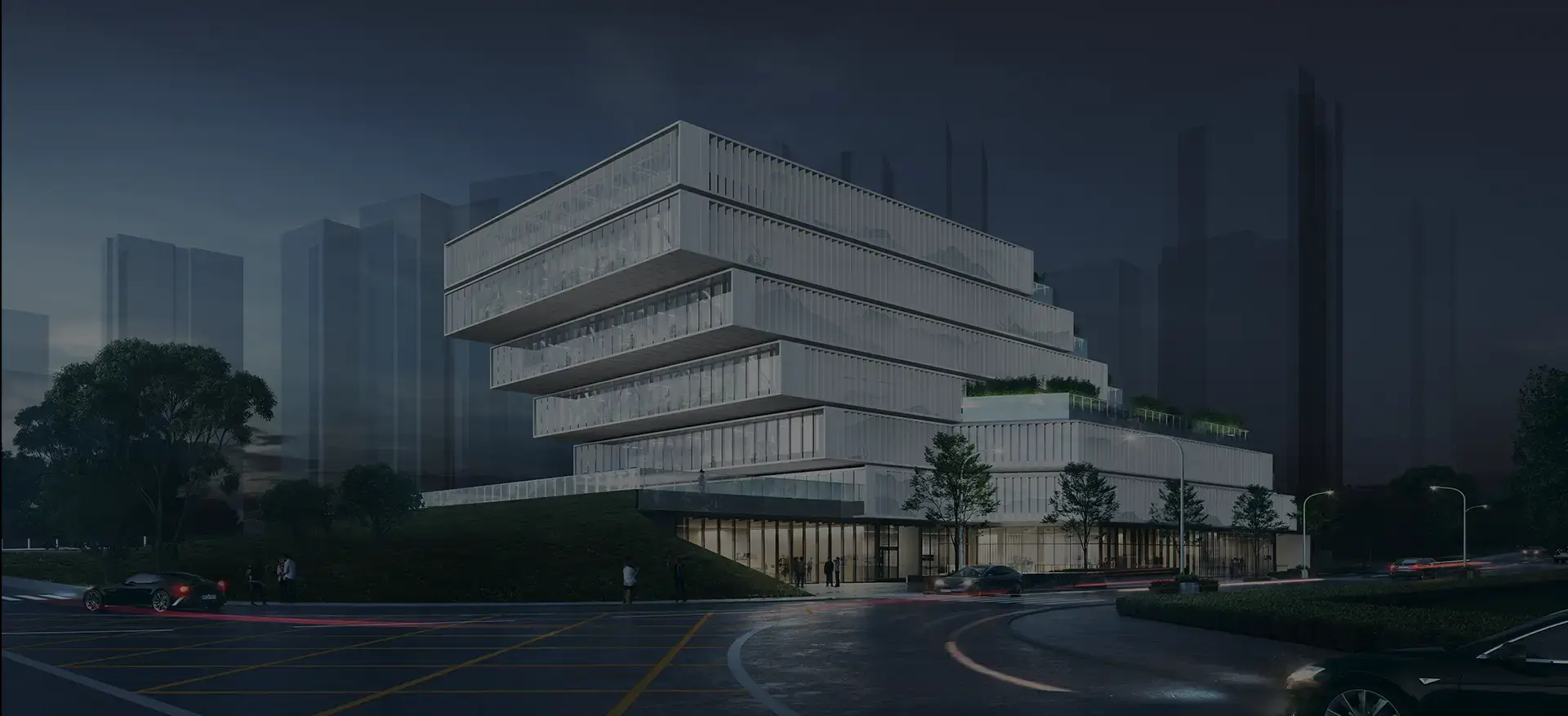
Our vacuum insulation panels are deployed globally, delivering long-term thermal performance in high-demand environments.


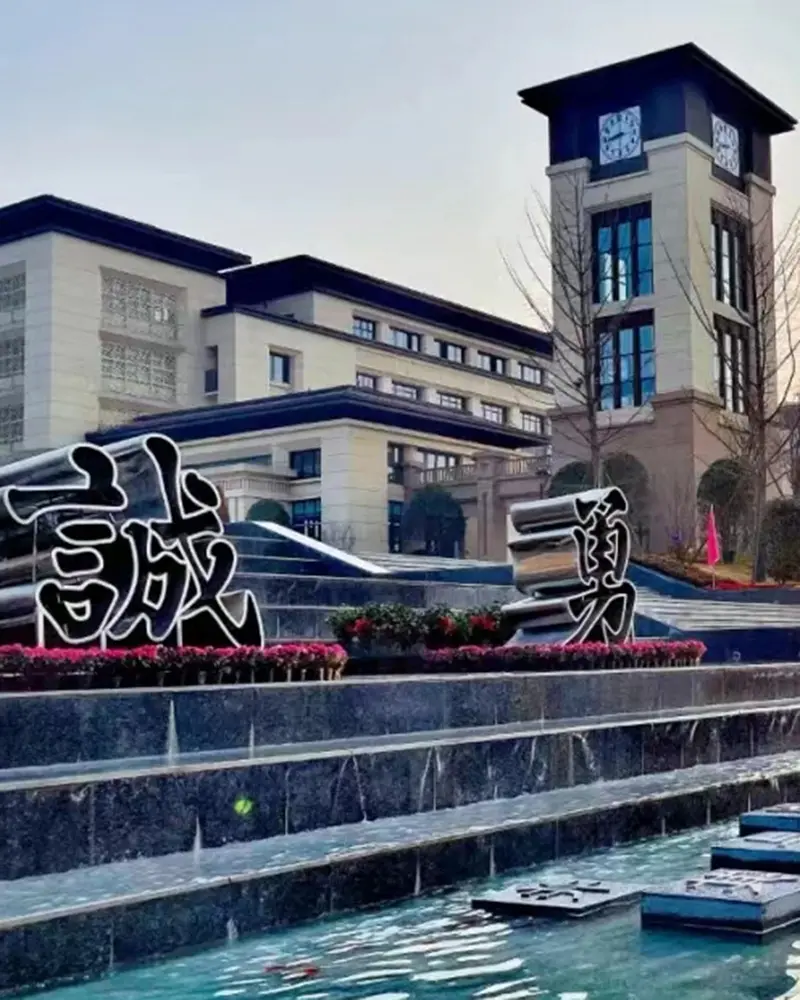
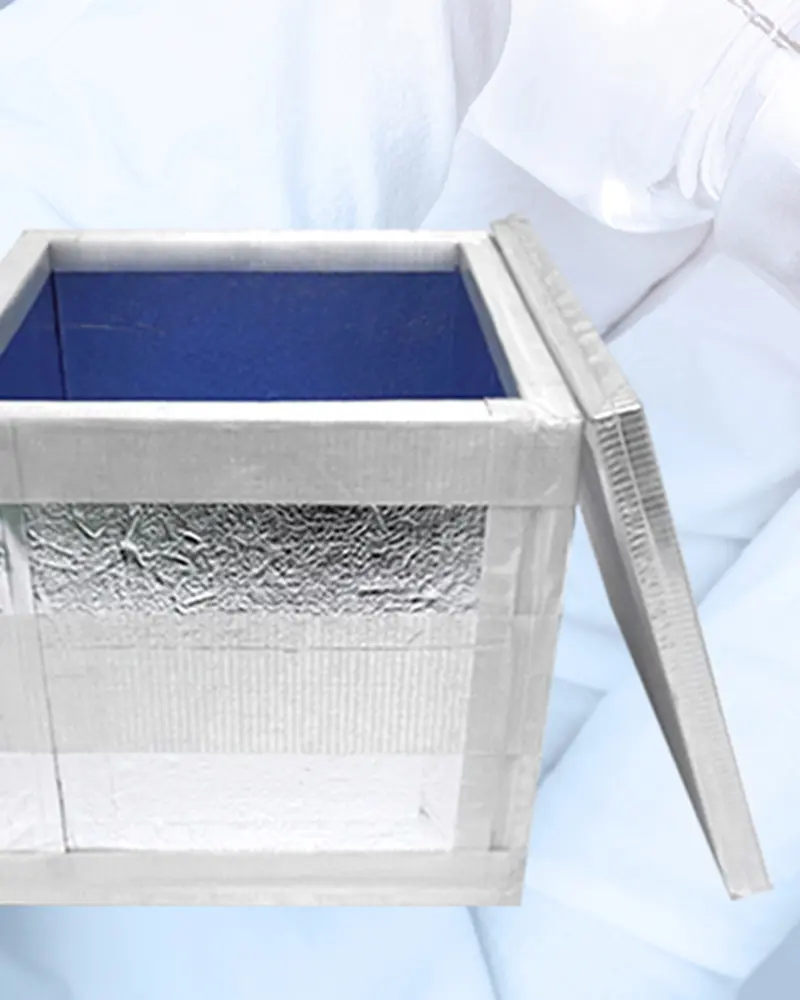
Committed to supporting green initiatives, Zerothermo Technology drives high-quality development of thermal insulation solutions.
Evaluating thermal barriers under extreme conditions to ensure high-rise building safety and compliance.

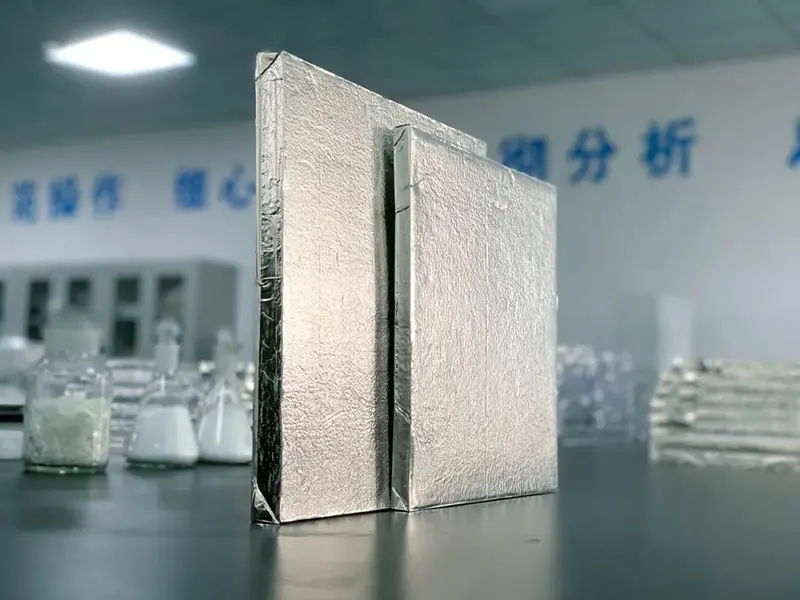
Presenting our latest fumed silica vacuum insulation panels and custom aerospace barrier designs.
Technical overview of thermodynamic barriers in high-temperature chemical reactors and refining pipelines.
Maintaining vacuum performance over multiple decades requires ongoing material innovation. Zerothermo's technical roadmap focuses on three main research pathways to optimize lifespan expectancy:
We are researching hybrid core structures that blend nano-porous fumed silica with advanced aerogels. This combination reduces initial thermal conductivity to under 0.0035 W/(m·K) while maintaining the structural stability needed to resist moisture-induced aging.
Next-generation envelopes utilize multi-layered, co-extruded barrier foils with protective inorganic nano-coatings. These advanced films reduce the Gas Transmission Rate (GTR) by a factor of 10, extending the calculated service life of architectural VIPs past the 60-year mark, even in hot, humid climates.
For critical installations, we integrate non-invasive, radio-frequency (RF) sensor tags inside the panel envelope. This allows operators to verify internal vacuum pressure and confirm thermal integrity without damaging the outer barrier.
Get in touch with our engineering team to design custom vacuum insulation panels tailored to your application and lifespan requirements.
We provide comprehensive design support, including customized shapes, cutouts, and multi-layered envelope options, with rapid turnaround times.


Common questions regarding the service life, performance degradation, and handling of vacuum insulation panels.
Browse our additional vacuum and microporous thermal insulation products developed for specialized industrial applications.