Technical Industry Whitepaper
Custom Vacuum Insulation Panels (VIPs) Decoded
1. The Physics and Mechanics of Vacuum Insulation Panels (VIPs)
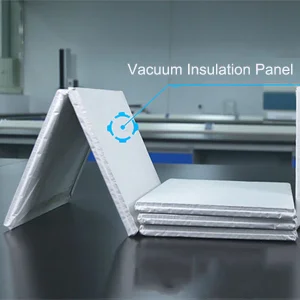
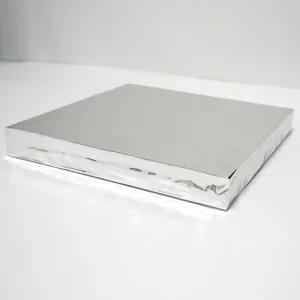
Vacuum Insulation Panels (VIPs) represent the pinnacle of modern thermal management technology. Traditional insulation materials, such as expanded polystyrene (EPS), polyurethane (PU) foam, and mineral wool, rely on trapping gases inside their cellular or fibrous matrices to resist heat transfer. While effective, their thermal conductivities typically range from 0.020 W/(m·K) to 0.040 W/(m·K). In contrast, custom VIPs achieve values lower than 0.004 W/(m·K) by evacuating the air inside the panel, which virtually eliminates gaseous heat transfer.
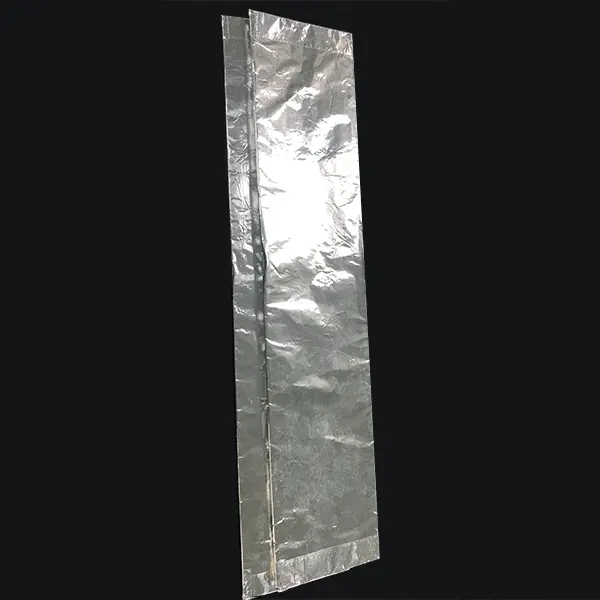
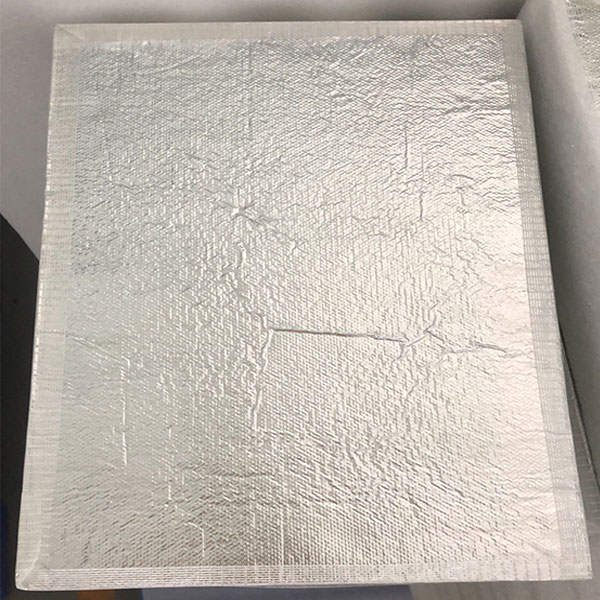
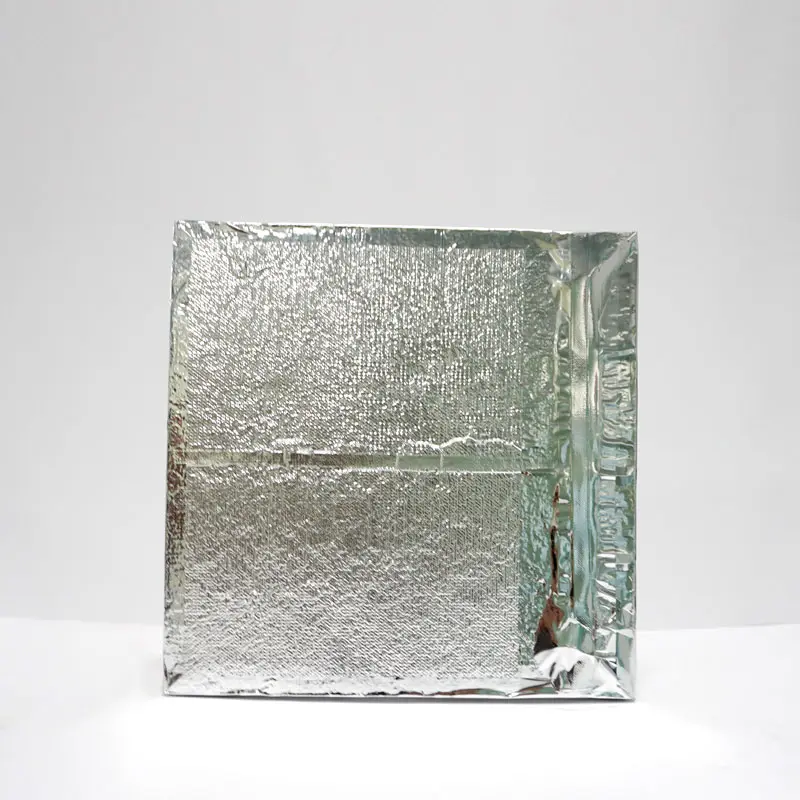
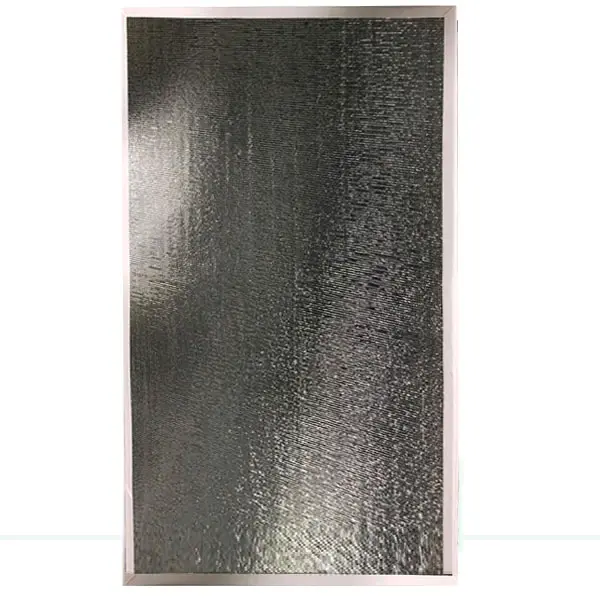
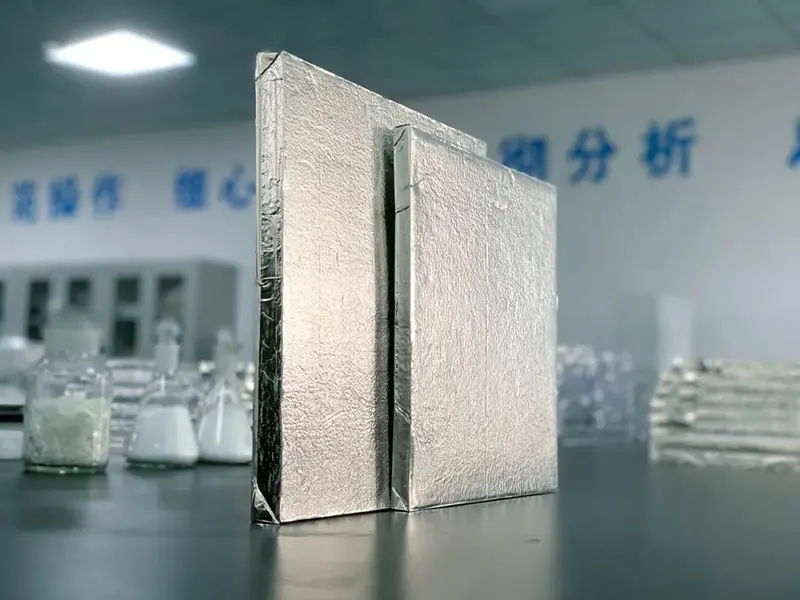
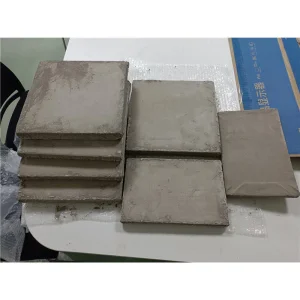
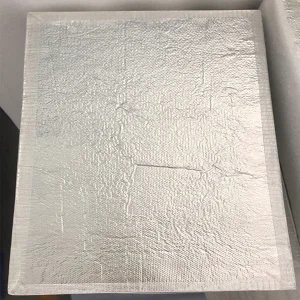
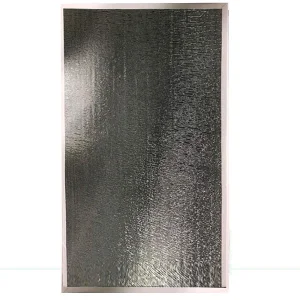
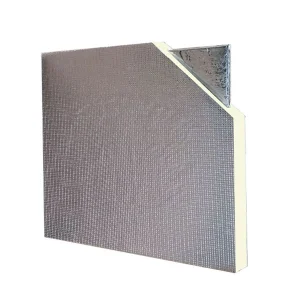
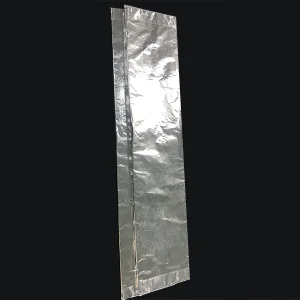
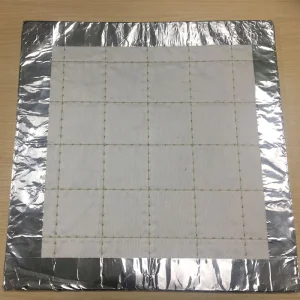
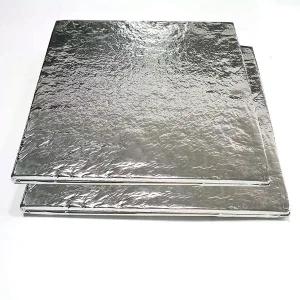
A typical VIP consists of three main elements: a core material, a getter or desiccant material, and an envelope film. The core material provides the structural support against atmospheric pressure (approximately 10 tons per square meter) and inhibits radiative heat transfer. Key core types include fumed silica, fiberglass, and polyurethane. When the core is sealed inside a high-barrier envelope and subjected to a deep vacuum, the mean free path of the remaining air molecules becomes larger than the pore size of the core. This phenomenon, known as the Knudsen effect, effectively stops thermal conduction through the gas phase.
2. Fumed Silica vs. Fiberglass Cores: The Engineering Choice
Choosing the correct core material depends heavily on the intended application, environment, and lifespan requirements. Fumed silica core VIPs are highly preferred for cold chain logistics and pharmaceutical packaging. Fumed silica has an extremely small pore size (around 10-100 nanometers) which allows it to maintain a low thermal conductivity even if the internal vacuum degrades slightly over time. This makes it ideal for shipping vaccines and bio-products where reliability is critical. Additionally, fumed silica is non-combustible and has a shelf life of up to 10 to 15 years.
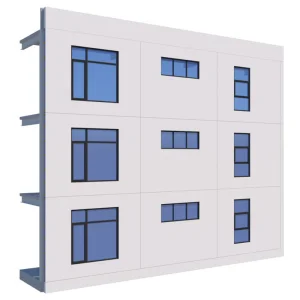
Fiberglass core VIPs, on the other hand, are commonly utilized in static appliances like refrigerators, freezers, and construction wall panels. Fiberglass cores have larger pores, meaning they require a much deeper initial vacuum (typically 0.1 to 1 mbar) to achieve optimum thermal performance. However, they are highly susceptible to moisture ingress and vacuum degradation, needing specialized multi-layer getter materials to absorb moisture and outgassed molecules over time. They are cost-effective but demand rigorous protection from physical punctures.
3. Why Custom VIP Customization Matters in Global Cold Chain Design
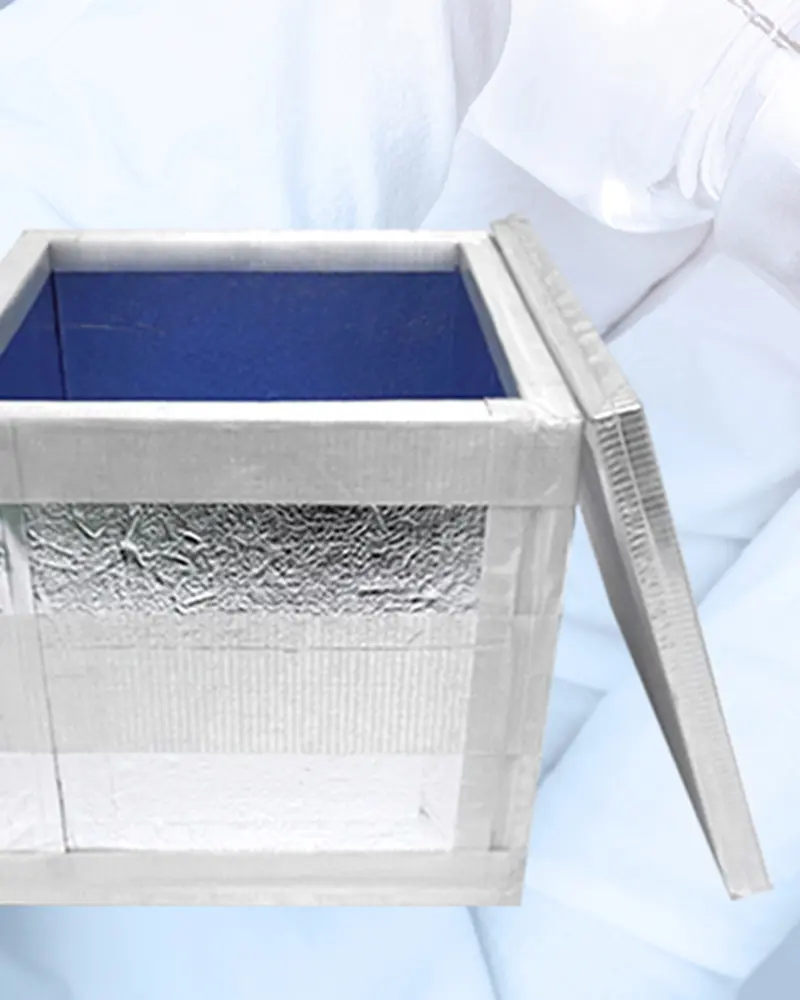
Standard insulation panels are rarely suitable for complex logistics operations. Cold chain transport containers, shipping boxes, and refrigerated truck bodies have fixed outer envelopes but require maximized internal volumes. In active and passive cold chain box development, every millimeter of wall thickness saved translates directly to increased volumetric cargo capacity. Customizing VIP sizes allows manufacturers to line containers precisely with zero thermal bridging.
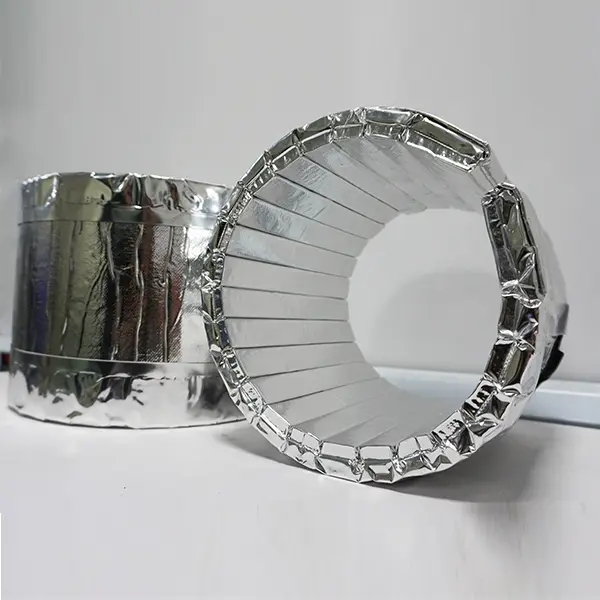
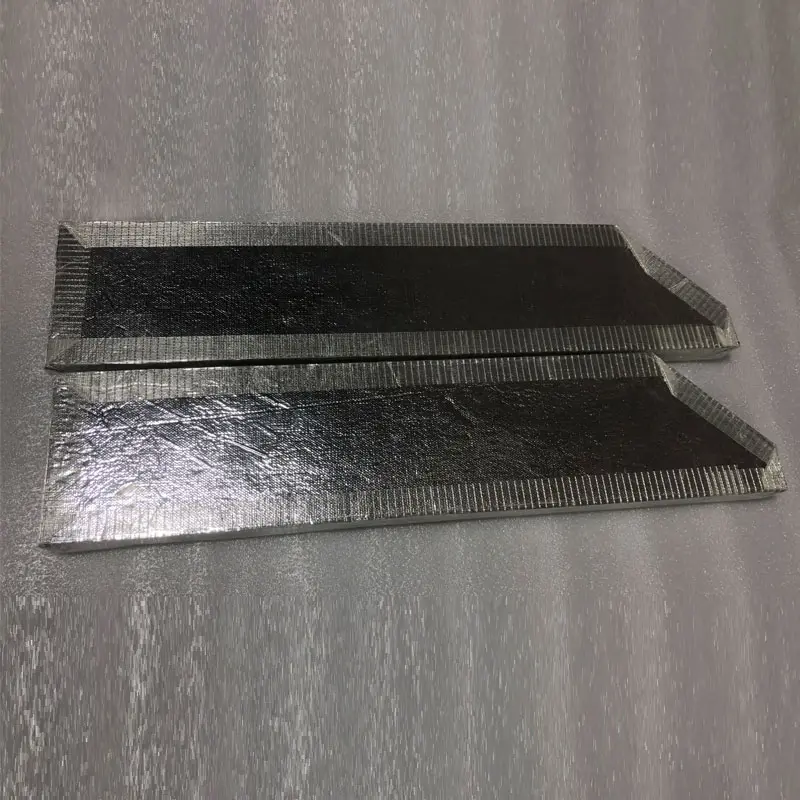
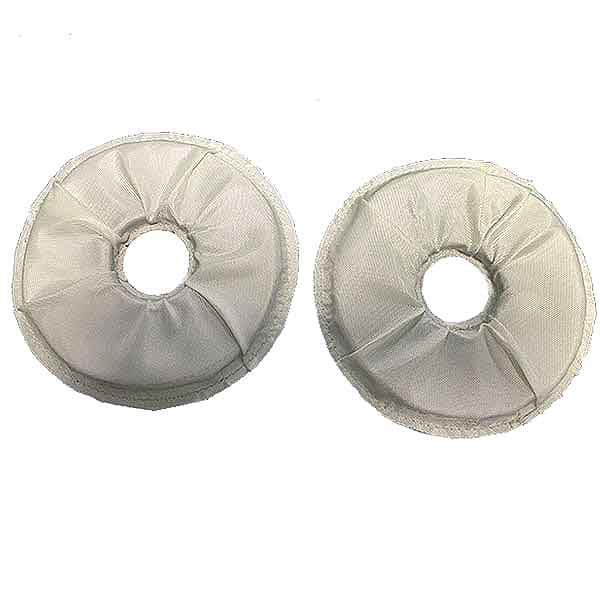
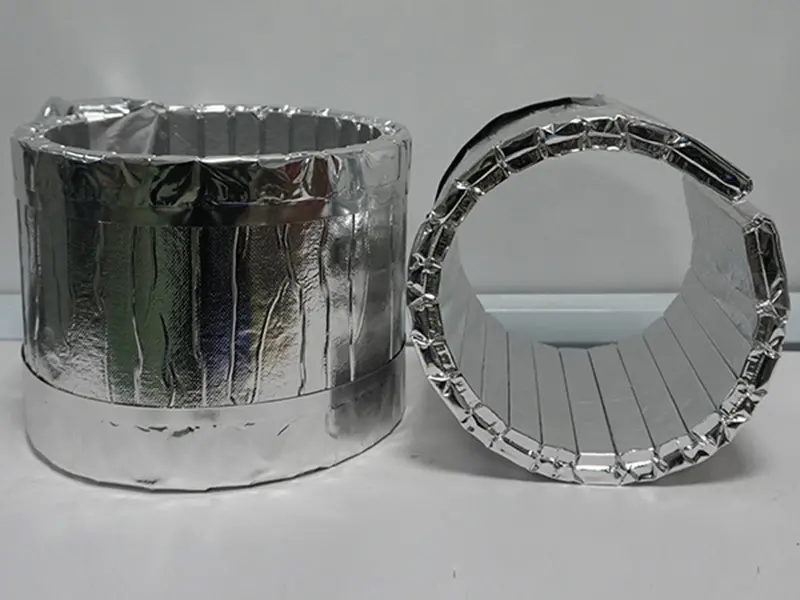
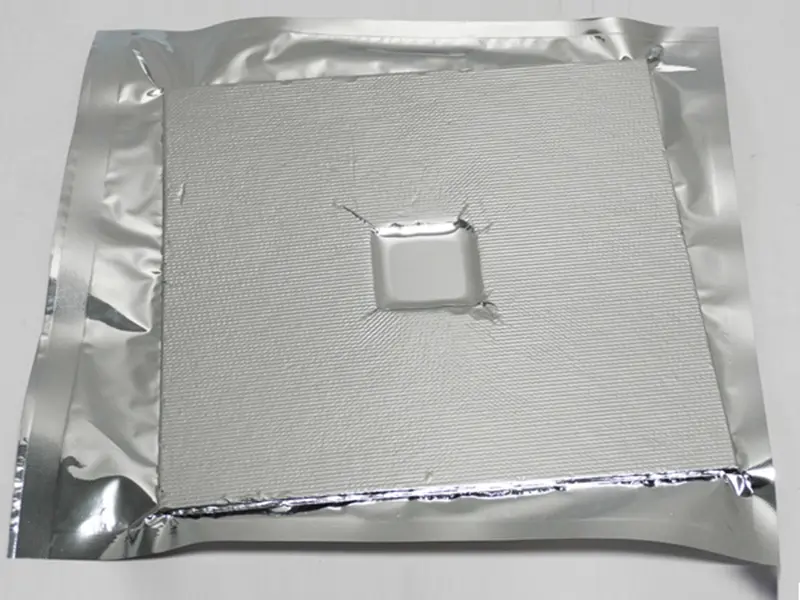
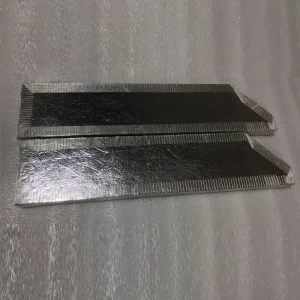
Furthermore, custom shaped VIPs (such as panels with pre-cut holes, L-shapes, or curved profiles) are increasingly required for battery thermal management systems in new energy vehicles (NEVs) and special high-temperature machinery. Building an uninterrupted barrier around complex geometries requires precision laser cutting and state-of-the-art heat-sealing technology during the vacuum evacuation step in the factory.
4. Chinese Manufacturing Advantages in the VIP Sector
China has become the global hub for vacuum insulation board manufacturing, led by key state-of-the-art production sites. The industrial ecosystem offers several distinct advantages:
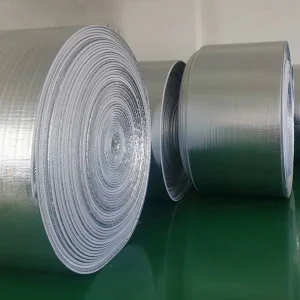
- Supply Chain Integration: From raw materials like high-purity fumed silica and aluminum-metallized barrier films to automated vacuum chambers, China’s industrial clusters reduce transit times and raw material costs.
- Production Scale: Highly automated production lines allow companies to produce hundreds of thousands of square meters of panels annually. Scaling production stabilizes quality and reduces unit costs, making VIP technology financially viable for mainstream commercial logistics.
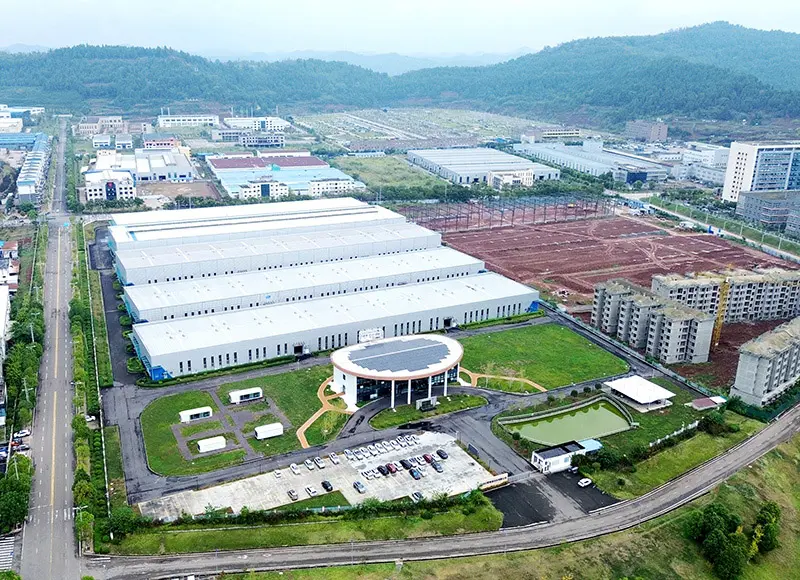
- Sichuan Nanchong Facility: Standing as one of China's largest production bases, this plant runs specialized QC workflows including 100% helium mass spectrometer leak detection and thermal performance validation testing on every single panel.
5. Global Cold Chain Industry Trends & Solutions (2025–2030)
The cold chain market is undergoing rapid evolution. Key drivers include the global distribution of advanced biologics (such as mRNA vaccines requiring -70°C storage), strict emissions regulations in the transportation sector, and a shift towards circular supply chains. Rather than single-use EPS packaging, transport companies are investing in reusable passive shippers constructed with custom VIP cores. These shippers can maintain precise internal temperatures (e.g., 2°C to 8°C, -20°C, or -70°C) for over 120 hours without external power, reducing total operational costs and minimizing plastic waste.
Additionally, integration with IoT tracking sensors is now standard. Advanced cold chain boxes incorporate thermal sensors, GPS, and real-time monitoring devices directly into the custom VIP outer casing to ensure product integrity from the factory gate to the patient.
6. Localized Application Scenarios & Case Studies
Our custom thermal solutions span multiple critical fields:
Pharmaceutical Cold Chain
Precision thermal protection for biologics, vaccines, and insulin. Guarantees 96+ hour temperature hold times under extreme desert or arctic transit environments.
Passive & Smart Architecture
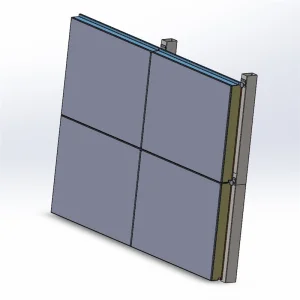
Providing ultra-slim, high-efficiency wall panel integration, saving indoor space while meeting near-zero energy building codes globally.
New Energy Vehicles (NEVs)
Engineered thin VIP barriers integrated around battery cells to prevent thermal runaway propagation and keep batteries operating at optimal temperatures.