
Explore our state-of-the-art customized vacuum insulation panels, microporous core systems, and tempered vacuum glass solutions.
Understanding the technology that is changing architectural efficiency parameters globally.
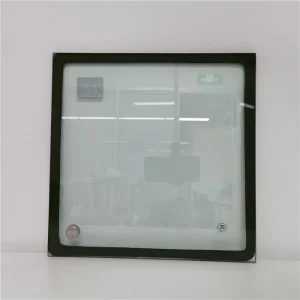
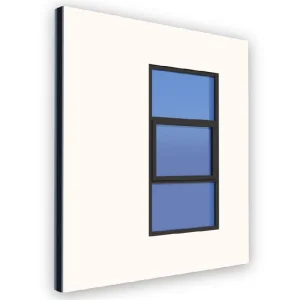
As the construction and industrial refrigeration fields push relentlessly toward decarbonization and carbon neutrality, thermal performance values of the building envelope have come under rigorous scrutiny. Traditional double- and triple-glazed units rely on inert gas fills (such as Argon or Krypton) to limit convective heat transfer. However, gas leakage over time undermines their long-term efficacy. Custom Vacuum Sealed Glass Windows (Vacuum Insulated Glass or VIG) solve this problem by eliminating the medium through which conduction and convection occur.
By creating a high-vacuum chamber (typically < 10-2 Pa) between two panes of glass, heat transfer via gas molecules is virtually eliminated. The result is an ultra-slim glazing unit that achieves the thermal insulation performance of a solid masonry wall, with U-values dropping to as low as 0.4 W/(m²·K). This represents a major advancement in window thermal performance, enabling modern architectural designs to incorporate massive glazed facades without sacrificing energy efficiency goals.
| Glazing Technology | Nominal Thickness (mm) | U-Value (W/m²·K) | Acoustic Insulation (R_w) | Service Life Expectancy |
|---|---|---|---|---|
| Single Glazing | 4 - 6 mm | 5.8 | 25 - 28 dB | Unlimited (structural integrity) |
| Standard IGU (Double Glazing) | 24 mm (6+12Air+6) | 2.7 - 2.8 | 30 - 32 dB | 10 - 15 Years |
| Argon-Filled Low-E IGU | 24 mm (6+12Ar+6 Low-E) | 1.1 - 1.4 | 32 - 34 dB | 15 - 20 Years |
| Vacuum Sealed Glass (VIG) | 8.3 - 12.3 mm | 0.4 - 0.6 | 36 - 41 dB | 25 - 50 Years |
A critical engineering challenge in vacuum-sealed glass manufacturing is withstanding atmospheric pressure. A vacuum chamber experiences approximately 10 metric tons of load per square meter. To prevent the glass panes from collapsing under this immense pressure, a matrix of microscopic support pillars (spacers) is precisely positioned between the panes. These pillars, typically made from high-strength stainless steel or ceramic alloys, are engineered to minimize thermal bridging while ensuring uniform structural support.
Additionally, the edge sealing must maintain a gas-tight barrier over decades of thermal expansion, wind loads, and environmental degradation. Zerothermo utilizes proprietary low-temperature inorganic glass solder materials, applied under automated cleanroom conditions, to form a hermetic seal. Unlike organic polymer sealants, this inorganic seal is impervious to moisture and gas permeation, ensuring the high-vacuum state is maintained over the window's operational lifetime.
Custom tailors systems to meet the demands of aerospace, new energy vehicles, architecture, and logistics.
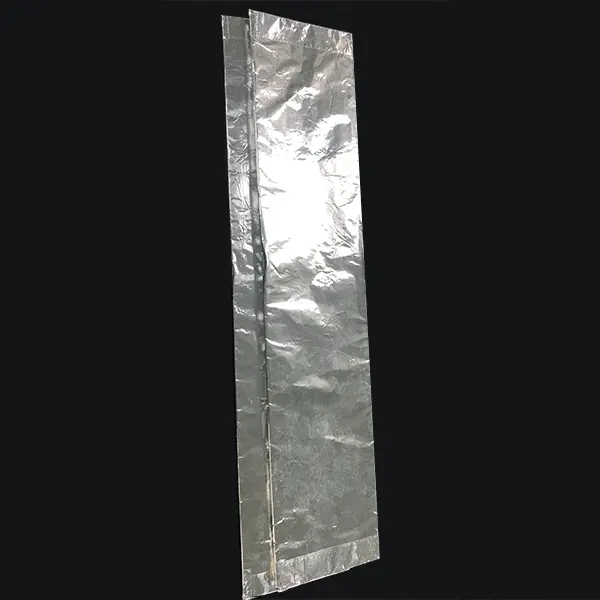
Product Details: Size: Customized Thickness: 5-...
View More +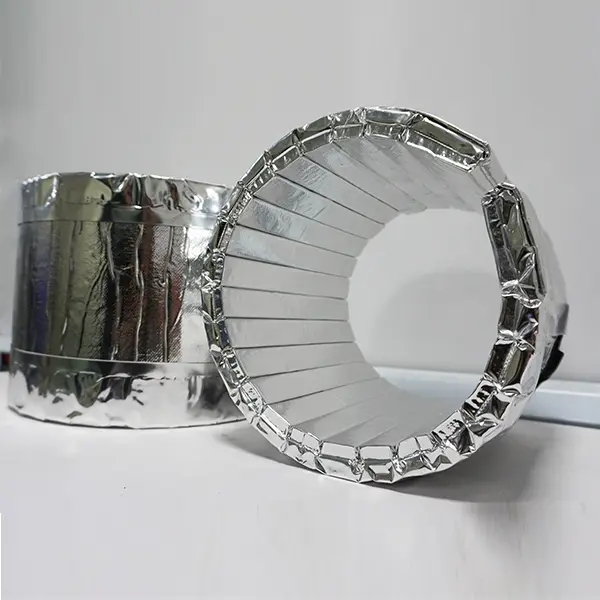
Product Details: Size: Customized Thickness: 5...
View More +
Our elevator fireproof door high temperature na...
View More +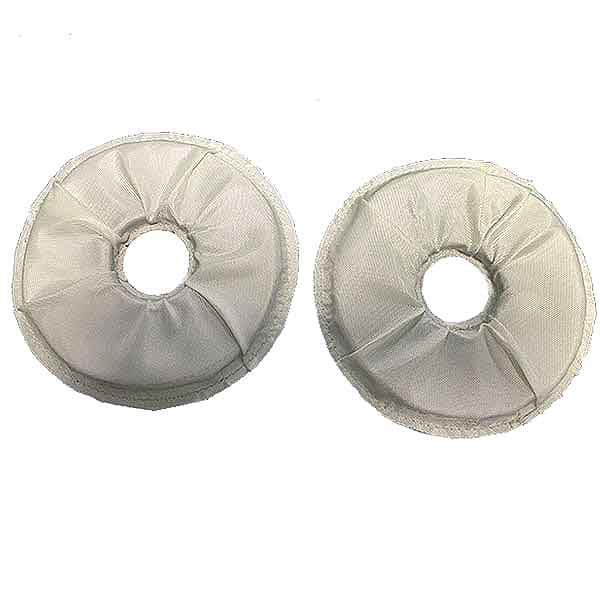
Product Specification Product Features Custom R...
View More +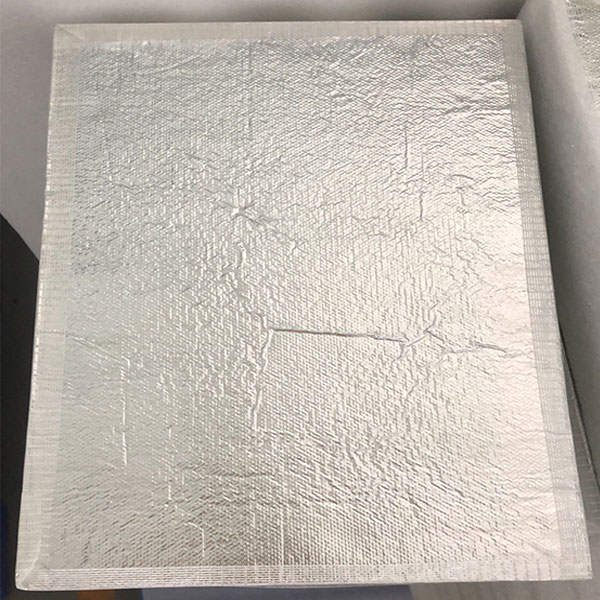
Product Features Size Details Zerothermo vacuu...
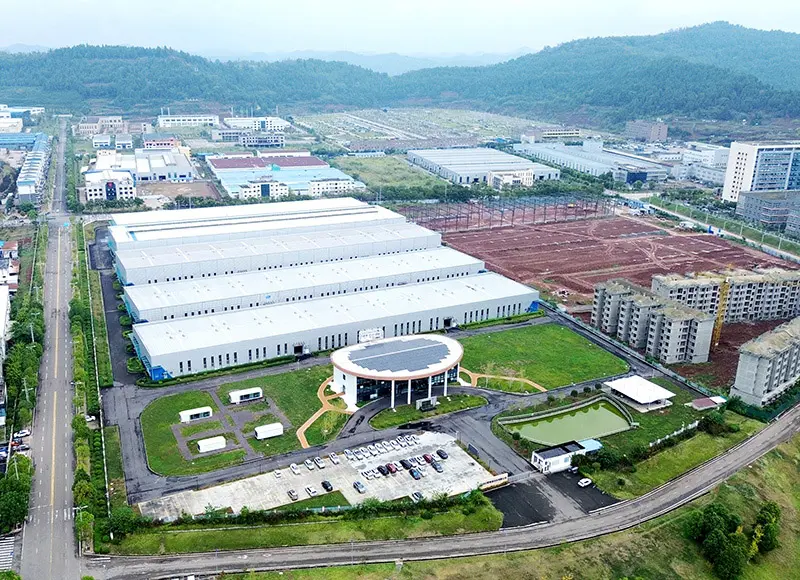
View More +Zerothermo Technology Co., Ltd., a subsidiary of CBVAC Group and a national high-tech enterprise, is headquartered in the Beijing Economic-Technological Development Area with its production base located in Nanchong City, Sichuan Province. This facility stands as one of China’s largest comprehensive production centers for vacuum technology application products.
Drawing on the core vacuum engineering expertise of CBVAC Group, Zerothermo has integrated research and development, smart manufacturing, and sales to pioneer vacuum insulation technologies. We are dedicated to providing global industrial markets with high-performance components and materials that address complex heat-shielding and energy conservation challenges.

Special sizes (beyond the range of ANSI/ASME/DIN and other standards) are produced according to customers' drawings or technical parameters.

Square, oval or other special shaped flanges. - Oversize/small diameter: such as diameter over 60 inches or micro precision flanges.

Advanced CNC processes guarantee precision surface roughness and tight tolerances, critical for high-vacuum seals in semiconductor and architectural systems.
A prospective look at next-generation vacuum insulation barriers.
The development of custom vacuum sealed glass windows is characterized by continuous research and development breakthroughs. The current state of the art employs hybrid technologies where VIG is paired with traditional insulating glass units (IGUs) containing low-emissivity coatings. Over the coming years, our R&D roadmap will transition through several milestones designed to deliver higher performance, thinner cross-sections, and enhanced structural robustness:
Utilizing proprietary micro-spacers with dynamic deformation capability to alleviate visual distortion and lower localized stress concentrations on glass panes under extreme wind pressure.
Moving away from glass-solder materials toward lead-free, low-temperature reactive alloy bonding. This reduces energy usage during manufacturing and complies with RoHS standards.
Deploying advanced nanostructured thin-film getters inside the vacuum cavity to absorb outgassed molecules over 50 years, ensuring lifetime stability of the vacuum level.

Patents & IP Rights Owned

Global Scale Commercial Projects Completed

Domestic & Global R&D Hubs

Annual Production Capacity (Sqm)
How our integrated factory system guarantees quality, volume, and cost-efficiency.
Manufactured at our Nanchong facility in Sichuan Province, our production lines operate under Industry 4.0 protocols. Deep vacuum technology requires strict contamination control; dust or chemical residues can degrade performance or cause seal failures. Our production facility features automated cleanroom systems with HEPA filtration, ensuring clean substrates prior to edge sealing.
Our supply chain resilience is anchored in vertical integration. As a subsidiary of CBVAC Group, Zerothermo has direct access to high-vacuum pump R&D, chambers, and precise mechanical seal processes. Furthermore, we secure fumed silica and raw glass from local, vetted sources. This mitigates geopolitical supply chain risks, allowing us to maintain predictable lead times and price stability for large-scale international commercial projects.
Delivering high-efficiency thermal isolation for a variety of industries.

Providing high-efficiency thermal insulation solutions for building envelope systems through innovative products such as vacuum insulation panels and vacuum insulated glass, empowering the cold chain sector to safely store vaccines, biomedical substances, and temperature-sensitive goods.

Providing high-efficiency thermal insulation solutions for building envelope systems through innovative products such as vacuum insulation panels and vacuum insulated glass, empowering the construction sector to reduce carbon emissions and achieve carbon neutrality.

Providing high-efficiency thermal insulation solutions for building envelope systems through innovative products such as vacuum insulation panels and vacuum insulated glass, empowering industrial high-temperature processes to minimize waste heat loss and reduce carbon footprints.

Providing high-efficiency thermal insulation solutions for building envelope systems through innovative products such as vacuum insulation panels and vacuum insulated glass, allowing transparent viewing enclosures to maintain strict indoor climate controls without condensation.



Why architectural engineering and global procurement departments choose Zerothermo Technology.


Navigating global building codes and logistics demands with confidence.
For international buyers, importing structural glazing components requires strict compliance with regional building codes. In the European Union, VIG products must comply with the EN 1279 standards for insulating glass, and safety regulations require tempered configurations that meet EN 12150-1 thermal toughening guidelines. For North American buyers, SGCC and IGCC certifications are crucial to verify impact resistance and long-term durability under wind loads.
Zerothermo addresses these needs by subjecting our vacuum-sealed windows to rigorous third-party testing. We provide comprehensive documentation packages detailing structural safety, U-value performance under ASHRAE testing conditions, and acoustic transmittance coefficients. This level of technical documentation simplifies the building permit and engineering sign-off processes for architects and general contractors.
Proven engineering installations across commercial, educational, and logistics applications.
Stay updated with research findings, tradeshows, and product developments from Zerothermo.
Frequently asked questions concerning structural vacuum glass technology and customized installations.
Argon double glazing relies on gas insulation to restrict heat transfer, typically achieving a U-value of 1.1 to 1.4 W/(m²·K). Vacuum sealed glass eliminates the gas media entirely. Under a high vacuum condition (< 10-2 Pa), conduction and convection cease, dropping the U-value to 0.4 - 0.6 W/(m²·K) in a much thinner panel structure.
VIG features a precision-engineered grid of microscopic support pillars (spacers) positioned between the glass panes. These spacers distribute structural loads evenly across the pane area. By utilizing fully tempered safety glass, the unit's flexural strength is increased by 3 to 5 times, enabling it to withstand wind loads and external pressure.
Our custom vacuum glass is designed for a service life of 25 to 50 years. We achieve this by using inorganic glass solder edge sealing, which is impermeable to moisture and gas. Additionally, integrated getter technology absorbs micro-gas molecules that may outgas from internal surfaces over time, maintaining the vacuum state.
Yes, as a custom factory, we manufacture shaped glass units (including circles, trapezoids, and select curved profiles) according to client drawings. However, structural calculations must be performed to ensure the spacing and alignment of support pillars are optimized to handle atmospheric pressure on non-flat geometries.
Sound waves require a physical medium (such as air or gas) to travel. By eliminating the air between the panes, the vacuum chamber acts as a sound barrier, particularly at mid-to-low frequencies. Our VIG units achieve a Weighted Sound Reduction Index (Rw) of 36 to 41 dB, exceeding standard double-glazed configurations.
Yes, our manufacturing processes are ISO 9001 certified. For the North American market, our glass is engineered to meet SGCC and IGCC performance criteria. For Europe, we comply with EN 12150-1 tempered glass guidelines and CE certifications, simplifying the import and building approval processes for our clients.
Connect with our engineering and procurement team for custom specifications, thermal calculations, and factory quotes.
Whether you require custom-size VIPs, high-temperature microporous boards, or large-scale architectural vacuum glass panels, our engineering team can assist with your specifications.


High-performance vacuum solutions engineered to satisfy global procurement criteria.





 +86 15892792306