
Explore our flagship industrial thermal barrier components, optimized for thermal performance across temperatures from cryogenic ranges to extreme industrial kilns.
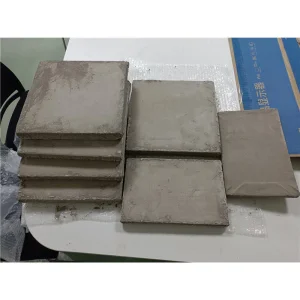
Structural reinforcement engineered for demanding load-bearing insulation envelopes in commercial buildings and heavy machinery construction.
View Factory Specifications →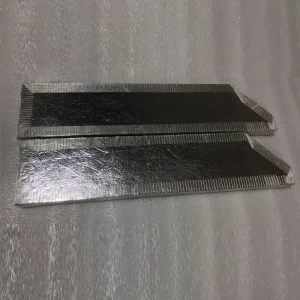
Custom-contoured structures featuring composite PET barrier envelopes designed for thermal insulation in architectural facades.
Explore Custom Shapes →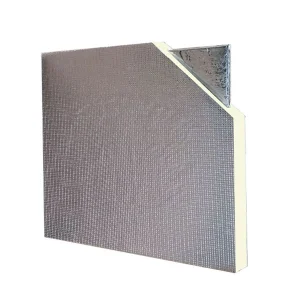
Hybrid design incorporating core VIP technology within poly-urethane structural armor, ideal for extreme cold chain cooler boxes.
Get Pricing & Quotes →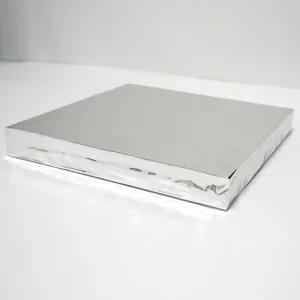
Specifically developed for industrial heat management, handling elevated thermal environments with minimal thickness requirement.
Request Pricelist →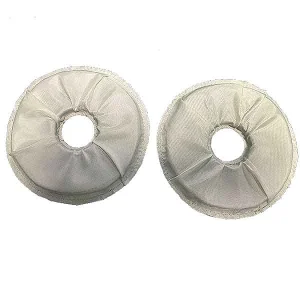
Round and customizable geometries designed to form-fit curved pipelines, turbine casings, and complex structural contours.
Contact Manufacturers →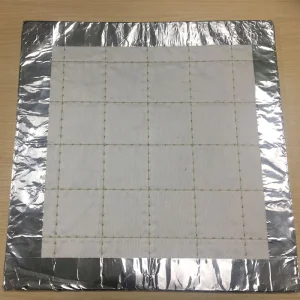
State-of-the-art flexible thermal barriers offering superior temperature suppression for aerospace and plant-piping systems.
Request Technical Specifications →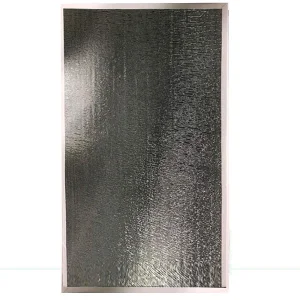
Maximized panel dimensions configured for structural integration in cold shipping containers and commercial refrigerators.
Get Panel Sizing Charts →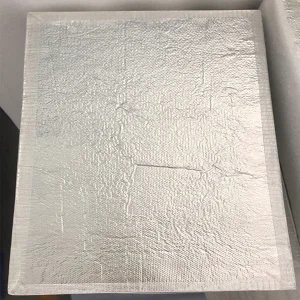
Engineered for ultra-low thermal conductivity down to 0.0018 W/m·K, maximizing efficiency in space-restricted environments.
Compare Technical Data →Exploring structural efficiency, thermodynamics, and the materials science driving the transformation from traditional bulk insulation to micro-cavity vacuum engineering.
In modern industrial applications, managing thermal energy dissipation is critical to both commercial viability and global environmental compliance. As industries shift to carbon-neutral paradigms, conventional insulation substrates like expanded polystyrene (EPS), rockwool, and standard polyurethane (PU) are hitting thermodynamic efficiency limits. To address this, Vacuum Insulation Panels (VIPs) have emerged as a high-performance solution, offering thermal conductivity ratings up to ten times lower than conventional materials.
Heat transfer occurs through three primary mechanisms: conduction (solid transport), convection (gas movement), and radiation (infrared waves). Standard insulation systems focus on trapping air within cell structures. However, gas conduction within those spaces remains a major pathway for thermal loss. VIPs address this by removing gas molecules from the panel interior, lowering gaseous pressure and minimizing molecular collisions. The physical mechanism is modeled by the Knudsen number ($Kn$), which describes the ratio of the molecular mean free path of gas molecules to the characteristic pore size of the core medium:
Kn = λgas / dpore
When the characteristic pore diameter ($d_{pore}$) is significantly smaller than the mean free path of gas molecules (λgas), gas conduction drops to near zero. Fumed silica cores are well-suited for this application, offering a natural pore structure of approximately 10 to 100 nanometers. At standard pressure, fumed silica limits gas conduction. When vacuum-packed under pressures of 1 to 10 mbar, it provides a stable insulation barrier with thermal conductivity rates down to 0.0018 W/(m·K).
| Insulation Type | Typical Core Thickness (mm) | Thermal Conductivity (W/m·K) | Service Temperature Limits (°C) | Expected Service Life (Years) |
|---|---|---|---|---|
| Fumed Silica VIPs | 10 - 50 mm | 0.0016 - 0.0022 | -70 to 120 °C | 30 - 50 Years |
| Fiberglass Core VIPs | 10 - 40 mm | 0.0014 - 0.0018 | -50 to 80 °C | 10 - 15 Years (highly pressure-sensitive) |
| Nano Microporous Boards | 5 - 50 mm | 0.016 - 0.022 | Up to 1000 °C | 20+ Years |
| Traditional PU Foam | 50 - 150 mm | 0.022 - 0.028 | -50 to 90 °C | 10 - 15 Years (due to gas aging) |
Worldwide decarbonization goals, including the European Union's Energy Performance of Buildings Directive (EPBD) and China's "dual-carbon" framework, are driving demand for advanced thermal barriers. In architecture, VIPs enable slim wall designs that maximize usable internal floor area while meeting strict thermal performance standards. In cold-chain logistics, particularly for vaccines and pharmaceuticals under global WHO distribution standards, vacuum panels maintain precise temperature ranges, helping to prevent cargo spoilage.

Maintains thermal conductivity between 0.0016 and 0.0025 W/(m·K), providing high-performance insulation in space-constrained layouts.

Available in flat, curved, circular, and shaped profiles with tailored cutouts, built to match your engineering blueprints.

With an annual output of 400,000 m², our production facilities handle high-volume procurement schedules without compromising quality.

Our transport packaging and custom clearance pathways support fast, reliable delivery to markets across Europe, North America, and Asia.
We design custom insulation boards and thermal wraps tailored to specific system profiles and operational requirements.
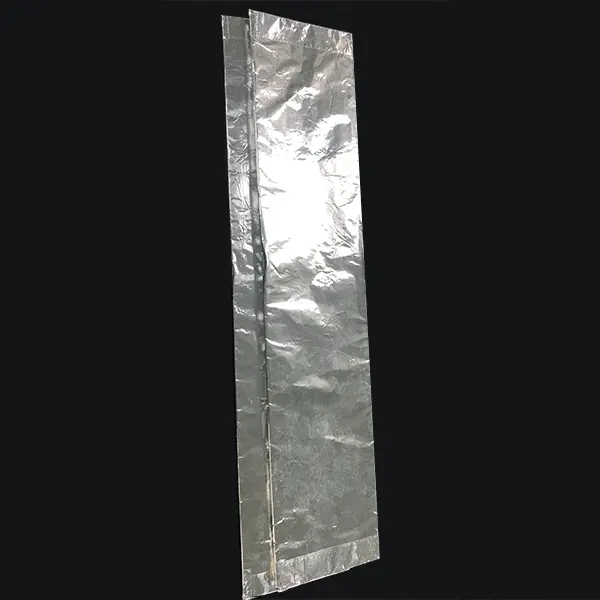
Ultra-thin battery insulation sheets designed to prevent thermal runaway propagation, optimized for EV battery packs. Thickness options range from 5mm upwards.
Request Blueprint Consultation →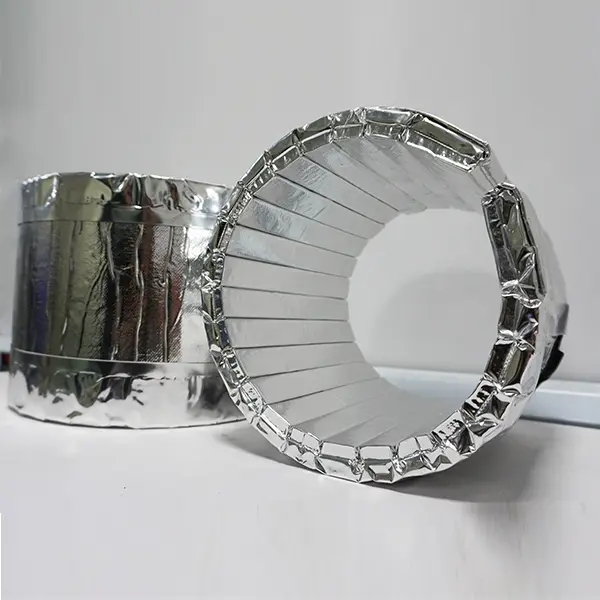
Flexible and rigid thermal barriers designed to withstand high temperatures in industrial pipe networks and hot water systems.
Get Technical Datasheets →
High-temperature nano-microporous boards engineered for fireproof elevator doors, providing thin-profile, certified thermal protection.
Request Fire Safety Certificate →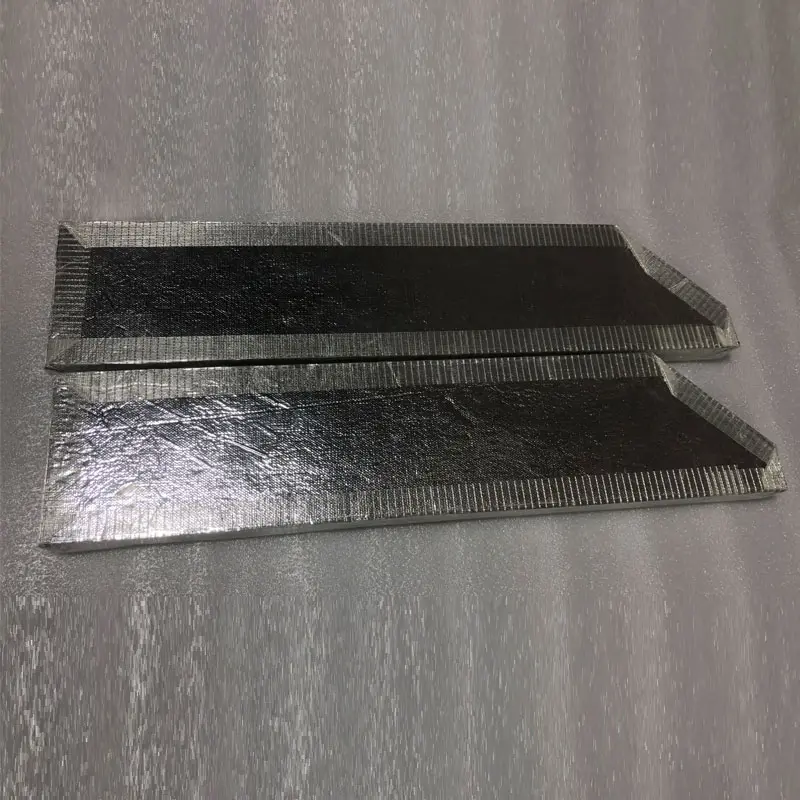
Custom fumed silica vacuum insulation panels shaped to fit specific structures, featuring multilayer barrier envelopes.
Request Customized Configuration →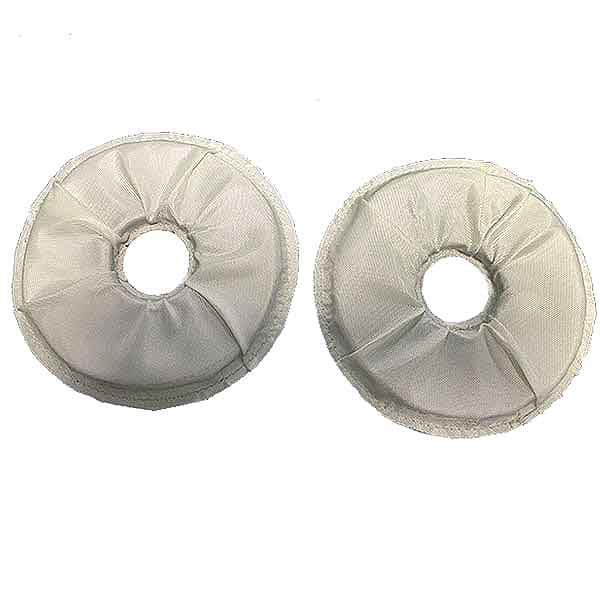
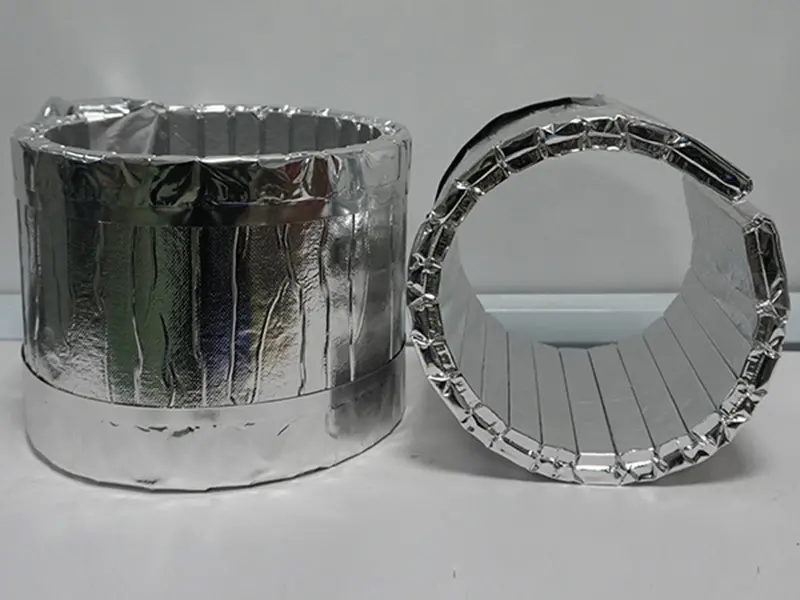
Flexible, heat-resistant insulation mats tailored for cylindrical equipment and high-temperature pipe networks.
View Sizing Guide →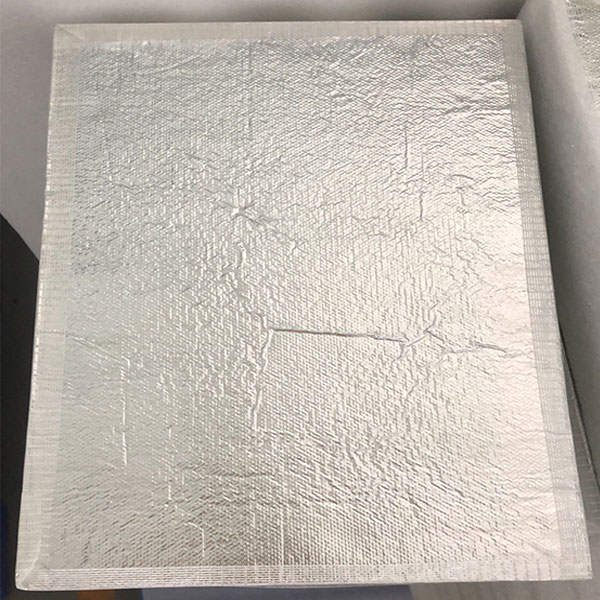
Engineered for applications requiring high thermal efficiency, minimizing heat transfer in space-restricted installations.
Compare Performance Metrics →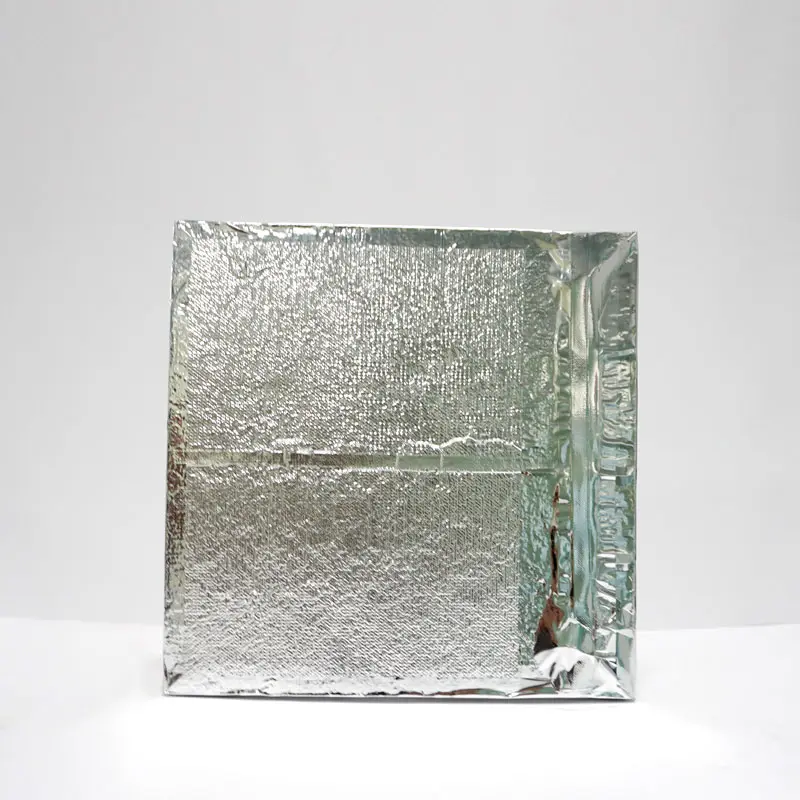
Optimized fumed silica VIP solutions for shipping temperature-sensitive pharmaceutical and biological products.
View Logistics Standards →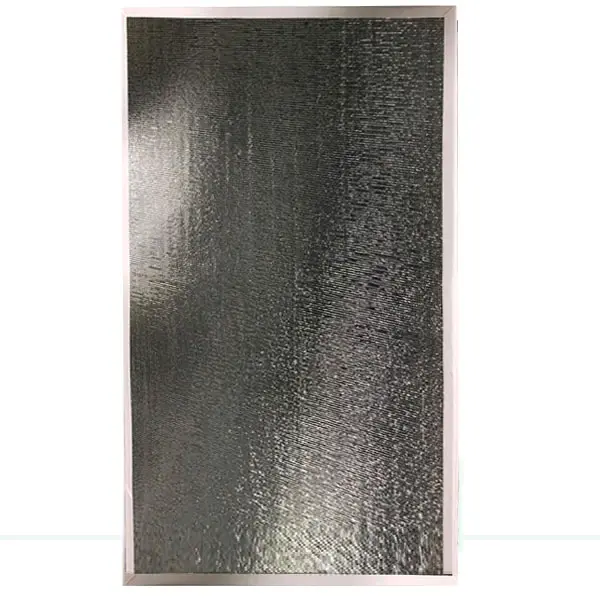
Large-format panels designed to reduce joint thermal bridging in building envelopes and large industrial cold rooms.
Request Custom Dimensions →Zerothermo Technology Co., Ltd., a subsidiary of CBVAC Group and a national high-tech enterprise, is headquartered in the Beijing Economic-Technological Development Area. Our manufacturing base in Nanchong City, Sichuan Province, stands as one of China’s largest integrated production facilities for vacuum technology application products.
Leveraging CBVAC Group's 20+ years of high-vacuum engineering expertise, Zerothermo manufactures advanced thermal barrier systems. We specialize in producing core materials and protective gas-barrier envelopes designed for long-term vacuum stability.

We supply custom-dimensioned fittings manufactured to client drawings or technical parameters, supporting seamless integration with vacuum system connections.

We manufacture square, oval, and other custom flange profiles, ranging from micro-precision interfaces to large-diameter components over 60 inches.

Our panels undergo high-vacuum testing to verify core compaction and barrier film seal integrity before shipping.
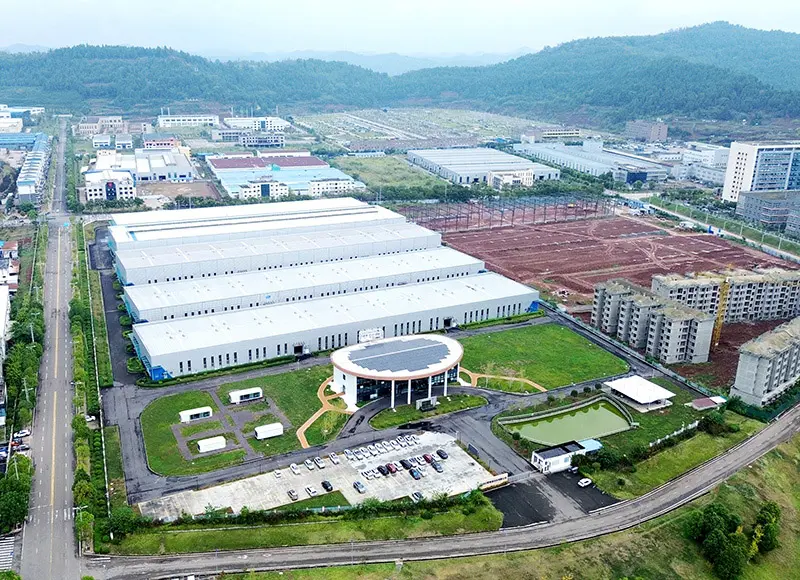

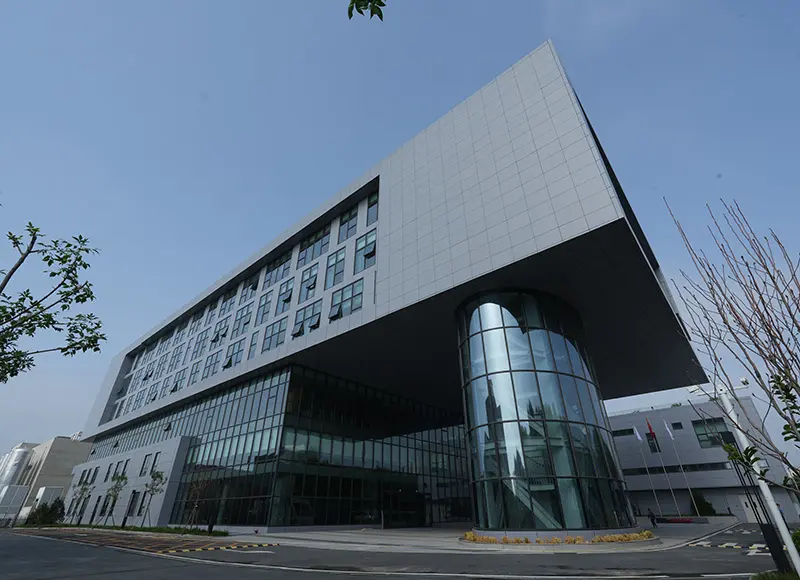
By consolidating key manufacturing steps—from core formulation and barrier encapsulation to final thermal testing—within our Sichuan facility, we optimize production efficiency. This integration allows us to supply high-performance fumed silica VIPs at competitive prices, serving large-scale architectural and cold-chain projects globally.


Our vacuum panels are deployed globally to improve thermal efficiency, meet environmental standards, and optimize space utilization.


We provide high-efficiency thermal insulation solutions for building envelops, temperature-controlled transport, and high-temperature systems. Utilizing advanced vacuum insulation panels and vacuum insulated glass, we help industrial partners lower energy consumption, improve temperature control accuracy, and work toward global carbon neutrality goals.
From protecting critical medical shipments in pharmaceutical transit to reducing wall thickness in urban high-rises, our vacuum-insulated barriers deliver reliable thermal performance in space-constrained designs.
Explore our project portfolio, demonstrating the performance of our vacuum insulation systems in demanding conditions.

We integrated customized fumed silica VIPs into cleanroom wall partitions to ensure precise temperature stability with minimal wall profiles.
Read Case Study →
We installed nano-microporous blankets around pipeline bends in a manufacturing facility, reducing surface radiation losses by 42%.
Read Technical Study →
Installed integrated vacuum insulation decorative wall panels on building facades, achieving Class-A fire safety ratings and meeting low-carbon building codes.
Read Architecture Case →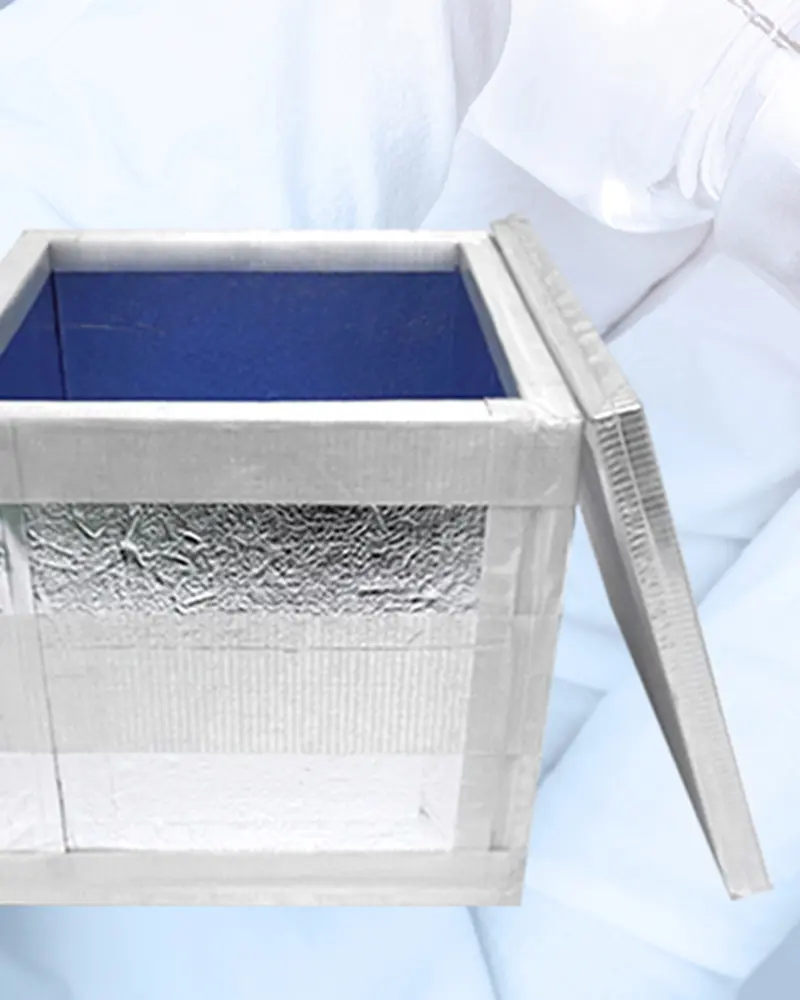
Equipped passive biological cooler boxes with VIP liners, extending reliable cold-chain transport times to over 72 hours under warm ambient conditions.
Read Cold-Chain Study →Technical clarifications from our engineers on VIP materials, performance testing, service life, and installation guidelines.
A: Fumed silica has a nanostructured core with pore sizes of 10 to 100 nm, which maintains high insulation performance even if vacuum pressure fluctuates. It offers a typical service life of 30 to 50 years. In contrast, fiberglass cores have larger micrometer-range pores, making them highly sensitive to vacuum degradation. While fiberglass VIPs offer lower initial thermal conductivity (0.0014 W/m·K), their performance can decrease rapidly if gas leaks into the panel, making them less suitable for long-term architectural or industrial applications.
A: No. Vacuum Insulation Panels operate under a sealed internal vacuum. Cutting, drilling, or puncturing the outer envelope releases the vacuum, causing the panel's thermal conductivity to rise to that of core material at atmospheric pressure (approximately 0.020 W/m·K for fumed silica). All dimensional adjustments, penetrations, and cutouts must be planned during the design stage and manufactured at our factory.
A: For structural applications, we offer integrated panels encased in protective layers like PU foam, mortar, or high-density boards. During transport and handling, panels should be packed in protective crates and installed using compatible adhesives, avoiding mechanical fixings like nails or screws.
A: Every panel undergoes automated quality checks before shipping. We use helium leak detection and pressure chamber tests to monitor vacuum integrity over time. In addition, we verify thermal conductivity across production batches using heat flow meter apparatuses compliance with ASTM C518 and ISO 8301 standards.
A: Fumed silica VIPs maintain stable thermal performance across standard operating temperatures, typically from -70°C to 120°C. For temperatures exceeding this range, such as industrial kilns or EV battery envelopes, we offer specialized nano-microporous panels designed to handle temperatures up to 1000°C.
Stay informed on Zerothermo's technological developments, trade exhibitions, and research updates in green building and vacuum engineering.
An analysis of thermal containment and structural integration requirements for elevator doors during high-temperature fire events.
Published: April 19, 2023 Read Full Report →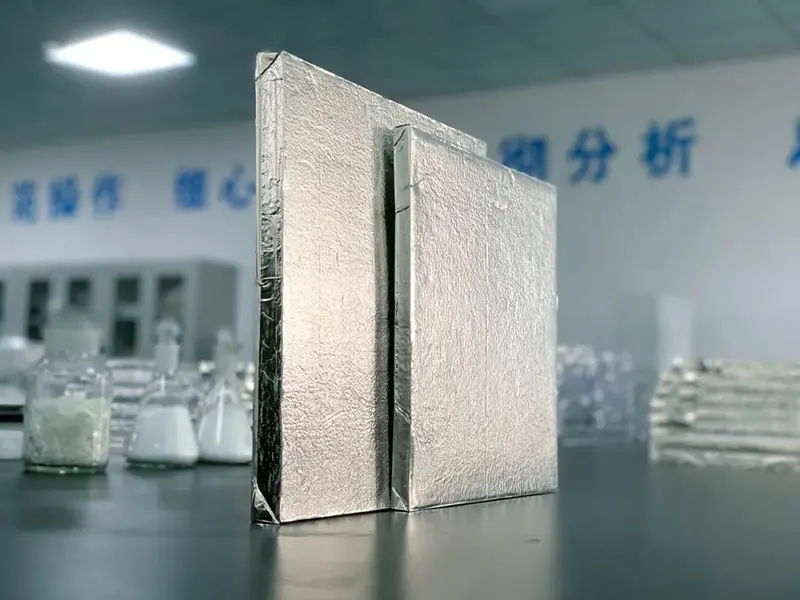
We demonstrated our latest vacuum insulation panels, fumed silica cores, and custom EV thermal barriers during the April exhibition.
Published: April 17, 2023 View Booth Event Details →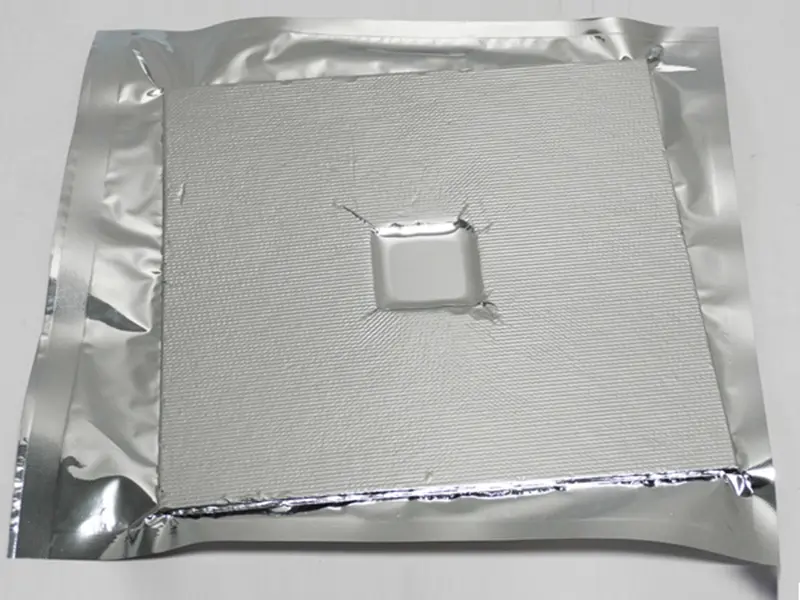
Exploring new applications for nano-microporous materials in advanced transport packaging and high-temperature industrial pipelines.
Published: April 13, 2023 Read Article →Detailed product configurations for cold-chain shipping, prefabricated construction, and specialized industrial insulation.
Specially formulated core structure designed for frequent thermal cycling in active and passive refrigerated container systems.
Review Logistics Data →
Thin, heat-resistant barrier mats designed to insulate battery modules and retard cell-to-cell thermal propagation.
Get EV Custom Quotes →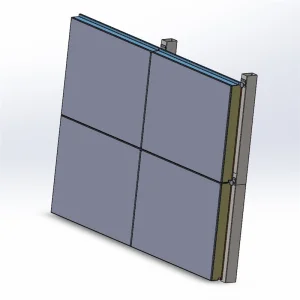
Combined thermal insulation and decorative exterior panels, designed for rapid installation on modern building envelopes.
Request Facade Options →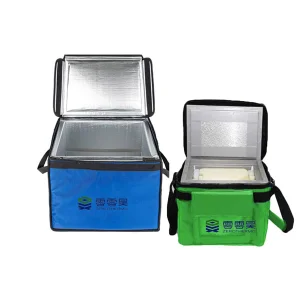
High-performance shipping boxes with integrated fumed silica VIP panels, designed for vaccine, medical, and food cold storage.
View Cooler Capacities →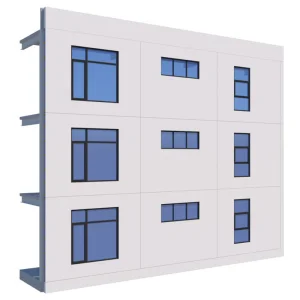
Structural wall components with built-in vacuum insulation, designed for energy-efficient retrofits and modular construction.
Get Pricing Matrix →
Modular wall units engineered with high-efficiency vacuum cores, optimized for fast installation in commercial building facades.
Contact Factory Engineers →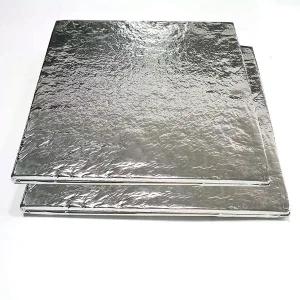
High-efficiency VIPs utilizing compacted glass fiber cores, designed for domestic refrigerators, commercial freezers, and cold rooms.
Request Application Data →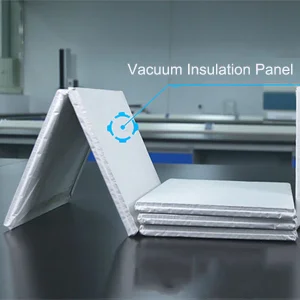
Exterior facade panels engineered to reduce thermal bridging and lower heating and cooling demands in buildings.
Get Architectural Quotes →Get in touch for customized vacuum insulation panel designs, technical specifications, or pricing quotes for large-scale projects.


 +8615892792306