
Precision Thermal Engineering
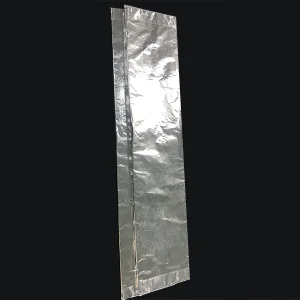
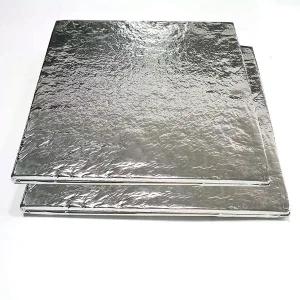
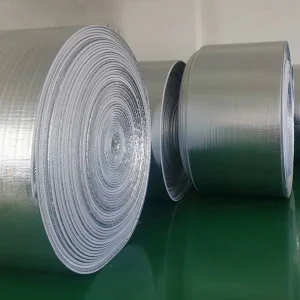
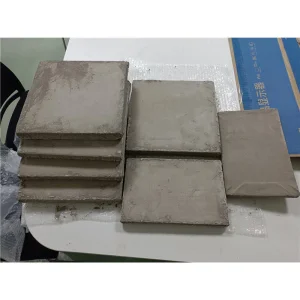
In the contemporary landscape of industrial design, civil engineering, and aerospace manufacturing, the demand for space-saving, high-efficiency thermal insulation solutions has escalated to unprecedented heights. The global paradigm shift toward energy efficiency, carbon neutrality, and space optimization has positioned thin insulation boards as a critical technological element. Traditional bulk insulation materials like mineral wool, expanded polystyrene (EPS), and polyurethane (PU) foam are increasingly failing to meet modern dimensional limitations and thermal performance criteria simultaneously.
This massive reduction in bulk yields immediate structural advantages. In urban architecture, saving 15cm of wall thickness translates directly to increased internal floor area, substantially raising the commercial valuation of real estate properties. In the logistics sector, replacing traditional insulation layers in refrigerated boxes with advanced VIPs expands internal shipping volumes by up to 30%, lowering total transport emissions per cubic meter. These commercial drivers are guiding procurement agents toward specialized custom thin insulation board companies that can deliver certified thermal performance, robust manufacturing capability, and application-specific configurations.
Procuring thin insulation boards for large-scale industrial projects demands a rigorous evaluation of chemical composition, mechanical characteristics, and regulatory compliance. Global buyers must balance thermal requirements with strict safety standards. Standard engineering specifications evaluated during international bidding include:
Materials utilized in elevators, skyscrapers, and transit systems must exhibit Class A1 non-combustibility. Nano-microporous panels with silica bases are highly preferred for fire protection structures.
Unlike conventional foam, vacuum panels cannot be cut or altered on-site without destroying the internal vacuum pressure. Customized pre-fabrication to precise CAD layouts is mandatory for successful field deployment.
B2B buyers evaluate the cost-to-performance ratio. Fumed silica cores provide superior moisture resistance and longevity (exceeding 30-50 years in walls) compared to cheaper fiberglass core equivalents.
Strategic sourcing departments prioritize suppliers capable of delivering comprehensive quality reports, including ASTM compliance certifications, SGS outgassing test data, and localized regulatory compliance certificates (such as European CE marking for thermal insulation products). Ensuring that structural barrier materials satisfy code demands is critical to avoiding costly project delays and liability issues.
The manufacturing architecture of thin thermal barriers is split into two primary material groups, each undergoing significant developmental iterations:
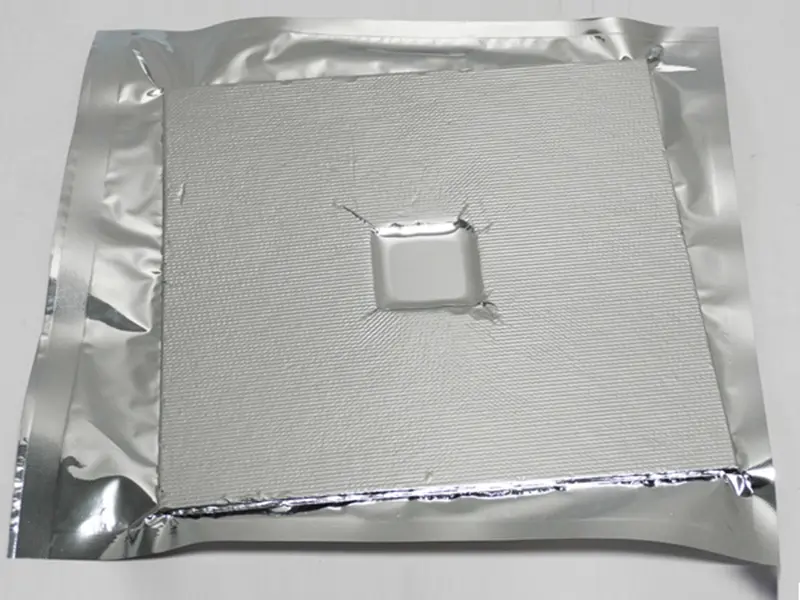
VIPs operate on the principle of removing air molecules from a porous core material, reducing gaseous heat conduction to nearly zero. Innovations in barrier envelope technology (multilayer PET films with vapor-deposited aluminum layers) have reduced thermal bridging at panel junctions and protected against vacuum degradation over decadal lifespans. Advanced core materials, primarily composed of compacted fumed silica or high-density glass fibers, achieve thermal conductivities as low as 0.0018 W/m·K to 0.004 W/m·K at operating temperatures.
For applications where vacuum envelopes are impractical—such as extreme high-temperature ovens, industrial kilns, or dynamic mechanical assemblies—nano-microporous technology offers an alternative. Composed of dispersed silica particles with diameters smaller than the mean free path of air molecules (approximately 70 nanometers), these boards restrict heat transmission via gas conduction without requiring a vacuum seal. They can withstand constant operating exposure up to 1000°C while maintaining exceptional structural integrity.
Company Profile
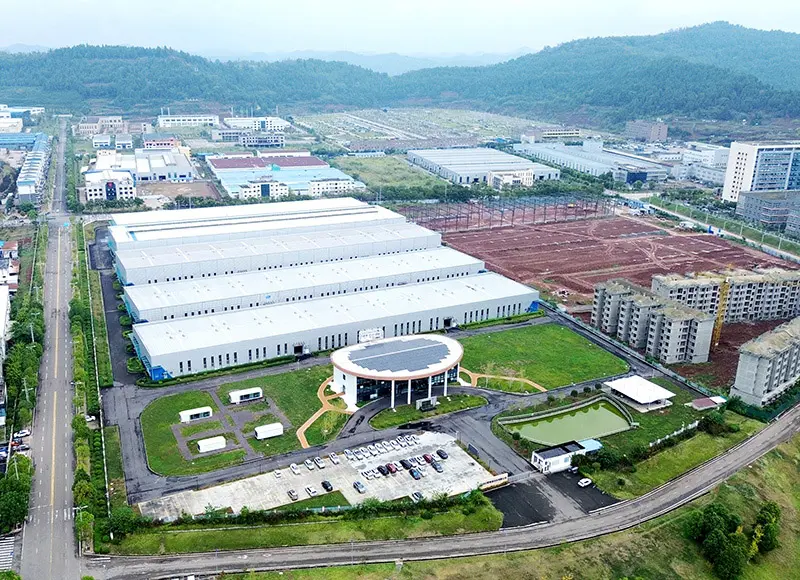
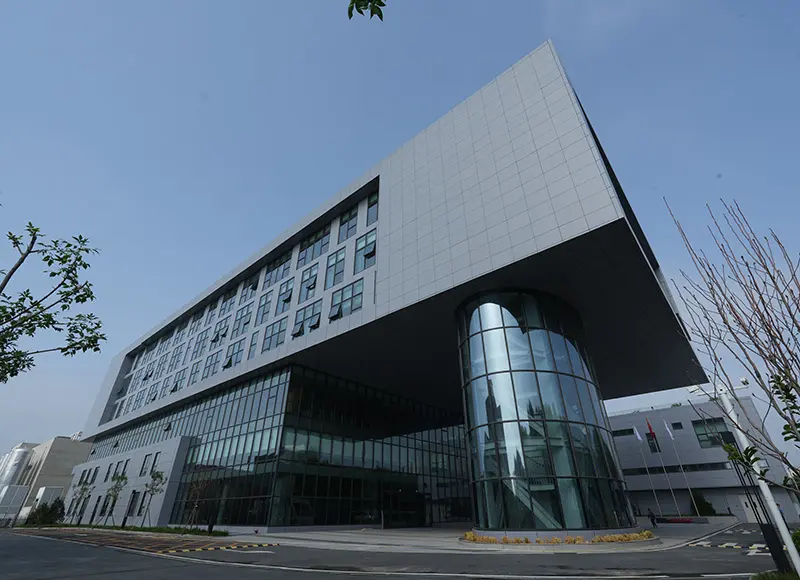
Zerothermo Technology Co., Ltd., a subsidiary of the distinguished CBVAC Group, is a recognized national high-tech enterprise. Headquartered in the prestigious Beijing Economic-Technological Development Area, our state-of-the-art production base is situated in Nanchong City, Sichuan Province. This specialized facility stands as one of China’s largest and most advanced integrated manufacturing hubs for vacuum thermal insulation applications and vacuum technology engineering products.
Through our Factory 4.0 philosophy, Zerothermo has built exceptional supply chain resilience. By integrating robotics and real-time vacuum pressure measurement arrays during the packaging phase, we ensure that every panel leaving the assembly line maintains structural integrity. Our Sichuan production facility uses smart manufacturing systems to manage variable sizing requests, custom core cutting, and multilayer encapsulation in a highly automated environment. This enables us to maintain fast turnaround times and consistent product quality, even during peak global demand cycles.

Special sizes (beyond the range of ANSI/ASME/DIN and other standards) are produced according to customers' drawings or technical parameters.

Square, oval or other special shaped flanges. - Oversize/small diameter: such as diameter over 60 inches or micro precision flanges.

Special sizes (beyond the range of ANSI/ASME/DIN and other standards) are produced according to customers' drawings or technical parameters.

Our Technology


Tailored Solutions
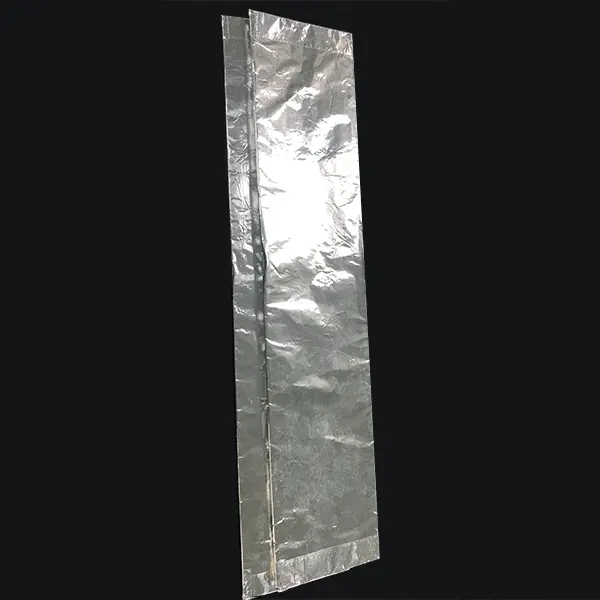
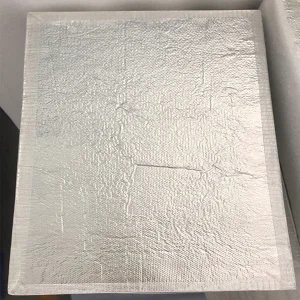
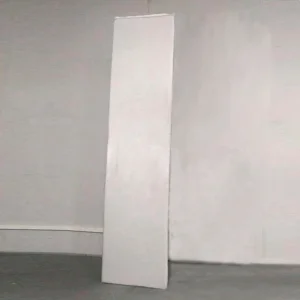
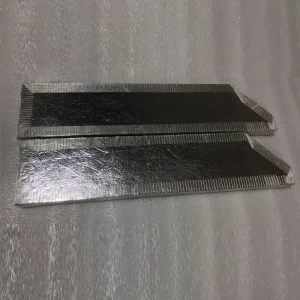
Product Details: Size: Customized. Thickness: 5-10mm. Designed for thermal runaway protection.
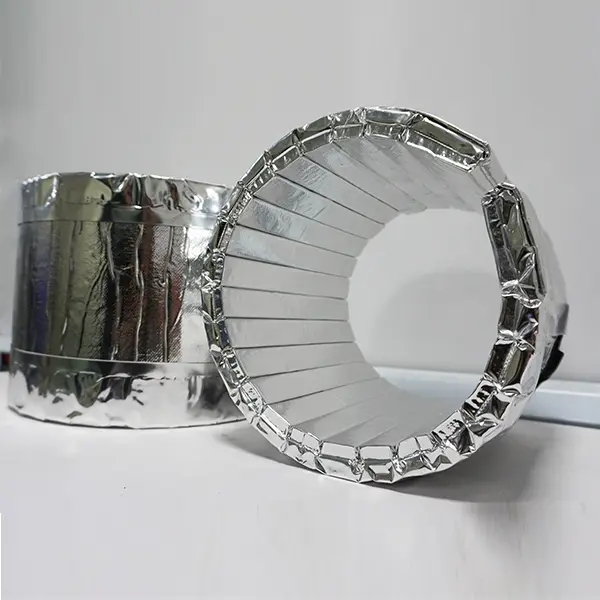
Product Details: Size: Customized. Thickness: 5-20mm. High structural stability and thermal efficiency.
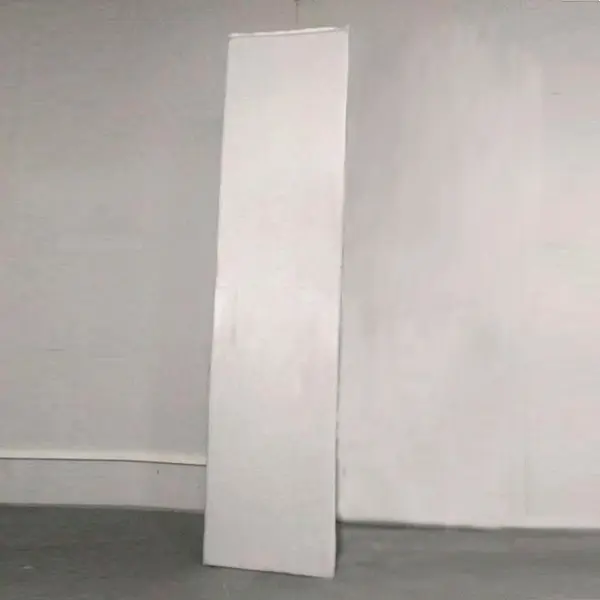
Our elevator fireproof door high temperature nano panels offer class-leading non-combustibility.
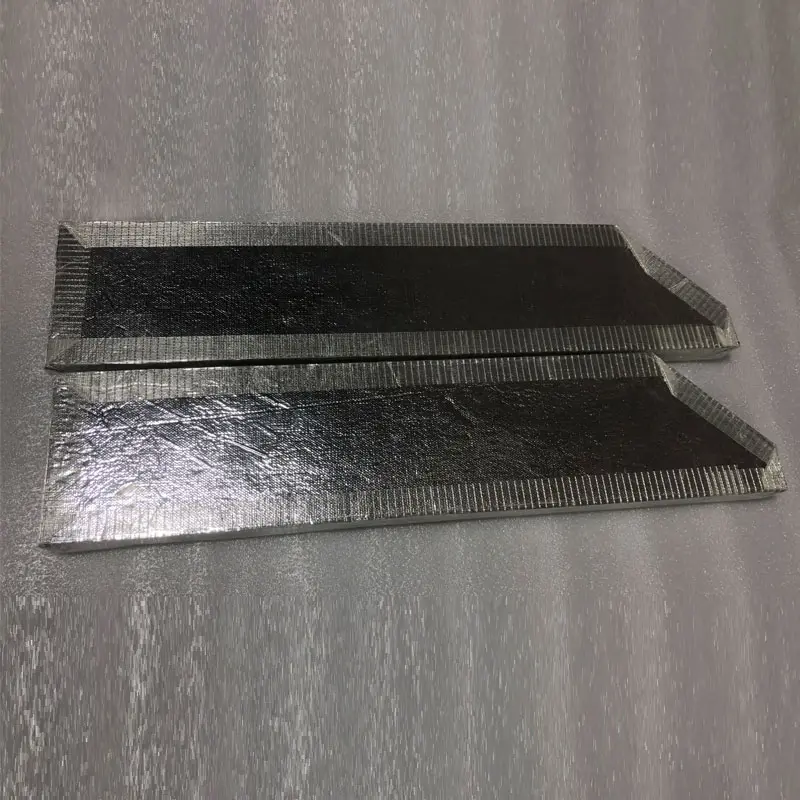
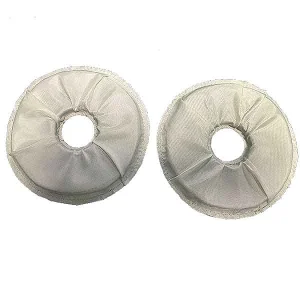
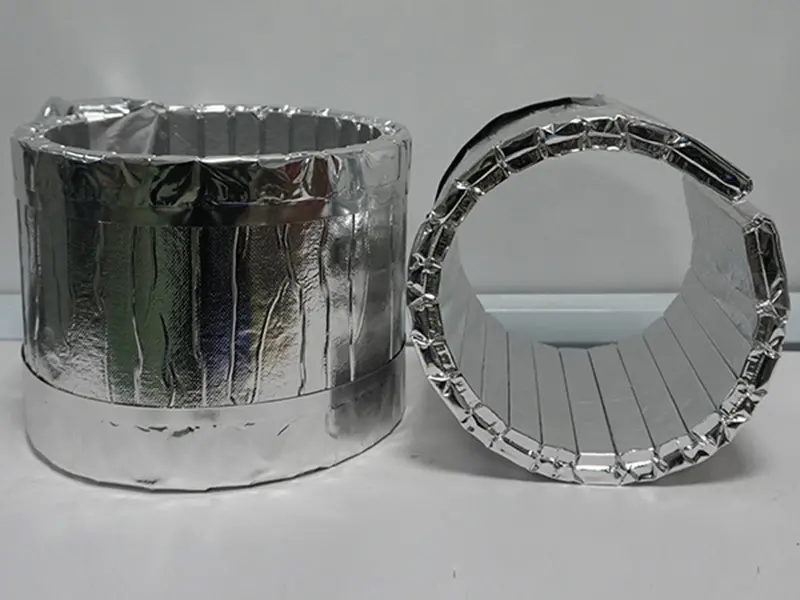
Vacuum insulation panels tailored for atypical geometry profiles and custom pipe bends.
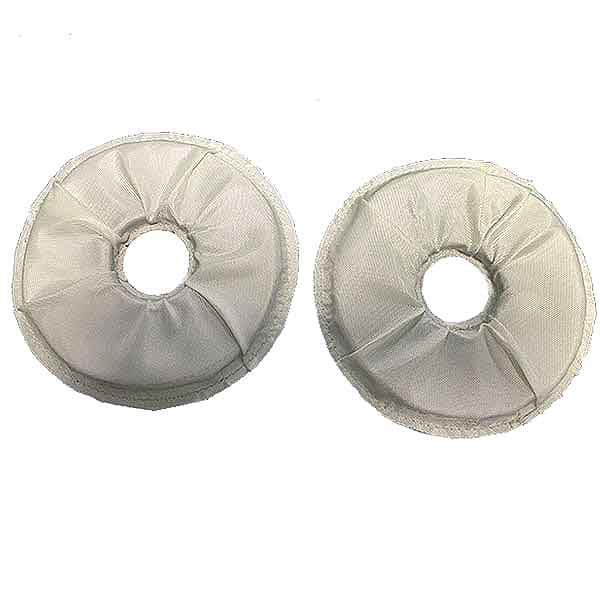
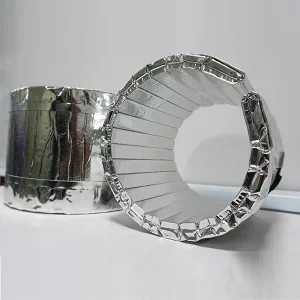
Designed for thermal isolation in complex cylindrical systems and high-temp chambers.
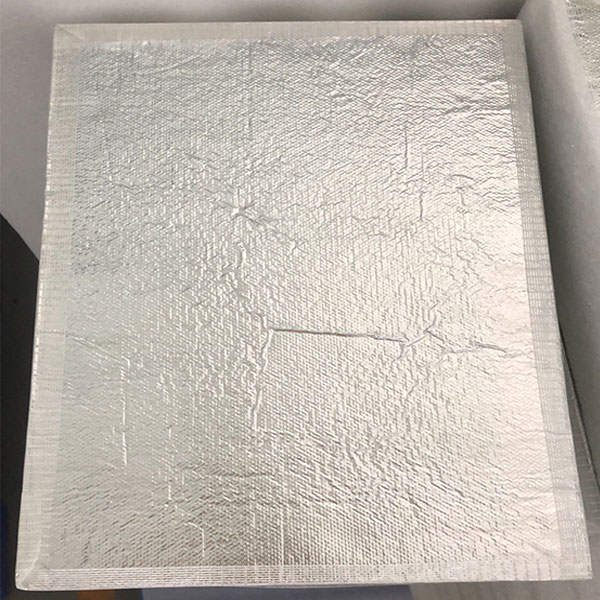
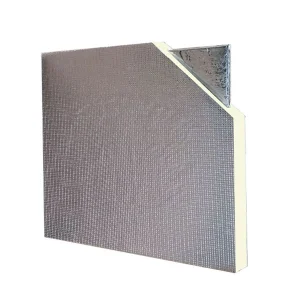
Features optimal heat transfer mitigation and durability for high-end applications.
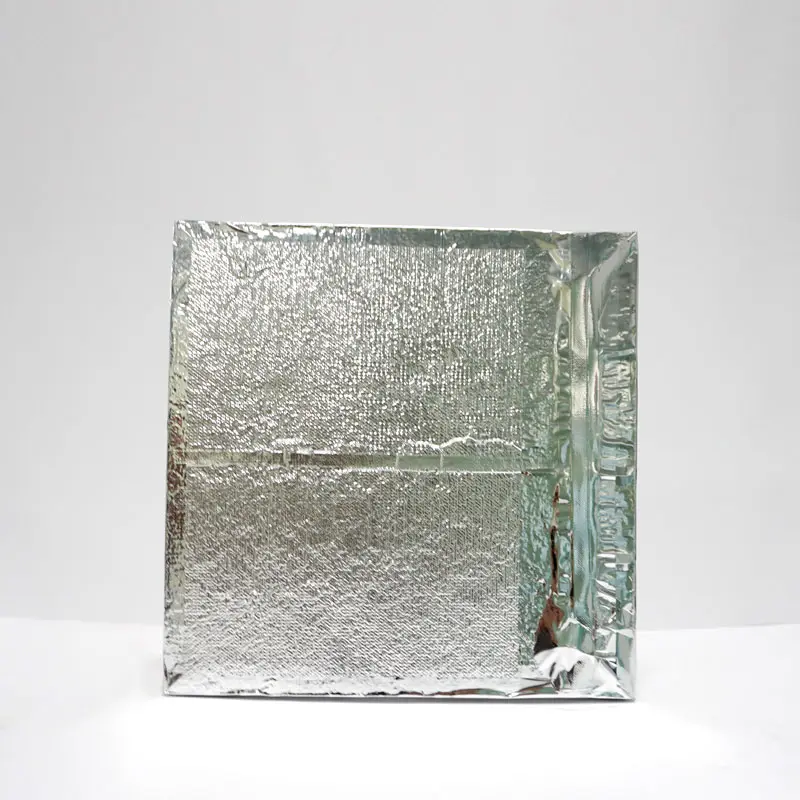
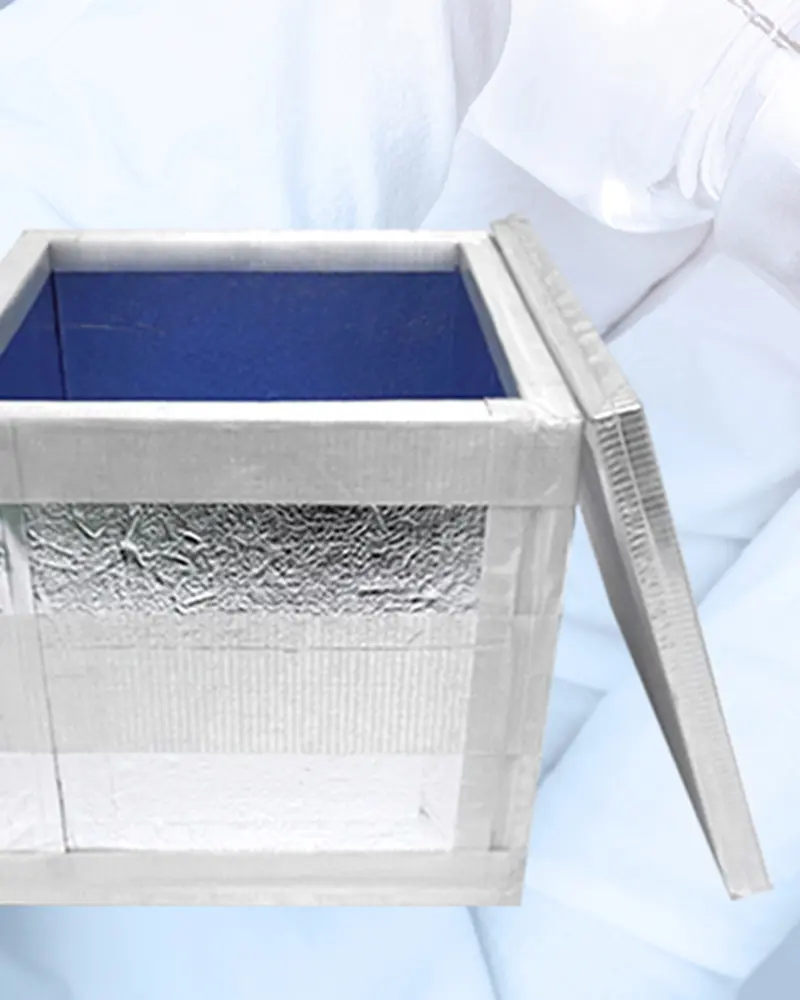
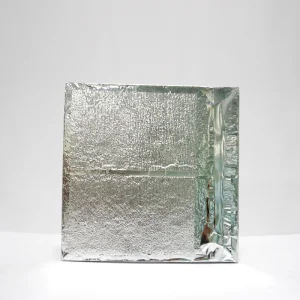
Optimized for logistics coolers, vacuum boxes, and pharmaceutical packaging.
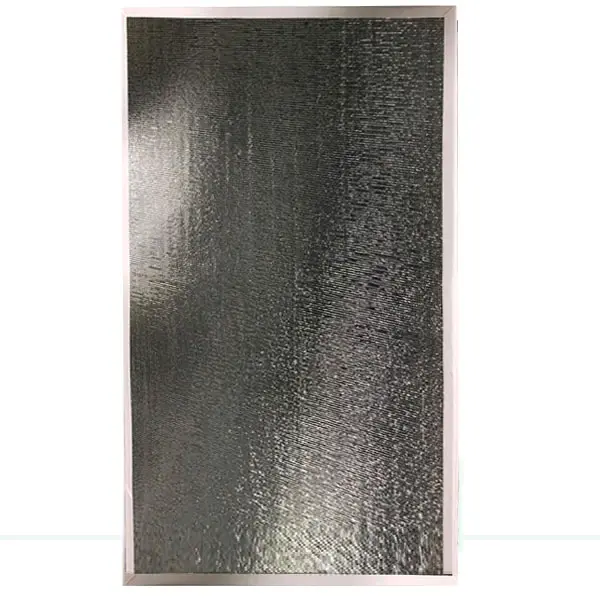
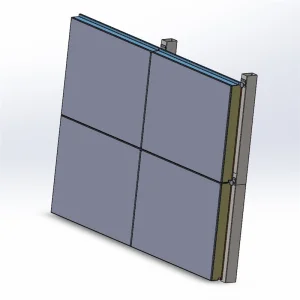
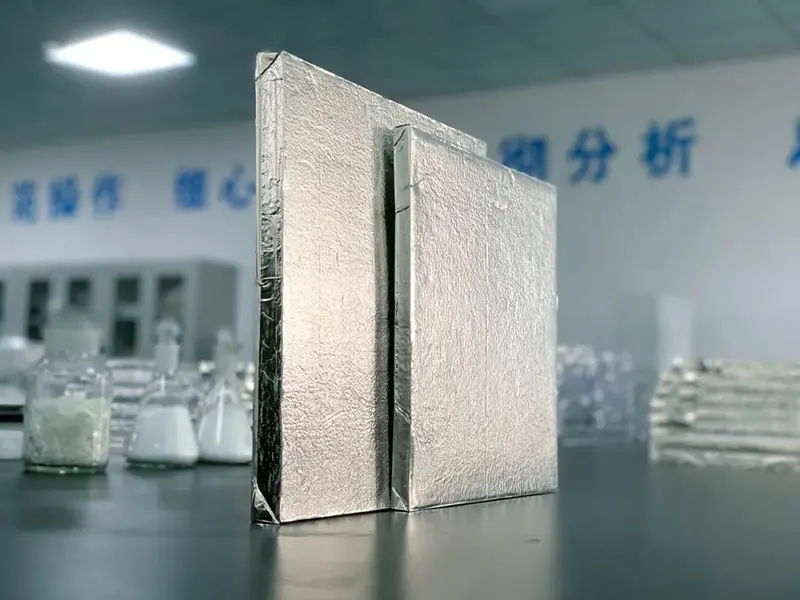
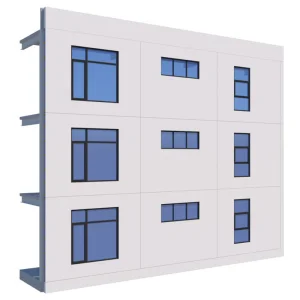
Large format panel installations designed to cover expansive building envelope arrays.
Industrial Applications





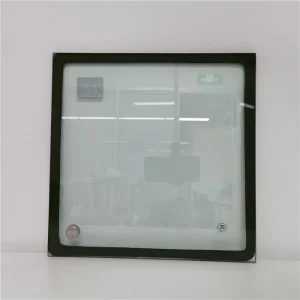
Providing high-efficiency thermal insulation solutions for building envelope systems through innovative products such as vacuum insulation panels and vacuum insulated glass, empowering the cold storage sector to maintain strict temperatures.

Providing high-efficiency thermal insulation solutions for building envelope systems through innovative products such as vacuum insulation panels and vacuum insulated glass, empowering the construction sector to reduce carbon emissions and achieve carbon neutrality.

Providing high-efficiency thermal insulation solutions for building envelope systems through innovative products such as vacuum insulation panels and vacuum insulated glass, empowering industrial kilns and high-temp pipe networks to operate safely.

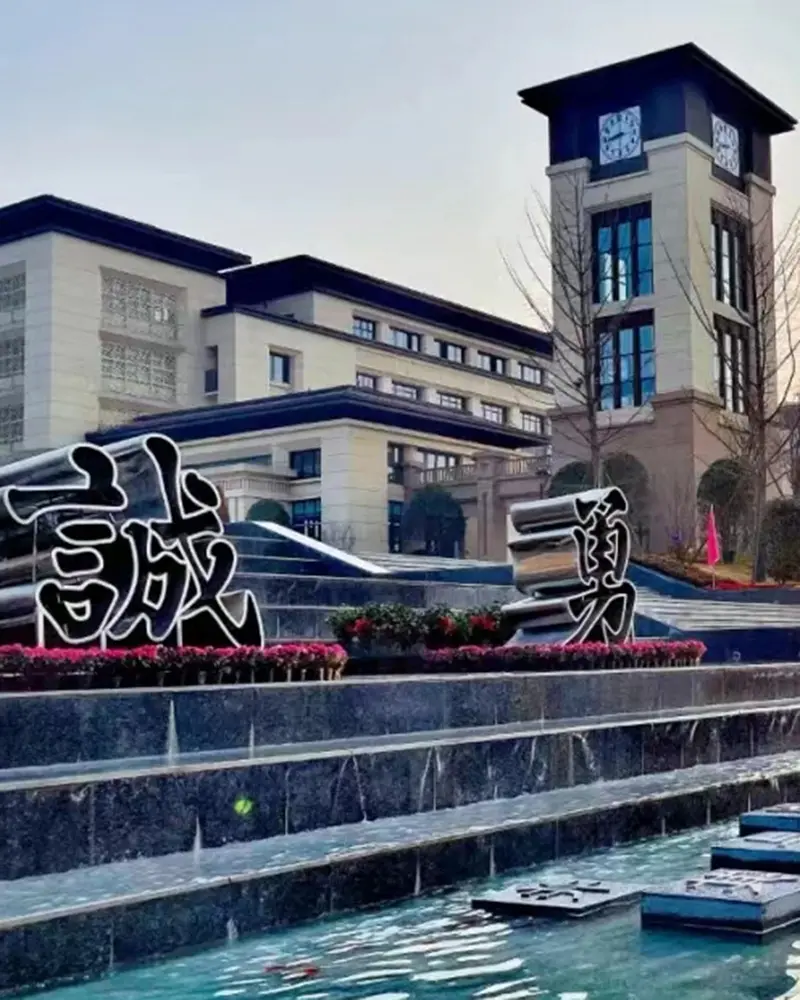
Providing high-efficiency thermal insulation solutions for building envelope systems through innovative products such as vacuum insulation panels and vacuum insulated glass, supporting sustainable tourism and green infrastructure projects.
Engineering Feats


Knowledge Base
Company Dynamics

Precision Thermal Engineering

Inquiry Channel
Whether you require tailor-made dimensions for building facades, battery packaging layers, or high-temperature elevator protection systems, our engineering team can calculate thermal bridging profiles and recommend optimal materials.


