Engineered Materials
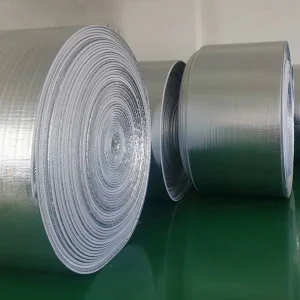
High-efficiency metal aluminum foil composite roll designed for comprehensive industrial roof thermal insulation barrier solutions.
View Details
High-temperature nano microporous core panels customized for heavy-duty structural thermal containment and strict fire rating compliance.
View Details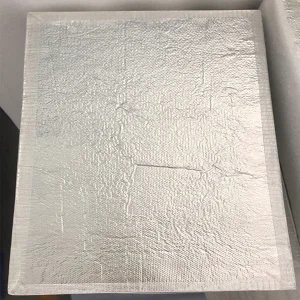
Ultralow thermal conductivity vacuum insulation panels wrapped in protective PET film for demanding cold chain logistics operations.
View Details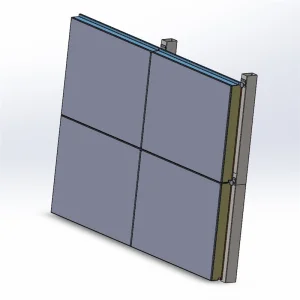
Advanced vacuum insulated decorative wall components offering optimal thermal boundary performance and rapid onsite assembly.
View Details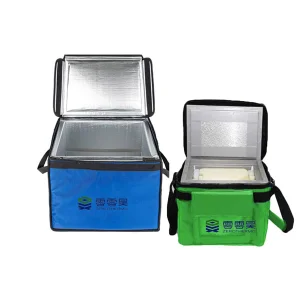
High-durability storage box featuring fumed silica VIP cores, engineered for vaccine transport, medical agents, and food perishables.
View Details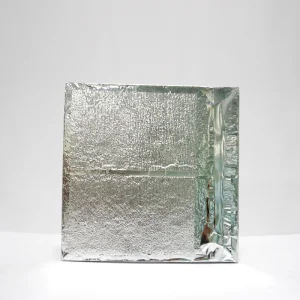
Specially formulated low-temperature cold chain logistics panels ensuring reliable insulation, space utilization, and thermal stability.
View Details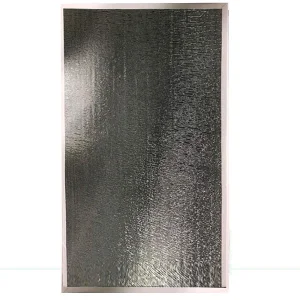
Bespoke sizing options utilizing high-efficiency fumed silica cores for commercial logistics, oceanic shipping, and heavy storage containers.
View Details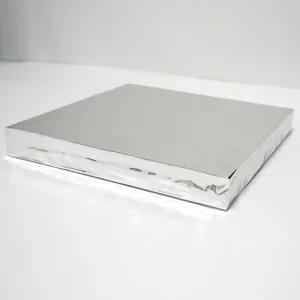
High-density custom microporous panels designed for excessive temperature boundaries, offering space savings and thermal security.
View DetailsTechnical Whitepaper
Modern food processing and manufacturing facilities operate under stringent thermal, environmental, and hygiene requirements. From industrial tunnel baking ovens to commercial deep-oil fryers, high-speed steam processors, and cryogenic flash freezers, keeping energy contained requires exceptional insulation. Traditional insulation materials like rockwool, fiberglass, and calcium silicate struggle with space constraints, thermal performance drift, and strict sanitation demands. Engineered custom microporous insulation is a game-changing solution, offering low thermal conductivity, spatial efficiency, and safety compliance.
Definition & Physics of Microporous Insulation: Microporous insulation is based on the Knudsen effect. It utilizes compacted fumed silica particles (with average diameters of 10–20 nanometers) dispersed with an opacifier to scatter infrared radiation. This structure creates an intricate network of interconnected voids smaller than the mean free path of air molecules (~70nm at sea level), neutralizing gaseous heat transfer. The resulting thermal conductivity (typically < 0.020 W/m·K at mean temperatures) is lower than still air, providing unmatched thermal resistance in thin profiles.
Food processing plants operate on a high-throughput basis where square footage directly influences overall yield. Standard ovens and cooking apparatuses insulated with mineral wool require thick insulation jackets (often 100mm to 150mm) to keep external surfaces within safety parameters (e.g., < 50°C). By replacing traditional mineral fiber blankets with high-temperature nano microporous panel systems, companies can reduce insulation thickness by up to 75% while achieving identical or superior thermal barriers.
This space saving allows machinery manufacturers to design compact fryers, bread ovens, and pasteurizing tunnels with larger internal processing zones without increasing the external footprint. Additionally, the low density and thermal mass of fumed silica panels minimize the heat absorption of the machinery envelope, resulting in faster heat-up cycles, decreased energy expenditure during start-ups, and more responsive temperature control.
Cleanliness and hygiene are crucial in food production. Daily washdowns using high-pressure hot water and aggressive chemical sanitizers create a highly humid environment. If moisture penetrates traditional fibrous insulation, it causes localized biological growth (molds, pathogens) and initiates Corrosion Under Insulation (CUI) on the underlying stainless steel structures.
Our custom microporous insulation solutions address this risk in two ways: First, the core fumed silica is naturally inorganic and does not support microbiological life. Second, panels are packaged in custom-engineered barriers, including hydro-repellent laminates, aluminum foils, or stainless steel envelopes. These barriers prevent moisture ingress, enabling the insulation to maintain dry conditions even during washdowns. This prevents CUI, extends the operational life of processing equipment, and ensures compliance with strict hygienic standards.
As global carbon regulations tighten and energy costs fluctuate, food processing companies face pressure to reduce their carbon footprint. Incorporating custom nano microporous insulation into high-temperature processes (like industrial baking, drying, and frying) provides a clear path to energy reduction. Under continuous operations, the reduction in heat loss achieved by replacing calcium silicate or fiber insulation with microporous panels translates into energy savings of up to 30%. The capital payback period for retrofitting thermal processing equipment is often less than 18 months, helping plants meet their ESG targets and improve their bottom line.
Global Procurement & Solutions
Multi-national food conglomerates are standardizing microporous technologies to meet carbon-neutral directives and improve workplace safety. By establishing centralized agreements for nano-insulation, manufacturers ensure consistent performance across worldwide production sites, standardizing heat shielding and energy budgets.
Traditional microporous materials lose their structure and thermal efficiency when exposed to liquids. To solve this in food processing environments, we offer custom-engineered moisture barriers. Our encapsulation methods protect the core materials, ensuring they remain dry and functional during daily sanitization washes.
Food processing lines feature complex geometries, including curved pipe joints, cylindrical mixing chambers, and irregularly shaped cooker walls. Our facility delivers tailor-made microporous segments, including flexible wraps, custom curves, and CNC-profiled rigid blocks, minimizing thermal bridging and ensuring complete insulation coverage.
Technical Roadmap
Zerothermo Technology is committed to advancing nanostructured insulation. Our product roadmap focuses on: First, developing hybrid aerogel-microporous composites that combine the high mechanical stability of fumed silica with the flexibility of organic aerogel blankets. Second, introducing bio-compatible opacity agents that align with circular economy models, helping food manufacturers reach their scope 3 emissions targets. Third, integrating thermal monitoring systems. By inserting thin, flexible heat flux sensors within the insulation panel, operators can track real-time thermal performance, monitor mechanical degradation, and schedule predictive maintenance before energy leaks impact production line consistency.
Customization Portfolio
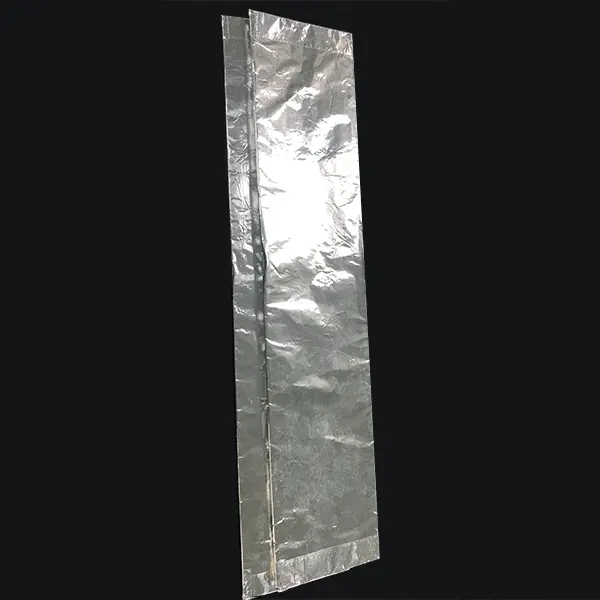
Size: Customized | Thickness: 5-20mm. Designed for thermal runaway prevention and space-restricted cell protection.
View More +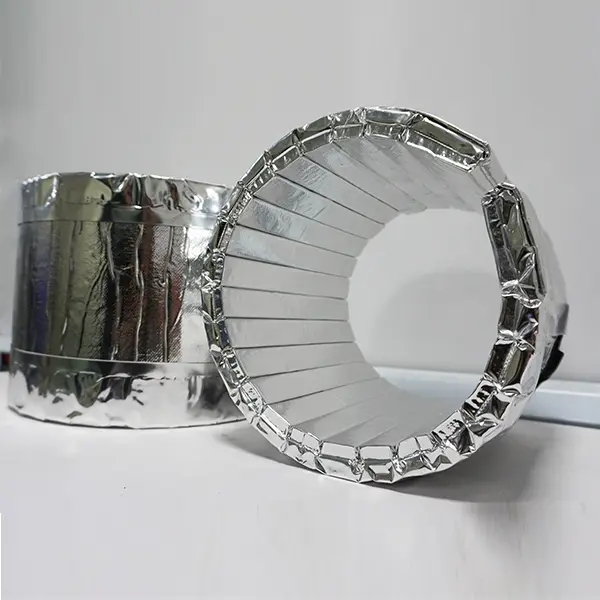
Size: Customized | Thickness: 5mm+. Ideal for heat containment in commercial storage tanks and boilers.
View More +
Elevator fireproof door insulation solutions utilizing high-temperature nano microporous core panels for high safety ratings.
View More +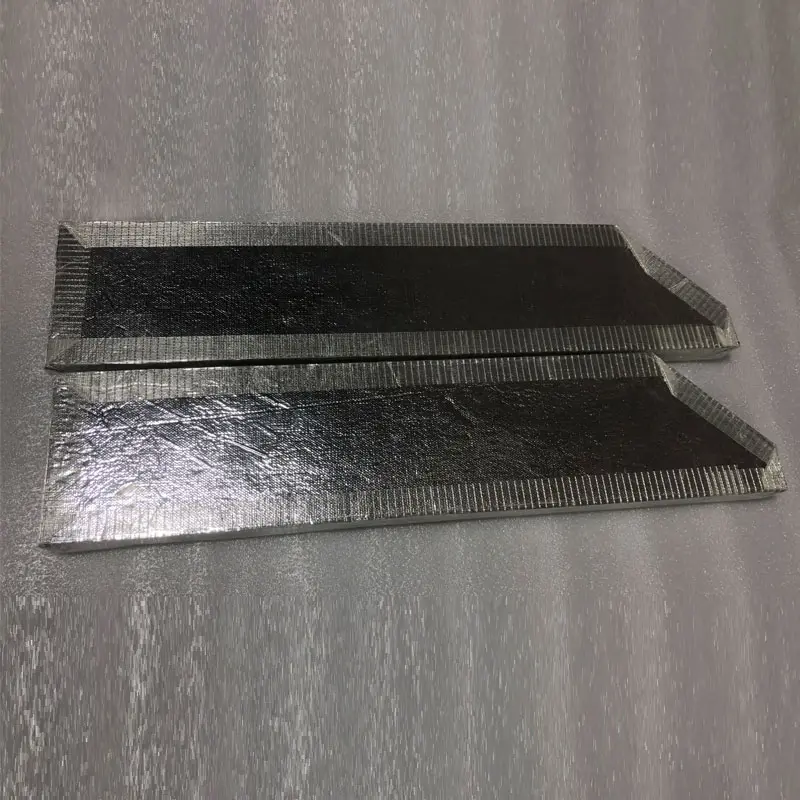
Vacuum insulation panels customized with complex shapes to fit specific curves, pipe bends, and industrial chambers.
View More +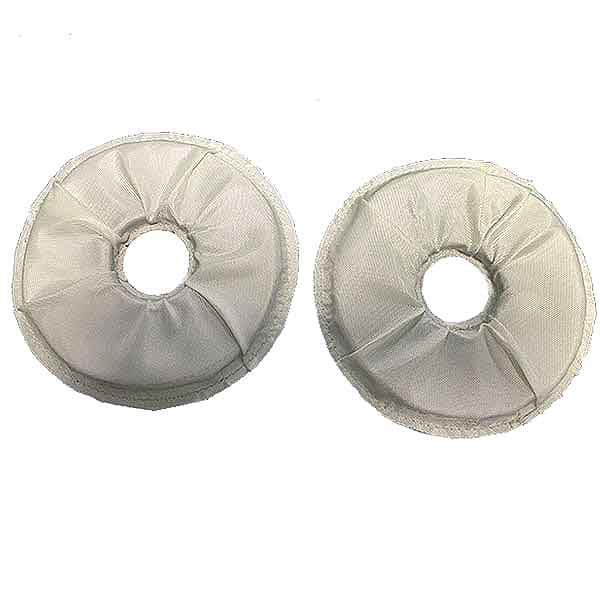
Flexible thermal insulation wraps designed for pipes, circular heaters, and cylindrical food processing vessels.
View More +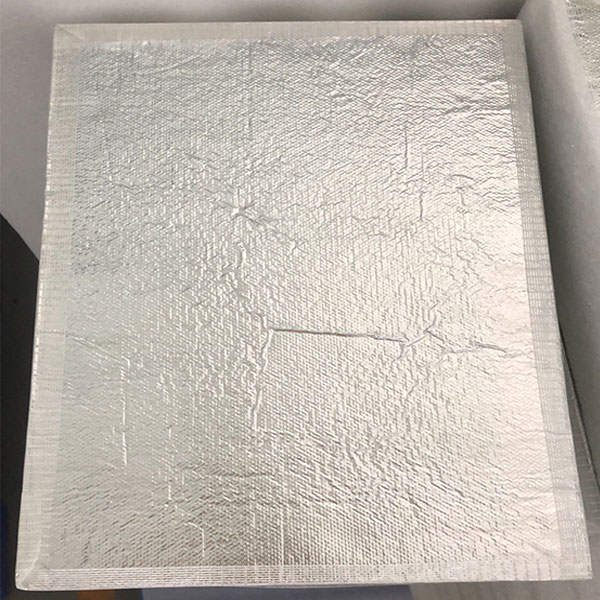
High-efficiency thermal barrier insulation systems engineered for ultra-low temperature maintenance and energy conservation.
View More +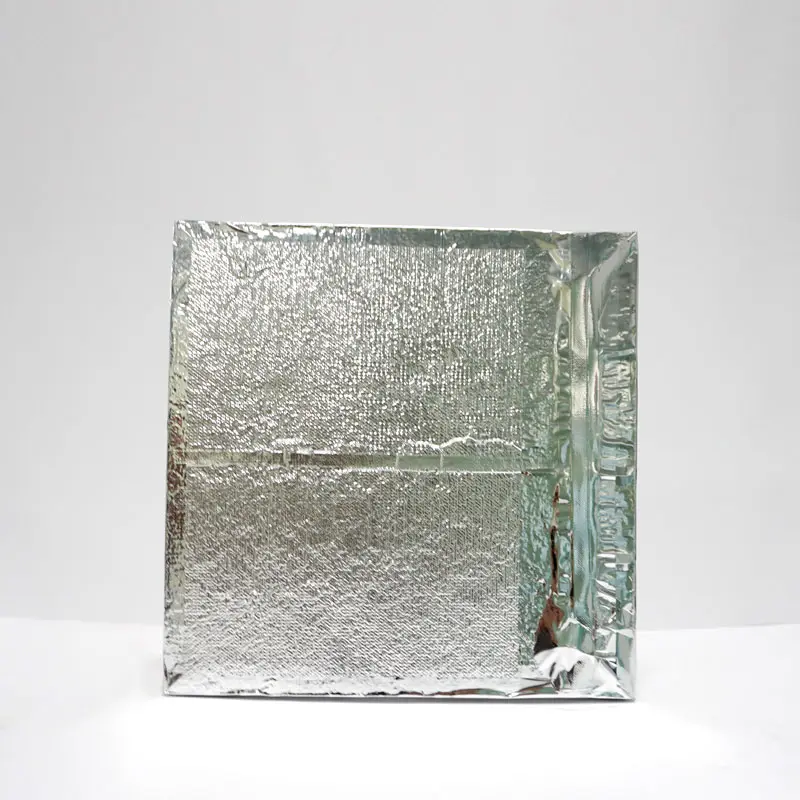
Advanced thermal retention panels designed for cold storage boxes, medical containers, and food delivery systems.
View More +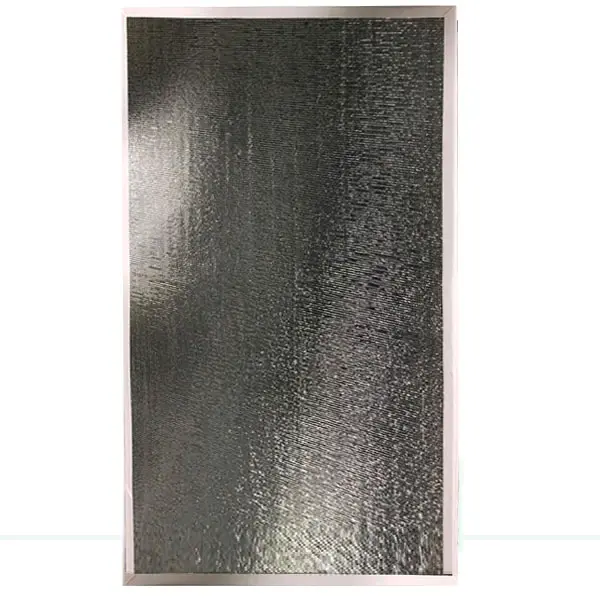
Custom-sized fumed silica VIP panels designed for cold containers and warehouse insulation systems.
View More +Corporate Profile
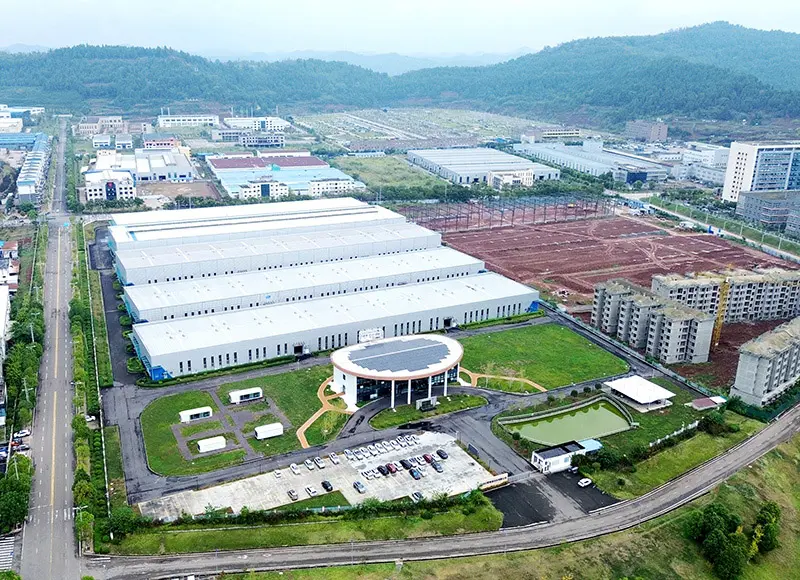
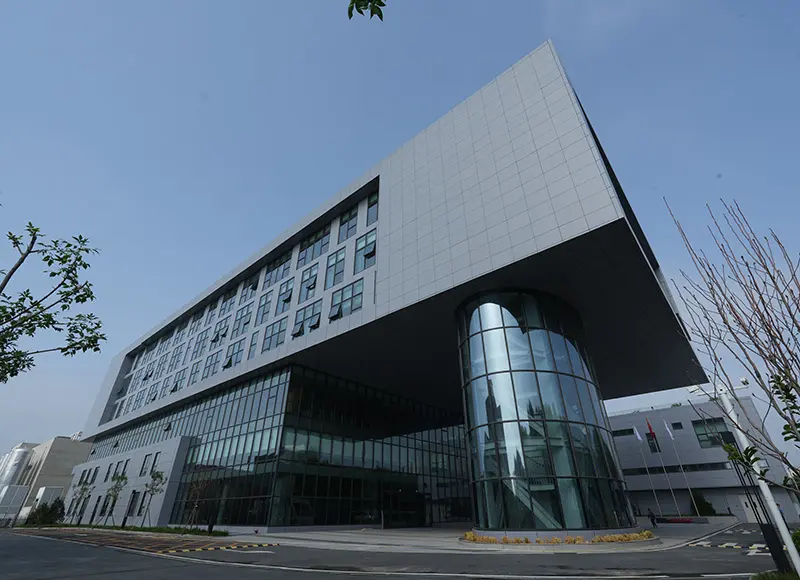
Zerothermo Technology Co., Ltd., a subsidiary of the CBVAC Group and a national high-tech enterprise, is headquartered in the Beijing Economic-Technological Development Area. Our manufacturing base, located in Nanchong City, Sichuan Province, is one of China's largest comprehensive production centers for vacuum insulation and thermal technology applications.
We leverage advanced machinery, strict quality control procedures, and solid research foundations to deliver reliable thermal solutions to international industries, helping clients improve energy efficiency and thermal safety.

Specialized sizes extending beyond standard ANSI/ASME/DIN parameters, custom fabricated to client blueprints.

Square, oval, irregular geometries, and precision flanges for extreme applications or large structures over 60 inches.

Highly accurate vacuum seals and connection systems engineered for complex modern vacuum equipment.


Global Solutions






Success Stories & Updates

Precision installation of vacuum insulation systems for microelectronic packaging and cleanroom environments.

Maintaining temperature stabilization using advanced vacuum panels in medical testing environments.

Architectural envelope project implementing integrated structural vacuum insulation panels for low-energy design.
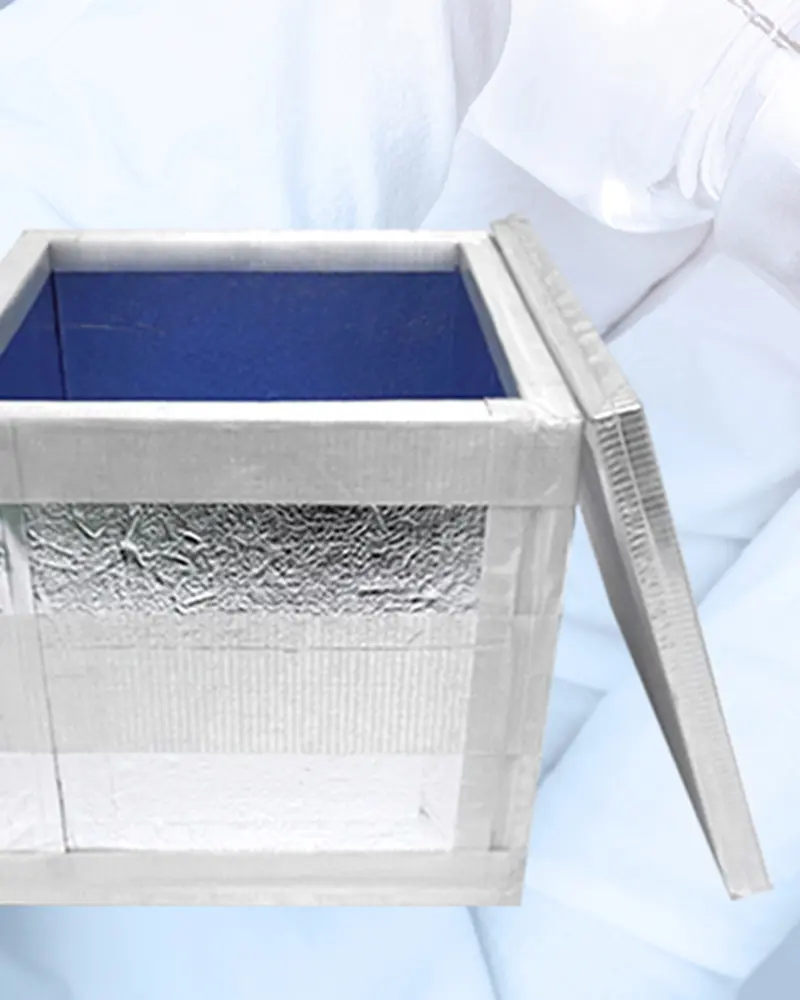
High-efficiency vaccine cooler box distribution utilizing advanced silica core VIP systems.
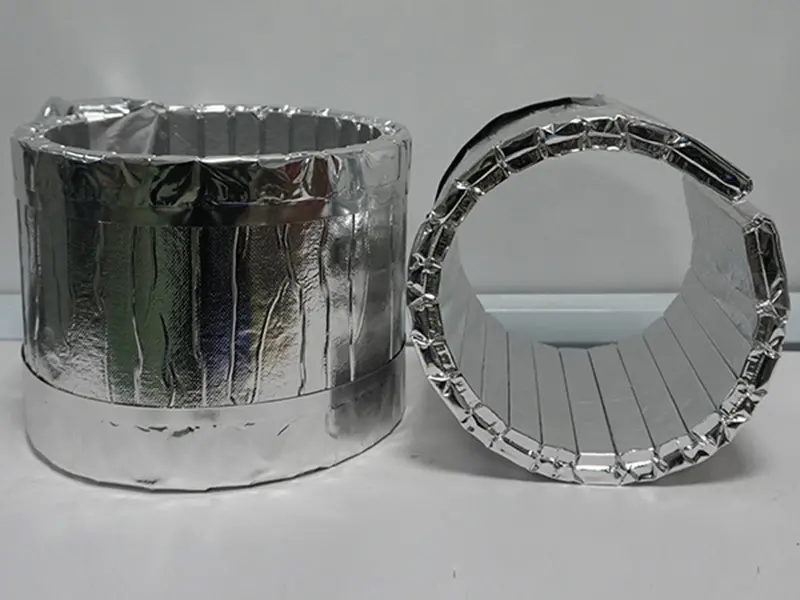
An in-depth analysis of high-temperature microporous systems in structural safety and fire prevention assemblies.
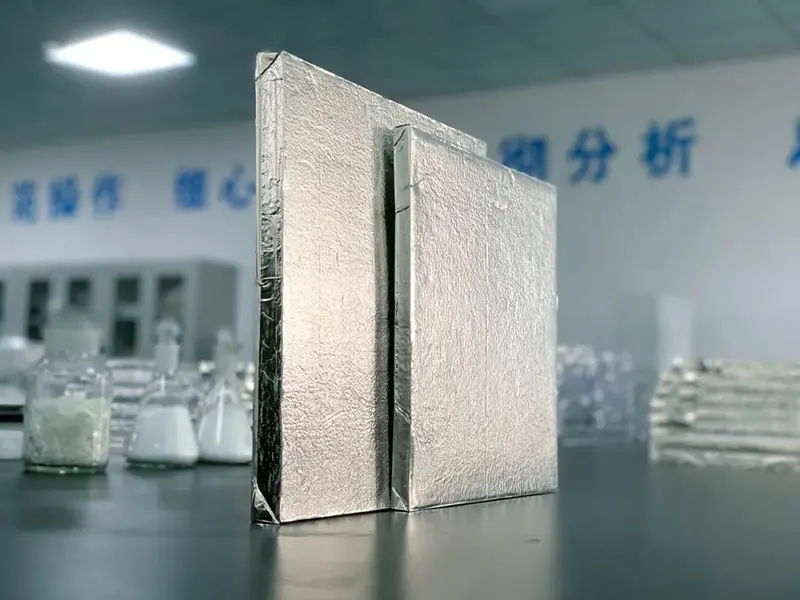
Meet our engineering team at the Canton Fair and explore our range of custom vacuum insulation solutions.
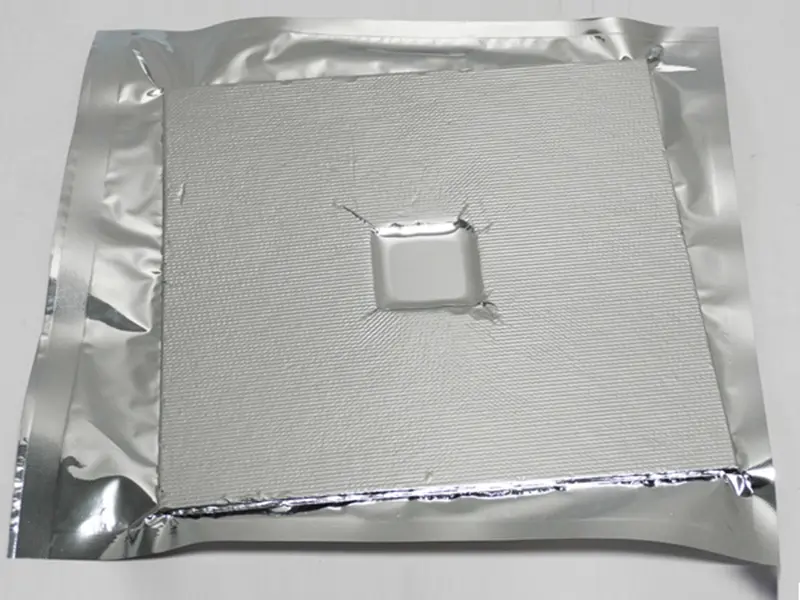
Discover how nano microporous designs are replacing traditional fibers in heavy-duty machinery.
Technical FAQ
Get in Touch
We provide full-service vacuum insulation board design and customization. If you need thermal modeling, thickness recommendations, or pricing information for your project, please contact us.


Extended Selection
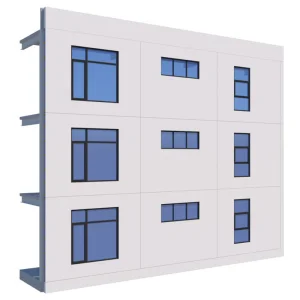
Dual-function exterior structural cladding combining insulation performance and decorative finishes for modern industrial facades.
View Details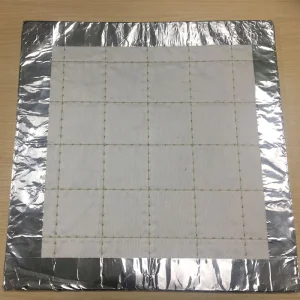
Flexible thermal insulation blankets designed for high-temperature applications, wrapping complex pipe profiles and process lines.
View Details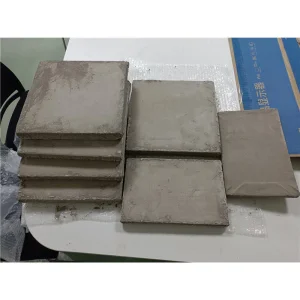
High-durability structural VIPs designed for floor loads, high walk-on pressure, and heavy insulation installations.
View Details
Pre-engineered thermal barrier wall units designed for fast industrial envelope assembly and high energy savings.
View Details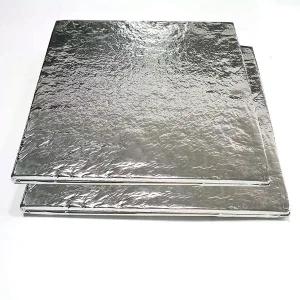
Highly efficient VIPs featuring fine fiberglass core structures, ideal for commercial refrigeration systems and cold rooms.
View Details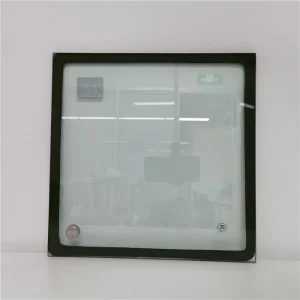
High-transparency thermal glazing featuring gas-evacuated cavities for industrial viewing doors and window frames.
View Details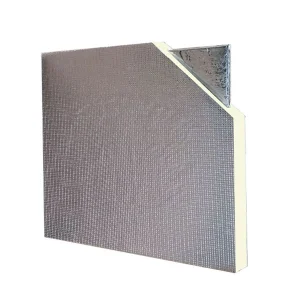
Composite thermal insulation panels combining polyurethane protective layers with high-performance VIP cores for cold chain logistics.
View Details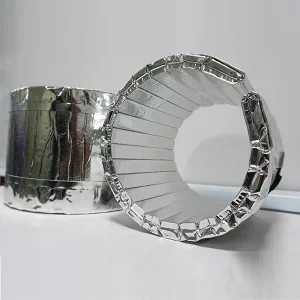
High-efficiency nano microporous jackets designed for wrap-around heat containment on water heater tanks and boiler systems.
View Details