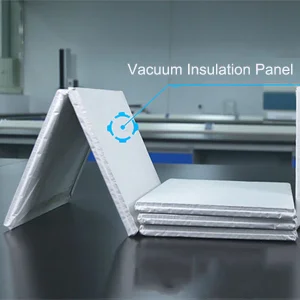
Select custom engineered structural solutions optimized for peak thermal containment, minimum envelope profile, and strict architectural safety requirements.
In the global push toward carbon neutrality and industrial decarbonization, the limits of traditional insulation materials—such as Expanded Polystyrene (EPS), Extruded Polystyrene (XPS), and standard Polyurethane (PU) foams—have become increasingly clear. In high-density urban developments, mechanical equipment rooms, and specialized commercial layouts, space is at a premium. Sacrificing internal usable space for thick, traditional insulating panels is no longer viable. This constraint has catalyzed the development of advanced systems: Vacuum Insulation Panels (VIPs) and Nano-Microporous Insulation Panels.
The core innovation behind fumed silica vacuum insulation panels relies on the Knudsen Effect. Under typical atmospheric conditions, air molecules have a mean free path of approximately 70 nanometers. If gas molecules are trapped in a porous core structure where the average pore size is smaller than 70 nanometers, their molecular mobility is heavily restricted. They collide with the cell walls of the core material rather than with each other, virtually eliminating convective and conductive gas-phase heat transfer.
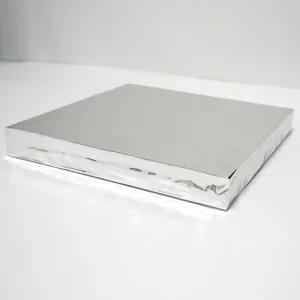
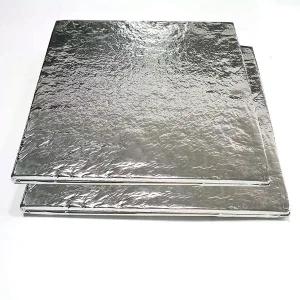
By creating a high-level vacuum (typically between 0.1 and 10 mbar) inside a core composed of fumed silica, thermal conductivity drops to an ultra-low range of 0.004 to 0.008 W/m·K. This is a five-fold performance improvement compared to traditional insulating materials, allowing engineers to specify incredibly thin wall assemblies while achieving superior thermal performance.
Thermal conductivity values as low as 0.004 W/m·K, maximizing interior space retention.
Nano-microporous variants resist temperatures exceeding 1000°C for elevator shafts and firewalls.
Enables retrofitting of historical building envelopes without modifying exterior facade profiles.
Zerothermo Technology focuses on three primary core compositions to address different challenges across commercial and industrial environments:
We develop tailor-made vacuum panels and high-temperature mats engineered for specialized industrial and commercial geometries.
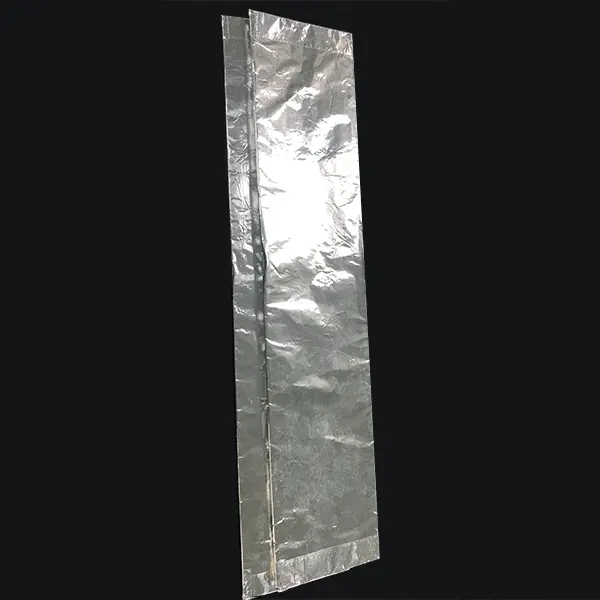
Thickness: 5-15mm customized dimensions. Highly engineered barrier solutions for EV thermal runaway containment.
View Blueprint +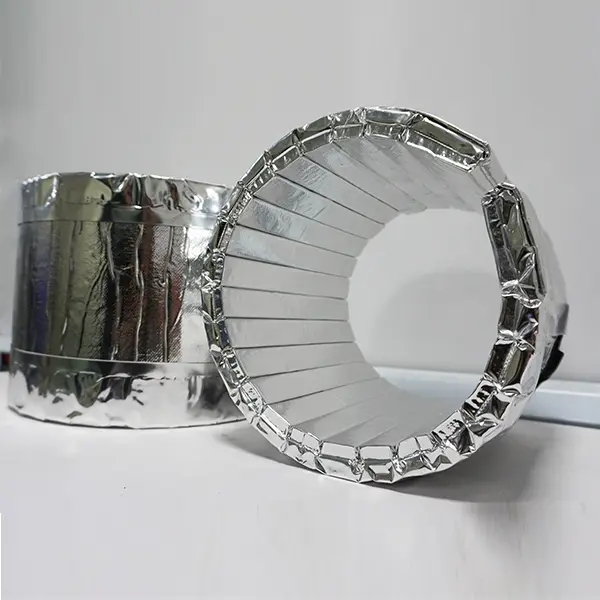
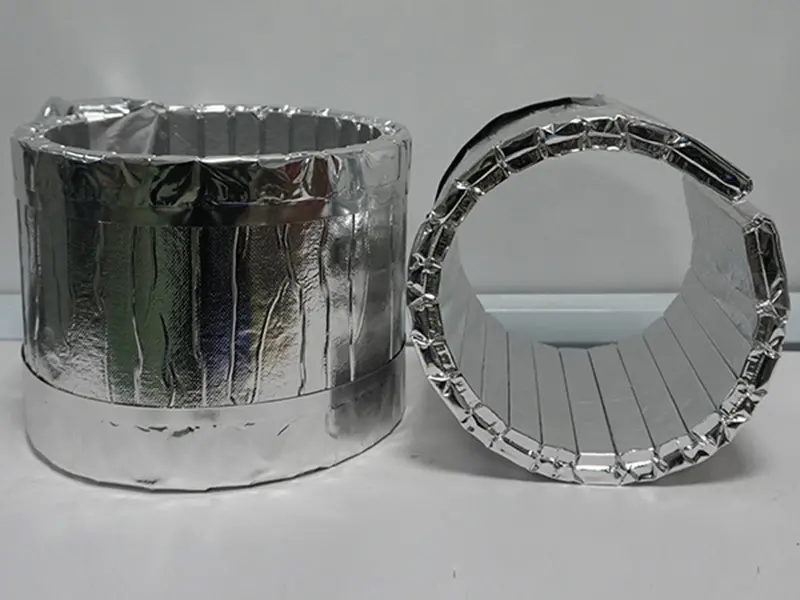
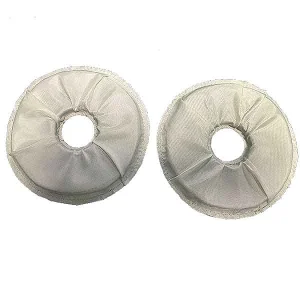
Tailor-made circular and curved configurations for commercial boiling tanks and boiler jackets.
View Blueprint +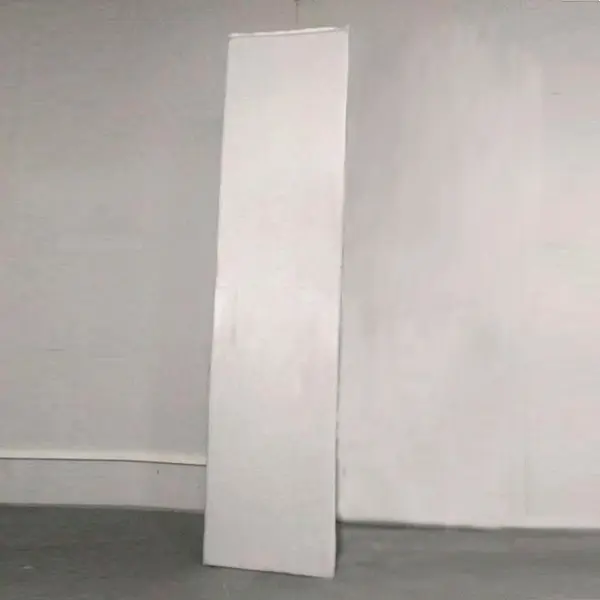
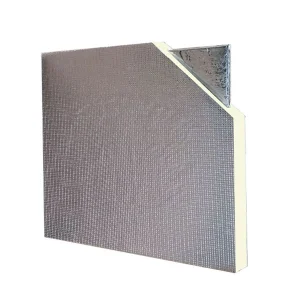
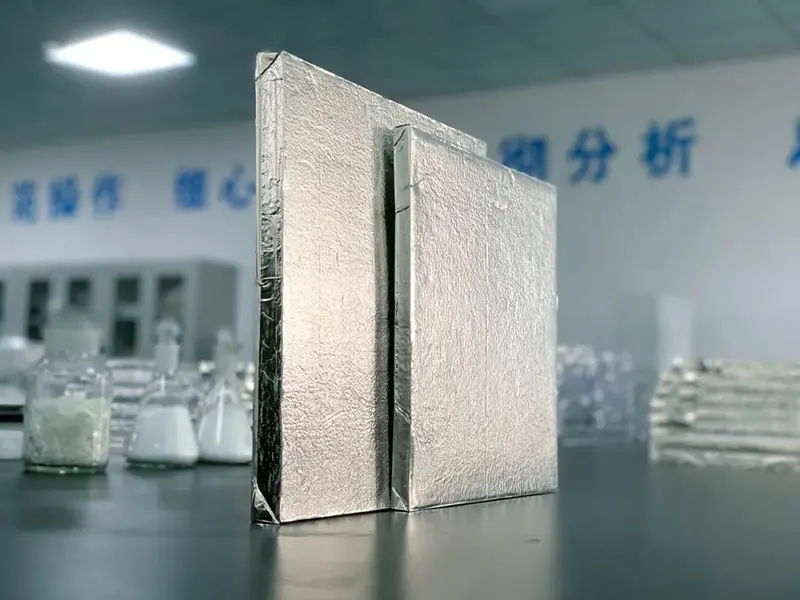
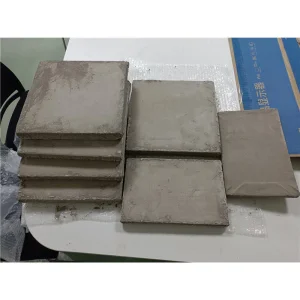
Ultra-thin fire barrier boards ensuring safety compliant configurations for commercial buildings.
View Blueprint +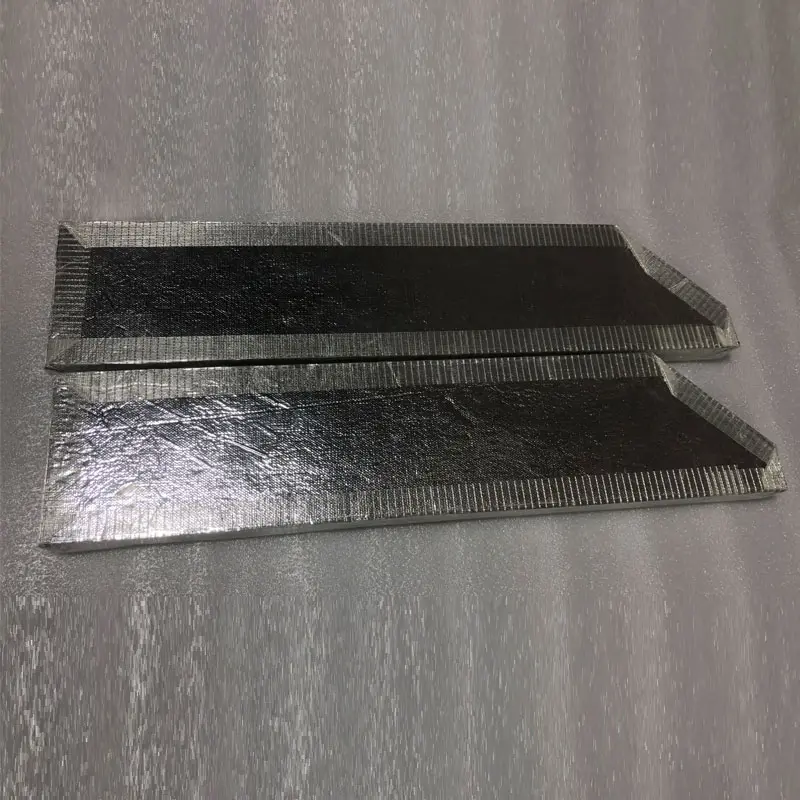
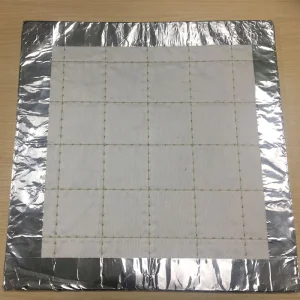
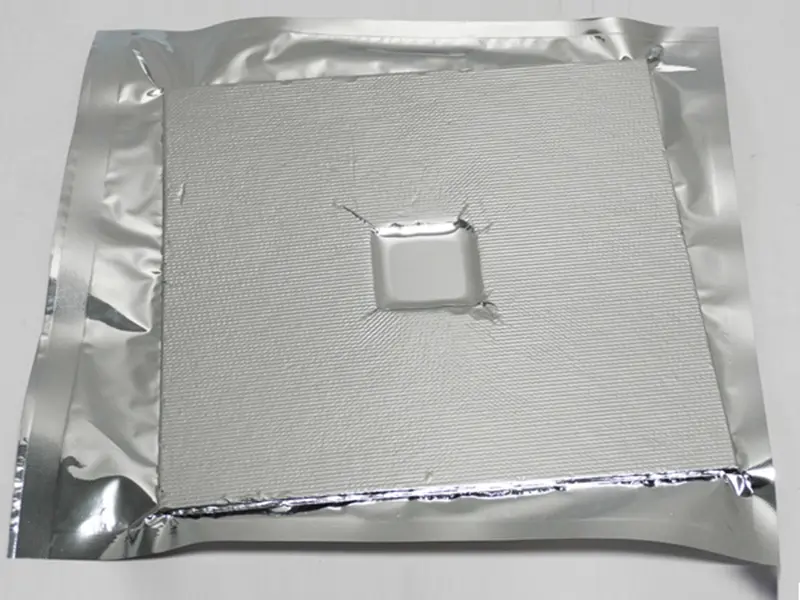
Custom geometries featuring slots, circular pass-throughs, and multi-layered PET films.
View Blueprint +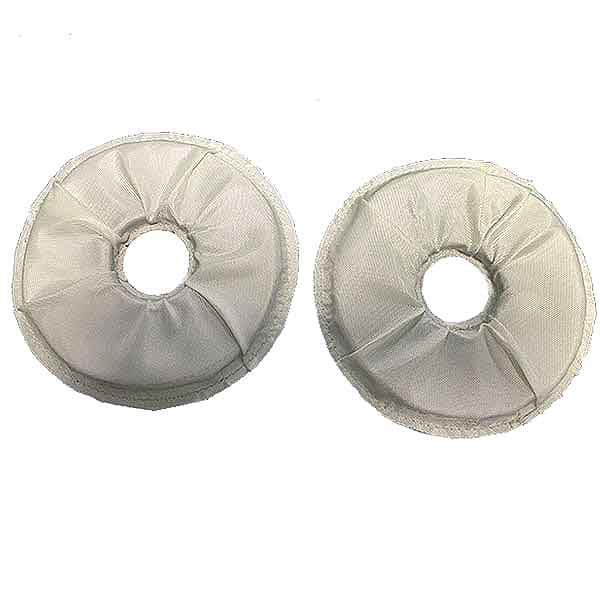
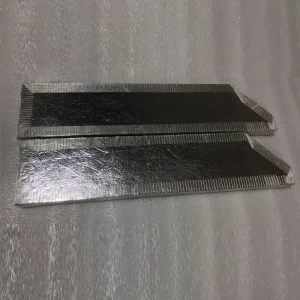
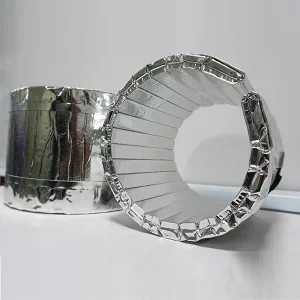
Flexible configurations for industrial pipeline jackets and custom thermal exhaust systems.
View Blueprint +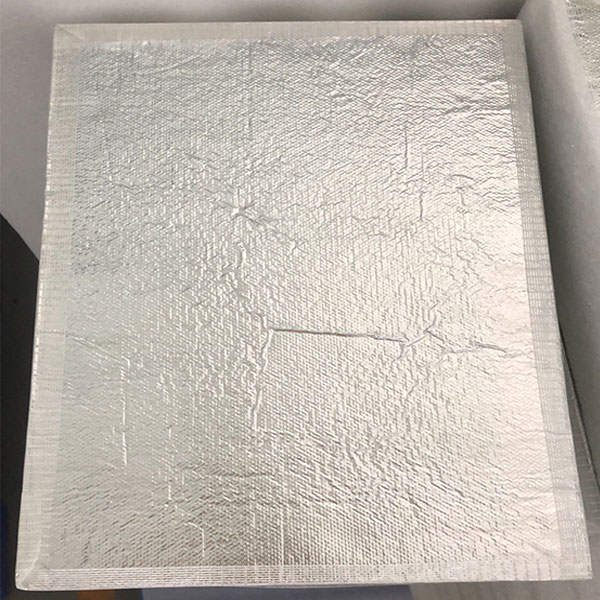
Engineered core formulas delivering superior long-term thermal resistance (R-value).
View Blueprint +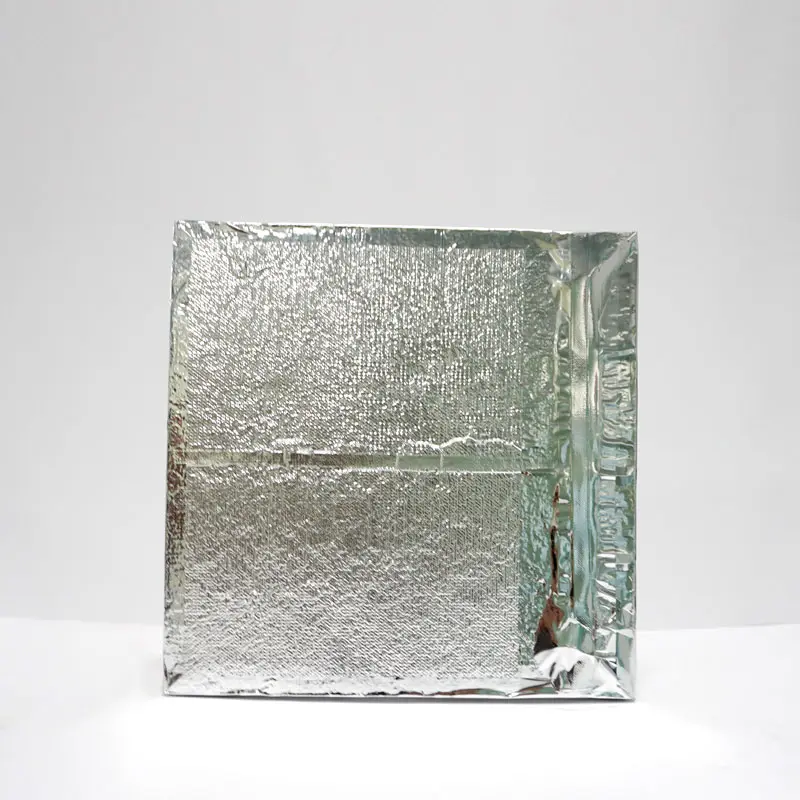
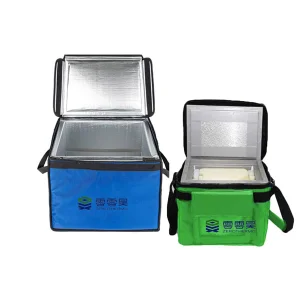
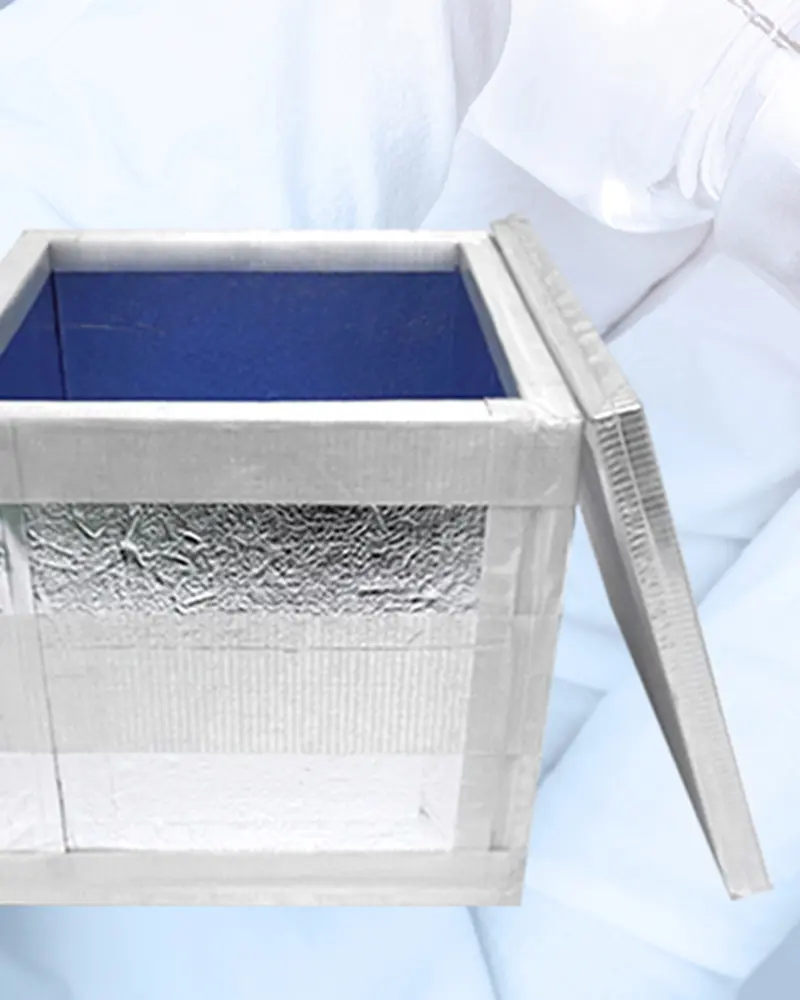
Thermal barrier systems for deep-freeze biological vaccine storage containers.
View Blueprint +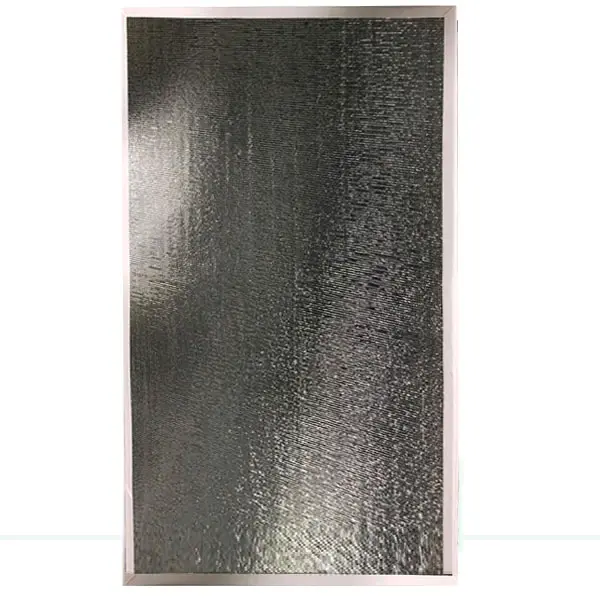
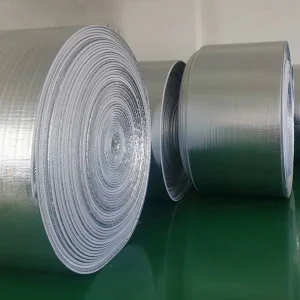
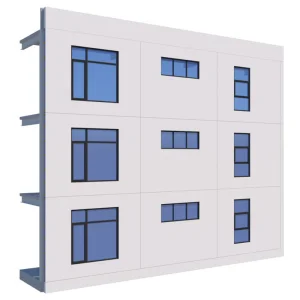
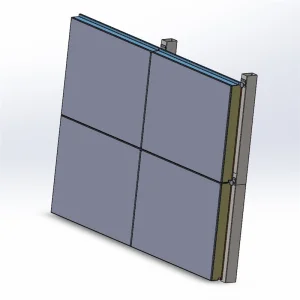
Large-format panel manufacturing to reduce joints and minimize edge bridging on walls.
View Blueprint +Modern commercial infrastructure and logistics networks face demanding thermal control challenges. Industrial equipment rooms, historical masonry retrofits, cryogenic supply chains, and offshore structures all require ultra-thin thermal barriers. Traditional thick insulation is no longer sufficient when interior footprint costs can exceed $10,000 per square meter in Tier-1 global business districts.
Furthermore, international energy codes—such as ASHRAE 90.1, the EU's Energy Performance of Buildings Directive (EPBD), and China’s national "Dual-Carbon" target guidelines—require building envelopes to meet strict U-value limits. These standards cannot be reached using standard masonry assemblies without compromising interior space.

High-efficiency thermal protection for vaccines, biologics, and premium diagnostics transit.

Enables maximum indoor area yield while meeting strict local building code requirements.

Critical thermal shields for power generation components, furnace walls, and fire containment.

Specialized solutions for marine bulkheads, aviation compartments, and modular cleanrooms.
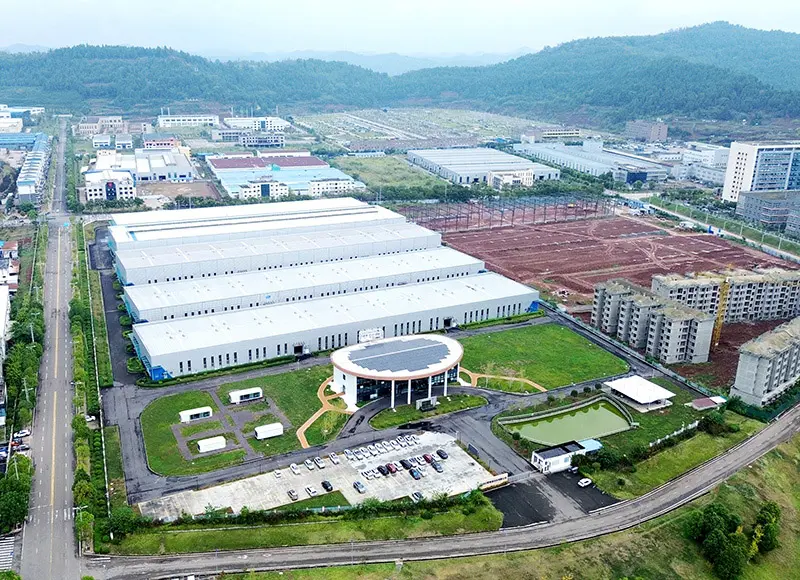
Zerothermo Technology Co., Ltd., a subsidiary of the prestigious CBVAC Group, is a national high-tech enterprise. Our corporate headquarters are located in the Beijing Economic-Technological Development Area, with our primary manufacturing base situated in Nanchong City, Sichuan Province. This facility is one of China's largest comprehensive production centers for advanced vacuum technology applications.
Leveraging CBVAC’s decades of experience in high-vacuum mechanical engineering, Zerothermo has developed advanced production processes for vacuum insulation panels (VIPs). This background allows us to produce high-density, low-conductive barriers with exceptional structural longevity.
Special sizes beyond standard ANSI/ASME/DIN dimensions, manufactured to exact client drawings.
Oversized, square, and oval custom hardware designed to maintain structural seal integrity.
We combine cutting-edge materials science with robust supply chain logistics to support large-scale infrastructure projects worldwide.
Every production run undergoes 100% helium leak detection and thermal stability testing to guarantee performance lifetime.
Our engineering team develops customized panel shapes, integrated cutouts, and specialized edge details for complex layouts.
Our automated Sichuan production lines process high-volume orders quickly, maintaining consistent quality across large batches.
We utilize custom protective crating and specialized packaging to prevent vacuum loss during ocean freight and global transport.
We provide complete technical support throughout the product lifecycle, from initial architectural planning to final site verification.
Advanced vacuum insulations must be integrated correctly on-site to perform as intended. Because vacuum panels cannot be cut, drilled, or altered once sealed at the factory, they require precise layout design and coordination before manufacturing.
In high-density commercial developments, VIPs are typically installed within interior drywall assemblies using a hybrid layout. The panels are positioned within a secondary furring channel system, protected by a layer of standard gypsum board or magnesium oxide board. A thin layer of polyurethane foam or elastomeric insulation is often applied at the joints between panels. This detail acts as a thermal break, preventing heat bridging across the panel gaps.
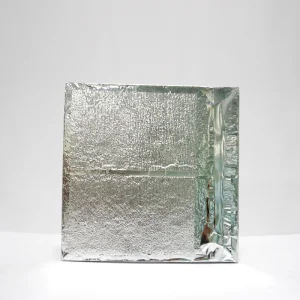
For transport systems carrying biological materials, our PU-encapsulated vacuum insulation panels are integrated directly into the walls of the shipping container. The outer PU layer protects the inner vacuum core against mechanical damage during handling, while the fumed silica core maintains temperature stability (from -70°C to -20°C) for extended transit windows.
In elevator lobbies and high-risk utility rooms, fire containment is a primary concern. Our nano-microporous core boards are integrated directly into the internal cavities of steel fire door assemblies. Since these boards use inorganic materials, they do not burn or release smoke under flame contact, providing critical thermal protection to keep exit corridors safe during fire emergencies.
Zerothermo Technology maintains strict quality control systems. Our panels and manufacturing processes conform to international standards, ensuring project compliance across regional markets:
Our manufacturing facilities operate under certified quality and environmental management systems, ensuring consistent product performance and traceablity.
Our building envelope insulation panels are tested to meet European thermal and mechanical standards for construction installations.
Our vacuum insulation products are tested in accordance with ASTM C1484 protocols, verifying long-term thermal resistance (R-value) values.
All core materials and barrier films are fully tested and certified free of hazardous chemicals, making them safe for indoor installation.
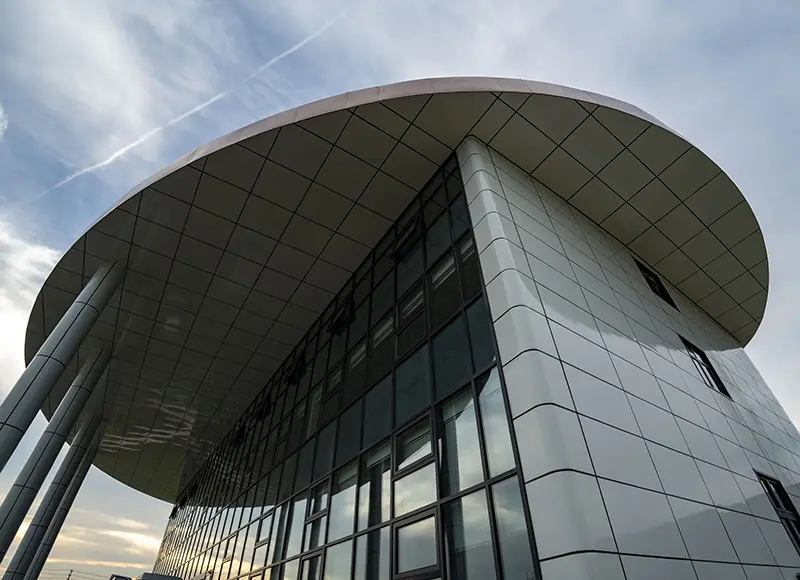
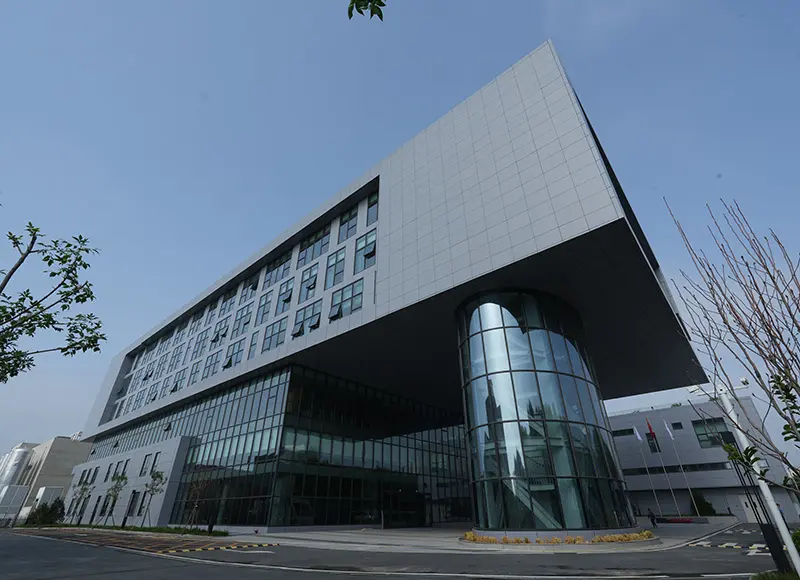
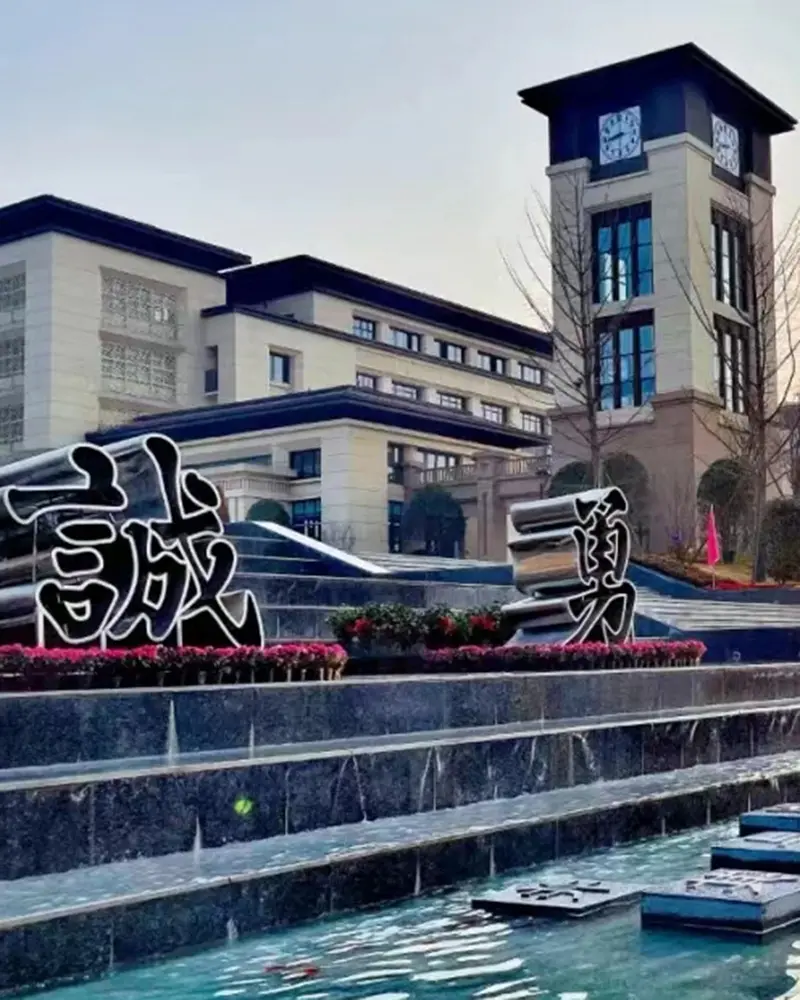
See how our advanced insulation systems perform in real-world commercial, educational, and logistical installations.
As energy efficiency standards continue to tighten globally, Zerothermo is expanding its research and development into several next-generation thermal technologies:
Traditional vacuum insulation panels rely on metallized PET films to maintain their internal vacuum. We are currently developing hybrid ceramic-polymer barriers. These new films are designed to reduce edge thermal bridging while providing improved resistance to puncture and mechanical wear on-site.
To further reduce the embodied carbon of our products, our research teams are evaluating biosourced silica cores derived from agricultural process byproducts. This approach will help lower the overall carbon footprint of our insulation panels without sacrificing their low thermal conductivity.
For high-value cold chain logistics and critical industrial installations, we are testing thin RFID-enabled pressure sensors integrated directly within the vacuum panel core. These sensors allow operators to verify vacuum integrity wirelessly throughout the lifetime of the installation, simplifying quality assurance during maintenance checks.
Read our detailed engineering answers regarding the installation, performance, and durability of advanced vacuum insulation panels.
Read our latest company announcements, product launches, and upcoming trade show dates.
Whether you need custom VIP dimensions for a building project, high-temperature panels for machinery insulation, or PU-insulated cold chain boxes, our engineering team is here to help.
Please send us your target dimensions, design temperatures, and total volume requirements. Our engineers will provide a comprehensive technical proposal within two business days.


Select from our specialized line of reinforced vacuum insulation panels, flexible high-temperature blankets, and integrated modular wall panels.