
Explore our top-tier vacuum insulation panels (VIPs), thermal barriers, and specialized architectural elements engineered for wall systems, building envelopes, and manufacturing integration.
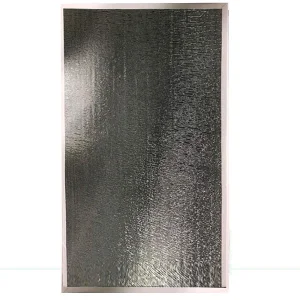
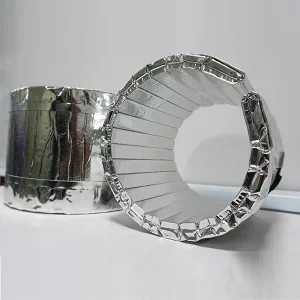
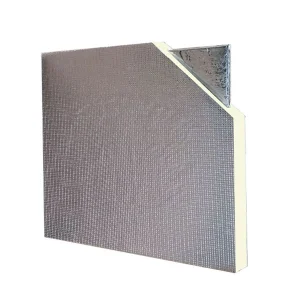
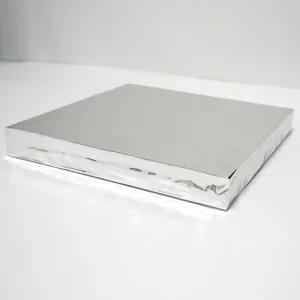
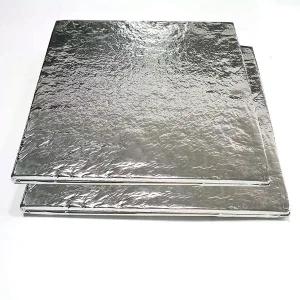

In contemporary building envelope physics, the pursuit of optimal thermal resistance (R-value) has encountered physical limitations with classic materials. Traditional thick insulation systems—such as expanded polystyrene (EPS), rock wool, and standard polyurethane foams—rely on trapping gas inside macro or micro-cellular spaces. These media have a thermodynamic ceiling defined by the thermal conductivity of the static air trapped inside them (approximately 0.026 W/m·K at room temperature).
This physical breakthrough is key to meeting the strict demands of carbon-neutral construction policies globally. In wall systems, utilizing fumed silica or nano-microporous vacuum panels allows architects and structural engineers to decrease thickness by 80% to 90% while achieving identical thermal transmittance (U-values). This thin profile directly translates into increased usable interior floor space in metropolitan high-rise developments, creating high return on investment (ROI) for property owners and structural engineers.
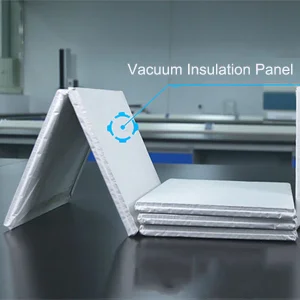
The effectiveness and longevity of a vacuum insulation panel depend on the materials science behind its core structure and the envelope barrier.
Historically, fiberglass cores and silica-based powders have competed for market share. While fiberglass cores offer a lower initial thermal conductivity, they are highly sensitive to moisture intrusion and vacuum degradation, requiring a high vacuum level (around 0.1 mbar) to remain effective. Fumed silica cores, on the other hand, feature nanometer-sized pores (typically 10-100 nm) that restrict the mean free path of any remaining air molecules. This is known as the Knudsen Effect. Fumed silica cores remain stable at internal pressures of up to 100 mbar, offering a service life exceeding 50 years in building wall applications.
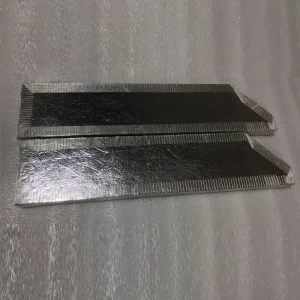
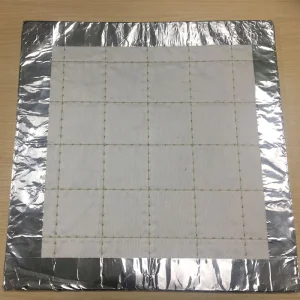
The barrier laminate must prevent gas transmission (primarily water vapor, oxygen, and nitrogen) over decades. Standard specifications employ multi-layered metallized polyester films (PET) or aluminum foil barriers. State-of-the-art developments focus on reducing "edge thermal bridging"—the localized heat path formed along the metallic seams of the panel wrapper. The latest designs utilize composite, non-metallic ceramic coatings that limit lateral thermal bridging while preventing vacuum decay.
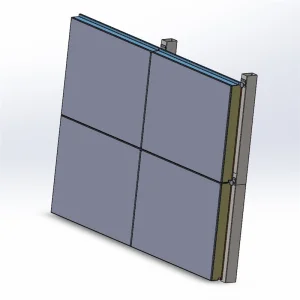
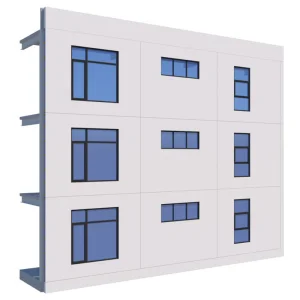
Because VIPs cannot be cut, drilled, or modified on the construction site without losing their vacuum, their integration requires advanced prefabricated methodologies. Modern building envelope companies address this issue by engineering prefabricated vacuum insulation decoration integrated wall panels.
These integrated panels combine the VIP core inside a protective protective layer (such as structural PU foam, concrete, or exterior siding panels) before shipping. These assemblies protect the vacuum core from puncture during handling and installation, while incorporating traditional mechanical anchoring channels at the panel margins.

Step inside our state-of-the-art facility to see our advanced automated manufacturing, chamber evacuation, and laser testing protocols.


We design, configure, and engineer high-performance thermal insulation solutions matched to the exacting specifications of global machinery, building construction, and transit systems.
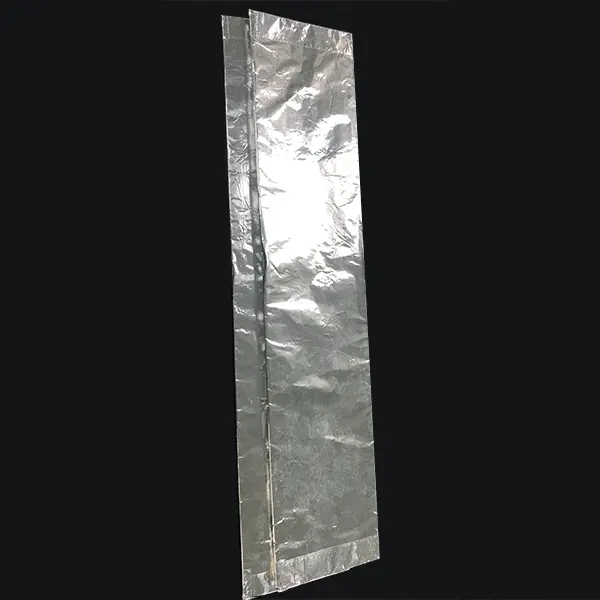
Product Details: Size: Customized Thickness: 5-...
View More +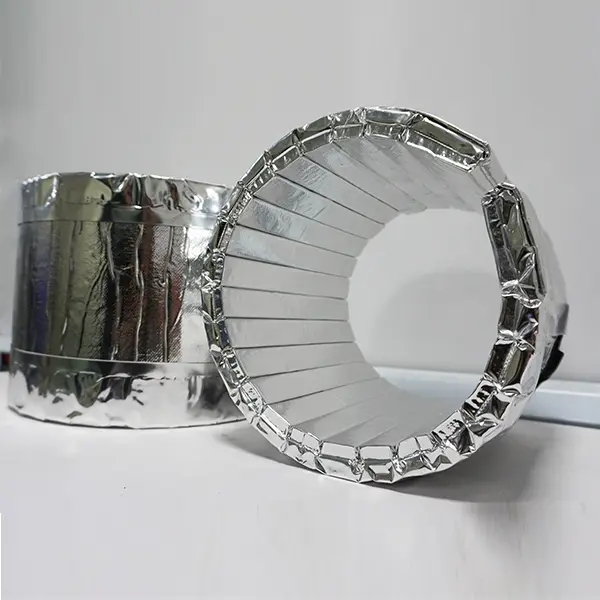
Product Details: Size: Customized Thickness: 5...
View More +
Our elevator fireproof door high temperature na...
View More +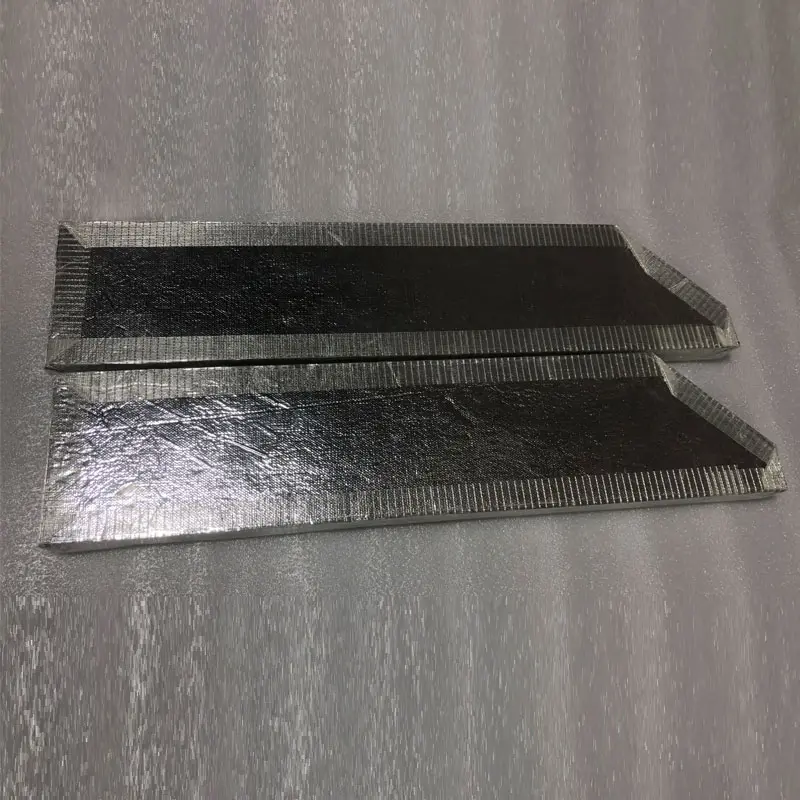
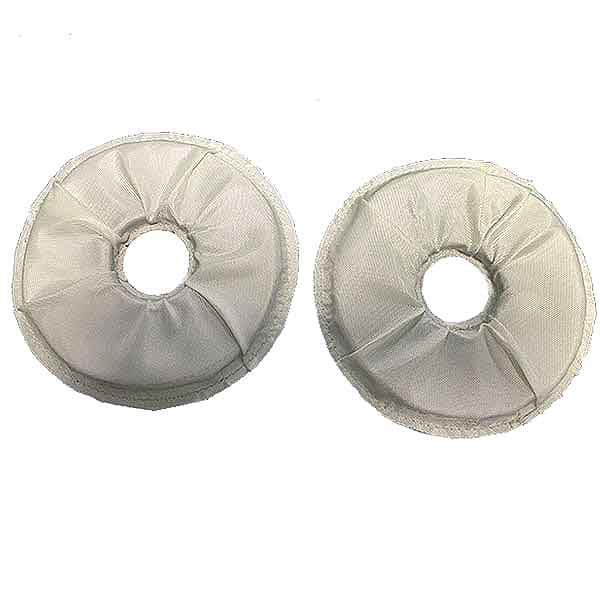
Product Specification Product Features Custom R...
View More +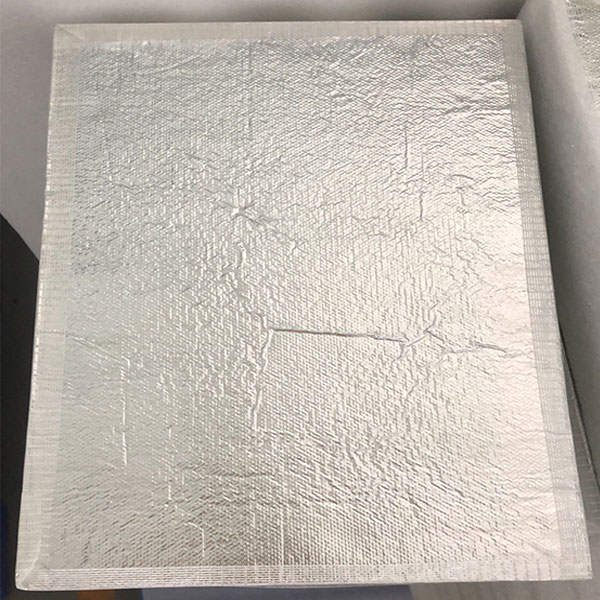
Product Features Size Details Zerothermo vacuu...
View More +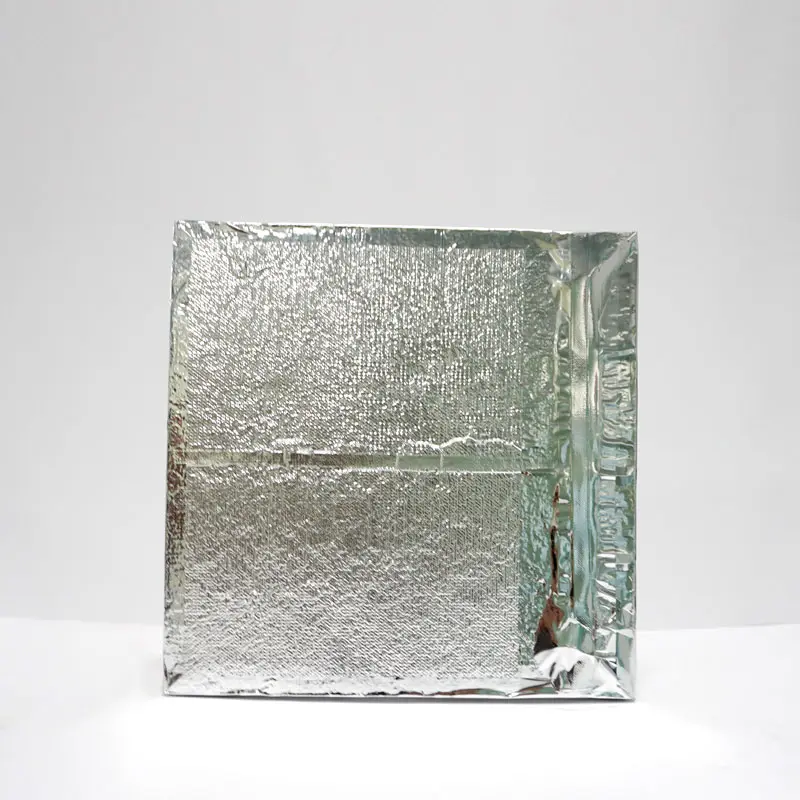
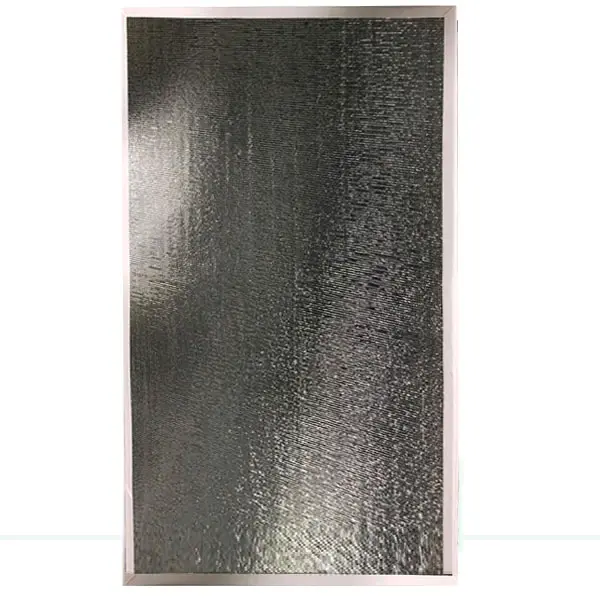
Product Features Product Specification Size ...
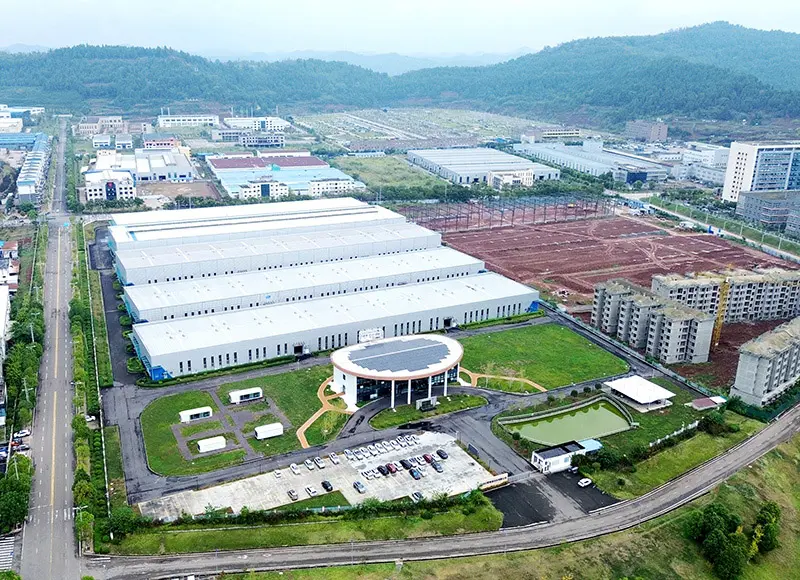
View More +Zerothermo Technology Co., Ltd., a subsidiary of CBVAC Group and a national high-tech enterprise, is headquartered in the Beijing Economic-Technological Development Area with its production base located in Nanchong City, Sichuan Province. This facility stands as one of China’s largest comprehensive production centers for vacuum technology application products.

Special sizes (beyond the range of ANSI/ASME/DIN and other standards) are produced according to customers' drawings or technical parameters.

square, oval or other special shaped flanges. - Oversize/small diameter: such as diameter over 60 inches or micro precision flanges.

Special sizes (beyond the range of ANSI/ASME/DIN and other standards) are produced according to customers' drawings or technical parameters.
Driving technological breakthroughs in structural vacuum envelopes, thermal materials formulation, and logistics.


Understanding the global supply chain is key for large construction projects and OEMs sourcing high-performance insulation. As a subsidiary of CBVAC Group, Zerothermo Technology operates from a state-of-the-art production base in Nanchong City, Sichuan Province. This facility provides a secure supply chain, shielding partners from market volatility through three main advantages:
From raw fumed silica processing to high-vacuum chamber evacuation, all critical components are manufactured in-house, ensuring complete quality control and stable component pricing.
Our manufacturing lines feature automated, non-invasive laser diagnostic stations that test the core density and internal vacuum levels of each panel before sealing.
Our factories maintain direct logistics connections to global shipping hubs, enabling reliable delivery of oversized prefabricated wall panels to any destination.
This scale allows Zerothermo to produce custom panel sizes and shaped configurations without the lead-time penalties typical of smaller manufacturers. By integrating advanced vacuum flange manufacturing with VIP production technology, CBVAC Group offers comprehensive solutions that streamline installation and optimize building energy envelopes.
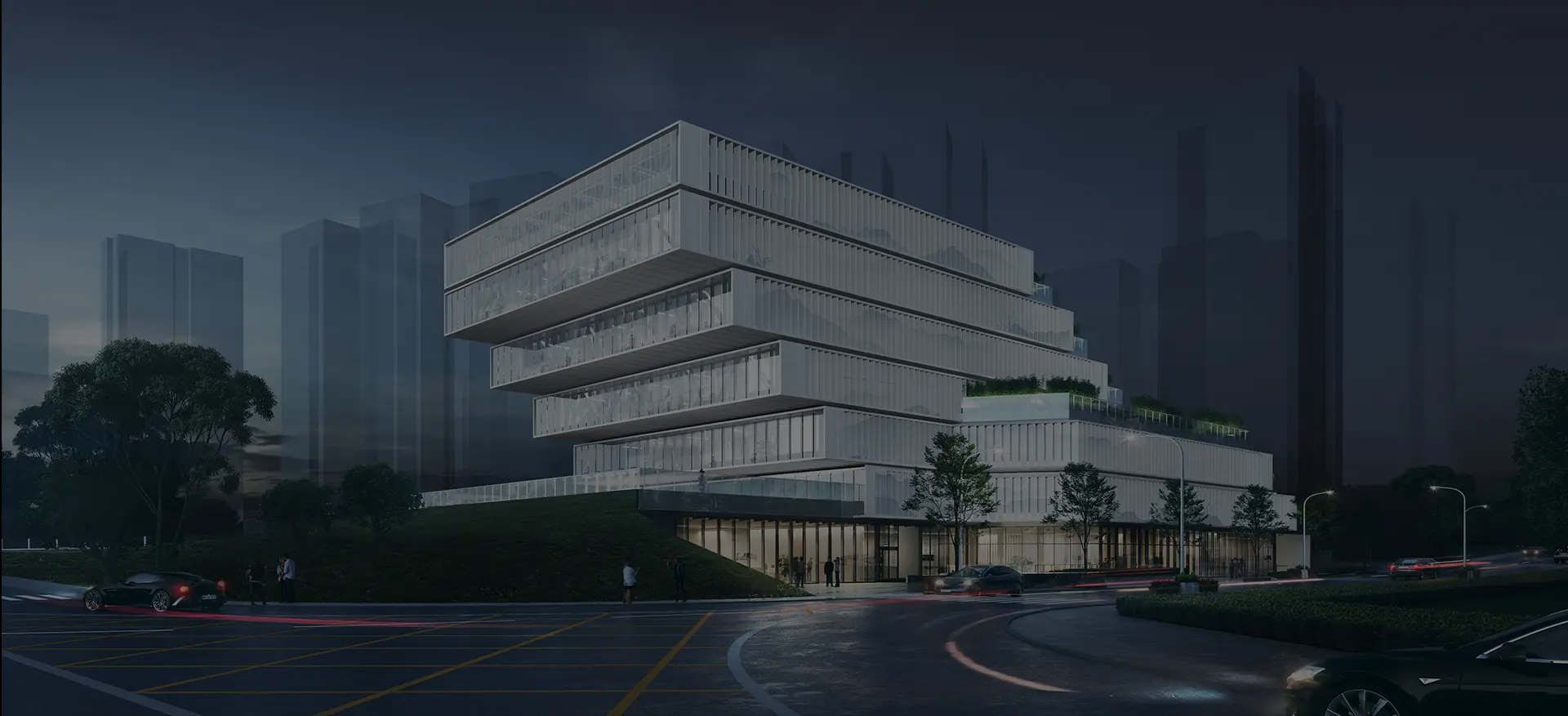
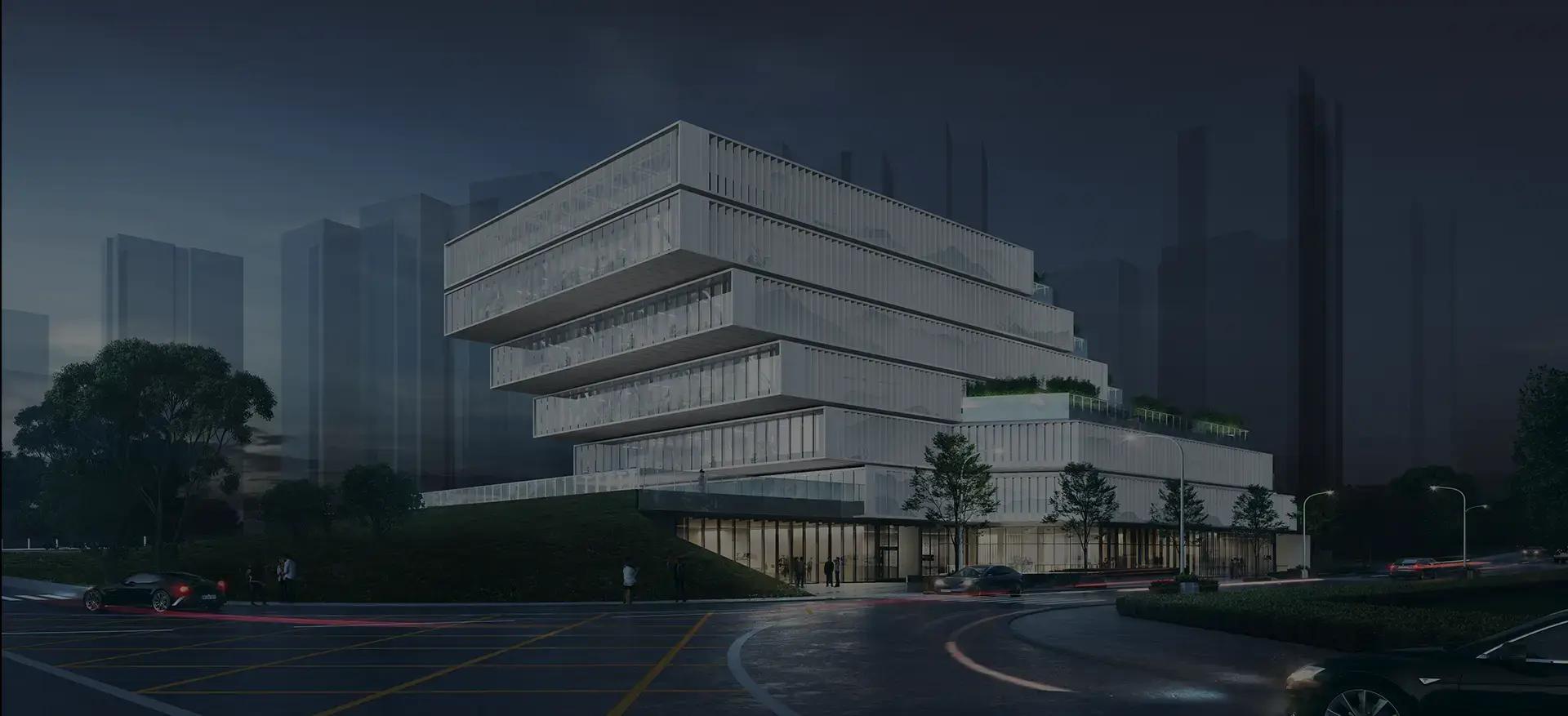
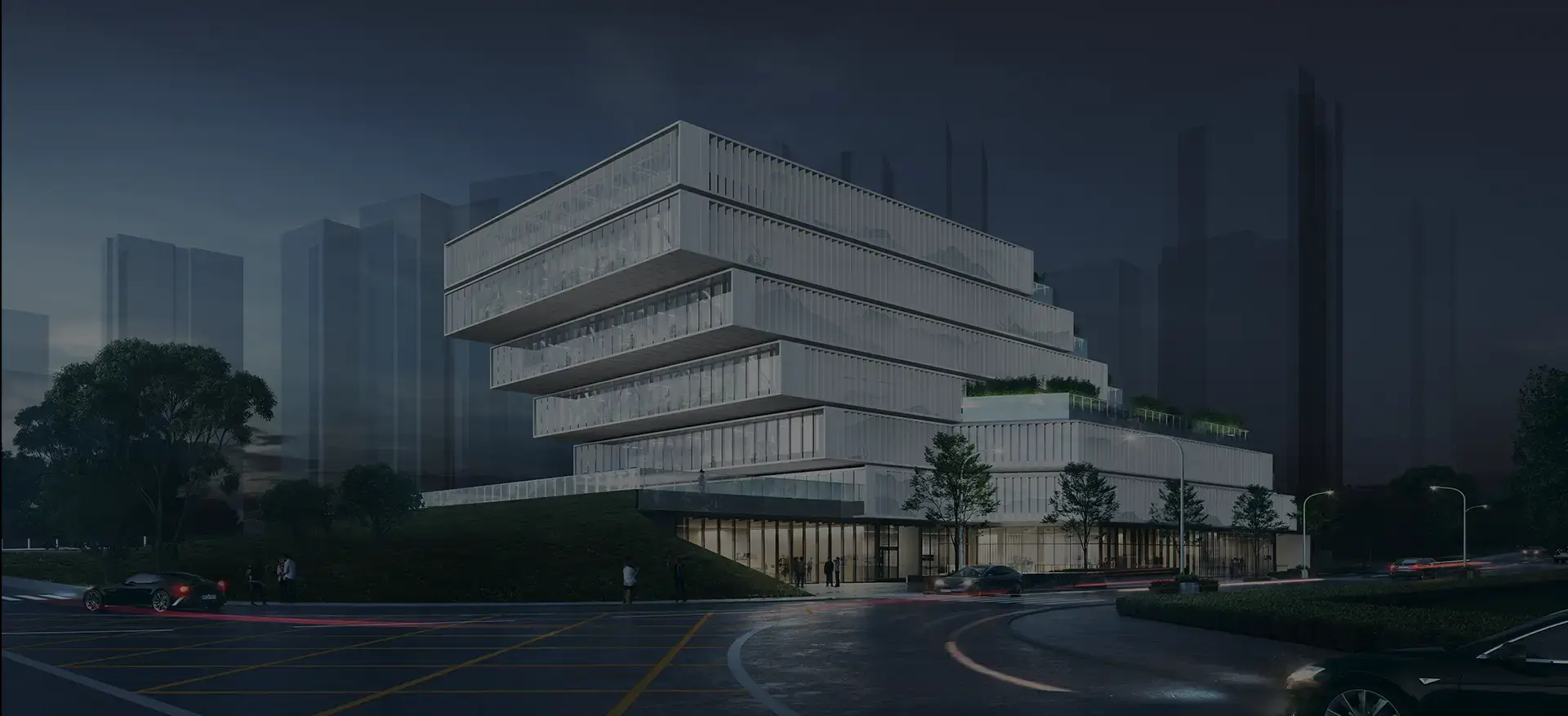
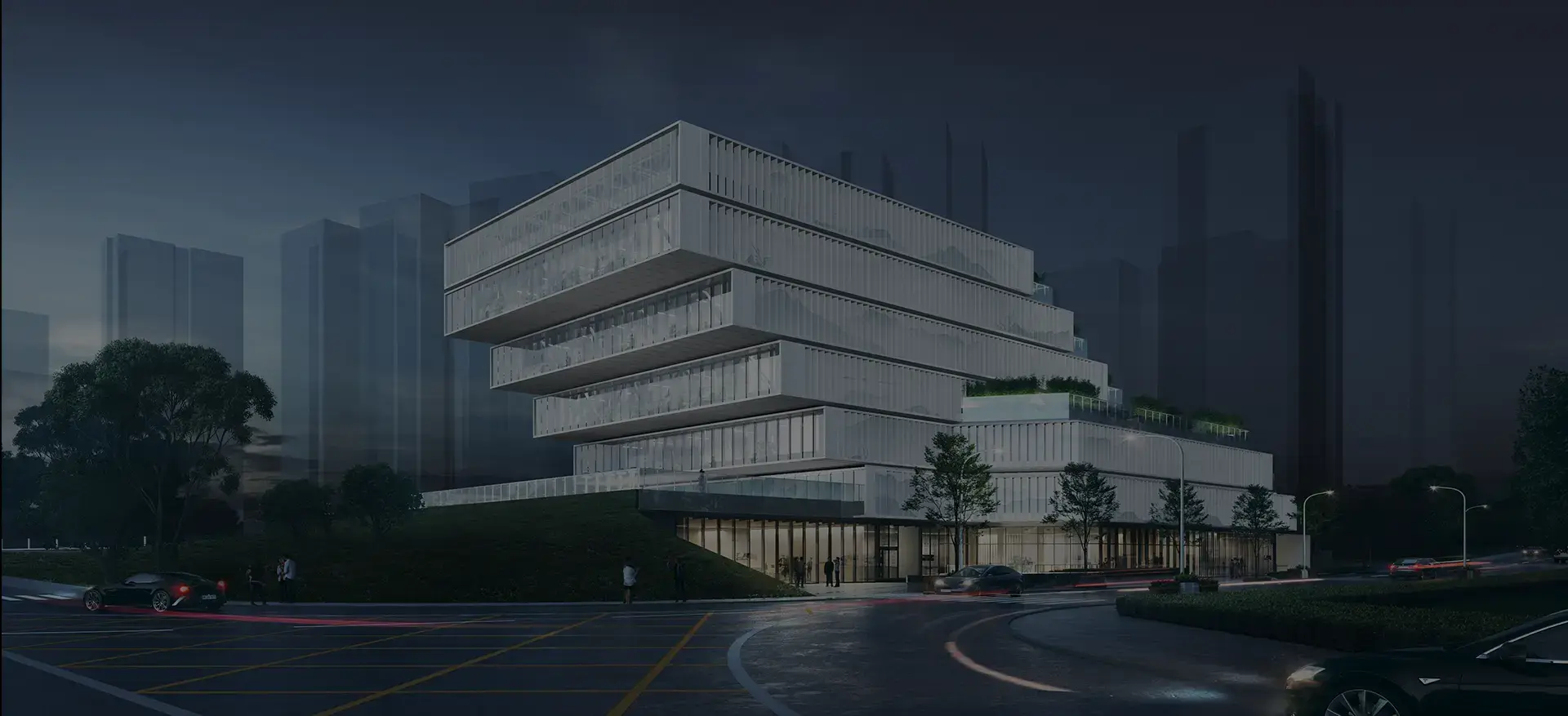
Our vacuum thermal barriers are deployed in high-performance sectors globally, providing critical thermal protection and energy savings.

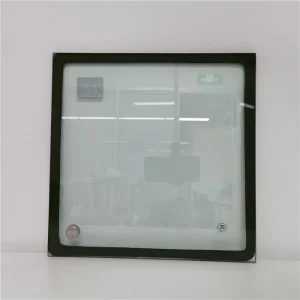
Providing high-efficiency thermal insulation solutions for building envelope systems through innovative products such as vacuum insulation panels and vacuum insulated glass, empowering the construction sector to reduce carbon emissions and achieve carbon neutrality.

Providing high-efficiency thermal insulation solutions for building envelope systems through innovative products such as vacuum insulation panels and vacuum insulated glass, empowering the construction sector to reduce carbon emissions and achieve carbon neutrality.02

Providing high-efficiency thermal insulation solutions for building envelope systems through innovative products such as vacuum insulation panels and vacuum insulated glass, empowering the construction sector to reduce carbon emissions and achieve carbon neutrality.03

Providing high-efficiency thermal insulation solutions for building envelope systems through innovative products such as vacuum insulation panels and vacuum insulated glass, empowering the construction sector to reduce carbon emissions and achieve carbon neutrality.03
Explore our recent commercial installations and technical integrations globally.


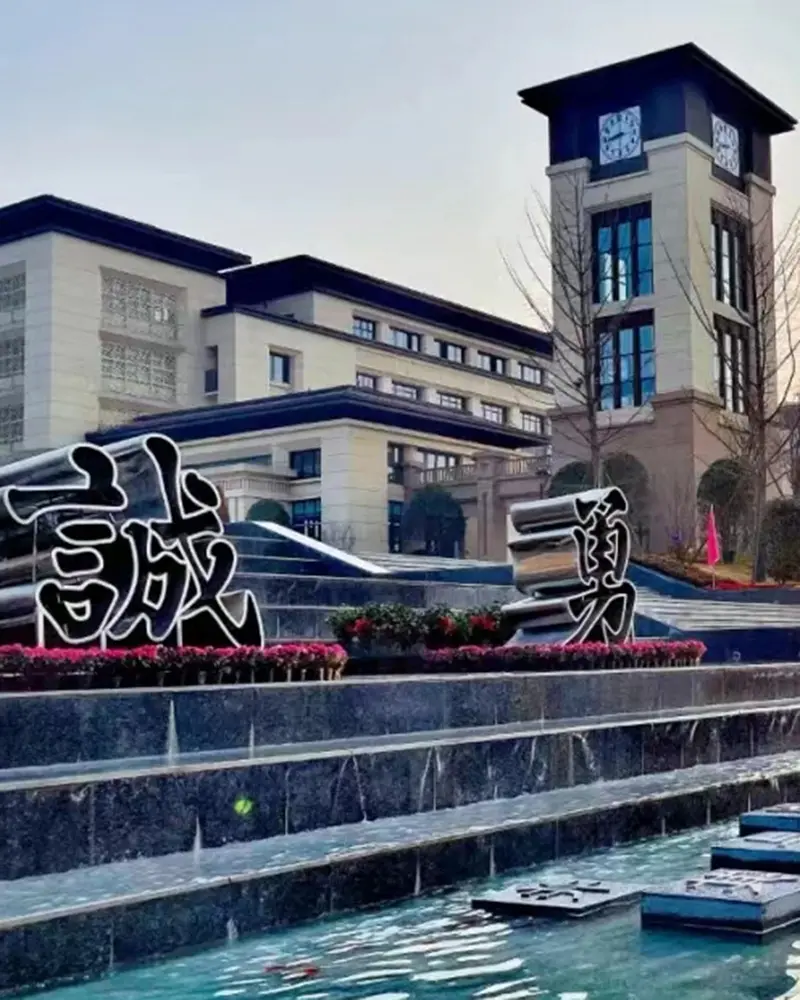
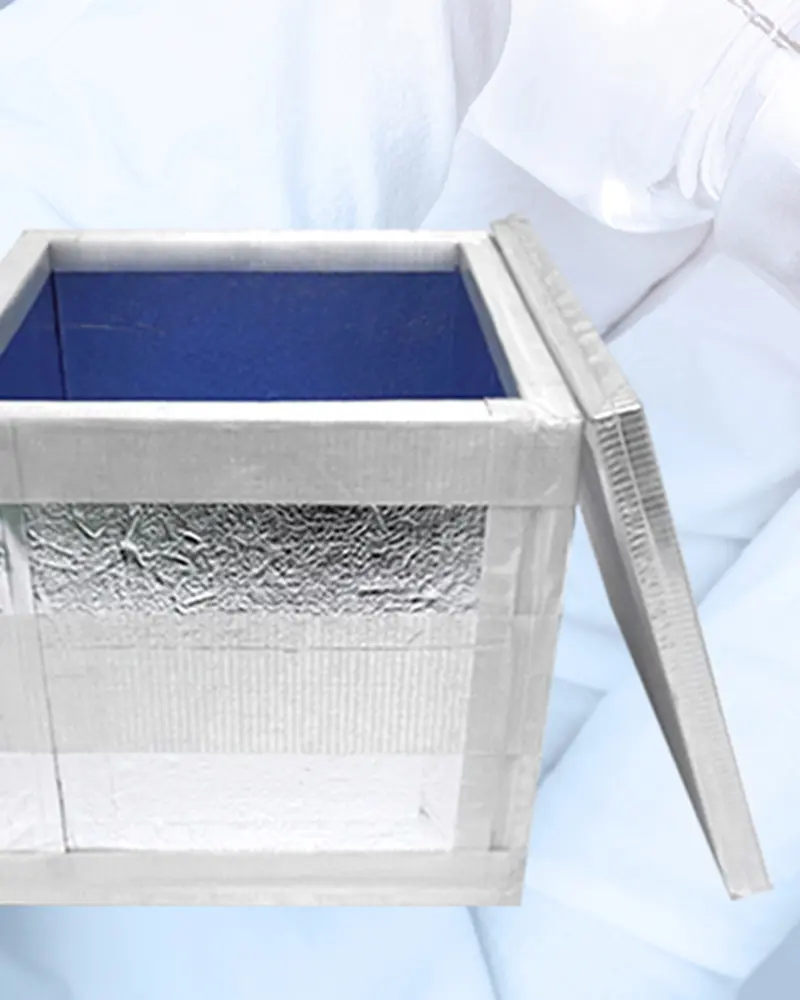
Committed to supporting China’s “dual-carbon” goals, Zerothermo Technology drives high-quality development of new quality productivity while promoting sustainable industrial advancement
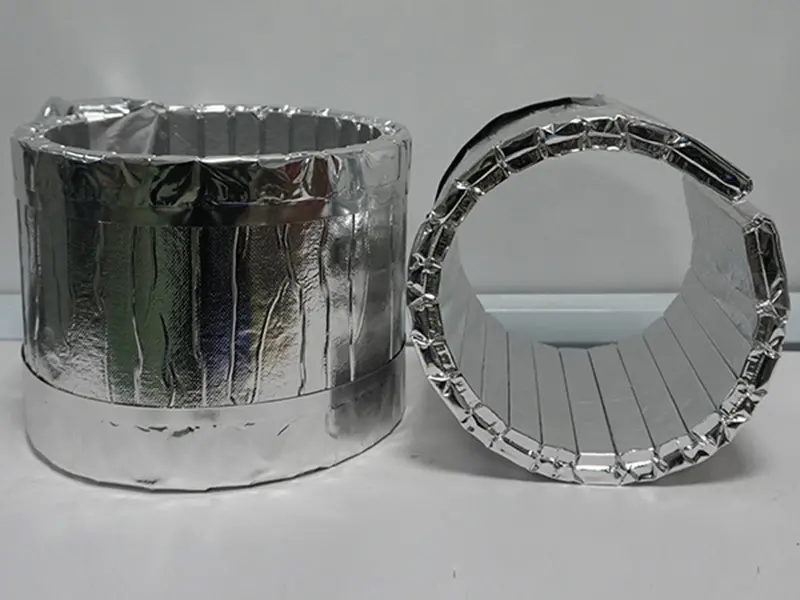

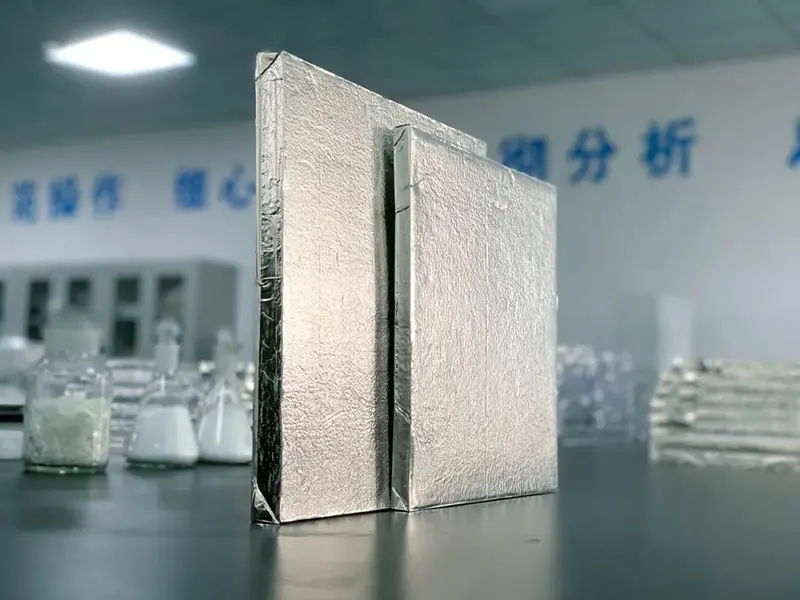
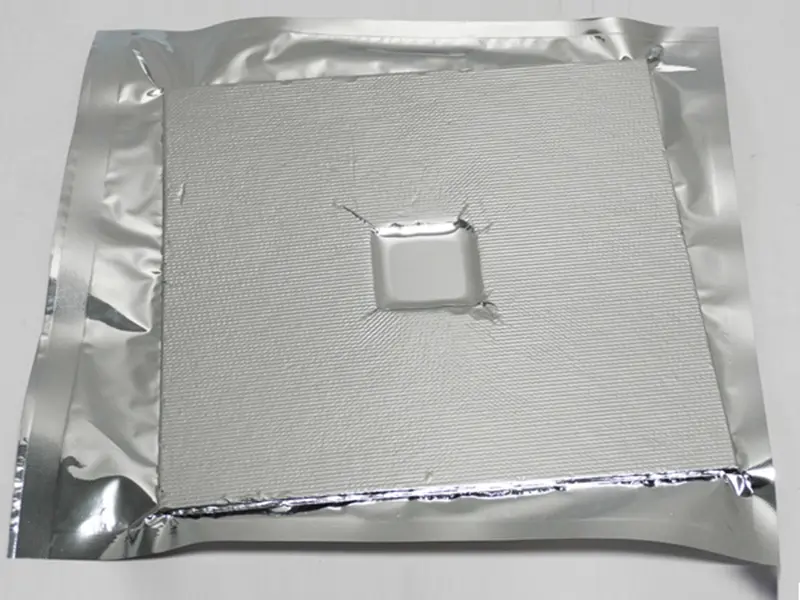
Deploying high-performance thermal insulation systems requires navigating different building codes and regional regulations. Under local certification frameworks, thermal performance must be verified alongside structural stability and fire safety:
Our VIPs comply with EN 13165 and EN 13166 parameters. In European retrofits, thin profile panels are essential to preserve historic building facades while complying with EPBD energy targets.
In accordance with ASTM C1484 standards for vacuum insulation panels, our fumed silica systems maintain high performance under cyclic thermal stress. Class A non-combustibility testing supports integration into commercial systems.
For high-humidity regions, we customize our high-barrier envelopes with multi-layer coatings to prevent vapor transmission, maintaining the vacuum over the panel's service life.
Zerothermo provides project-specific calculations for thermal bridging, wind-load shear values, and anchoring methods, ensuring that architects and building envelope companies receive structural systems tailored to local environmental conditions.
Get professional, direct answers regarding VIP lifespans, edge thermal bridging, installation details, and customization options.
Vacuum Insulation Panels (VIPs) cannot be cut or drilled. To prevent damage on-site, we design customized layouts and pre-fabricate integrated panels. The VIP cores are encased in protective PU, glass wool, or cement board frames, with predefined fastening margins for mechanical anchoring without puncturing the vacuum envelope.
Fumed silica features nanometer-sized pores (10-100 nm) which maintain thermal performance even if the internal vacuum pressure rises up to 100 mbar. Fiberglass cores require a high vacuum level (around 0.1 mbar) to remain effective; if the seal degrades slightly, the panel's performance drops. This makes fumed silica panels suitable for a 50+ year building service life, whereas fiberglass is typically used for shorter-term logistics packaging.
We use advanced multi-layered plastic barrier films with thin aluminum vapor-barrier coatings. This reduces heat conduction along the panel seams compared to solid foil wrappers. Additionally, during panel integration, we recommend offset joint layouts or using high-performance aerogel strips along the seams to minimize thermal bridging.
Yes. The fumed silica core material itself is inorganic and non-combustible, achieving a Class A fire rating under international standard testing protocols (such as EN 13501-1 and ASTM E84). This makes it suitable for high-density commercial facades and elevator fire door configurations.
We offer a one-stop vacuum insulation board solution. Contact us for a solution
Reach out to our global technical consulting team. We assist in calculation of thermal performance values, layout planning, and custom manufacturing runs.
Follow Us:


Further industrial applications, including high-temperature nano mats, NEV thermal blankets, and protective insulation panels.


 +8615892792306