
Explore our premium grade vacuum insulation configurations and microporous barriers.
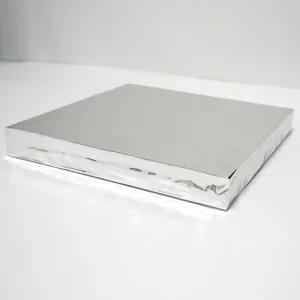
A comparative study on nano-structure thermodynamics, thermal conductivity limits, and structural lifetimes for high-performance architectural and industrial applications.
Modern thermodynamics demands materials that bypass the traditional limitations of thermal conduction. Both Fumed Silica (in the form of Vacuum Insulation Panels - VIPs) and Silica Aerogels represent the pinnacle of nanoporous technology. Their operation hinges on the Knudsen Effect, which occurs when the pore size of a material is equal to or smaller than the mean free path of gas molecules (approximately 70 nanometers at standard atmospheric pressure).
By confining air or removing it completely within these sub-micron structures, convective and gas-conductive heat transfers are virtually eliminated. This enables thermal conductivities far below that of static air (0.026 W/m·K).
"While fumed silica cores combined with high-barrier envelope films achieve extreme thermal resistance in space-constrained layouts, silica aerogels offer superior structural versatility and moisture resistance across volatile industrial environments."
Understanding the fundamental synthesis methods of these two materials is critical for engineering procurement departments:
| Feature Parameter | Fumed Silica Vacuum Insulation Panels (VIPs) | Silica Aerogel Insulation Blankets |
|---|---|---|
| Thermal Conductivity (Ambient) | 0.004 to 0.006 W/m·K (under vacuum) | 0.015 to 0.022 W/m·K |
| Pore Size Range | 10 to 100 nanometers | 20 to 50 nanometers |
| Lifespan & Stability | Dependent on vacuum envelope integrity (30+ years) | High physical durability, hydrophobic (infinite lifecycle) |
| Machinability & On-site Alterations | Cannot be cut or punctured (loses vacuum) | Easily cut, drilled, and wrapped around components |
| Maximum Service Temp. | Up to 80°C (standard) / 950°C (nano-microporous core) | Up to 650°C (standard) / 1000°C+ (refractory blends) |
| Primary Cost Factor | Medium (high ROI due to space savings) | High (supercritical drying processing costs) |
As international energy regulations become increasingly stringent, industrial enterprises are phasing out traditional materials such as polyurethane foam and rockwool. Global purchasing departments look for materials that provide both immediate thermal isolation and long-term operating cost reduction. The demand is currently concentrated around several distinct commercial sectors:
Tailored Engineering Solutions
From complex shapes to strict thickness limits, we deliver high-performance configurations built to spec.
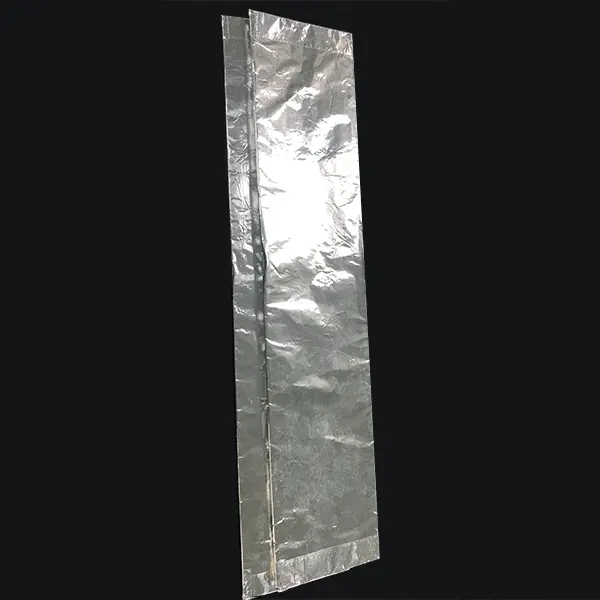
Product Details: Size: Customized Thickness: 5-...
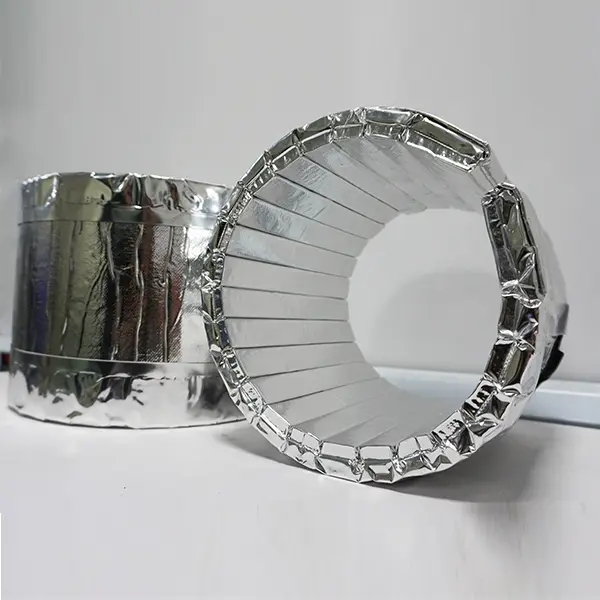
Product Details: Size: Customized Thickness: 5...
Our elevator fireproof door high temperature na...
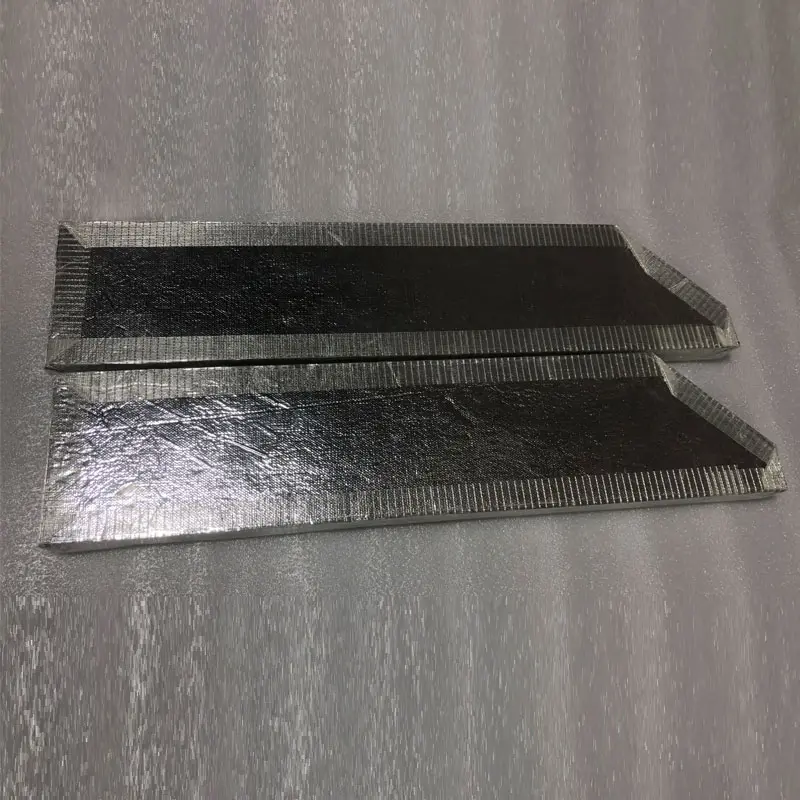
Product Features Product Details T...
Product Specification Product Features Custom R...
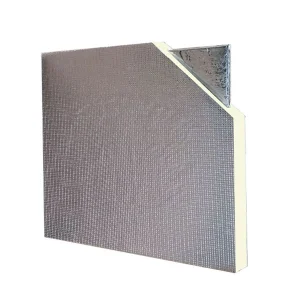
Product Features Size Details Zerothermo vacuu...
Product Features Vacuum insulation Pan...
Product Features Product Specification Size ...
ABOUT US
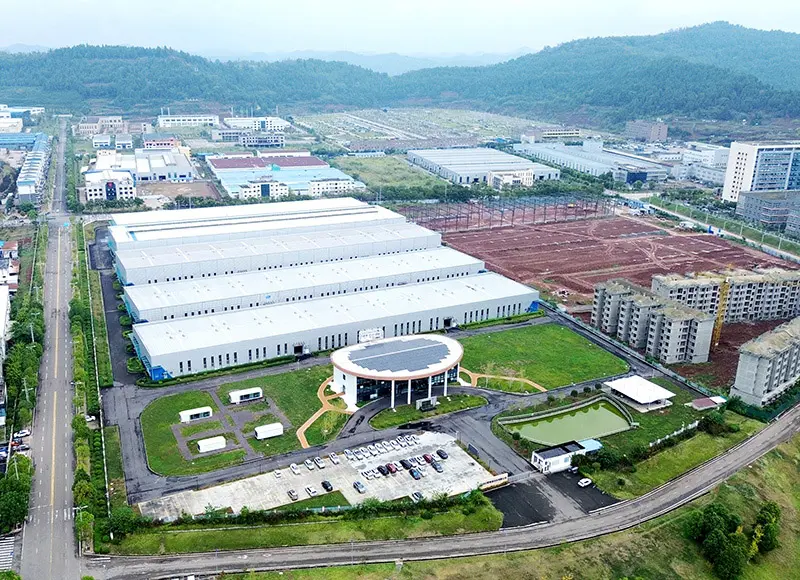
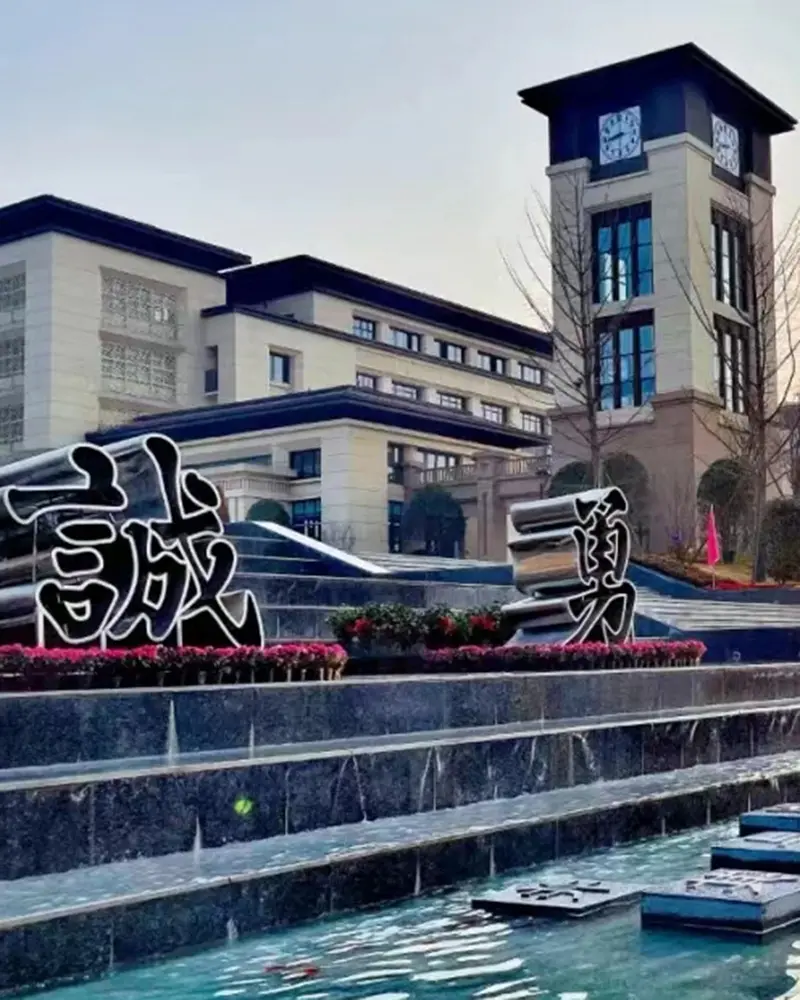
Zerothermo Technology Co., Ltd., a subsidiary of CBVAC Group and a national high-tech enterprise, is headquartered in the Beijing Economic-Technological Development Area with its production base located in Nanchong City, Sichuan Province. This facility stands as one of China’s largest comprehensive production centers for vacuum technology application products.

Special sizes (beyond the range of ANSI/ASME/DIN and other standards) are produced according to customers' drawings or technical parameters.

Square, oval or other special shaped flanges. - Oversize/small diameter: such as diameter over 60 inches or micro precision flanges.

Special sizes (beyond the range of ANSI/ASME/DIN and other standards) are produced according to customers' drawings or technical parameters.

 330
330
 1100
1100
 3+
3+
 400,000
The global transition to advanced materials is heavily dependent on manufacturing infrastructure. The Sichuan production facility of Zerothermo Technology Co., Ltd. (within the CBVAC Group framework) highlights how industrial IoT integrations (Factory 4.0) optimize the manufacturing process for vacuum insulation applications.
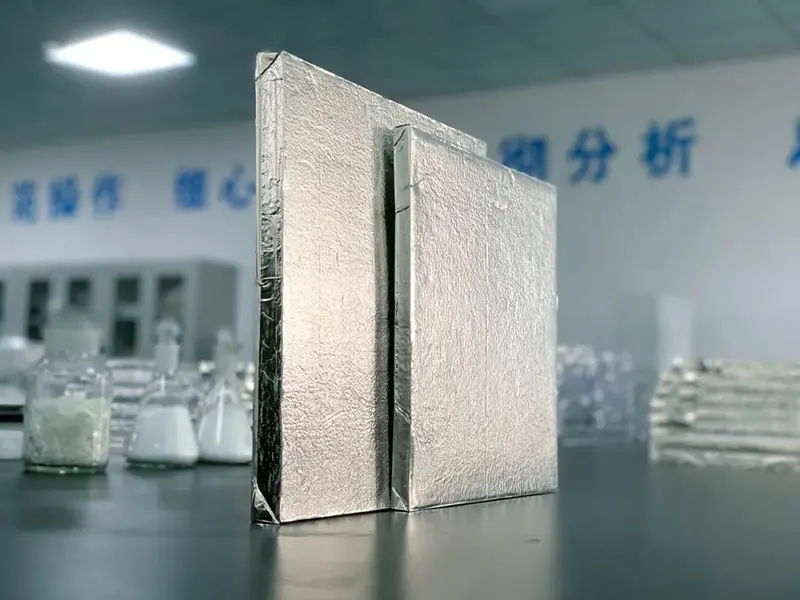
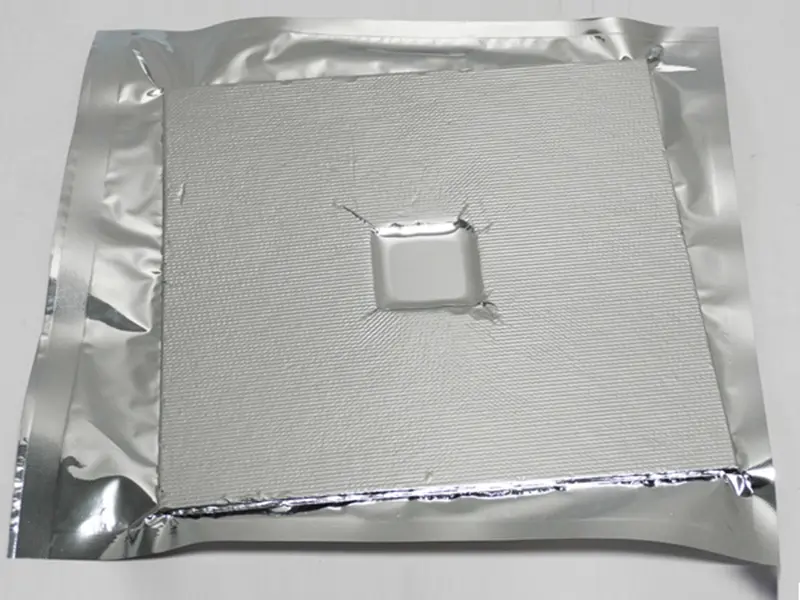
Unlike standard building insulation, the performance of a Vacuum Insulation Panel (VIP) depends on maintaining a pressure level of 0.5 to 1 mbar throughout its service life. The Nanchong plant uses automated, continuous laser-seal chambers and real-time gas pressure sensors during core pressing. This keeps the outgassing rate of the fumed silica close to zero.
A consistent material mix is maintained by integrating automated raw material transport systems. These systems prevent contamination, which is a major cause of vacuum loss over time.
By keeping processing steps in-house—including custom high-barrier film lamination, core molding, and final QA verification—the factory reduces reliance on third-party suppliers. This control ensures stable pricing and consistent supply times, even during shifts in the international shipping market.
Key Takeaway: Purchasing VIPs directly from integrated facilities ensures that the barrier films and internal getter systems are optimized for the core material, extending the functional lifespan of the panel to over 30 years.
Solutions
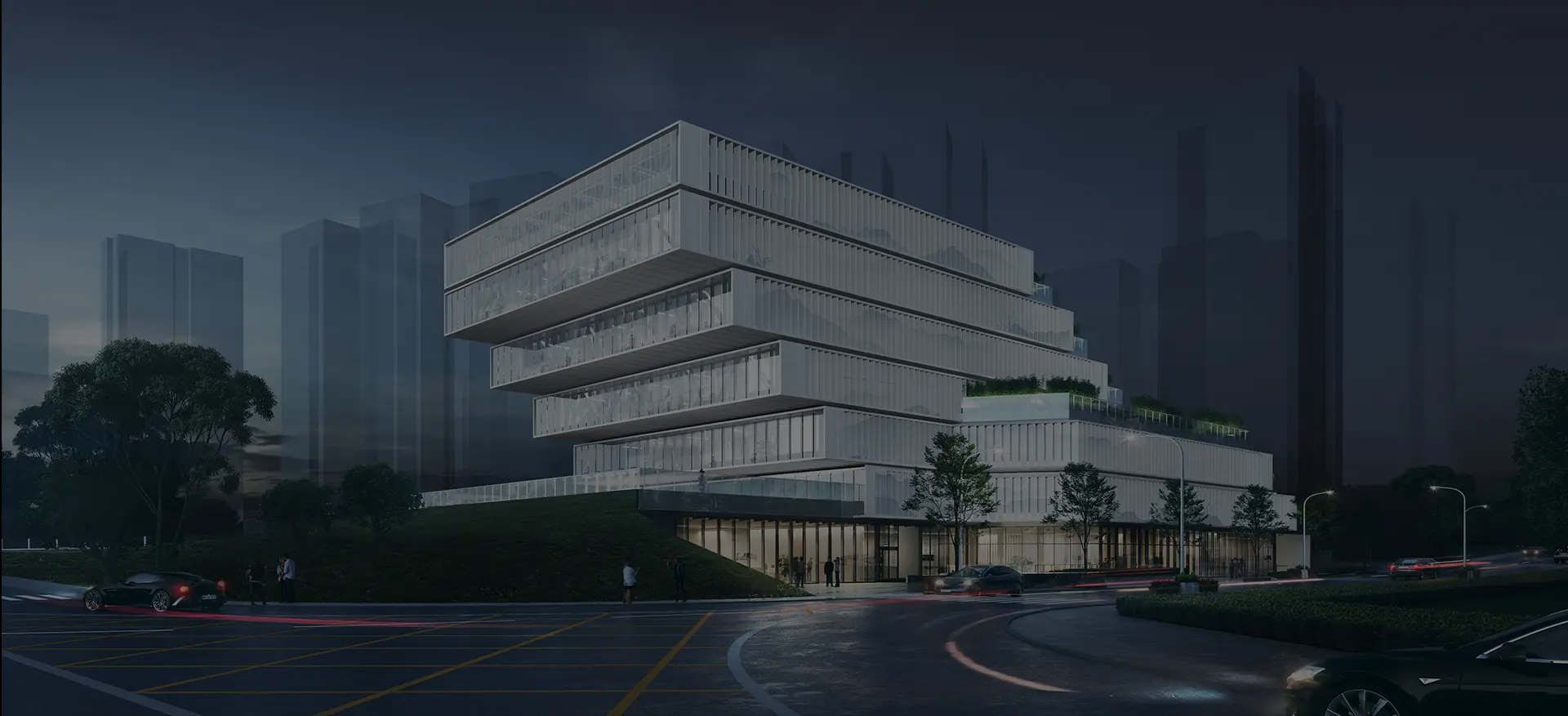
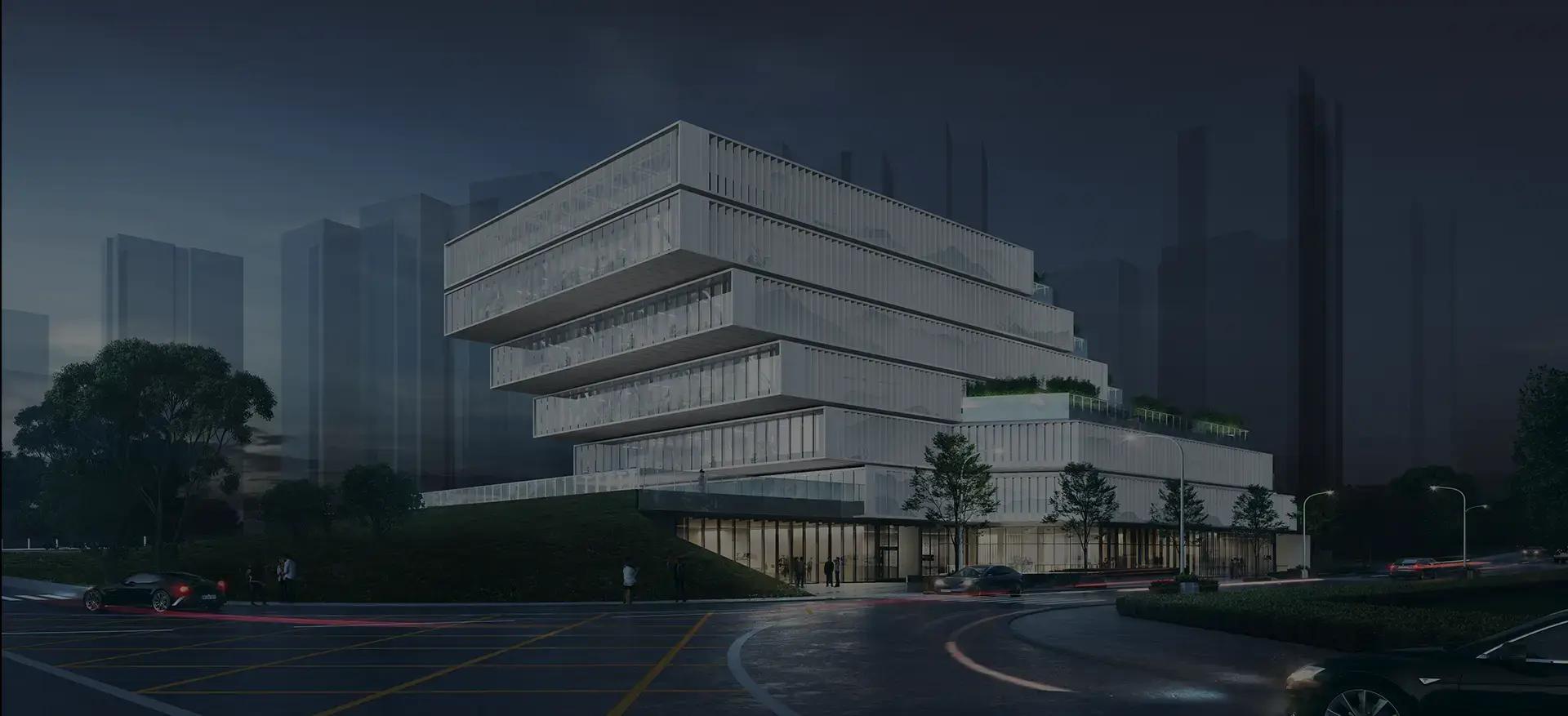
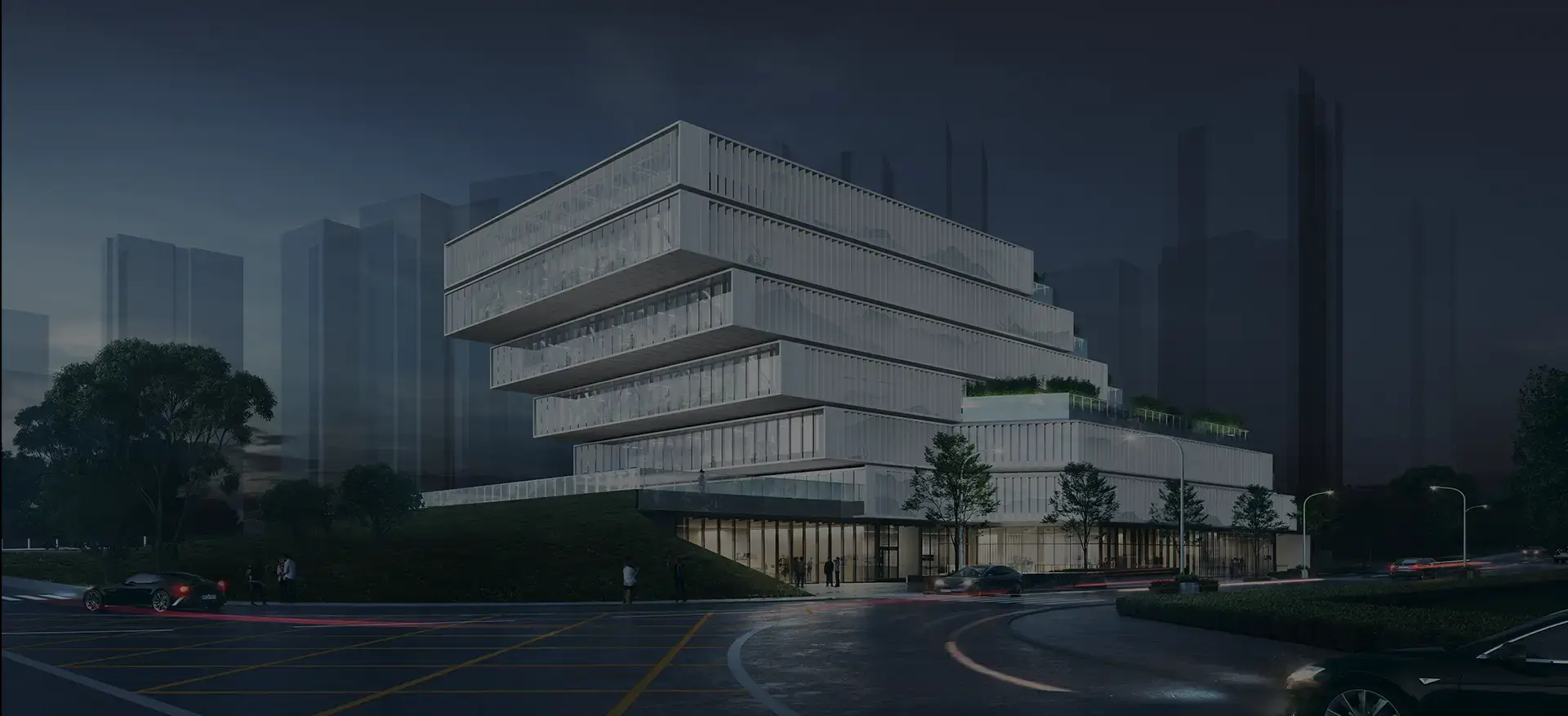
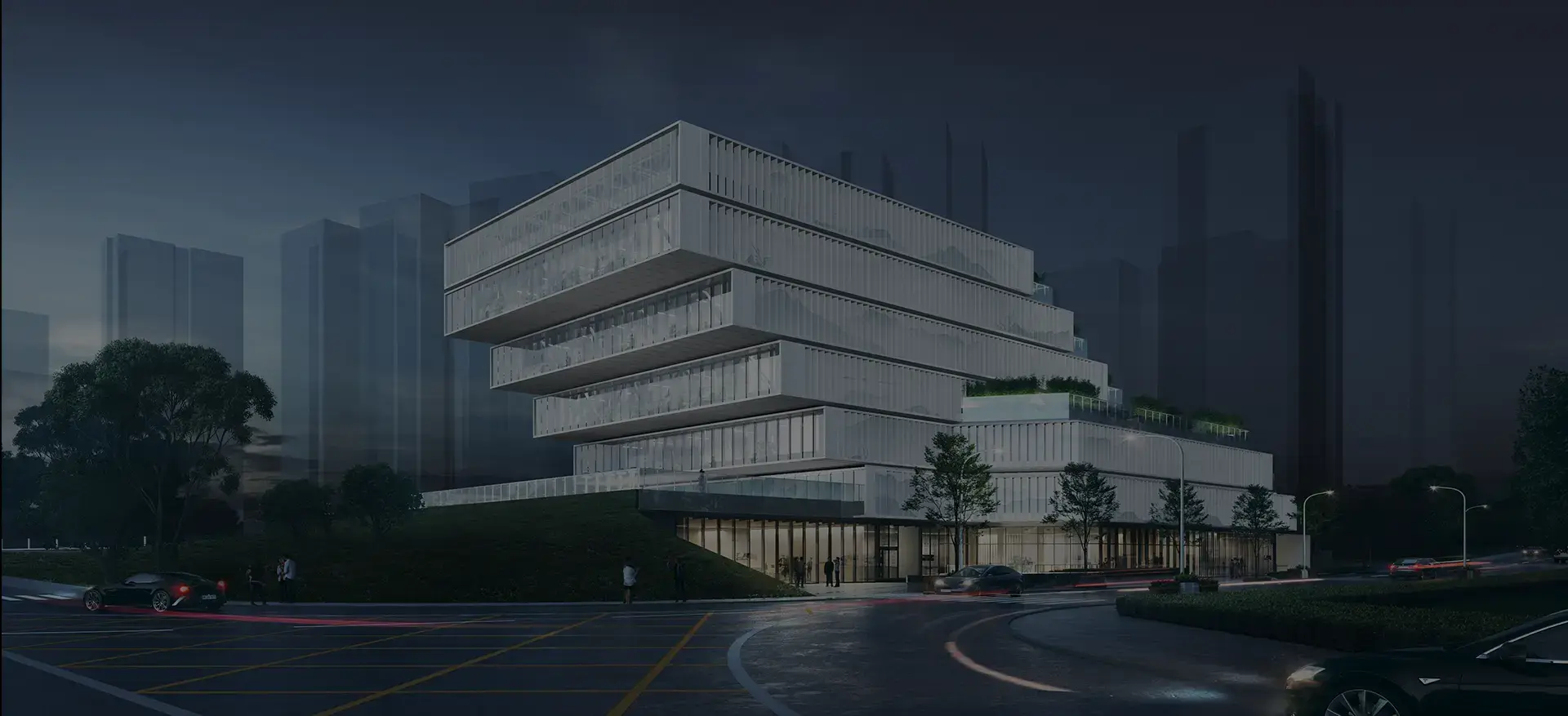
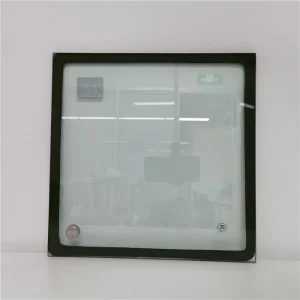
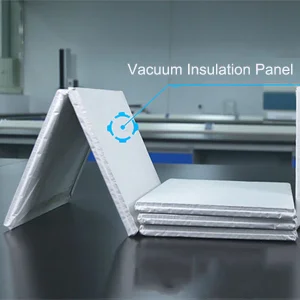
Providing high-efficiency thermal insulation solutions for building envelope systems and specialized industries through innovative products such as vacuum insulation panels and vacuum insulated glass, empowering the global industrial sector to reduce carbon emissions and achieve climate goals.


News and Information
Committed to supporting China’s “dual-carbon” goals, Zerothermo Technology drives high-quality development of new quality productivity while promoting sustainable industrial advancement
Common Technical Questions
Expert answers addressing the selection, handling, and application of nanoporous materials.
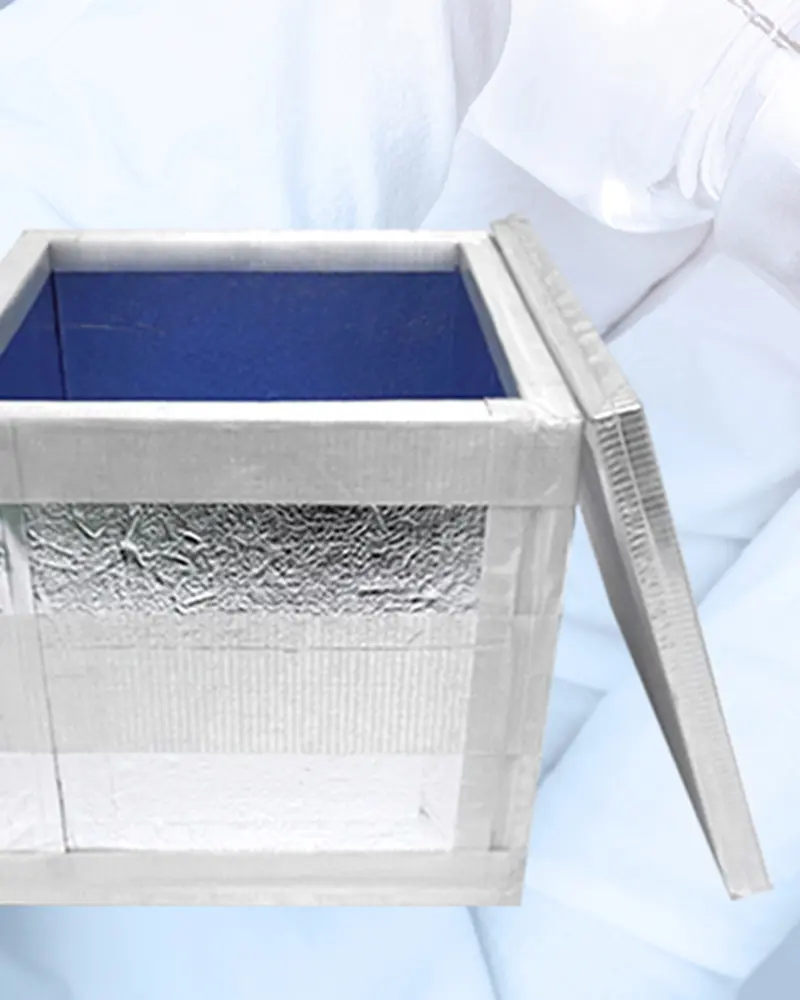
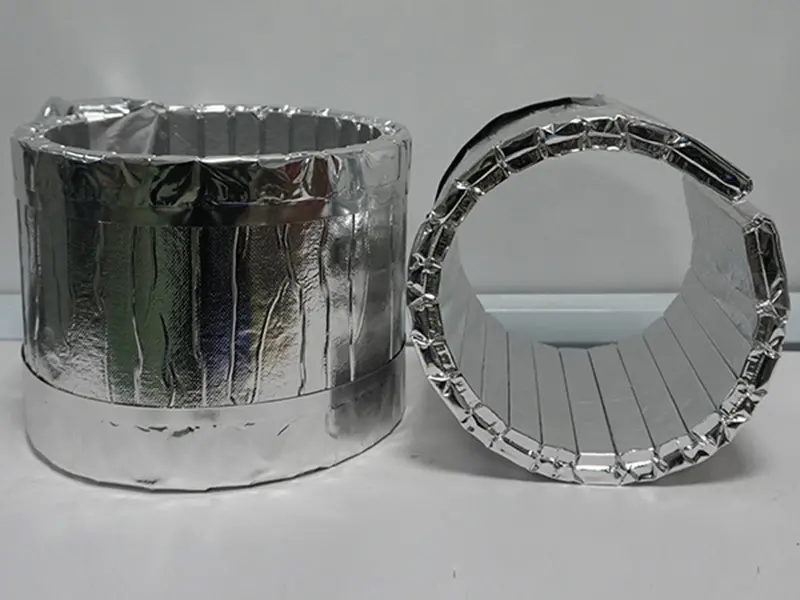
Fumed Silica VIPs offer a much lower thermal conductivity (~0.004 W/m·K) compared to Silica Aerogel blankets (~0.015 - 0.020 W/m·K). This allows you to achieve the same insulation value with a third of the thickness, making VIPs ideal for space-limited applications like cold chain shipping boxes, thin building walls, and appliance enclosures. However, VIPs cannot be cut or modified on-site, whereas aerogel blankets can be cut and wrapped around pipes or irregular structures.
The lifespan of a VIP depends on the quality of its high-barrier envelope and the internal getter material. High-quality panels manufactured in modern facilities (like CBVAC's Zerothermo base) are rated for a service life of 30 to 50 years. Over time, slight air penetration increases thermal conductivity to around 0.008 W/m·K, which still performs significantly better than traditional insulation materials.
Yes, both silica aerogel and fumed silica are composed of amorphous silicon dioxide, which is naturally non-combustible. Fumed silica cores and silica aerogel blankets easily achieve Class A fire ratings (EN 13501-1 / ASTM E84). This makes them highly suitable for high-risk applications, such as EV battery thermal barriers and high-rise building facades.
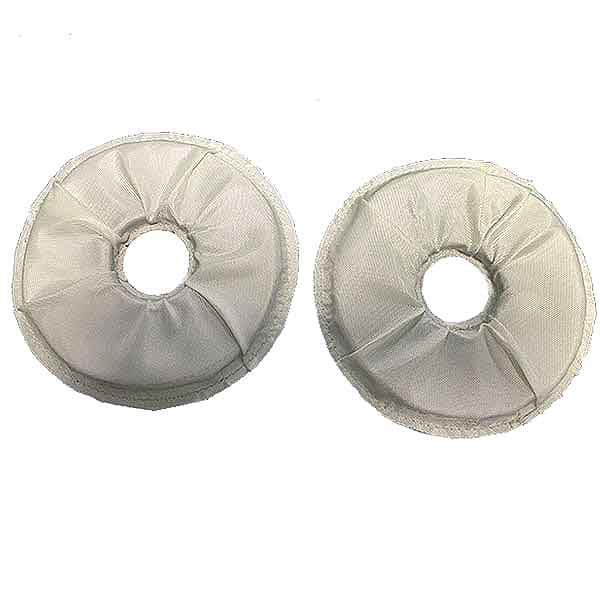
Yes, through our custom engineering services, we can produce VIPs in special shapes (e.g., with holes, corner cutouts, or curved profiles) prior to the vacuum sealing process. Aerogel blankets can also be supplied pre-cut or integrated into multi-layered structures based on your technical drawings.
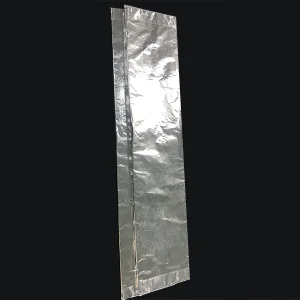
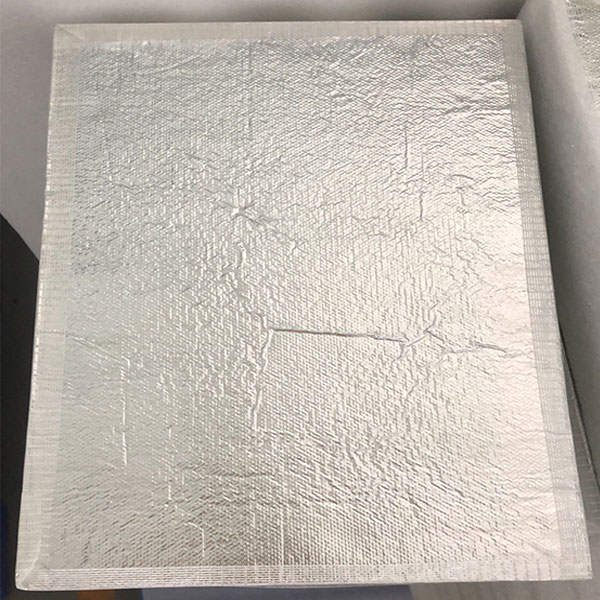
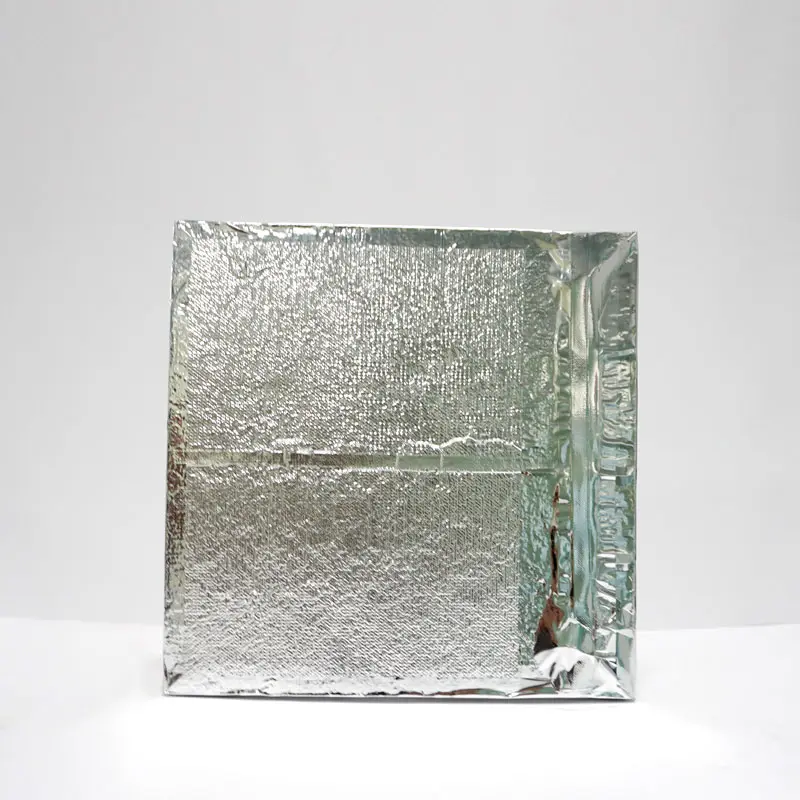
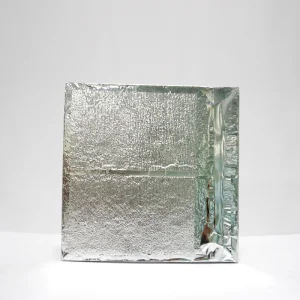
To prevent puncture during transportation and installation, VIPs can be ordered with protective layers. Common options include PET protective films, fiberglass mesh, PU foam encapsulations, and aluminum foil coverings.
Our Technology
We offer a one-stop vacuum insulation board solution. Contact us for a solution.


Premium architectural barrier systems, VIP panels, and high temperature resistant wraps.






 +8615892792306