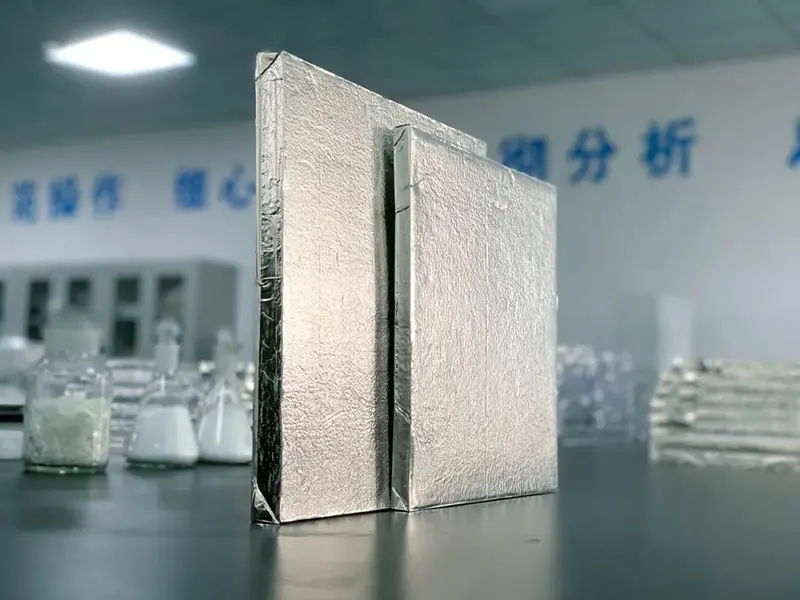
High-performance thermal protection systems engineered for cold chain logistics, high-temperature industrial environments, and sustainable structural installations.
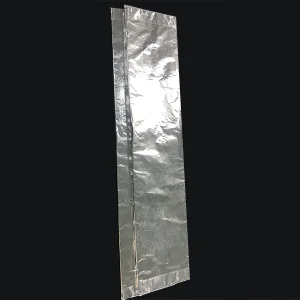
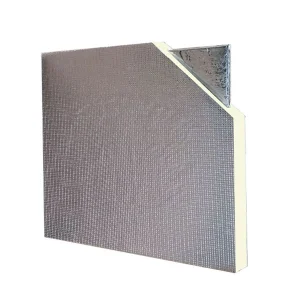
In modern architectural engineering and low-carbon construction, building envelopes dictate up to 60% of a structure's total energy conservation efficiency. Traditional cavity wall structures, which utilize an air gap between external brickwork and internal load-bearing walls, are notoriously vulnerable to thermal bridging and moisture infiltration. Standard insulation materials, such as Expanded Polystyrene (EPS), Extruded Polystyrene (XPS), and stone wool, require substantial thicknesses (often exceeding 150mm to 200mm) to satisfy increasingly stringent building thermal regulation standards, such as Europe's *EPBD* (Energy Performance of Buildings Directive) and America's *ASHRAE 90.1*.
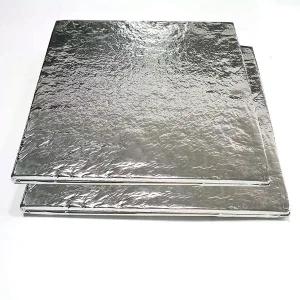
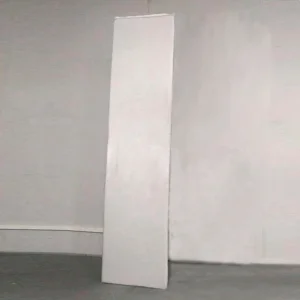
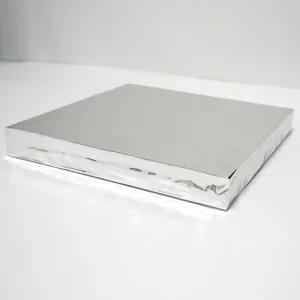
This physical volume constraint has driven structural engineers and envelope consultants to seek high-density, ultra-low thermal conductivity alternatives. Fumed silica-based Vacuum Insulation Panels (VIPs) stand at the absolute pinnacle of this thermodynamic shift. Offering thermal conductivities as low as 0.004 W/(m·K) to 0.008 W/(m·K), VIPs achieve equivalent or superior thermal resistance (R-value) at a fraction of the thickness—frequently under 20mm to 30mm. This spatial efficiency not only maximizes usable internal floor area, yielding direct financial gains for developers, but also dramatically reduces the weight load imposed on structural steel frameworks.
SEO Insight & Information Gain: When specifying custom cavity wall insulation boards, engineers must evaluate thermal resistance not merely at manufacturing source points, but over the projected 50-year structural lifecycle. Factors such as the Knudsen effect in nano-microporous silica, the gas barrier performance of multi-layer PET laminate films, and structural edge effects represent critical failure points that must be managed through precise industrial manufacturing.
To accurately understand how VIP technology outclasses standard materials, it is essential to evaluate the core thermal properties. Below is an engineering comparison matrix indicating thermal conductivity, average thicknesses required for a standard U-value goal of 0.15 W/(m²·K), and flame resistance attributes.
| Insulation Board Type | Thermal Conductivity (λ-Value) | Required Thickness for U=0.15 | Fire Performance Rating | Service Lifespan (Avg) |
|---|---|---|---|---|
| Fumed Silica VIPs (Zerothermo) | 0.004 - 0.006 W/(m·K) | 30 - 40 mm | Class A (Non-combustible) | Over 50 Years |
| Polyurethane / PU Foam VIPs | 0.018 - 0.022 W/(m·K) | 120 - 140 mm | Class B1 / B2 | 20 - 30 Years |
| Extruded Polystyrene (XPS) | 0.028 - 0.034 W/(m·K) | 180 - 220 mm | Class B2 / E | 30 - 40 Years |
| Mineral/Stone Rock Wool | 0.035 - 0.040 W/(m·K) | 230 - 260 mm | Class A1 | Over 50 Years |
From custom geometry configurations to multi-layered composite laminates, we match architectural drawings with millimeter-level fabrication precision.
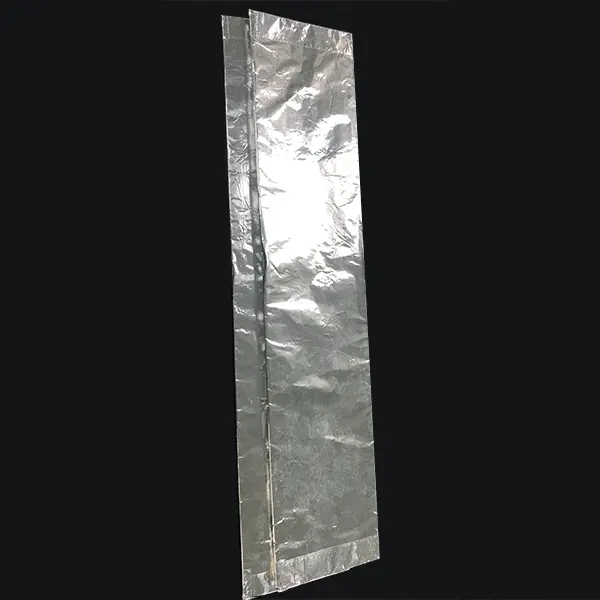
Product Details: Size: Customized Thickness: 5-...
View More +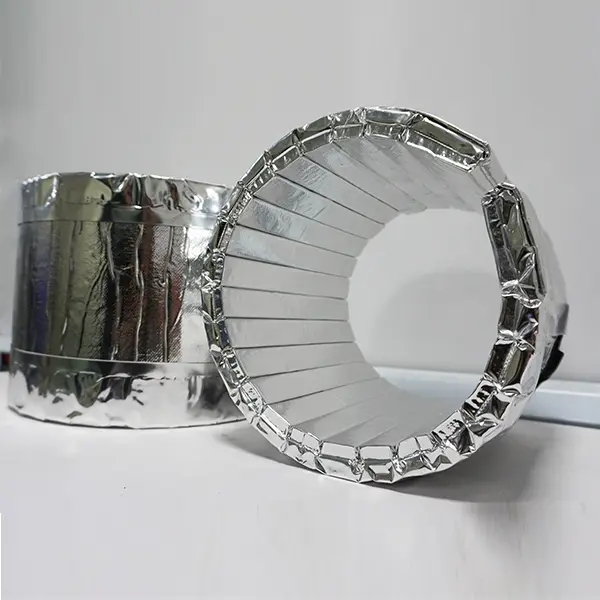
Product Details: Size: Customized Thickness: 5...
View More +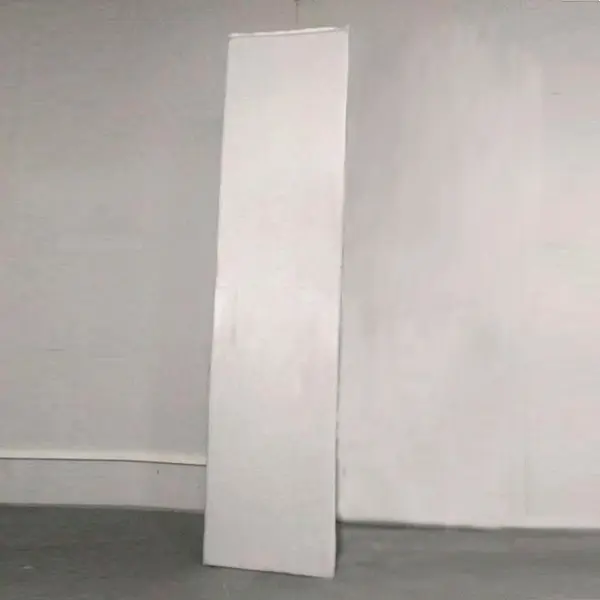
Our elevator fireproof door high temperature na...
View More +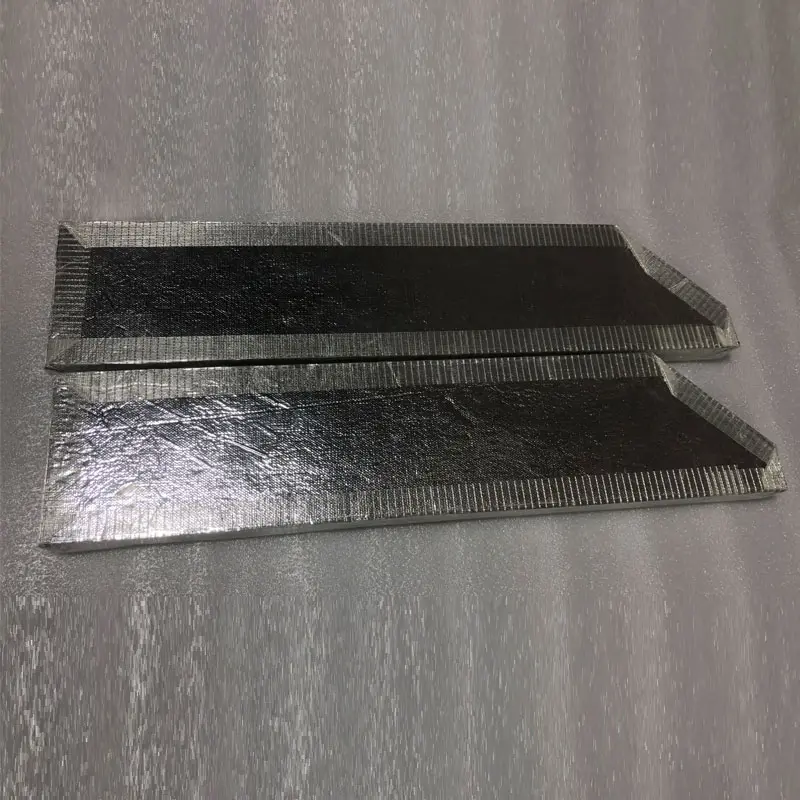
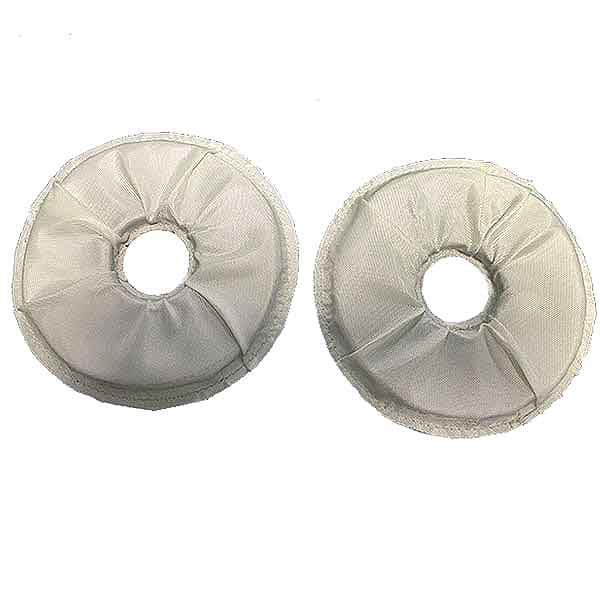
Product Specification Product Features Custom R...
View More +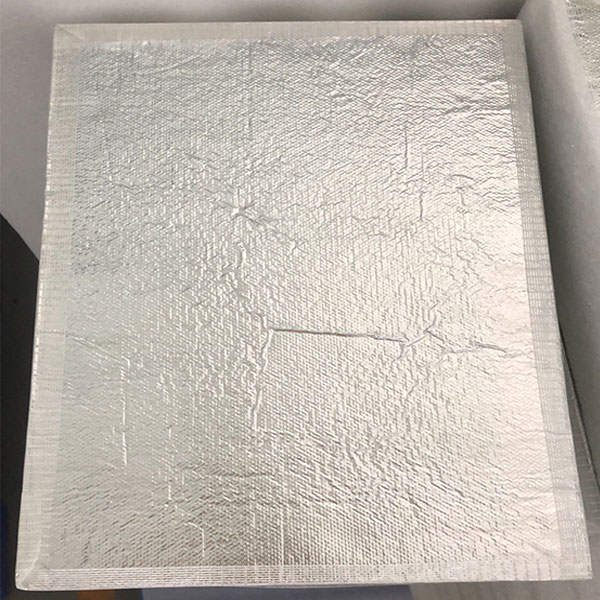
Product Features Size Details Zerothermo vacuu...
View More +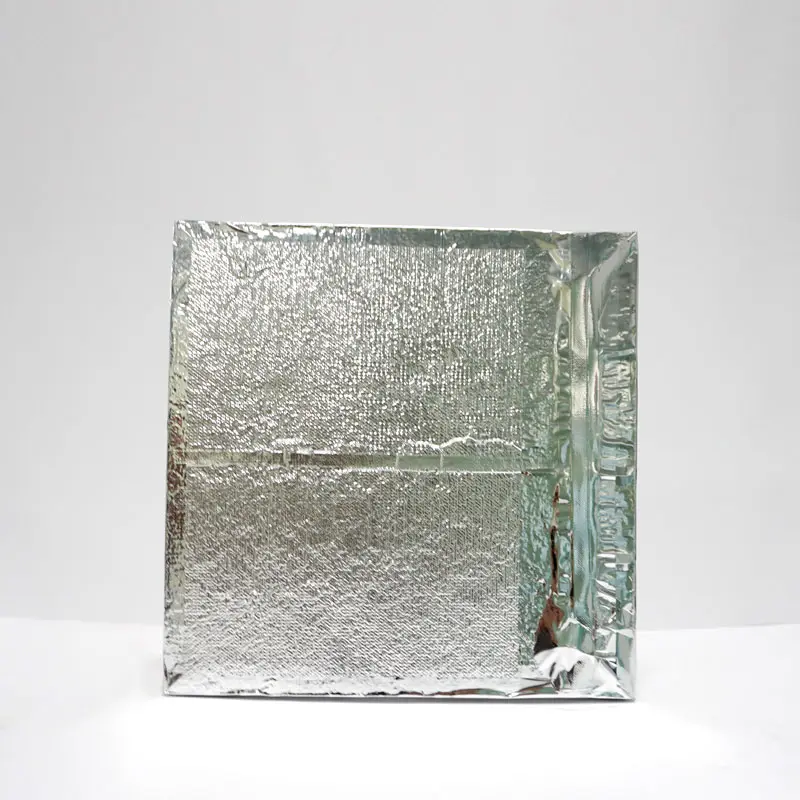
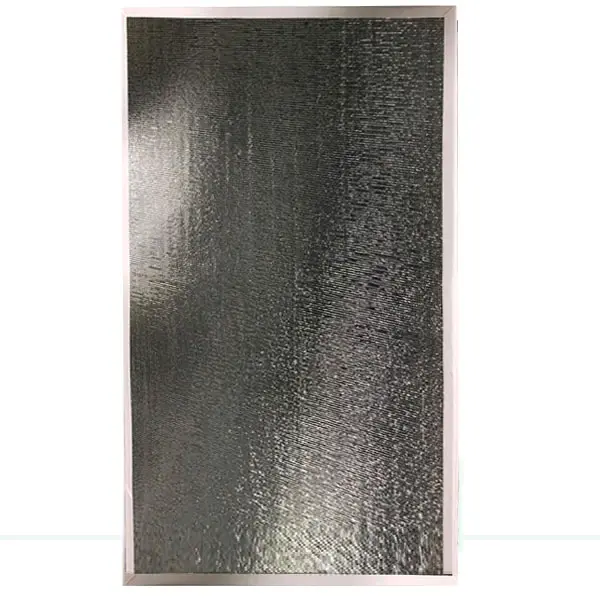
Product Features Product Specification Size ...
View More +Zerothermo Technology Co., Ltd., a core subsidiary of the prestigious CBVAC Group, is a national high-tech enterprise at the forefront of China's advanced vacuum thermal solutions sector. Headquartered in the Beijing Economic-Technological Development Area, our state-of-the-art production base in Nanchong City, Sichuan Province, stands as one of the largest comprehensive manufacturing hubs for vacuum technology application products in the world.
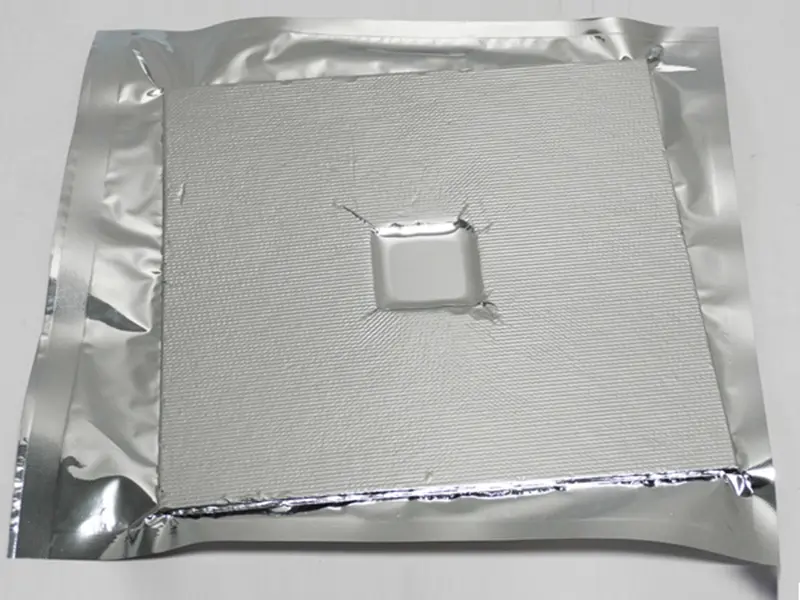
By combining advanced physics research with automated manufacturing lines, we supply developers, EPC contractors, and cold-chain industrial giants globally with high-specification fumed silica core VIPs and custom nano-microporous thermal materials. Our facility ensures strict adherence to cleanroom-grade standards, optimizing core board gas extraction and foil encapsulation to eliminate the micro-leakages that compromise standard thermal envelopes over time.

Special dimensions falling outside typical standards are produced exactly according to customized engineering plans.

Engineered profiles including square, oval, or micro-precision options exceeding 60 inches for custom fittings.

Each production run undergoes structural integrity testing to ensure uniform thermal performance across panels.
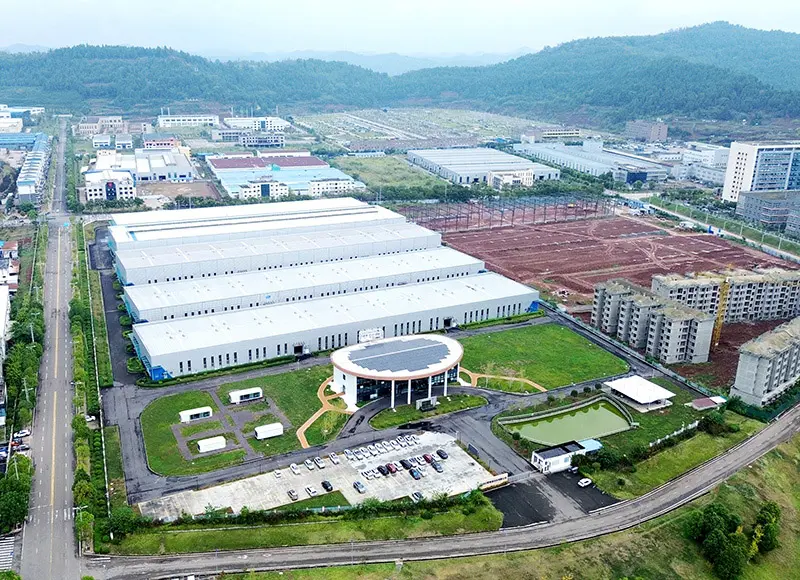

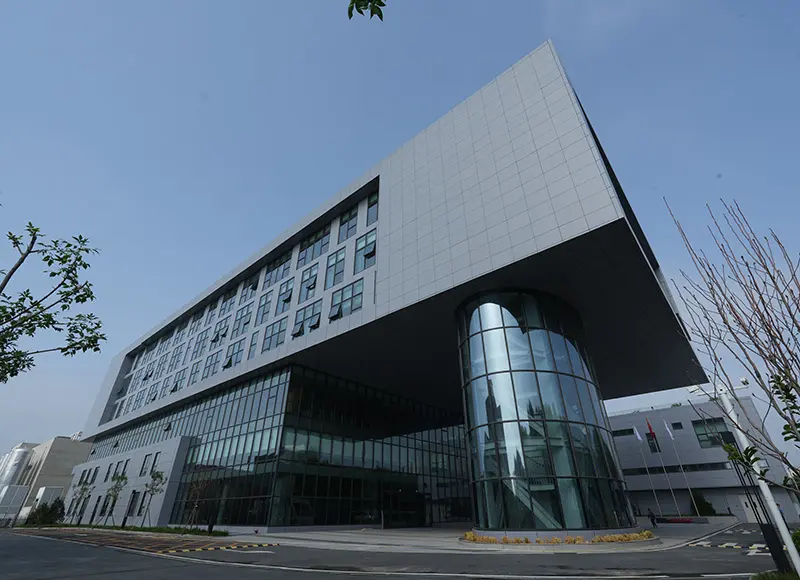


The manufacturing process for vacuum insulation panels is highly sensitive to ambient humidity and mechanical tolerances. China's central industrial hubs—particularly Sichuan Nanchong and industrial zones around Beijing—benefit from an integrated vertical supply chain. From the raw fumed silica extraction to high-barrier plastic foil production, these industrial ecosystems significantly lower production costs compared to European or North American counterparts, while offering matching performance.
Key technological advantages of Chinese manufacturing hubs include:
In highly demanding regional applications, custom-sized VIPs provide tailored thermal performance. For example, in Northern European building designs subject to strict passive house requirements, the space savings of VIPs over standard mineral wool allow for thinner exterior walls. This increases the internal area of commercial real estate without changing the structural perimeter. In Asian metropolitan zones with high humidity and temperature variations, fumed silica's natural resistance to mold growth offers improved long-term reliability compared to traditional organic foams.


Manufactured according to international specifications for export stability.

Precision sizing designed to integrate into complex cladding and frames.

High-volume production lines optimized to meet global construction schedules.

Protected vacuum packaging designed to prevent transit damage.

Ongoing technical support, performance verification, and site advisory services.





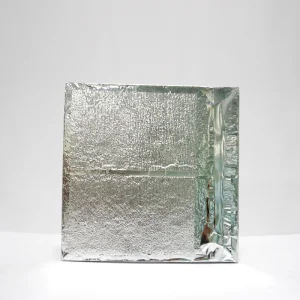
High-performance vacuum insulation systems protect vaccines and temperature-critical medicines during logistics operations.

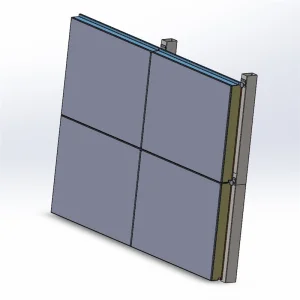
Ultra-thin wall insulation boards maximize internal space while meeting strict national energy codes.

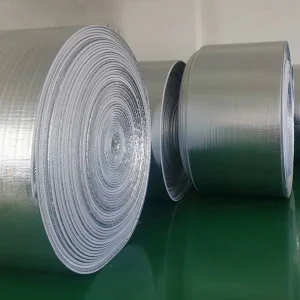
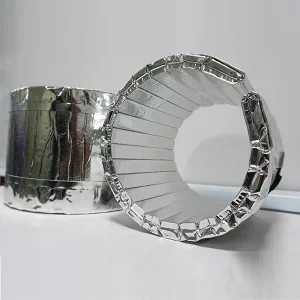
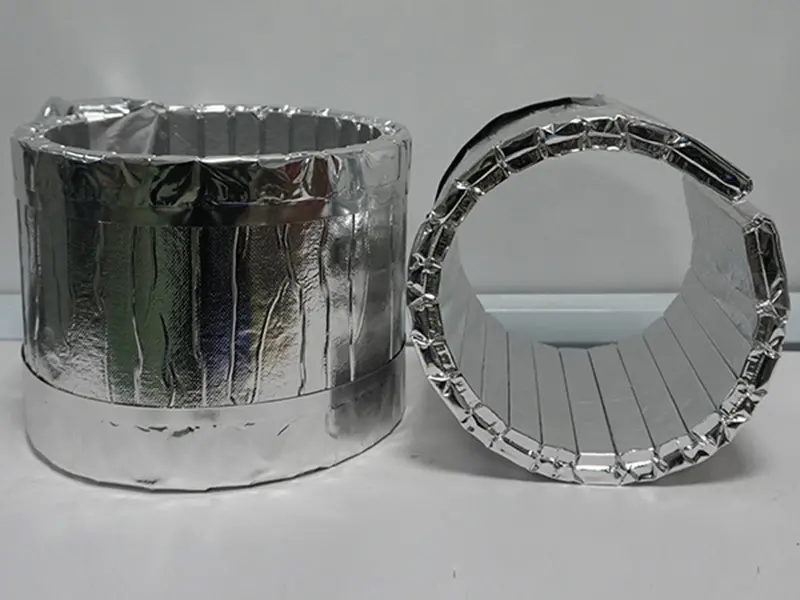
Advanced nano-microporous blankets shield equipment, doors, and storage tanks from severe thermal gradients.

Specialized modular designs protect portable structures and temporary exhibits from external environments.



Committed to supporting China’s “dual-carbon” goals, Zerothermo Technology drives high-quality development of new quality productivity while promoting sustainable industrial advancement
Procuring custom cavity wall insulation boards requires balancing material cost against thermal performance over the building's lifecycle. Unlike mass-produced polyurethane or rock wool boards, vacuum insulation panels are priced based on manufacturing complexity, custom sizing, and structural composition. Sourcing managers should evaluate pricing based on key performance variables to ensure accurate comparison.
The total cost of ownership (TCO) is influenced by three main elements:
Fumed silica cores command a premium over PU foam or fiberglass due to their lower thermal degradation rate and Class A fire safety rating, making them ideal for high-spec commercial projects.
Standard panels are priced lower, while complex shaped panels (such as L-shapes or curved profiles for corner structural cavities) require custom mold adjustments and edge sealing.
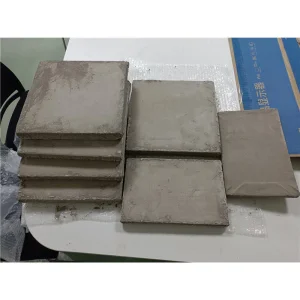
Encapsulating VIPs with protective layers—such as fire-retardant PET foils, fabric mesh, or cementitious coatings—protects against on-site puncture damage, extending service life.
A note on installation: The thermal bridging penalty must be factored into project budgets. While fumed silica VIPs offer exceptional thermal resistance, standard thermal bridging at joints can reduce system efficiency by 10% to 25% if panels are not aligned correctly. Best-practice installations utilize two offset layers of VIPs or pair a VIP panel with a thin layer of traditional insulation (such as PIR) to seal the joints.
We offer comprehensive vacuum insulation board configurations tailored to your project requirements. Contact us today to receive a detailed technical quote and custom price estimate.


Answers to key technical inquiries regarding VIP deployment, lifetime reliability, and custom specifications.
Browse our range of pre-fabricated panels, specialized vacuum elements, and composite thermal boards.