
Discover our leading range of Vacuum Insulation Panels (VIPs) manufactured with advanced nanoporous fumed silica and structural fiber cores designed to offer unmatched R-values.
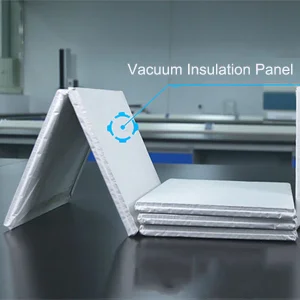
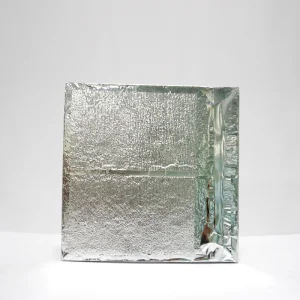
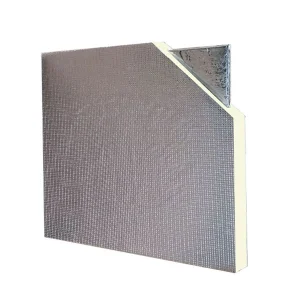
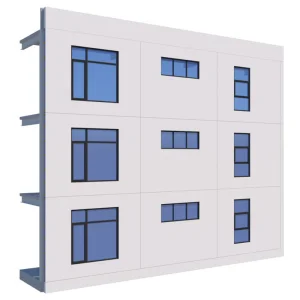
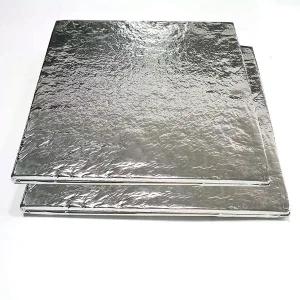
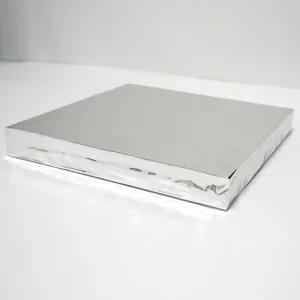
When evaluated against traditional insulating materials like polyurethane (PU) foam, expanded polystyrene (EPS), or rockwool, Vacuum Insulation Panels (VIPs) operate on a completely different physical plane. The performance of insulation is fundamentally measured by its thermal conductivity ($\lambda$-value, W/m·K) and its corresponding thermal resistance (R-value). The physical formula governing this relationship is:
Where $t$ represents the thickness of the insulation layer. To achieve a typical target thermal resistance value in building envelopment or cold storage, conventional materials require massive wall thicknesses. Fumed silica-core and fiberglass-core VIPs, manufactured under high vacuum by Zerothermo Technology, possess extremely low thermal conductivities—regularly reaching values between 0.0015 W/m·K and 0.0045 W/m·K. This is up to ten times lower than traditional foams, translating into an equivalent R-value per unit thickness that is 10x higher.
This quantum leap in efficiency relies directly on the suppression of gas molecular conduction through the Knudsen Effect. In a nanoporous material (such as fumed silica with typical pore sizes of 20nm), the mean free path of gas molecules becomes larger than the average pore diameter. When combined with deep-vacuum extraction (down to internal pressures of 1 mbar), air molecular convection and conduction are virtually eliminated, leaving only minimal solid-skeleton conduction and radiative thermal transfer.
| Material | Conductivity (λ) | R-Value per inch |
|---|---|---|
| Zerothermo VIP | 0.002 W/m·K | R-35 to R-45 |
| Fumed Silica (Standard) | 0.005 W/m·K | R-20 to R-25 |
| PU Foam (Polyurethane) | 0.022 W/m·K | R-6.5 |
| XPS (Polystyrene) | 0.030 W/m·K | R-5.0 |
As global carbon policies tighten—ranging from the European Union's Energy Performance of Buildings Directive (EPBD) to China's aggressive "Dual Carbon" (30/60) targets—the commercial construction, cold chain logistics, and appliance manufacturing sectors are facing strict limits on energy expenditure. In these regulated environments, traditional materials are hitting physical thickness limits. For instance, in inner-city architectural retrofitting, deploying 200mm of traditional insulation is structurally impossible or commercially unviable due to the reduction of rentable internal floor area.
From a global perspective, the demand for high R-value Vacuum Insulation Panels is surging across several core sectors:
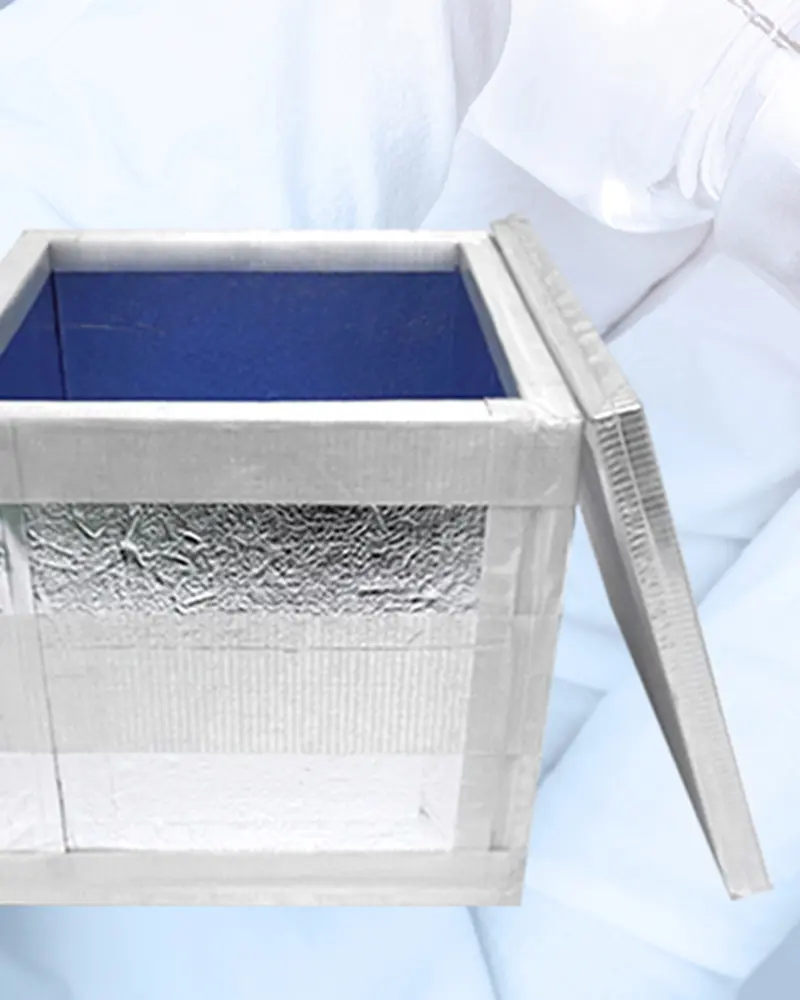
Global supply chains for biologics, mRNA vaccines, and complex clinical trial formulations require precise temperature windows (-70°C to +8°C). Zerothermo VIPs enable cold chain boxes to maintain steady internal states for over 120 hours without external power, reducing thermal deviations during long-haul global transit.
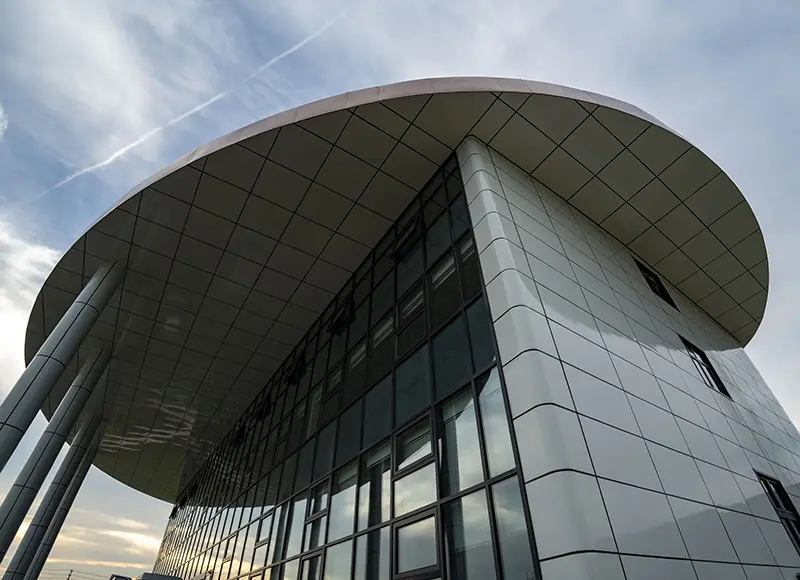
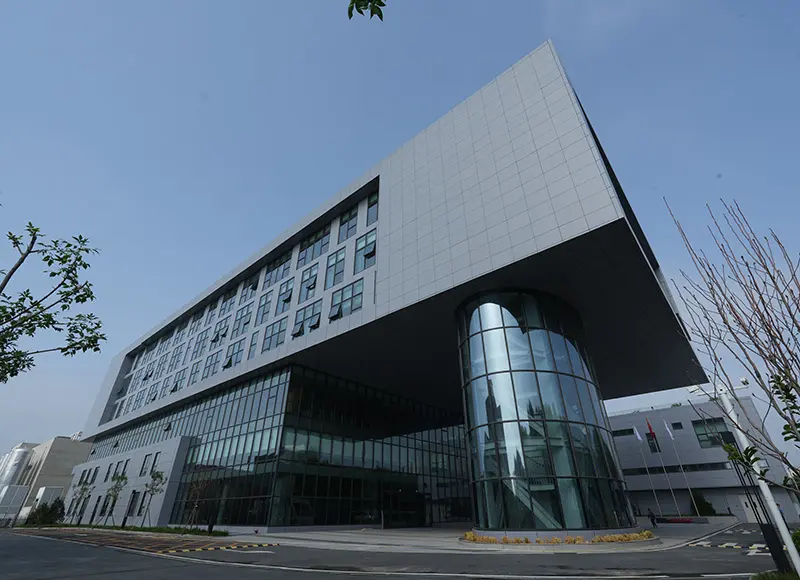
With the shift toward Net-Zero Energy Buildings (NZEB), prefabricated wall systems, spandrel panels, and exterior thermal envelopes must meet higher thermal standards. Implementing thin, high-performance VIPs allows architects to maximize indoor floor plans while meeting stringent national building energy codes.
Premium refrigerator and freezer manufacturers utilize ultra-thin glass-fiber core VIPs to achieve Energy Star ratings and increase internal storage volume. Meanwhile, industries dealing with high-temperature pipelines or specialized equipment rely on nano-microporous blankets to control critical heat flow.
Understanding the inner mechanics of thermal VIP design is critical for selecting the right insulation system. Zerothermo Technology operates specialized production lines for two primary core families, each optimized for specific operating environments:
Composed of synthetic, amorphous silica particles consolidated under pressure. The primary advantage of fumed silica is its extremely small pore diameter (~20 nanometers), which prevents air conduction even at moderate vacuum levels. Key characteristics include:
Engineered using ultra-fine glass microfibers arranged in a high-density, layered configuration. Fiberglass cores require deeper vacuums to achieve peak efficiency, providing a highly optimized solution for controlled environments. Key characteristics include:
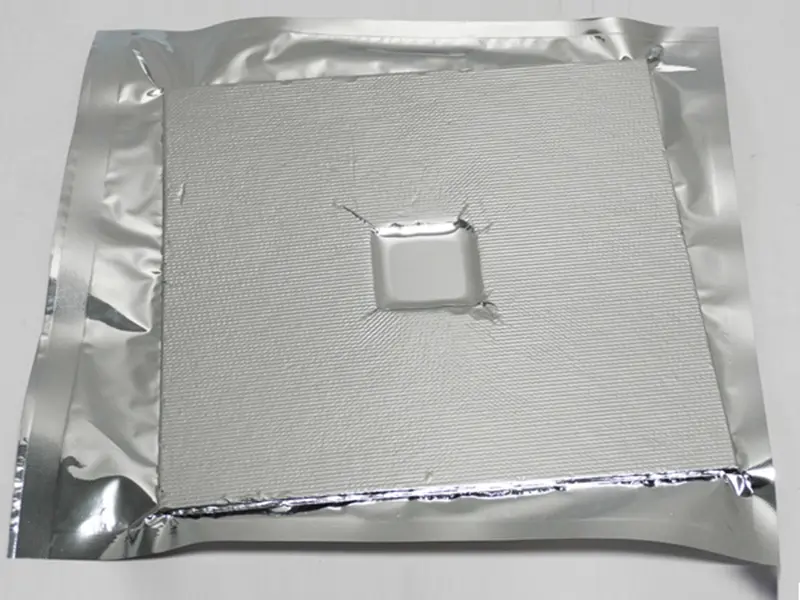
E-E-A-T Technical Insight: The high-barrier envelope film is as critical as the core. Zerothermo utilizes multi-layer polymeric aluminum-laminated barrier films or advanced non-metallic EVOH films. These barrier envelopes limit gas transmission rates (GTR) and water vapor transmission rates (WVTR) to near-zero levels, preventing the gradual loss of vacuum and ensuring consistent R-values over decades of operation.
Backed by the CBVAC Group, Zerothermo brings advanced vacuum engineering and quality control to the global insulation market.
Strict adherence to ISO 9001, ISO 14001, and EN 12667 calibration testing.
Tailored dimensions, edge finishes, complex geometry, and customized surface penetrations.
Automated continuous drying and vacuum chambers ensure high-volume delivery on tight timelines.
Established logistics corridors support shipments directly from China to Europe, the US, and Southeast Asia.
Comprehensive design support, structural joint thermal simulation, and lifetime performance warranties.
Deploying Vacuum Insulation Panels requires strict adherence to regional engineering requirements and thermal testing methods. Zerothermo Technology provides testing documentation to ensure frictionless approvals on international jobsites:
Because VIP panels cannot be modified or cut on-site without destroying the internal vacuum, our engineering division offers integrated CAD layouts. Every panel is pre-engineered to custom specifications, featuring offset edge joints to mitigate thermal bridging during installation.

Custom sizing and non-standard layouts are produced to technical parameters, minimizing thermal bypass at joints.
We provide tailored vacuum insulation and microporous solutions to meet demanding thermal barrier requirements across various industries.
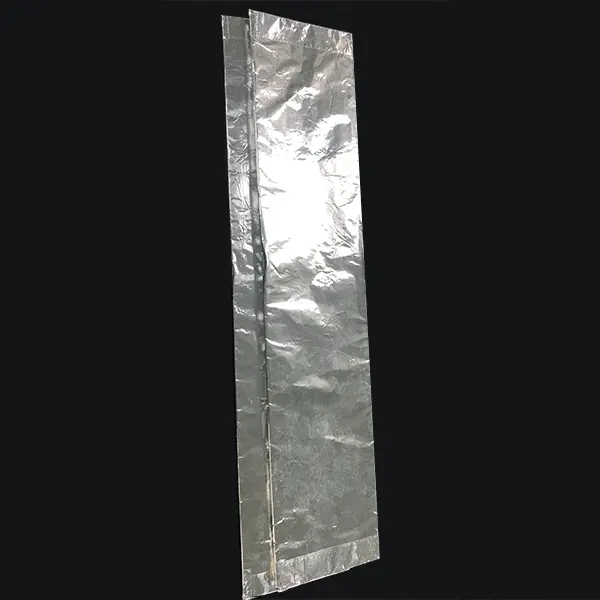
Precision custom-thickness panels (5mm-15mm) designed to prevent thermal runaway in EV lithium-ion battery packs while conserving weight.
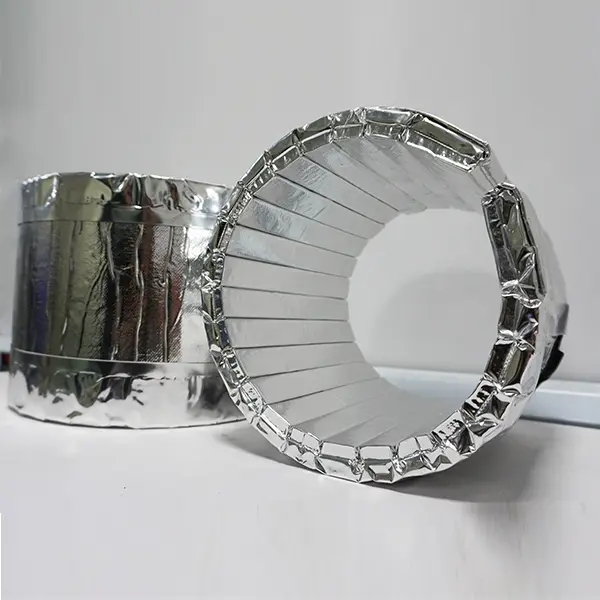
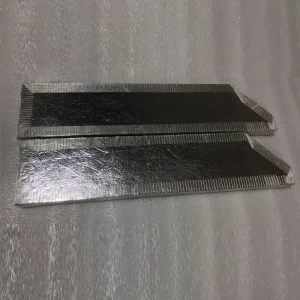
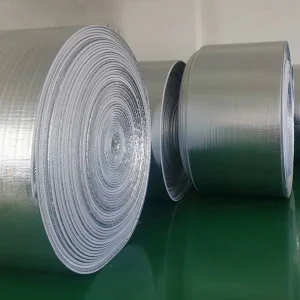
High-temperature blankets designed for residential water heaters, boilers, and industrial process piping.
Thin thermal barriers for building containment areas and fire-rated lift entries, matching local safety classifications.
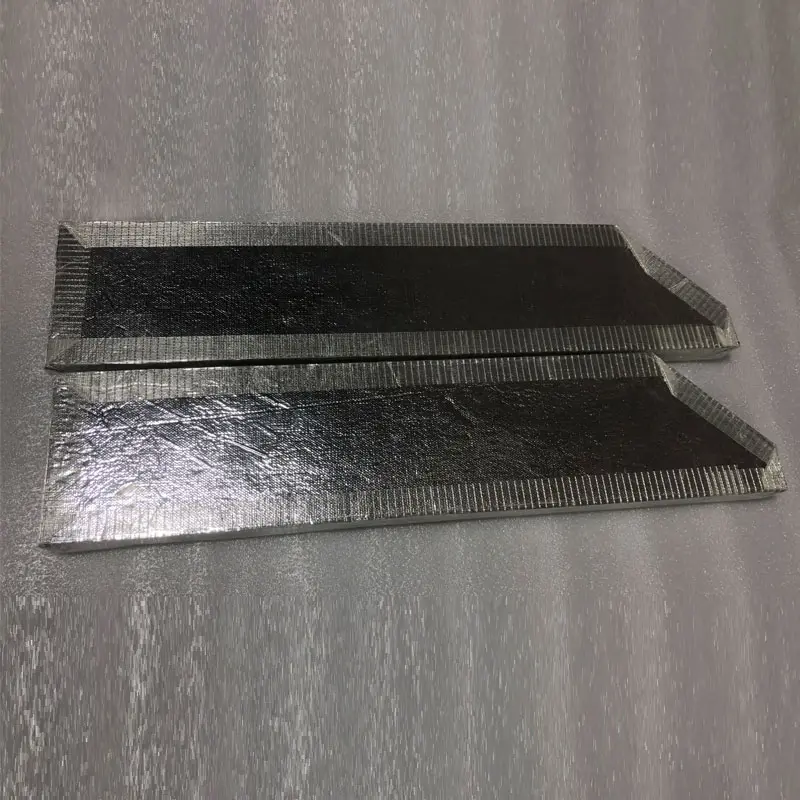
Custom curved and corner profiles featuring high-durability PET protective skins for complex architectural envelopes.
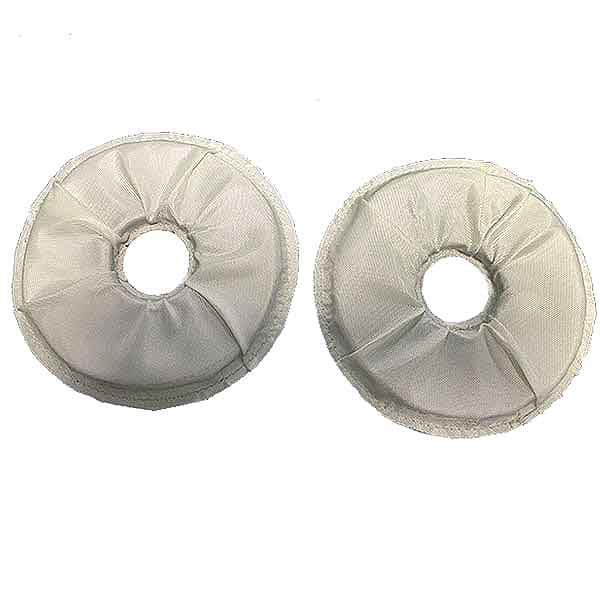
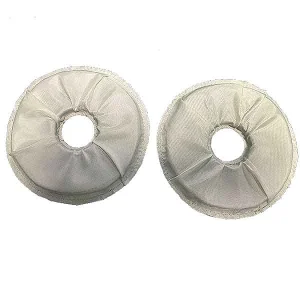
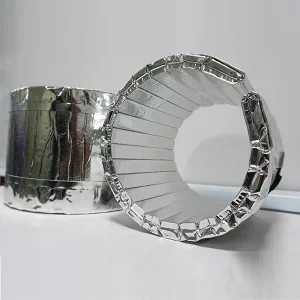
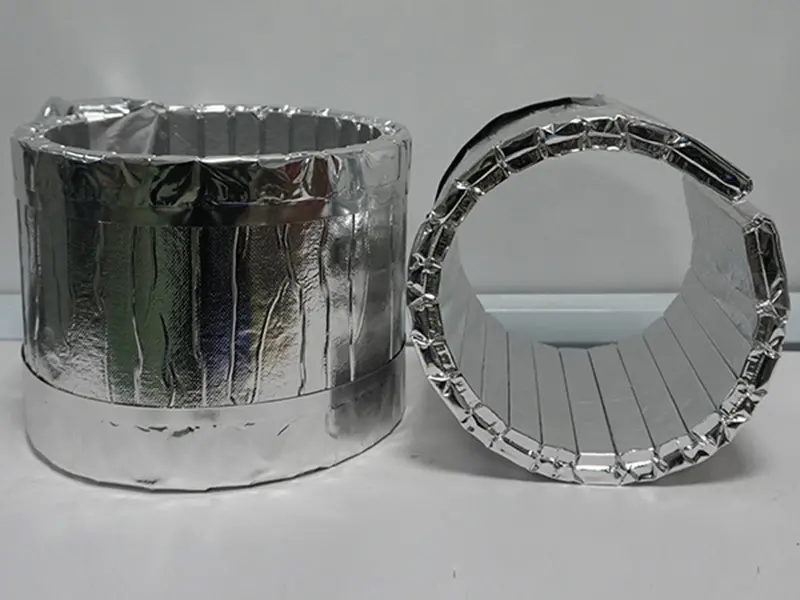
Wrap solutions engineered for cylindrical pipes, industrial kilns, and high-temp storage installations.
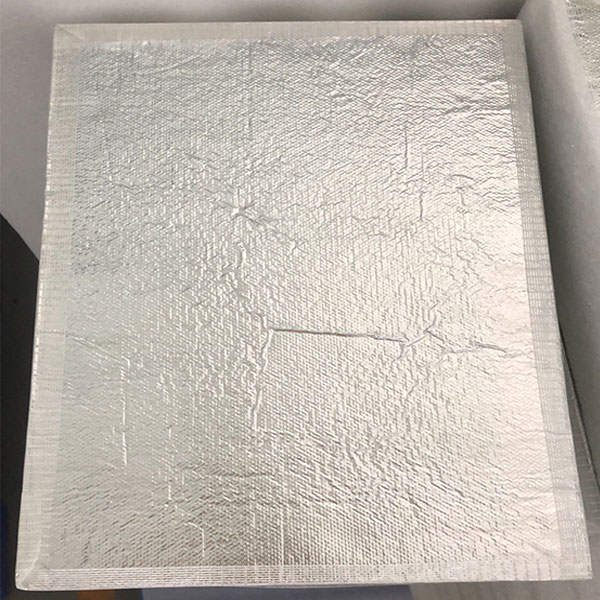
Optimized core matrix vacuum panels providing long-term thermal performance for deep cold applications.
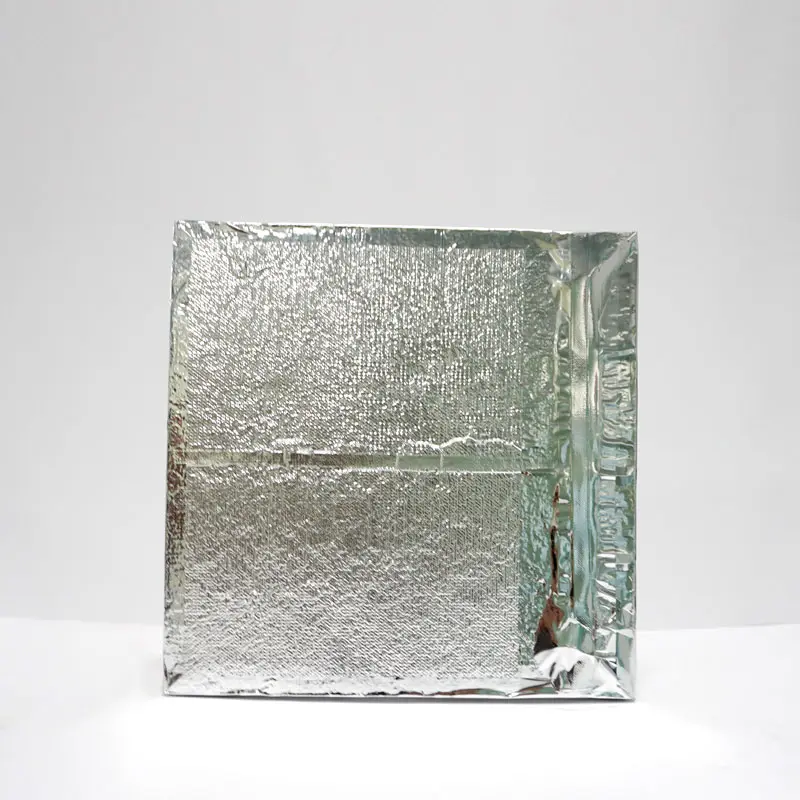
Engineered for vaccine containers, dry ice shipping packs, and deep-freeze biological logistics envelopes.
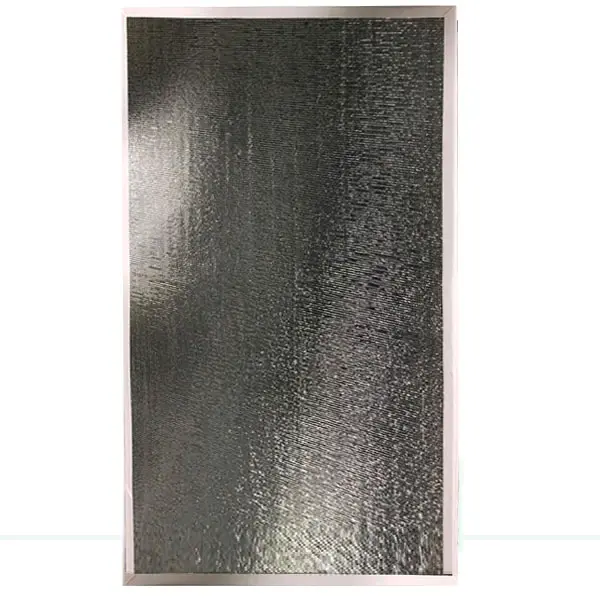
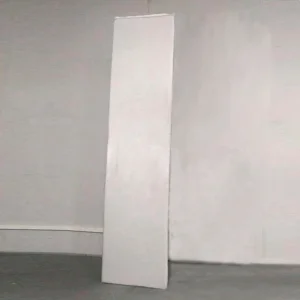
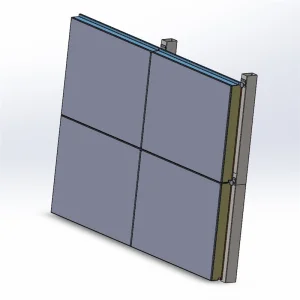
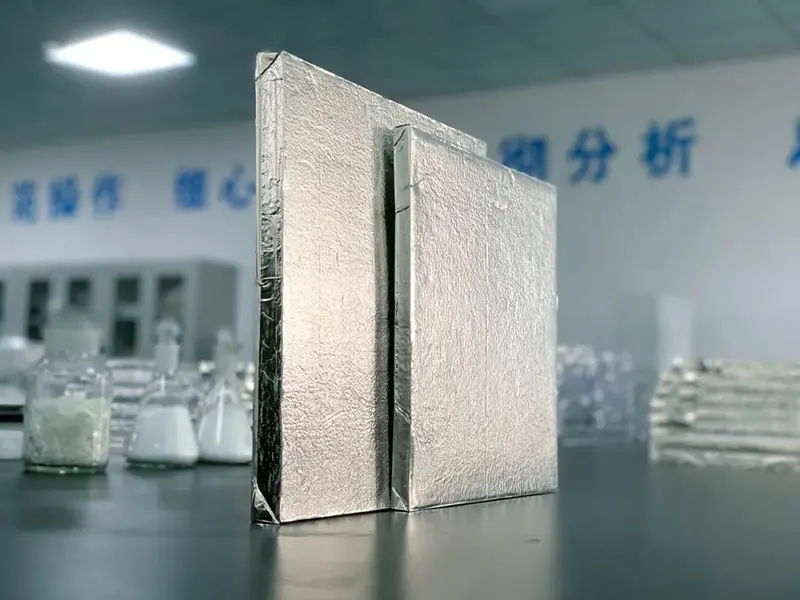
Large panels designed for building walls, precast concrete structures, and bulk container insulation.
At Zerothermo Technology, our engineering path centers on scaling the manufacturing of vacuum technology application products to support global net-zero targets. The development timeline focuses on key manufacturing and material performance goals:
Combining nanoporous fumed silica with structural glass microfibers to optimize panel weight, thickness, and performance. This approach balances fumed silica's long-term vacuum stability with the high initial R-value of fiberglass cores.
Deploying non-destructive, high-speed sensor checks to measure internal pressure without damaging the barrier envelope. This allows for automated quality control verification of R-value ratings directly on the assembly line.
Designing fully circular polymer matrices for the envelope layers. Developing barrier configurations that can be separated and recycled alongside fumed silica cores at the end of the panel's lifespan, supporting circular construction practices.
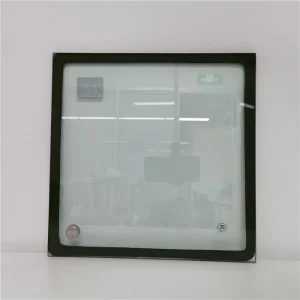
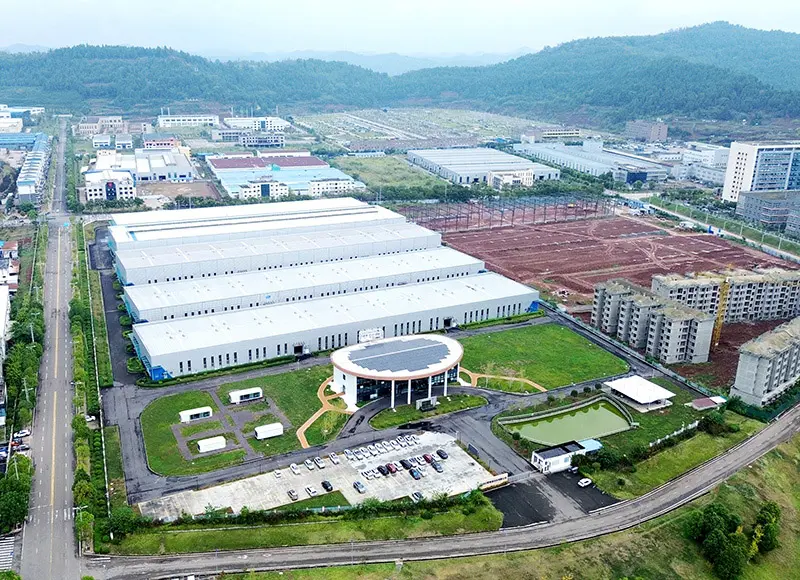
Zerothermo Technology Co., Ltd. is headquartered in the Beijing Economic-Technological Development Area, with our primary manufacturing hub located in Nanchong City, Sichuan Province. This facility is one of China’s largest production centers for vacuum insulation panels and vacuum insulated glass.
Special dimensions exceeding standard ANSI/ASME/DIN parameters, produced to customer technical drawings.
Square, oval, and oversized layouts (exceeding 60 inches) engineered for vacuum process chambers.


Answers to critical questions on thermal properties, handling, and specifications for high-performance projects.
Contact our engineering team to request customized design configurations, thermal simulations, and volume price lists for your projects.


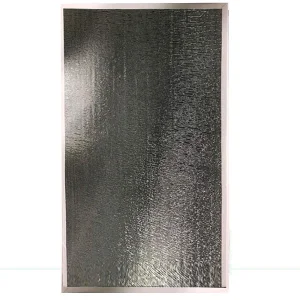
Engineered thermal barrier components designed for high-temperature and structural wall installations.

 +86 15892792306