
Advanced Solutions Portfolio
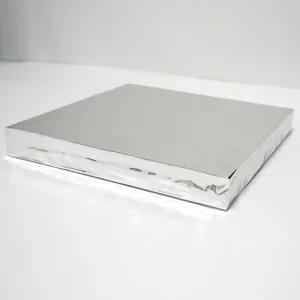
Companies manufacturing tailored high-temp microporous panels offering peak insulation at extreme temperatures.
View Details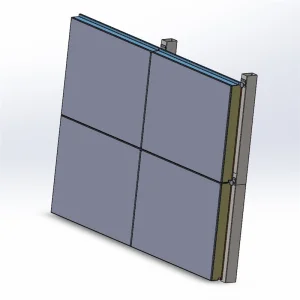
State-of-the-art prefabricated vacuum insulation integrated decorative wall panels for direct building envelopes.
View Details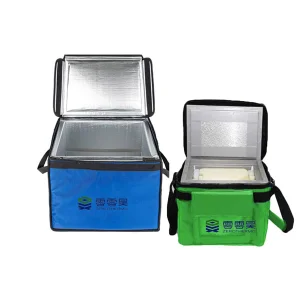
Cost-effective fumed silica vacuum insulation panel cooler boxes designed for pharmaceutical cold chain transport.
View Details
Premium heat-resistant elevator door insulation cores meeting rigorous fire-safety regulations globally.
View Details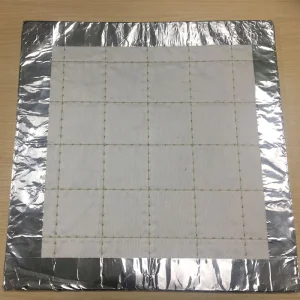
Highly flexible, nano-structured thermal insulation blankets serving complex industrial geometrics.
View Details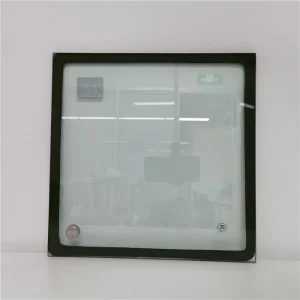
High-efficiency vacuum glazing solutions for architectural glazing and industrial commercial refrigeration.
View Details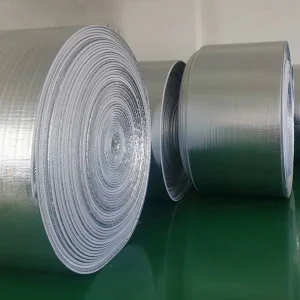
Reflective metal foil laminated insulation foam boards engineered for roof and floor thermal barriers.
View Details
Structurally enhanced VIPs designed to withstand physical compression in heavy duty applications.
View DetailsTechnical Brief & Analysis
Vacuum Insulation Panels (VIPs) deliver a thermal conductivity ($\lambda$) of less than 0.002 to 0.004 W/m·K. In comparison, traditional materials like extruded polystyrene (XPS) operate in the range of 0.030 to 0.040 W/m·K. To compare costs accurately, engineers utilize calculation matrices that examine the thermal resistance per unit thickness ($R$-value per mm) against the volumetric acquisition price.
The total capital expenditure (CapEx) of a vacuum insulation panel system is structured around several critical variables:
In dense urban centers or pharmaceutical transport networks, space is direct cash flow. Using a VIP Panel Cost Calculator allows builders to determine the exact value of recovered indoor floor area. For instance, replacing 150mm of traditional mineral wool with a 30mm VIP in a commercial building envelope saves 120mm of wall thickness. Over a perimeter of 500 meters across 10 floors, this yields an extra 600 square meters of rentable real estate.
Tailored Engineered Offerings
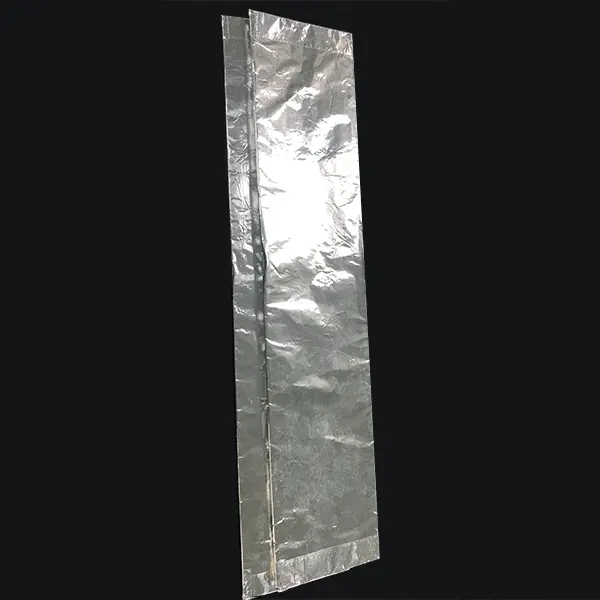
Tailored thermal barrier sheets. Thickness range: 5mm to 15mm. Optimizes battery pack safety and mitigates thermal runaway.
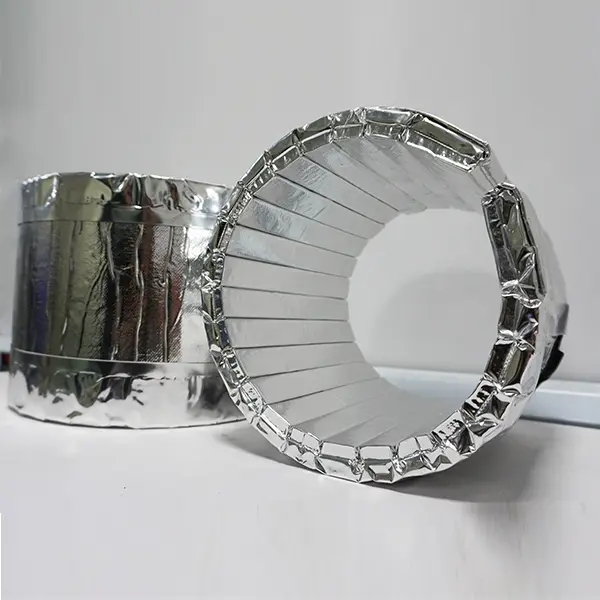
Industrial microporous barriers designed to operate stably under extreme high thermal stress, customized up to 1000°C environments.
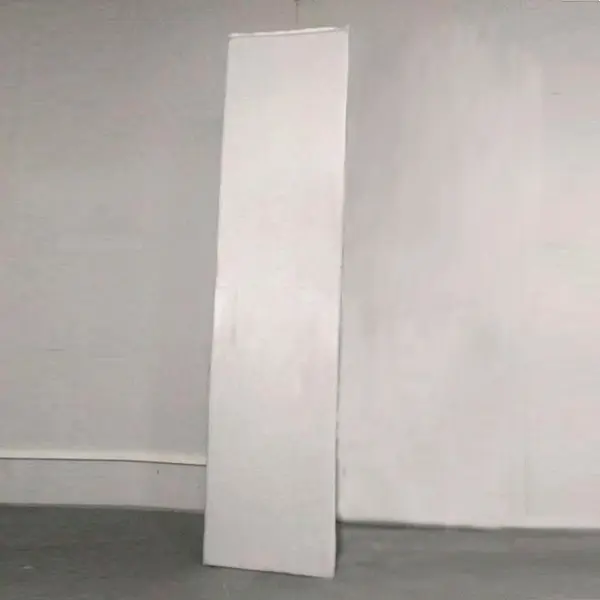
Nano-microporous layers structured specifically for fireproof door cores. Certified to withstand critical heating cycles.
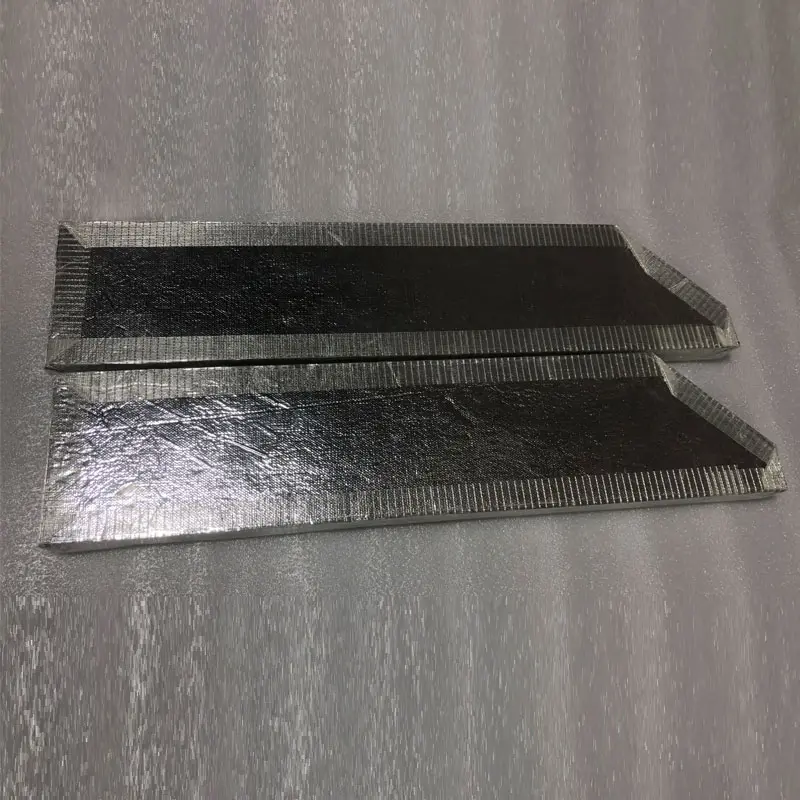
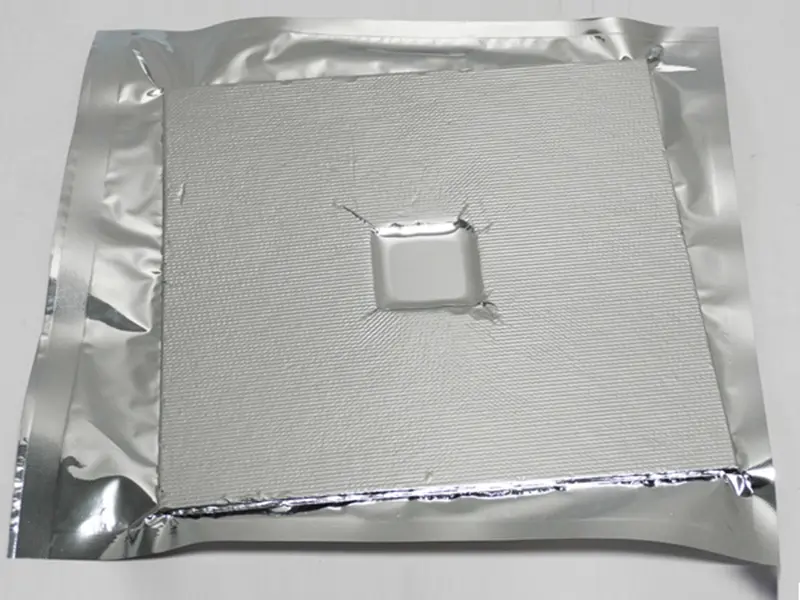
Complex non-planar designs (L-shaped, circular cutouts) wrapped in ultra-durable PET protect films for complex systems.
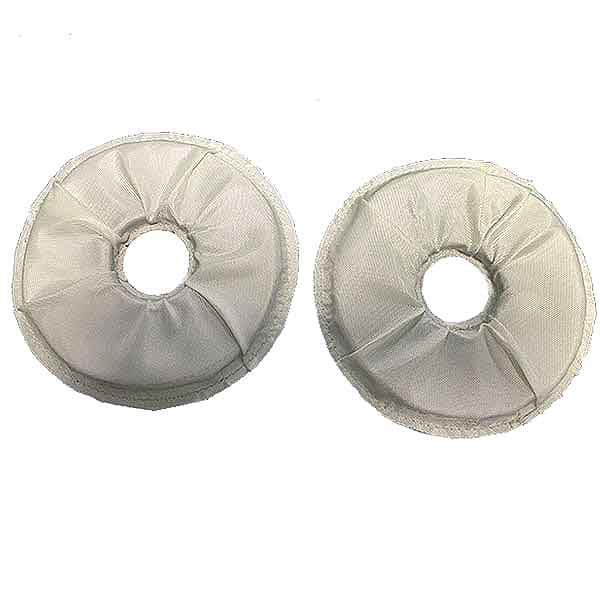
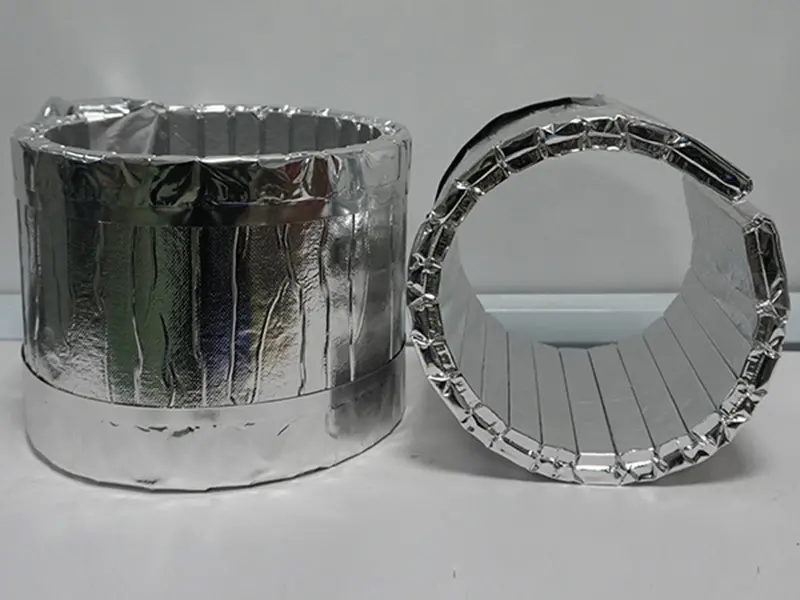
Curved pipework and cylindrical tank insulation solutions utilizing flexible nano thermal matrices.
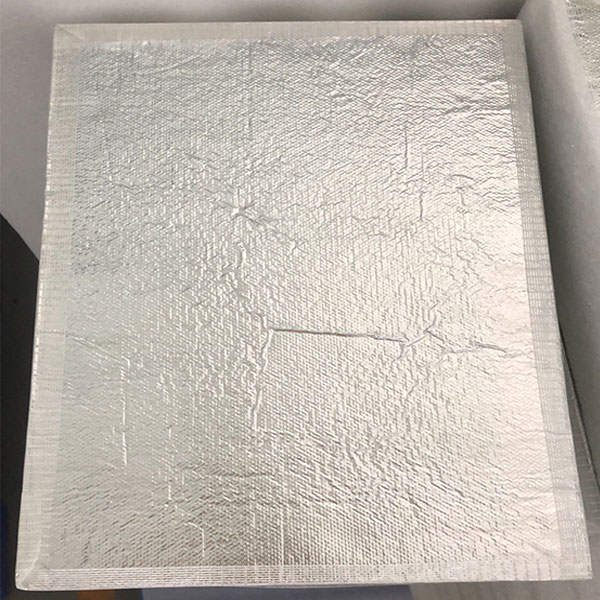
Zerothermo core technology providing industry-lowest lambda metrics with sustained lifetime vacuum retention.
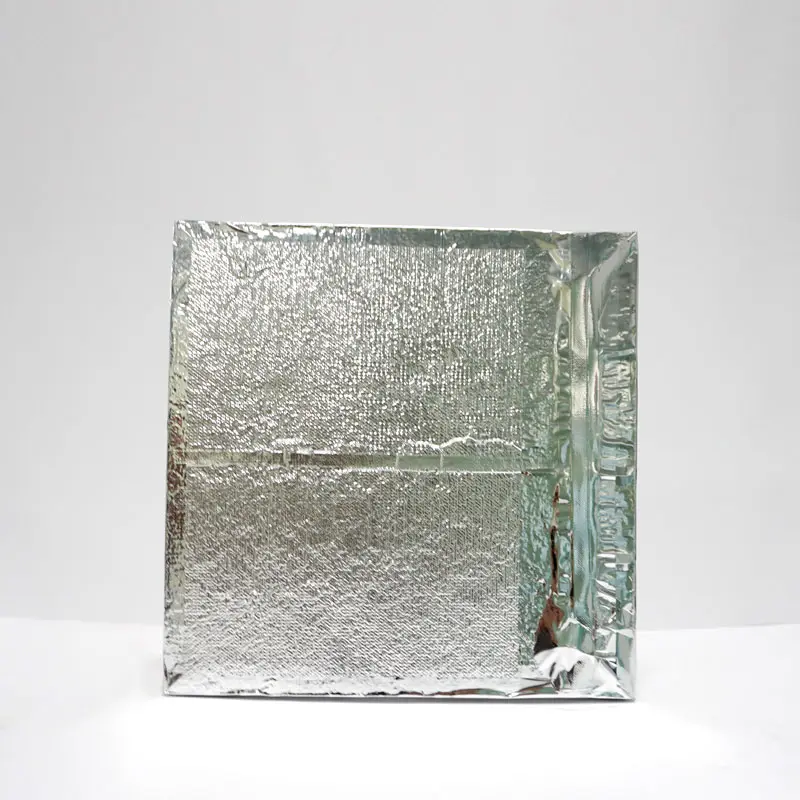
High-barrier fumed silica insulated panels ensuring precise ambient stability for cold boxes and vaccine logistics.
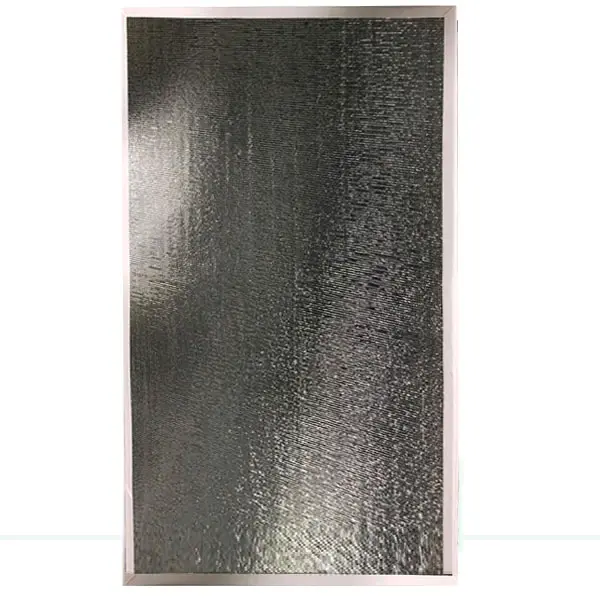
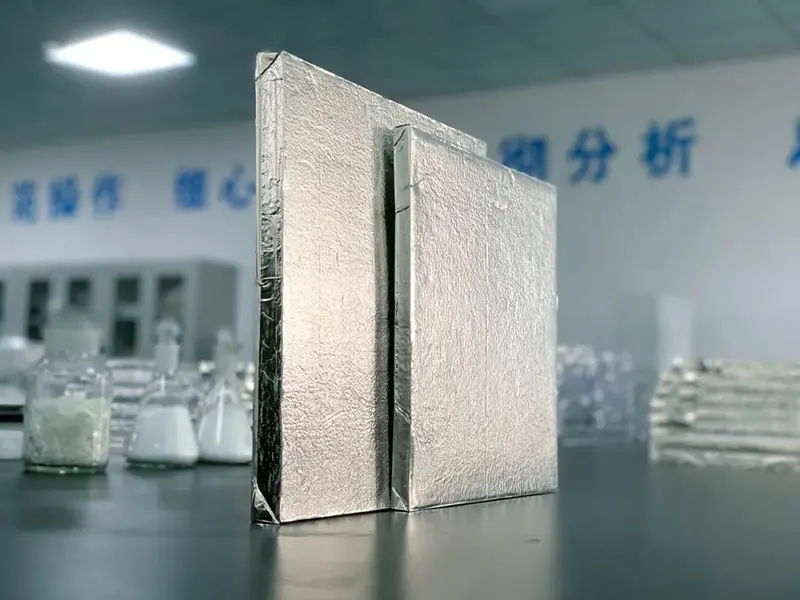
Large-format thermal core configurations optimized for container storage boxes and architectural curtain walling.
Corporate Authority
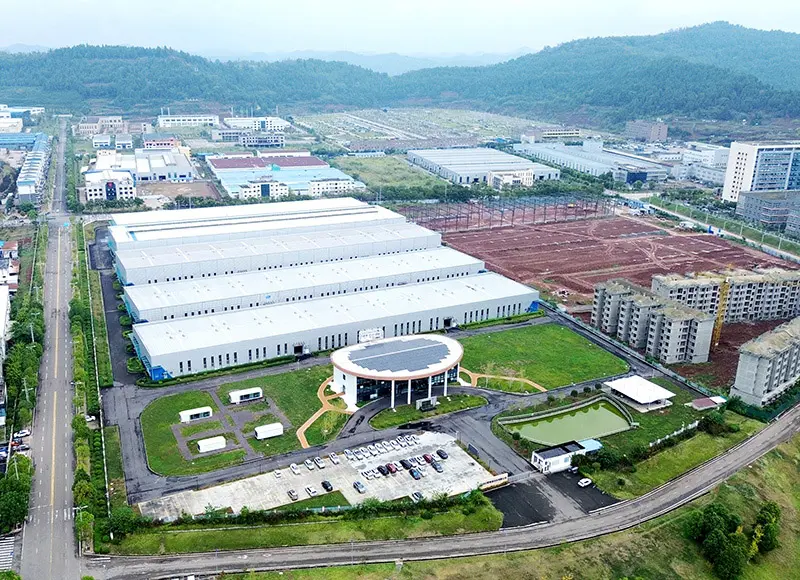
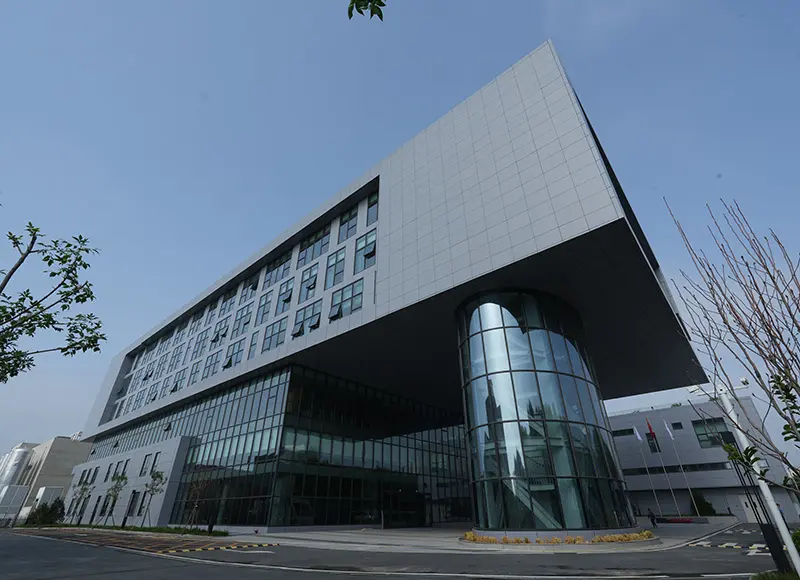
Zerothermo Technology Co., Ltd., a subsidiary of the distinguished CBVAC Group, is a national high-tech enterprise. Headquartered in the Beijing Economic-Technological Development Area, with our key production base located in Nanchong City, Sichuan Province. This state-of-the-art facility stands as one of China’s largest comprehensive production centers for vacuum technology application products.

Special customized dimensions exceeding ANSI/ASME/DIN standards built precisely to engineer blueprints.

Oval, square, or irregular cross-sections for precision vacuum chambers and sealing systems.

Engineered components with custom profiles up to large-diameter structural requirements.



Global Industrial Context
The global construction industry accounts for nearly 40% of global greenhouse gas emissions, primarily driven by operational heating and cooling. Standard insulation types (like polyurethane or EPS foams) deteriorate in performance as hydrofluorocarbon gas blowing agents diffuse out of their closed-cell structure. Vacuum insulation panels solve this aging issue by removing the gaseous conductive medium entirely ($q_g \approx 0$).
By implementing VIPs in architectural facades and prefabricated wall elements, builders achieve U-values under 0.15 W/(m²·K) with minimal thickness profiles. This enables architectural preservation projects to meet strict historical building conservation codes without losing precious structural volume or changing the facade thickness.
From Pfizer vaccine shipments requiring temperature stability below -70°C to fresh agricultural logistics chains, vaccine coolers insulated with fumed silica VIPs outperform traditional PU boxes by over 400% in thermal hold time. This minimizes dry ice dependence and carbon footprints. Integrating calculations from VIP design software allows payload planners to balance dry ice weight against VIP box wall thickness, maximizing freight payload ratios and driving down cost-per-shipment metrics.
Our Core Strengths

Stringent QC testing utilizing heat flow meter test systems ensures every panel conforms to specific target lambda values.

Rapid design-to-prototype workflow for specialized dimensions, envelope layers, and protective foils.

High-volume automated production lines maintain high quality even during large-scale global procurement cycles.

Robust, vacuum-safe packaging and global freight pipelines ensure panels arrive without atmospheric degradation.

Providing lifecycle technical assistance, recalculations, and application engineering service for years to come.
Standards and Regulatory Landscapes
Deploying advanced VIP technologies requires rigorous conformance with localized building codes and safety standardizations. Zerothermo engineers work with international testing bodies to verify performance under a range of test methodologies:
Because VIPs cannot be cut or drilled on-site (as puncturing the foil envelope immediately compromises the vacuum, raising thermal conductivity to that of ambient air), precise shop drawing planning is vital. Our engineering service offers full CAD layout configurations, ensuring modular panel arrays fit construction boundaries perfectly without field modification.
Versatile Engineering Applications




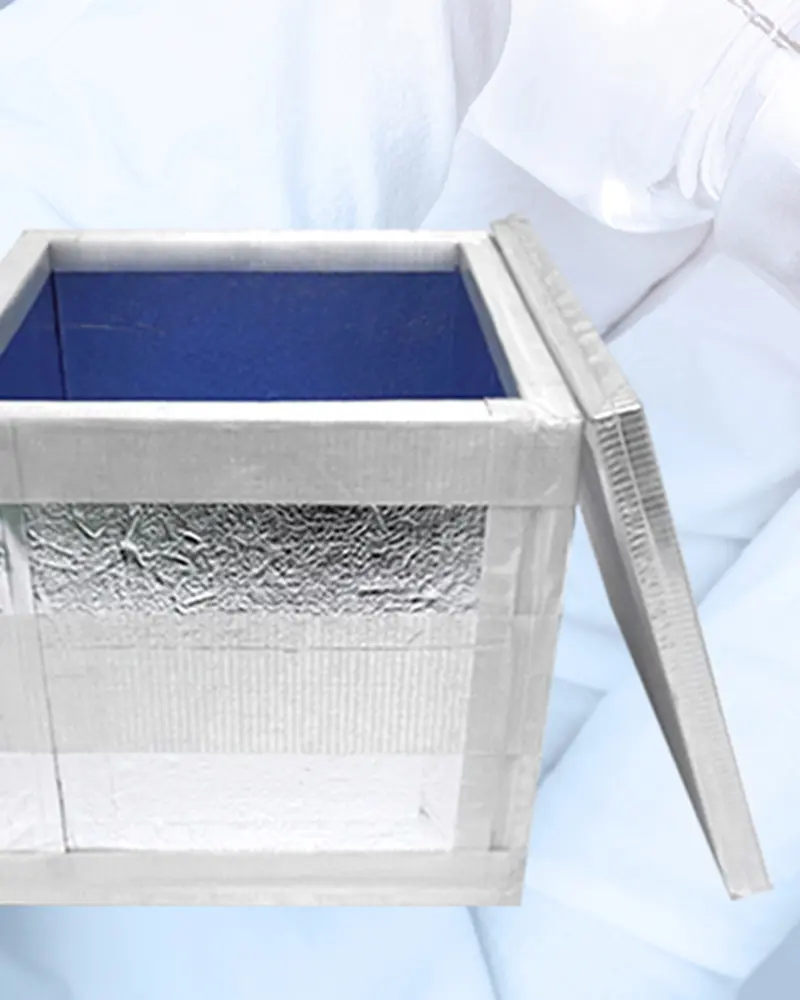
Providing temperature security for critical bio-materials through VIP shippings container designs.

High-efficiency envelope thermal profiles that reduce energy loss and maximize indoor floor areas.

Extreme heat shielding for elevators, industrial kilns, power stations, and battery arrays.

Innovative transport structures, modular mobile hotels, and eco-pods requiring energy independence.
Proof of Performance



Enterprise Dynamics
Detailing fire safety tests and mechanical properties under extreme heat environments.
Exhibiting VIP cost calculations and advanced fumed silica solutions to global buyers.
How new quality productivity supports China's "dual-carbon" goals and structural efficiency.
Industry Evolution
The VIP manufacturing paradigm is shifting towards smart sensing and carbon footprint reduction. Future technological developments center around three key points:
Knowledge Center
Partner With Us
Submit your structural, temperature, and dimensional parameters. Our engineering department will configure an optimized insulation plan and estimate costs using our proprietary calculation models.


Specialty Insulation Catalog
High-reliability barrier systems protecting battery modules from thermal runway propagation.
View Details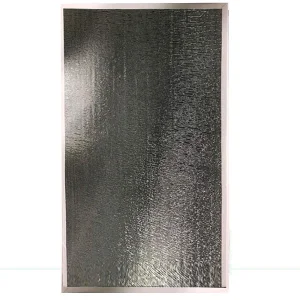
Large-format fumed silica cores custom engineered to maximize temperature-controlled freight space.
View Details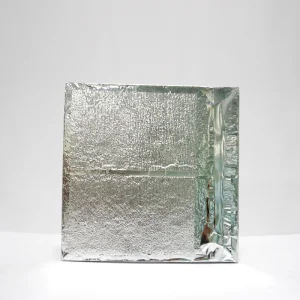
High-barrier silica panels supporting pharmaceutical supply chains and deep-freeze logistics.
View Details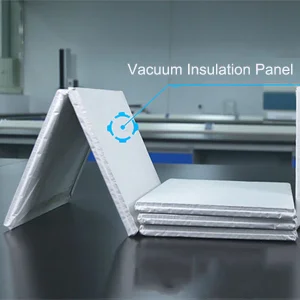
Cost-effective building envelope insulation barriers helping structures reach passive house performance.
View Details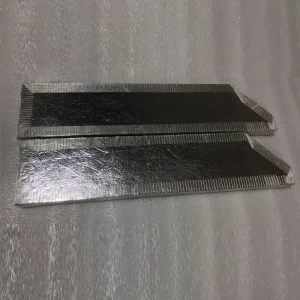
Precision-molded vacuum insulation panels laminated with heavy duty outer protective films.
View Details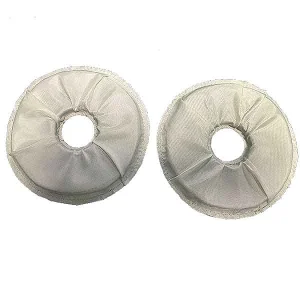
Flexible nano-insulation wraps custom shaped for round tanks and complex industrial piping.
View Details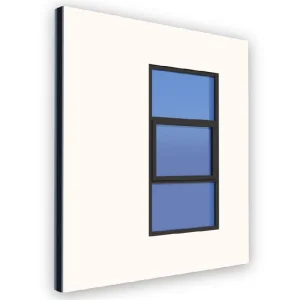
Direct-to-frame prefabricated structural wall units incorporating high-efficiency vacuum cores.
View Details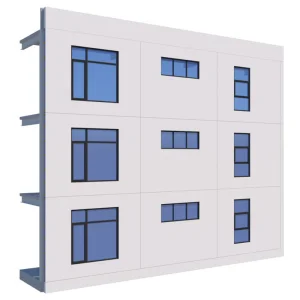
Dual-function external insulation wall components combining structural insulation and finish decoration.
View Details