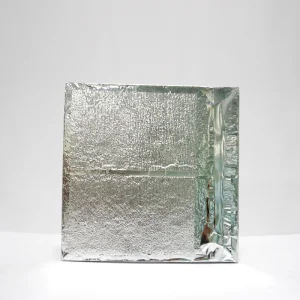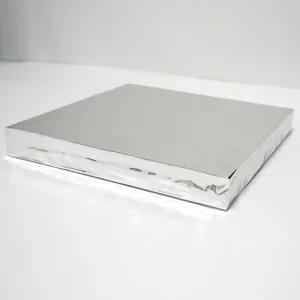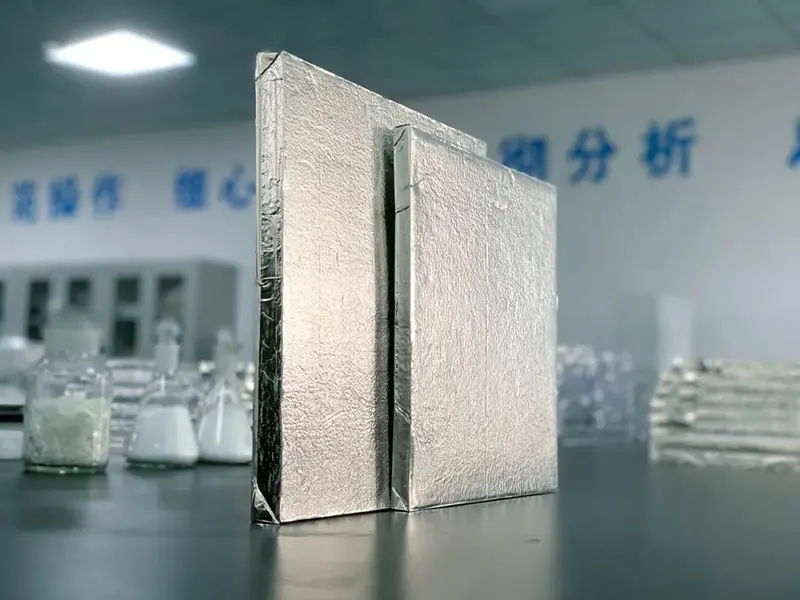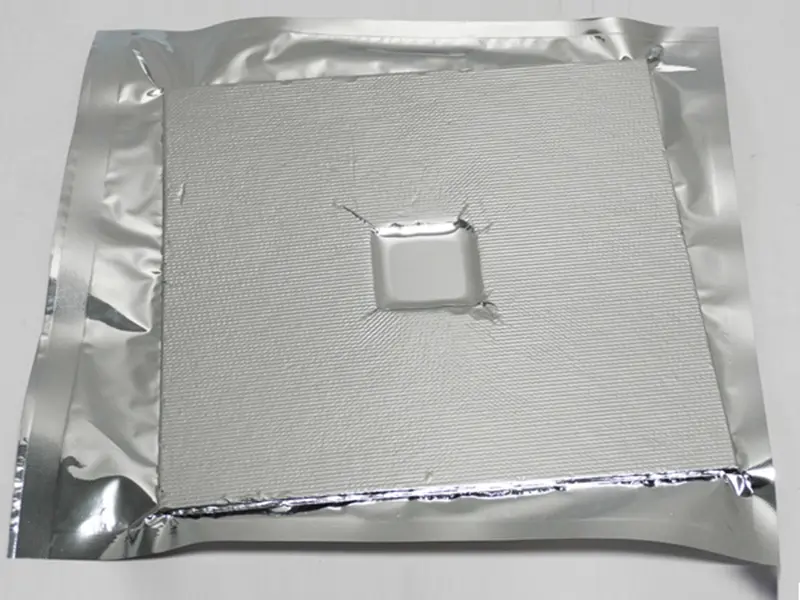
Explore our selection of industry-grade Vacuum Insulation Panels (VIPs), nanotech thermal mats, and microporous panels designed for low-conductivity insulation in cold chain logistics, new energy vehicles, and architecture.
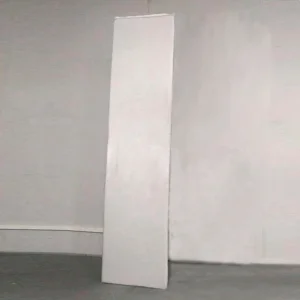
The global push for environmental sustainability and carbon neutrality has catalyzed a technological shift in thermal insulation. Conventional insulation materials like polyurethane (PU) foam, rock wool, and expanded polystyrene (EPS) are approaching their physical limits. Today, industrial architects, logistics specialists, and electronics designers are turning to Vacuum Insulation Panels (VIPs) to achieve superior thermal protection within minimized physical space profiles.
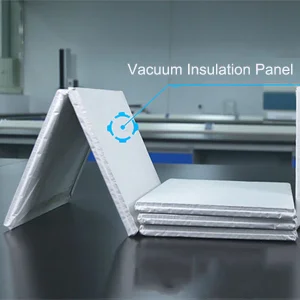
Vacuum Insulation Panels represent a leap in thermodynamic engineering. By removing gas molecules from inside a porous core material, VIPs virtually eliminate gaseous thermal conduction and convection. The residual thermal transport occurs exclusively through solid-state conduction across the core structure and radiation across the vacuum gap. While typical PU foams achieve thermal conductivities of 0.022 W/(m·K), high-quality fumed silica core VIPs from leading Chinese manufacturers drop this parameter below 0.004 W/(m·K). This represents a five-fold increase in insulation efficiency, allowing systems to save up to 80% of usable volume while maintaining equivalent or superior R-values.
The global industrial application of VIPs divides core materials into two primary categories: fumed silica and fiberglass. Fiber-core panels achieve very low initial thermal conductivities, but require extremely high vacuums (less than 0.1 mbar) and are prone to rapid degradation due to moisture and ambient gas permeation. Conversely, fumed silica core VIPs feature a nano-porous structure with average pore diameters of less than 100 nm. Because the pore size is smaller than the mean free path of air molecules at standard atmospheric pressure, fumed silica panels retain exceptional insulation capabilities even if internal pressures rise over decades. This makes fumed silica VIPs the primary choice for long-term construction projects and heavy-duty cold chain shipping containers.
Procuring VIPs globally requires a comprehensive understanding of total cost of ownership (TCO). Procurement managers often face a choice between domestic Western fabricators and high-capacity manufacturing centers in China. While initial quotes for domestic panels can be up to 40% higher due to localized labor costs and raw materials premiums, leading Chinese entities like Zerothermo offer comparable or superior E-E-A-T ratings. These manufacturers leverage automated powder packing, advanced envelope sealing, and high-vacuum maintenance equipment to offer competitive bulk pricing. However, quotes should never be compared on unit cost alone; engineers must evaluate internal vacuum retention, gas transmission rates (GTR), and edge effects (thermal bridging) to calculate actual long-term efficiency returns.
ABOUT US
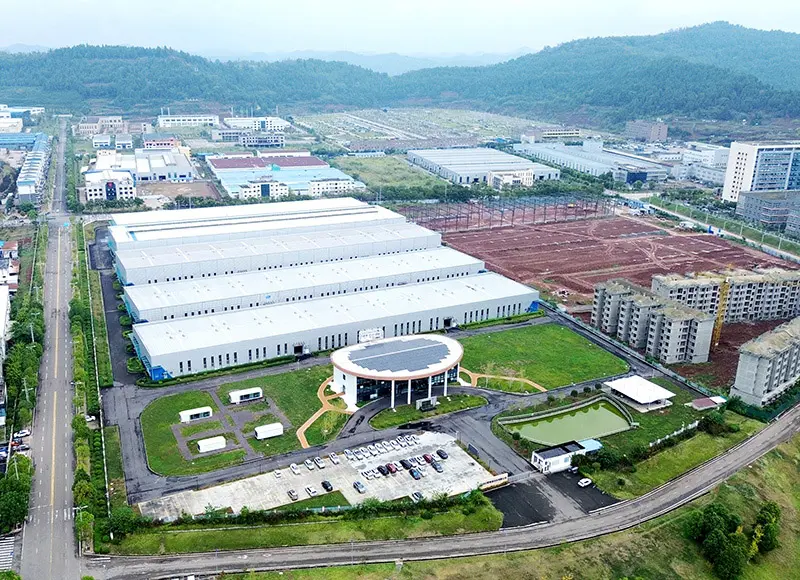
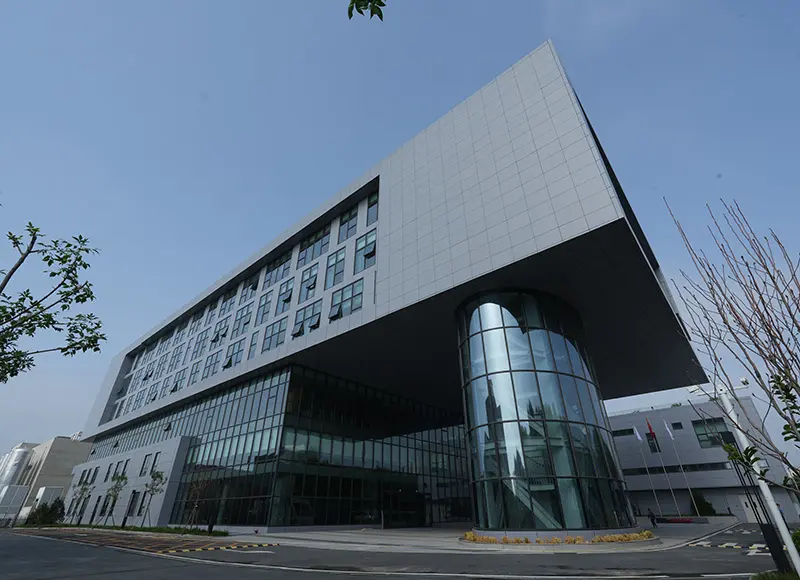
Zerothermo Technology Co., Ltd., a subsidiary of CBVAC Group and a national high-tech enterprise, is headquartered in the Beijing Economic-Technological Development Area with its production base located in Nanchong City, Sichuan Province. This facility stands as one of China’s largest comprehensive production centers for vacuum technology application products.
Leveraging decades of vacuum engineering experience inherited from CBVAC Group, Zerothermo has developed advanced production processes for thermal insulation. Our modern facility employs automated vacuum powder compression, multi-layer envelope encapsulation, and inline quality assurance to supply high-reliability products globally.

Special sizes beyond standard specifications produced to customer blueprints.

Square, oval, and complex configurations for specialty vacuum interfaces.

Precision-milled aerospace grade flange components for vacuum systems.




Customized Services
We provide comprehensive customization, accommodating non-standard dimensions, high-temperature formulations, flexible configurations, and distinct core selections to meet specific thermal and geometric demands.
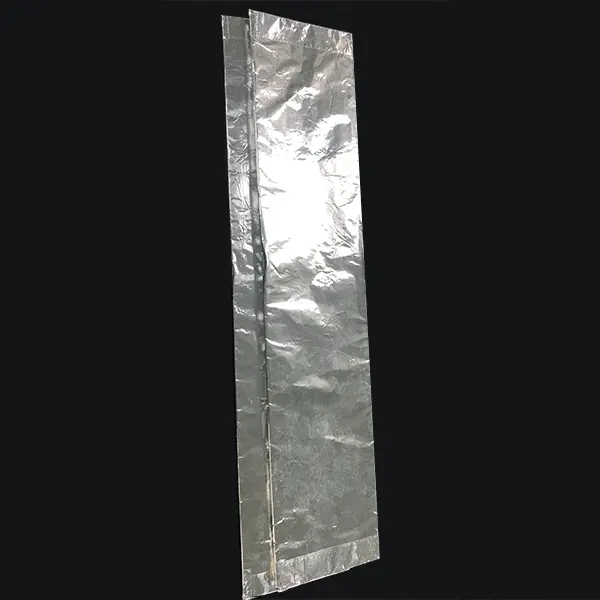
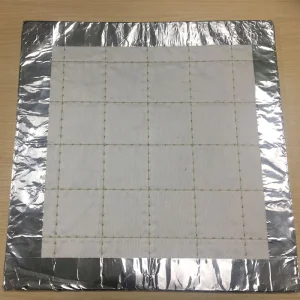
Product Details: Size: Customized, Thickness: 5-20mm. Specifically formulated for high thermal threshold barriers in EV lithium pack enclosures.
View More +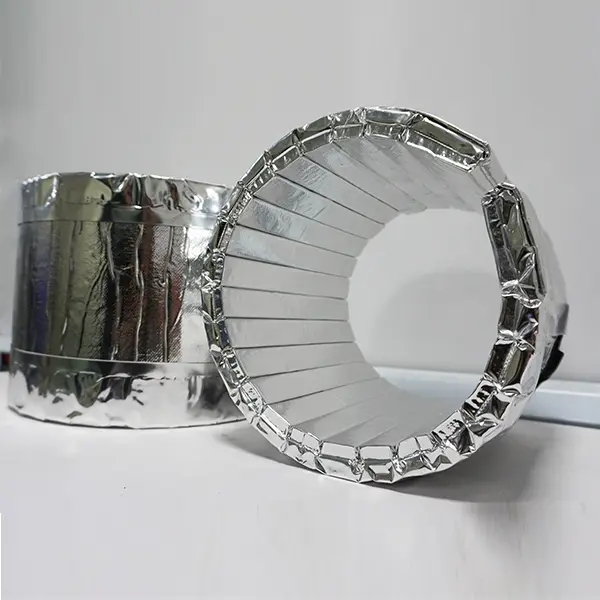
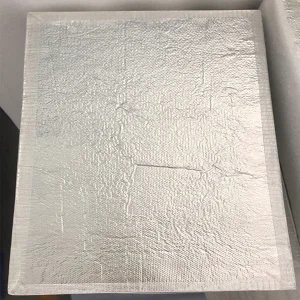
Product Details: Size: Customized, Thickness: 5-30mm. High-efficiency thermal blankets tailored for high-temperature boilers and pressurized tanks.
View More +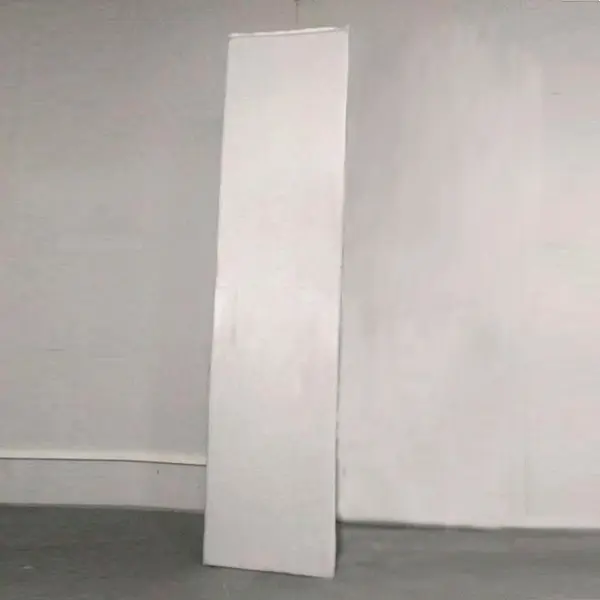
Tailored insulation for elevator fireproof door cores. Achieves high structural safety and fire prevention standards.
View More +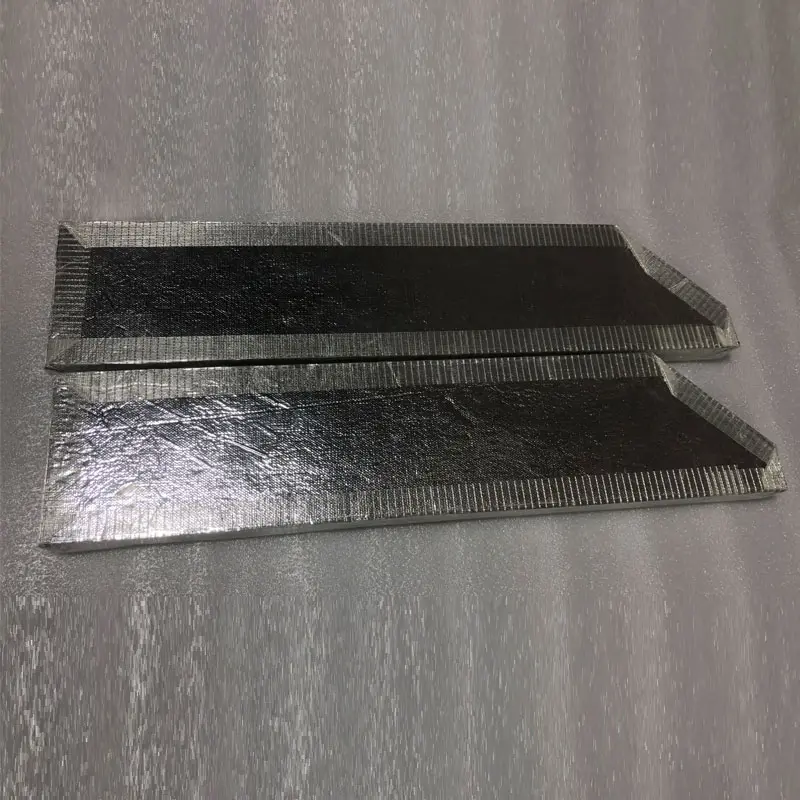
Specialty shapes including circular, curved, and CNC-machined geometry panels designed for specific equipment enclosures.
View More +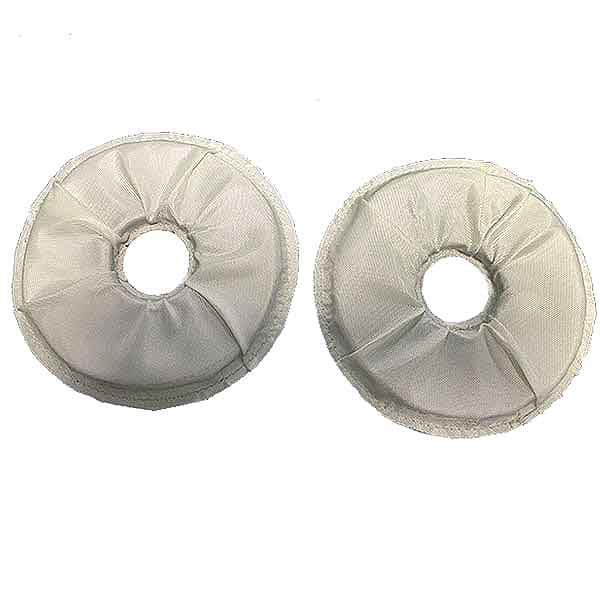
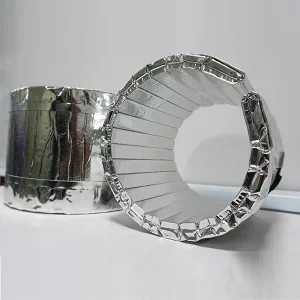
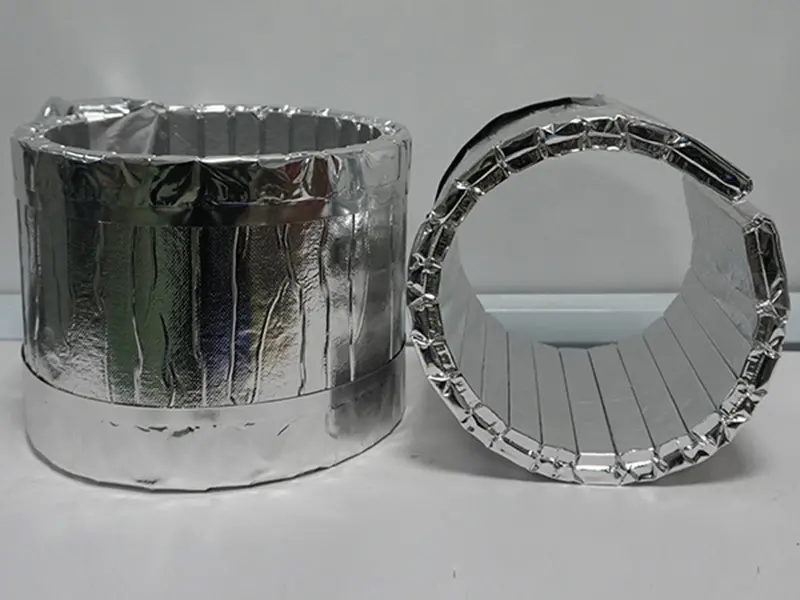
Flexible nanotech mats designed to wrap pipes, cylindrical chambers, and complex architectural details.
View More +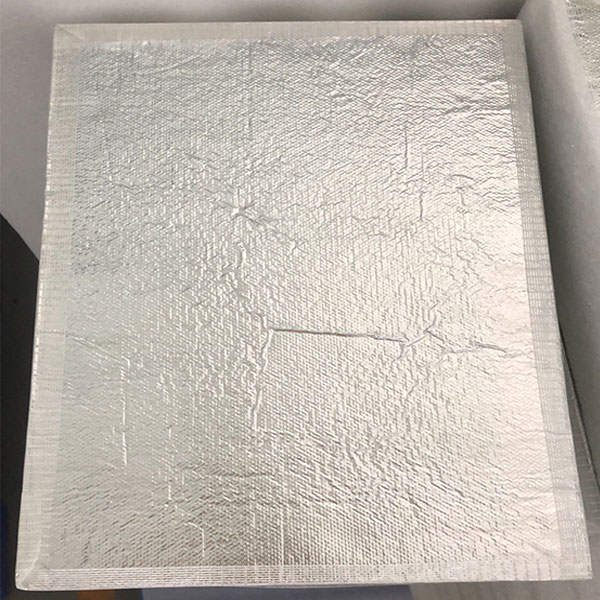
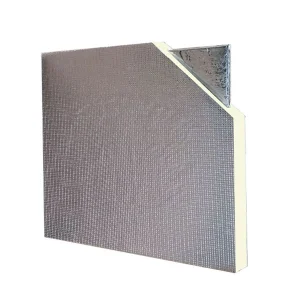
Core VIPs sealed with high-performance PET film barrier laminates for long lifespan construction and architectural envelopes.
View More +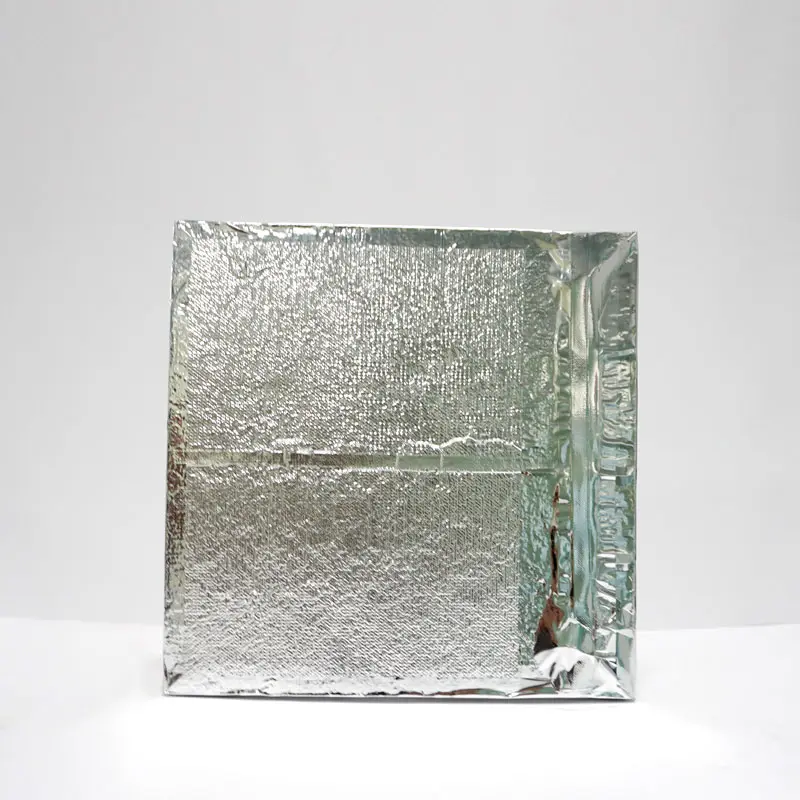
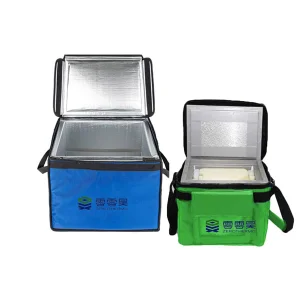
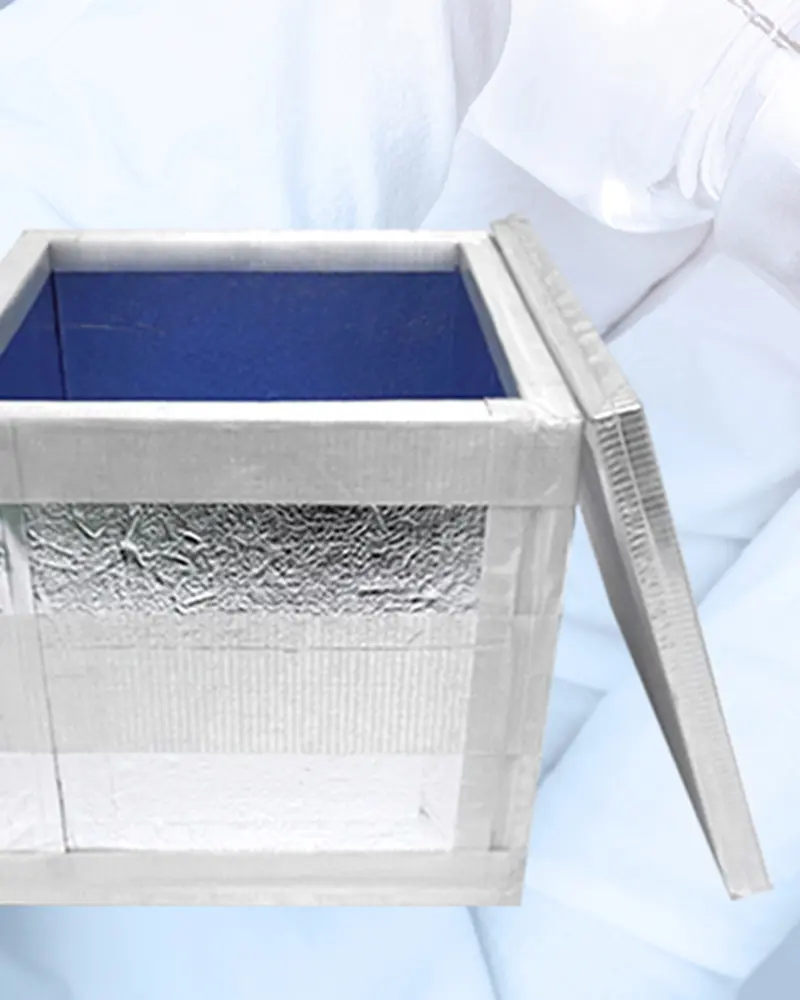
Vacuum insulation panels tailored for transport packaging, optimized for long vaccine transit holding times.
View More +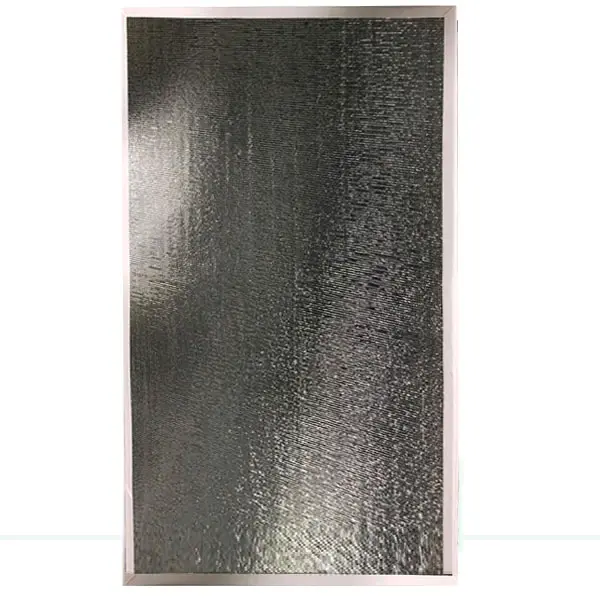
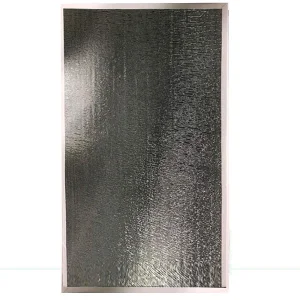
Large-format fumed silica VIPs designed specifically for intermodal transport containers and deep-freeze compartments.
View More +China's industrial leadership in the VIP market is not merely a consequence of raw resource advantages; it is the direct result of systematic automation, regional supply integration, and intense engineering specialization. In Nanchong City, Sichuan, Zerothermo operates a modern vacuum engineering facility. This plant is structured to reduce material waste, accelerate thermal press cycles, and maintain quality across multi-thousand unit manufacturing runs.
The reliability of a VIP rests on the density and uniformity of its core. Leading Chinese factories utilize automated core dry-sintering and hydraulic press networks. Fumed silica powder, mixed with opacifiers like titanium dioxide or silicon carbide to block infrared radiation, is compressed into precise blocks under computer-guided pressure profiles. This ensures that core density remains within the target range of 190–210 kg/m³. Too dense, and solid-state heat conduction rises; too sparse, and the panel collapses under atmospheric pressure. Automation removes human variability from this process, yielding uniform core panels that form the backbone of reliable VIP supply chains.
The vacuum interior of a panel is maintained by its protective envelope. Zerothermo utilizes specialized, high-barrier laminates containing layers of metalized polyester (PET) or ethylene vinyl alcohol (EVOH). These films are cross-laminated to prevent pinhole defects and reduce gas permeability to near-zero levels. Advanced sealing machinery operates within vacuum chambers to weld these envelopes closed at pressures below 1 mbar. By integrating these processes within one continuous workflow, Chinese production facilities achieve high yield rates and minimize the risk of micro-leaks, ensuring the panels maintain their integrity over long lifespans.
Our Technology
Discover the engineering pillars that define Zerothermo’s leading position in global vacuum thermal solutions.

Our products conform to ISO 9001 and undergo testing for gas permeability, core density, and R-value retention.

We customize shapes, size profiles, and envelope films to integrate with your existing enclosures.

Our production facilities support high-volume runs for large-scale building envelopes and industrial applications.

We work with global shipping lines to ensure safe delivery of vacuum panels, protecting them from physical damage.

We provide long-term engineering support, thermal performance tracking, and direct consultation for your projects.
Solution
Deploying high-performance insulation technologies across critical global sectors to optimize energy consumption and reduce emissions.

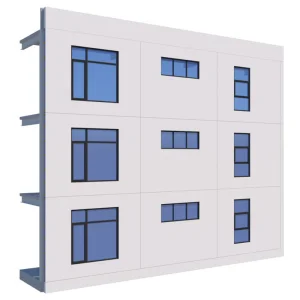
Providing high-efficiency thermal insulation solutions for building envelope systems through innovative products such as vacuum insulation panels and vacuum insulated glass, empowering the construction sector to reduce carbon emissions and achieve carbon neutrality.

Providing high-efficiency thermal insulation solutions for building envelope systems through innovative products such as vacuum insulation panels and vacuum insulated glass, empowering the construction sector to reduce carbon emissions and achieve carbon neutrality.

Providing high-efficiency thermal insulation solutions for building envelope systems through innovative products such as vacuum insulation panels and vacuum insulated glass, empowering the construction sector to reduce carbon emissions and achieve carbon neutrality.

Providing high-efficiency thermal insulation solutions for building envelope systems through innovative products such as vacuum insulation panels and vacuum insulated glass, empowering the construction sector to reduce carbon emissions and achieve carbon neutrality.
Case
Explore real-world engineering projects utilizing Zerothermo vacuum insulation technology to meet strict thermal requirements.


Deploying Vacuum Insulation Panels into engineering projects requires strict adherence to handling protocols. Because VIPs are sealed vacuum systems, they cannot be cut, drilled, or altered on-site. Any puncture of the outer envelope destroys the vacuum, causing the thermal conductivity to rise from ~0.004 W/(m·K) to approximately 0.020 W/(m·K). Therefore, architectural applications require detailed CAD planning to lay out panels in interlocking configurations, filling any remaining gaps with standard PU or mineral wool fillers.
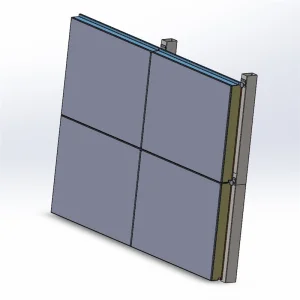
One of the key engineering considerations when using VIPs is the thermal bridge that forms at the panel junctions. The laminate envelopes, which contain thin metalized layers to block gas diffusion, can transfer heat along the edges of the panels. To minimize this, engineers use staggered double-layer panel placements or edge wraps made from expanded polystyrene or nanotech mats. In high-performance architectural systems, custom-sized fumed silica panels are often integrated with structural layers to form prefabricated insulating wall systems, reducing on-site handling risks.
Global procurement teams looking to source VIPs from China should evaluate manufacturers using key quality indicators rather than price alone. Requests for quotes (RFQs) should specify: 1. Core material composition (fumed silica purity, fiber content). 2. Envelope laminate type and barrier film layers. 3. R&D patents, ISO certifications, and testing records. 4. Internal pressure validation methods used on the production line. Working with established suppliers like Zerothermo ensures access to testing data, technical drawings, and custom tooling needed for successful integration.
News and Information
Committed to supporting China’s “dual-carbon” goals, Zerothermo Technology drives high-quality development of new quality productivity while promoting sustainable industrial advancement
Technical Support
Get answers to common technical queries regarding Vacuum Insulation Panels, customization, and thermal properties.
GET IN TOUCH
Submit your design specifications, dimensions, and project requirements to receive a detailed quote from our technical team.
One-stop vacuum insulation solutions provider. Headquartered in Beijing with advanced production bases in Nanchong City, Sichuan Province.






Explore our additional vacuum insulation components, thermal barriers, and custom blankets designed for modular wall panels, water heaters, new energy vehicle battery units, and cold chain shipping containers.