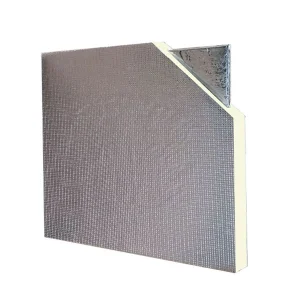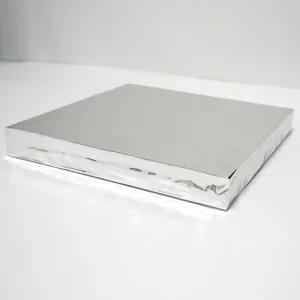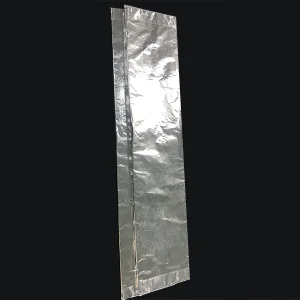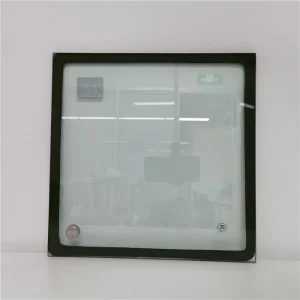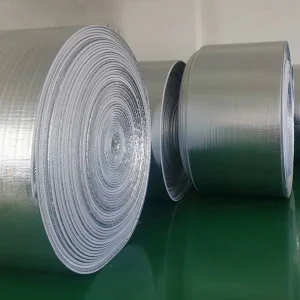
Explore our premium product series featuring maximum R-value properties for various building, cold chain, and high-temperature environments.
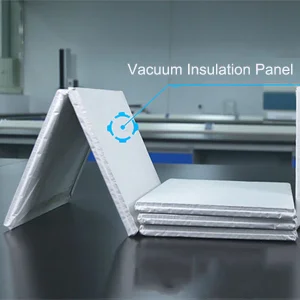
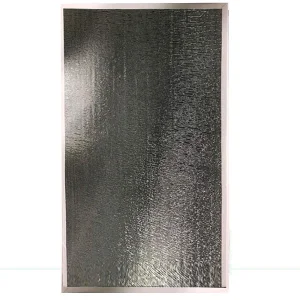
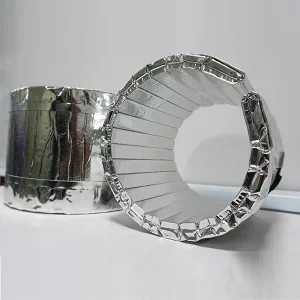
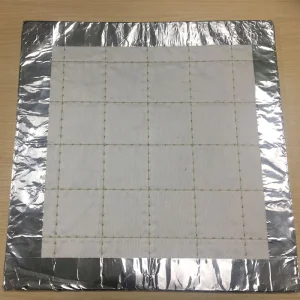
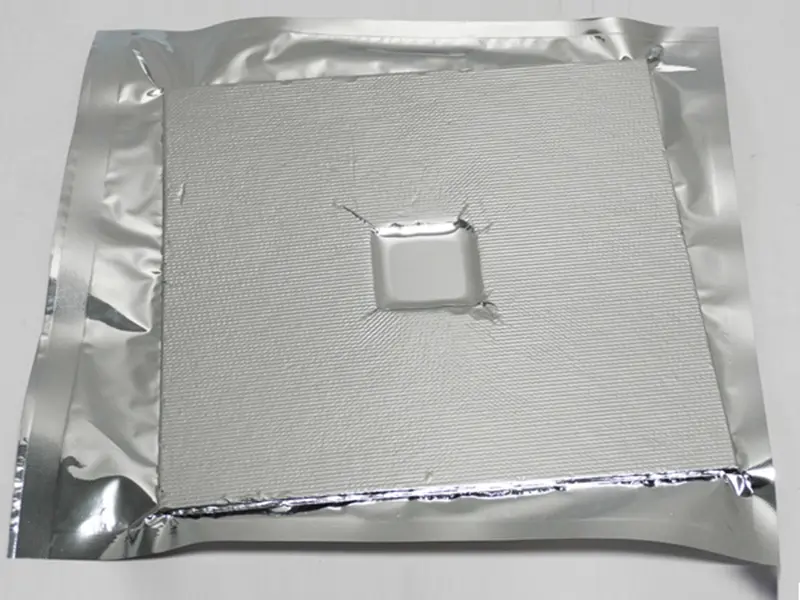
In high-efficiency thermal insulation, Vacuum Insulation Panels (VIPs) represent the pinnacle of modern thermodynamic design. Standard insulation materials, such as extruded polystyrene (XPS), polyurethane (PU) foam, and mineral wool, rely on gas pockets trapped within a polymer or fiber structure to slow thermal transmission. However, these gaseous matrices still permit substantial thermal conduction and convection. VIPs solve this limitation by evacuating gas from the inner core matrix, dramatically reducing gas conduction. Consequently, VIPs achieve R-values per unit thickness that are 5 to 10 times higher than conventional insulation.
The R-value of a Vacuum Insulation Panel is dictated by three primary components: the core material, the barrier film envelope, and the internal vacuum pressure. Currently, two primary technical core structures dominate the commercial landscape: fumed silica and glass fiber.
| Insulation Type | Typical Thermal Conductivity (W/m·K) | R-Value per Inch (Approximate) | Expected Lifecycle (Years) | Fire Classification |
|---|---|---|---|---|
| Fumed Silica VIP (Zerothermo Tech) | 0.004 - 0.005 | R-35 to R-50 | 30 - 50+ | Class A1 (Non-combustible) |
| Glass Fiber VIP | 0.002 - 0.003 (Initial) | R-50 to R-65 (Initial) | 10 - 20 | Class A2 |
| Polyurethane (PU) Foam | 0.022 - 0.026 | R-6.0 to R-7.0 | 15 - 25 | Class B2/B3 |
| Extruded Polystyrene (XPS) | 0.030 - 0.035 | R-5.0 | 20 - 50 | Class B1/B2 |
A crucial consideration for engineers and architects looking for China VIP suppliers is the "design thermal conductivity" over a project's operational lifespan. Over time, air and moisture gradually permeate through the envelope foil, leading to a rise in internal pressure. Fumed silica’s nanoscale structure minimizes this effect. Even at an internal pressure of 100 mbar, the thermal conductivity of a fumed silica core remains below 0.008 W/m·K, ensuring robust energy savings over decades of service.
Strict energy efficiency standards and carbon reduction policies have boosted the global market for Vacuum Insulation Panels. In Europe, the Energy Performance of Buildings Directive (EPBD) mandates Near-Zero Energy Buildings (NZEB), requiring ultra-low heat transfer coefficients. In North America, ashrae standards call for continuous insulation barriers, making traditional thick insulation less practical due to space limits. In Asian markets like China, the "Dual Carbon" initiative is driving zero-emission cold chains and energy-efficient commercial buildings. These policies have made VIPs the top solution for projects where space efficiency and thermal performance are critical.
VIPs are utilized across diverse industries, each requiring specific configurations to optimize thermal performance, structural integrity, and durability:
The VIP industry is moving toward hybrid designs that combine fumed silica cores with high-durability polymer coatings, self-healing envelopes, and embedded IoT sensors for real-time vacuum monitoring. These advancements help reduce edge thermal bridging and protect panels from installation damage, resolving common challenges in structural construction and transit.
We provide comprehensive OEM and ODM services to meet diverse industrial requirements. Our state-of-the-art facility designs and produces custom sizes, shapes, and materials to match your precise thermal specs.
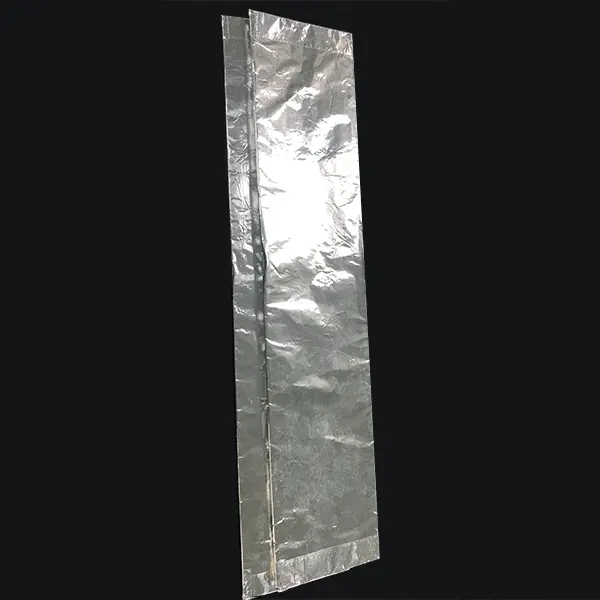
Size: Customized | Thickness: 5-20mm. High-performance thermal barrier layer designed for EV battery safety and cell protection.
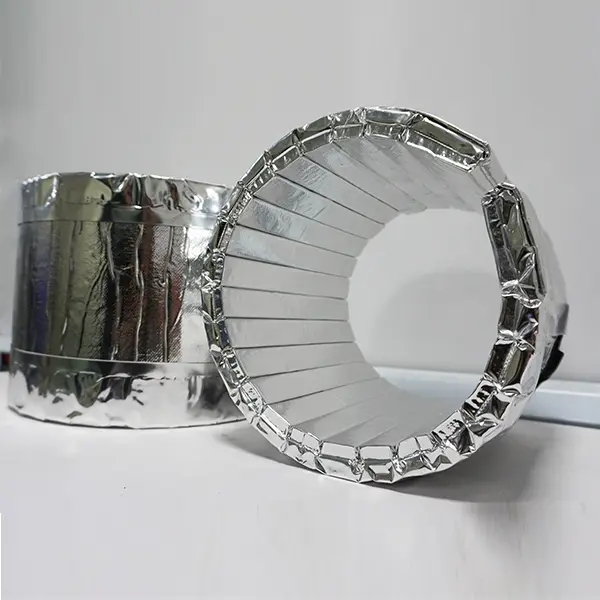
Size: Customized | Thickness: 5-50mm. Designed for optimal heat retention in home and industrial water heating systems.
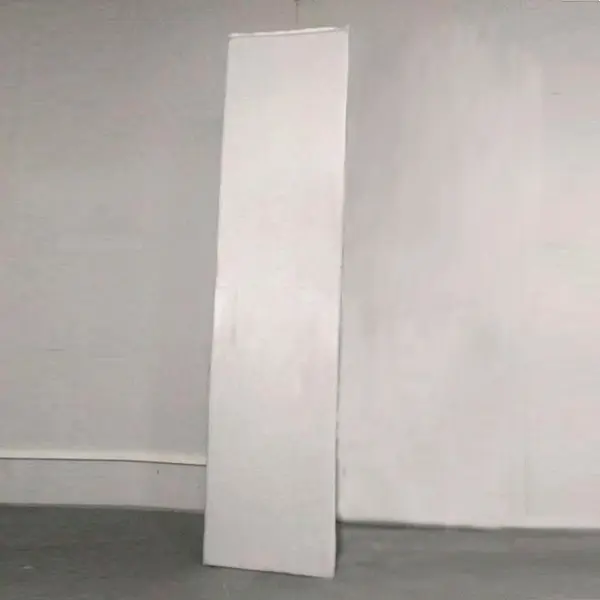
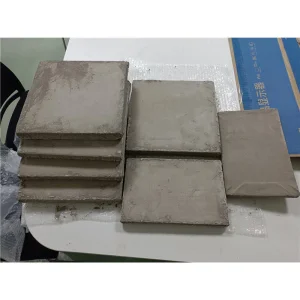
Our elevator fireproof door high-temperature nano microporous panel provides exceptional flame retardation and thermal blocking.
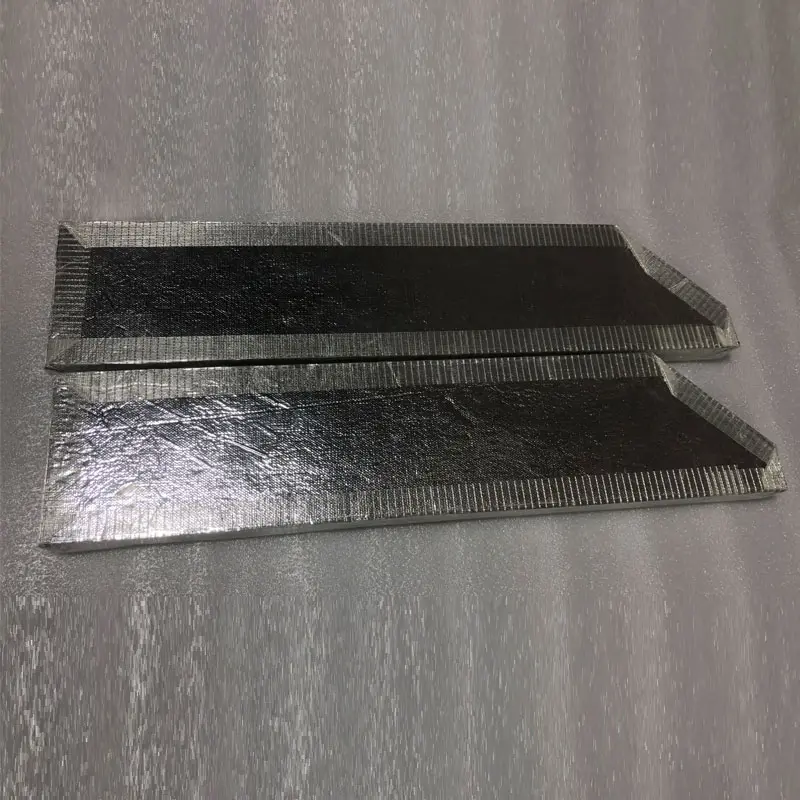
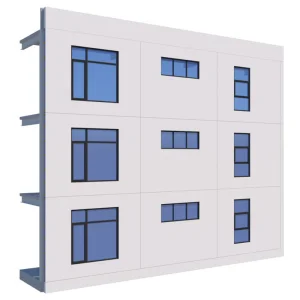
Precision-engineered curved, L-shaped, and customized geometry VIPs for complex architectural and industrial layouts.
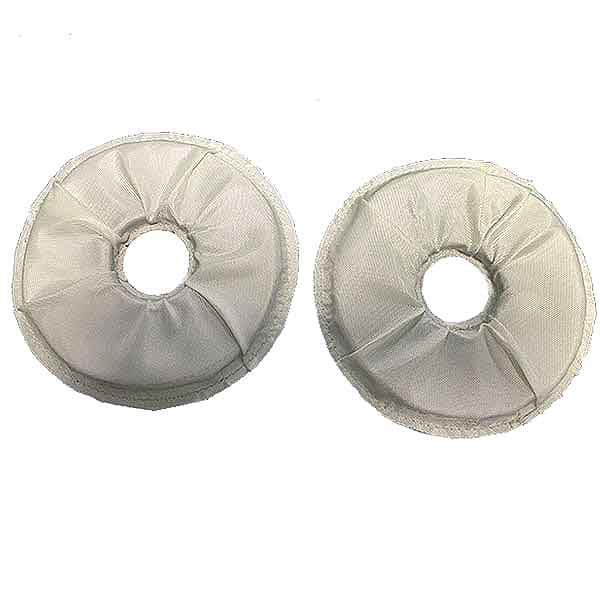
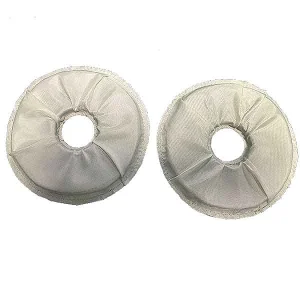
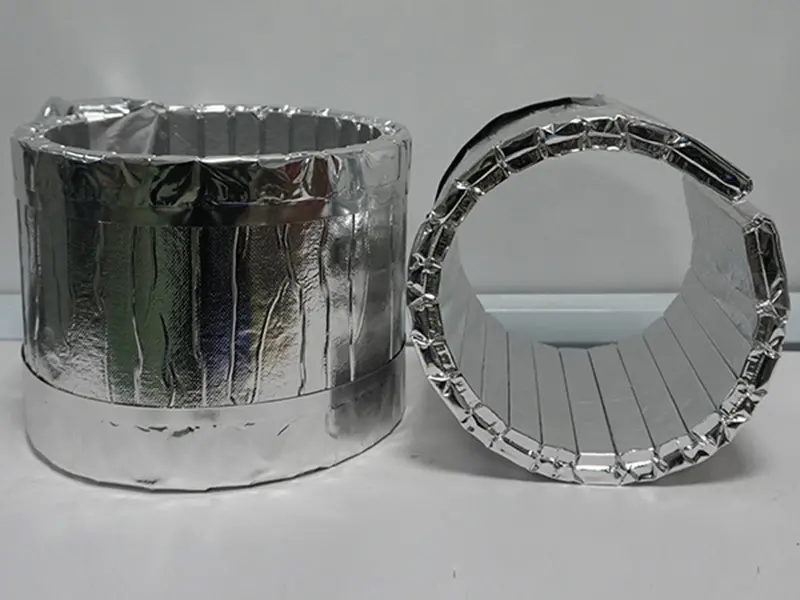
Round shape, high flexibility thermal blankets optimized for industrial pipes, engine bay enclosures, and cylindrical tanks.
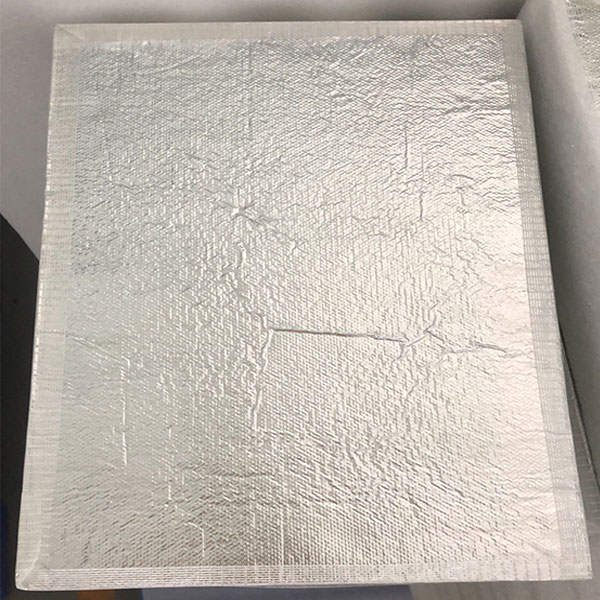
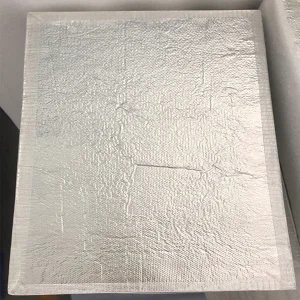
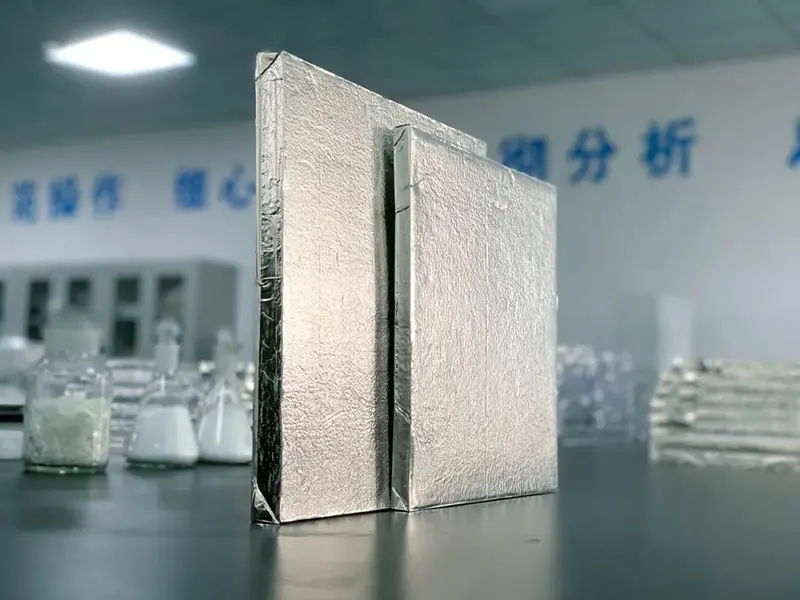
Encapsulated with protective PET film layers, offering superior moisture protection and physical durability.
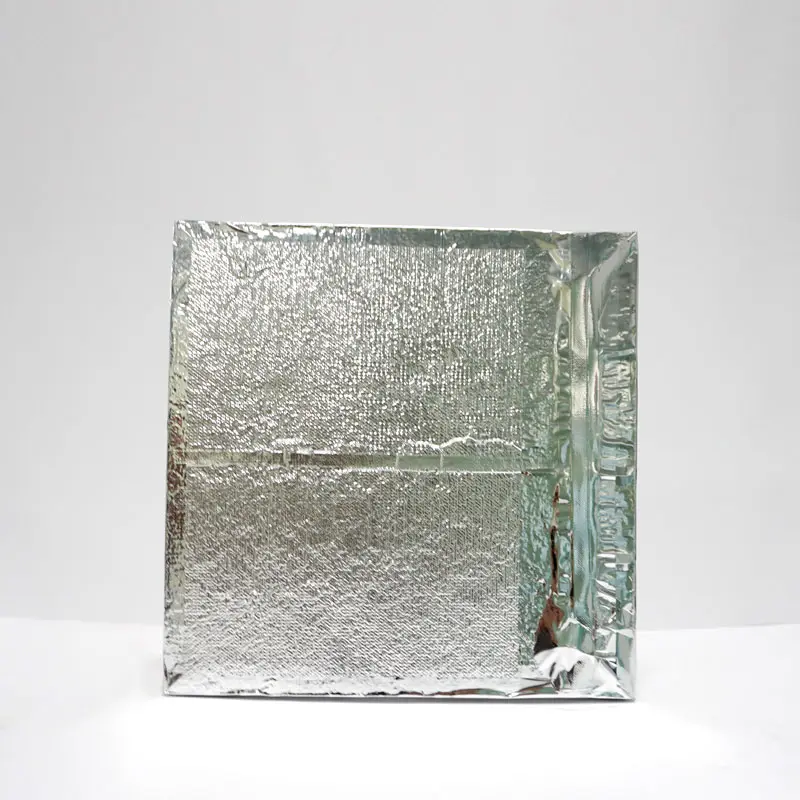
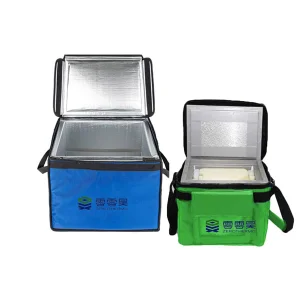
Designed for vaccine carrier boxes, blood bank logistics, and temperature-sensitive food distribution.
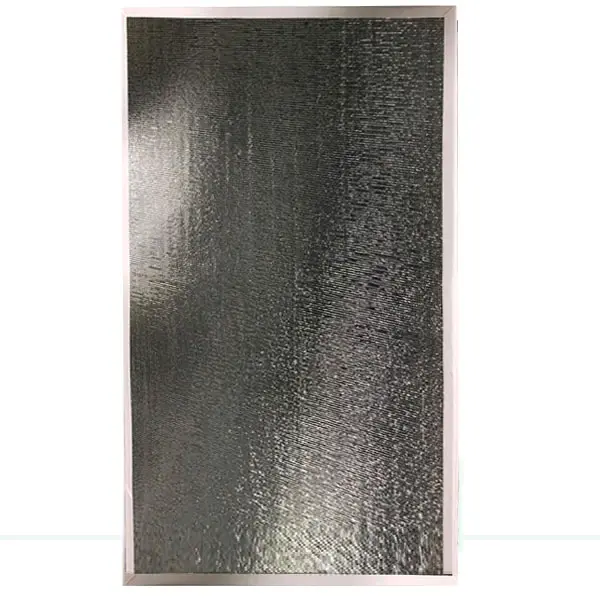
Optimized panel layouts for large shipping containers, offering high stability and long thermal holding periods.
Zerothermo Technology Co., Ltd., a subsidiary of CBVAC Group and a national high-tech enterprise, is headquartered in the Beijing Economic-Technological Development Area, with its primary production base in Nanchong City, Sichuan Province. This facility stands as one of China’s largest and most comprehensive manufacturing centers for advanced vacuum technology applications.
Leveraging decades of research and development in thermodynamics, gas dynamics, and material science, Zerothermo produces ultra-low thermal conductivity materials. We supply architectural envelope components, cold chain storage systems, EV battery fire barriers, and industrial insulation to markets worldwide.

Special sizes beyond standard ANSI/ASME/DIN limits, manufactured to custom customer technical parameters.

Square, oval, or customized micro-precision flanges to seal advanced vacuum envelopes.

Advanced processing capacities for oversized elements (exceeding 60 inches) and micro-vacuum parts.
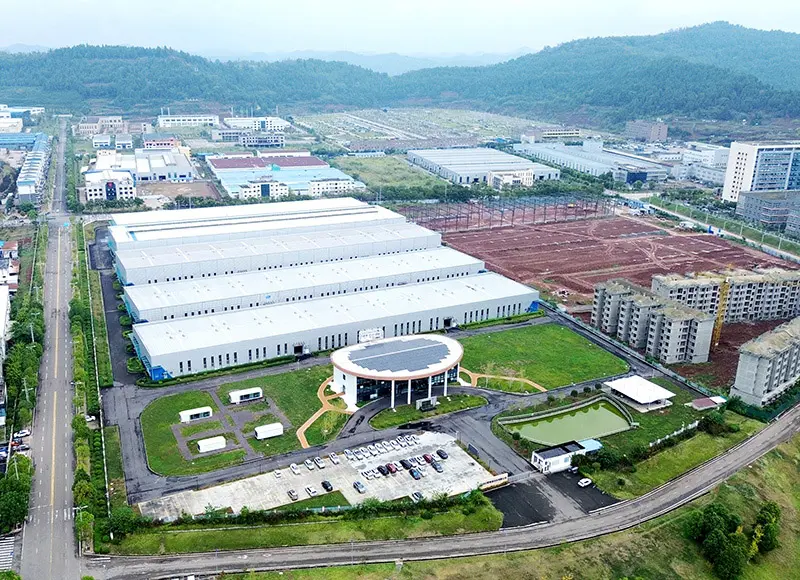

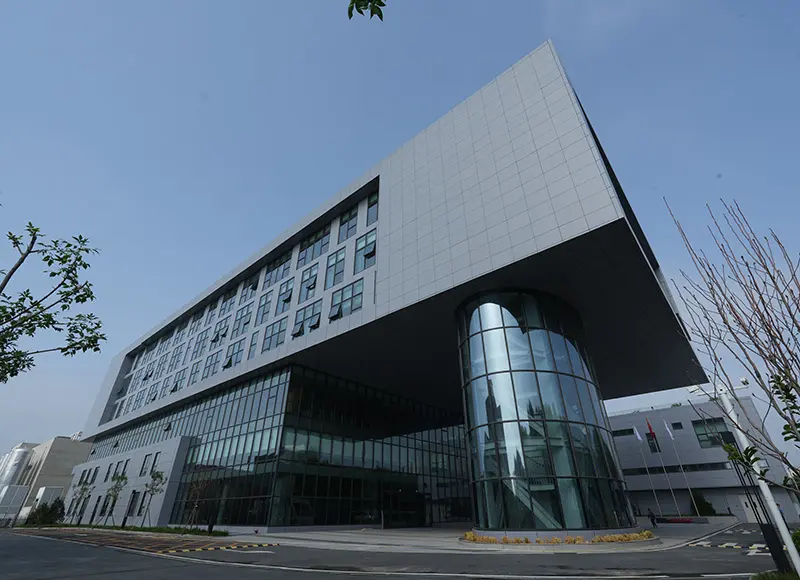
Why industrial partners choose Zerothermo Technology as their long-term vacuum insulation provider.
Every batch undergoes testing in our helium leak detection and thermal evaluation systems, matching global certifications.
We design customized shapes, sizes, and protective foils to meet specific envelope designs and space restrictions.
Our automated production lines deliver large-scale batches without compromising product performance.
We offer reliable, damage-proof packaging and global logistics routes to deliver products safely and on schedule.
As a CBVAC Group company, we provide end-to-end support—from initial research to site assembly—ensuring reliable product supply and long-term project support.


| Sector | Technical Challenge | How Vacuum Insulation Solves It |
|---|---|---|
| Pharmaceutical Cold Chain | Maintaining strict temperature limits during transit without power sources. | Ultra-thin VIP panels extend static thermal holding capacity by up to 5 times. |
| Architecture (NZEB) | Thick insulation layers reduce sellable interior space. | Using thin VIP boards minimizes wall thickness while meeting strict thermal codes. |
| High-Temperature | Heat loss in industrial water heaters, ovens, and furnaces. | Microporous insulation panels and thermal blankets minimize energy consumption. |
| Culture & Tourism | Protecting specialized modular micro-cabins in extreme environmental conditions. | Custom structural panels offer weather shielding and thermal insulation. |

Thermal insulation retrofitting for cleanrooms and electronic testing laboratories, using custom VIP wall panels.

Implementation of custom fumed silica vacuum panels to control temperatures and optimize HVAC energy use.
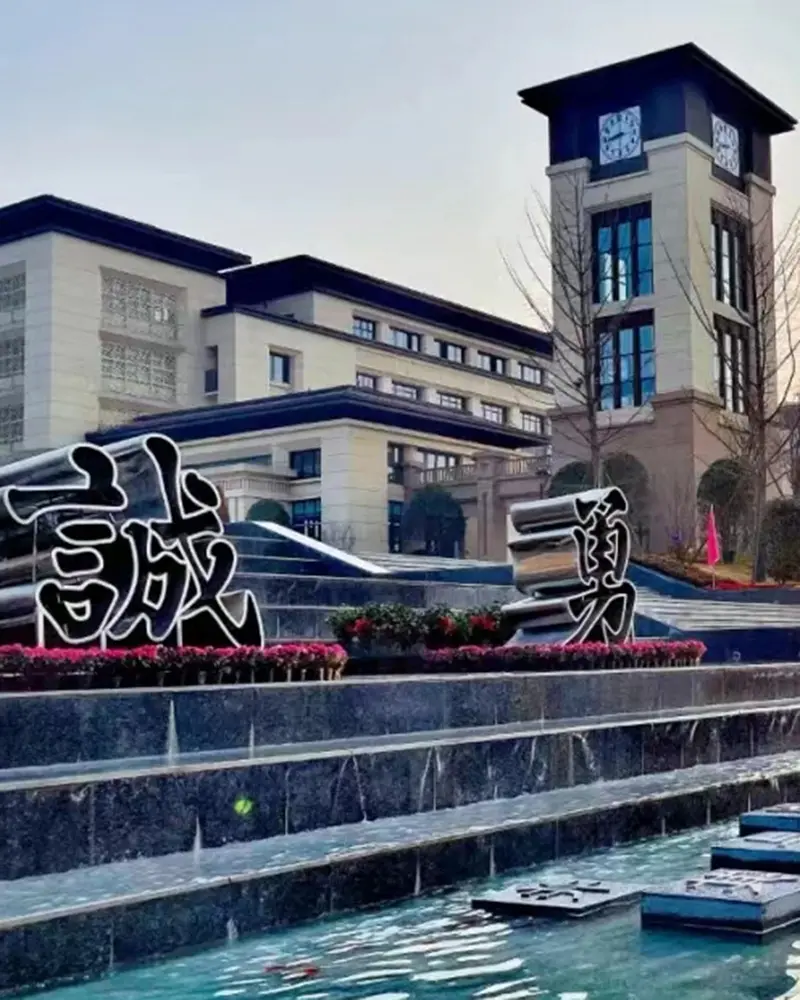
Green building envelope construction featuring vacuum insulated panels to meet low-carbon building certification.
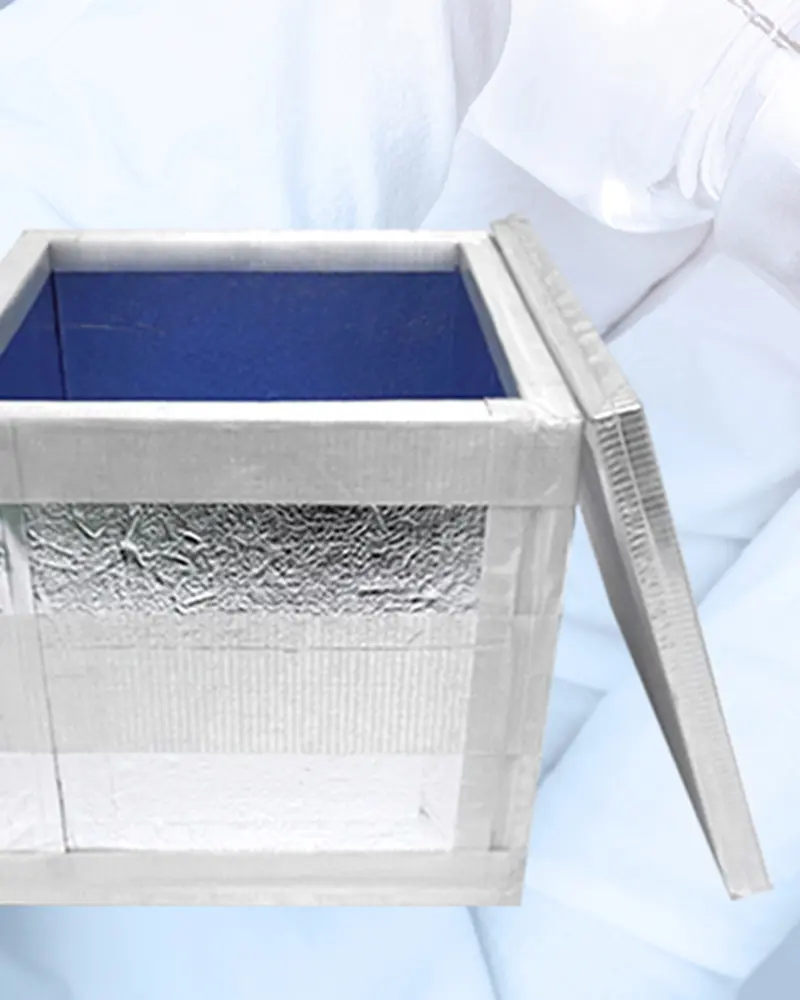
Mass-market deployment of vaccine cold boxes featuring fumed silica VIP insulation for secure medical logistics.
April 19, 2023
A technical review on improving elevator fire doors using high-performance microporous insulation to enhance building safety.
April 17, 2023
Zerothermo showcases its latest architectural VIP panels and cold chain solutions at the Canton Fair.
April 13, 2023
An in-depth article analyzing how nano-scale insulation is replacing old ceramic fiber boards in specialized applications.
Expert answers to common technical and structural questions about Vacuum Insulated Panels and R-value specifications.
Get in touch with our engineering team to discuss your project requirements, request custom sizes, or get a quotation.
We provide comprehensive, single-source vacuum insulation solutions. Contact us today to discuss your thermal design requirements.






Explore our advanced product range, featuring specialized vacuum insulated glazing, microporous blankets, and thermal cladding boards.