Explore our core selection of top-performing vacuum thermal insulation systems and advanced glazed configurations engineered to significantly minimize heat transfer.
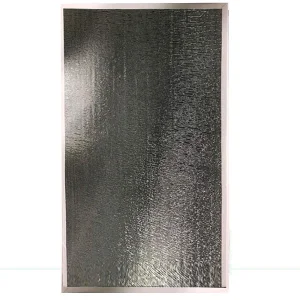
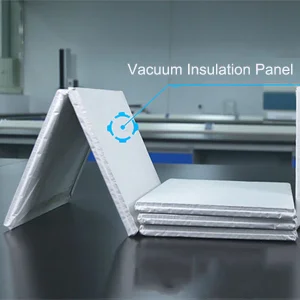
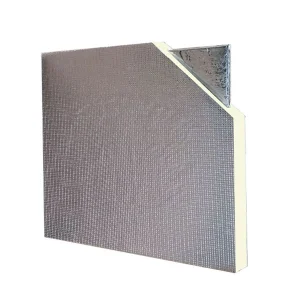
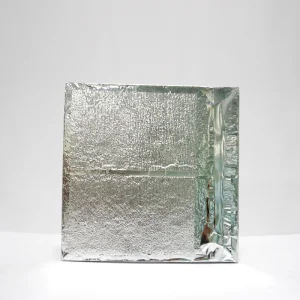
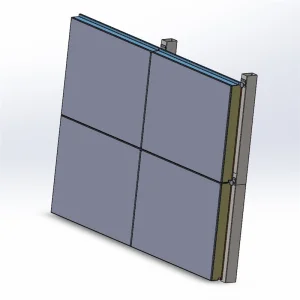
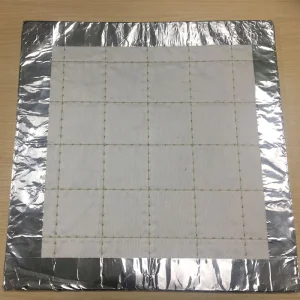

In the contemporary landscape of building envelopes, cold storage systems, and aerospace thermal protection, traditional insulation options no longer meet the stringent requirements of energy conservation. Rapid urbanization, combined with global pressure to meet carbon peak and neutrality goals, has elevated Vacuum Insulated Glass Panels (VIG) and Vacuum Insulation Panels (VIP) from specialized niche applications to critical infrastructural standards.
According to research into heat transfer mechanics, a vacuum layer reduces convective and conductive heat transfer to near zero. When combined with advanced Low-E (low-emissivity) coatings, it restricts radiative heat transfer, achieving thermal performance levels that previously required walls ten times thicker.
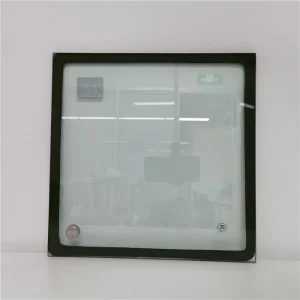
The global push for green building certifications, such as LEED, BREEAM, and passive house standards, has created strong demand for high-performance architectural glazing. Traditional double or triple-glazed units are bulky and heavy, adding weight to building structures and complicating installation. Vacuum Insulated Glass Panels (VIG) resolve this by delivering superior thermal insulation ($U$-values below $0.60 \, \text{W}/(\text{m}^2\cdot\text{K})$) in a thin profile comparable to single glazing.
Beyond architecture, the transportation of temperature-sensitive biopharmaceuticals, mRNA vaccines, and fresh foods has accelerated the adoption of vacuum insulation panels. Traditional polyurethane foams degrade over time and fail to provide the extended thermal hold times required for transcontinental cold chains. By utilizing fumed silica core materials encapsulated in multi-layered high-barrier films, modern VIPs maintain consistent internal temperatures for critical periods, reducing dependency on external energy sources.
Patents & Standardizations
Project Implementations
Decades of Vacuum R&D
Annual Production Capacity (m²)
We provide full-spectrum structural customization, including custom dimensions, specialized edge seal configurations, and advanced core composites engineered for specific applications.
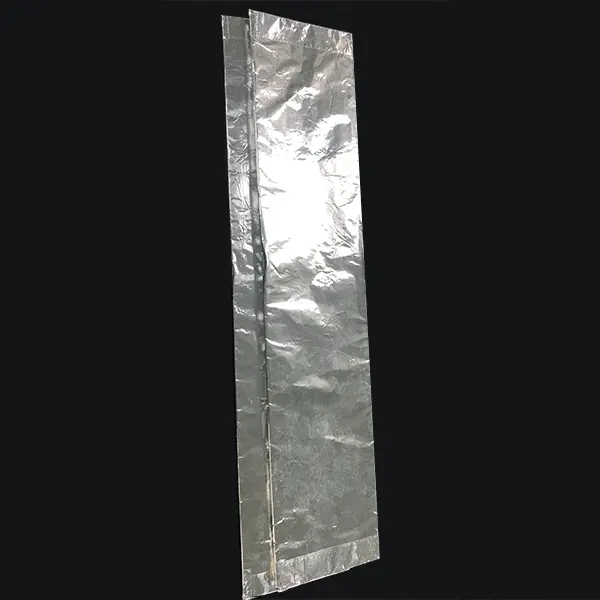
Specialized thickness ranges from 5-15mm to maximize cabin space and prevent battery thermal runaway.
View Customization Details →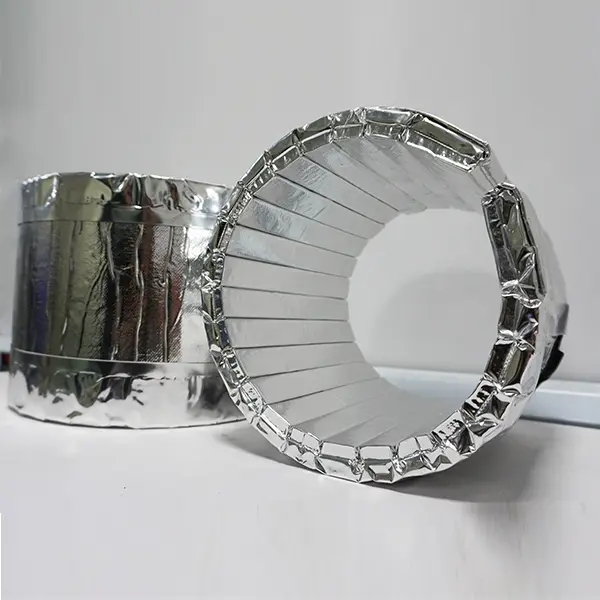
Custom shapes and sizes optimized for industrial boilers and commercial thermal storage tanks.
View Customization Details →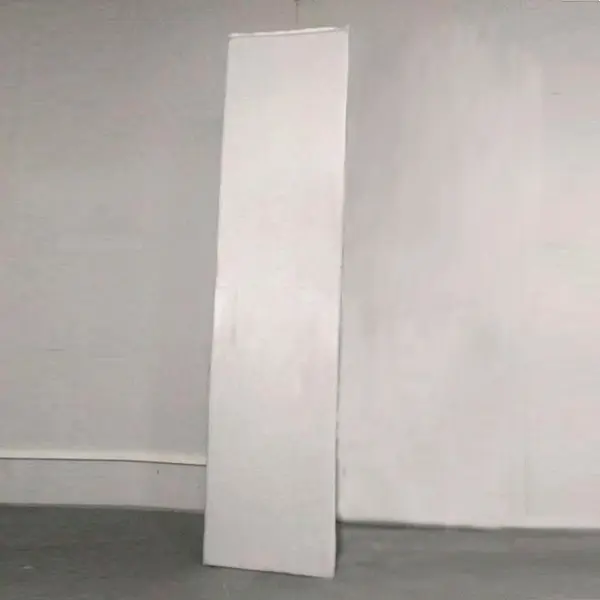
Engineered for elevator fireproof doors, maintaining safety and integrity under extreme heat conditions.
View Customization Details →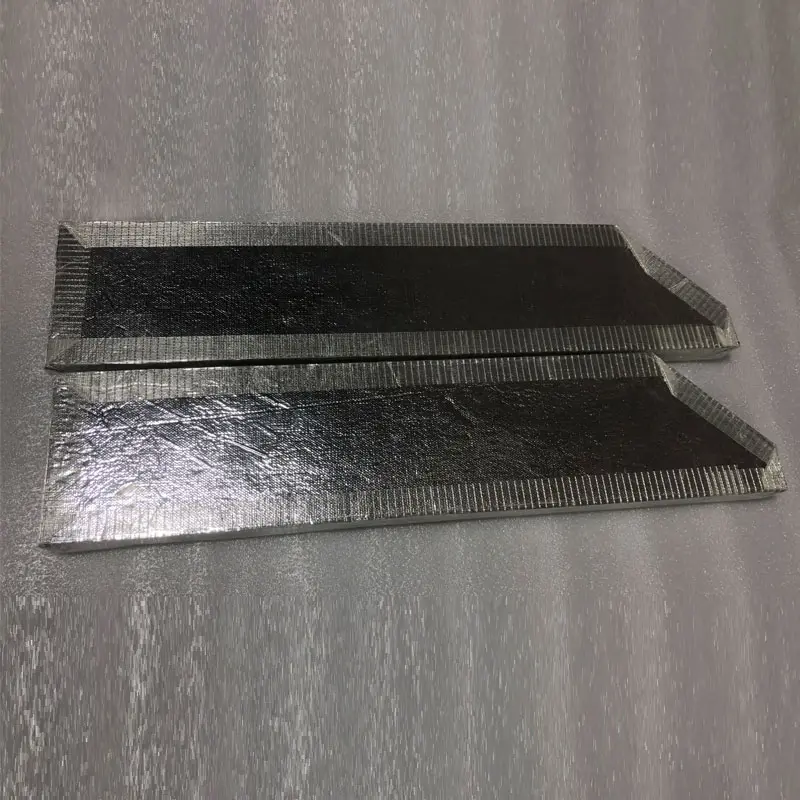
Customizable geometries for complex structures and tight spaces in advanced aerospace systems.
View Customization Details →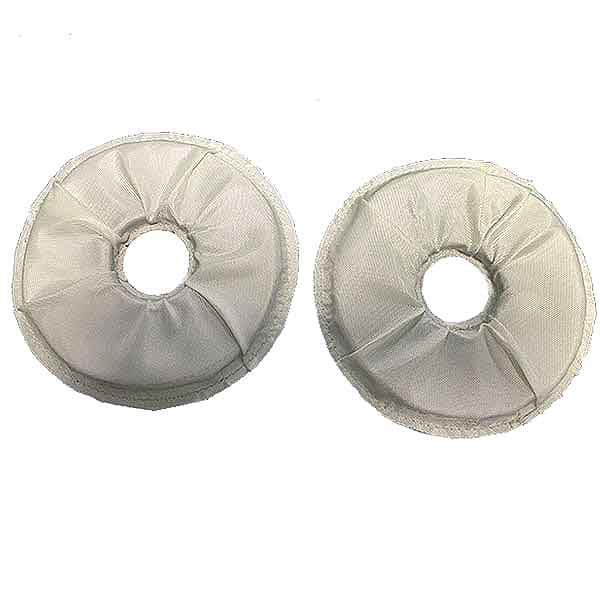
Flexible designs wrapping cylindrical tanks and industrial ductwork with minimal thermal bridging.
View Customization Details →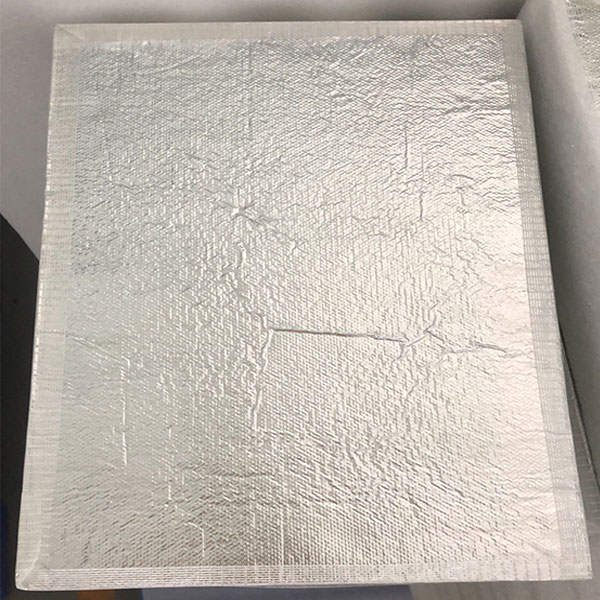
Provides a gas-tight composite surface, preventing degradation in humid or demanding environments.
View Customization Details →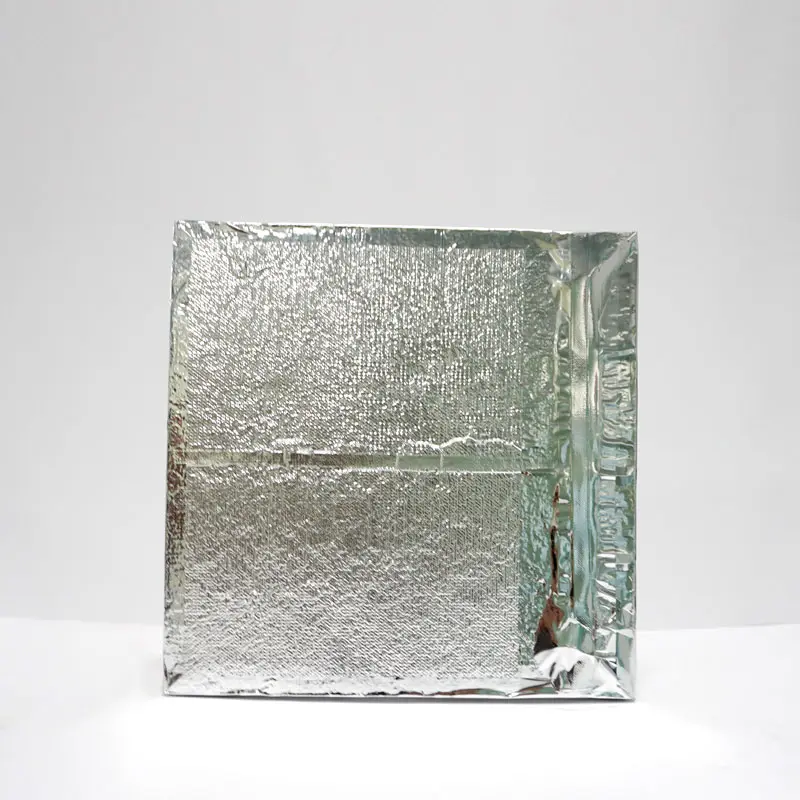
Specifically tuned to resist physical shocks and vibrations during long-distance intermodal transport.
View Customization Details →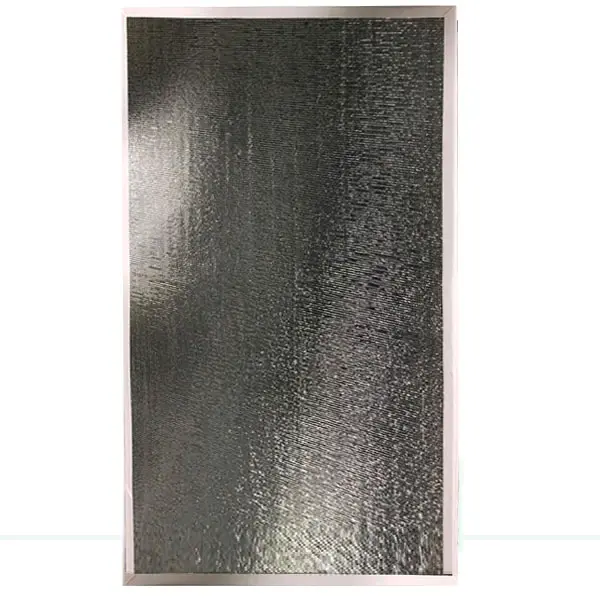
Large-format panel installations designed to minimize joints in building envelopes.
View Customization Details →When procurement managers and design engineers source Vacuum Insulated Glass Panels, evaluating long-term reliability and manufacturing capabilities is critical. Key criteria include:
Standard organic edge adhesives degrade over time. Industrial-grade VIG relies on inorganic metal sealing or low-temperature solder glass sealing to ensure a long-lasting vacuum. This protects the internal chamber from gas permeation for over 25 to 50 years.
Even with excellent edge sealing, glass surfaces can slowly release moisture and trace gases over decades. Integrating proprietary chemical getters within the vacuum chamber absorbs these outgassed molecules, keeping pressure below $10^{-2} \, \text{Pa}$.
Because the vacuum chamber creates high pressure against the glass panes, developers must place micro-pillars (often made of high-strength stainless steel or zirconium oxide) at precise intervals. Properly designed pillar grids prevent local stress concentration and optical distortion.
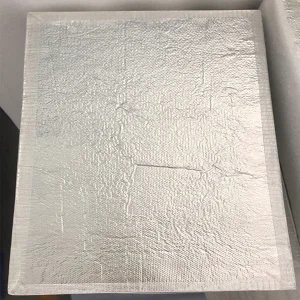
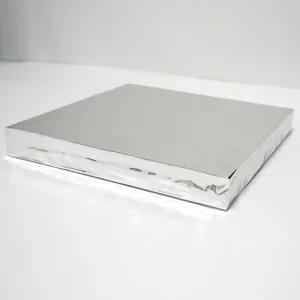
For non-glazed applications like refrigeration units and building wall panels, fumed silica is preferred over fiberglass or open-cell PU cores. Its microporous structure has a pore diameter smaller than the mean free path of air molecules. Even if the outer barrier is punctured, the fumed silica core restricts heat conduction to approximately $0.020 \, \text{W}/(\text{m}\cdot\text{K})$—substantially lower than damaged glass-fiber cores, which can jump to $0.050 \, \text{W}/(\text{m}\cdot\text{K})$ or higher.
Procurement teams should verify compliance with ISO 9001 quality systems and request thermal conductivity testing using heat flow meters (ASTM C518). They must also review degradation models simulating extreme thermal cycling, humidity, and physical impacts.
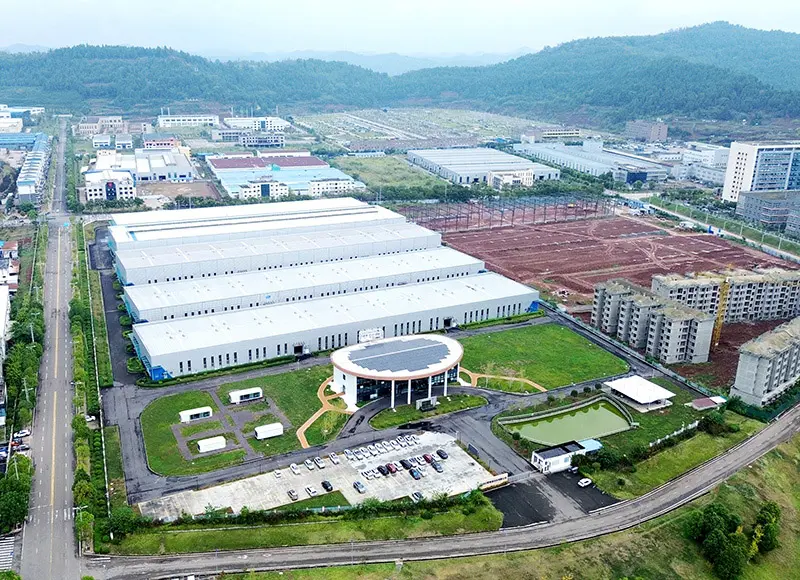
As a subsidiary of the CBVAC Group, Zerothermo Technology is a national high-tech enterprise. Headquartered in the Beijing Economic-Technological Development Area, our state-of-the-art production base in Nanchong City, Sichuan Province, represents one of China's largest facilities for vacuum technology applications.
We leverage decades of vacuum engineering experience from CBVAC Group to provide robust, large-scale production capacities for advanced thermal insulation solutions across multiple industries.

Specialized structural sizes outside ANSI/ASME/DIN standards, fabricated to precise engineering specifications.

Custom square, oval, or oversized flanges exceeding 60 inches, built using high-strength alloys.

Delivering high seal integrity and tight dimensional tolerances for demanding industrial environments.
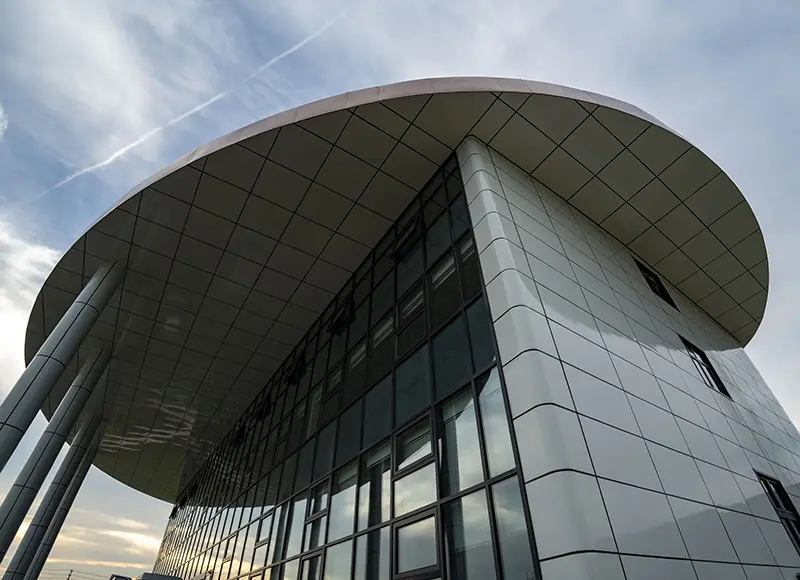
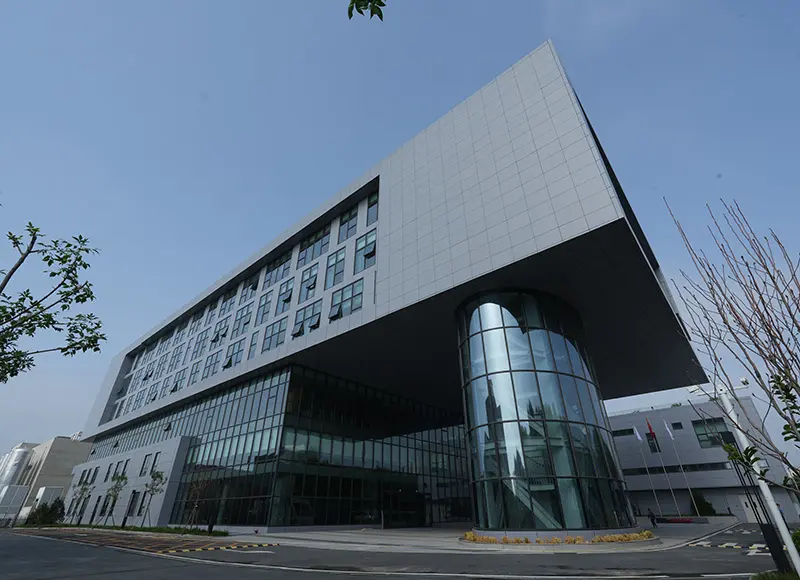
We combine advanced research, manufacturing capacity, and responsive technical support to deliver high-quality thermal insulation systems.
Strict quality inspections, high-density raw materials, and robust edge seals that meet international durability standards.
Technical support during the design phase, providing rapid prototyping and tailored mechanical integration.
Highly automated factories in Nanchong City enable us to supply large-scale global real estate and industrial projects.
Custom protective packaging and reliable global logistics routes prevent shipping damage and maintain panel vacuum integrity.
Comprehensive service support, from initial design consultation to post-installation performance monitoring.
Empowering diverse industries to transition toward carbon neutrality and high-efficiency thermal performance.

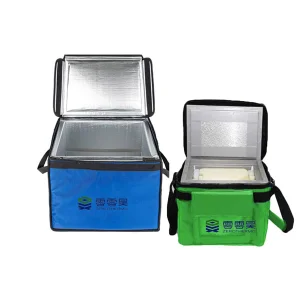
Delivers stable temperature control for vaccine containers and pharmaceutical logistics, protecting sensitive active ingredients.

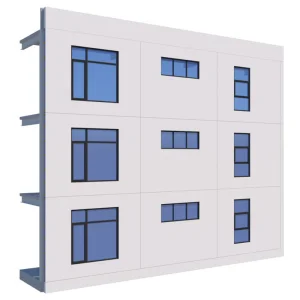
Integrates into ultra-thin curtain walls and window frames, reducing building energy loss and carbon emissions.

Provides microporous thermal barriers for heat treatment equipment and industrial kilns, improving process efficiency.

Used in modular prefabricated cabins and high-performance resort structures, offering comfort in extreme outdoor climates.
See how our thermal insulation systems are deployed across architectural and commercial cold chain projects.

High-efficiency cleanroom insulation using customized VIPs to ensure strict temperature and humidity stability.

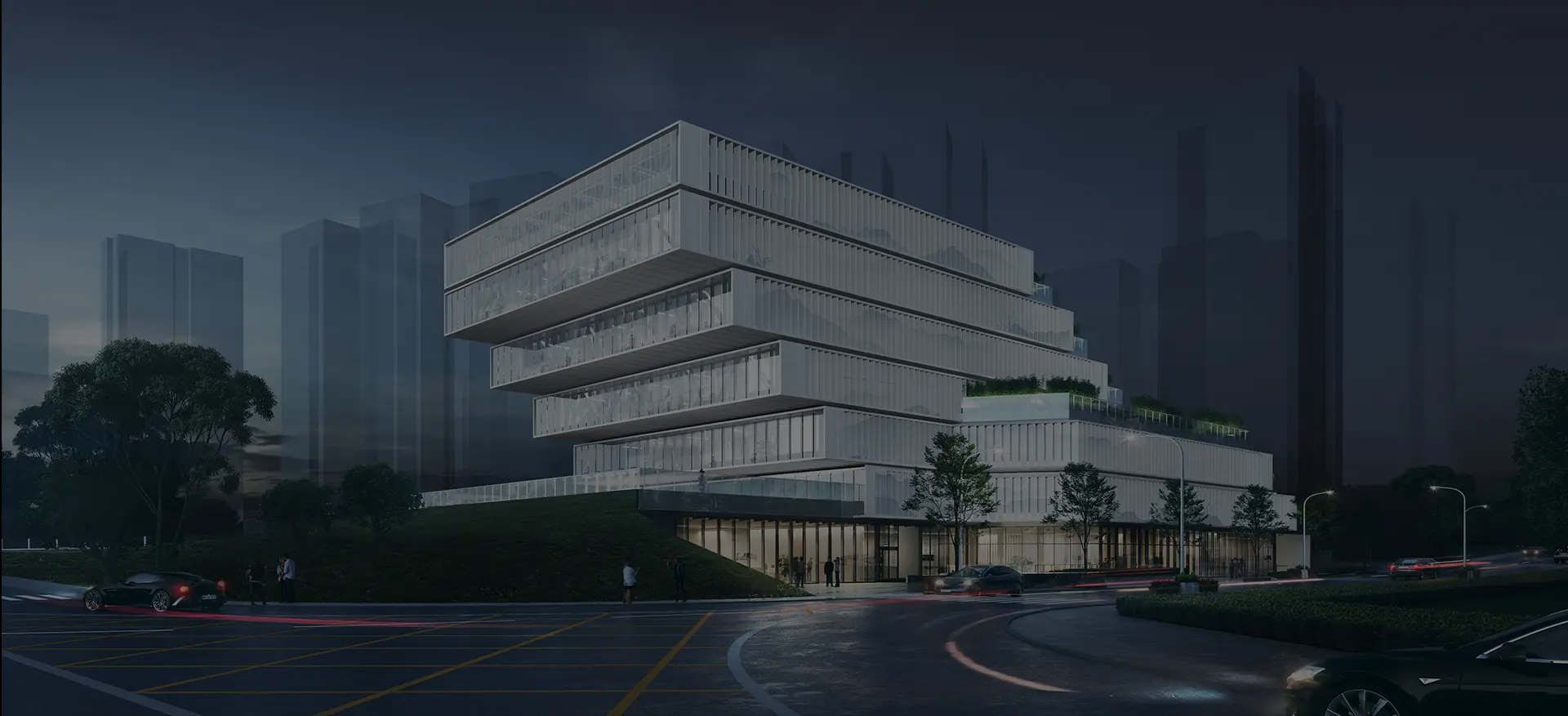
Advanced facade retrofits incorporating thin-profile vacuum insulation panels to optimize interior usable area.

Energy-efficient insulation installed in the main library roof system, improving year-round indoor thermal comfort.
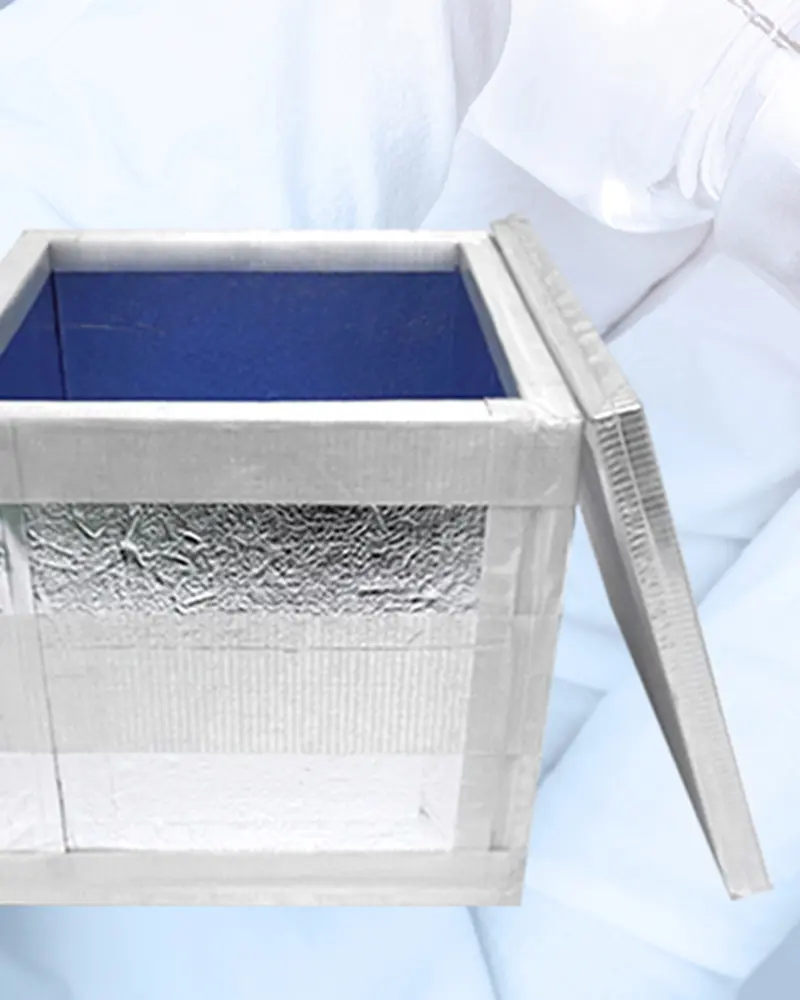
High-performance fumed silica panels built into transport boxes, maintaining a stable cold chain for sensitive vaccines.
The manufacturing process for vacuum insulation systems is shifting toward higher automated precision and lower environmental impact. Key technical developments on our roadmap include:
Procuring from Chinese manufacturers requires reliable quality assurance and smooth logistics. As a subsidiary of CBVAC Group, Zerothermo Technology provides:
Comprehensive Standards Compliance: Our products carry recognized certifications, including European CE, RoHS, and ASTM performance testing, verifying quality before export.
Transit Protection: Every VIP shipment is secured in shock-absorbent packaging. Glazed panels are transported in specialized A-frames with impact sensors, protecting the vacuum seals during shipment.
Get answers to common technical, design, and logistical questions about vacuum insulation systems.
Browse our advanced high-temperature mats, fireproof panels, and specialized transport systems designed for extreme environments.
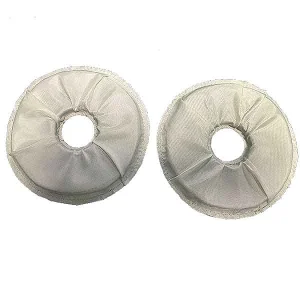
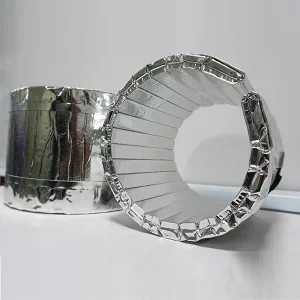
Partner with Zerothermo Technology to design custom, high-efficiency vacuum insulation and glazed solutions tailored to your project requirements.