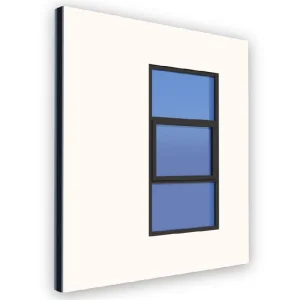
Explore our structural building solutions, advanced thermal barrier materials, and vacuum insulated glass systems optimized for high-efficiency envelopes.
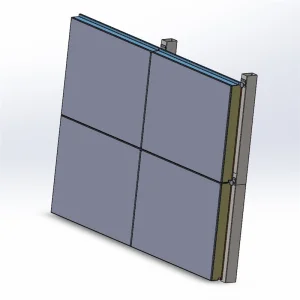
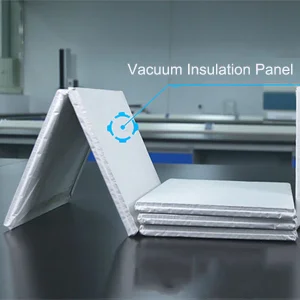
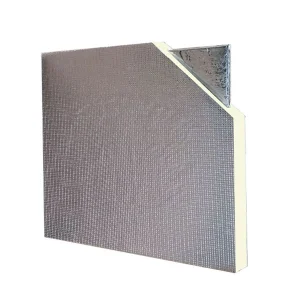
In the era of rapid global climate transition and stringent green building mandates, architectural glazing must evolve. Traditional insulating glass units (IGUs) rely on gas-filled cavities (Argon or Krypton) between multiple panes. However, as operational carbon standards (such as European Green Deal directives and ASHRAE 90.1 updates) push for exceptionally low U-values, traditional triple-glazing setups become restrictively heavy, bulky, and structurally demanding. This is where 10mm Vacuum Insulated Glass (VIG) steps in as a paradigm-shifting solution.
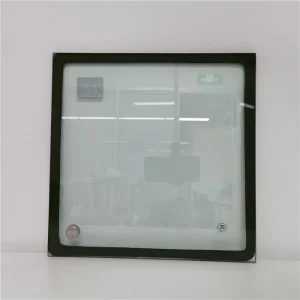
Vacuum Insulated Glass leverages the absolute physics of vacuum to eliminate conductive and convective heat transfer. By sealing two panes of glass under high-vacuum conditions (less than 10-4 Pa), the heat transfer through the inner space is reduced to near zero. A nominal 10mm thickness profile—typically configured with 4mm tempered low-E glass + 0.3mm vacuum gap + 4mm tempered glass (plus spacer variance)—delivers thermal efficiency that outclasses conventional, thick double and triple glazing units, with a thermal resistance similar to solid masonry.
"By removing the air molecules between the glass sheets, conductive and convective heat transfer is structurally eliminated. The result is a 10mm thermal barrier capable of achieving a center-of-glass U-value down to 0.4 W/(m²·K), matching the performance of a triple-glazed unit at only a fraction of its physical thickness and weight."
Moreover, the development of tempered VIG has resolved early industry challenges regarding safety and structural durability. Annealed vacuum glass is fragile, making it unsuitable for commercial building envelopes or overhead glazing. Utilizing advanced tempering technology preserves the structural integrity and wind-pressure resistance of the sheets. The ultra-low temperature sealing techniques used by premier Chinese manufacturers allow the glass to retain its tempered properties after the evacuation process. This structural upgrade makes the 10mm tempered vacuum glass highly applicable for high-rise buildings, historic building retrofits, vaccine transport boxes, and automotive glazing.
A detailed comparison highlighting the physical advantages, thermal resistance, and architectural savings of 10mm Vacuum Insulated Glass against standard IGUs.
| Glazing System Type | Nominal Thickness (mm) | Weight (kg/m²) | Center-of-Glass U-value (W/m²K) | Acoustic Insulation (Rw dB) | Structural Load Requirement |
|---|---|---|---|---|---|
| Standard Double Glazing (6 + 12A + 6) | 24 mm | 30 kg | 2.7 - 2.8 | 32 dB | Standard |
| Advanced Low-E Double Glazing (6 + 12Ar + 6 Low-E) | 24 mm | 30 kg | 1.4 - 1.6 | 33 dB | Standard |
| Triple Glazing System (4 + 10Ar + 4 + 10Ar + 4 Low-E) | 32 mm | 30 kg | 0.8 - 1.0 | 35 dB | High / Heavy Frame |
| 10mm Tempered Vacuum Insulated Glass (VIG) | 10 mm | 20 kg | 0.4 - 0.6 | 39 - 41 dB | Ultra-Light / Low Profile |
*Note: Data derived from verified laboratory parameters under EN 673 and ISO 19916-1 standards. Visualized values prove the weight-to-performance supremacy of vacuum insulated configurations.
We design and manufacture special shapes, customized dimensions, and high-temperature thermal barriers tailored to unique client criteria.
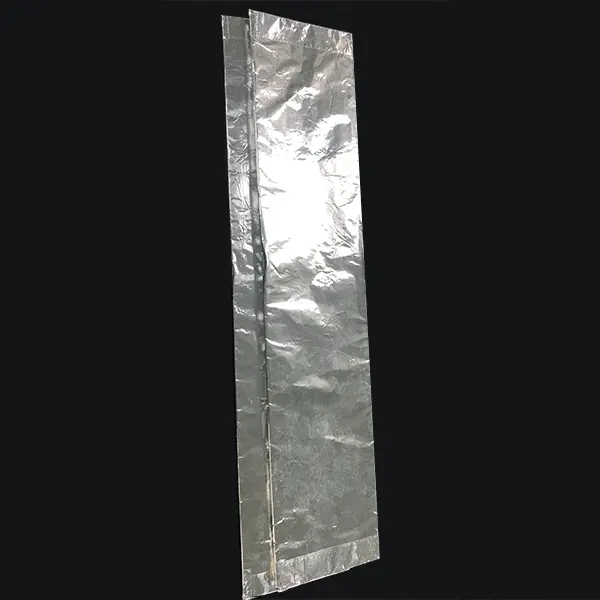
Product Details: Size: Customized Thickness: 5-50mm. Designed for thermal runaway containment in EV battery compartments.
View More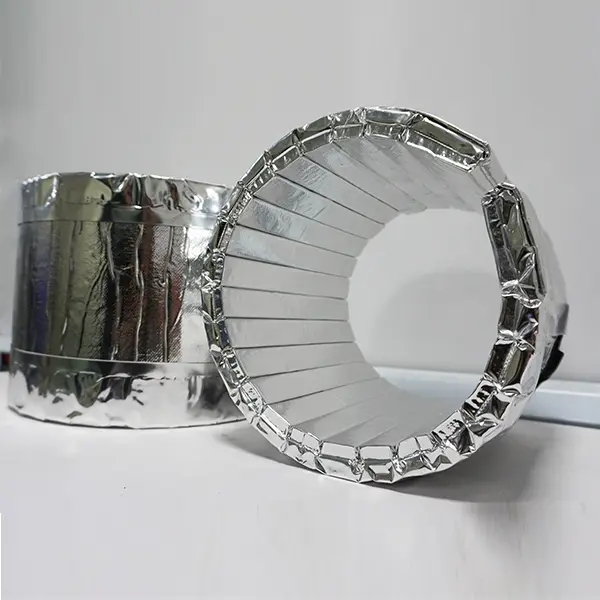
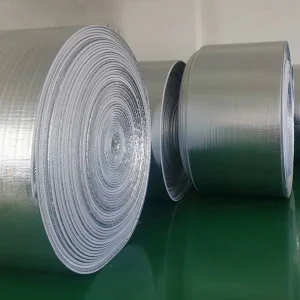
Product Details: Size: Customized Thickness: 5-100mm. Engineered to manage intense industrial heat applications.
View More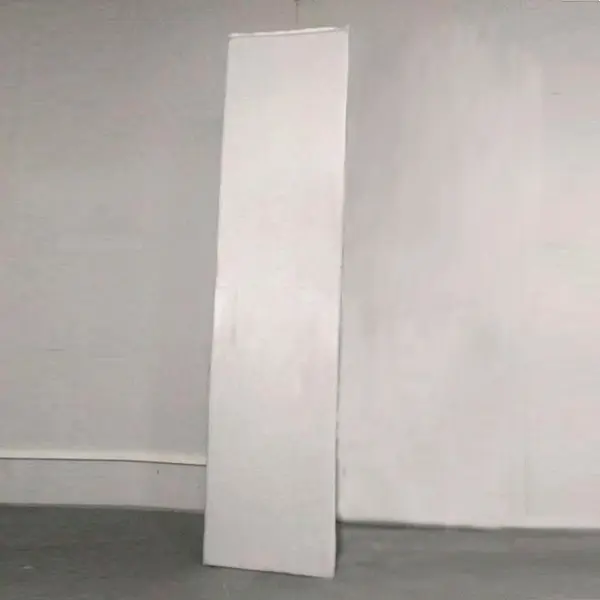
Our elevator fireproof door high temperature nano microporous panel provides exceptional heat blocking properties and structural safety.
View More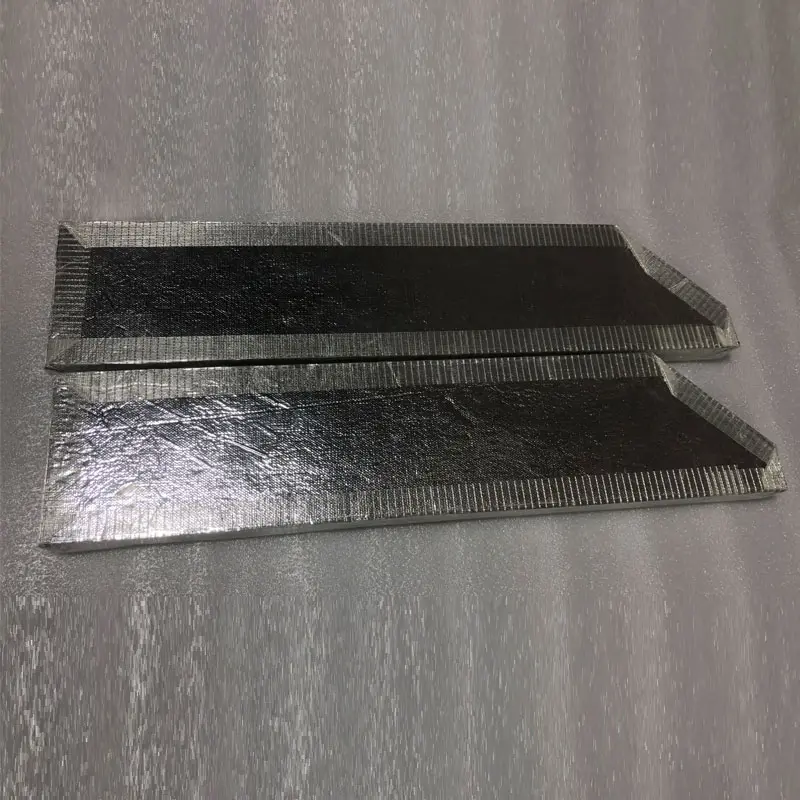
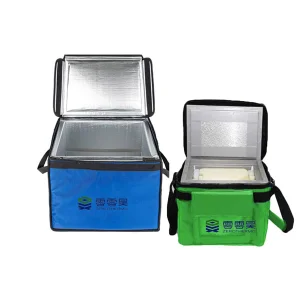
Product Features: Customized design for unique contours and angles. Designed for critical cold chain container setups.
View More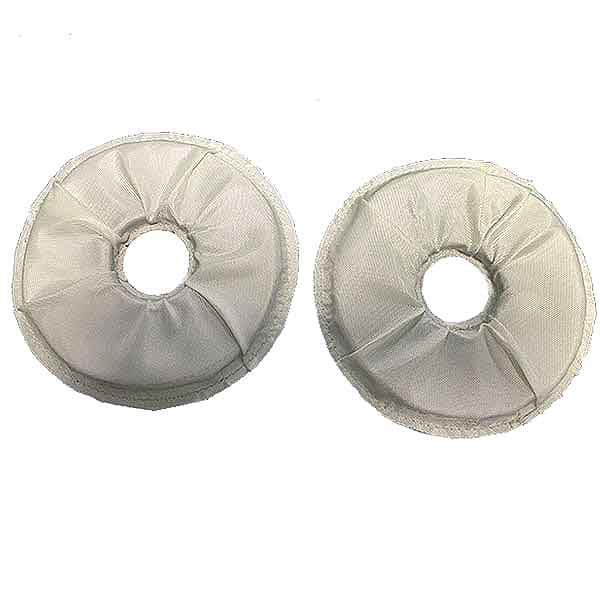
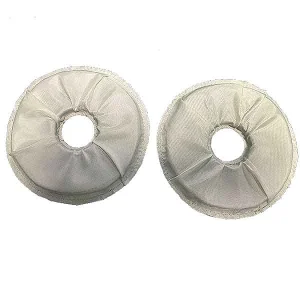
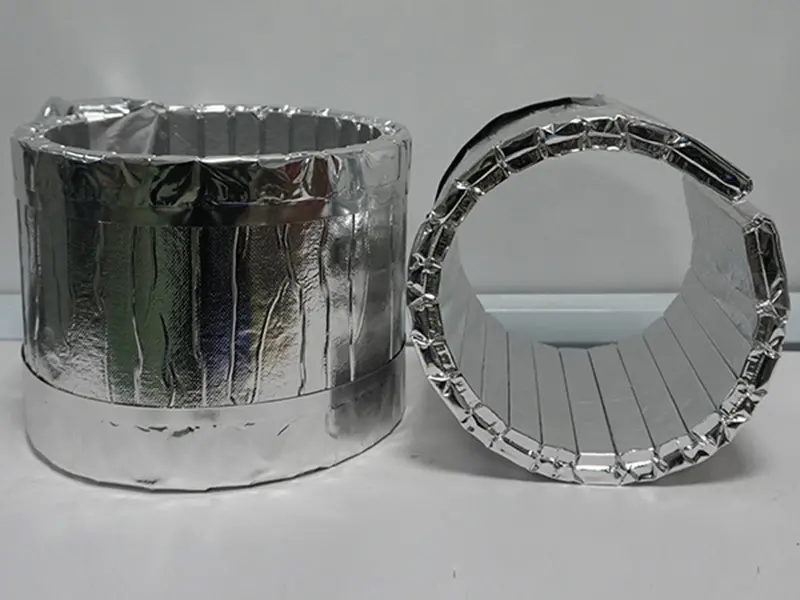
Product Specification & Features: Custom Round flexible thermal mats optimized for pipe and high-temperature tank wrapping.
View More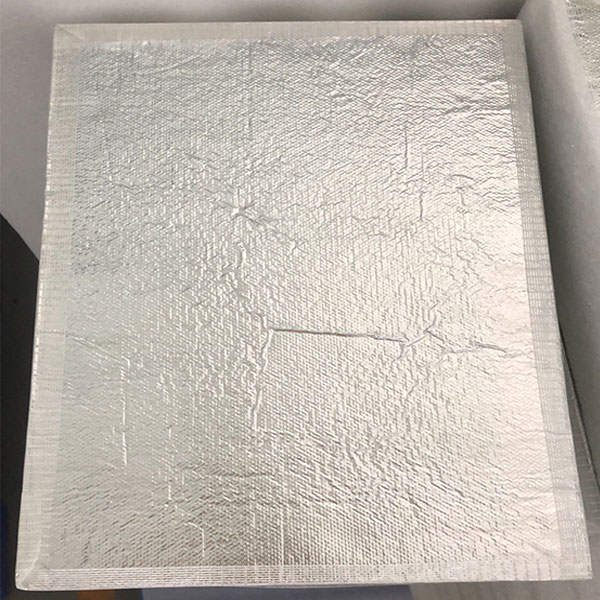
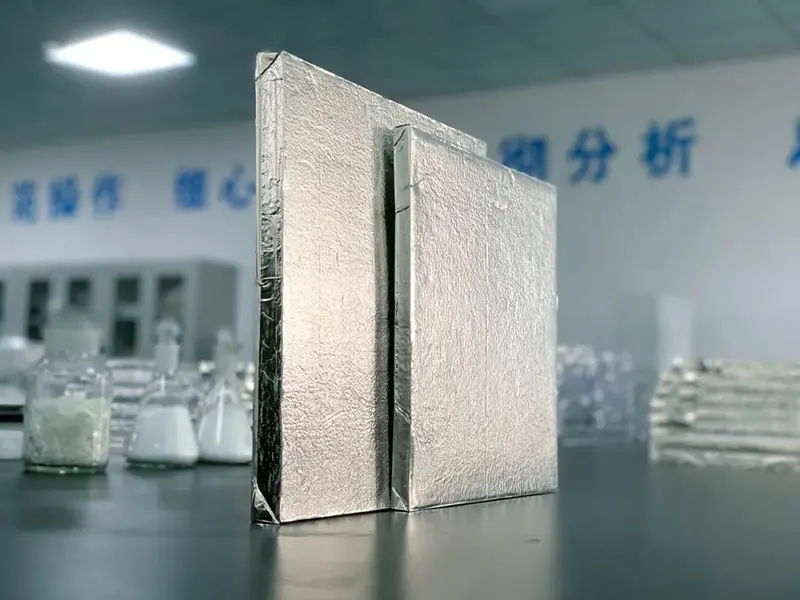
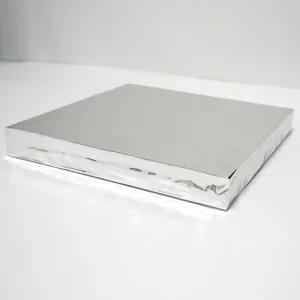
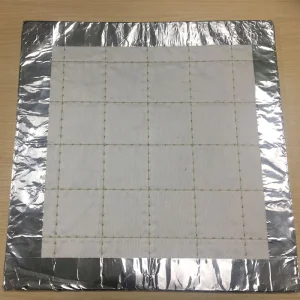
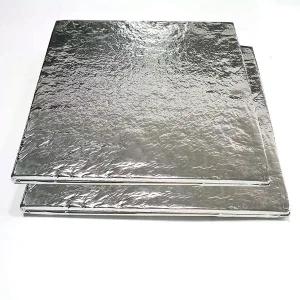
Product Features: Size Details. Zerothermo vacuum insulation panel provides outstanding thermal control with an ultra-thin footprint.
View More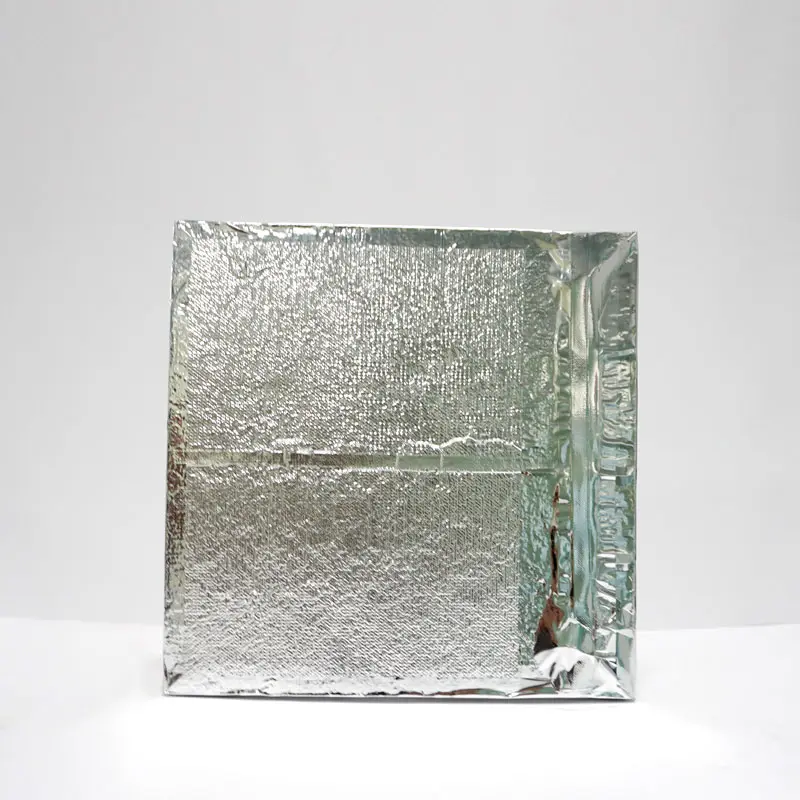
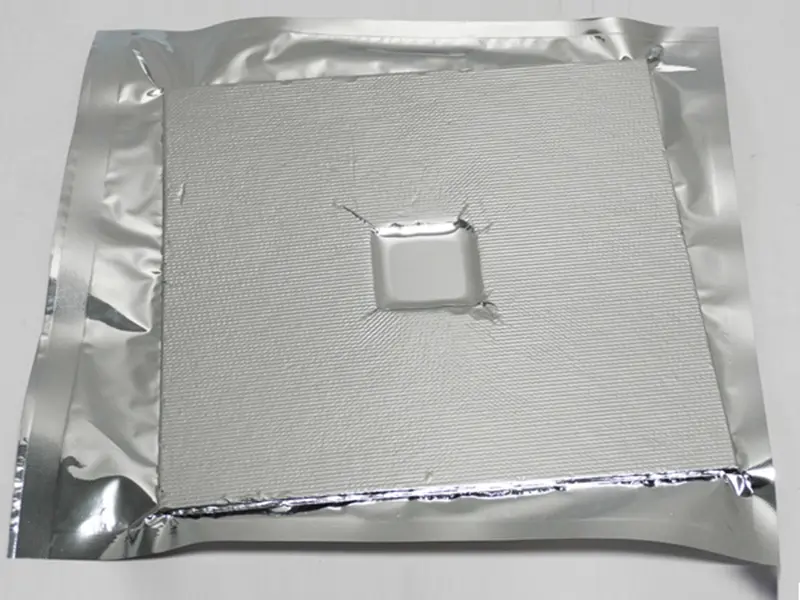
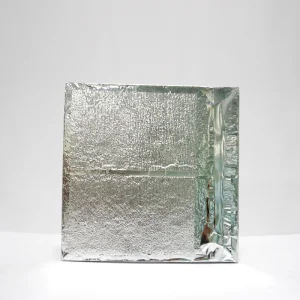
Product Features: Vacuum insulation panels engineered to preserve temperature stability in pharma shipping logistics.
View More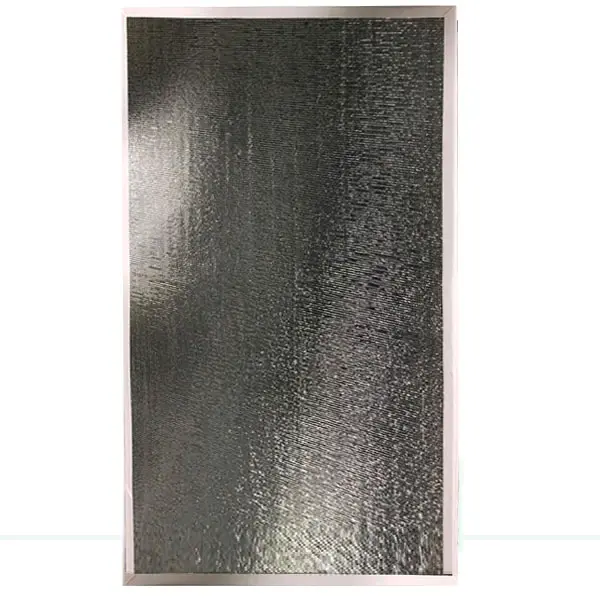
Product Features: Size customizable up to maximum envelope capacity. Outstanding durability for industrial applications.
View MoreZerothermo Technology Co., Ltd., a subsidiary of CBVAC Group and a national high-tech enterprise, is headquartered in the Beijing Economic-Technological Development Area. Our primary manufacturing facility is located in Nanchong City, Sichuan Province, representing one of China’s largest and most technologically advanced production hubs for vacuum technology application products.
We focus on developing high-performance insulation solutions for buildings, industrial pipelines, cold chains, and new energy vehicles. Through continuous innovation, we help our global partners achieve carbon neutrality goals and optimize thermal systems.

Special sizes (beyond the range of ANSI/ASME/DIN and other standards) are produced according to customers' drawings or technical parameters.

Square, oval, and other custom shapes. We manufacture both oversized diameters (above 60 inches) and micro-precision flanges.

Delivering reliable components with tight tolerances for vacuum systems, architectural fittings, and industrial processing units.

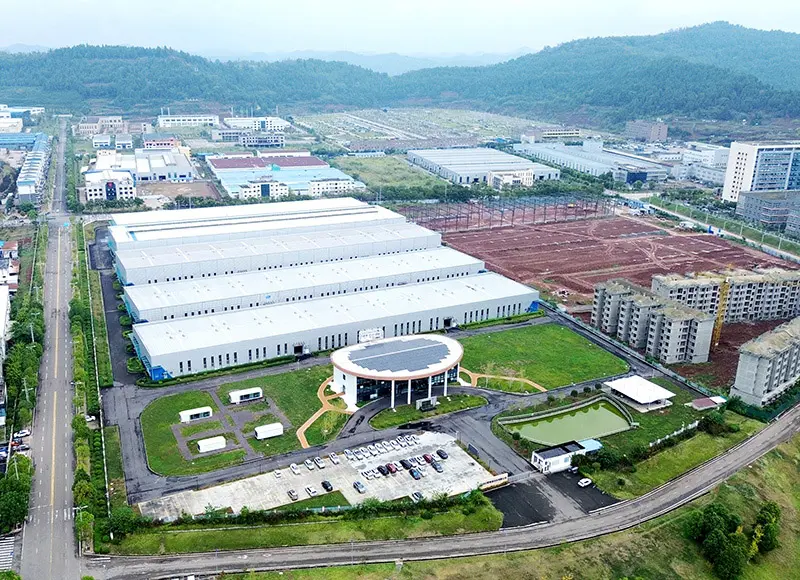
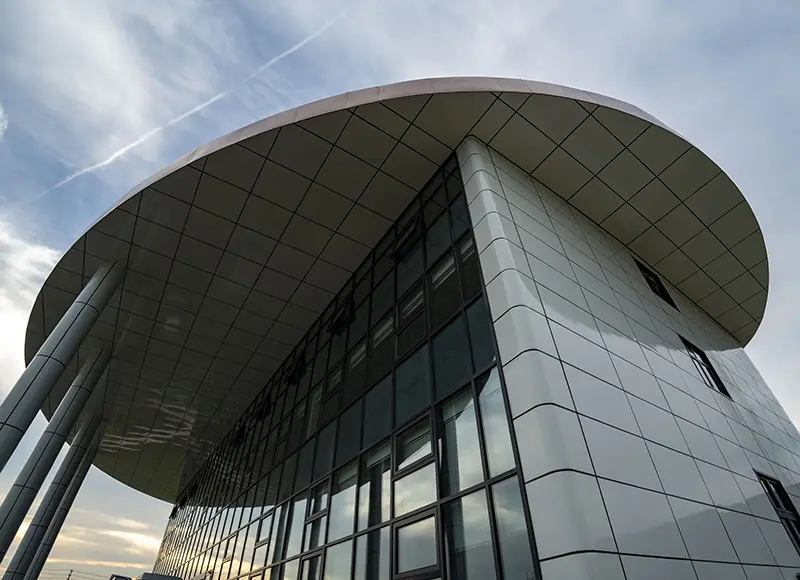

Advanced vacuum engineering platforms and high-capacity manufacturing lines based in Sichuan, China.


The core architecture of 10mm Vacuum Insulated Glass involves several key engineering layers that work together to maintain its thermal properties. To understand why 10mm is the optimal thickness for both retrofit and new construction, we analyze the thermal behavior across the unit:
The vacuum chamber inside VIG is evacuated to an internal pressure below 0.1 Pa (7.5 × 10⁻⁴ Torr). At this low pressure, the mean free path of gas molecules exceeds the distance between the glass sheets, which stops gas conduction. However, maintaining this vacuum over a 25-to-30-year lifespan requires active gas absorption. A specialized chemical getter is integrated within a small recess in the VIG frame, continuously absorbing trace amounts of hydrogen, carbon monoxide, and water vapor that slowly outgas from the glass surfaces over time.
Because atmospheric pressure exerts a force of approximately 10 tons per square meter (98 kPa) on the outer surfaces of the glass, the two panes must be kept apart by a precise grid of micro-spacers. These spacers, made from high-strength stainless steel alloys, typically measure 0.3mm to 0.5mm in diameter and only 0.2mm to 0.3mm in height. They are laid out in a grid pattern spaced 20mm to 40mm apart. This arrangement is dense enough to prevent the glass from bending under pressure, while remaining sparse enough to minimize conductive heat transfer through the spacers and stay virtually invisible to the naked eye.
The perimeter seal is critical to the lifespan of a VIG unit. Standard IGUs use organic polymers, but VIG requires a hermetic glass-to-metal or glass-to-glass solder seal to prevent vacuum loss. Premier manufacturers utilize low-temperature glass solders or alloy-based active soldering, which cures below the structural relaxation temperature of tempered glass (approx. 350°C). This allows the seal to bond hermetically without compromising the tempering and safety properties of the glass sheets.
Our technology, engineering, and logistics systems are designed to deliver reliable performance at scale.


Our vacuum insulated systems are used across sectors to improve thermal performance, reduce energy consumption, and manage temperature sensitivity.





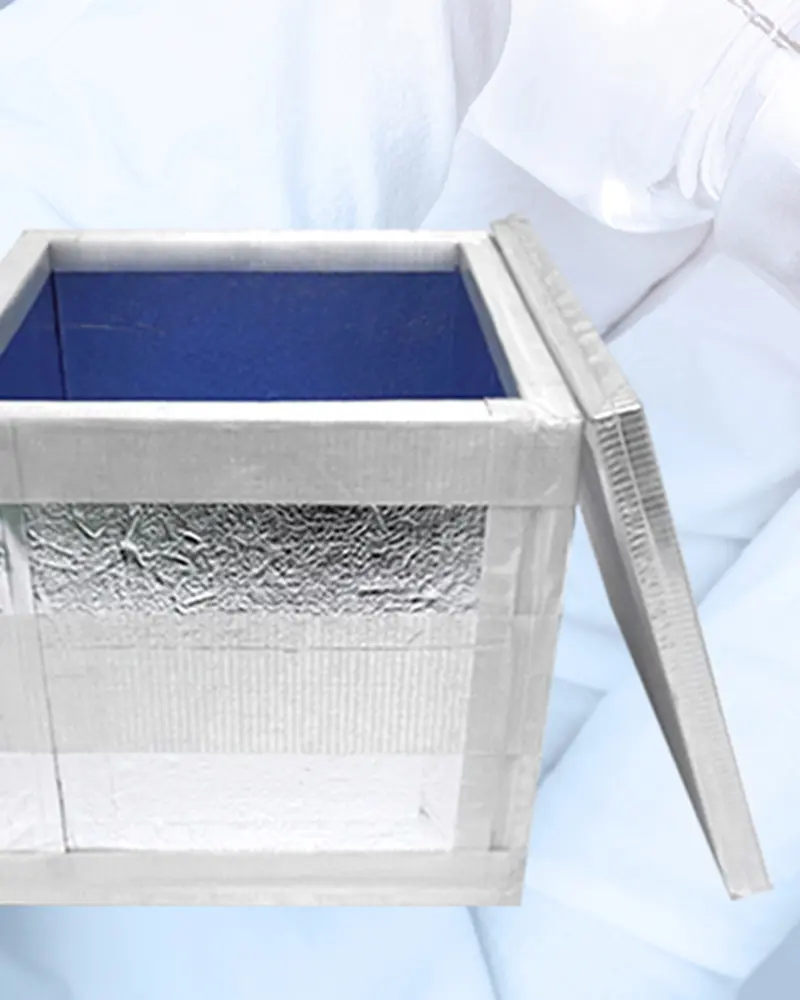
Our fumed silica vacuum insulation panels and custom insulated boxes keep medical goods at stable low temperatures, meeting safety standards during transit.

Providing high-efficiency insulation solutions for building envelopes through vacuum insulation panels and vacuum insulated glass, helping the construction sector reduce emissions.

Applying our microporous nano-panels and flexible mats in high-heat areas like industrial furnaces and elevator fire doors to protect equipment and improve safety.

Custom prefabricated insulation structures used in specialized cabins, modular structures, and cold-region resort properties to maintain thermal comfort.



The global shift toward energy efficiency depends on a reliable, cost-effective supply chain. As an enterprise under the CBVAC Group, Zerothermo Technology operates within a highly integrated vertical production network. Our production facility in Nanchong, Sichuan Province, represents a major domestic hub for industrial vacuum technologies. This localization allows us to source raw materials, process glass, and assemble vacuum components in a highly streamlined flow.
By managing the entire production process—from glass cutting and tempering to low-temperature alloy soldering and vacuum extraction—we reduce lead times and buffer against market volatility. While manufacturers in other regions face high costs for specialty glass or low-temperature solder materials, our domestic supply chain provides stable, high-yield production, allowing us to keep pricing highly competitive.
Additionally, we maintain strict quality control standards. Each production batch undergoes rigorous vacuum decay testing, helium leak mass spectrometry, and hot box tests. These procedures verify that our products meet ASTM E2190 and EN 1279 insulating glass requirements, ensuring reliable thermal performance throughout their service life.
Clear, engineering-focused answers to common technical and logistical questions about 10mm Vacuum Insulated Glass.
A nominal 10mm profile (typically consisting of 4mm tempered glass + 0.3mm vacuum space + 4mm tempered glass) offers the ideal balance of structural strength and thermal performance. It fits easily into the shallow glazing pockets of historical wood or steel window frames, making it highly effective for historical retrofits. It provides equivalent insulation to thicker units without adding unnecessary weight.
Standard annealed VIG breaks into sharp shards under stress, making it unsafe for building facades. Tempered VIG is heated and rapidly cooled to create surface compression, making it up to five times stronger. It meets building safety standards and crumbles into small, blunt pieces if broken, reducing the risk of injury.
Long-term vacuum stability is maintained using glass solder seals and integrated chemical getters. The solder seal prevents gas molecules from leaking through the edge, while the getter absorbs trace gases (like water vapor or carbon monoxide) that slowly escape from the glass surface over time, maintaining the internal vacuum.
No, VIG units cannot be cut, drilled, or modified after production. Any alteration will break the edge seal, causing immediate loss of the vacuum chamber. All dimensions, shapes, and hole placements must be finalized and built into the design before the manufacturing process begins.
Standard double glazing is prone to resonance effects that let sound pass through. The vacuum chamber in VIG blocks medium and high-frequency sound waves, delivering a high acoustic rating (typically Rw ≥ 39 dB). This makes it highly effective for properties located near highways, railways, or busy urban centers.
We provide comprehensive vacuum insulation and structural glass systems. Contact our engineering team to discuss your project requirements, custom dimensions, or delivery options.


Browse our range of high-temperature microporous boards, flexible silica blankets, and cold-chain logistics insulation panels.

 2023/Apr/19