Overview: The Shift to Ultra-Thin High-Performance Underfloor Insulation
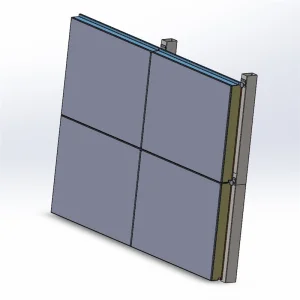
In modern architecture, mechanical, and civil engineering, underfloor thermal management has transitioned from a passive comfort requirement to a critical design paradigm. Traditional bulk insulation products, such as Expanded Polystyrene (EPS), Extruded Polystyrene (XPS), and Polyurethane (PU) foams, require significant thickness (often 50mm to 100mm) to achieve target thermal transmittance values ($U$-values). Under floor heating applications, such thick profiles reduce vertical headroom, complicate structural structural threshold design, and impose high load stresses on concrete floor slabs.
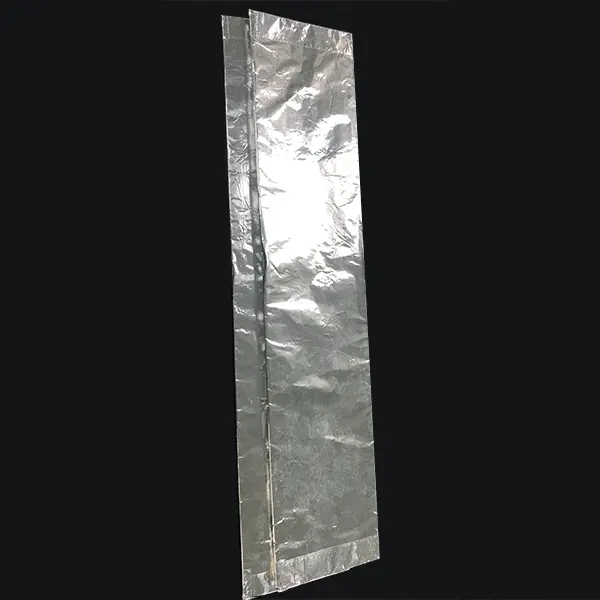
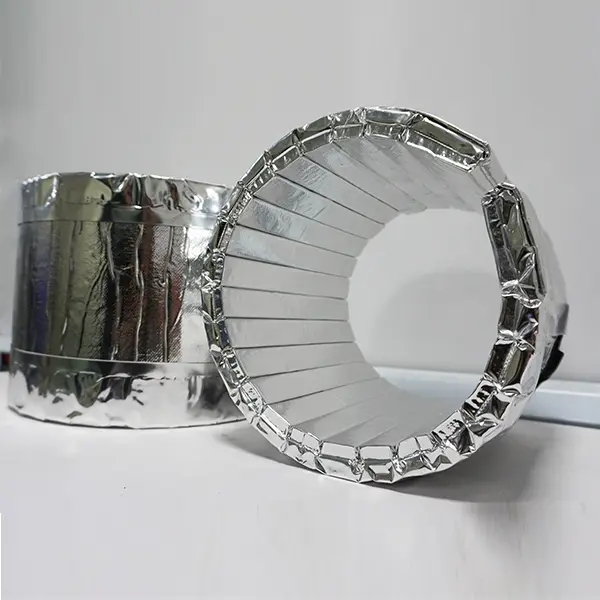
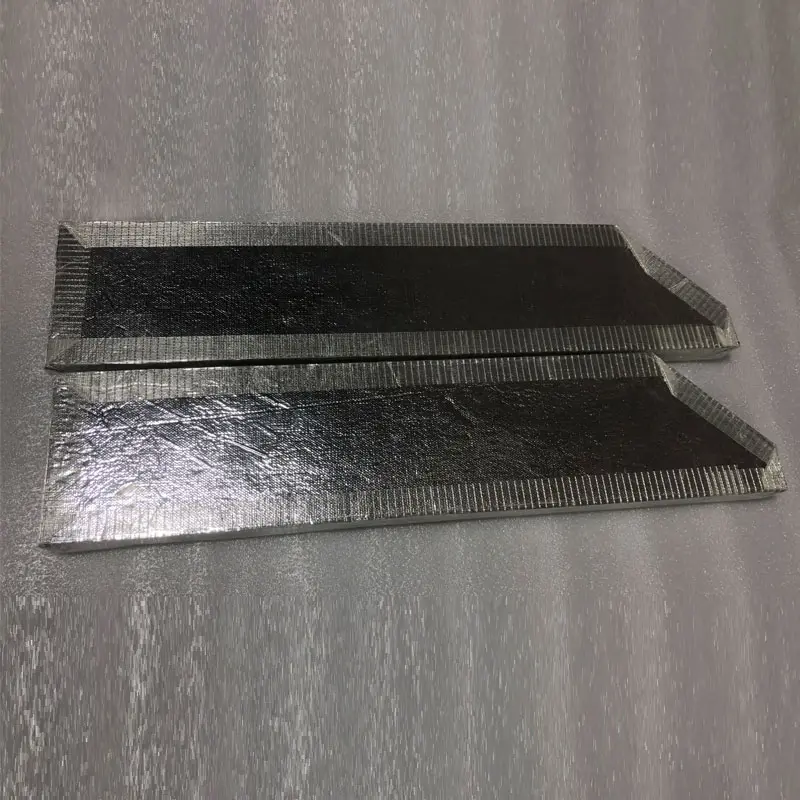
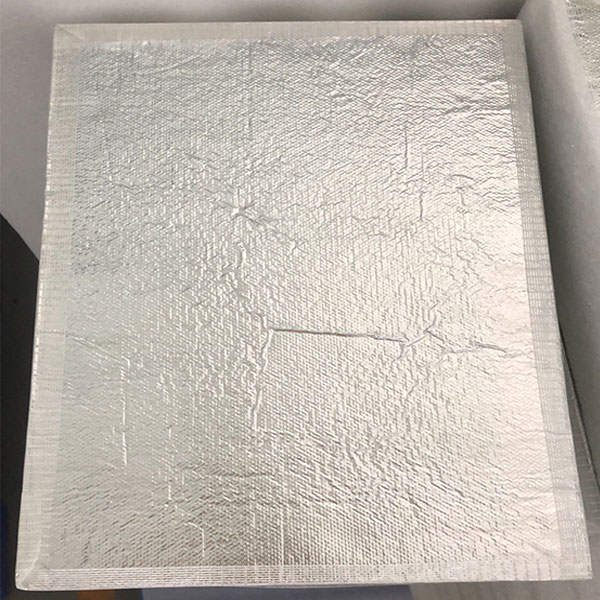
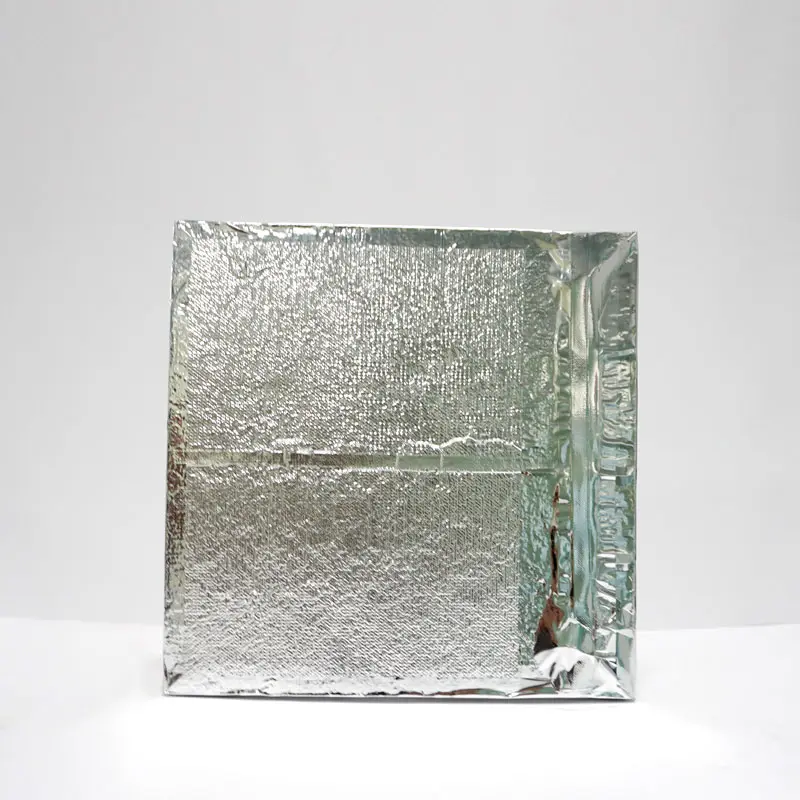
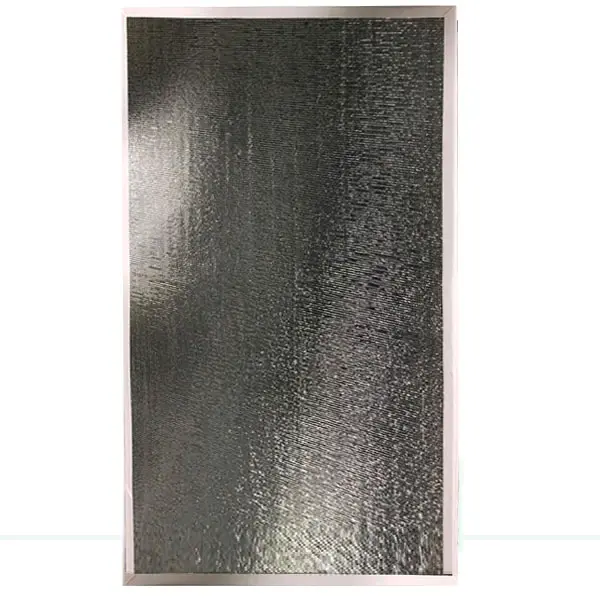
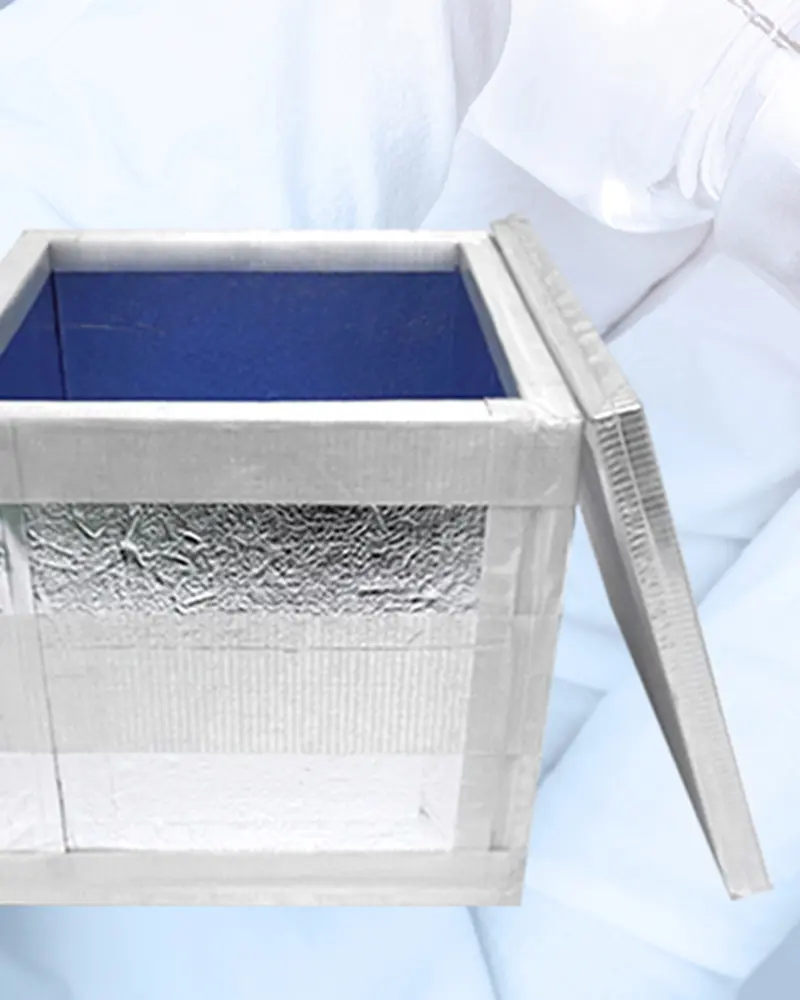
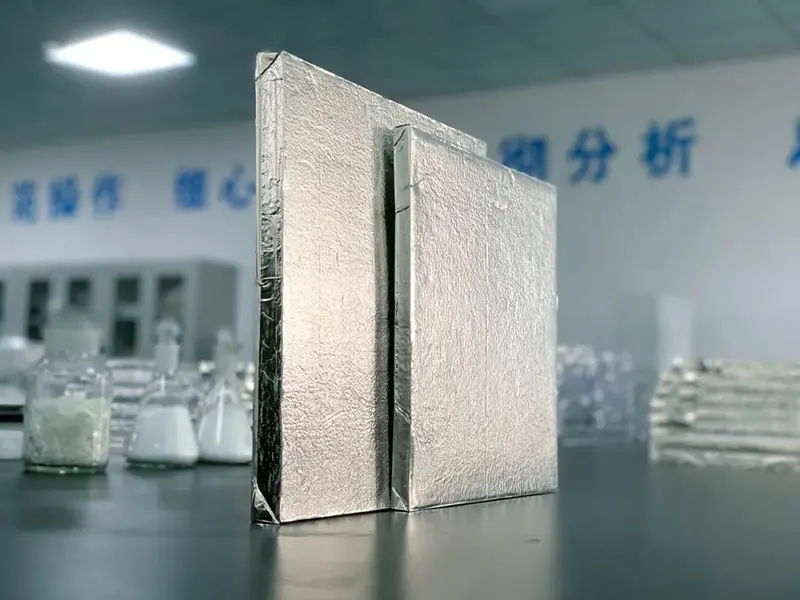
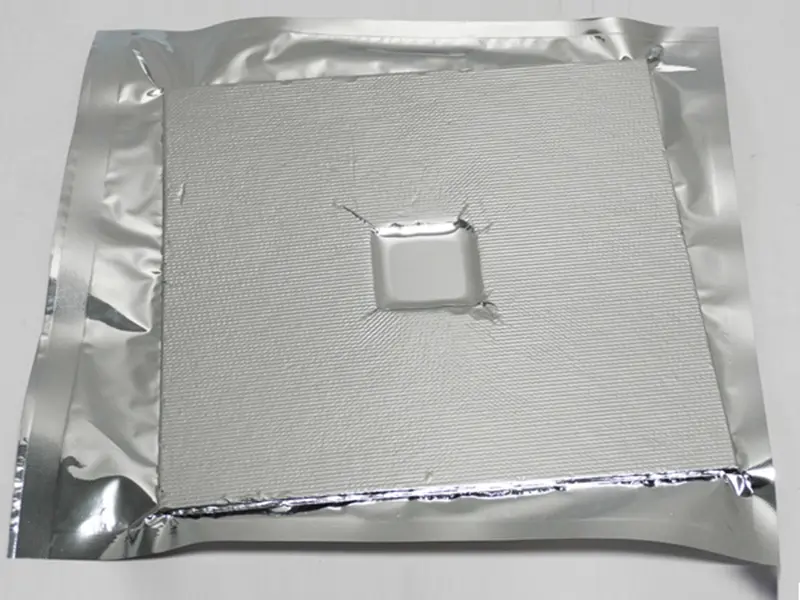
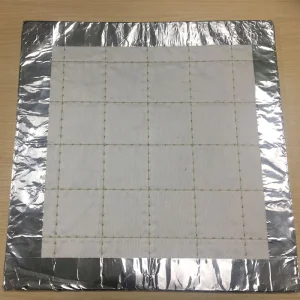
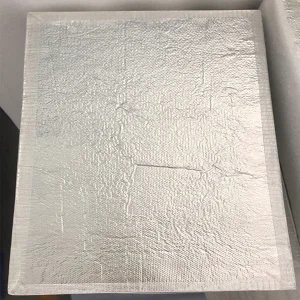
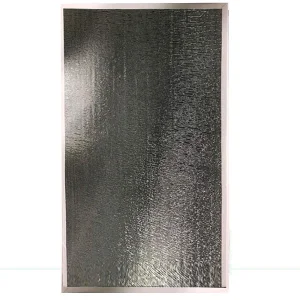
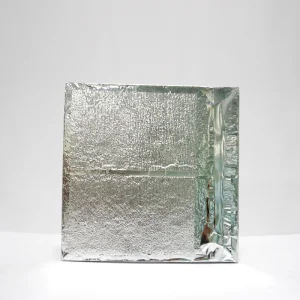
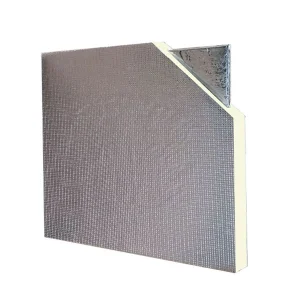
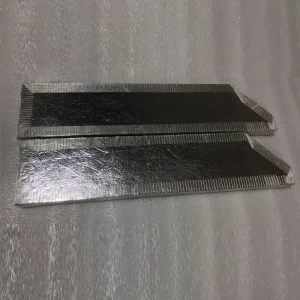
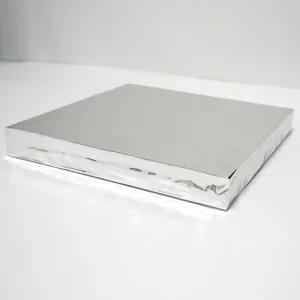
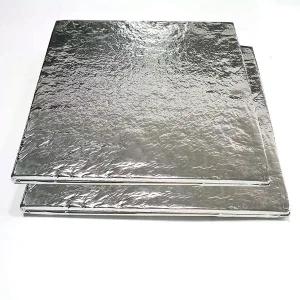
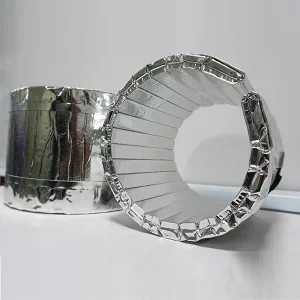
As a leading China Underfloor Insulation Boards Factory, Zerothermo Technology specializes in resolving these design challenges by offering ultra-high efficiency, micro-thin vacuum panel technologies. By utilizing advanced Fumed Silica VIPs (Vacuum Insulation Panels), we achieve thermal conductivities as low as 0.004 W/(m·K). This enables building designers to achieve equivalent or superior thermal insulation compared to standard foam boards while utilizing only 10% to 20% of the material thickness.
Critical Thermodynamic Equation: $U$-Value and Thermal Conductivity Relation
The total thermal resistance ($R_T$) of a modern radiant floor assembly is calculated as follows:
$$R_T = R_{si} + \sum \frac{d_i}{\lambda_i} + R_{se}$$
Where $d_i$ is the layer thickness and $\lambda_i$ represents the thermal conductivity. Under modern building directives (such as EU Net-Zero Energy Buildings and China's Dual-Carbon strategies), targeted floor $U$-values ($U = 1/R_T$) require substantial resistance layers. A standard 15mm Fumed Silica VIP matches the thermal resistance of approximately 120mm of traditional polyurethane foam, preserving building volumes and structural headroom.
Global Industry Trends: Sustainable Architecture and Electrification
Two global driving factors are fundamentally changing the procurement dynamics of thermal insulation systems: industrial building carbon footprint mandates and the rapid electrification of vehicle fleets.
- Net-Zero Buildings (NZEB): International building codes increasingly mandate low embodied carbon alongside low operational energy consumption. This shift is driving commercial engineering firms to specify fumed silica-based vacuum insulation boards, which are highly recyclable and have long service lives exceeding 50 years.
- Hydronic Underfloor Radiant Heating Systems: Hydronic systems require structured underfloor insulation boards to prevent downward heat loss into the sub-grade earth or unheated basements. Utilizing high-efficiency VIPs ensures over 95% of generated thermal energy is directed vertically into the interior floor finish.
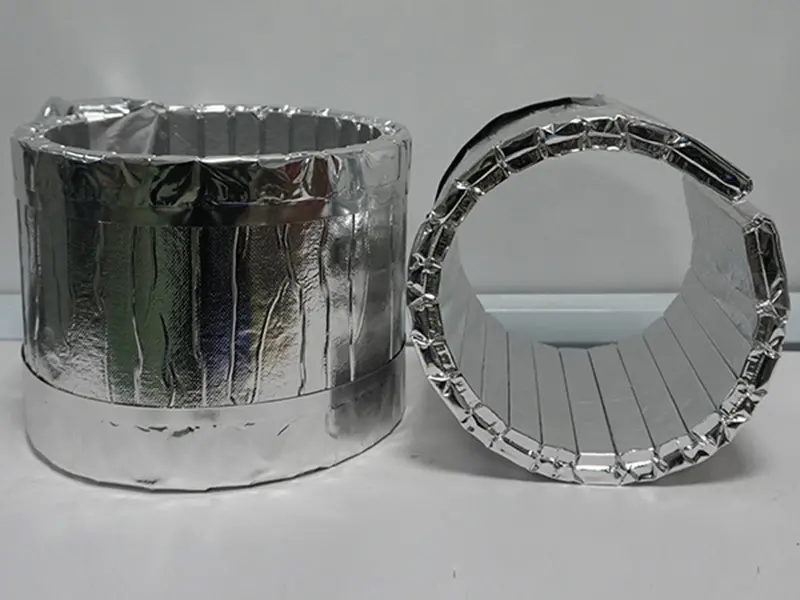
- New Energy Vehicle (NEV) Battery Enclosures: The high energy density of modern battery modules requires thin, highly protective insulation barriers to manage heat signatures and suppress thermal runaway. The thermal insulating performance of customized microporous blankets has made them a standard in automotive battery tray designs.
Procurement Dynamics: Evaluating Key OEM Criteria
Industrial procurement departments and general contractors evaluating underfloor insulation systems from Chinese manufacturers prioritize several performance criteria to verify longevity and durability under physical load:
1. Compressive Strength and Load Distribution
Underfloor insulation must support the weight of heavy concrete screeds, furniture, fixtures, and continuous foot traffic. Traditional XPS/EPS boards deform under sustained mechanical loading, which can lead to cracks in tile grout and damage to underfloor heating loops. Advanced vacuum panel configurations from Zerothermo Technology feature core structures optimized for compressive strengths exceeding 150 kPa to 200 kPa at 10% deformation, ensuring structural stability across commercial floor designs.
2. Hydrophobic Core Shielding
Moisture accumulation in underfloor substrates is a common cause of failure in traditional insulation layers. If moisture penetrates fibrous insulation materials, the thermal conductivity rises. Fumed silica cores are naturally hydrophobic and are further protected by multi-layer barrier envelopes and protective PET films, which block water vapor penetration and prevent thermal degradation.
3. Fire Classification
Modern building safety regulations require the use of non-combustible materials. Standard plastics like XPS and PU release highly toxic smoke and burn rapidly when exposed to fire. Vacuum insulation panels constructed with inorganic fumed silica cores achieve Class A1 / A2 non-combustibility ratings, helping projects meet strict commercial fire safety codes.