
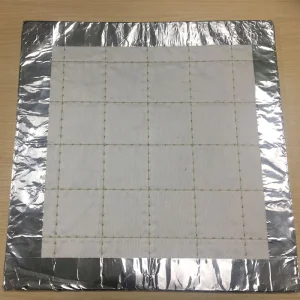
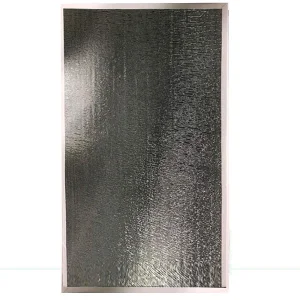
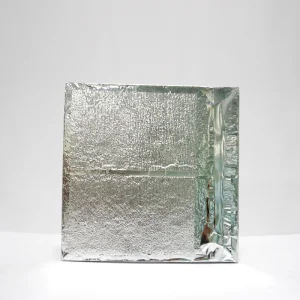
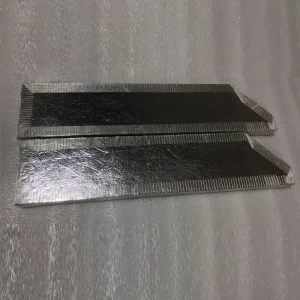
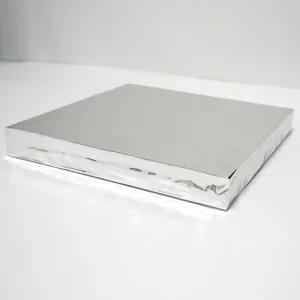
The global thermal insulation landscape is undergoing a structural paradigm shift driven by stringent decarbonization targets, rising energy costs, and the rapid expansion of temperature-sensitive supply chains. At the forefront of this evolution is the Thin Vacuum Insulation Panel (VIP). By sealing a highly porous core material inside an airtight, multi-layer envelope and evacuating the gas, VIPs manipulate physical heat transfer mechanics to achieve thermal conductivities lower than 0.004 W/(m·K). This performance profile is five to ten times superior to conventional insulation materials like Polyurethane (PU), Extruded Polystyrene (XPS), and Rockwool.
In engineering applications where space is at a premium—such as EV battery compartments, pharmaceutical cold boxes, and ultra-thin building envelopes—thin vacuum panels offer structural and thermal advantages. This whitepaper analyzes core material configurations, provides actionable insights for global procurement managers, details industry application frameworks, and outlines Zerothermo Technology’s manufacturing roadmap.
By eliminating gas molecules within the core structure, VIPs neutralize gas phase conduction, which constitutes the majority of heat transfer in conventional insulation.
Utilizing microporous and nanoporous structures like fumed silica ensures pore diameters are smaller than the mean free path of remaining gas molecules.
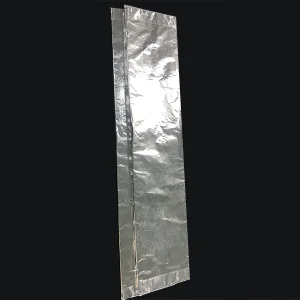
Using metalized polyester or aluminum foil laminates minimizes gas and moisture transmission rates, safeguarding the internal vacuum for decades.
Selecting the appropriate core material is critical for balancing thermal objectives, operational lifespans, and cost requirements. Fumed silica cores offer high reliability and resistance to aging, whereas fiberglass cores provide lower initial thermal conductivity at a lower price point, though they require stricter protection against moisture penetration.
| Parameter Details | Fumed Silica Core VIP | Fiberglass Core VIP | PU Hybrid Insulated Panel |
|---|---|---|---|
| Initial Thermal Conductivity | 0.004 - 0.005 W/(m·K) | 0.0015 - 0.0025 W/(m·K) | 0.018 - 0.022 W/(m·K) |
| Aged Thermal Conductivity (15 Years) | 0.006 - 0.007 W/(m·K) | 0.008 - 0.012 W/(m·K) | 0.024 - 0.028 W/(m·K) |
| Pore Size / Microstructure | Nanoporous (10 - 100 nm) | Microporous (1 - 10 µm) | Macroporous (10 - 50 µm) |
| Expected Operational Lifespan | 30 to 50 Years | 10 to 15 Years | 5 to 10 Years |
| Fire Safety Classification | Class A1 (Non-Combustible) | Class A1 (Non-Combustible) | Class B1/B2 (Flame Retardant) |
| Hydrophobic Properties | Highly Hydrophobic (Integrated) | Hydrophilic (Requires Getters) | Moderate |
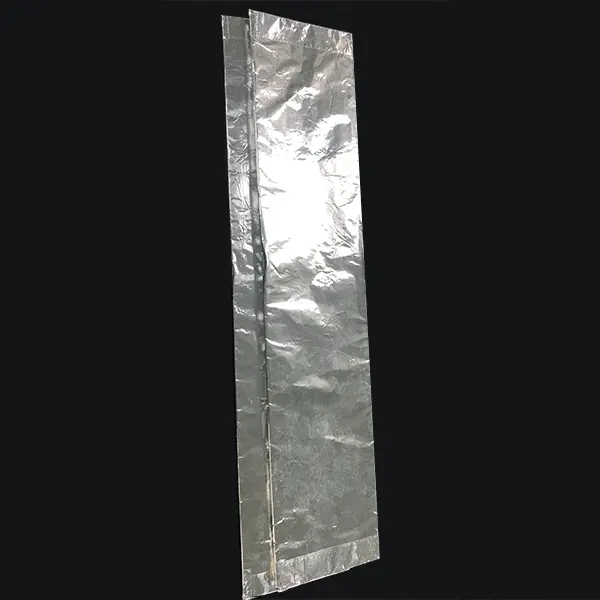
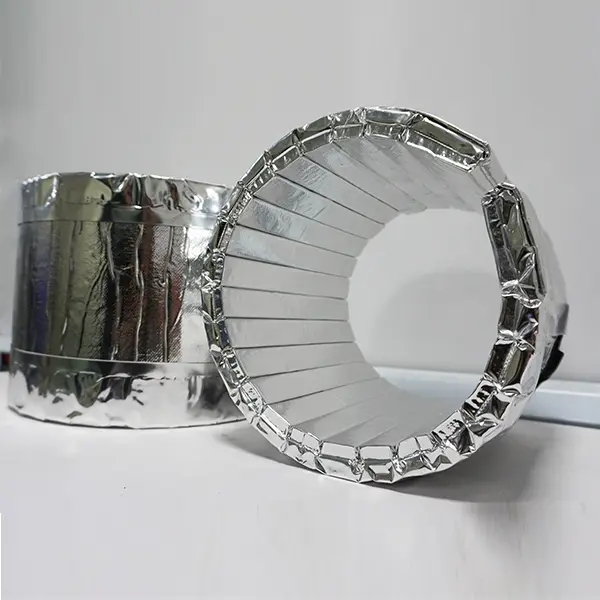
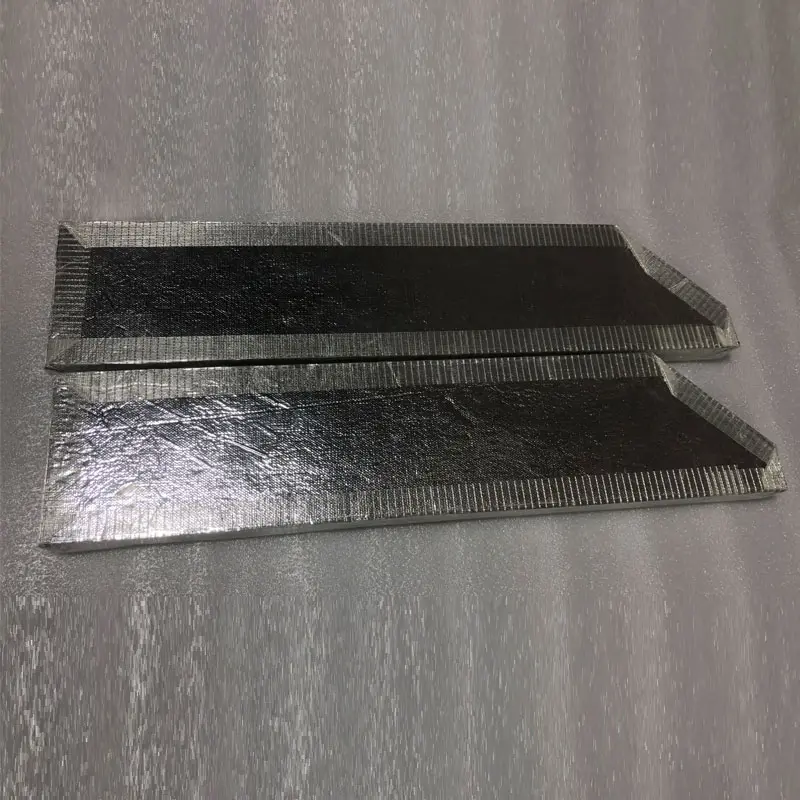
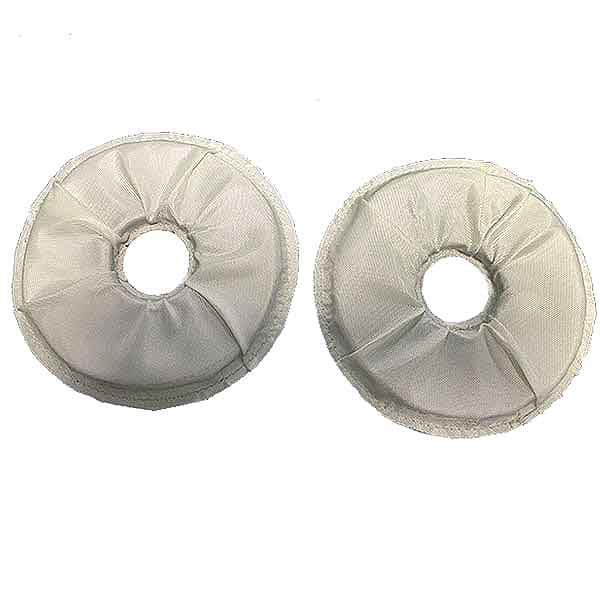
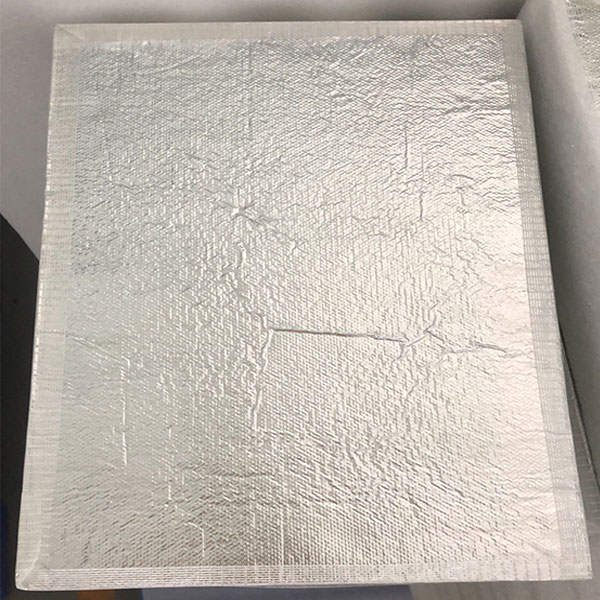
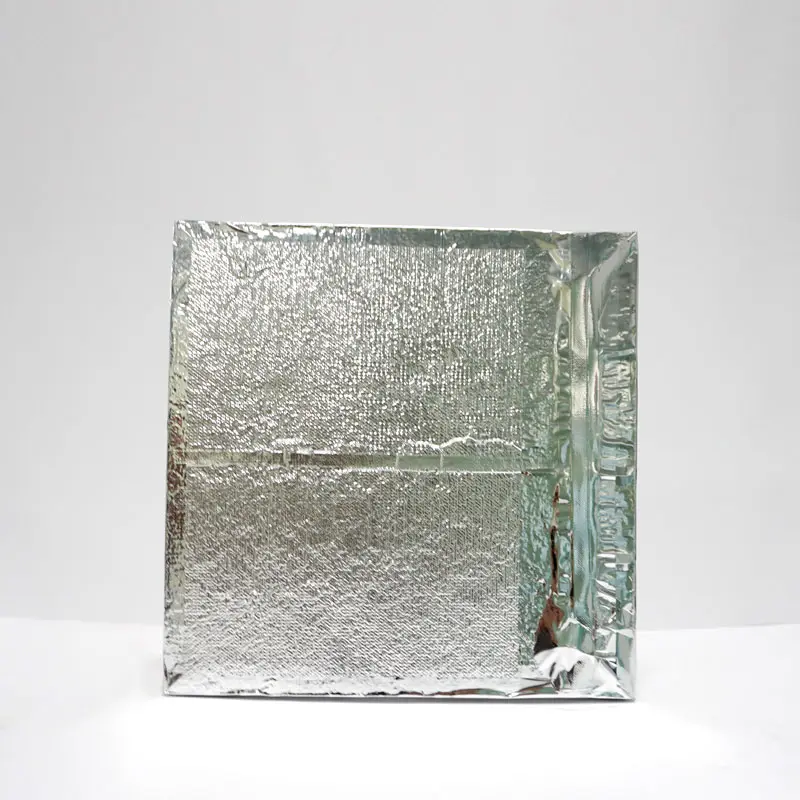
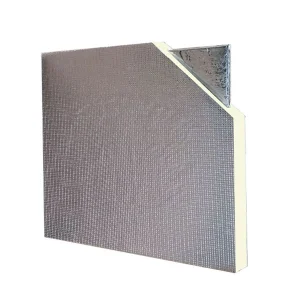
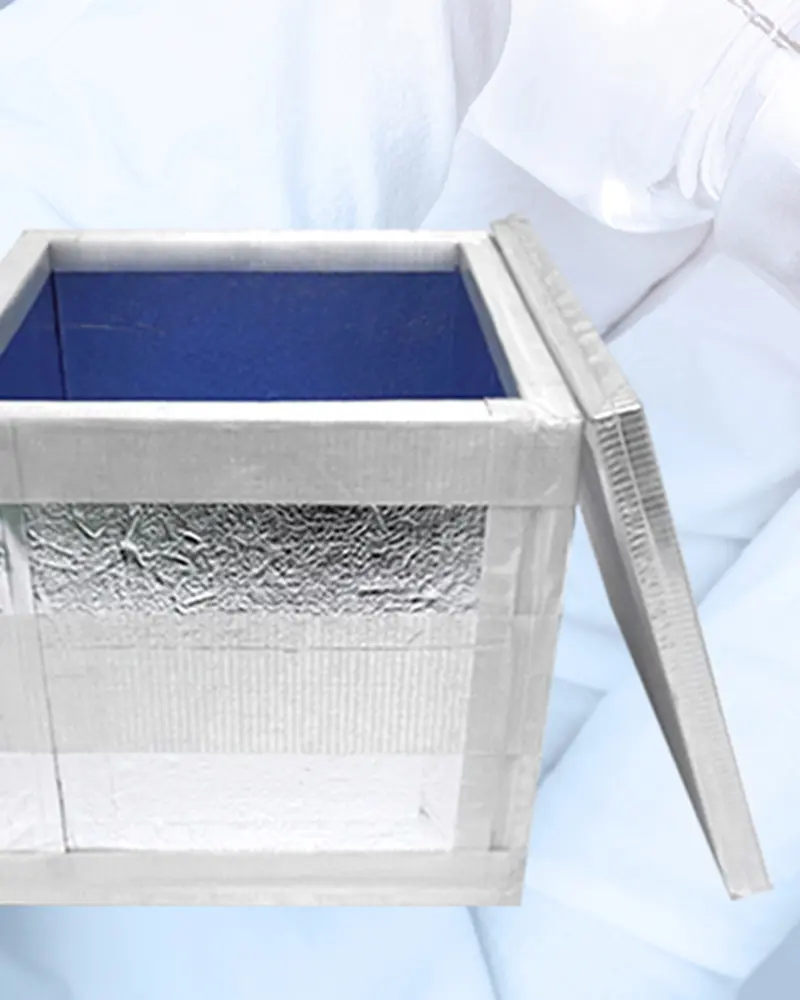
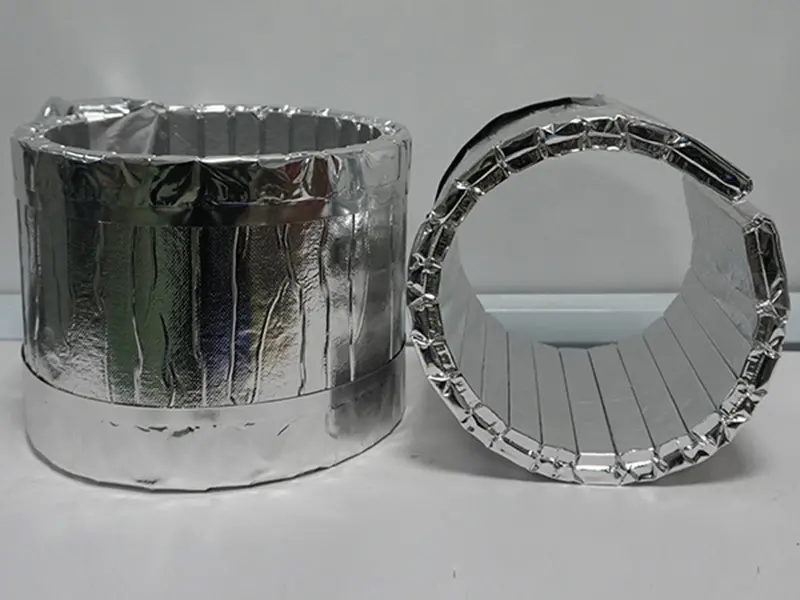
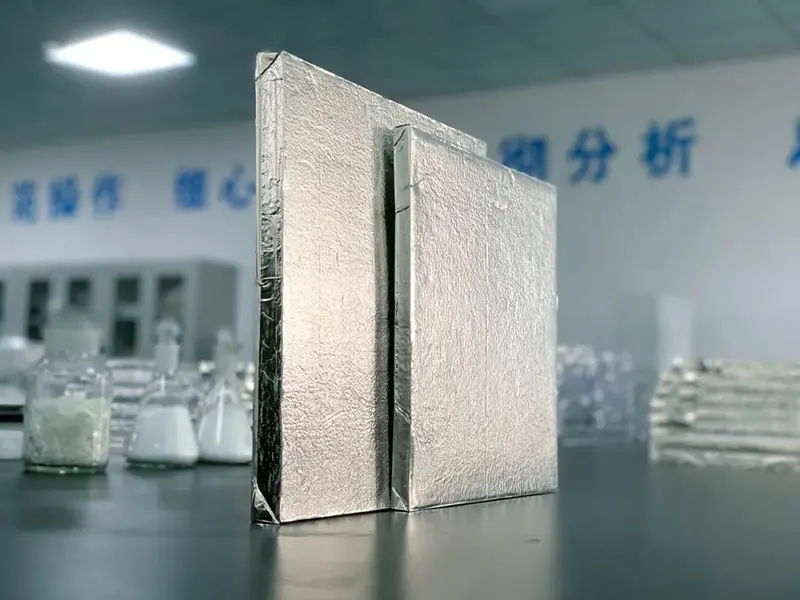
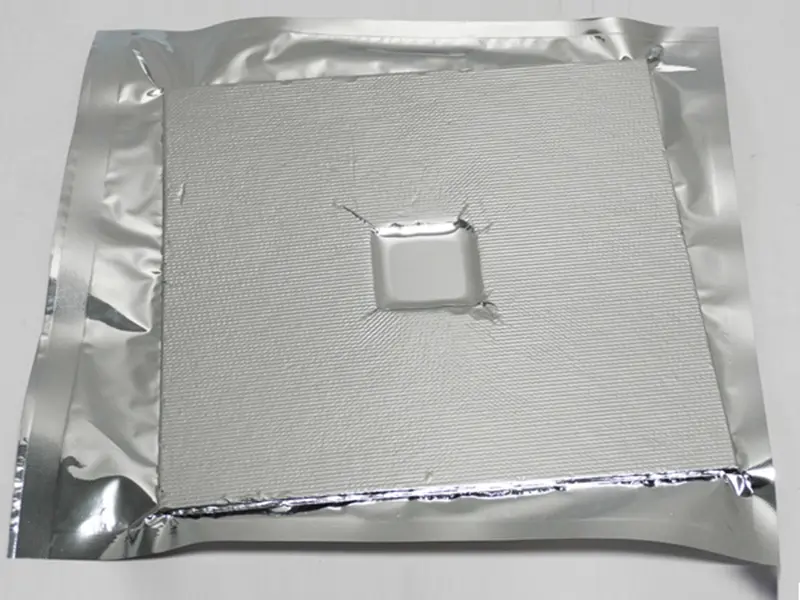
Every thermal application presents unique structural, chemical, and environmental requirements. At Zerothermo Technology, we provide custom sizing, shaped panels, and variable thicknesses to integrate VIPs into pre-existing systems. Below is our specialized portfolio of custom solutions:
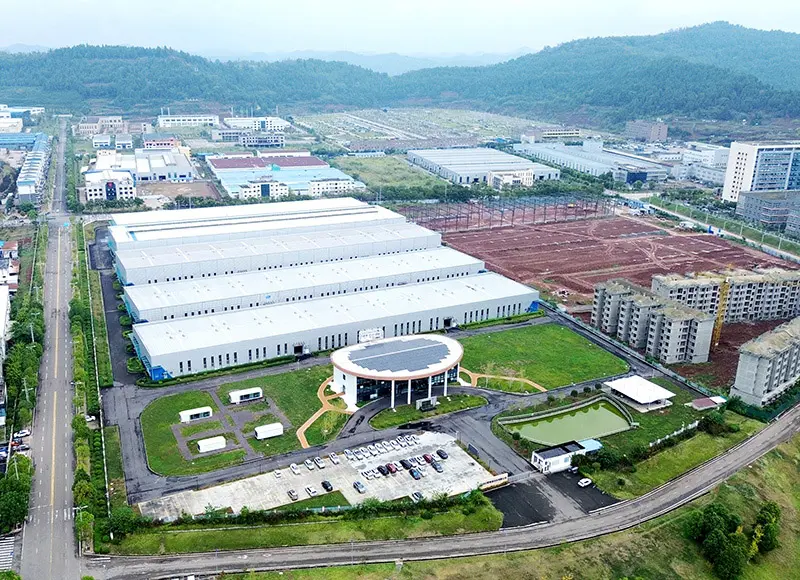
Zerothermo Technology Co., Ltd., a subsidiary of CBVAC Group and a national high-tech enterprise, is headquartered in the Beijing Economic-Technological Development Area with its production base located in Nanchong City, Sichuan Province. This facility stands as one of China’s largest comprehensive production centers for vacuum technology application products.
Our engineering expertise extends to specialized vacuum components, structural flanges, and customized hardware interfaces to support industrial processes:

Special sizes (beyond the range of ANSI/ASME/DIN and other standards) are produced according to customers' drawings or technical parameters.

Square, oval, or other special shaped flanges. Oversize/small diameter options, including diameters over 60 inches and micro precision flanges.

Special sizes produced to exact drawings or customer technical parameters to ensure system vacuum integrity.


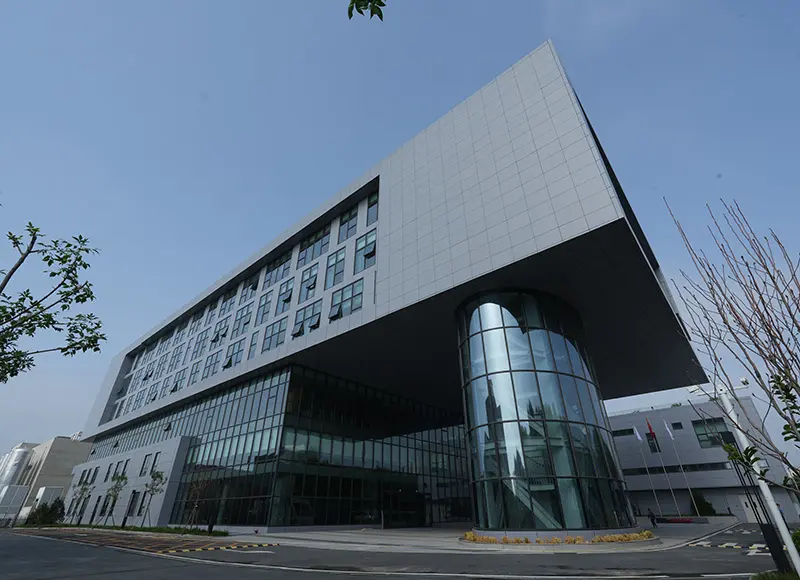







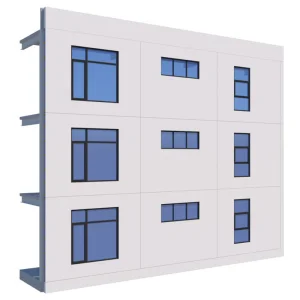
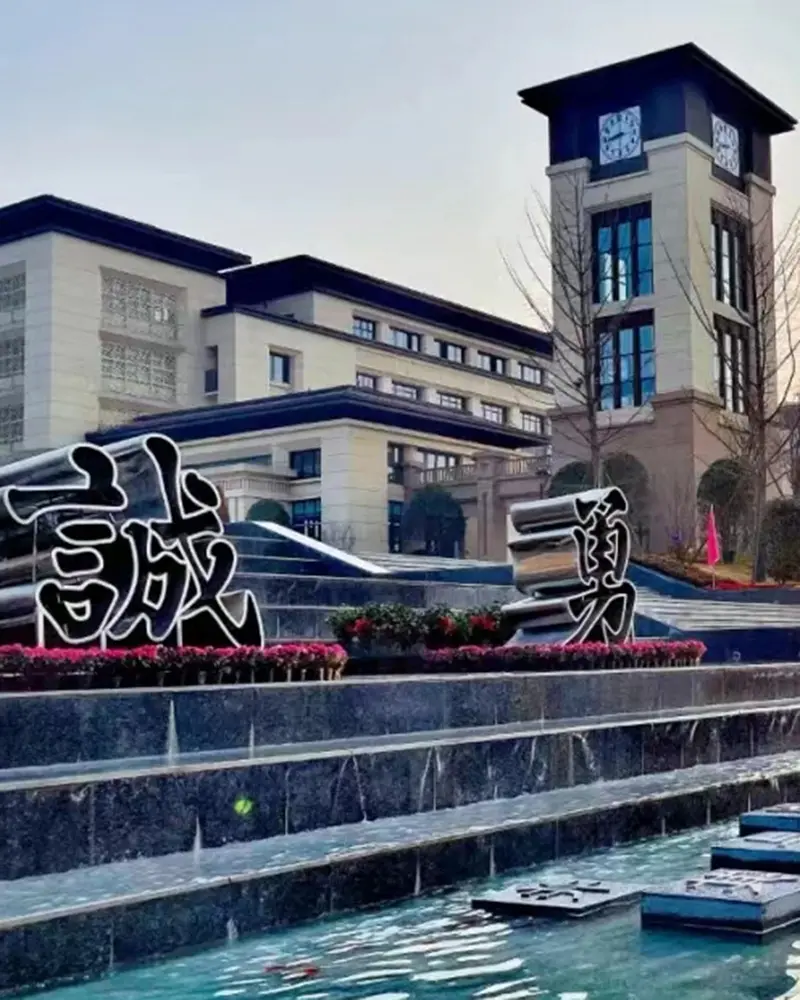
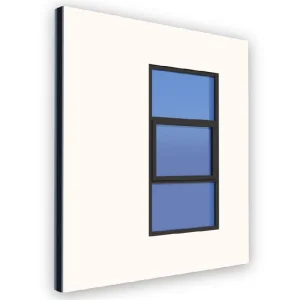
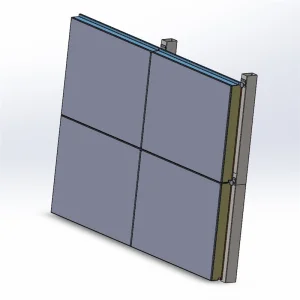
Providing high-efficiency thermal insulation solutions for building envelope systems through innovative products like vacuum insulation panels and vacuum insulated glass, supporting the construction sector to reduce carbon emissions and achieve carbon neutrality.

Providing high-efficiency thermal insulation solutions for building envelope systems through innovative products like vacuum insulation panels and vacuum insulated glass, supporting the construction sector to reduce carbon emissions and achieve carbon neutrality.02

Providing high-efficiency thermal insulation solutions for building envelope systems through innovative products like vacuum insulation panels and vacuum insulated glass, supporting the construction sector to reduce carbon emissions and achieve carbon neutrality.03

Providing high-efficiency thermal insulation solutions for building envelope systems through innovative products like vacuum insulation panels and vacuum insulated glass, supporting the construction sector to reduce carbon emissions and achieve carbon neutrality.03
Procuring Thin Vacuum Insulation Panels for high-volume commercial or industrial applications requires an understanding of their physical constraints and handling parameters. Unlike conventional insulation foams that can be cut, shaped, or nailed on-site, a completed vacuum insulation panel is a sealed, fragile pressure vessel. Puncturing the outer barrier film immediately vents the internal vacuum, increasing the panel's thermal conductivity to that of the raw core material—up to 0.020 W/(m·K) for fumed silica and up to 0.035 W/(m·K) for fiberglass.
To manage these risks, global procurement managers should verify key production criteria:
The perimeter joints between VIPs can create thermal bridges. Specifying panels with staggered edges or combining them with a polyurethane or aerogel backing layer helps maintain continuous thermal performance across the assembly.
Over time, trace gases and water vapor can desorb from the core material or diffuse through the envelope film. High-durability panels incorporate internal desiccants and chemical getters to capture these gases and maintain the internal vacuum.
Verify that suppliers comply with international standards such as ASTM C1484 (Standard Specification for Vacuum Insulation Panels), CE markings for building construction, and RoHS/REACH compliance for consumer appliances.
To meet the demand for high-performance insulation in space-constrained applications, the development roadmap for Thin Vacuum Insulation Panels focuses on film barrier performance, core materials, and quality assurance.
Future designs aim to blend fumed silica with bio-based or mineral-based aerogels. This hybrid approach helps reduce core density and costs while maintaining the nanoporous matrix required to suppress gas-phase thermal conduction, even at higher internal pressures.
Traditional multi-layered aluminum foils prevent gas intrusion but can cause thermal bridging around the panel edges. R&D efforts are focused on developing polymer films coated with nano-ceramic vapor-deposition layers (such as silicon oxide, SiOx, or aluminum oxide, Al2O3). These materials maintain barrier performance while reducing edge heat leaks.
For high-value projects like cold chain vaccine logistics or architectural facades, verifying vacuum integrity throughout the product life cycle is essential. Incorporating passive RFID sensor chips beneath the barrier film allows operators to verify internal pressure wirelessly without compromising the panel envelope.
Zerothermo Technology manufactures its vacuum application products in compliance with international quality, environmental, and safety management standards:
Our manufacturing facilities in Nanchong follow quality management protocols, with structured inspections at each production phase, from core compression to final chamber evacuation.
Our fumed silica cores and multi-layer barrier envelopes are free from restricted substances, ensuring suitability for consumer appliances and pharmaceutical cold chain systems.
Our panels undergo thermal performance testing in compliance with global standards, verifying thermal resistance metrics under varying temperature differentials.
A1: The service life is determined by the rate of gas and water vapor permeation through the envelope film. Over time, atmospheric gases slowly diffuse into the panel, gradually increasing internal pressure. When the pressure rises significantly, gas conduction increases, raising thermal conductivity. Fumed silica cores are less sensitive to pressure increases than fiberglass cores, helping to maintain low thermal conductivity for up to 50 years under optimal conditions.
A2: No. Puncturing, cutting, or drilling a vacuum insulation panel immediately destroys the internal vacuum, causing the thermal conductivity to revert to that of the unevacuated core material. All dimensions, shapes, and cutouts must be calculated during the engineering design phase and manufactured to specification at our facility.
A3: The edge effect occurs because the multi-layer barrier film, particularly when it contains aluminum foil layers, has higher thermal conductivity than the evacuated core. This creates a thermal bridge along the panel perimeter. To minimize this, designers can use polymer-based barrier films with thin metal coatings, stagger joint locations in double-layer systems, or cover joints with conventional insulation materials.
A4: Fumed silica VIPs are preferred for pharmaceutical cold chain applications because they maintain low thermal conductivity even if pressure rises slightly, and they do not require getters. Fiberglass VIPs offer lower initial thermal conductivity but are sensitive to moisture and vacuum degradation, requiring internal desiccants and chemical getters to remain effective.
A5: High-temperature nano microporous panels are formulated to withstand temperatures exceeding 1000°C. They do not combust or release toxic smoke, providing fire containment and preventing thermal transfer across door surfaces during fire events.
A6: We offer custom round, L-shaped, and multi-segmented panels. These shapes are designed to fit around lithium battery cell modules, providing thermal runaway protection while staying within the space constraints of the vehicle chassis.
A7: Every panel is aged in our warehouse for a specified period and tested using non-destructive laser vacuum measurement technology. This quality check confirms that only panels meeting vacuum and envelope integrity specifications are cleared for shipment.
A8: Yes. The core material of a fumed silica VIP is non-toxic synthetic amorphous silica, which can be recovered and repurposed. The outer polymer-aluminum barrier film can also be processed in standard industrial recycling systems.
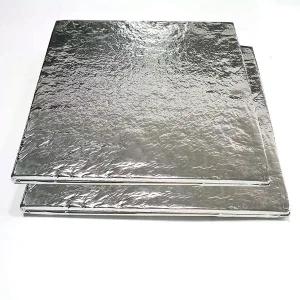
Contact our application engineering team to request drawings, dimensional layouts, thermal performance calculations, or volume pricing.








 +8615892792306