Featured Engineering
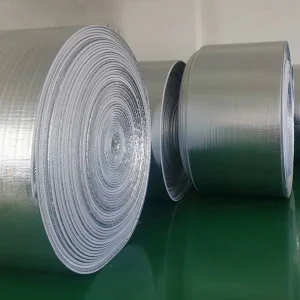
Enterprise Strengths
Tailored Specifications
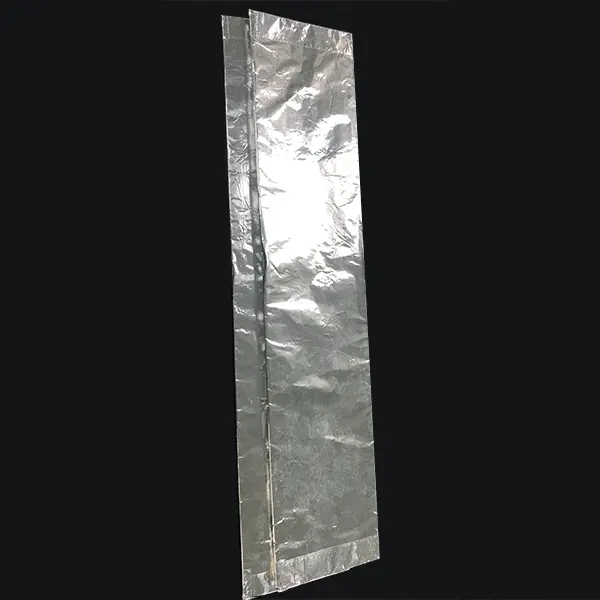
Customized dimensional thickness (5-20mm) and protective layer solutions engineered for electric vehicle battery cell compartment insulation, mitigation of thermal propagation, and localized safety containment.
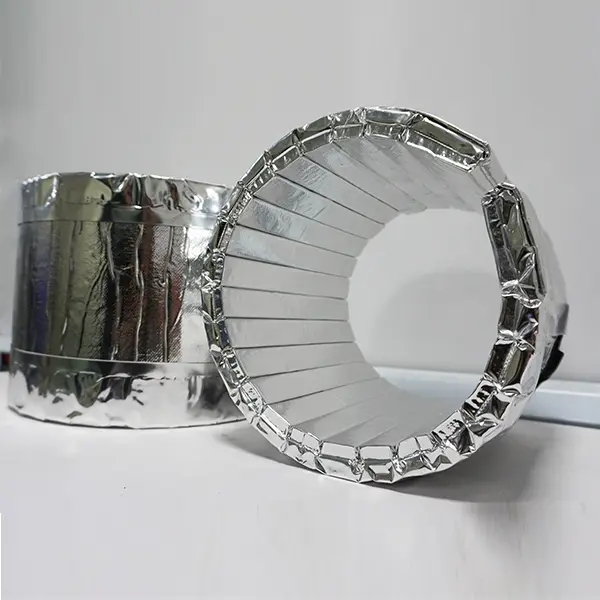
Specialized hydrophobic microporous insulation designed for high-temperature pipelines, chemical processing plants, and severe municipal operations requiring absolute moisture exclusion.
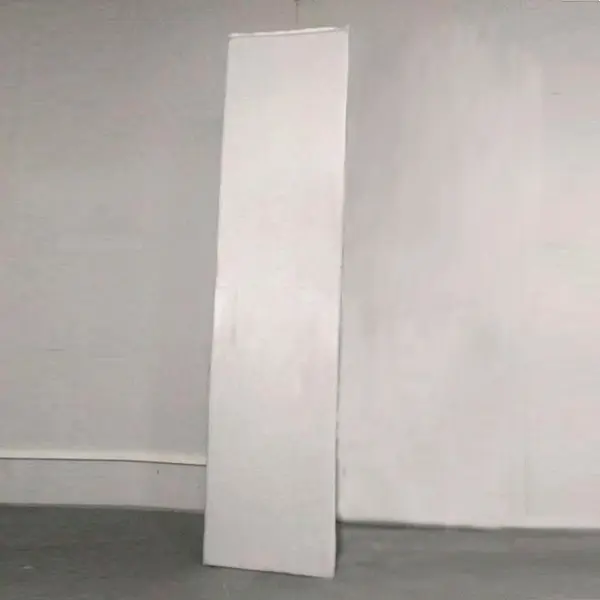
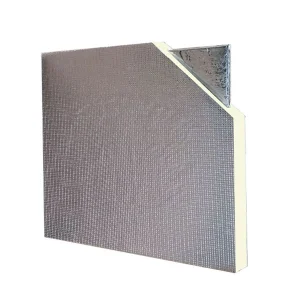
Elevator fireproof door nanostructured thermal barriers designed to meet strict Class-A fire protection regulations, ensuring physical stability up to 1000°C.
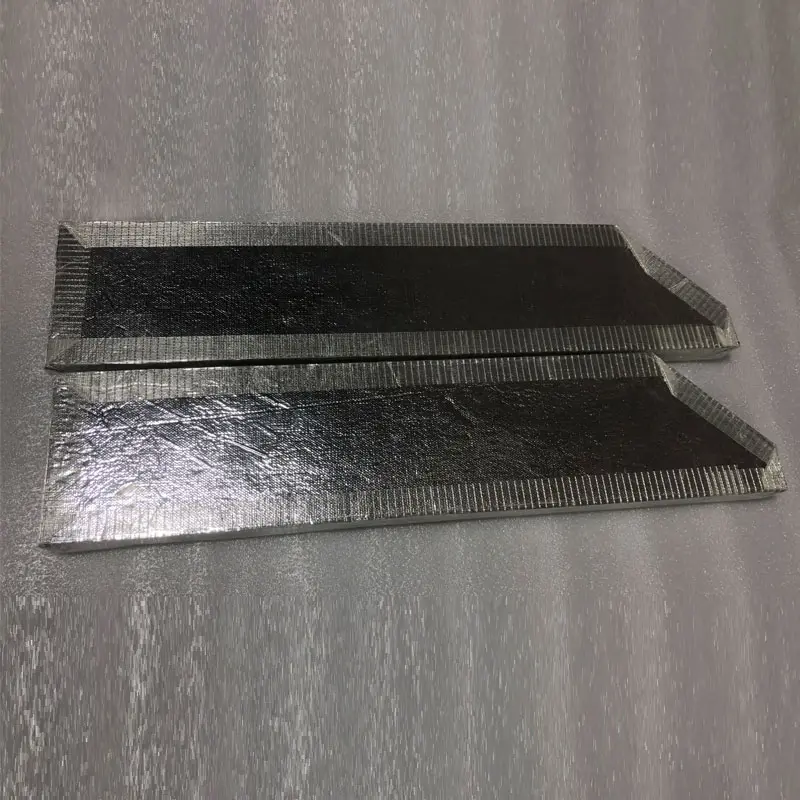
Advanced CNC-milled structural shapes with holes, notches, and complex 3D geometries tailored to custom medical refrigeration systems and compact architectural layouts.
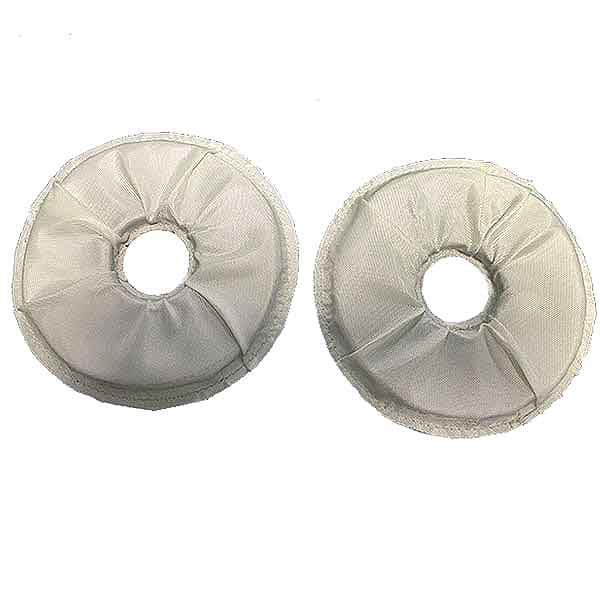
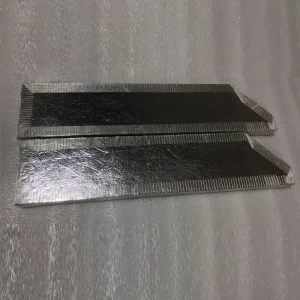
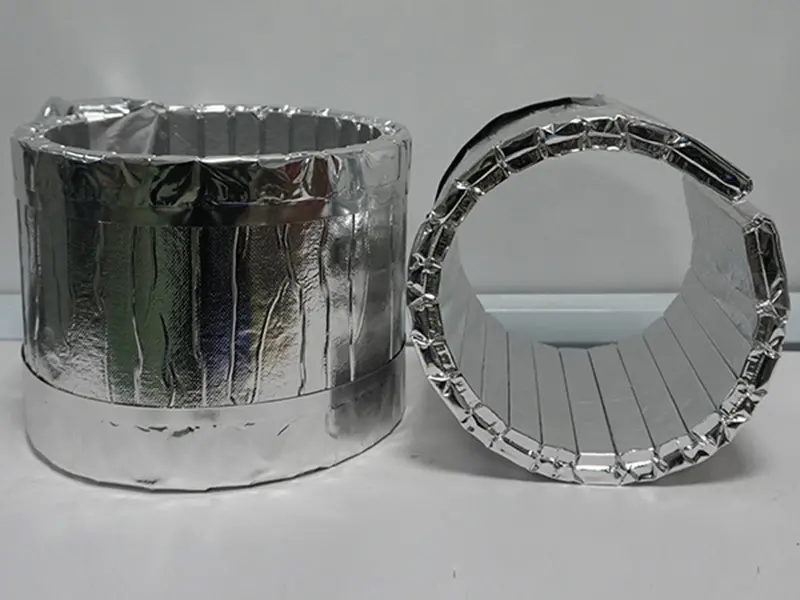
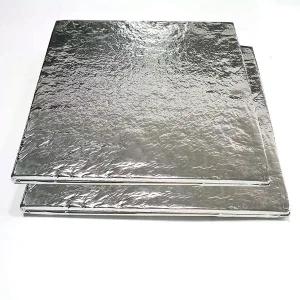
Adaptable, curved, and cylindrical flexible nano insulation blankets engineered for industrial kilns, piping wraps, and aeronautic auxiliary systems.
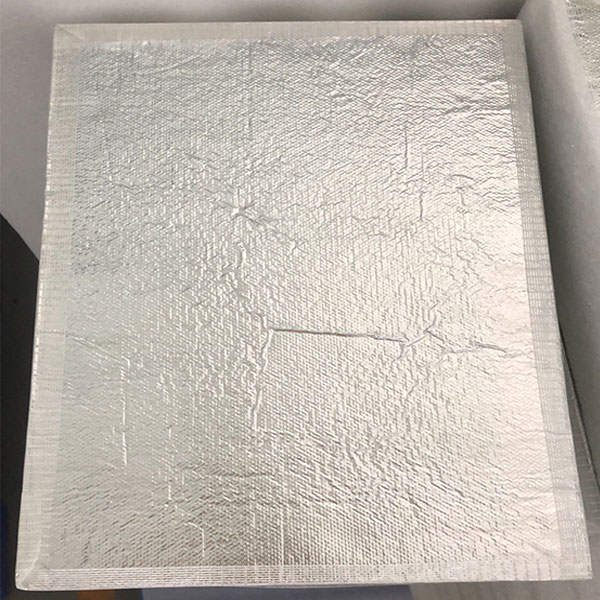
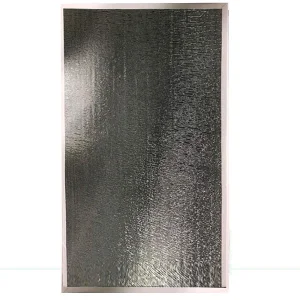
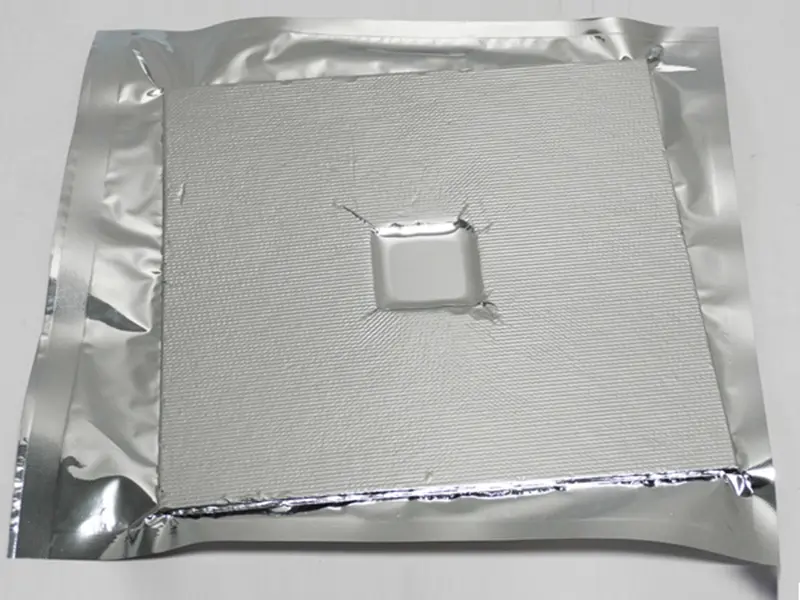
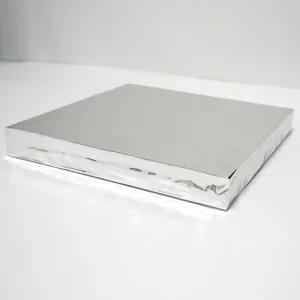
High-vacuum barrier sheets with thermal conductivity as low as 0.0035 W/m·K, optimizing internal volume efficiency in luxury commercial refrigerators and thermal coolers.
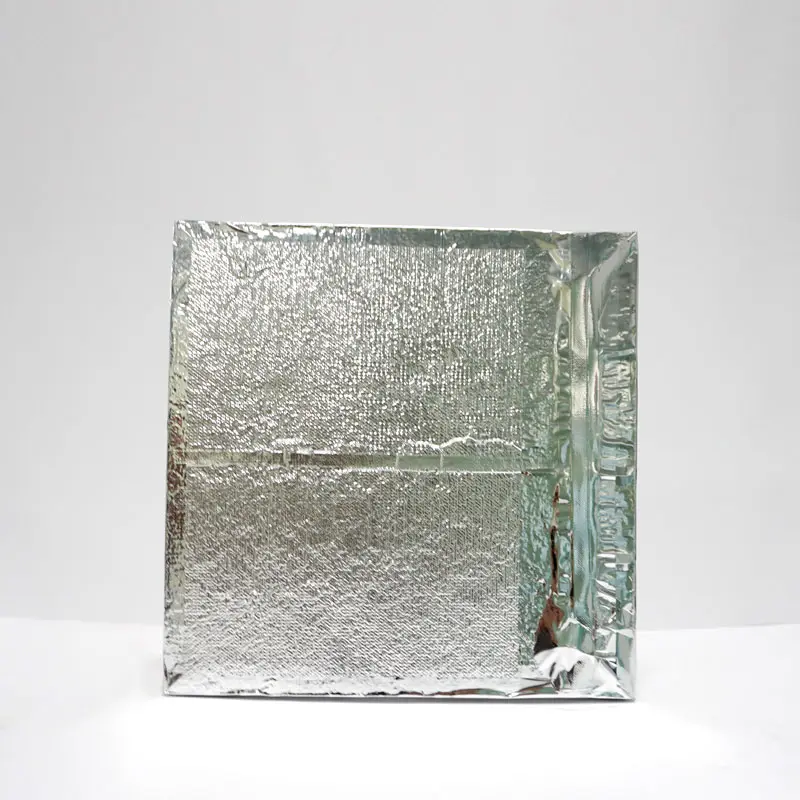
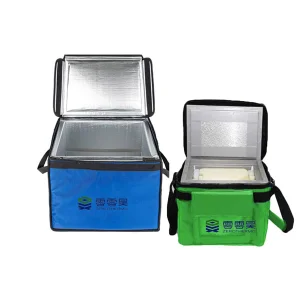
Reinforced vacuum panels providing long-duration passive temperature maintenance for critical cold chain container transport of pharmaceutical materials and perishable goods.
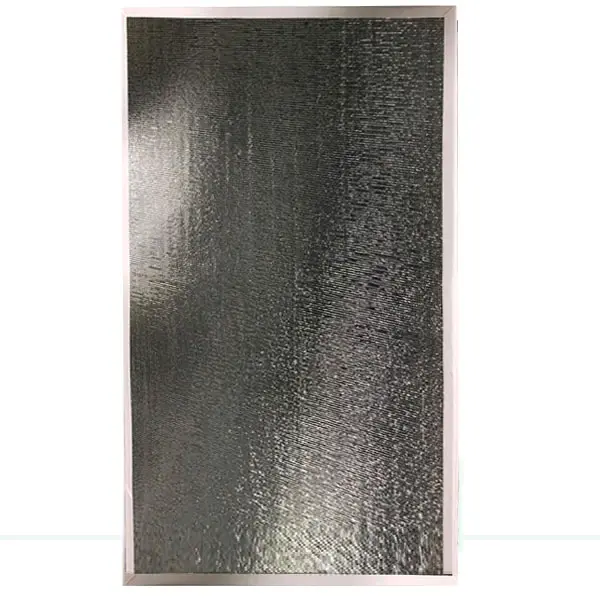
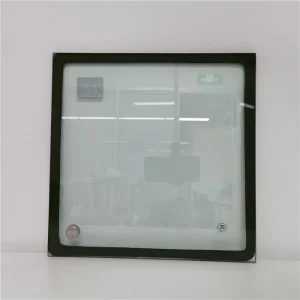
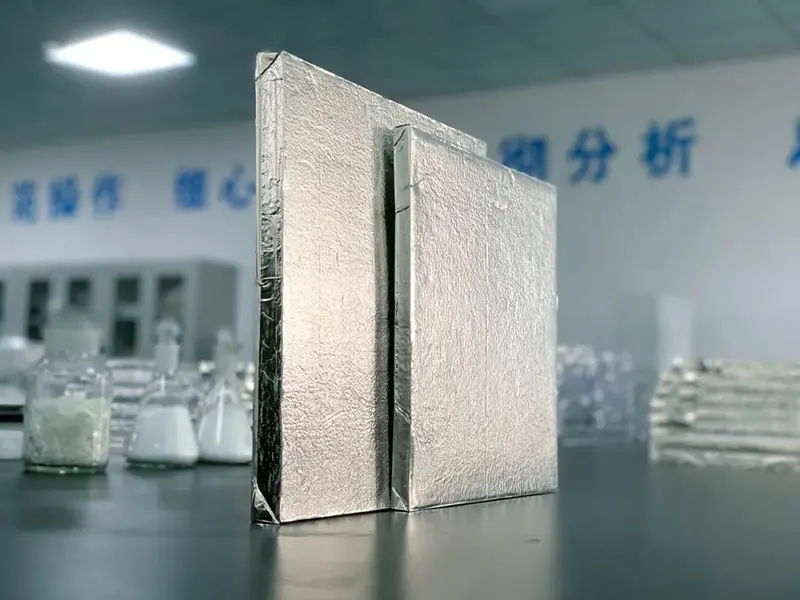
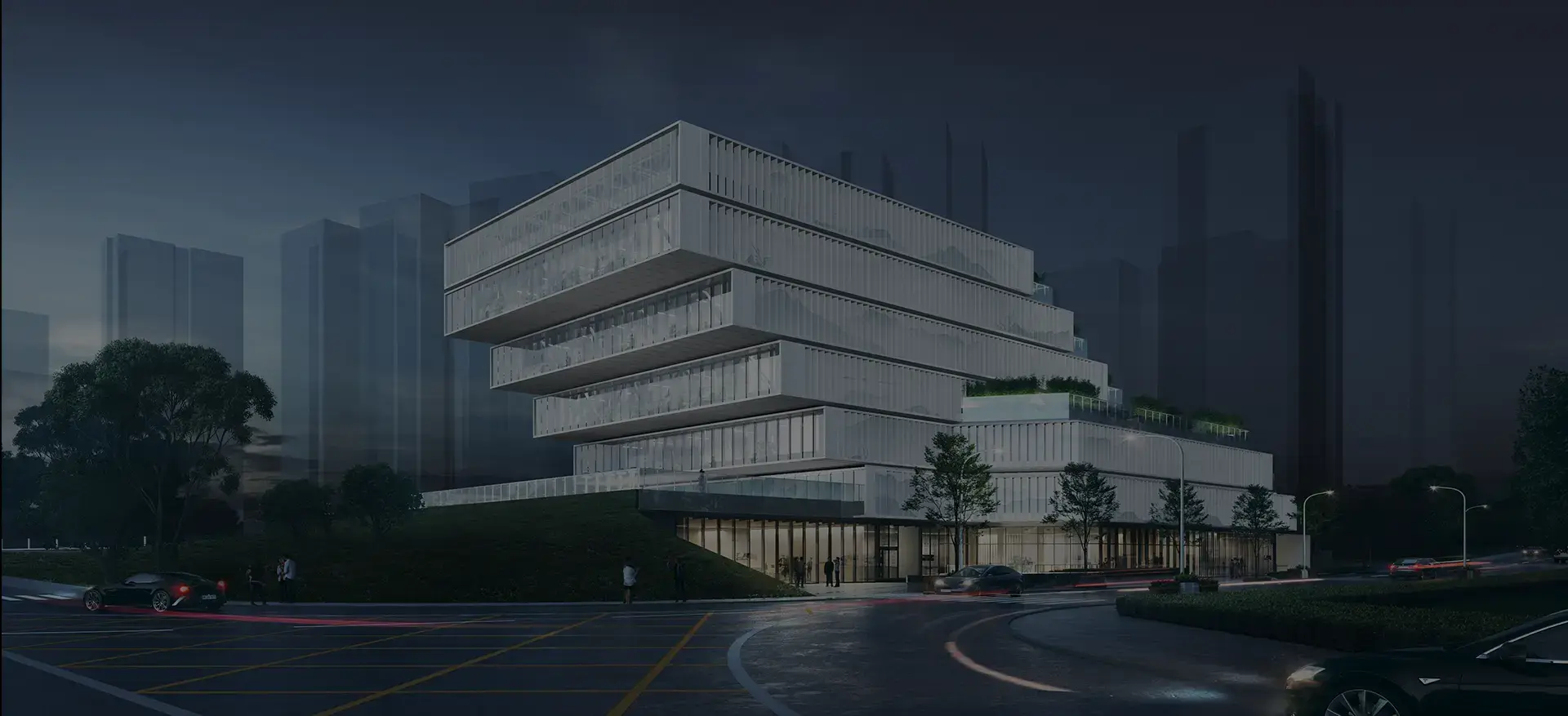
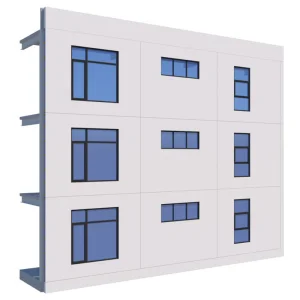
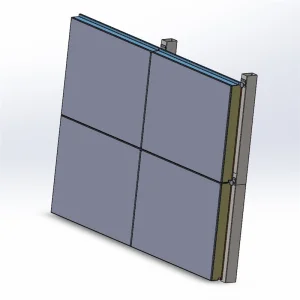
Extra-large format vacuum panel solutions (up to 1200mm × 800mm) designed for architectural curtain walls, roof insulation, and prefabricated cold storage buildings.
Manufacturing Heritage
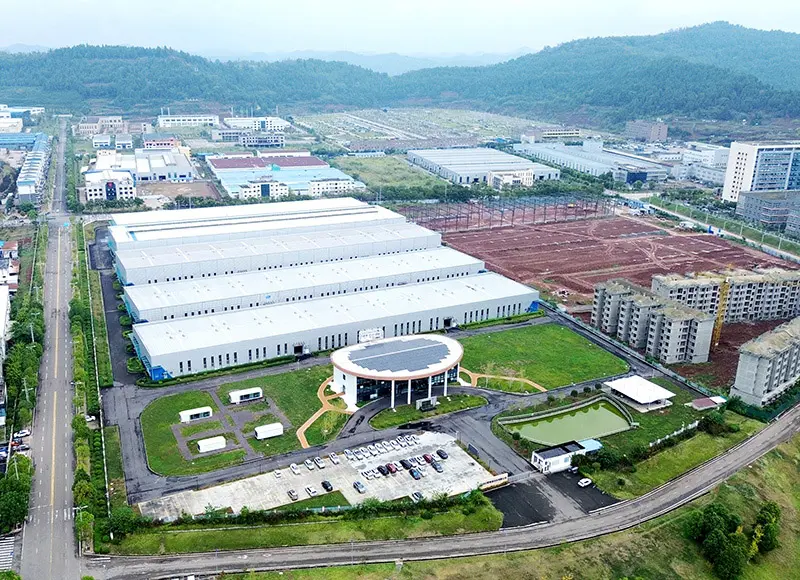
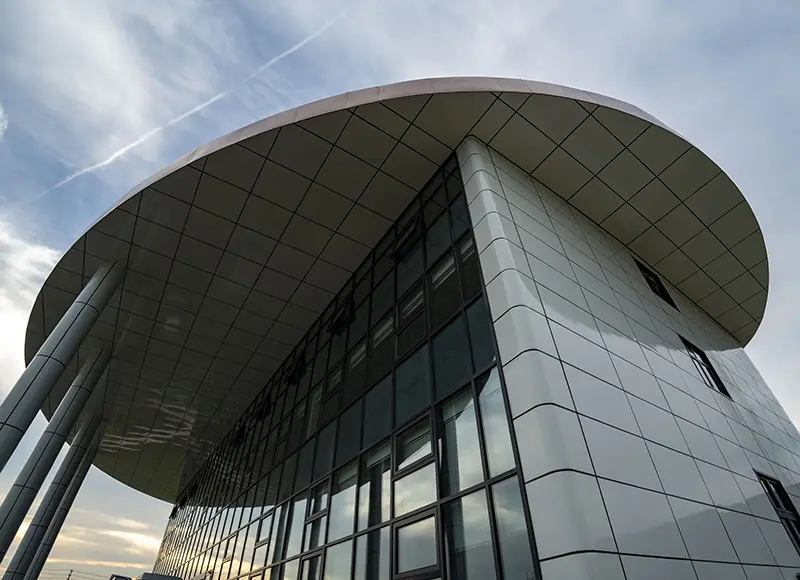
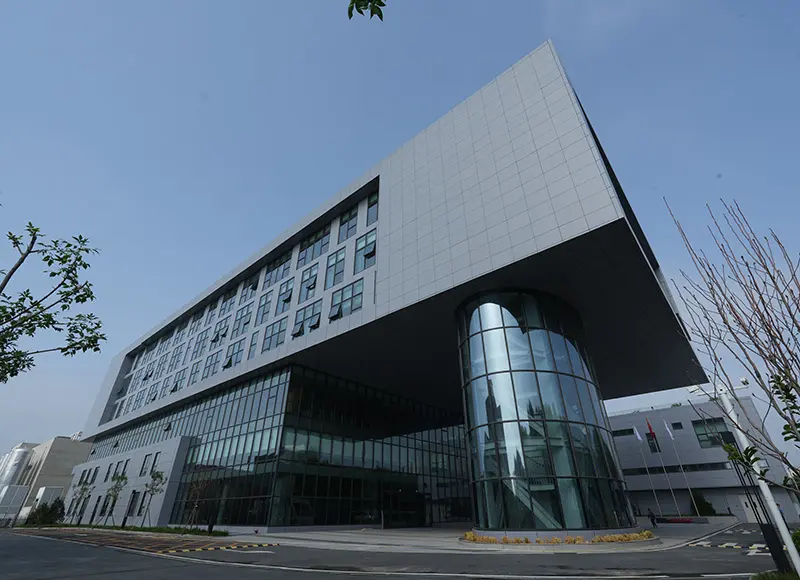
Zerothermo Technology Co., Ltd., a subsidiary of the prestigious CBVAC Group, is a national high-tech enterprise. Our corporate headquarters is situated within the Beijing Economic-Technological Development Area, supported by our industrial production facilities in Nanchong City, Sichuan Province. This facility is recognized as one of China's most advanced and largest comprehensive production centers for vacuum technology and advanced thermal applications.

Custom dimensions engineered beyond ANSI/ASME/DIN standards to support extreme vacuum environments.

Square, oval, and asymmetric vacuum flanges engineered for high-integrity structural seals.

Precision execution of large-bore connectors and micro-precision flanges for industrial vacuum chambers.
Our Core Strengths


Market Applications

Thermal stability solutions designed for temperature-sensitive biologics, vaccines, and high-value therapeutics, complying with strict WHO and FDA distribution regulations.

Super-thin thermal insulation solutions for building envelopes, green roofs, and curtain walls. Helps achieve carbon neutrality and low-energy building standards.

Engineered nanostructured fire protection panels and flexible insulation mats for high-temp machinery, industrial furnaces, and fire door systems.

Energy-efficient insulation solutions tailored for modular mobile cabins, high-end modular resort spaces, and outdoor eco-domes exposed to harsh climates.
Proof of Performance


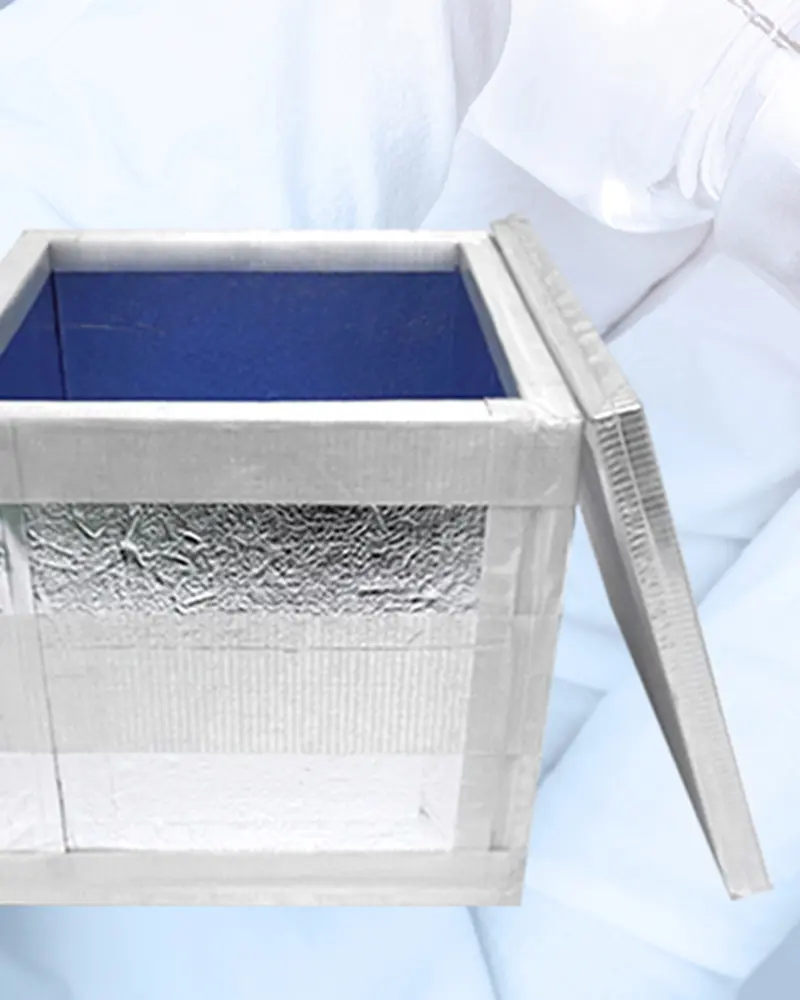
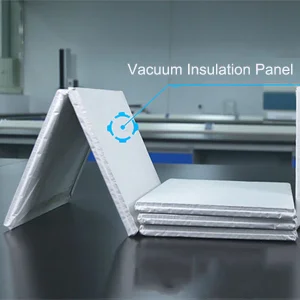
Vacuum Insulation Panels (VIPs) represent a major advancement in thermal management technology. Standard insulation materials like Expanded Polystyrene (EPS), Polyurethane (PU), and Mineral Wool rely on trapping gas within cellular structures. VIPs eliminate gas conduction entirely by evacuating the air from a porous core material and sealing it in a gas-tight, multi-layer envelope.
This process is governed by the Knudsen Effect ($Kn = \lambda_{mean} / d$), which describes how gas phase heat conduction decreases when the pore size ($d$) of the core material is smaller than the mean free path ($\lambda_{mean}$) of the remaining gas molecules. In fumed silica core structures, the native pore size ranges from 20 to 50 nanometers. This unique structure allows fumed silica VIPs to maintain low thermal conductivity ($0.004 \text{ W/m}\cdot\text{K}$ to $0.006 \text{ W/m}\cdot\text{K}$) even under partial vacuum loss over time.
By contrast, fiberglass core VIPs have a larger pore size (typically 1 to 10 micrometers). While they offer an exceptionally low initial thermal conductivity ($0.0015 \text{ W/m}\cdot\text{K}$ to $0.0025 \text{ W/m}\cdot\text{K}$), they require a high vacuum level (around 0.1 to 1 mbar) to perform effectively. If the vacuum degrades, their thermal performance can drop significantly, making them less suitable for long-term construction projects compared to fumed silica options.
Global demand for super insulation materials is growing, driven by stricter energy regulations like the European Union's Energy Performance of Buildings Directive (EPBD) and global Net-Zero carbon goals. Traditional insulation materials often require thick panels to meet these standards, reducing usable internal space in urban real estate.
In regions with high land values (such as London, Tokyo, New York, and Shanghai), reducing insulation thickness while maintaining thermal performance has clear economic benefits. For example, replacing a 150mm thick polyurethane panel with a 30mm fumed silica VIP preserves valuable indoor space while delivering the same thermal resistance (R-value). This space-saving benefit makes VIPs highly appealing to real estate developers and architects.
| Insulation Type | Thermal Conductivity (W/m·K) | Required Thickness (R=5.0 m²·K/W) | Expected Lifespan (Years) | Fire Classification (EN 13501) |
|---|---|---|---|---|
| Fumed Silica VIP (Zerothermo) | 0.004 - 0.006 | 20 - 30 mm | 30 - 50 | Class A1 / A2 (Non-Combustible) |
| Fiberglass Core VIP | 0.002 - 0.003 (Initial) | 10 - 15 mm | 10 - 15 | Class B / C (Core dependent) |
| Aerogel Insulation Blanket | 0.015 - 0.020 | 75 - 100 mm | 20 - 30 | Class A2 |
| Polyurethane Rigid Foam (PU) | 0.022 - 0.028 | 110 - 140 mm | 15 - 25 | Class E / F (Combustible) |
| Expanded Polystyrene (EPS) | 0.031 - 0.038 | 155 - 190 mm | 15 - 25 | Class E |
In addition to sub-zero and ambient applications, nanostructured microporous insulation is vital for high-temperature industrial settings. These materials consist of synthetic amorphous silica, opacifiers (to minimize infrared radiation), and reinforcing fibers. They are engineered to withstand temperatures up to 1000°C without losing structural integrity.
In the New Energy Vehicle (NEV) industry, battery pack safety is a top priority. Installing ultra-thin microporous barriers between battery cells helps prevent thermal runaway. This keeps heat from spreading to adjacent cells, reducing safety risks. Similarly, in high-rise buildings, elevator doors lined with nano-microporous panels provide reliable, space-saving fire barriers that comply with strict safety regulations.
When sourcing super insulation panels from China, pricing depends on several key factors:
To help guide procurement budgeting, the table below provides estimated FOB China price ranges based on standard specifications:
| Core Material | Standard Thickness | Dimensions (mm) | Est. FOB Price Range (USD/sq.m.) | Primary Application |
|---|---|---|---|---|
| Fumed Silica (Premium) | 10 mm | 600 × 400 / 600 × 600 | $35.00 - $48.00 | Cold chain logistics, Medical boxes |
| Fumed Silica (Premium) | 20 mm | 1000 × 600 / 1200 × 600 | $52.00 - $68.00 | Architectural walls, Green retrofits |
| Fumed Silica (Premium) | 30 mm | 1200 × 800 | $70.00 - $95.00 | Passive house construction |
| Fiberglass Core (Standard) | 15 mm | 600 × 500 / 800 × 600 | $18.00 - $28.00 | Refrigerators, Freezer appliances |
| Microporous Nano Board (HT) | 10 mm | Custom up to 1000 × 600 | $45.00 - $60.00 | Elevator fire doors, Industrial kilns |
| Flexible Nano Mat (HT) | 5 mm - 10 mm | Rolls or Custom Mats | $55.00 - $80.00 | NEV batteries, Curved pipe wrapping |
Maintaining the vacuum inside VIP panels is essential for long-term performance. Unlike traditional insulation, vacuum insulation panels cannot be cut, drilled, or nailed on-site. Puncturing the outer high-barrier envelope releases the internal vacuum, causing the panel's thermal conductivity to rise to that of unpressurized silica ($0.020 \text{ W/m}\cdot\text{K}$).
To prevent damage, installers must follow strict guidelines:
Technical Knowledge Base
Fumed silica VIPs are designed for long-term durability. In typical building applications, they maintain their thermal performance for 30 to 50 years. Their nanostructured core has a natural resistance to moisture, helping them retain high insulation values even if the internal vacuum level experiences minor degradation over time.
No, VIP panels cannot be cut, trimmed, or drilled on-site. The panel relies on a sealed, high-vacuum core. Any puncture will compromise the seal, causing the thermal conductivity to increase. All panels must be engineered and manufactured to the exact dimensions required before delivery to the project site.
Every panel undergoes strict quality control. We measure the vacuum density and use non-destructive laser deflection technology to verify internal pressure. After production, panels are stored in our warehouse for a testing period to ensure the seal remains stable and leak-free before packaging.
The choice depends on your application. Fiberglass core VIPs offer a lower initial thermal conductivity and are cost-effective for appliances like home refrigerators, which have a typical lifespan of 10 to 15 years. Fumed silica core VIPs are better suited for construction, building envelopes, and high-temperature environments due to their longer lifespan, Class A fire safety rating, and durability under varied conditions.
Our fumed silica vacuum insulation panels are rated Class A1 or A2 non-combustible under the EN 13501-1 standard. The core material is completely inorganic and does not emit toxic smoke or support combustion, making it suitable for high-rise buildings and fireproof door assemblies.
We provide full CNC customization. This includes L-shapes, circular shapes, custom corner cutouts, step-down thicknesses, and pre-formed cylindrical panels. These options allow us to meet the specific requirements of NEV battery packs and complex industrial equipment layouts.
As a subsidiary of CBVAC Group, Zerothermo benefits from extensive expertise in high-vacuum chamber design, precision flange manufacturing, and advanced helium leak detection. This industrial background ensures our vacuum packaging systems meet high standards of reliability and performance.
Yes, they are highly suited for cold chain applications. VIP-insulated containers are widely used for shipping vaccines, biologics, and clinical trial materials. They maintain stable temperatures (such as -20°C to -80°C) for over 120 hours without requiring external power, helping to lower logistics costs.
Standard panels can be shipped within 15 to 20 days. Custom configurations, special shapes, or high-volume orders requiring custom tooling typically take 25 to 35 days, including testing periods to verify quality and vacuum stability.
High moisture levels can gradually degrade the vacuum inside a panel. To protect against moisture, Zerothermo uses multi-layer high-barrier films with built-in desiccant and getter materials inside the fumed silica core. This design absorbs moisture molecules and maintains vacuum stability over the panel's service life.
Industry Insights

Contact our technical engineering team for assistance with sizing, pricing, and project layout design.


Complete Industrial Catalog

 +86 15892792306