Engineered for maximum thermal barrier performance and low energy footprint.
A comprehensive study on thermal thermodynamics, material configuration, and extreme weather application vectors.
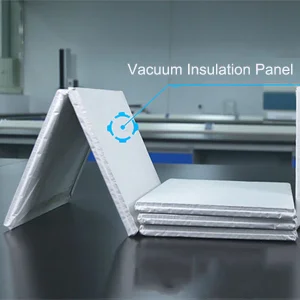
Vacuum Insulation Panels (VIPs) represent the pinnacle of current commercial thermal isolation engineering. Unlike traditional insulating polymers such as expanded polystyrene (EPS) or extruded polystyrene (XPS) which rely on trapped air pockets, VIPs eliminate the primary vector of heat transfer: gaseous conduction.
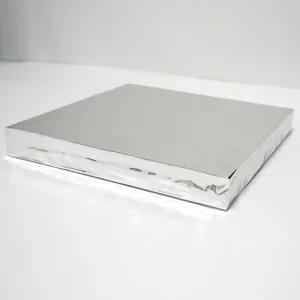
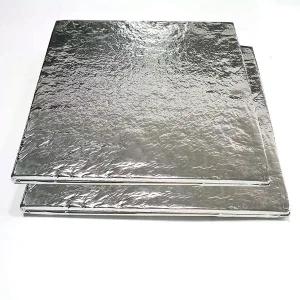
By extracting gas within the porous core matrix (typically comprised of fumed silica or fiberglass) down to an internal vacuum level of below 1 mbar, the mean free path of the remaining air molecules becomes larger than the pore size of the core material. This phenomenon, governed by the Knudsen effect, effectively drops the gaseous thermal conductivity to zero. The overall thermal conductivity (k-value) of fumed silica core VIPs reaches levels as low as 0.004 W/m·K, which is approximately 5 to 8 times more efficient than conventional polyurethane boards.
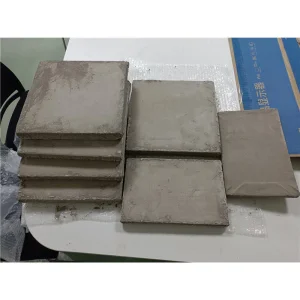
At the heart of high-temperature insulation panels and high-performance exterior wall panels lies a nano-microporous structure. The core material is blended with inorganic opacifiers to suppress radiative heat transfer, which becomes highly active at elevated temperatures.
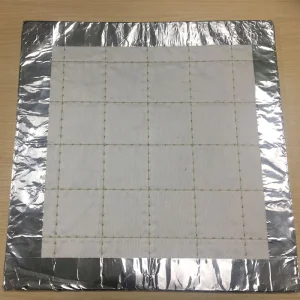
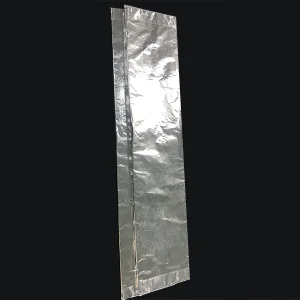
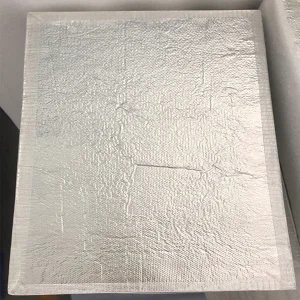
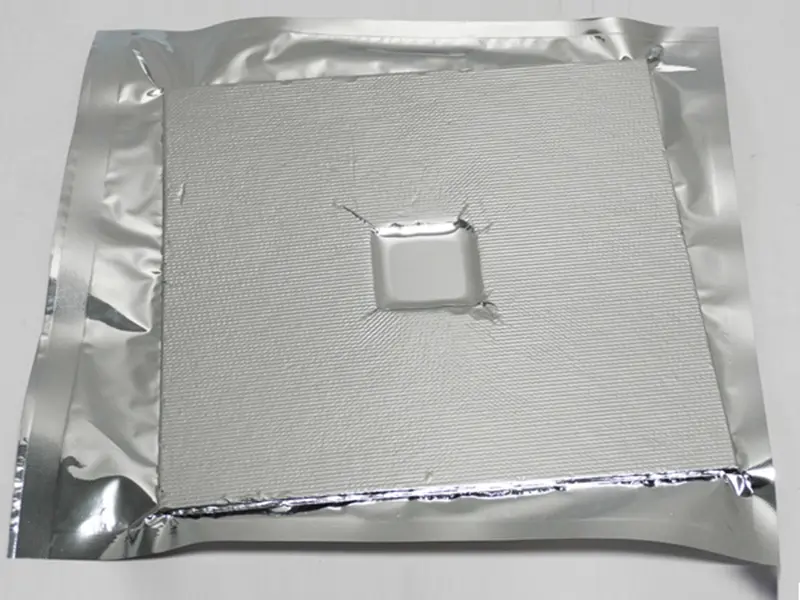
The multi-layer envelope, composed of high-barrier PET/Aluminium foil laminates, prevents atmospheric gas permeation over decades. This gas-tight sealing process is vital to maintaining the internal vacuum and prevents long-term thermal drift, ensuring structural efficiency over the typical 30-to-50-year lifespan of architectural installations.
| Insulation Type | Core Material Basis | Thermal Conductivity (W/m·K) | Thickness Required for R-30 | Lifespan & Stability |
|---|---|---|---|---|
| Fumed Silica VIP | Amorphous Silica (SiO2) | 0.004 - 0.006 | ~ 25 mm | Ultra-high stability, up to 50 years |
| Fiberglass Core VIP | Fine Glass Fibers | 0.0015 - 0.003 (Initial) | ~ 15 mm | Higher degradation rate in humid settings |
| Nano-Microporous Board | Silica & Opacifiers | 0.016 - 0.020 (at 800°C) | ~ 80 mm (high temp) | Excellent structural integrity at 1000°C+ |
| Polyurethane (PU) Foam | Polyurethane Polyol | 0.022 - 0.028 | ~ 120 mm | Susceptible to thermal degradation & outgassing |
| Expanded Polystyrene (EPS) | Polystyrene Beads | 0.032 - 0.038 | ~ 180 mm | Poor performance under high compression |
Precision-engineered solutions modified for distinct project dimensions, architectural envelopes, and battery casings.
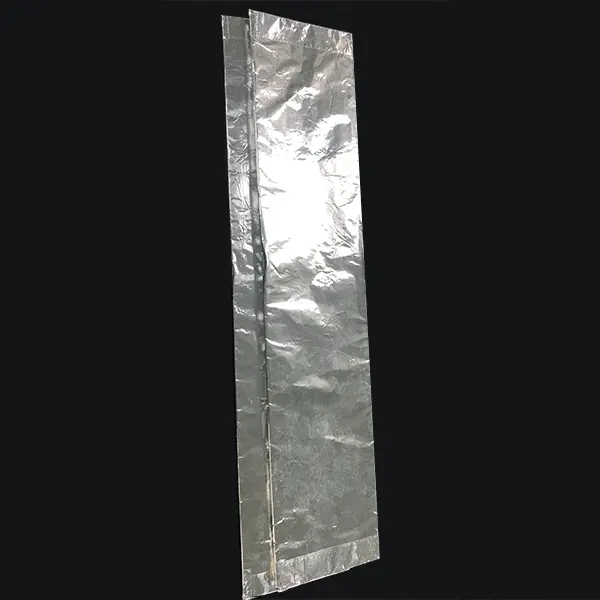
Customized thickness ranging from 5-15mm to maximize safety in battery thermal runaway scenarios.
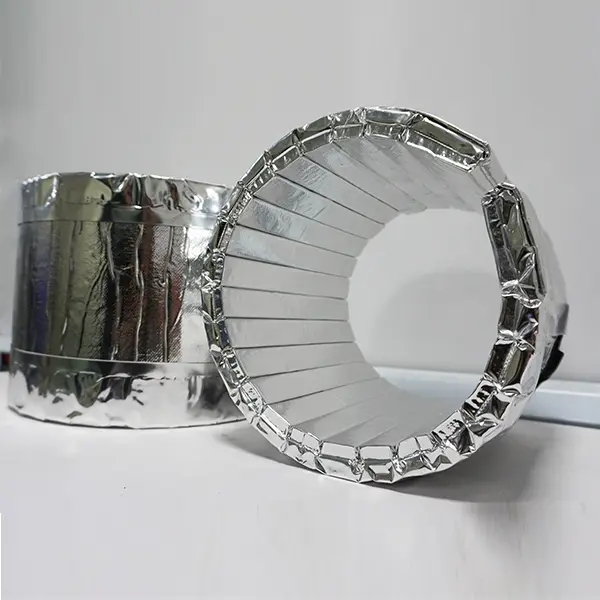
Customized shapes with hydrophobic attributes for complex industrial water piping layouts.
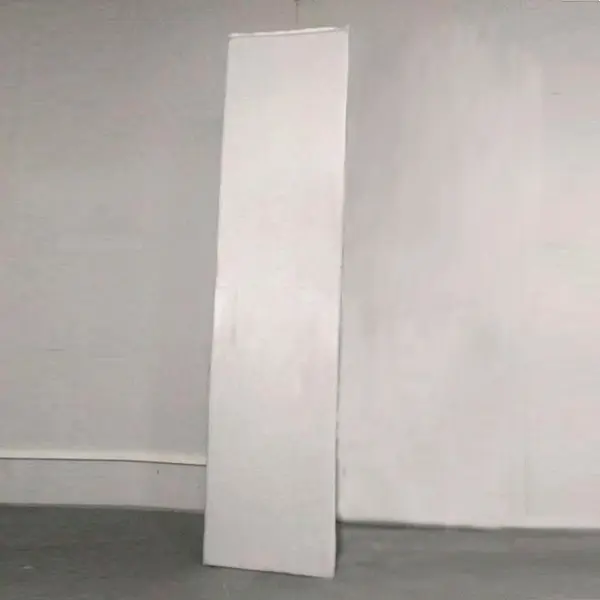
Provides critical flame barrier stability and low heat conduction for modern high-rise elevator shafts.
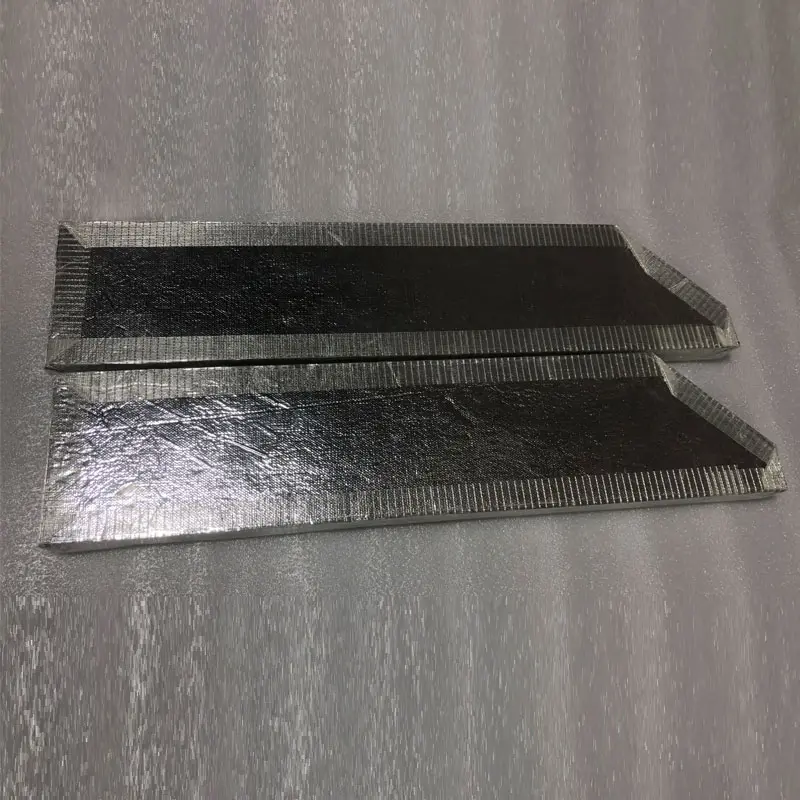
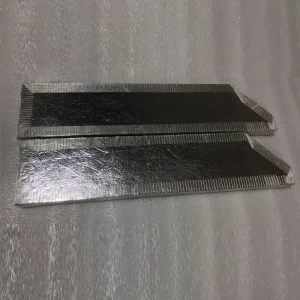
Engineered for complex profiles with curved surfaces, specific angles, and customized cutouts.
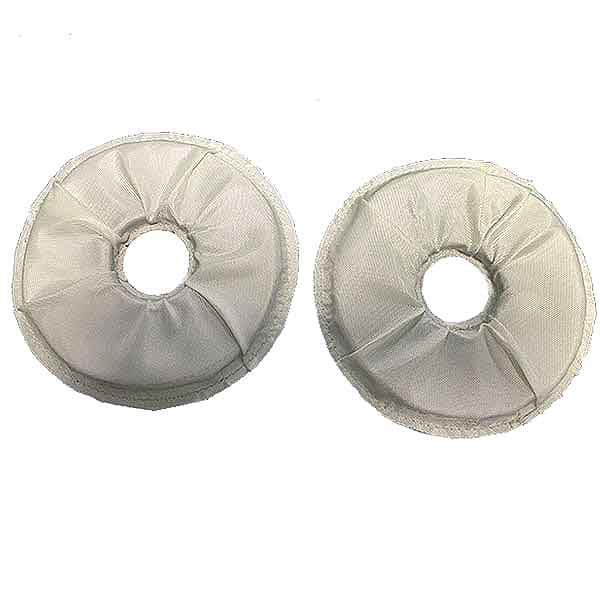
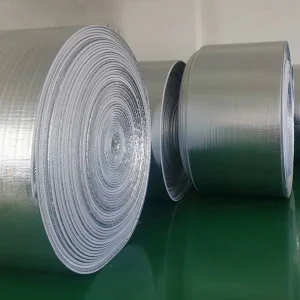
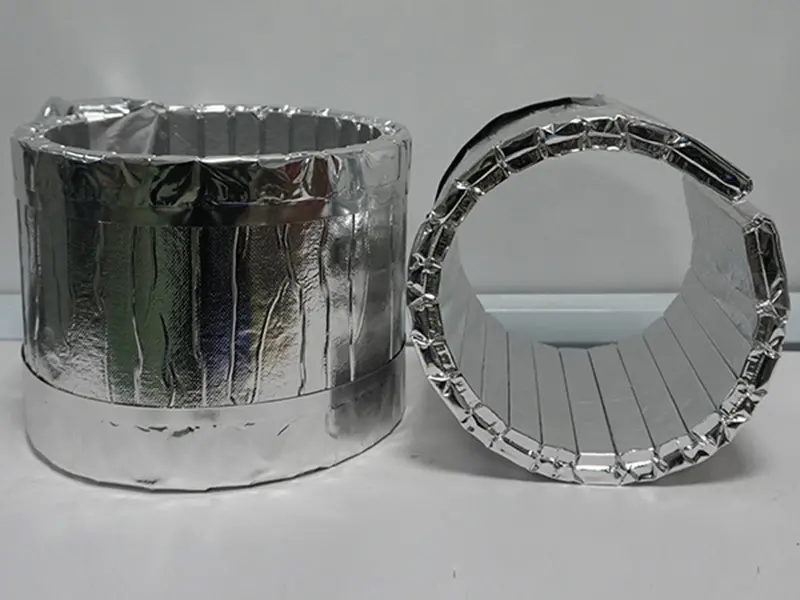
Flexible thermal insulation blankets featuring customizable radii for cylindrical chambers.
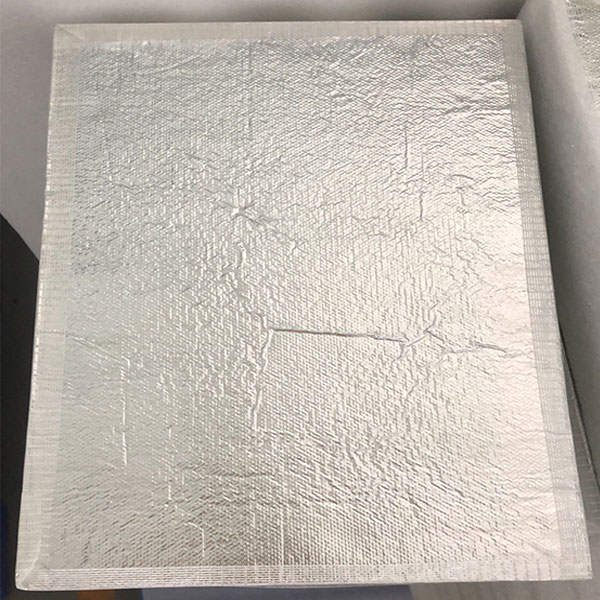
High gas barrier structural composition designed for extreme cold temperature warehouses.
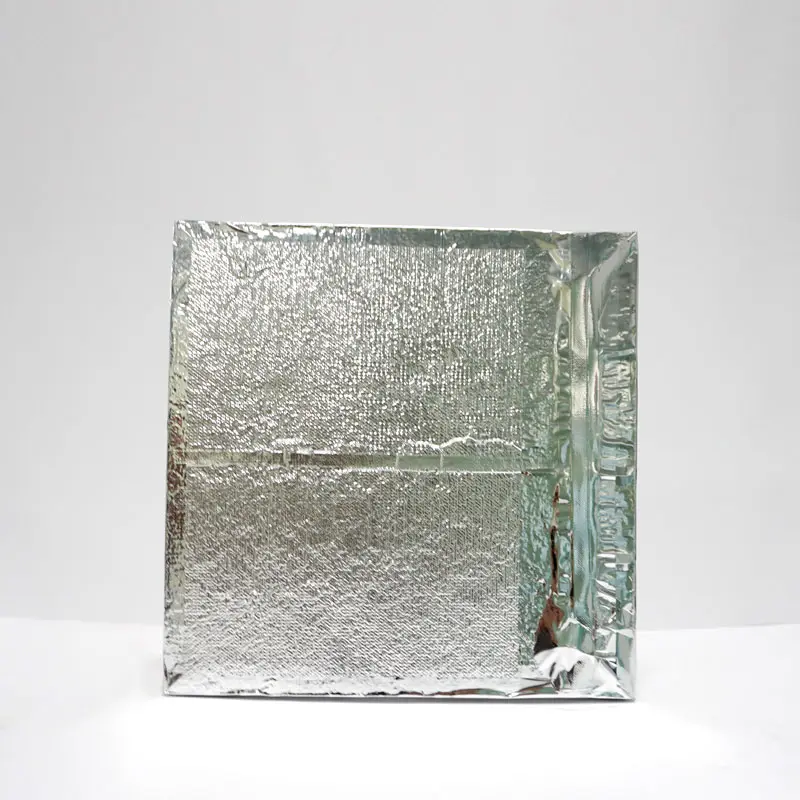
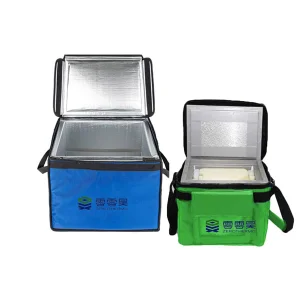
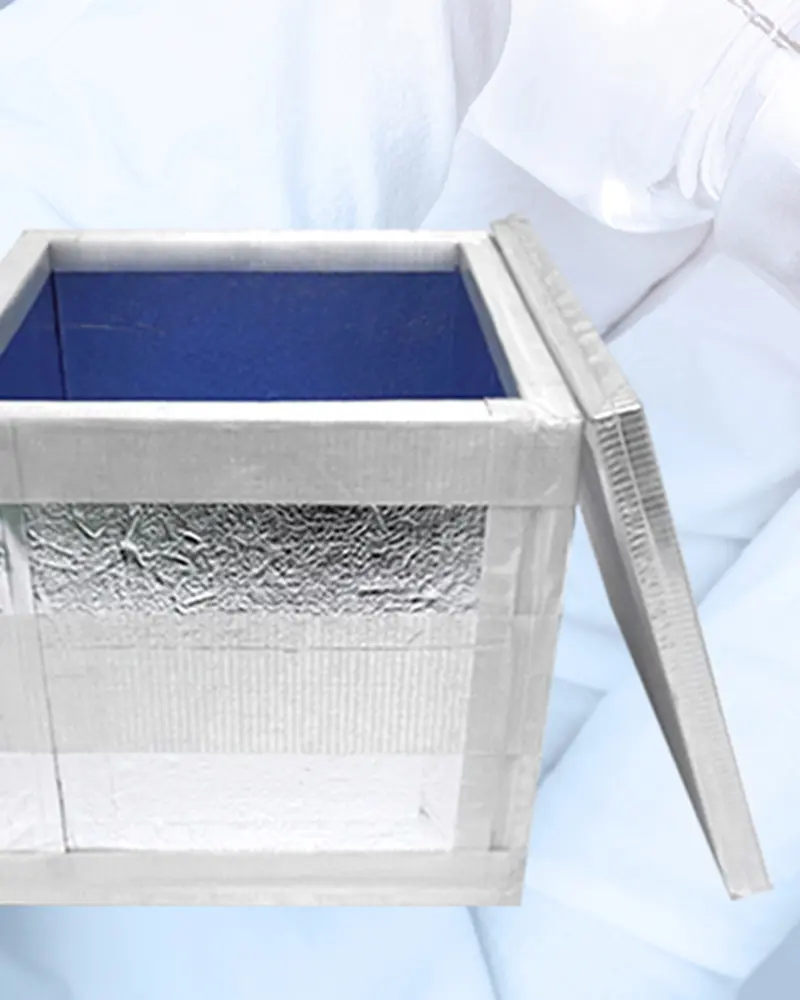
Designed for vaccine transport boxes and thermal shipping containers requiring high temperature stability.
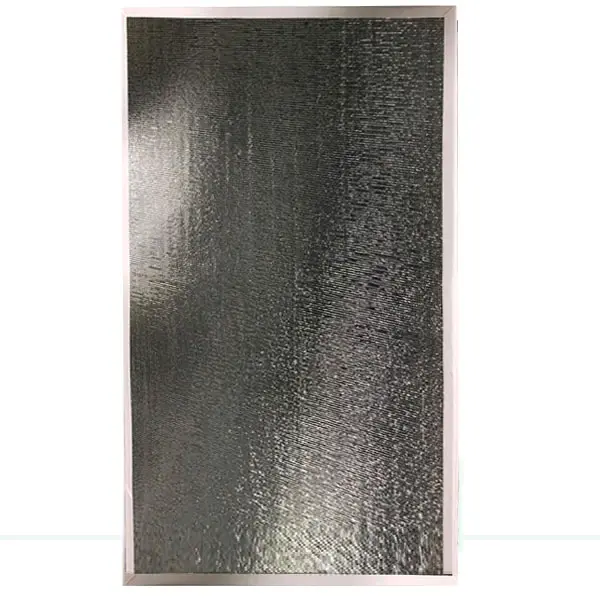
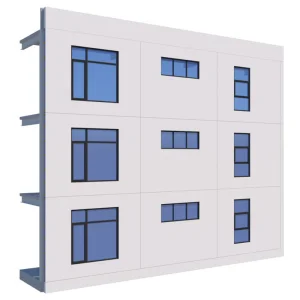
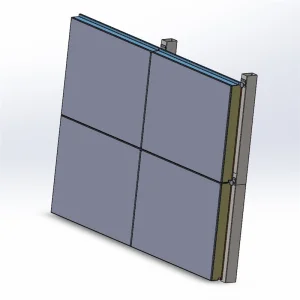
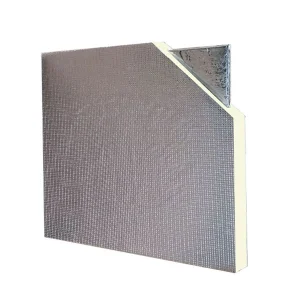
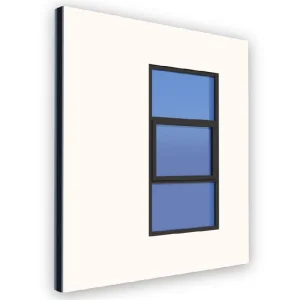
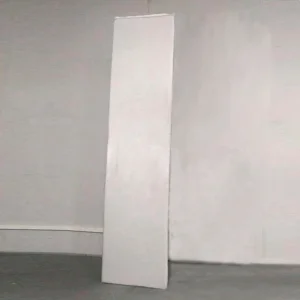
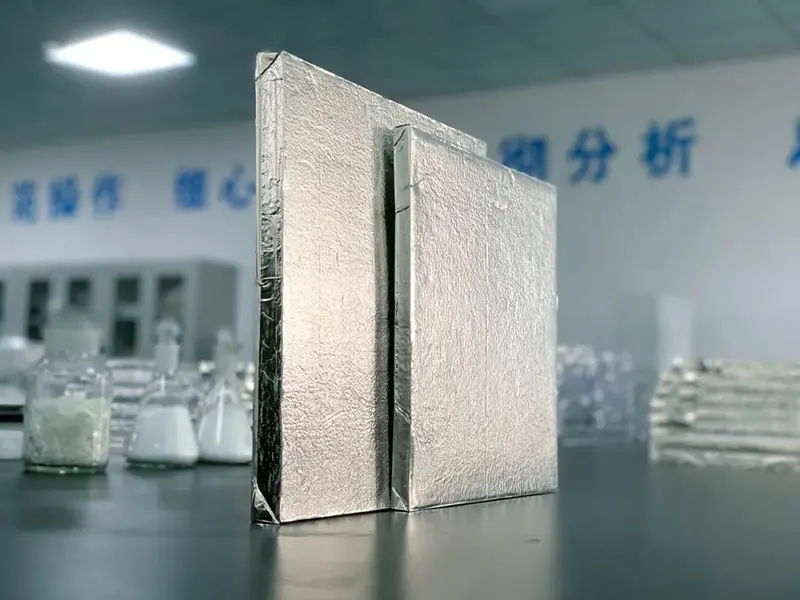
Maximum size capability for building envelope cladding, pre-fab wall systems, and high-volume modular walls.
Analyzing thermal requirements and deployment strategies in localized commercial zones.
In metropolitan hubs throughout Europe and East Asia, structural space commands a premium. Applying conventional insulation requires thick exterior envelopes, reducing usable internal space. By utilizing our prefabricated unit vacuum insulation wall panels, architects can decrease wall insulation thickness from 150mm to just 30mm while meeting identical regulatory U-value targets.
This space-saving capability offers commercial buildings additional rentable space. Furthermore, the A1 fire resistance classification of our nano-microporous panels makes them well-suited for high-rise fire curtain walls and elevator core enclosures, where strict fire protection rules apply.
Global vaccine distribution networks demand constant, reliable temperature control. Conventional EPS cold boxes suffer from thermal degradation within 24–48 hours, posing risks to sensitive clinical supplies.
By incorporating fumed silica VIP cores protected by PET laminate foils, Zerothermo shipping boxes extend structural cold storage performance to over 120 hours without external power. This extended safety margin helps safeguard biological materials through long international shipping processes and customs clearances.
ABOUT US
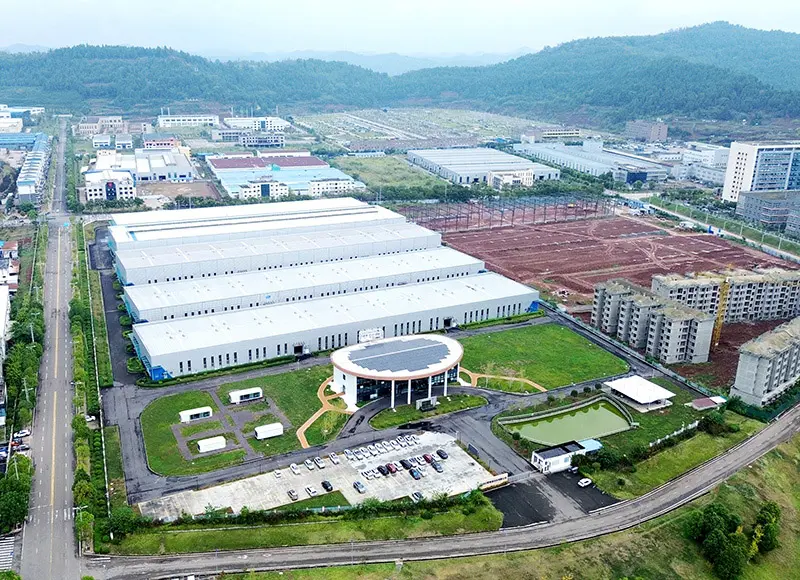
Zerothermo Technology Co., Ltd., a subsidiary of CBVAC Group and a national high-tech enterprise, is headquartered in the Beijing Economic-Technological Development Area with its production base located in Nanchong City, Sichuan Province. This facility stands as one of China's largest comprehensive production centers for vacuum technology application products.

Special sizes (beyond the range of ANSI/ASME/DIN and other standards) are produced according to customers' drawings or technical parameters.

Square, oval or other special shaped flanges. Oversize/small diameter options, such as diameters over 60 inches or micro precision flanges.

Providing precision engineered vacuum interfaces and custom flange couplings tailored to demanding industrial requirements.
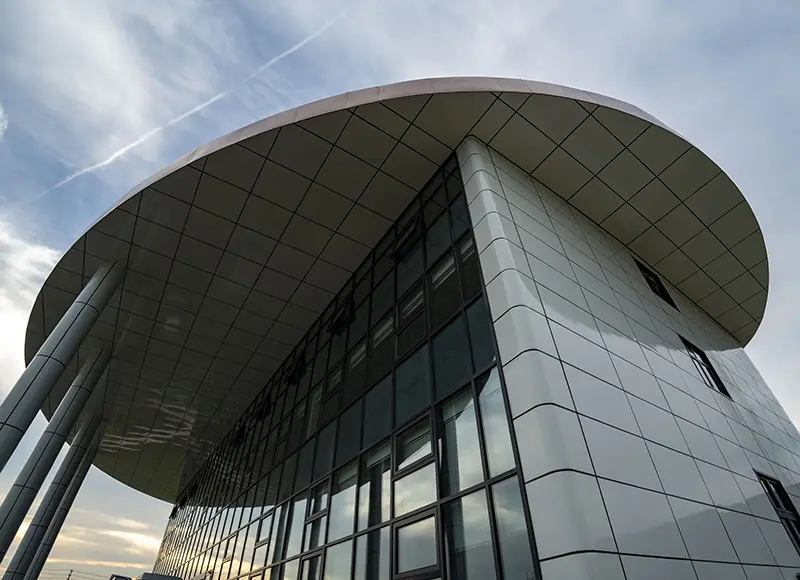
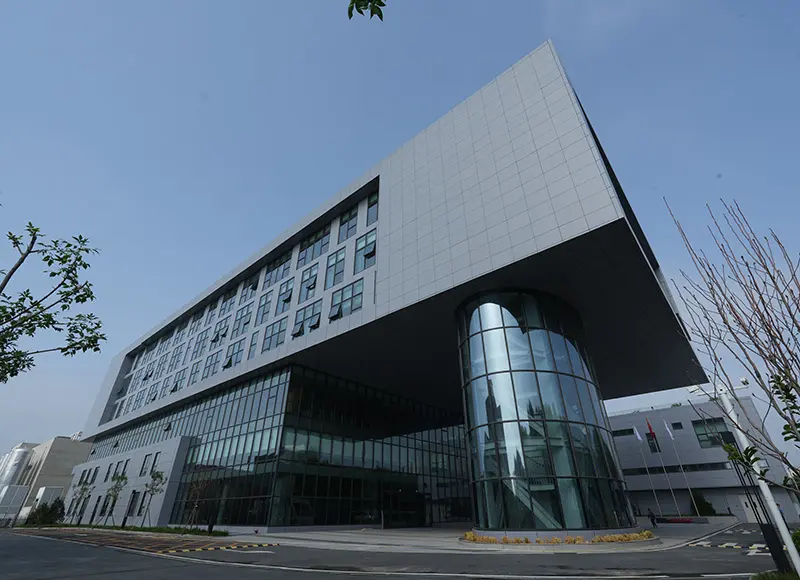
Our long-term R&D path outlines the evolution of vacuum core configurations and environmental design.
While current fumed silica matrices offer reliable insulation, end-of-life recycling remains a long-term developmental goal. Zerothermo is testing hybrid bio-silica structures derived from agricultural byproduct ash. These alternative materials reduce the embodied carbon of manufacturing VIPs while maintaining the target thermal conductivity levels of less than 0.005 W/m·K.
Additionally, we are exploring thin-film protective outer wraps that degrade naturally during architectural deconstruction, helping limit waste in construction recycling streams.
To address queries regarding long-term vacuum stability, our development team has introduced "Smart VIP" technology. By embedding flat RFID pressure sensors within the envelope layers, field technicians can check the internal pressure of building facades using non-contact RF scanners.
This integrated diagnostic capability makes it easy to monitor panel status without destructive testing, supporting structural performance tracking across large commercial projects.
Combining raw material logistics and automated vacuum processes to ensure reliable, high-volume production.
Our production base in Sichuan Province benefits from nearby industrial silica deposits. By sourcing high-purity raw silica locally, we mitigate supply chain disruptions and lower shipping-associated carbon emissions.
This proximity allows us to run continuous core manufacturing lines, insulating our pricing from unexpected changes in global dry material markets.
To ensure consistent sealing quality, Zerothermo utilizes automated multi-stage vacuum sealing equipment. Automated sensors monitor chamber evacuation levels and film positioning in real time, sealing each VIP only when it reaches the specified pressure threshold.
This automation reduces the risk of human error during heat-sealing, helping maintain a low scrap rate and supporting consistent quality across large-scale commercial orders.
Why Zerothermo stands as a global leader in vacuum insulation technology.


Delivering high-efficiency thermal insulation solutions across various global sectors.


Demonstrating performance stability and structural integration across diverse project types.


Sharing our progress and technology updates on vacuum thermal research.

Essential guidance for architects, builders, and logistics coordinators planning VIP applications.
Ensuring cross-border compliance, standard testing, and reliable product documentation.
To support global deployment, Zerothermo products are evaluated in accordance with major international testing standards. Our panels undergo ASTM C1484 testing for vacuum insulation performance, EN 13501-1 evaluation for fire classification, and CE verification for European construction supply chains.
Additionally, SGS certification confirms that our materials comply with VOC emission limits and environmental standards, supporting green building certification pathways such as LEED and BREEAM.
Shipping vacuum-sealed panels requires protective packaging to prevent damage during transit. Zerothermo utilizes custom-sized wood crates with impact-absorbing foam inserts for all international shipments.
We provide full documentation for customs processing, including HS classification codes, certificates of origin, and comprehensive product data sheets, helping to ensure smooth delivery to project sites globally.
We offer one-stop vacuum insulation solutions. Reach out to our technical team for custom project design and quotes.


Providing high-efficiency thermal insulation solutions across various global sectors.