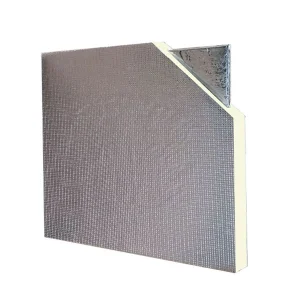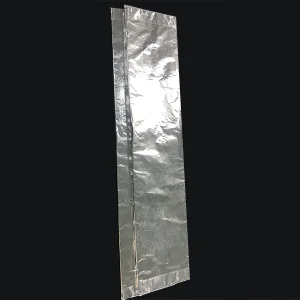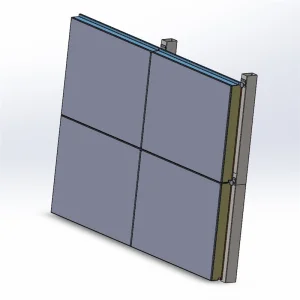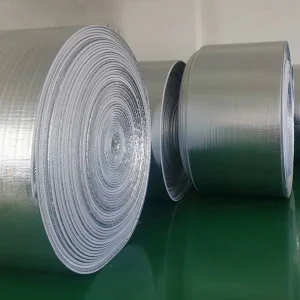
Explore our core lineup of vacuum insulation panels, flexible thermal blankets, and smart architectural systems designed to maximize energy savings.
White Paper Deep Dive
In an era defined by aggressive decarbonization targets, soaring energy costs, and stringent building efficiency mandates, the design of the industrial envelope has evolved from basic weather-proofing to a highly engineered thermodynamic barrier. Modern industrial architectures require roof assemblies that deliver exceptional structural capacity alongside ultra-low thermal transmittance (U-values). As buildings account for nearly 40% of global greenhouse gas emissions, structural insulation has emerged as the single most critical factor in achieving net-zero compliance.
Historically, traditional sandwich roof panels integrated basic expanded polystyrene (EPS) or mineral wool. While these materials provided acceptable structural support, they fell short in long-term thermal endurance, fire safety consistency, and structural thickness-to-performance efficiency. Today's global commercial market demands thin-profile, lightweight, yet highly thermal-resistant composite systems. This demand has spurred the rapid adoption of specialized vacuum insulation technologies and microporous silica structures within industrial building envelopes.
Thermal bridging at structural joints, purlins, and panel intersections remains the primary source of heat loss in industrial facilities. Conventional insulating methods struggle to eliminate these microscopic heat escape paths. Integrating advanced technologies, such as fumed silica vacuum insulation panels (VIPs) and high-performance barrier membranes, allows architects to construct continuous thermal barriers. This approach minimizes cooling load losses in tropical regions and retains heat in colder zones, delivering significant HVAC energy savings.
Global standards, including the EU’s Energy Performance of Buildings Directive (EPBD) and ASHRAE 90.1 in North America, mandate strict reductions in operational emissions, driving the adoption of high-performance building envelopes.
Transitioning from basic insulation thickness configurations to high-density, vacuum-sealed materials allows designs to achieve U-values below 0.10 W/m²K without altering standard structural framework designs.
While the initial capital expenditure for advanced thermal envelopes is higher, reduced HVAC capacities and lower utility costs typically deliver full capital amortization within 3 to 5 years.
Engineered to Specification
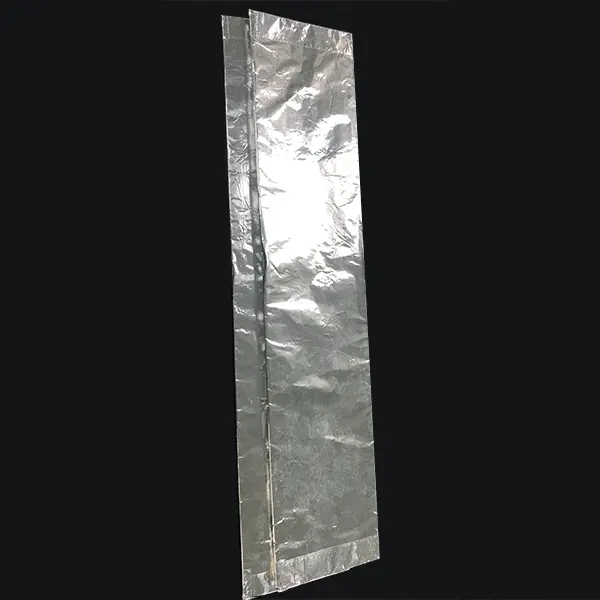
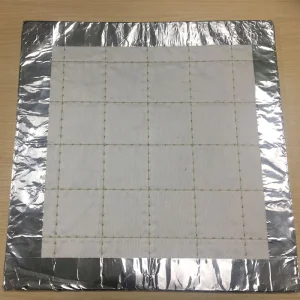
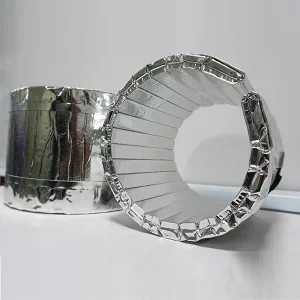
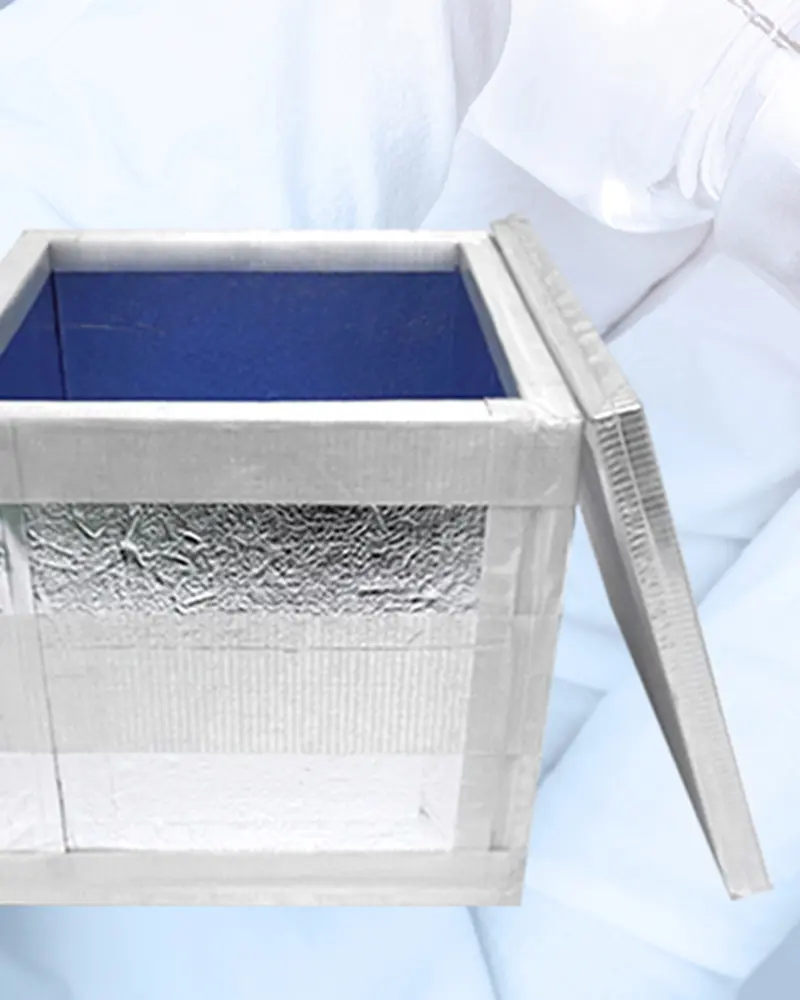
Product Details: Size: Customized, Thickness: 5-...
View Details +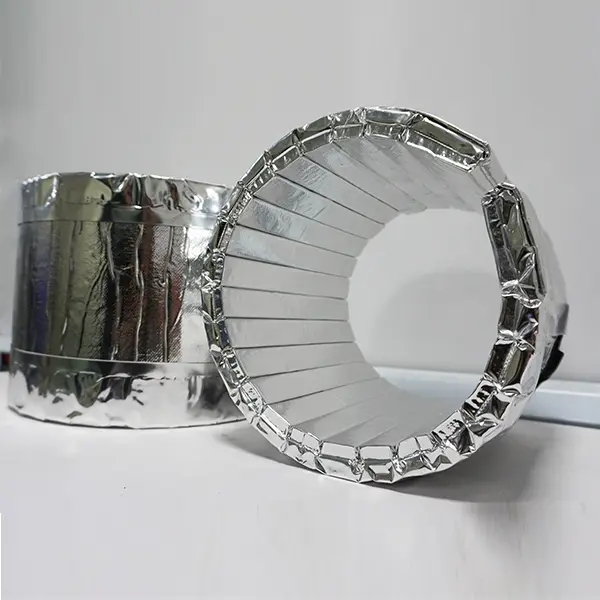
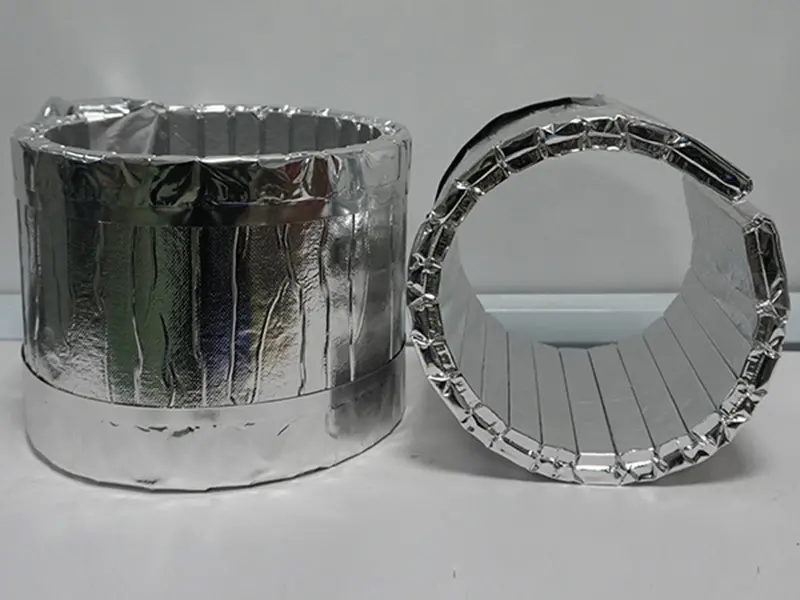
Product Details: Size: Customized, Thickness: 5...
View Details +
Our elevator fireproof door high temperature na...
View Details +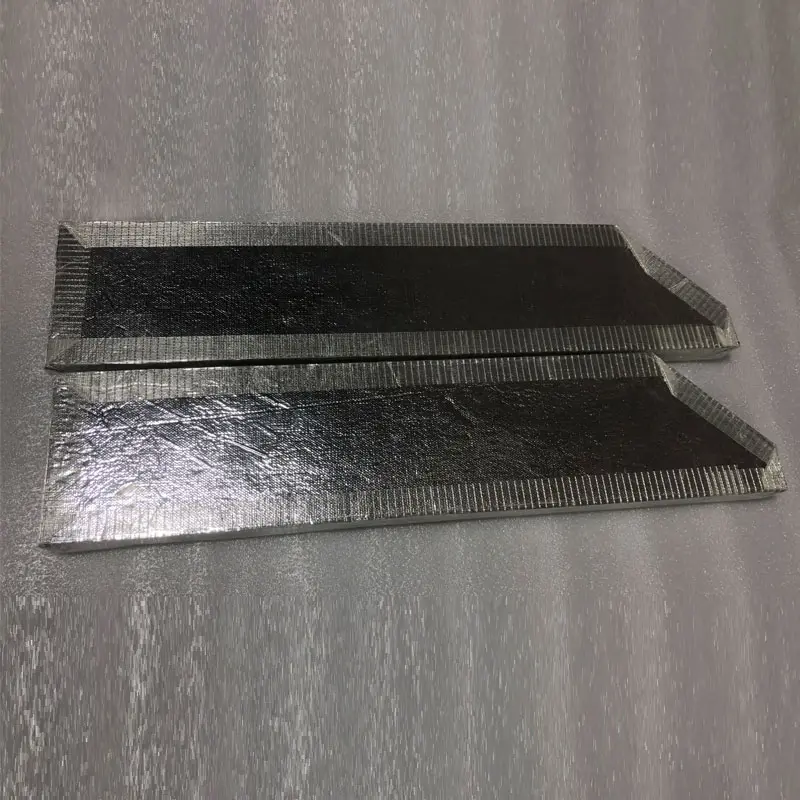
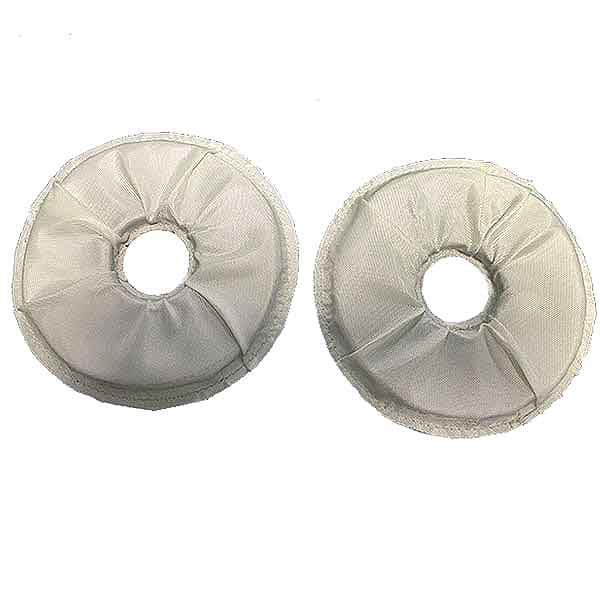
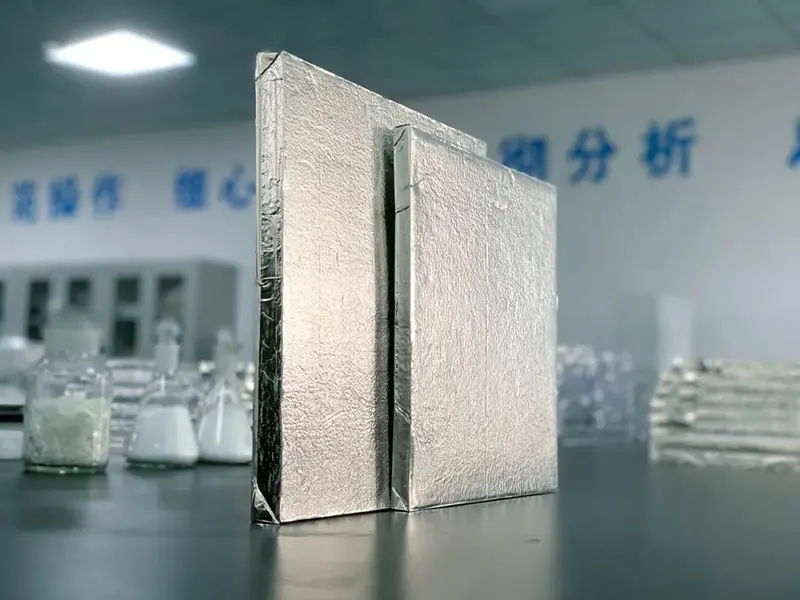
Product Specification Product Features Custom R...
View Details +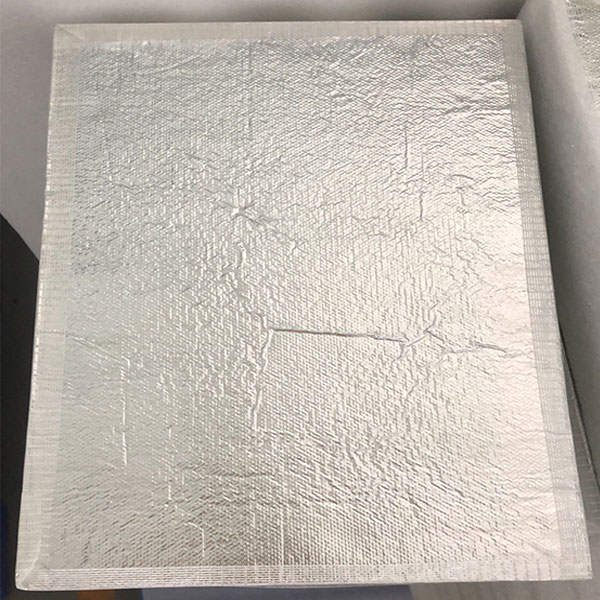
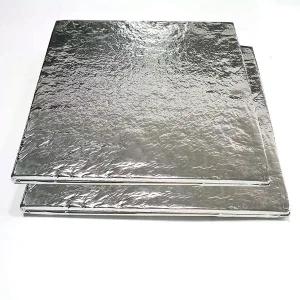
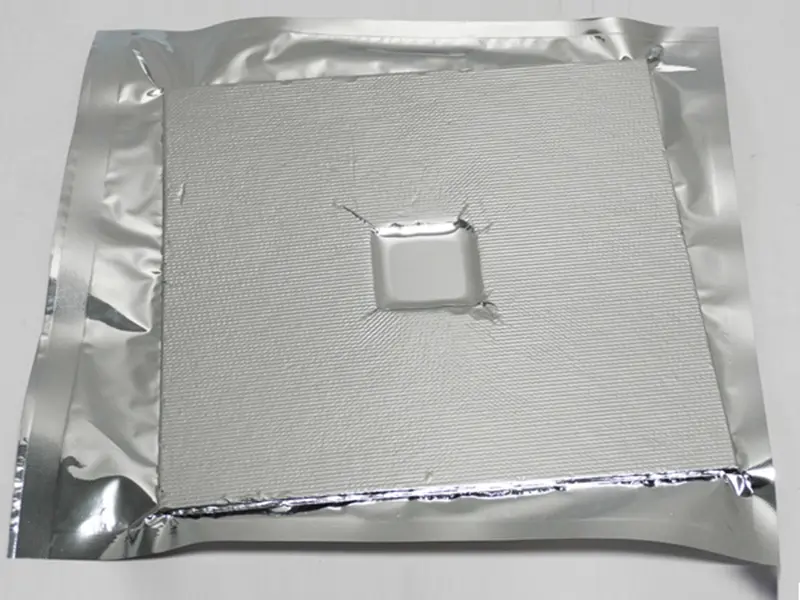
Product Features Size Details Zerothermo vacuu...
View Details +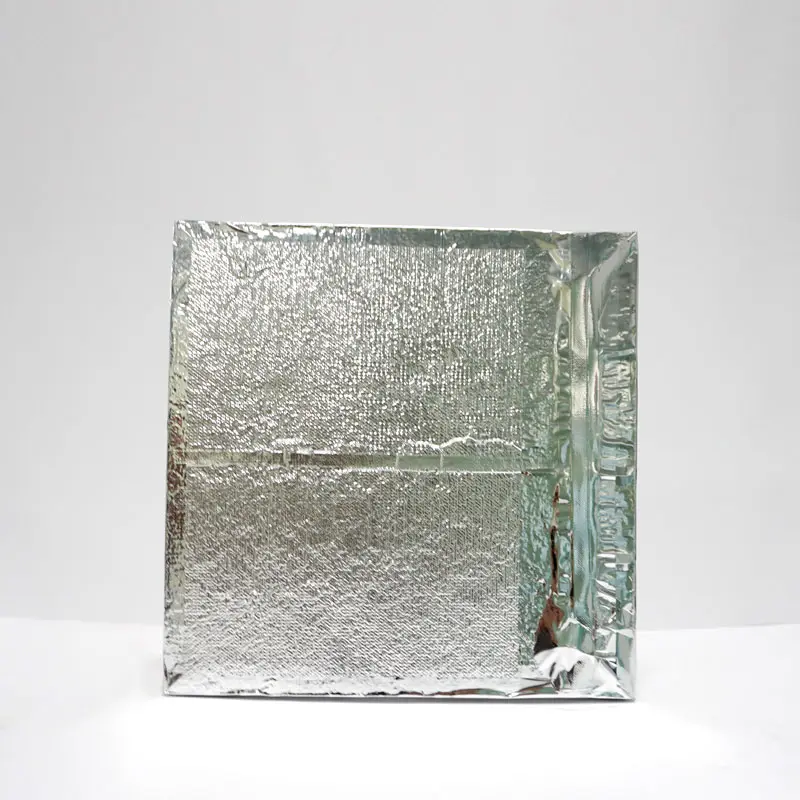
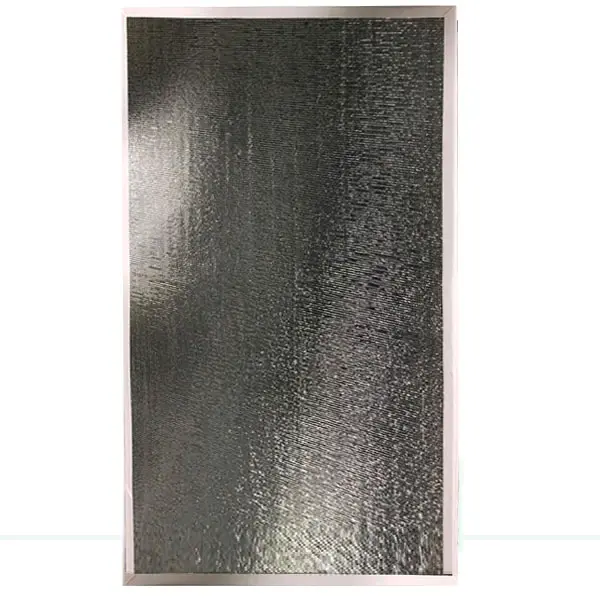
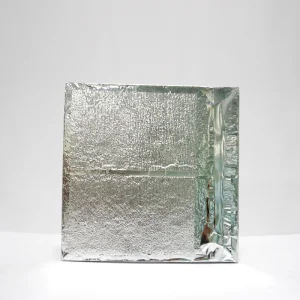
Product Features Product Specification Size ...
View Details +R&D and Material Science
The standard technological path for building insulation has transitioned from conductive barriers to convective suppressors, and ultimately to vacuum-sealed gas-phase eliminators. Understanding this progression is key to appreciating the capabilities of modern insulation materials. Traditional systems rely on trapping air pockets within fiberglass or foam arrays. However, because air itself carries a thermal conductivity of approximately 0.026 W/mK at room temperature, traditional systems face a physical limit in performance.
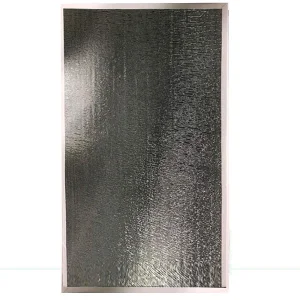
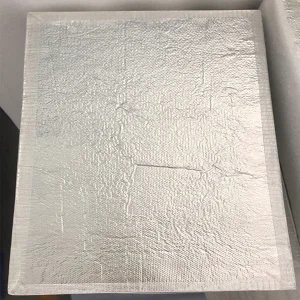
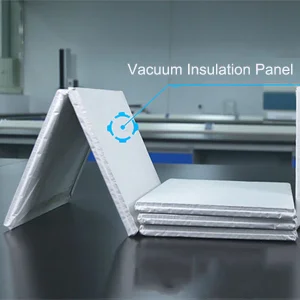
Vacuum Insulation Panels (VIPs) overcome this performance ceiling by evacuating internal air, lowering internal gas pressure below 1 mbar. This process reduces gas-phase thermal conduction to near zero. Zerothermo Technology’s core R&D program focuses on refining the microporous fumed silica matrix. The fumed silica core features a pore size smaller than the mean free path of air molecules at atmospheric pressure, ensuring that even if vacuum degradation occurs over decades, the panel retains a thermal conductivity of less than 0.005 W/mK.
A comparison of core thermal performance metrics across typical insulation materials:
| Material Class | Density Range (kg/m³) | Thermal Conductivity (W/m·K) | Required Thickness for R-30 (mm) | Fire Classification |
|---|---|---|---|---|
| EPS (Expanded Polystyrene) | 15 - 30 | 0.033 - 0.038 | ~ 240 | Class E / B2 |
| Polyurethane Foam (PU) | 35 - 50 | 0.022 - 0.026 | ~ 160 | Class B1 / B2 |
| Fumed Silica VIPs (Zerothermo) | 180 - 220 | ≤ 0.0045 | ~ 30 | Class A (Non-combustible) |
The next phase of our technical roadmap focuses on the integration of Phase Change Materials (PCMs) within fumed silica cores. This combination will allow panels to dynamically manage thermal loads, storing and releasing latent heat during peak diurnal temperature swings. In addition, we are actively developing robust, flexible polymer barrier skins. These new skins will allow VIPs to conform to complex curves and irregular geometries, expanding their application potential across architecturally challenging roofs and pre-engineered metal buildings.
ABOUT US
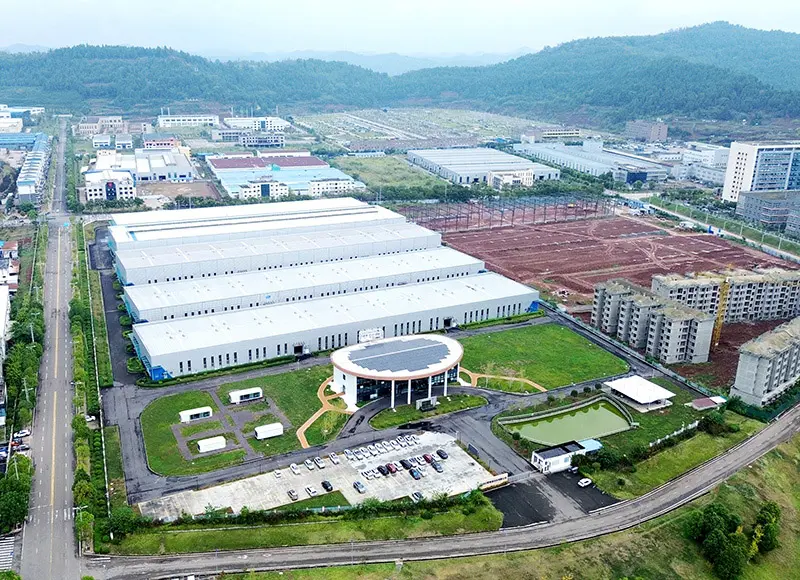
Zerothermo Technology Co., Ltd., a subsidiary of CBVAC Group and a national high-tech enterprise, is headquartered in the Beijing Economic-Technological Development Area with its production base located in Nanchong City, Sichuan Province. This facility stands as one of China's largest comprehensive production centers for vacuum technology application products.

Special sizes (beyond the range of ANSI/ASME/DIN and other standards) are produced according to customers' drawings or technical parameters.

Square, oval or other special shaped flanges. - Oversize/small diameter: such as diameter over 60 inches or micro precision flanges.

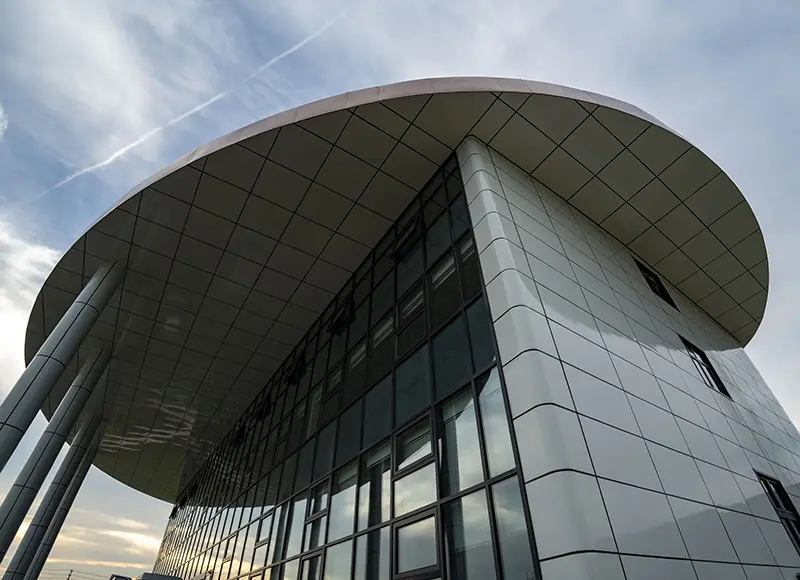
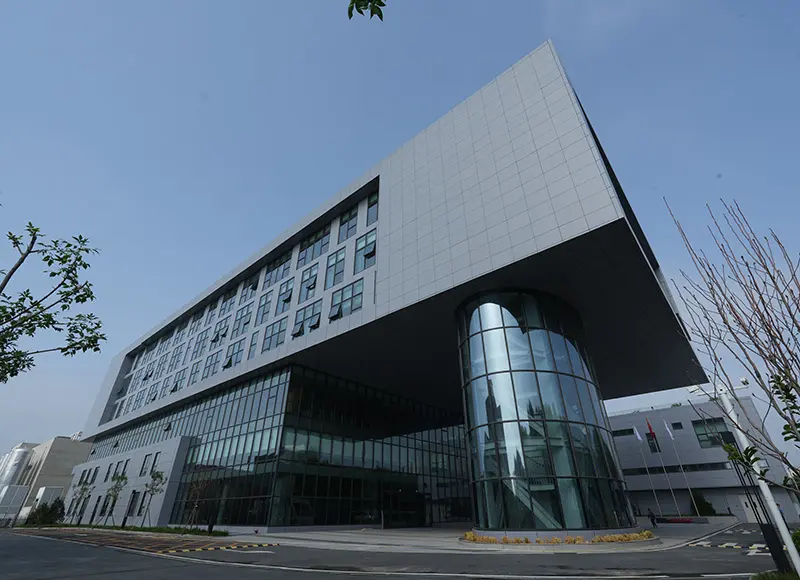
Advanced vacuum fabrication facilities meeting global technical specifications and mechanical standard frameworks.



Supply Chain and Production Advantage
Sourcing structural insulation materials from China offers distinct advantages, rooted in the country’s comprehensive industrial ecosystems. Western industrial production often suffers from fragmented supply lines for components like raw fumed silica, barrier laminates, and getter materials. In contrast, Chinese manufacturing zones concentrate these raw material refineries, chemical formulation sites, and automated assembly operations within localized geographical clusters.
At Zerothermo Technology's production base in Nanchong City, Sichuan Province, we utilize fully integrated production lines. This setup covers every stage from primary powder processing and automated vacuum evacuation to advanced robotic hot-sealing and laser-driven thermal quality control. By housing all these processes within a single facility, we eliminate transport delays and vulnerability to external supply chain disruptions. The result is consistent, high-capacity output that meets the demands of large-scale commercial developments.
Operating under ISO 9001 and ISO 14001, our factory implements rigorous quality control protocols. Each panel batch is subjected to long-term pressure testing and thermal conductivity verification before shipping. Because vacuum technology demands zero defects, our automated inline inspection systems reject any panel showing even a micro-Pascal deviation in vacuum stability. This standard of quality control ensures a functional service life exceeding 50 years.
Why Choose Zerothermo
Versatile Thermal Applications


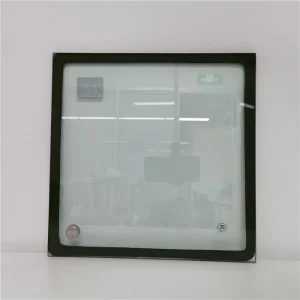
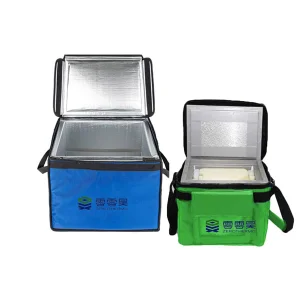
By integrating vacuum insulation panels (VIPs) and high-performance vacuum insulated glass, Zerothermo offers energy-efficient solutions across key industries. Our technologies help the construction sector minimize carbon emissions, support temperature control in pharmaceutical cold chains, and optimize thermal performance in high-temperature environments. These products contribute to sustainable design and support global decarbonization initiatives.
Compliance & Safety
A key challenge in implementing structural roof insulation on a global scale is meeting diverse regional building regulations. Insulated panels must satisfy international standards for fire safety, wind-uplift resistance, load capacity, and long-term durability. Our engineering team ensures compliance with key international test standards, enabling seamless integration across projects in the EU, North America, and the Asia-Pacific region.
Fire safety is a critical consideration in commercial construction. Traditional foam cores can accelerate fire spread if not treated with flame retardants. Zerothermo’s fumed silica cores are naturally non-combustible. Classified as Class A under EN 13501-1, our core VIP systems provide an effective thermal barrier that does not release toxic fumes or contribute to flame spread under high temperatures. This classification makes them suitable for use in high-density commercial spaces, cleanrooms, and data centers.
Roof panels must also withstand high wind loads and structural stresses. Our composite assemblies undergo comprehensive testing, including FM Global wind-uplift simulations and cyclic load trials. By combining structural metal skins with our advanced core materials, Zerothermo panels maintain structural integrity and thermal performance even under extreme weather conditions.
Success Stories
Stay Informed
Expert Guidance
VIPs work by removing air from the panel's core, which minimizes gas-phase heat transfer. Combined with a microporous fumed silica core, they achieve thermal conductivity levels as low as ≤ 0.0045 W/mK—roughly five times more effective than standard polyurethane insulation and ten times more effective than fiberglass.
Under normal operating conditions and with proper installation, fumed silica VIPs are designed to maintain their insulation properties for over 50 years. The core material remains stable even if a gradual loss of vacuum occurs over decades, retaining a thermal conductivity of approximately 0.020 W/mK.
No, VIPs cannot be cut, drilled, or altered on-site, as puncturing the outer barrier film will compromise the vacuum. To ensure a precise fit, we offer custom-dimensioned panels fabricated to the project's exact structural drawings, along with standard-sized modules designed to fill typical layout dimensions.
Our fumed silica core material is non-combustible and achieves a Class A fire rating under international standards (such as EN 13501-1). This makes our panels suitable for high-performance building envelopes, safety-critical industrial applications, and fireproof door assemblies.
Through our parent company, CBVAC Group, we utilize automated fabrication systems, advanced vacuum chambers, and specialized testing facilities. This infrastructure allows us to manufacture complex geometries, customized flanges, and non-standard insulation panels while maintaining consistent quality control and production schedules.
CONTACT US
We offer comprehensive, end-to-end design and manufacturing solutions for vacuum insulation systems. Contact our engineering team to discuss your project requirements, thermal specifications, and delivery logistics.


Compare structural configurations and technical specifications across our complete product range.






 +86 15892792306