
Engineered thermal barriers optimized for sub-zero cold chain storage, energy-efficient architecture, and severe high-temperature environments.
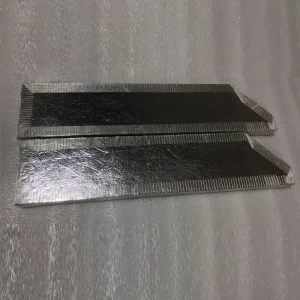
Precision-engineered shaped vacuum insulation panels utilizing a fumed silica core encased in premium high-barrier PET film. Engineered for complex structures demanding ultra-low thermal conductivity.
View Details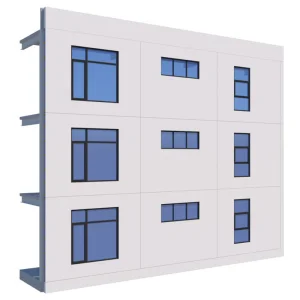
Advanced composite modular wall cladding panels combining elite thermal core barrier integration with modern architectural finishes for low-carbon building envelopes.
View Details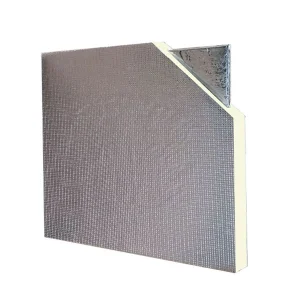
High-performance vacuum core structures clad with robust outer PU protection. The standard choice for heavy-duty commercial cold chain storage and medical transport boxes.
View Details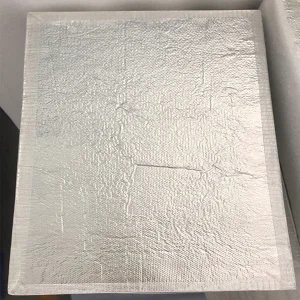
State-of-the-art fumed silica vacuum core panels delivering thermal conductivity below 0.0045 W/(m·K) for maximum thermal mitigation in spatial constraints.
View Details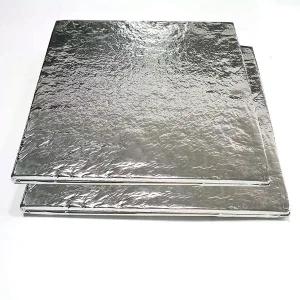
Specifically optimized fiberglass core VIP panels designed for ultra-efficiency in consumer refrigerators, deep-freezers, and modular cold-room architectures.
View Details
Advanced pre-assembled building wall components integrated with internal VIP layers for quick deployment in modern zero-energy building envelopes.
View Details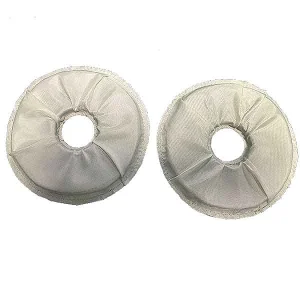
Bendable and flexible microporous thermal insulation mats designed to withstand extreme environments, fitting curved profiles in high-temperature industrial pipelines.
View Details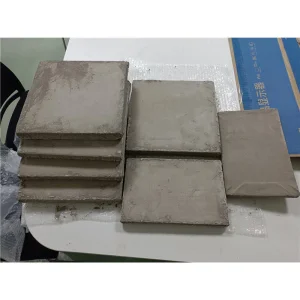
Reinforced mechanical structural outer layers integrated with elite core vacuum insulation core panels. Specially built for high pressure and heavy floor-loading architectures.
View DetailsIn the current industrial era, reducing greenhouse gas emissions and meeting the strict global climate agreements (such as the Paris Agreement and local "dual-carbon" regulations) has made traditional insulation methods obsolete. Conventional expanded polystyrene (EPS) and polyurethane (PU) foams fail to meet modern efficiency requirements due to their thickness constraints and potential environmental impact.
As a global leader in vacuum science applications, Zerothermo Technology Co., Ltd. (a key subsidiary of the CBVAC Group) works at the intersection of material science and thermal dynamics. By using the physics of vacuum spaces, our insulation panels achieve thermal conductivity levels far below traditional limits. This level of efficiency is achieved by eliminating gas convection and reducing solid thermal pathways.
By designing fumed silica core structures with average pore diameters smaller than the mean free path of air molecules (~68nm at normal pressure), our vacuum insulation systems limit the movement of air molecules. This restricts gas-phase thermal conduction, maintaining low thermal conductivity even if vacuum levels change over time.
Industries worldwide face challenges that require next-generation insulation:
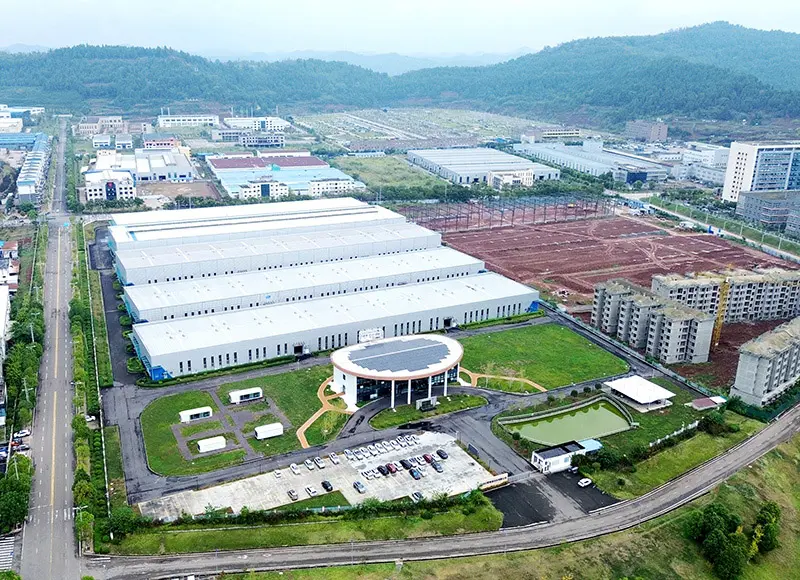

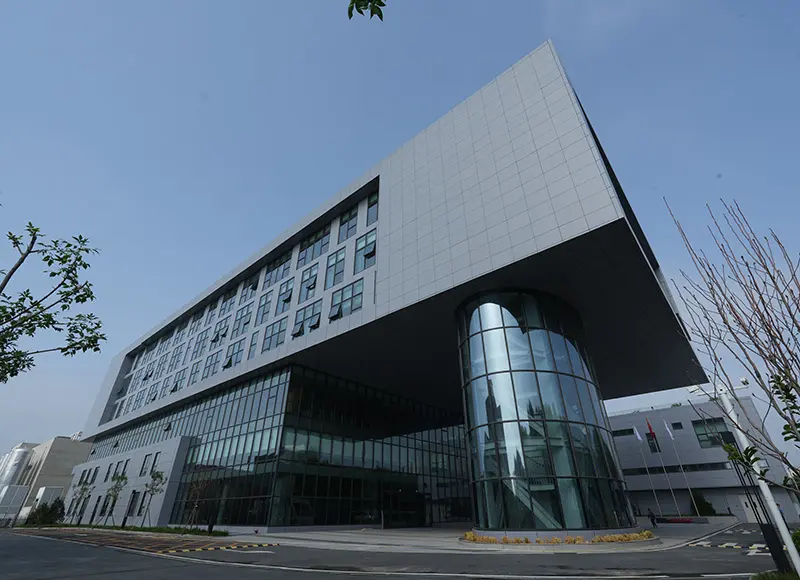
Zerothermo Technology Co., Ltd., a subsidiary of CBVAC Group and a national high-tech enterprise, is headquartered in the Beijing Economic-Technological Development Area with its production base located in Nanchong City, Sichuan Province. This facility stands as one of China’s largest comprehensive production centers for vacuum technology application products.
Our manufacturing processes use automated vacuum packing machinery, real-time mass spectrometry leak detection, and advanced quality assurance programs. This setup ensures that every panel leaving our facility maintains its structural and thermal performance throughout its service life.
We design and manufacture non-standard insulation envelopes, vacuum layers, and components to fit complex geometries and meet strict industrial specifications.
Custom battery insulation blanket layers designed for modern electric vehicles. Highly optimized thicknesses (typically 5mm to 10mm) provide thermal management and slow propagation of thermal runaway between battery packs.
Advanced hybrid composite blankets that offer dual protection: high thermal insulation and waterproofing. Perfect for protecting complex industrial pipelines and marine engine rooms.
Our elevator fireproof door high-temperature nano-microporous boards provide critical fire protection and heat containment. These boards meet international fire safety regulations for high-rise commercial structures.
We manufacture custom Non-Standard, Shaped (square, oval, and special geometries), and Oversized flanges. These are produced according to specific client drawings and technical parameters, helping link vacuum lines and architectural joints.
We design and manufacture high-efficiency vacuum insulation products to deliver reliable thermal performance in industrial applications.
Manufactured under strict ISO-compliant guidelines to ensure consistent quality.
Tailored dimensions, thicknesses, and finishes designed for quick integration.
High production capacity capable of fulfilling large-scale industrial orders.
Global logistics network ensuring safe transport of delicate vacuum panels.
Long-term support, technical consulting, and validation for thermal systems.
Real-world applications of vacuum and nano-insulation technologies solving thermal challenges.


As the insulation industry evolves, material development is focusing on three main areas: reducing core thermal conductivity, using eco-friendly barrier films, and integrating smart sensors.
Developing hybrid core mixtures that combine fumed silica, aerogels, and organic fibers. These blends aim to improve mechanical strength, reduce total panel weight, and maintain thermal conductivity values below 0.0035 W/(m·K).
Moving toward fully recyclable, aluminum-free plastic films with high-barrier EVOH layers. These films reduce heat bridge effects at the panel edges while maintaining excellent gas barrier protection.
Integrating thin RFID sensors inside the vacuum core layer. This allows facility operators to scan and verify the vacuum level and thermal insulation performance of panels after years of service.
A showcase of projects utilizing our customized vacuum and microporous insulation panels.

Supplied ultra-thin vacuum insulation components to protect precision electronic systems and micro-devices from ambient thermal fluctuations.

Integrated modular vacuum insulation walls into a high-density urban office building, reducing wall thickness requirements by 15cm and increasing rentable space.

Implemented thermal wall cladding integration to update educational buildings, improving seasonal temperature control and energy efficiency.
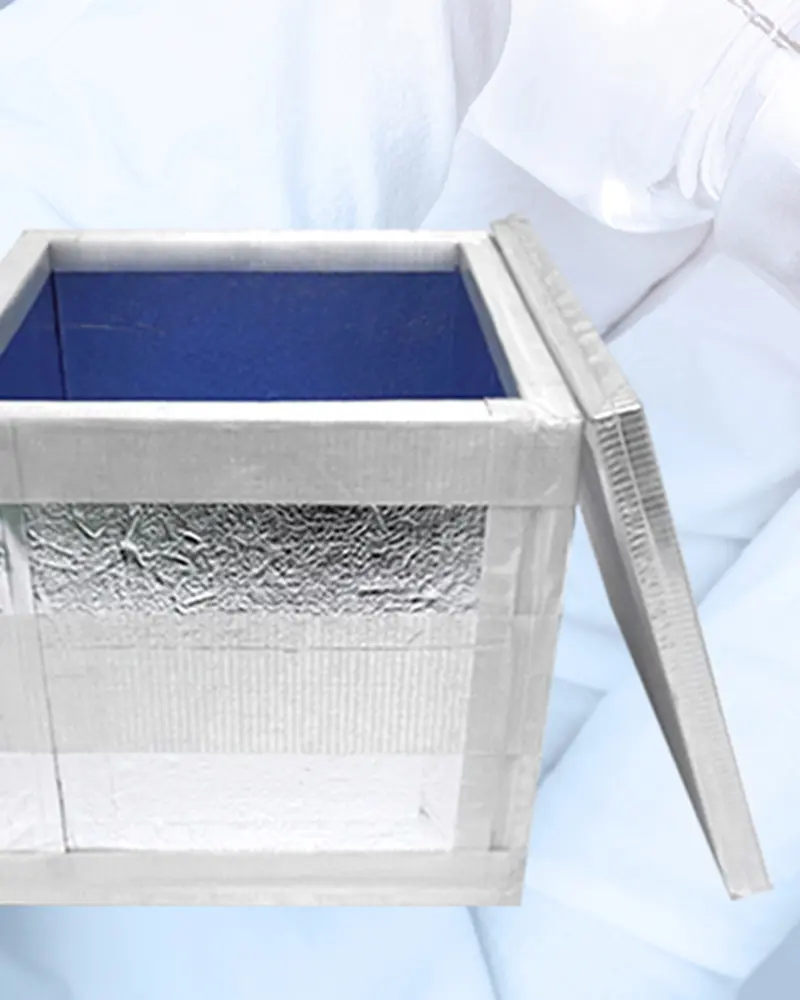
Supplied core VIPs for cold chain shipping boxes, extending safe biological transport windows under extreme exterior temperatures.
Insights and developments in energy-efficient materials and clean-energy infrastructure support.
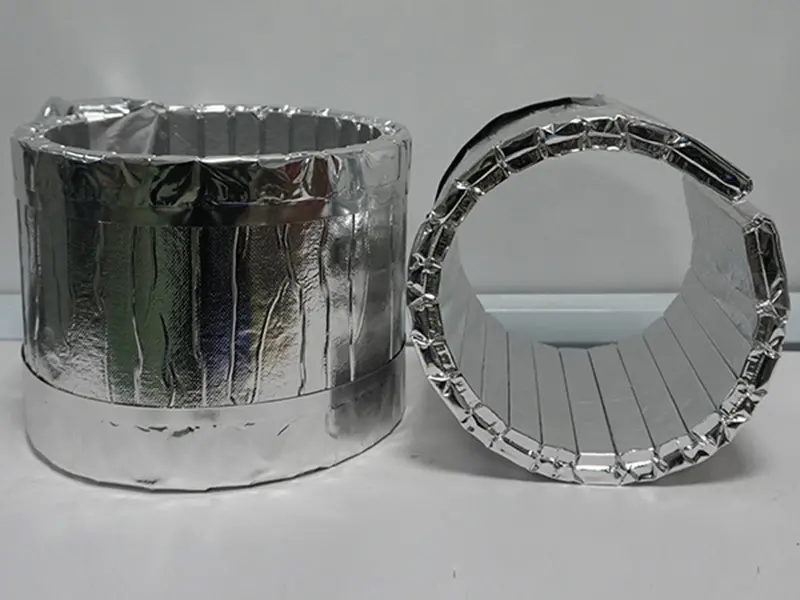
An exploration of how elevator shaft safety standards are evolving, and why high-temperature nano microporous panel structures are becoming essential components.
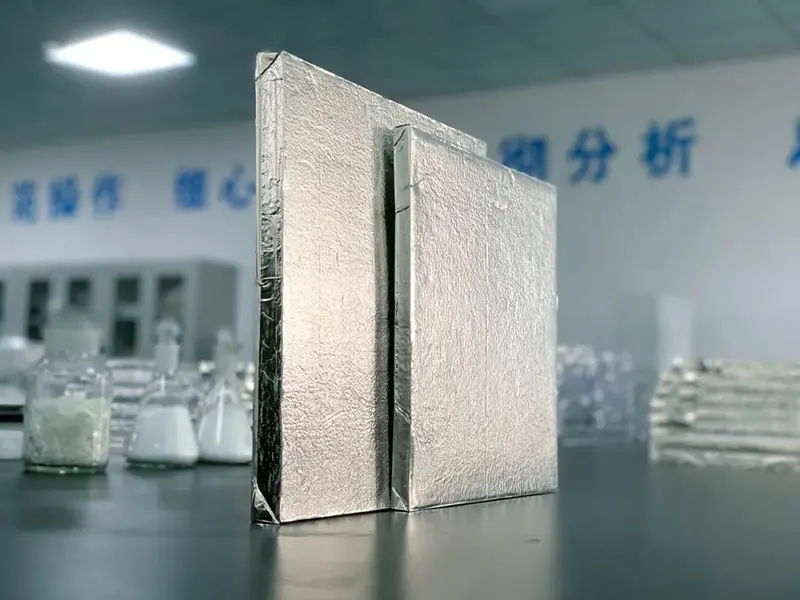
Highlights of our high-efficiency insulation panels and vacuum glass showcase at Booth #10.2K06 during the spring canton fair exhibition.
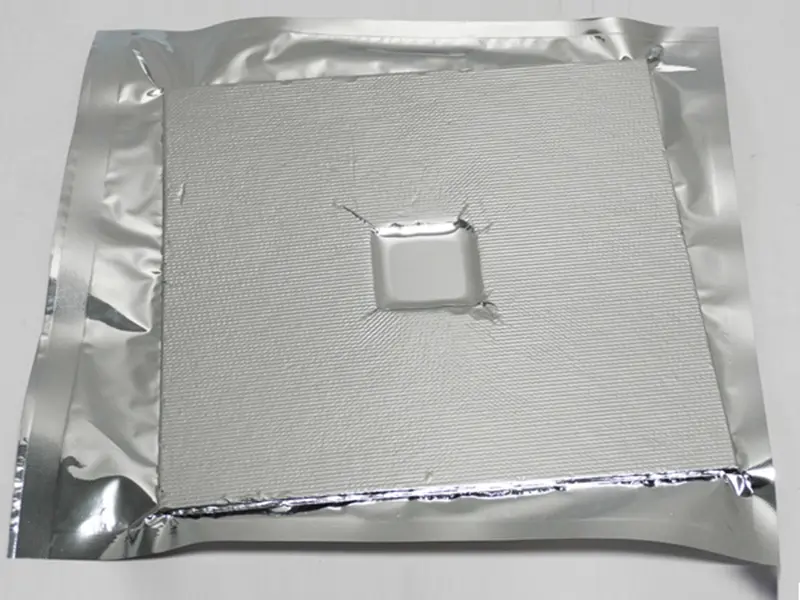
Analysis of the shift towards high-performance materials in heavy industries like metallurgy, power generation, and specialized petrochemical piping.
Expert answers on thermal performance, installation methods, and core physics of vacuum panels.
Vacuum Insulation Panels (VIPs) offer significant efficiency improvements. A typical fumed silica VIP exhibits a thermal conductivity of roughly 0.004 W/(m·K) to 0.005 W/(m·K), which is up to 5-10 times lower than traditional PU foam (0.022 W/(m·K)) and EPS (0.035 W/(m·K)). This allows projects to achieve target thermal resistance values with a much thinner profile, saving cargo volume in cold chains and usable space in buildings.
Fumed silica core VIPs are engineered for long-term durability. Due to fumed silica's extremely small pore size (10-100nm), the core resists thermal degradation even if internal vacuum levels slowly decline over time. Our panels are designed to maintain excellent thermal performance for over 30 to 50 years when properly installed within protective wall systems.
Because VIPs rely on an internal vacuum state, they cannot be cut, drilled, or altered on-site, as this would puncture the high-barrier foil and cause a loss of vacuum. To support seamless installation, Zerothermo offers pre-engineered custom sizes and shapes based on technical drawings, ensuring panels fit exact project dimensions upon delivery.
Our EV battery insulation blankets are designed with thin, heat-resistant microporous materials. They are placed between battery cells to slow heat transfer during localized short circuits or thermal runaway events, helping prevent cascading fire propagation and giving occupants more time to safely exit the vehicle.
Partner with CBVAC's Zerothermo team to solve complex thermal challenges. Get in touch for custom dimensions, system integration guides, or technical quotes.
Global Networking Profiles


Explore more specialized vacuum glass, battery protection wraps, and microporous materials.

Advanced non-combustible panels designed to insulate elevator shafts and fire doors, preventing heat transfer between building levels during fires.
View Details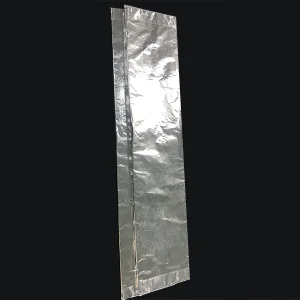
Thin, thermal propagation barriers designed to improve fire safety and performance in electric vehicle battery packs.
View Details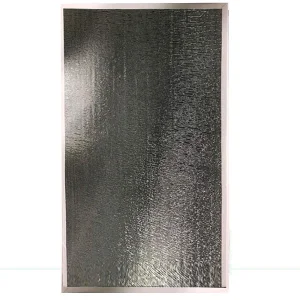
Custom-sized vacuum panels designed for refrigerated containers, helping maximize payload space while maintaining cold temperatures.
View Details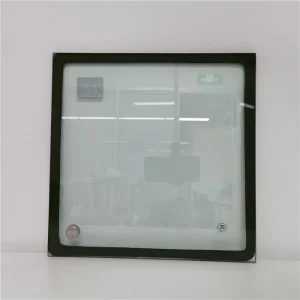
Double-glazed safety glass with an internal vacuum layer, offering high thermal performance and noise reduction for modern building envelopes.
View Details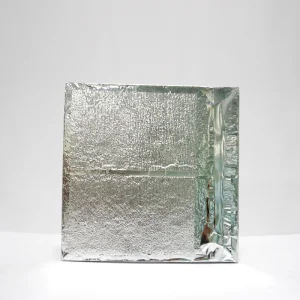
Highly durable fumed silica VIPs built to withstand the demands of cold chain shipping and cargo handling.
View Details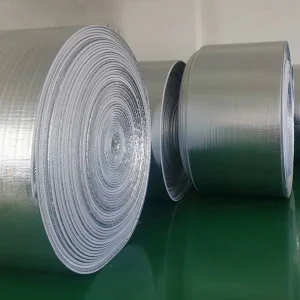
Reflective foil-faced foam boards designed for roofing systems, helping reduce solar heat gain and lower HVAC energy use.
View Details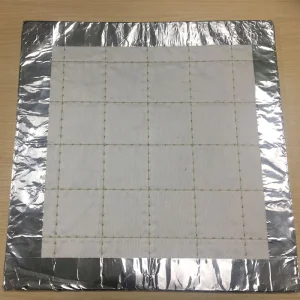
Flexible, heat-resistant nano insulation blankets designed for complex pipe runs and tight industrial geometries.
View Details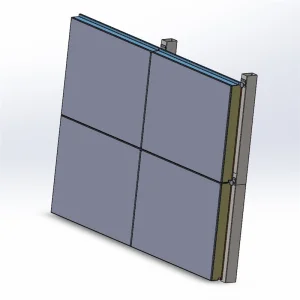
Integrated facade panels combining exterior decorative finishes with high-efficiency VIP insulation in a single modular unit.
View Details