Featured Products
In modern industrial engineering and commercial construction, thermal integrity at the ground plane is critical. Floors represent one of the most significant sources of thermal transmission and parasitic heat loss (or gain) in structures ranging from heavy-industrial manufacturing plants to pharmaceutical cold rooms and advanced architectural envelopes. Globally, the adoption of high-performance insulated flooring panels has accelerated rapidly, driven by stringent net-zero energy codes (such as EU's EPBD and USA's ASHRAE 90.1 updates) and the necessity to guarantee absolute thermal stability in cold-chain logistics.
Traditional underfloor insulation materials—such as Expanded Polystyrene (EPS) and Extruded Polystyrene (XPS)—often fall short when confronted with modern architectural designs requiring maximum thermal resistance (R-value) with minimal thickness. This spatial constraint has paved the way for advanced vacuum technologies and nano-porous materials. Vacuum Insulation Panels (VIPs) and high-density, nano-microporous thermal sheets are engineered to offer a thermal conductivity factor ($\lambda$) as low as $0.004 \text{ W/m}\cdot\text{K}$. Compared to XPS ($\lambda \approx 0.030 \text{ W/m}\cdot\text{K}$), these systems deliver up to a seven-fold improvement in thermal efficiency, allowing builders to maximize interior floor-to-ceiling heights while keeping energy overheads at a minimum.
“The optimization of building envelope structures is no longer limited to walls and roofing systems. Underfloor thermal isolation, particularly in sub-zero storage and high-load commercial applications, is recognized as the ultimate frontier in saving operational energy.”
China has established a dominant, integrated ecosystem for high-end thermal insulation manufacturing. This leadership is built on complete vertical integration, combining raw material extraction, advanced core matrix synthesis, high-barrier film lamination, and automated vacuum evacuation. Chinese factories, particularly those situated in high-tech industrial corridors, utilize precision robotic assembly lines that guarantee uniform pressure distribution and absolute seal integrity across large product runs.
Additionally, Chinese manufacturing efficiency translates to significant capital advantages for international buyers. Through scalable production protocols and optimized raw material sourcing (such as high-grade fumed silica and fiberglass arrays), Chinese facilities offer a cost-to-performance ratio that is unmatched globally. The resulting product is characterized by superior long-term durability, certified flame retardancy, and compliance with strict international testing standards (including ASTM, EN, and ISO frameworks).
Tailored Specifications
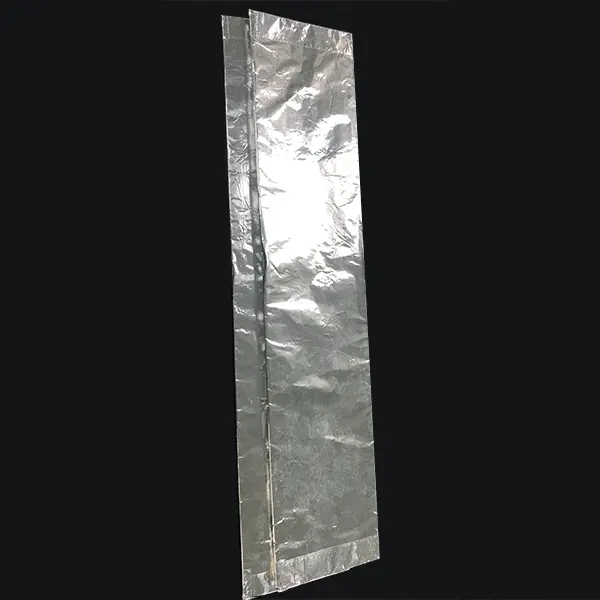
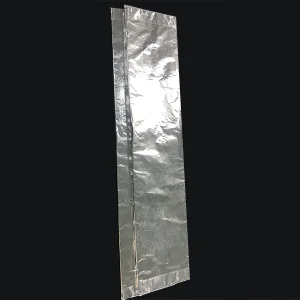
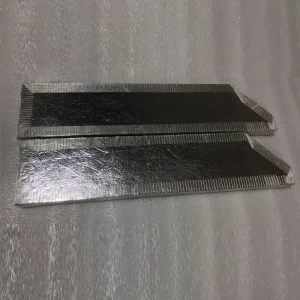
Product Details: Size: Customized Thickness: 5-50mm. Designed for thermal runaway prevention in EV batteries.
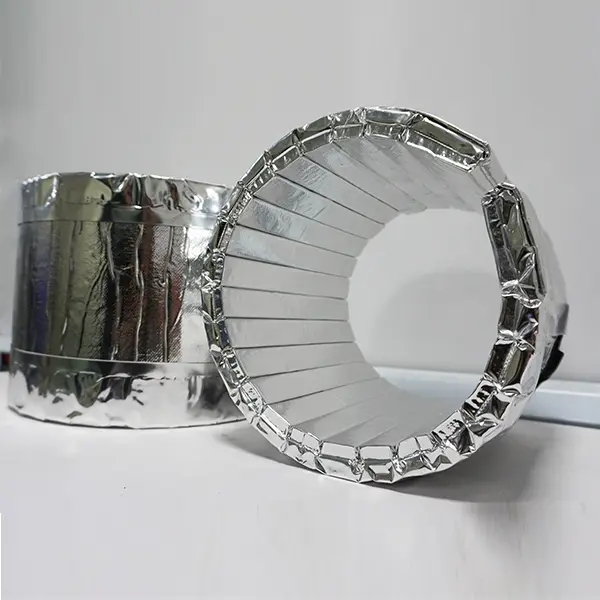
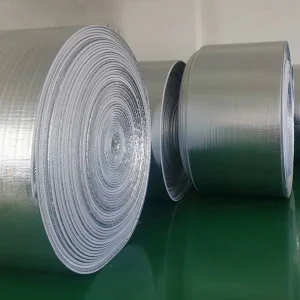
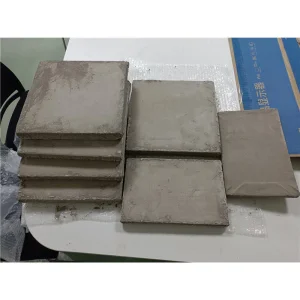
Product Details: Size: Customized Thickness: 5-30mm. Specifically formulated for extreme thermal retention.
Our elevator fireproof door high temperature nano panels are tested to withstand extreme heat cycles.
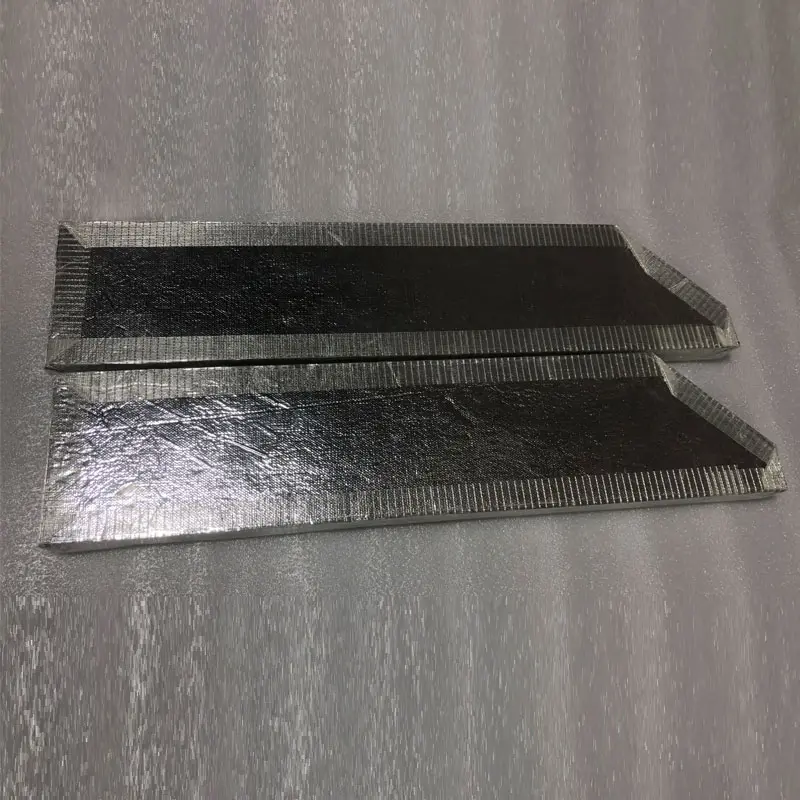
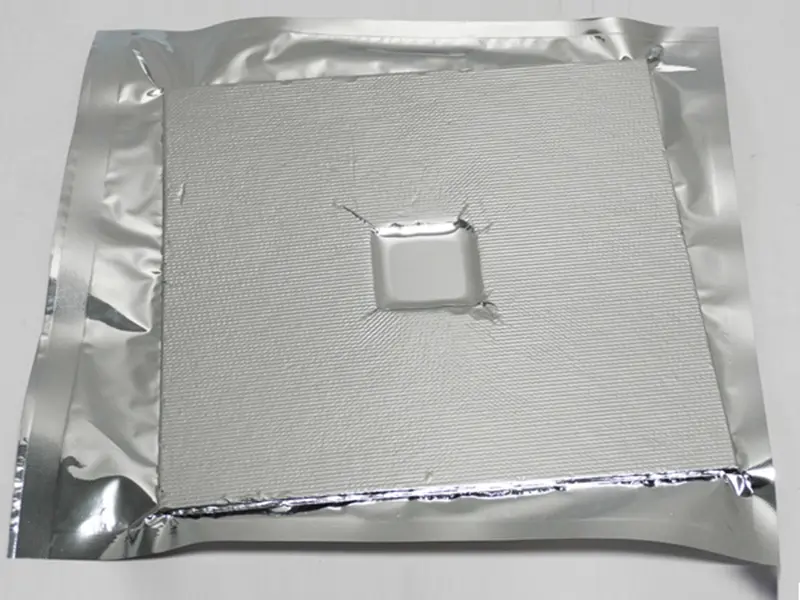
Product Features: Customizable shapes with robust PET film barriers to prevent vacuum leakage.
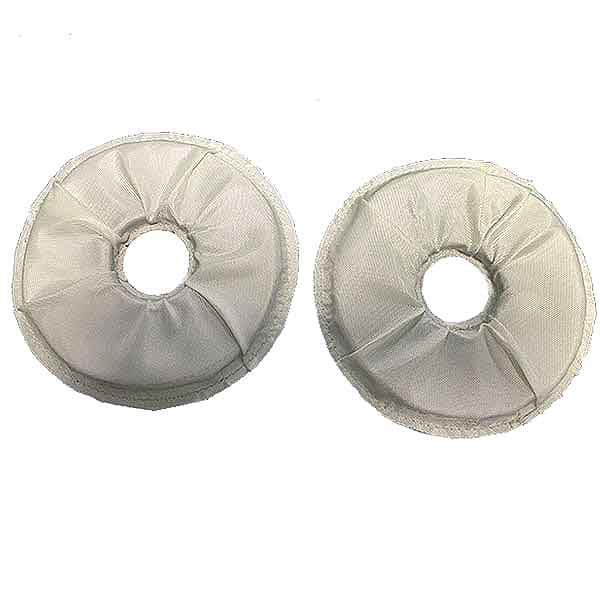
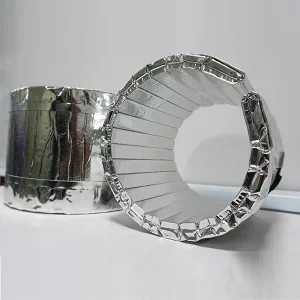
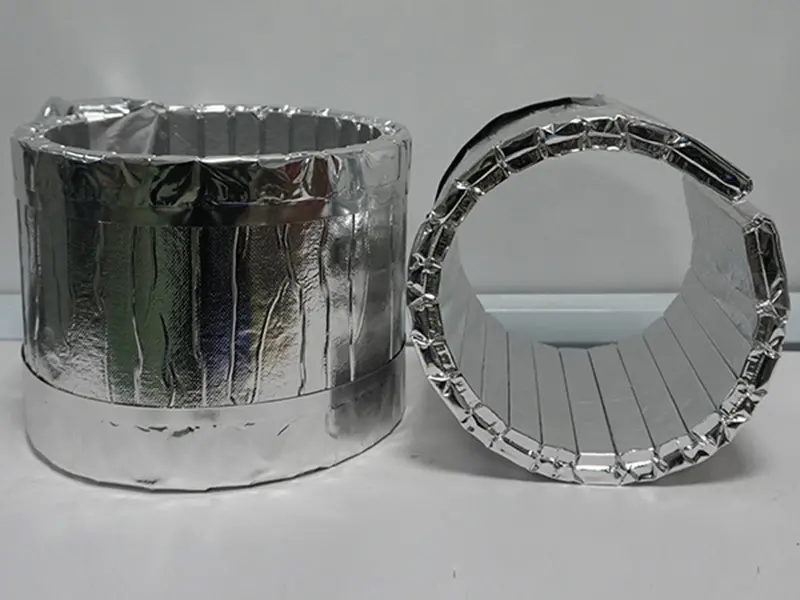
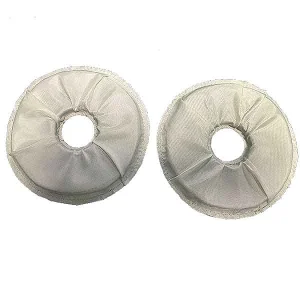
Product Specification: Custom round thermal blankets offering flexible layout integration for complex geometries.
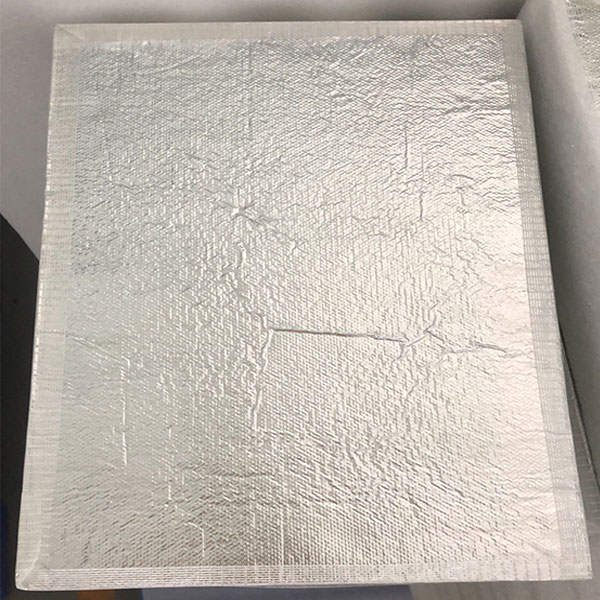
Product Features: Low conductivity core designed by Zerothermo technology for long-term construction projects.
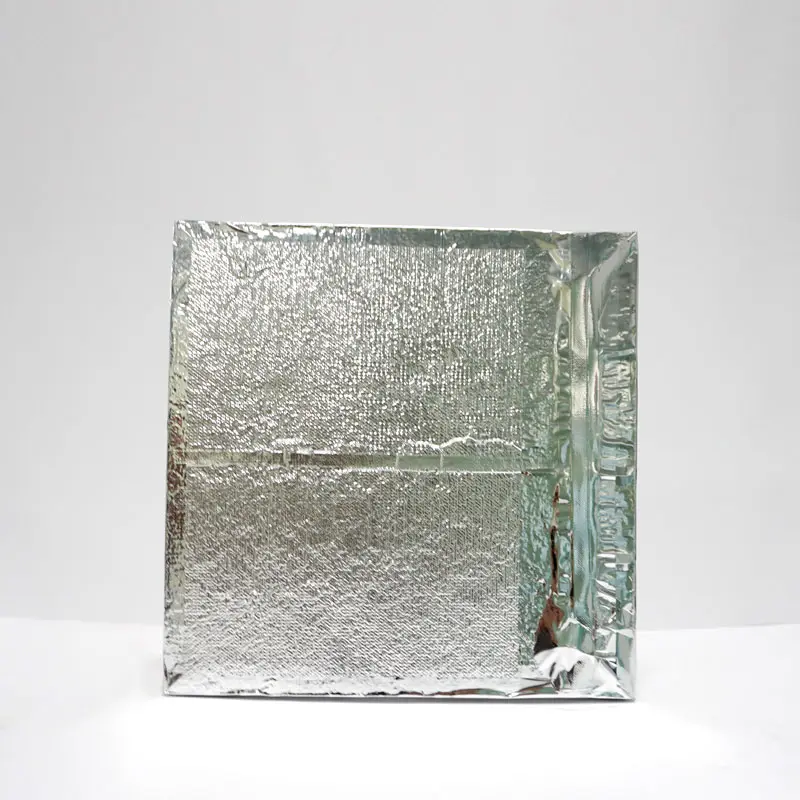
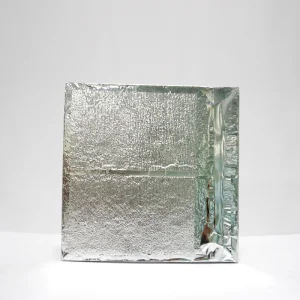
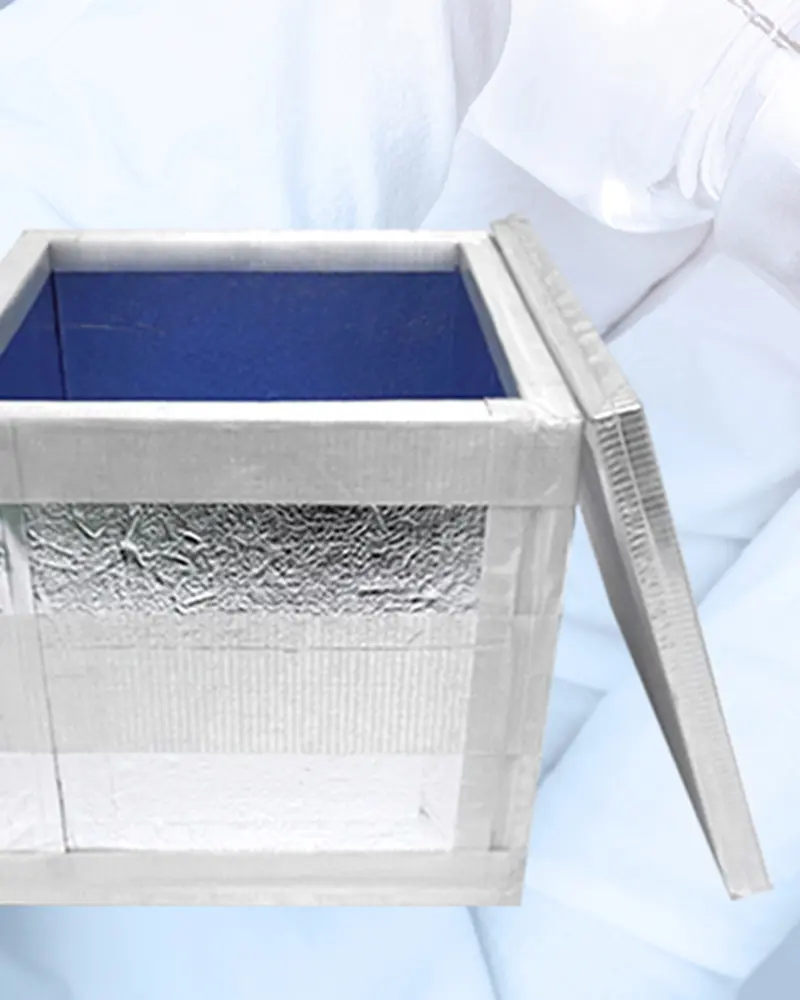
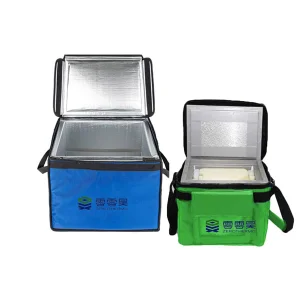
Product Features: Optimizes storage spaces inside reefers and boxes, extending passive cooling times.
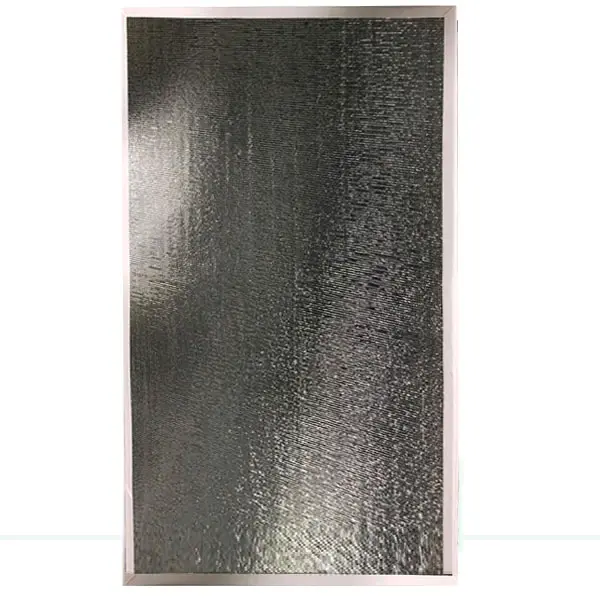
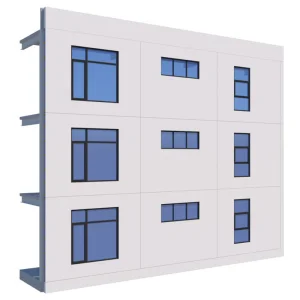
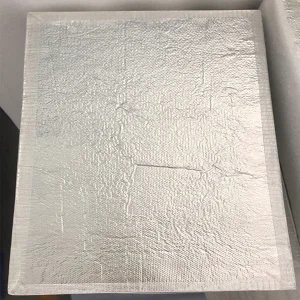
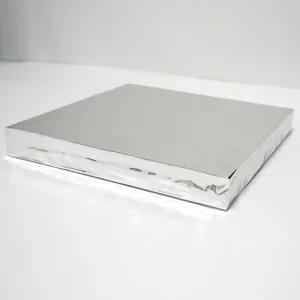
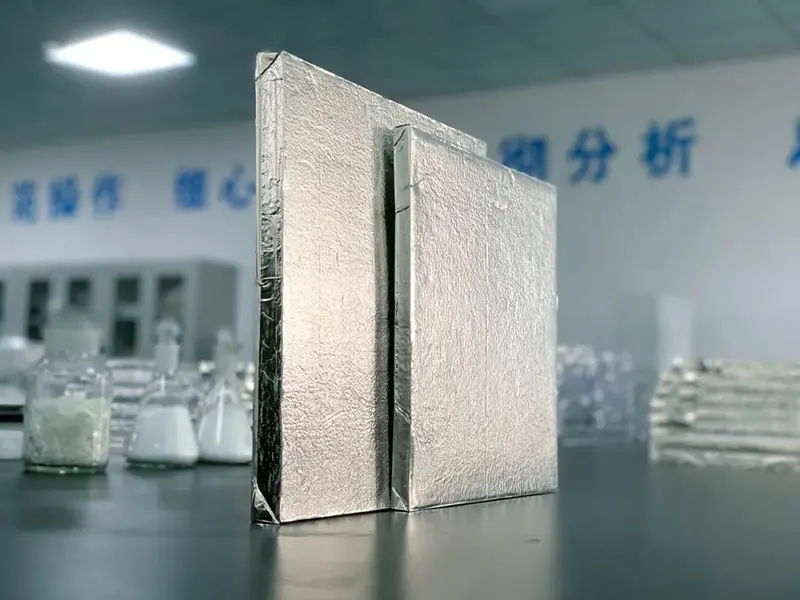
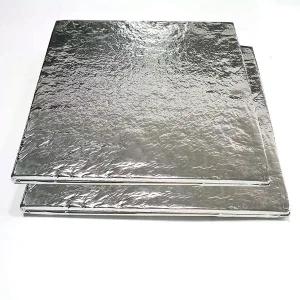
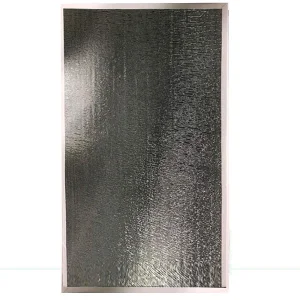
Product Features & Specifications: Large scale panels to minimize joints and thermal bridging in flooring systems.
ABOUT US
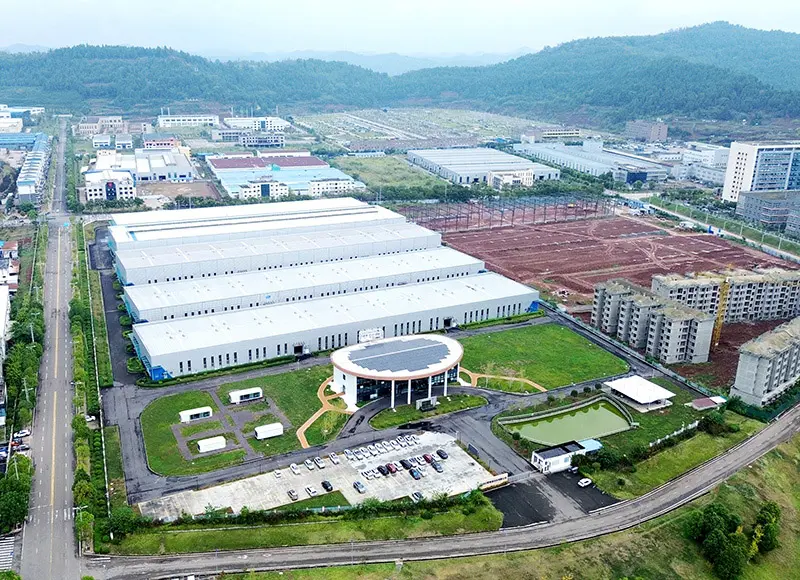
Zerothermo Technology Co., Ltd., a subsidiary of CBVAC Group and a national high-tech enterprise, is headquartered in the Beijing Economic-Technological Development Area with its production base located in Nanchong City, Sichuan Province. This facility stands as one of China's largest comprehensive production centers for vacuum technology application products.

Special sizes (beyond the range of ANSI/ASME/DIN and other standards) are produced according to customers' drawings or technical parameters.

Square, oval or other special shaped flanges. Oversize/small diameter: such as diameter over 60 inches or micro precision flanges.

All items engineered under vacuum chamber environments to guarantee high structural resilience and durability under dynamic loads.

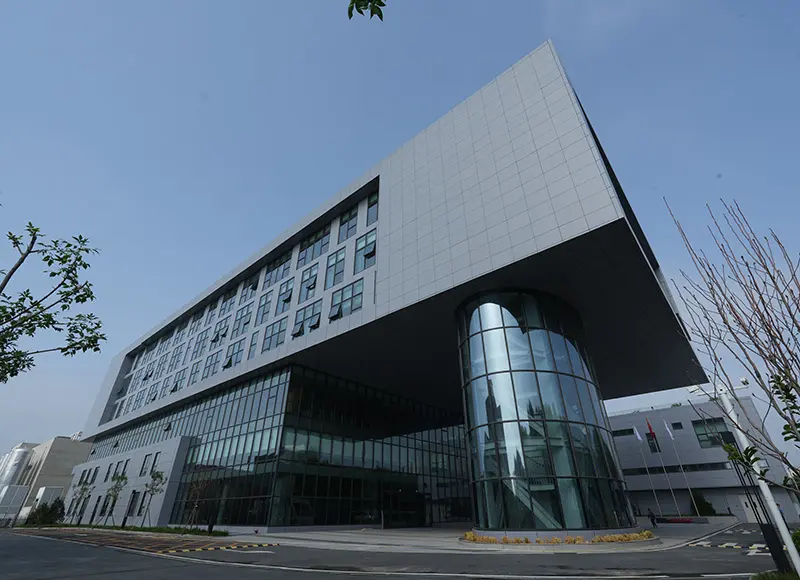


Understanding the physics of heat transfer in underfloor systems requires analyzing three primary vectors: conduction through solid matrices, convection within gas phase pockets, and radiative transmission between void walls. Standard insulation limits conduction by trapped gas molecules inside organic foam structures. However, these foams are subject to aging, moisture absorption, and thermal degradation.
In contrast, vacuum insulation panels (VIPs) eliminate gaseous convection entirely by evacuating the internal atmospheric space down to a pressure of less than 1 mbar. The core matrix, usually consisting of highly dispersed fumed silica particles, provides mechanical support against atmospheric pressure while limiting solid-body conduction. Radiative heat transfer is suppressed by infrared opacifiers mixed into the core. This complex engineering yields thermal properties that protect underfloor hydronic heating loops from losing heat to the subgrade, saving up to 30% of total HVAC electrical draw over the structure's lifetime.
| Insulation Technology Type | Thermal Conductivity ($\lambda$ - W/m·K) | Standard Compressive Strength | Typical Service Lifespan | Key Industrial Drawbacks |
|---|---|---|---|---|
| Fumed Silica Vacuum Panel (VIP) | 0.004 – 0.006 | > 150 kPa (Custom to 300 kPa) | 50+ Years | Requires protective sub-screed to prevent puncture |
| Fiberglass Core VIP | 0.002 – 0.003 (Initial) | > 100 kPa | 15 – 25 Years | More sensitive to moisture vapor transmission |
| Nano-Microporous Board | 0.018 – 0.022 | > 250 kPa | Lifetime of structure | Higher material cost per square meter |
| Extruded Polystyrene (XPS) | 0.028 – 0.035 | 150 – 500 kPa | 30 Years (Degrades) | Low fire resistance (B2/B3 class) |
Implementing insulated flooring panels requires adjusting specifications to match local climate dynamics and mechanical load demands:
Our Technology
By integrating strict quality assurance protocols and high-capacity automated production machinery, we deliver thermal isolation products that set benchmarks in technical performance.
View More


Solutions
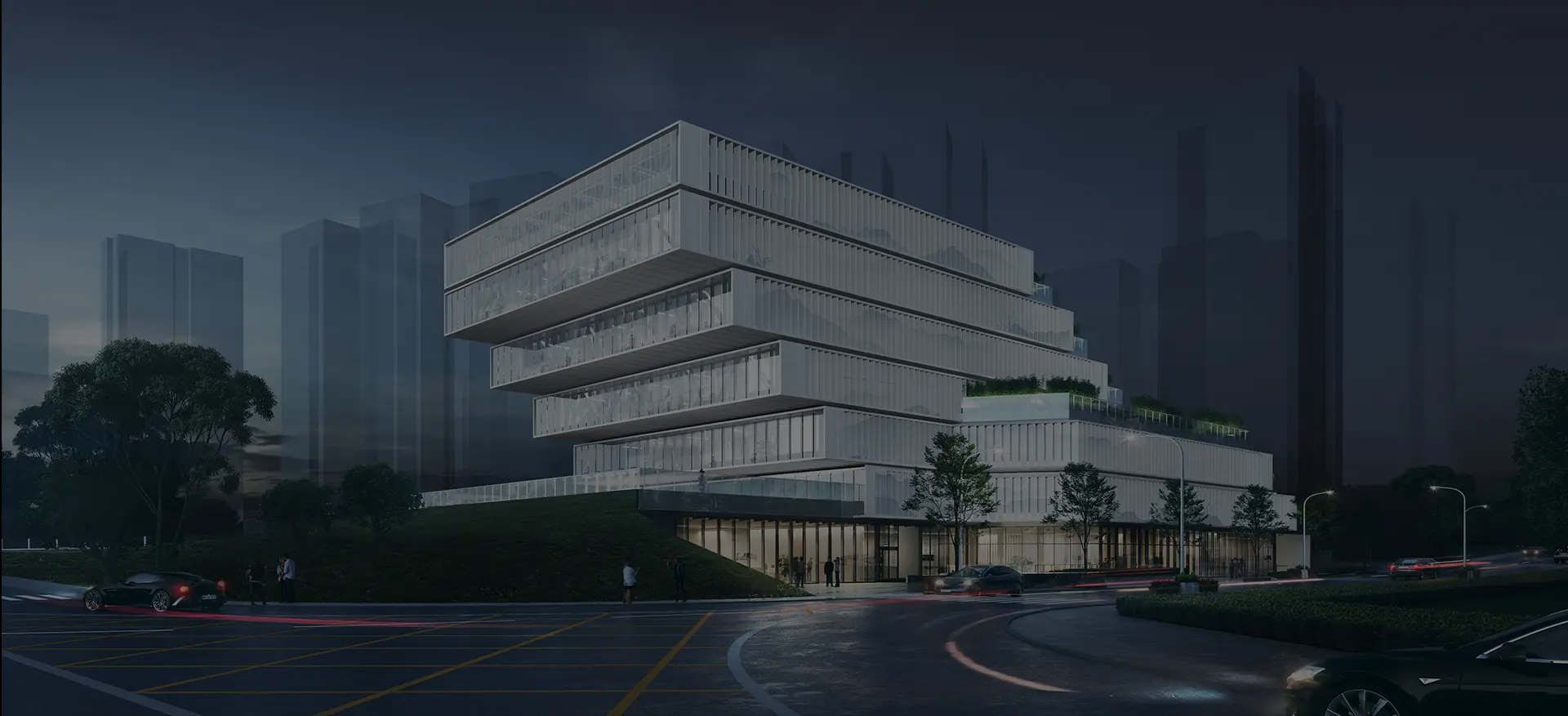
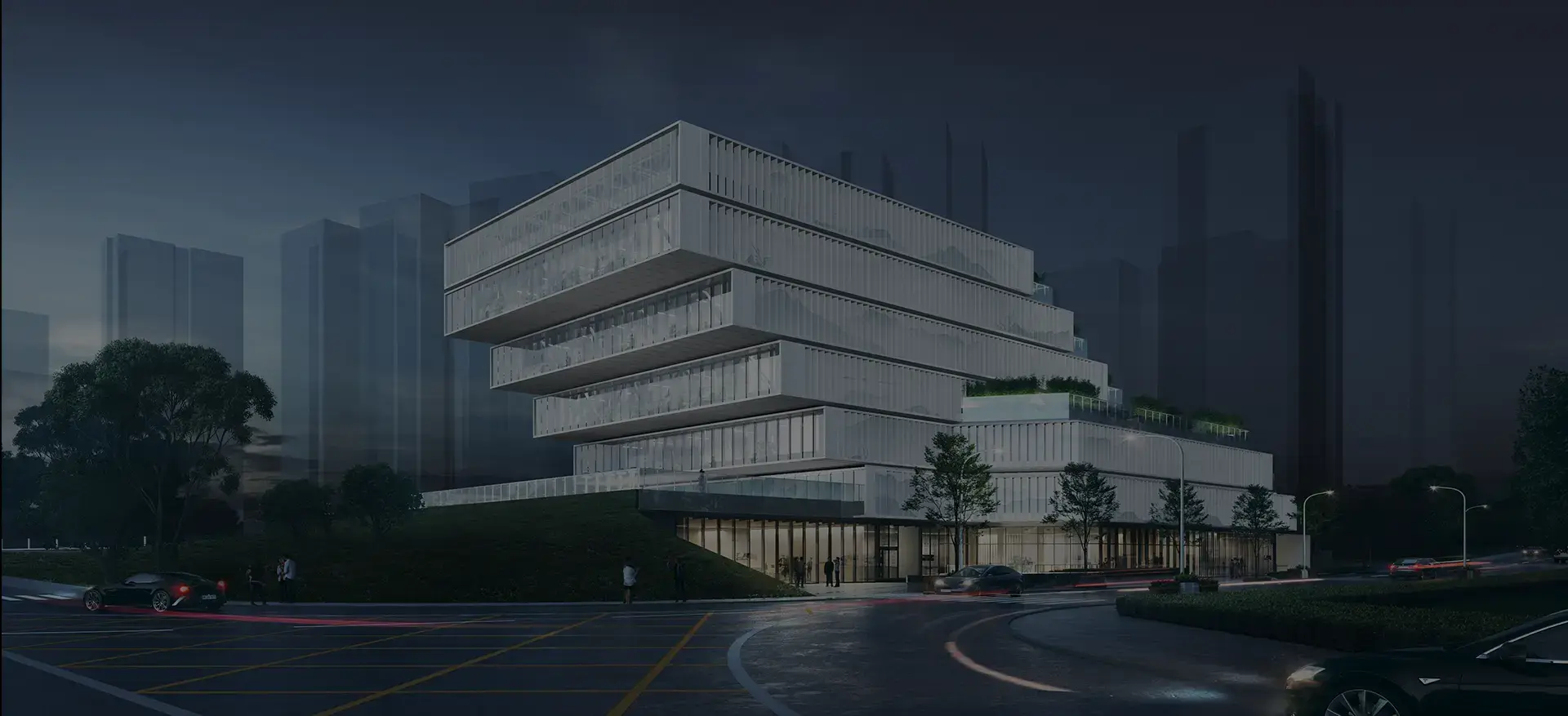


Providing high-efficiency thermal insulation solutions for building envelope systems through innovative products such as vacuum insulation panels and vacuum insulated glass, empowering the construction sector to reduce carbon emissions and achieve carbon neutrality.
Providing high-efficiency thermal insulation solutions for building envelope systems through innovative products such as vacuum insulation panels and vacuum insulated glass, empowering the construction sector to reduce carbon emissions and achieve carbon neutrality.02
Providing high-efficiency thermal insulation solutions for building envelope systems through innovative products such as vacuum insulation panels and vacuum insulated glass, empowering the construction sector to reduce carbon emissions and achieve carbon neutrality.03
Providing high-efficiency thermal insulation solutions for building envelope systems through innovative products such as vacuum insulation panels and vacuum insulated glass, empowering the construction sector to reduce carbon emissions and achieve carbon neutrality.03
Case

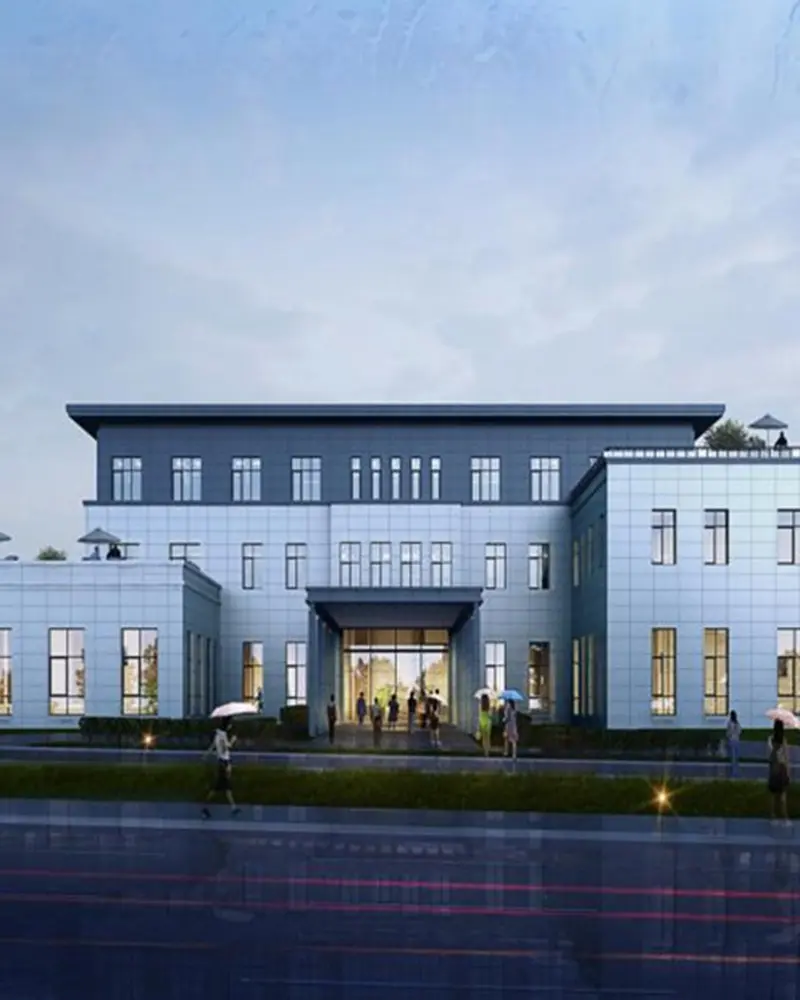
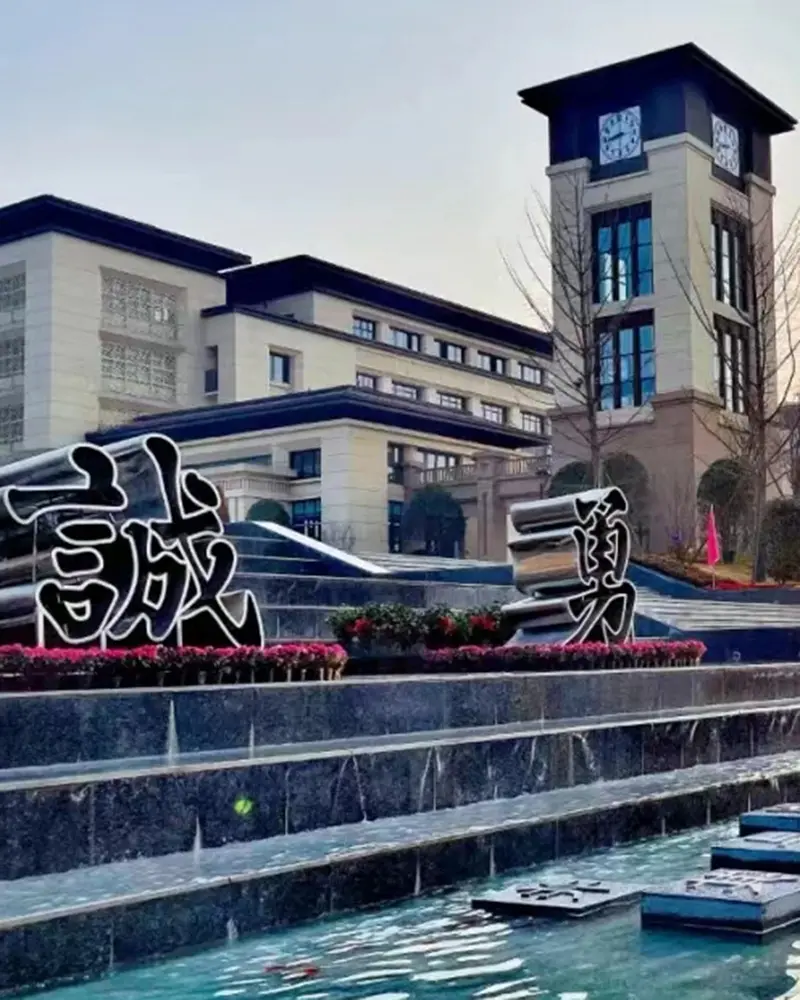
For international procurement directors, purchasing managers, and HVAC engineers, analyzing the cost breakdown of a China-sourced insulated flooring panels pricelist is essential. Total procurement costs are influenced by several variables: raw material purity, surface protection layer density, lamination requirements, and order volume scaling.
Fumed silica core formulations are more expensive than fiberglass alternatives, but they offer significantly longer lifespans and better resistance to structural loads. Fiberglass-based VIPs degrade faster in the presence of water vapor, making them less suitable for under-concrete screeds. A strategic procurement framework should evaluate three key metrics: R-value retention over a 30-year operational period, panel load-bearing limits (compressive strength at yield), and structural margins at joint interfaces.
“Procurement Strategy: Prioritize fumed silica core matrices when purchasing flooring insulation panels. The higher initial investment is offset by avoiding costly sub-slab repairs and maintenance down the road.”
Understanding these variables helps procurement teams plan budgets and manage total cost of ownership (TCO) for large-scale construction projects:
News and Information
Committed to supporting China’s “dual-carbon” goals, Zerothermo Technology drives high-quality development of new quality productivity while promoting sustainable industrial advancement

Our Technology
We offer a one-stop vacuum insulation board solution. Contact us for a solution.


Product Portfolio


 +8615892792306