Whitepaper & Technical Insights
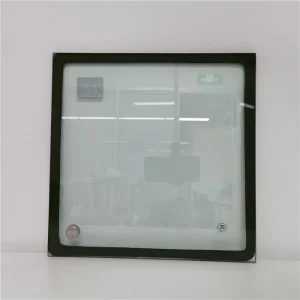
Double vacuum glass, commercially known as Vacuum Insulated Glass (VIG), represents a paradigm shift in fenestration technology. Unlike traditional double glazing (Insulated Glass Units or IGUs) which rely on inert gases like Argon or Krypton to slow down heat transfer, Double Vacuum Glass eliminates the gas altogether. By creating a vacuum chamber (down to 10-4 Pa or lower) between two sheets of glass, heat transfer via conduction and convection is virtually eliminated.
Globally, the construction and industrial sectors are facing unprecedented regulatory pressure to optimize energy performance. From Europe’s EPBD (Energy Performance of Buildings Directive) targeting net-zero buildings, to the United States' ASHRAE standards, and China’s strict dual-carbon targets, structural insulation requirements have reached a threshold where traditional glazing is no longer sufficient. Under these mandates, Double Vacuum Glass has emerged as the premier solution, offering the thermal performance of a solid insulated wall in the slim profile of a single IGU pane.
| Glazing Type | Typical Thickness (mm) | U-Value (W/m²·K) | Center-of-Glass R-Value | Acoustic Performance (dB) |
|---|---|---|---|---|
| Single Glazing | 4 - 6 mm | 5.8 | ~R-1.0 | 25 - 28 |
| Standard IGU (Air Filled) | 20 - 24 mm | 2.7 - 2.8 | ~R-2.0 | 30 - 32 |
| Advanced Low-E IGU (Argon) | 24 - 28 mm | 1.1 - 1.4 | ~R-3.5 - 4.5 | 32 - 35 |
| Double Vacuum Insulated Glass (VIG) | 8.3 - 12.3 mm | 0.4 - 0.6 | ~R-10.0 - 14.0 | 39 - 43 |
This thermal improvement translates into drastic reduction in HVAC loads, directly impacting the operational carbon footprint of skyscrapers, residential complexes, and cold chain structures. As a result, the market demand for VIG has transitioned from specialized pilot systems to mainstream high-performance real estate portfolios and cold preservation hubs globally.
China Factory Core Efficiencies
The manufacturing process of double vacuum glass requires unmatched precision. Chinese factories have pioneered automated micro-spacer placement and low-temperature edge-sealing techniques, reducing localized thermal bridge stresses and avoiding micro-cracks. Automated production lines ensure consistent vacuum distribution across massive panels.
By keeping float glass manufacturing, low-emissivity (Low-E) coating lines, glass tempering, and vacuum extraction in a centralized zone, factories like Zerothermo significantly lower transit risks and operational costs. This integration allows for rapid adaptation from prototyping to commercial scale runs.
Chinese double vacuum glass factories offer direct sourcing privileges that drastically lower the CAPEX of green building projects. The combination of scale, domestic raw materials, and specialized engineering talents makes high-end VIG products accessible for budget-conscious international developers.
Bespoke Structural Solutions
Strategic Application Fields
Double vacuum glass holds diverse utilities transcending classic architectural windows. Due to its ultra-thin structure and high insulation capacity, it serves as a critical component across multiple demanding industries:
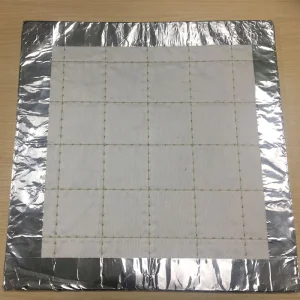
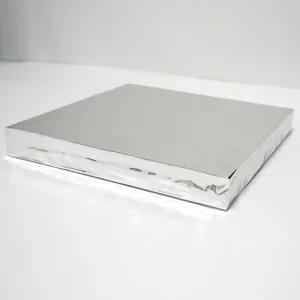
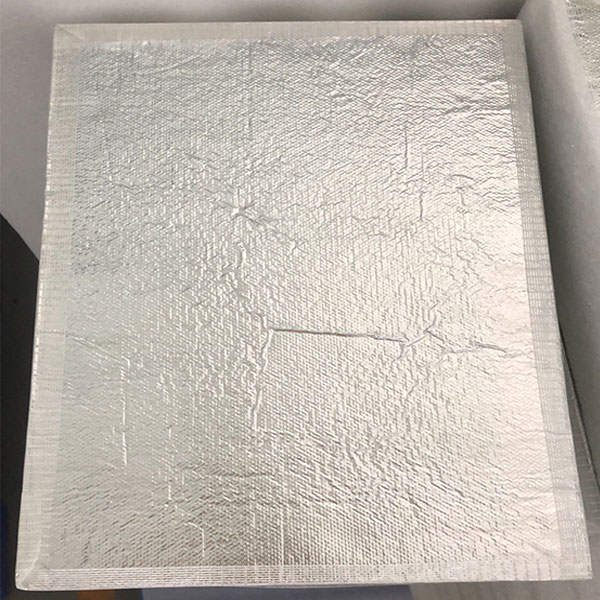
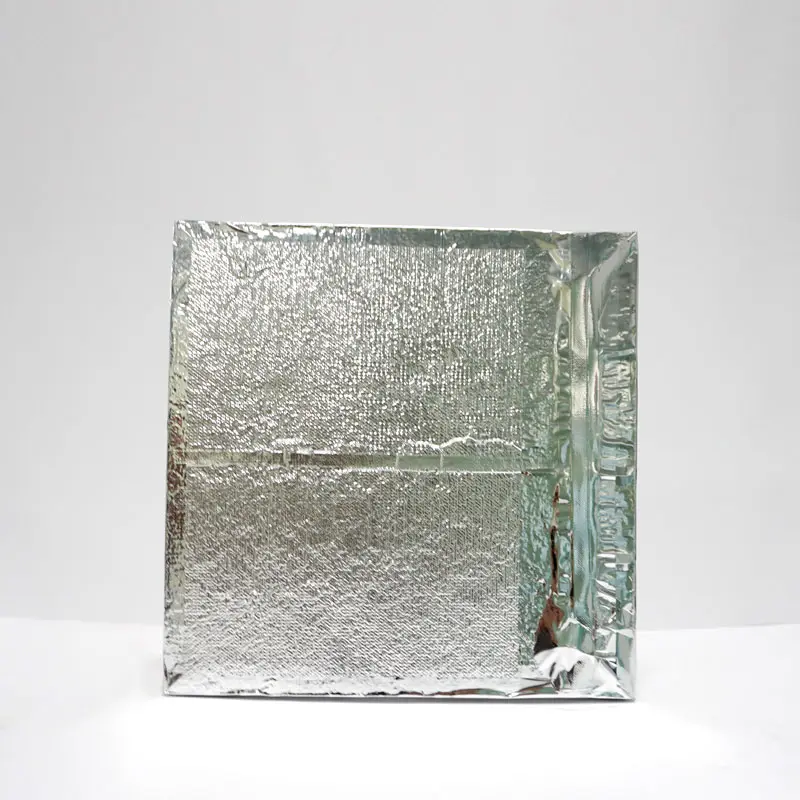
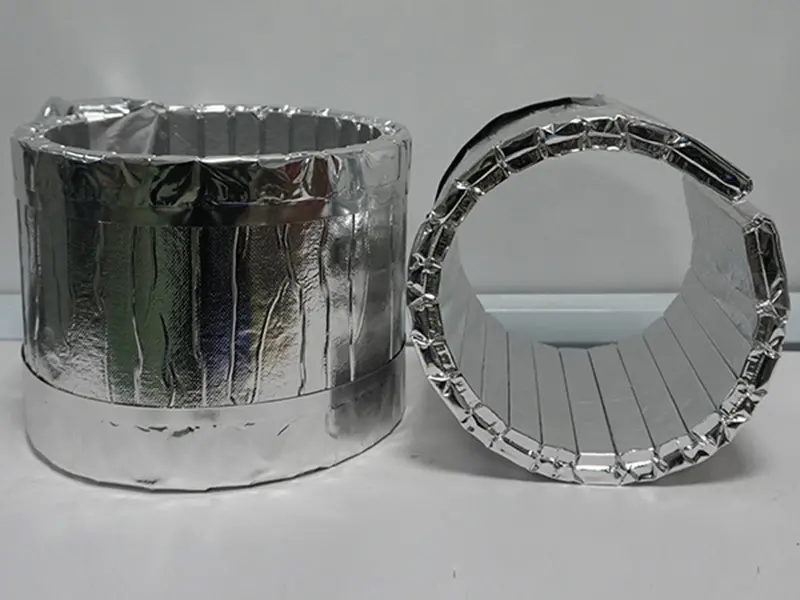
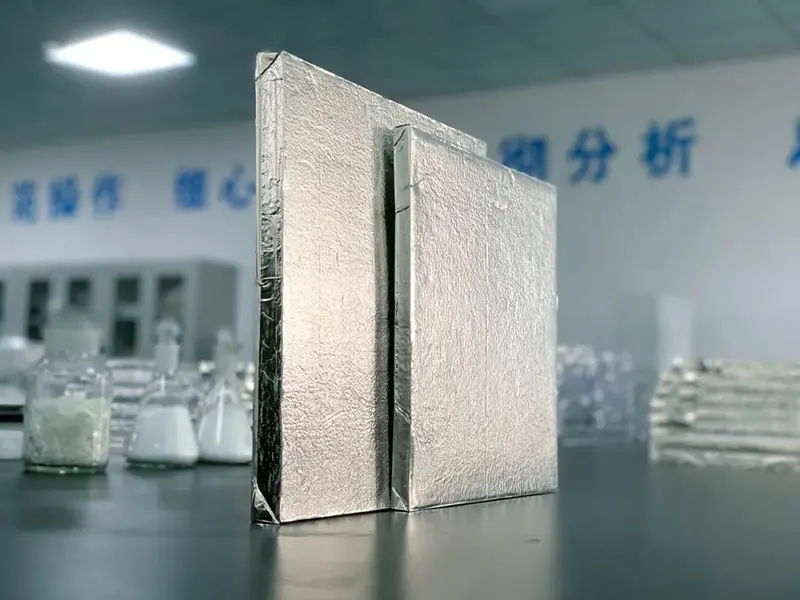
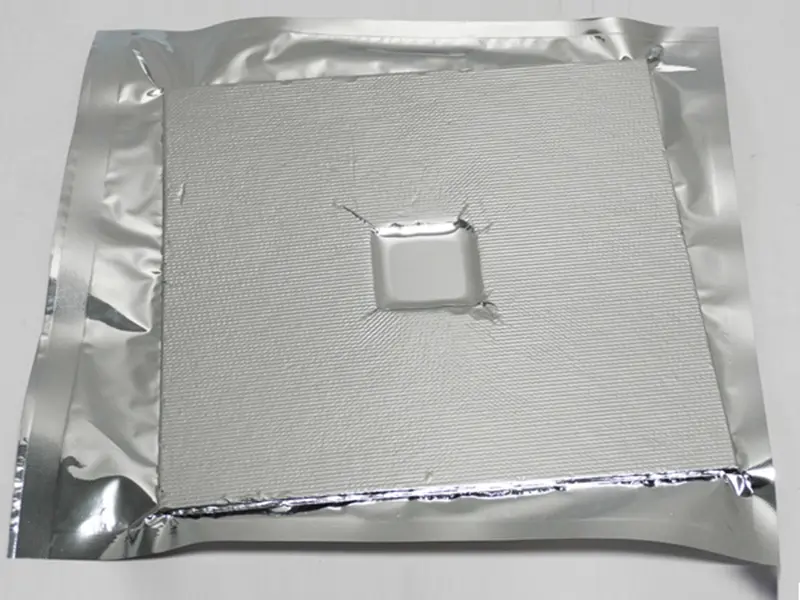
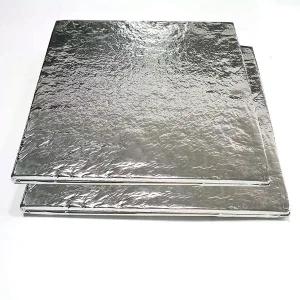
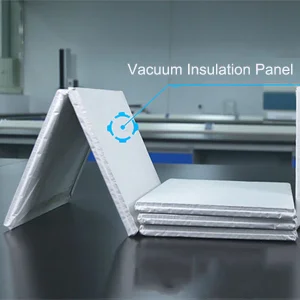
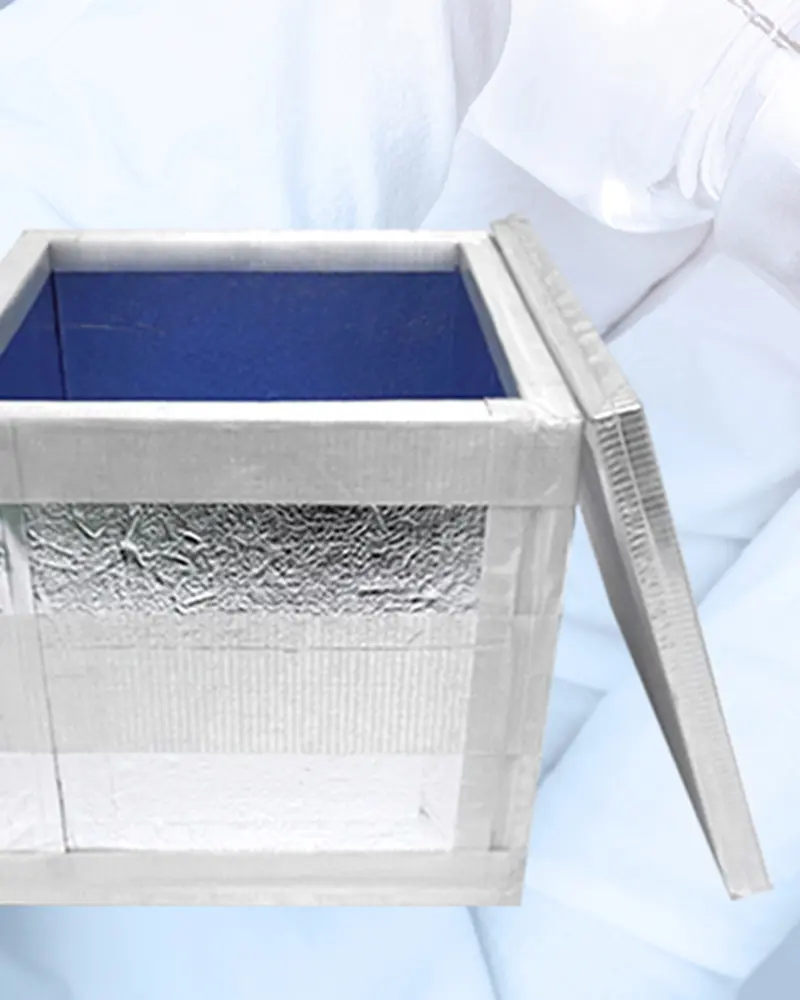
Maintaining biological agents, vaccines, and frozen medical supplies within strict temperature margins is highly energy intensive. Traditional coolers rely on bulky insulation panels that compromise internal volume. By utilizing VIPs (Vacuum Insulation Panels) and double vacuum glass viewing windows in refrigeration units, transport volumes are optimized and thermal loss is reduced by up to 80% during long-range transit.
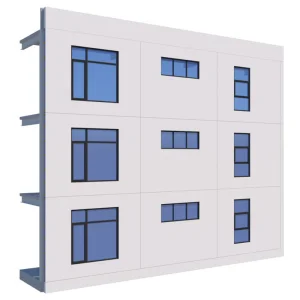
Architectural design is pivoting to glass envelopes to maximize daylighting, which traditionally introduces high solar heat gain and rapid winter heat loss. VIG provides double-pane thickness with the insulation performance of a massive stone wall, allowing architects to specify expansive glass elements without breaching strict HVAC consumption limitations.
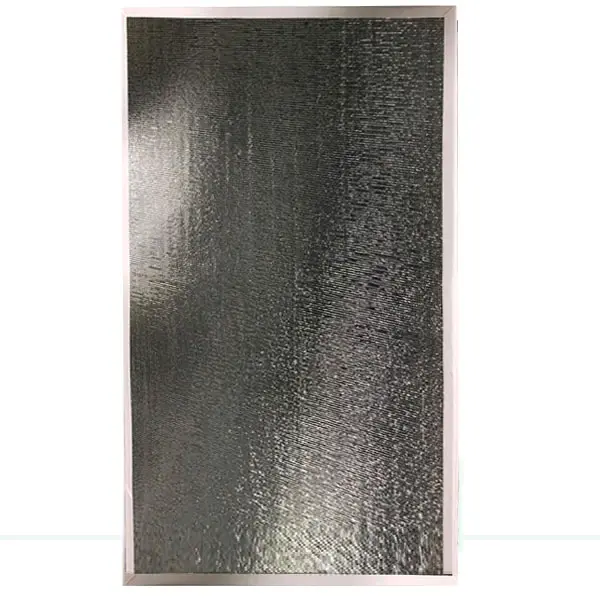
Industrial doors, furnace viewing hatches, and cleanroom borders necessitate continuous visual access without exposing the external environment to extreme thermal radiance. High-temperature microporous matrices and customized vacuum double glass windows provide operators with safe optical access while sustaining safe surface temperatures externally.
About Zerothermo Technology
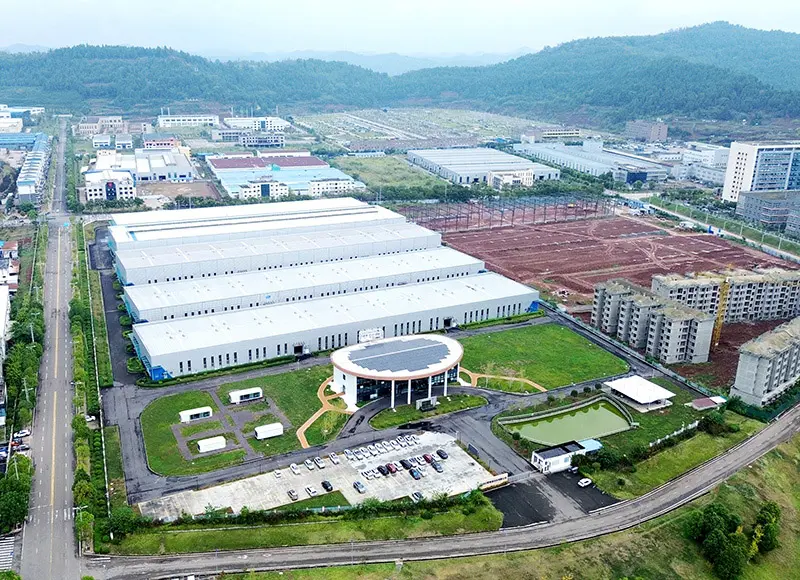
Zerothermo Technology Co., Ltd., a subsidiary of the prestigious CBVAC Group, is a national high-tech enterprise at the forefront of vacuum science application. Headquartered in the Beijing Economic-Technological Development Area, with our key high-efficiency manufacturing base located in Nanchong City, Sichuan Province.
This state-of-the-art facility stands as one of China's largest and most technologically integrated production centers for vacuum insulation panels, double vacuum insulated glass, and specialized high-vacuum structural fittings.

Specialized dimensional fittings (exceeding traditional ANSI, ASME, or DIN standards) optimized for high-vacuum seals based on custom drawings.

Square, oval, asymmetric, or extremely oversized/micro-precision flanges fabricated to ensure airtight system integrity.

Providing comprehensive matching elements designed for absolute hermetic sealing in high vacuum chambers.
Unrivaled Core Strengths


Proven Performance

High-efficiency thermal panels and vacuum viewing doors ensure medicine stability over long periods.

Enabling low carbon emissions and empowering structural envelopes to target high thermal retention.

Providing microporous insulation cores and high-temp glass doors to secure thermal boundaries.

Eco-lodges and viewing pods built in extreme climates utilize vacuum insulated setups for occupant comfort.
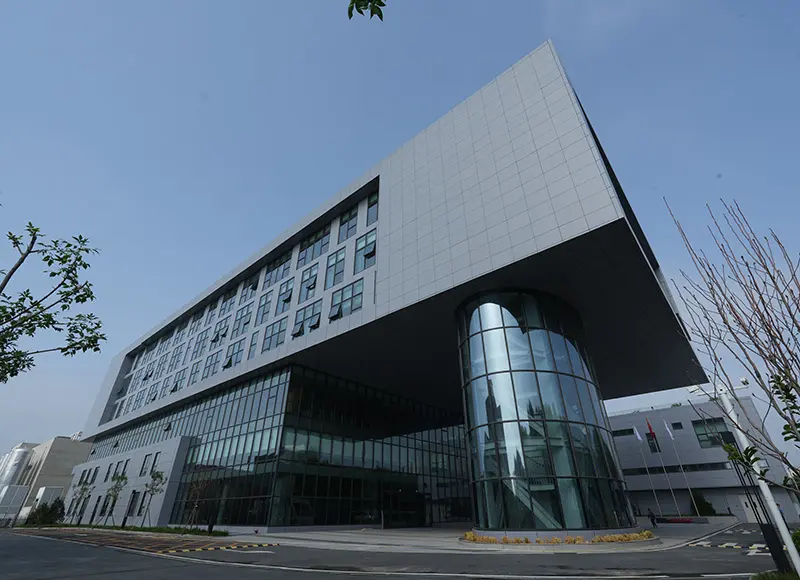
Our vacuum systems are actively deployed globally. Here are some of our benchmark projects that prove structural effectiveness and real-world durability:
 MultiMicro Tech Co.
 Cleanroom Panels
 Nanchong High School
 Vaccine Cooler Box
Expert Q&A
Industry Insights & News
Partner with a leading factory specialized in vacuum technologies. Our engineering staff is equipped to analyze structural specifications, thermal goals, and physical dimensions for project quotes.