
Our ultra-thin, low thermal conductivity vacuum insulation panels and structural glazed solutions engineered to maximize R-values while minimizing structural footprint.
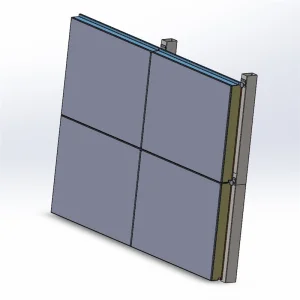
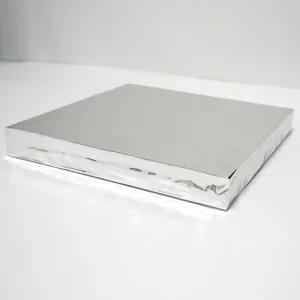
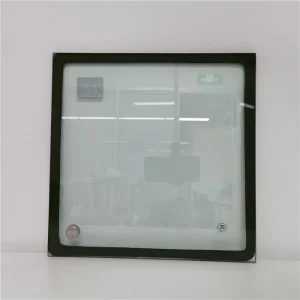
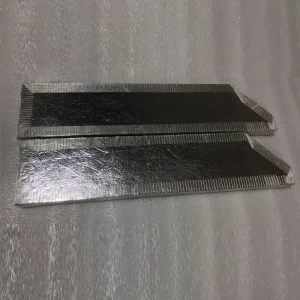
Modern conservatory construction faces a persistent structural challenge: balancing high aesthetic demands for transparent, glazed areas with the strict thermal performance metrics dictated by global building energy codes. Traditional insulating materials like expanded polystyrene (EPS), polyurethane foam (PUR), and mineral wool fall short when space constraints require minimal barrier thicknesses. This is where Vacuum Insulation Panels (VIPs) and Vacuum Insulated Glass (VIG) systems change the engineering landscape.
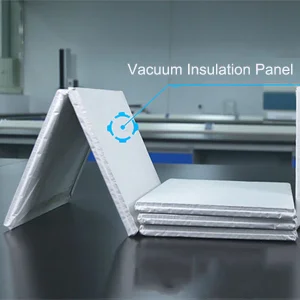
By leveraging the physical properties of a partial vacuum, VIPs eliminate gaseous thermal conduction and convection. At the heart of a high-performance VIP is a core material—primarily fumed silica or ultra-fine fiberglass—sealed under vacuum within a high-barrier envelope. This configuration permits thermal conductivity levels ($K$-value) as low as 0.004 W/mK, compared to standard EPS boards which range between 0.030 and 0.040 W/mK. This difference means engineers can achieve identical structural thermal resistance (R-value) at a fraction of the thickness, saving interior floor space and maintaining the sleek profiles necessary for architectural aesthetics.
The superior thermal resistance of fumed silica cores relies heavily on the Knudsen effect. When the pore size of the core matrix is smaller than the mean free path of gas molecules (approximately 70nm under normal atmospheric conditions), the thermal energy transfer via intermolecular collisions drops sharply. Combined with advanced vacuum evacuation ($<1$ mbar), gaseous heat transfer is effectively suppressed, leaving only solid conduction through the micro-contacts of the silica nanoparticles and radiative transport—both of which are further optimized by infusing opacifiers into the core matrix.
Not all vacuum insulation panels are built the same. The core material determines the panel's lifetime thermal performance, mechanical resilience, and sensitivity to pressure drop over its service life. Below is a comparative analysis of the primary structural materials used by Chinese manufacturers.
| Performance Metric | Fumed Silica Core VIP | Fiberglass Core VIP | Traditional Polyurethane (PUR) | |
|---|---|---|---|---|
| Initial Thermal Conductivity | 0.004 - 0.006 W/mK | 0.002 - 0.003 W/mK | 0.022 - 0.026 W/mK | |
| Design Life (Building Envelope) | Over 50 Years | 15 - 25 Years | 15 - 30 Years | |
| Sensitivity to Moisture / Aging | Very Low (Highly Stable) | High (Requires Desiccant) | Moderate (Outgassing degradation) | |
| Fire Resistance Class (EN 13501) | Class A1 / A2 (Non-combustible) | Class A1 (Non-combustible) | Class B / C (Combustible) | |
| Eco-Friendliness & Recyclability | 100% Recyclable (Mineral) | Highly Recyclable | Difficult to Recycle |
Conservatories, or glasshouse extensions, are particularly susceptible to extreme external thermal conditions. Under direct sunlight, greenhouse effects cause interior temperatures to rise, while in winter, cold exterior walls draw heat from the structure rapidly. In these situations, the choice of barrier insulation determines whether the space remains habitable year-round.
The VIP manufacturing sector is moving toward hybrid composite systems. By combining VIPs with Aerogel coatings or Phase Change Materials (PCMs), manufacturers are developing panels that provide both high thermal resistance and passive temperature buffering. In addition, the integration of structural glass technology like Tempered Vacuum Insulated Glass ensures that even the transparent elements of a conservatory frame achieve U-values ($U_g \le 0.4 \text{ W/m}^2\text{K}$) comparable to solid, insulated walls.
As a subsidiary of the CBVAC Group, Zerothermo Technology Co., Ltd. uses vertically integrated manufacturing facilities to secure a steady supply of high-grade raw materials. Operating out of one of China's largest vacuum technology bases in Nanchong City, Sichuan Province, the plant delivers high output capacity while maintaining strict quality control for international projects.
Our products comply with strict international regulatory frameworks, including:


We design and manufacture customized thermal components to fit specific project dimensions, ensuring proper integration with minimal thermal bridging.
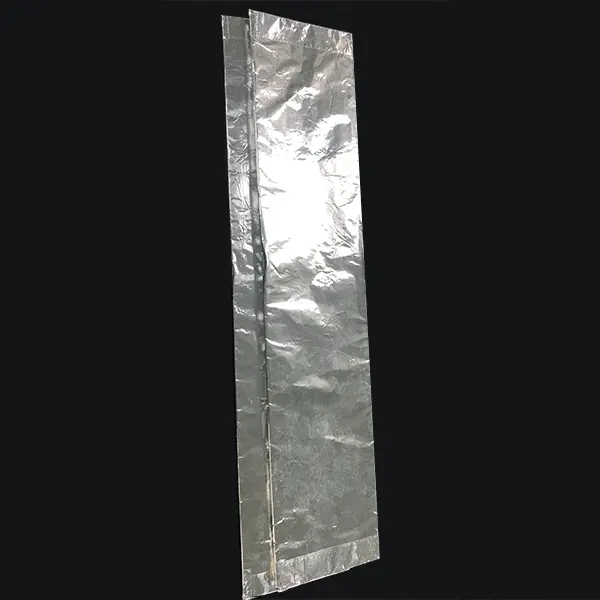
Custom-sized VIP thermal barriers designed to manage battery temperatures and prevent thermal runaway in EV platforms.
View More +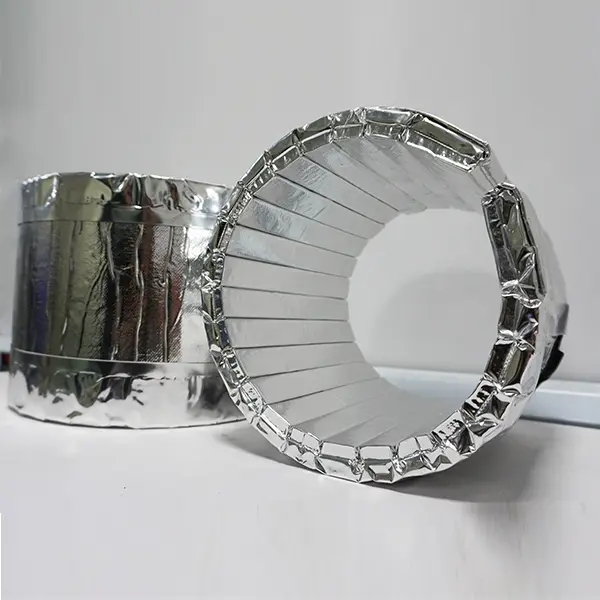
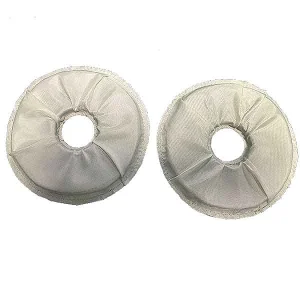
Specialized microporous wraps designed to limit heat loss in residential and commercial storage systems.
View More +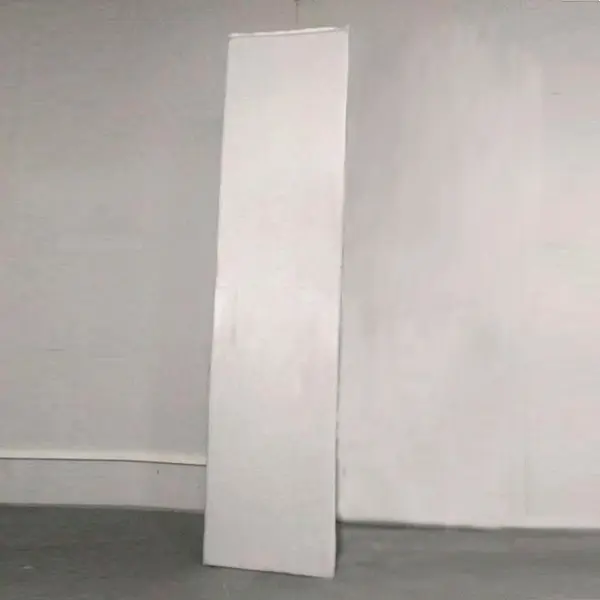
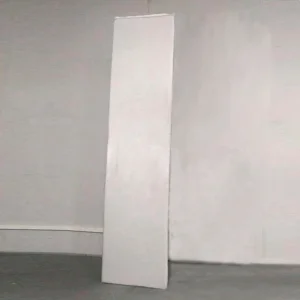
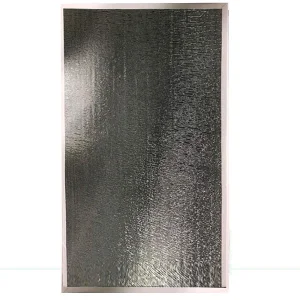
Non-combustible nano microporous panels configured to fit structural door frames, meeting strict fire ratings.
View More +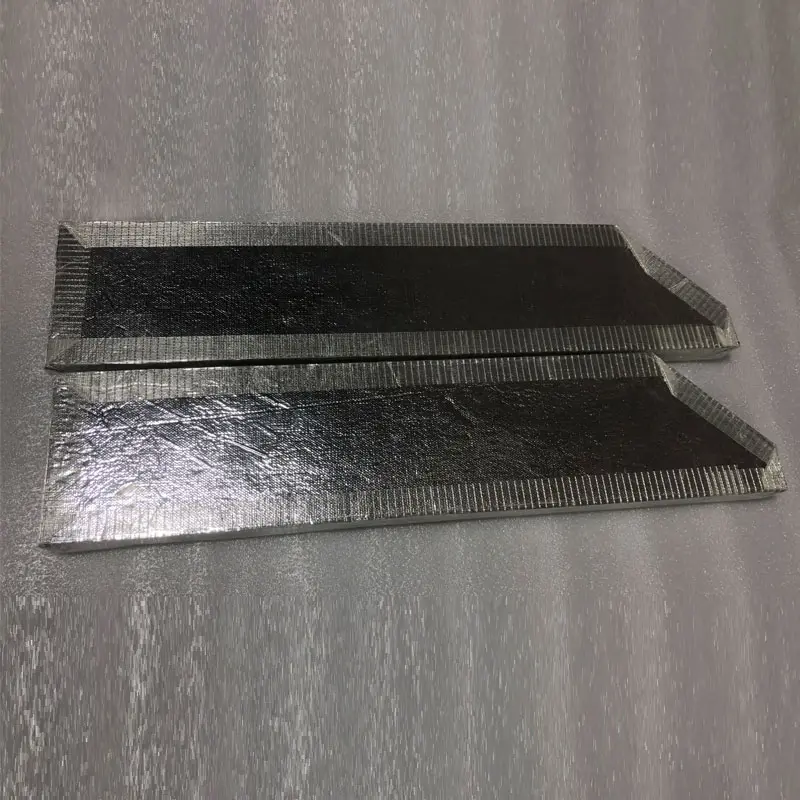
Custom geometries designed for unique building corners, penetrations, and non-linear envelopes.
View More +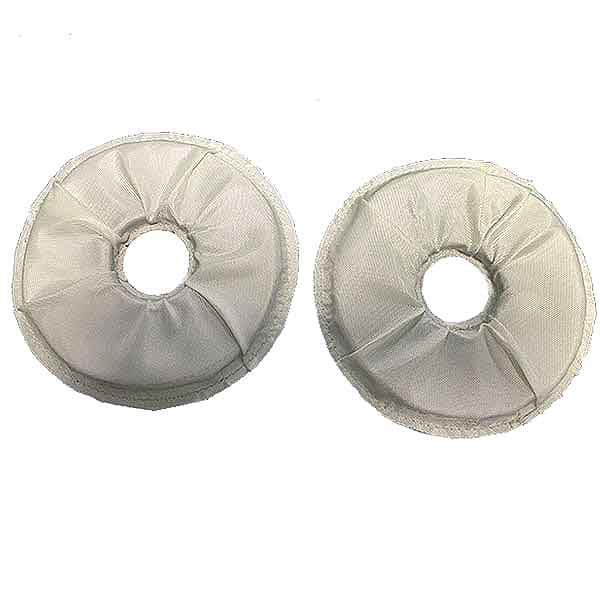
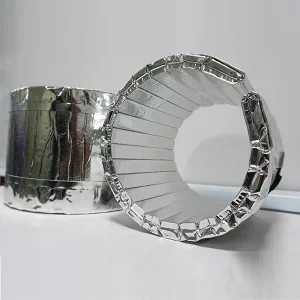
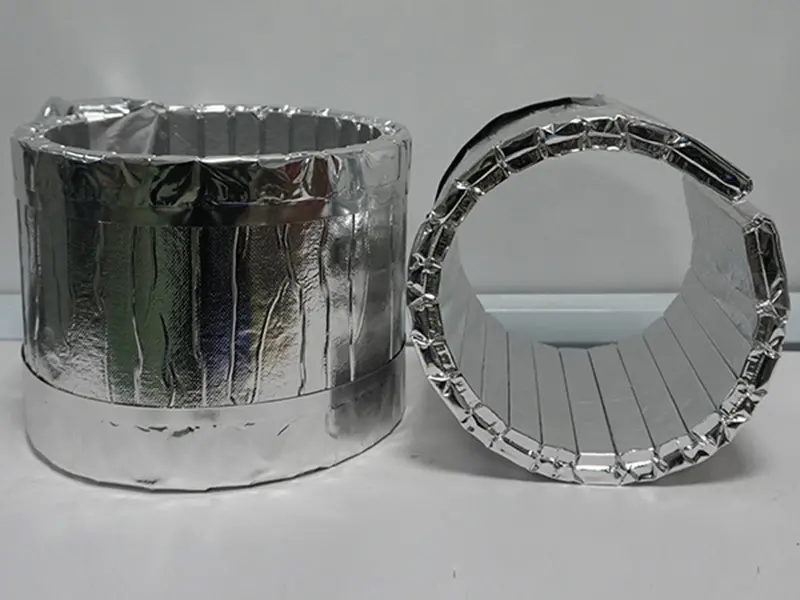
Flexible thermal insulation sheets designed for curved piping and high-temperature mechanical systems.
View More +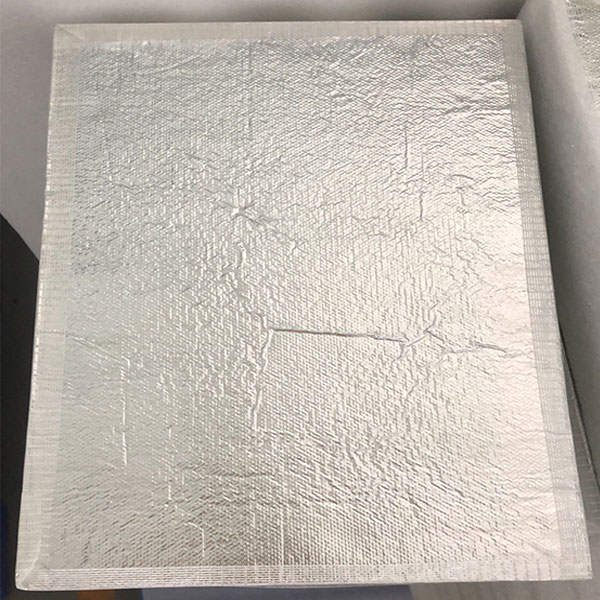
Precision-packaged panels designed to minimize thermal bridging in cold storage projects.
View More +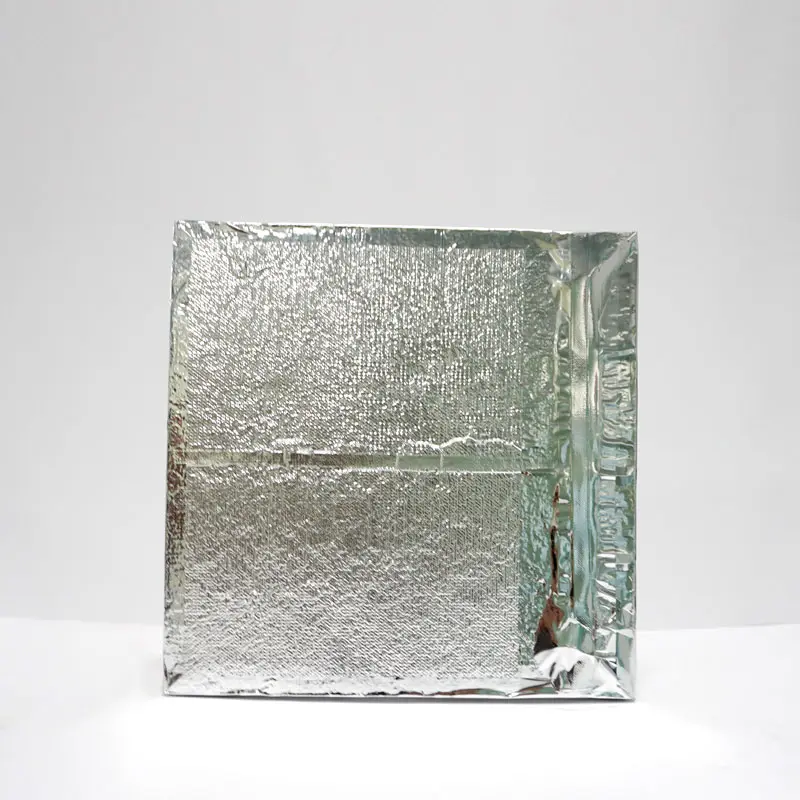
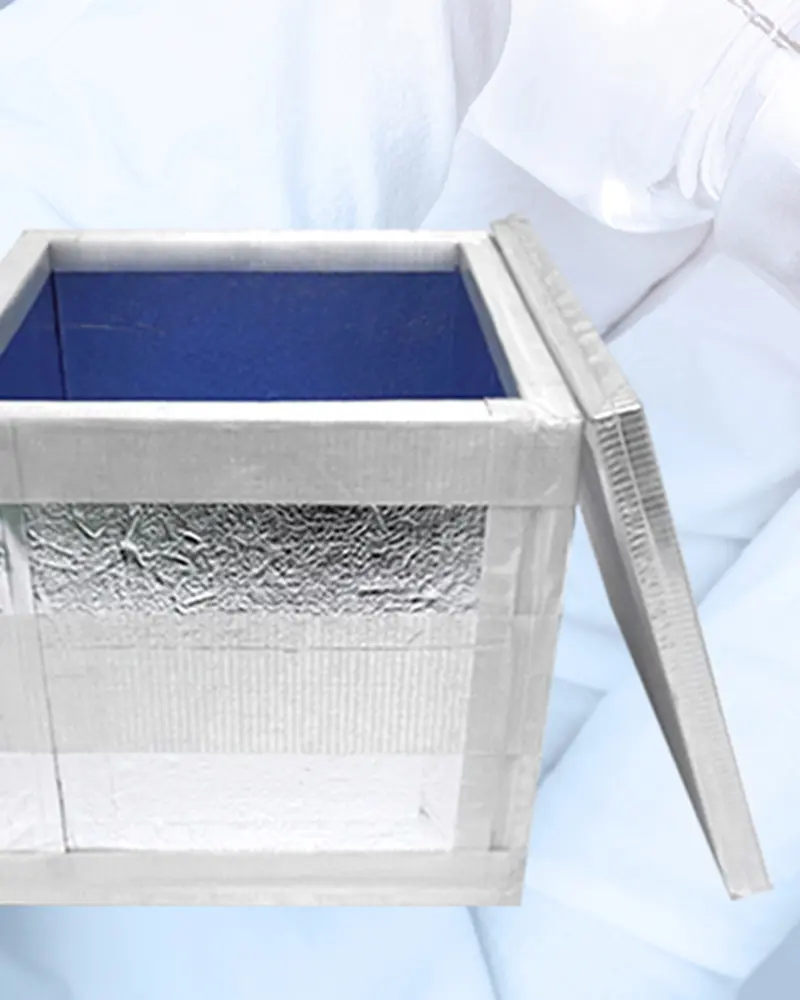
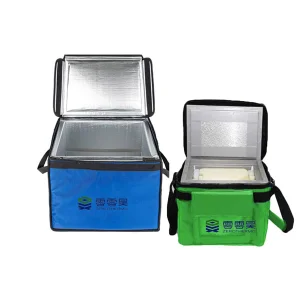
Insulated panels engineered to maintain vaccine and bio-sample temperatures during long-distance transit.
View More +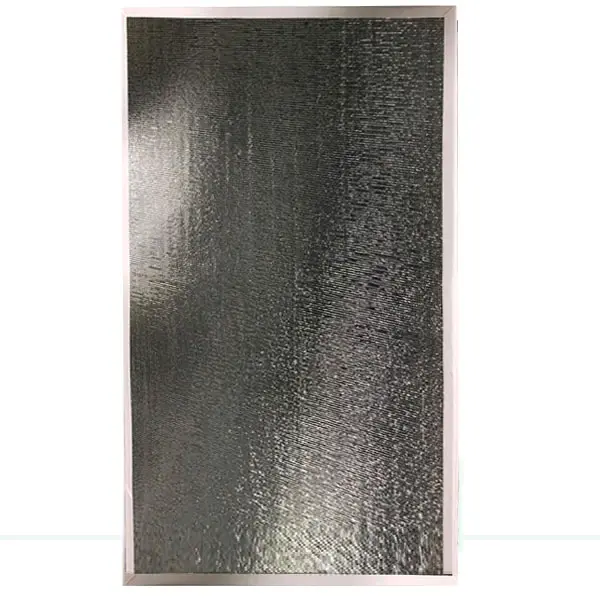
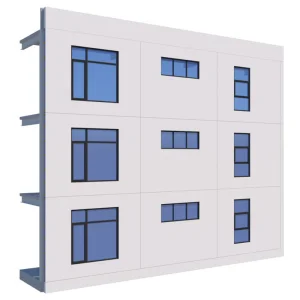
Large-format modular panels designed to speed up installation on industrial-scale exterior building facades.
View More +As a subsidiary of the CBVAC Group and a national high-tech enterprise, Zerothermo Technology is headquartered in the Beijing Economic-Technological Development Area, with our primary production base in Nanchong City, Sichuan Province. This facility stands as one of China’s largest and most comprehensive manufacturing centers for vacuum technology and thermal barrier application products.
We combine advanced research, manufacturing, and quality testing to serve international energy conservation and thermal isolation markets.

We manufacture custom sizes beyond ANSI, ASME, and DIN standards based on client drawings or structural specifications.

Fabrication of square, oval, or complex geometry vacuum seals and oversize flanges exceeding 60 inches in diameter.

High-precision micro-flanges and sealing interfaces engineered to survive harsh thermal and chemical environments.
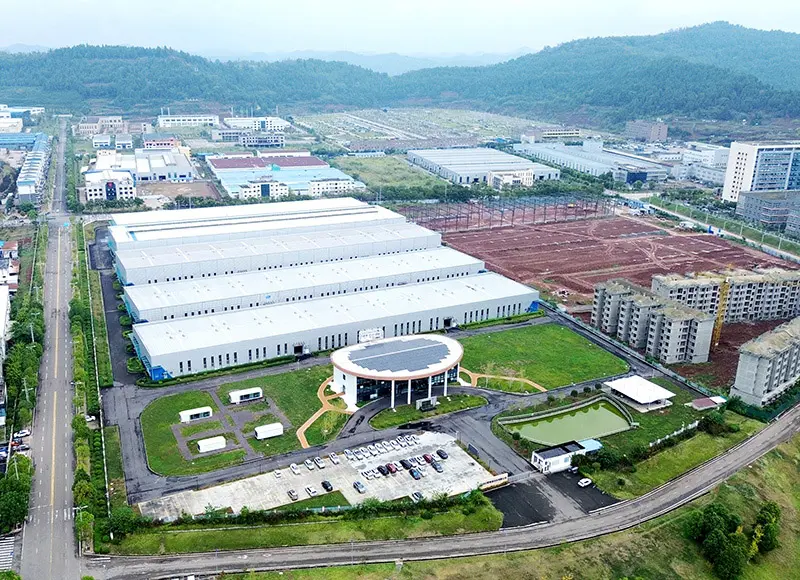

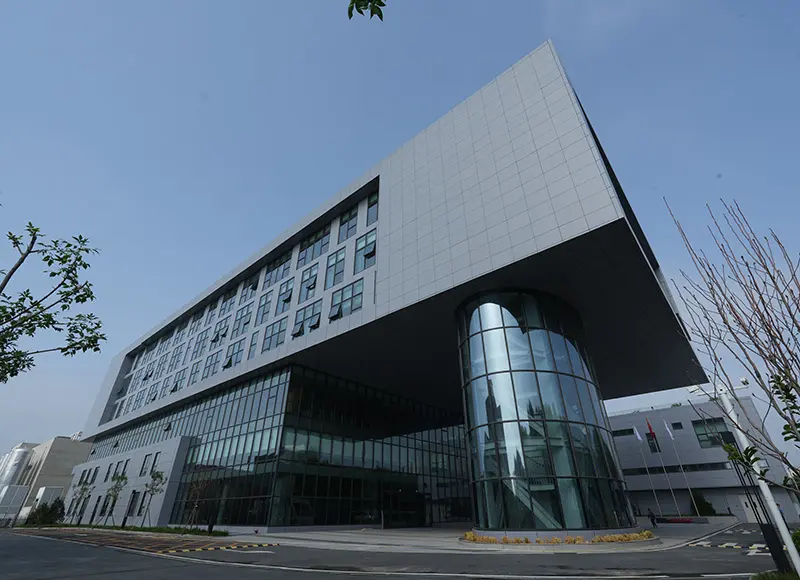
Our production lines utilize automated vacuum sealing technology derived from CBVAC's vacuum engineering systems, ensuring long-term pressure stability and reliable barrier performance.
Our manufacturing and quality assurance lines conform to international performance and safety standards.
We work with clients to design thermal barriers that fit specific project dimensions and engineering parameters.
Our automated production facilities handle large-scale commercial runs while maintaining panel performance consistency.
We support global shipping networks with protective packaging to prevent damage to the vacuum seal in transit.

High-efficiency thermal systems for transport boxes and shipping containers, ensuring safe transit for temperature-sensitive drugs.

Vacuum insulation panels and vacuum-insulated glass units designed to help building facades and envelopes meet carbon neutrality targets.

Microporous insulation panels and high-temperature wraps engineered for boilers, industrial furnaces, and process piping.

Modular insulation kits designed to optimize interior space in prefabricated holiday pods, scenic cabins, and temporary structures.



Find technical details regarding thermal properties, installation, handling, and customization of vacuum panels and vacuum glass.
No, VIPs cannot be cut, drilled, or physically altered on-site. The panel operates under a strict interior vacuum; any puncture of the multi-layer barrier film allows air to enter, raising the thermal conductivity from 0.004 W/mK to approximately 0.020 W/mK. Detailed CAD drawings and accurate dimension measurements are required prior to manufacturing so panels can be produced to final size. For on-site adjustments, installers pair VIPs with traditional foam or aerogel filler strips along structural edges.
Fumed silica core VIPs are engineered for long-term durability. Due to the material's micro-porous structure and low moisture absorption, fumed silica VIPs maintain high performance even when internal vacuum pressure rises slightly over time. Independent testing shows these panels have a design life exceeding 50 years in building wall configurations, matching the typical lifespan of modern building envelopes.
Traditional double-glazed units filled with argon achieve U-values of approximately 1.1 to 1.4 W/m²K. Tempered Vacuum Insulated Glass (VIG) features a 0.3mm vacuum gap between glass panes, reducing the U-value to 0.4 - 0.6 W/m²K. This performance matches that of a solid insulated wall while maintaining the thickness and weight of a single double-glazed unit, making VIG suitable for lightweight structural glazing projects.
Our materials are manufactured to comply with international fire and environmental standards. The fumed silica core material is non-combustible and achieves Class A1/A2 fire ratings under EN 13501-1. The complete panel assembly is certified under RoHS, REACH, and ISO systems, ensuring it is safe for installation in residential buildings, cold chain logistics, and high-temperature industrial systems.
Read our latest articles on VIP testing, global compliance developments, and green building technology trends.

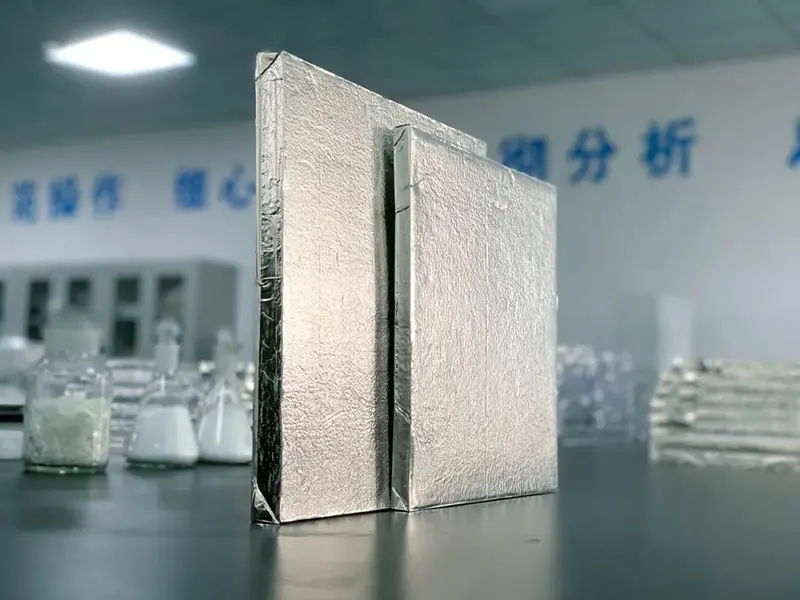
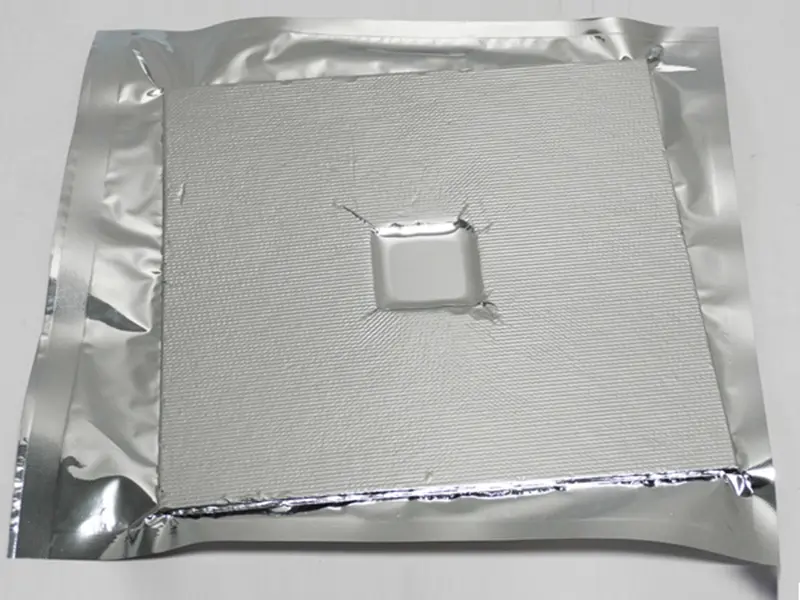
We provide technical support and design analysis for architects, engineers, and industrial buyers. Contact our design office to request specific material files or quotation estimates.


Our second selection of vacuum-sealed wall assemblies, custom flexible blankets, and specialty thermal barrier solutions.
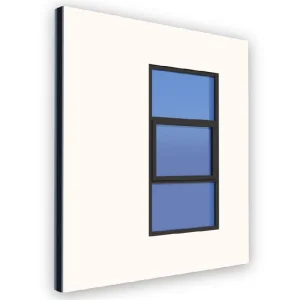
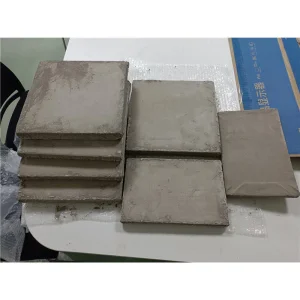
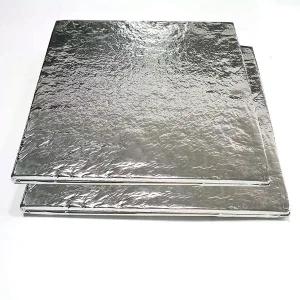
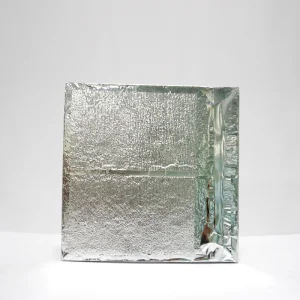
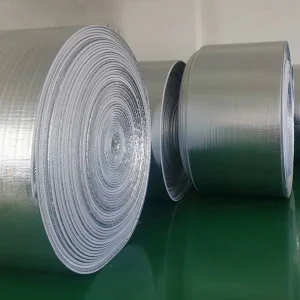
A common vulnerability in high-performance envelope assemblies is the edge thermal bridge. Because vacuum insulation panels contain metallic barrier envelopes (such as aluminum laminate foils) to protect the internal vacuum, heat can transfer along the panel edges. If not addressed, this edge effect can reduce the overall thermal efficiency of the wall system.
To reduce this boundary heat loss, our design team uses a multi-layered boundary seal configuration. This approach includes:
By implementing these boundary details, projects can maintain consistent thermal resistance across the entire wall facade, reducing condensation risks and supporting green building certifications like LEED and BREEAM.
Exporting vacuum insulation panels requires specialized packaging and shipping procedures. Vibrations and atmospheric pressure changes during shipping can stress the outer barrier foils. We pack panels in custom crates with protective foam separators to isolate the units from transit wear, ensuring they arrive at the site ready for installation.

