
Explore our foundational range of premium VIP thermal barriers tailored for industrial, cold chain, and high-efficiency building designs.
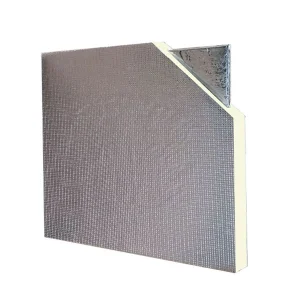
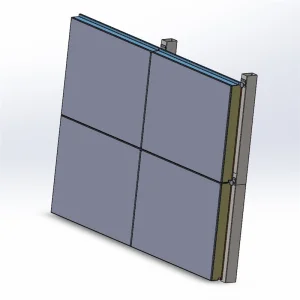
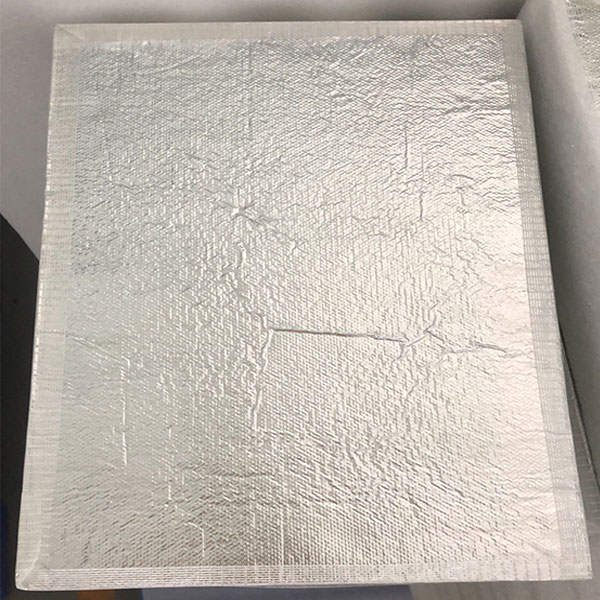
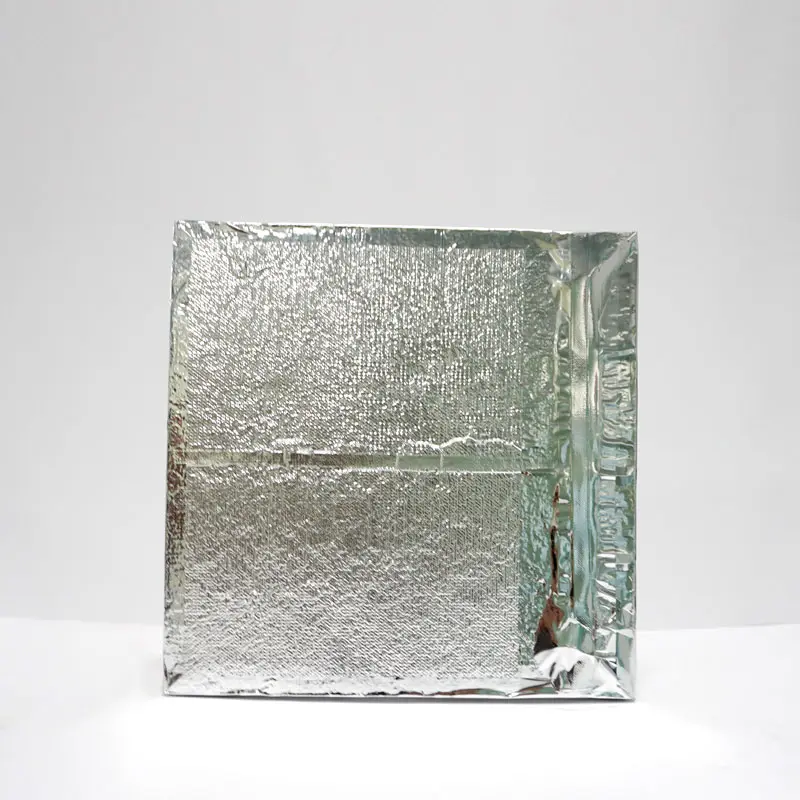
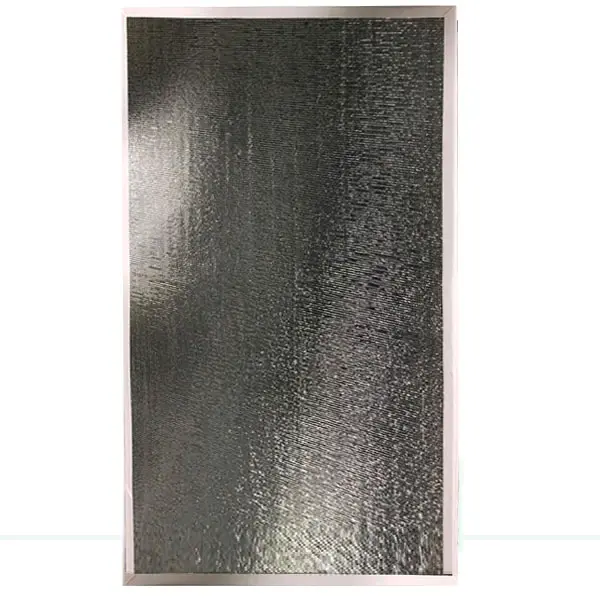
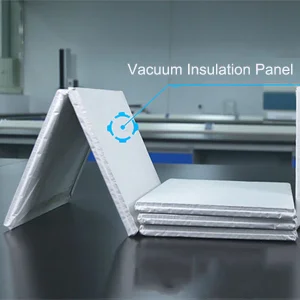
In modern industrial refrigeration, modular architectures, and passive house designs, optimizing structural thermal efficiency has evolved from a basic specification checklist into a critical compliance and operating expenditure (OpEx) vector. Direct manufacturers of vacuum insulation core materials are transitioning away from high-thickness, single-material insulating systems to focus on high-efficiency composite structures. Specifically, incorporating Vacuum Insulation Panels (VIPs) as core configurations inside Insulated Sandwich Panels (ISPs) represents the pinnacle of current material engineering, delivering unprecedented U-values at minimal profiles.
However, importing and applying VIPs for structural panel configurations requires a rigorous understanding of raw material profiles, manufacturing limitations, transport compliance, and thermal physics. This guide provides comprehensive, actionable insights for commercial engineering procurement specialists looking to optimize insulation performance while maintaining structural security and achieving a cost-effective total cost of ownership (TCO).
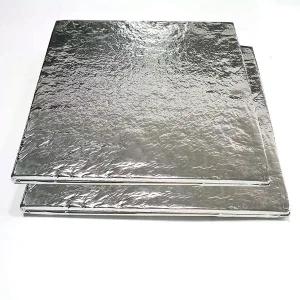
The primary core material within the vacuum barrier dictates not only the initial thermal conductivity ($\lambda$-value) but also the degradation rate over decades of operational life. Procurement specifications must evaluate the differences between the three main variants used in structural sandwich systems:
| Parameters | Fumed Silica VIP Core | Fiberglass Core VIP | Polyurethane (PU) Foam Core |
|---|---|---|---|
| Initial $\lambda$ Value | 0.004 - 0.005 W/(m·K) | 0.0015 - 0.0025 W/(m·K) | 0.020 - 0.024 W/(m·K) |
| Aged $\lambda$ (15 Years) | 0.006 - 0.008 W/(m·K) | 0.008 - 0.015 W/(m·K) | 0.026 - 0.030 W/(m·K) |
| Vacuum Loss Sensitivity | Very Low | Critical | Non-vacuum (standard) |
| Fire Performance | Class A1 / Non-combustible | Class A1 / Non-combustible | Class B1/B2 (combustible) |
| Primary Application | Building envelopes, cold storage | Home appliances, refrigeration | Standard modular wall elements |
Global architectural and engineering firms face the constant challenge of managing cost inflation on sustainable components. Procurement managers often encounter a common obstacle: Western distributors mark up VIP materials by 200% to 300%. Sourcing directly from an established Chinese industrial base, such as Zerothermo Technology Co., Ltd. (operating under the CBVAC Group), bypasses multiple middle layers while providing key operational advantages:
A primary failure mode of VIP-enhanced structural panels is thermal bridging. The high barrier film encasing the VIP core (which usually contains layers of aluminum foil or EVOH barrier films) conducts some heat along its outer boundary. To combat this physical limitation during sandwich panel lamination, structural engineers should implement the following steps:
Integrating insulation systems in public infrastructure and commercial spaces requires strict compliance with localized safety standards. Structural systems must meet the following regulations across target markets:
We provide advanced customized vacuum insulation components suited for high-temperature applications, e-mobility, and high-efficiency building envelopes.
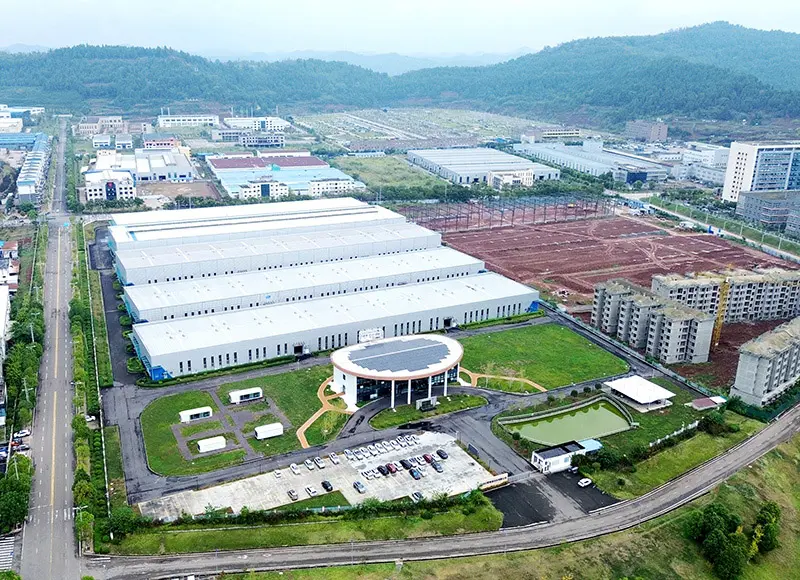
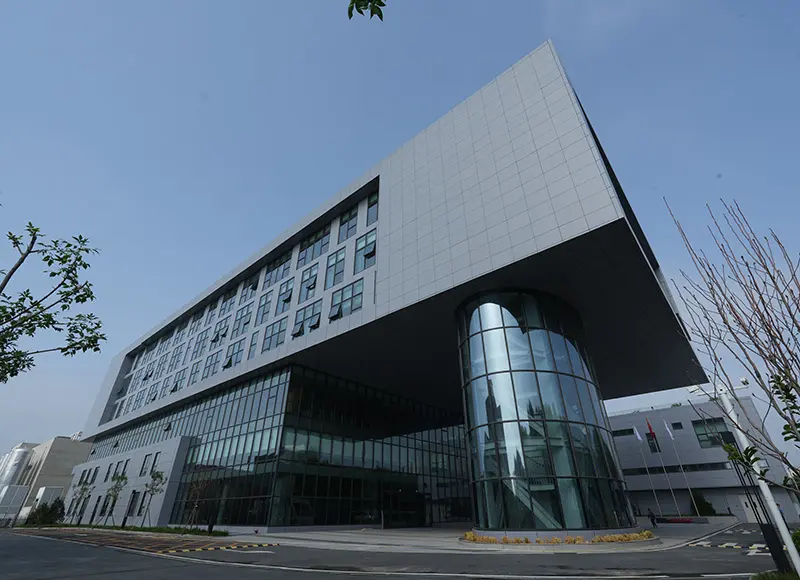
Zerothermo Technology Co., Ltd., a subsidiary of the renowned CBVAC Group, is recognized as a national high-tech enterprise. Headquartered within the Beijing Economic-Technological Development Area, we manage our expansive production facilities in Nanchong City, Sichuan Province. Today, this location stands as one of China's largest comprehensive production centers for advanced vacuum technology application products.
We specialize in manufacturing high-barrier vacuum components, custom flanges, and microporous insulation panels that meet strict international testing standards. Our focus on quality ensures long-term thermal performance, offering global markets reliable solutions for complex thermal insulation challenges.
Special sizes beyond standard ANSI/ASME/DIN parameters manufactured precisely according to customer technical drawings.
Square, oval, oversize (above 60 inches), or micro-precision shaped components built to meet strict tolerances.

Our operational model is designed to support high-volume structural projects, offering reliable execution and optimized international shipping.
Unparalleled standards under ISO inspection processes.
Swift execution of non-standard and irregular panel shapes.
Massive manufacturing lines with high quality control.
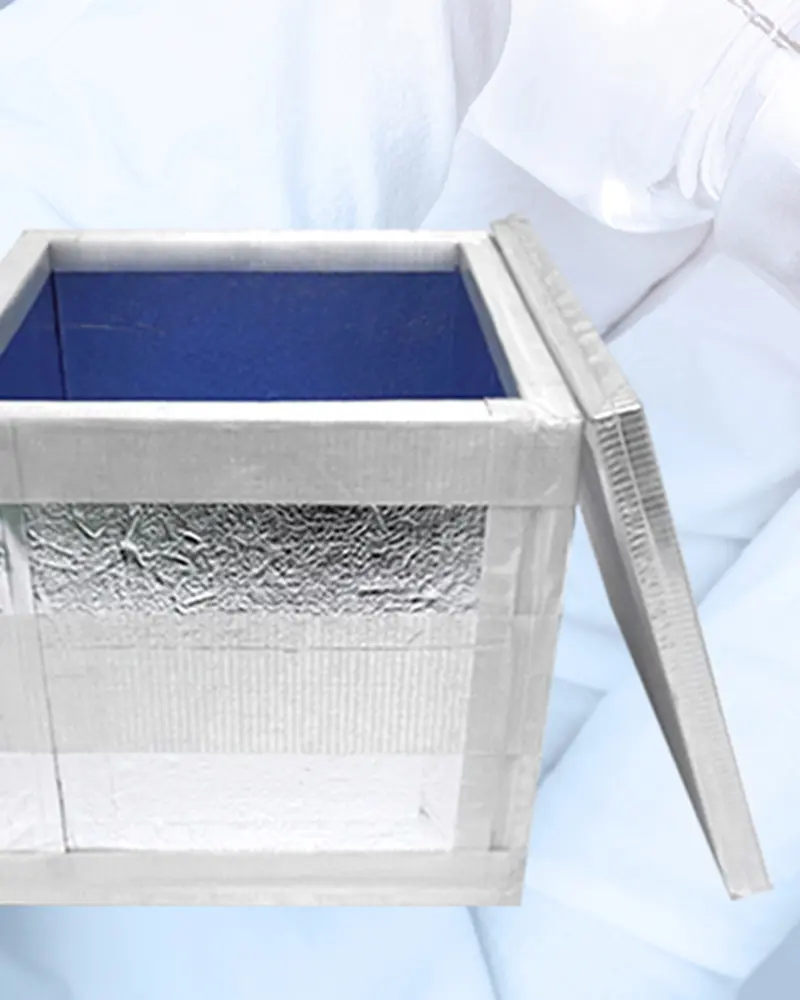
Secure ocean freight packing with drop-test certification.
Ongoing technical support for global engineering designs.
See how our VIP core configurations are deployed to optimize thermal efficiency and reduce energy demands across global industries.

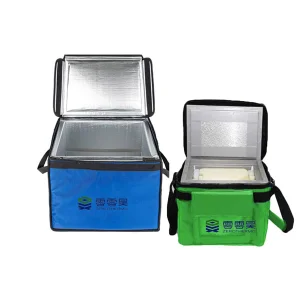
Ensuring precise, ultra-low temperature maintenance for vaccines and biological materials.

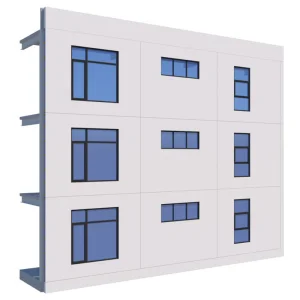
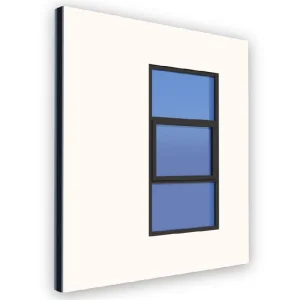
Optimizing exterior facades and walls to meet ultra-low energy and passive house standards.

Providing microporous thermal barriers for heat shielding in metallurgical and aerospace sectors.

Building energy-efficient modular pods and transportable eco-cabins in remote areas.
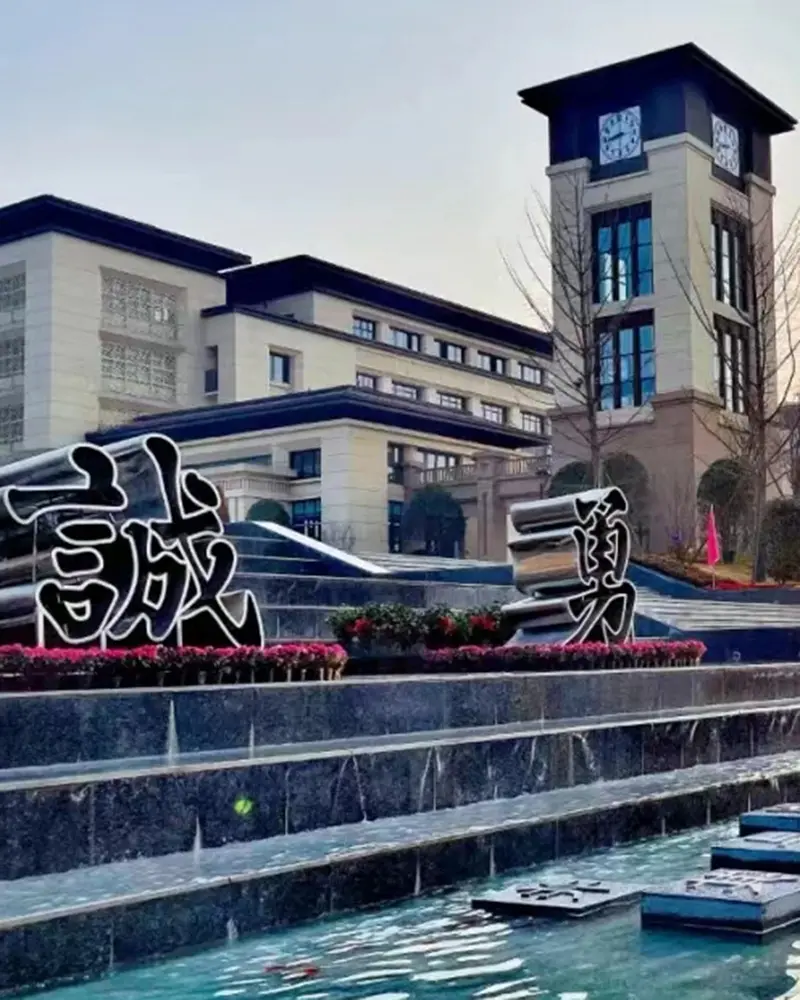
Explore real-world installations where our vacuum insulation boards have successfully reduced thermal transfer and optimized operating performance.


Stay informed on regulatory changes, thermal technology developments, and upcoming events in the global vacuum insulation industry.
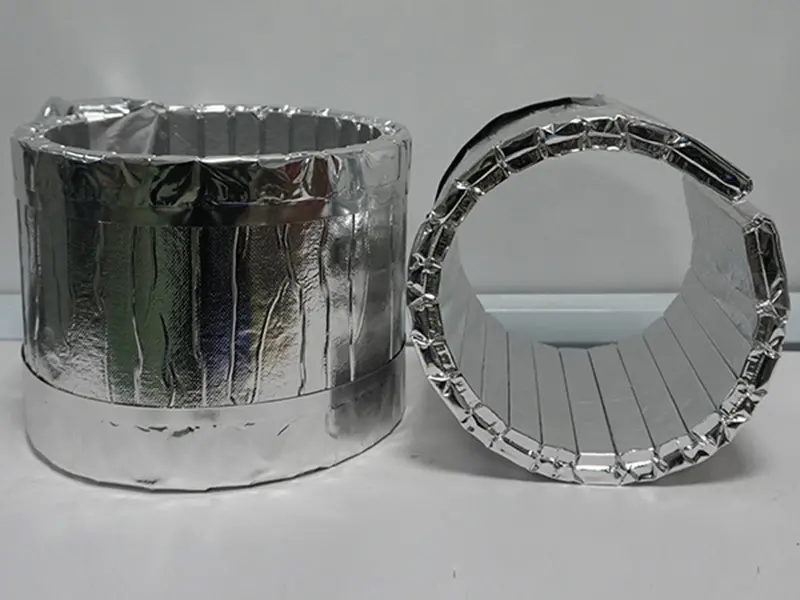

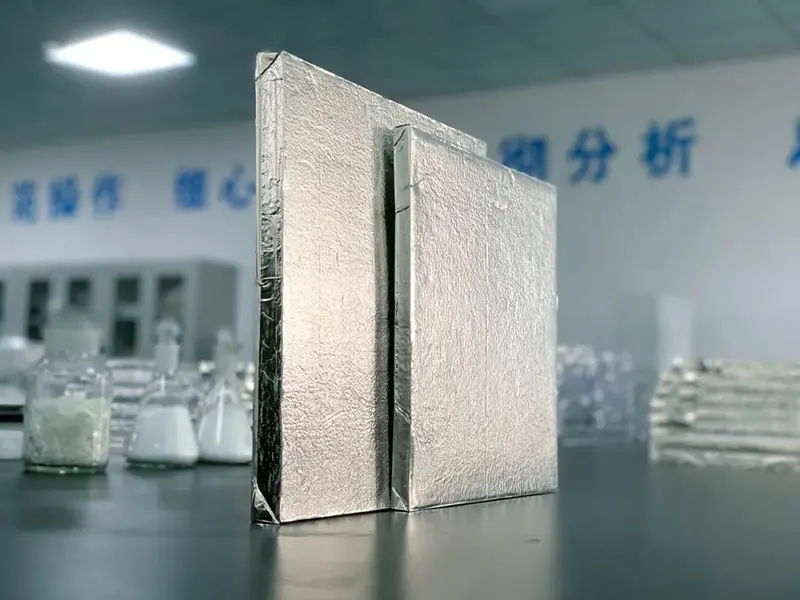
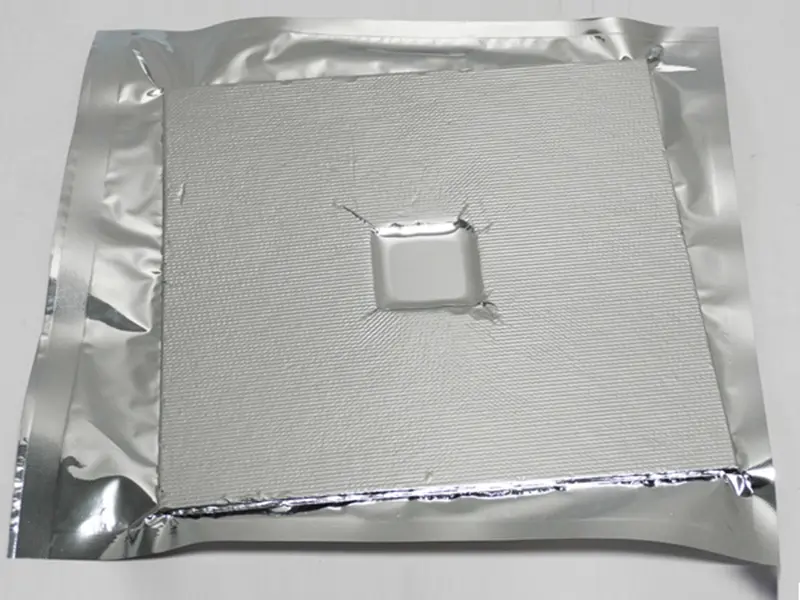
Read through expert answers to common questions about specifications, ordering, and using VIPs in composite building sandwich structures.
VIP-core panels offer significantly higher thermal efficiency. A VIP core can achieve a thermal conductivity as low as 0.004 W/(m·K), compared to PIR (about 0.022 W/(m·K)) or mineral wool (about 0.038 W/(m·K)). This allows VIP sandwich panels to match the insulation of standard panels at a fraction of the thickness, saving space and reducing weight in architectural and shipping builds.
A high-quality fumed silica VIP (e.g., Zerothermo brand with protective PET laminates) is designed to last over 30 to 50 years in building wall setups. The raw nanoporous silica core resists thermal degradation, and the low vacuum loss rate guarantees steady, long-term performance.
No. The core structure is under vacuum and sealed within a multi-layer gas barrier. Drilling, cutting, or puncturing the outer film will release the vacuum, causing the thermal conductivity to rise to around 0.020 W/(m·K). All panels must be manufactured to size prior to delivery.
Fiberglass-core VIPs offer the lowest initial thermal conductivity and are generally less expensive, but they are highly sensitive to moisture and vacuum degradation, making them better suited for sealed appliances like freezers. Fumed silica VIPs are more stable and fireproof, making them the industry standard for buildings, facades, and logistics.
To prevent thermal bridging, we recommend wrapping panel joints in polyurethane foam borders, using double-layer offset layouts, and installing protective rubber gasket strips between panels. This blocks linear thermal paths along the metal casings.
Explore our highly flexible mats, microporous insulation blankets, and custom systems designed for specialized high-temperature applications.
We offer one-stop vacuum insulation board design and development services. Contact our engineering team for customized specifications, lead times, and project-based pricing.


Affiliated & Certified By

 +8615892792306