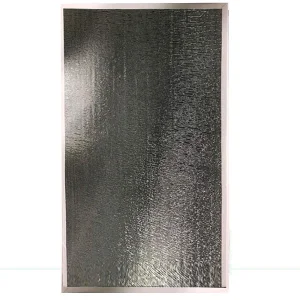
The modern insulation paradigm is undergoing a massive shift. As carbon-neutrality initiatives like the European Green Deal and China's "dual-carbon" goals enforce stricter envelope requirements for residential and industrial buildings, traditional materials like EPS, XPS, and mineral wool are reaching their physical limits. Achieving optimal U-values with traditional materials requires excessive thicknesses, compromising valuable indoor floor space or limiting logistics volumes.
This is where Vacuum Insulation Panels (VIPs), also known as vacuum insulation boards, change the equation. Offering a thermal conductivity ($\lambda$) of less than 0.002 to 0.005 W/(m·K), VIPs provide up to ten times the thermal resistance of conventional foam options at a fraction of the thickness. This unmatched performance is driving integration across high-value sectors, including cold chain vaccine transport, commercial appliances (ultra-low temperature freezers), high-temperature industrial pipelines, and modern green buildings.
Fumed silica (SiO2) is increasingly favored over fiberglass for long-term applications. Thanks to its tiny pore structure (7 to 40 nm), it maintains low thermal conductivity even under partial vacuum degradation, offering a reliable lifetime of up to 50 years.
Building regulations worldwide are mandating near-zero energy building (NZEB) standards. VIPs offer an elegant solution to meet these goals in space-limited urban areas, transforming exterior wall construction and roofing systems.
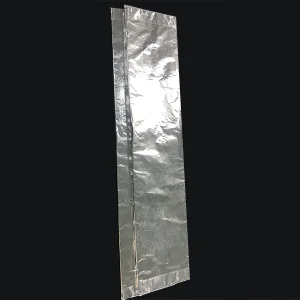
High-barrier laminates, typically incorporating multiple metalized PET layers, are being engineered to resist gas and moisture penetration. This is crucial for shielding the dry vacuum core from long-term environmental degradation.
Purchasing vacuum insulation panels at scale requires a balance between cost optimization and strict performance metrics. Modern procurement teams evaluate manufacturers through a series of demanding technical filters, ensuring the panels perform reliably over their intended lifespan.
Buyers require detailed documentation on initial thermal conductivity, core densities (typically 160-220 kg/m³ for fumed silica), and precise internal gas pressure limits. Certified thermal testing via standardized methods like ISO 8301 is crucial for compliance verification.
To secure a 30-to-50-year building lifecycle, VIPs must resist moisture and gas penetration. Advanced barrier films with extremely low water vapor transmission rates are essential to prevent vacuum decay and premature failure.
For building envelope systems, fire safety is paramount. High-performance silica cores naturally provide class-A non-combustible performance, which is vital for meeting regional building codes like EN 13501-1 in Europe.
While VIPs require a higher initial investment than traditional materials, space savings, reduced carbon footprint, and lower heating/cooling costs yield a superior total cost of ownership (TCO) over the project lifecycle.
Meeting global demand for cost-effective VIP insulation requires sophisticated production facilities. Zerothermo Technology Co., Ltd., a subsidiary of the CBVAC Group, operates one of China's largest and most advanced production centers for vacuum technology products.
Our facility in Nanchong City, Sichuan Province, leverages advanced automation to scale production while maintaining tight quality control. By automating core component molding, envelope preparation, vacuum evacuation, and final sealing, we minimize human error and ensure reliable, repeatable panel quality.
Integrating raw material processing and core manufacturing at one site allows us to maintain consistent supply chains and manage pricing effectively. Combined with convenient logistics networks like the China-Europe Railway Express and major deep-water ports, we ensure timely deliveries to international partners.
Zerothermo Technology Co., Ltd., a subsidiary of CBVAC Group and a national high-tech enterprise, is headquartered in the Beijing Economic-Technological Development Area with its production base located in Nanchong City, Sichuan Province. This facility stands as one of China’s largest comprehensive production centers for vacuum technology application products.
Unparalleled standards in performance and manufacturing execution.
Swift execution of customized dimensions and special geometries.
Uncompromised quality sustained across high-volume outputs.
Global delivery networks optimizing shipping times and routes.
Long-term collaboration backed by deep engineering support.
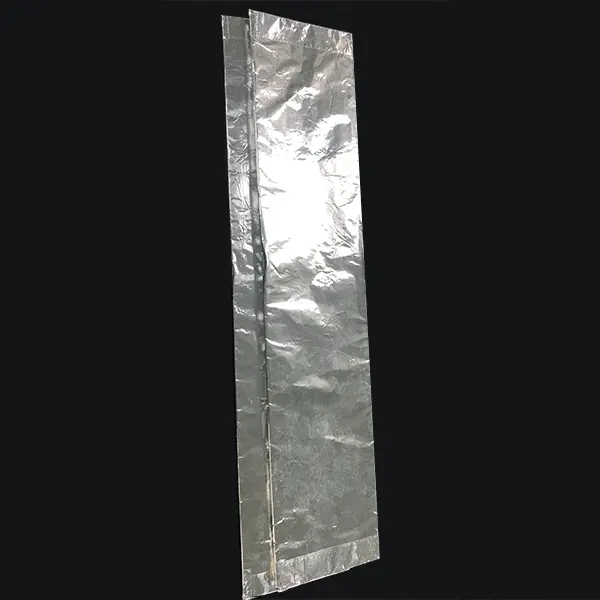
Product Details: Size: Customized, Thickness: 5-20mm. Offers extreme thermal barrier performance for EV batteries.
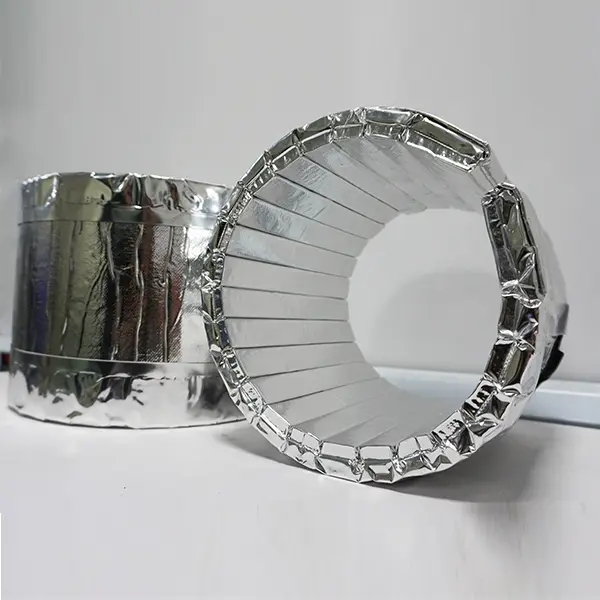
Product Details: Size: Customized, Thickness: 5-30mm. Reduces heat loss in industrial and domestic heaters.
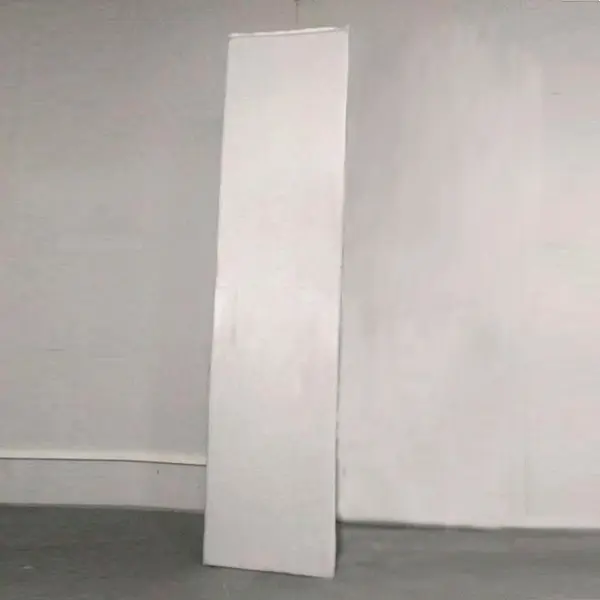
Provides critical flame barrier insulation to meet strict commercial fire standards.
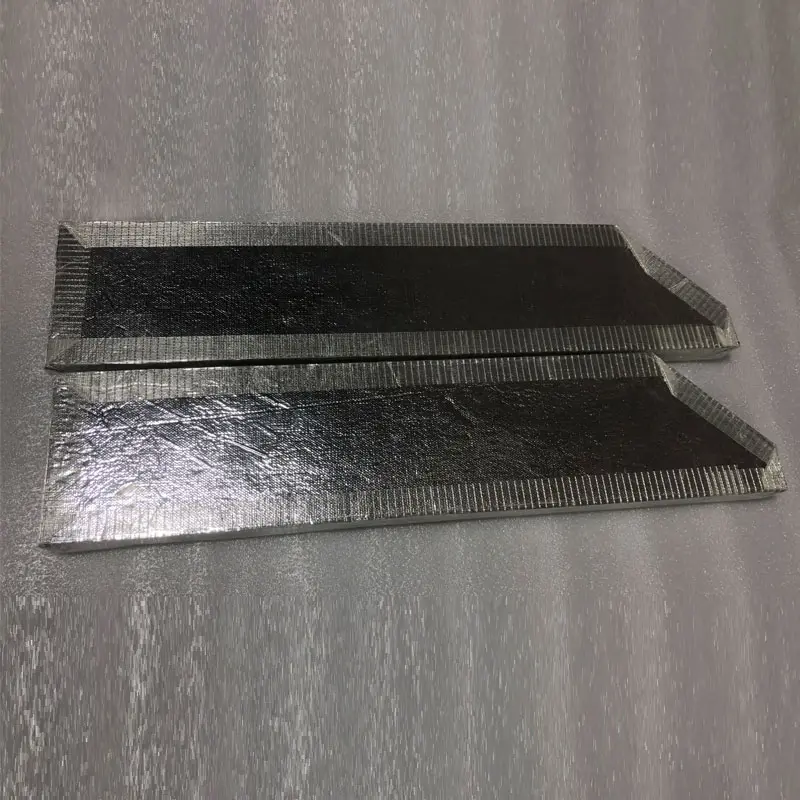
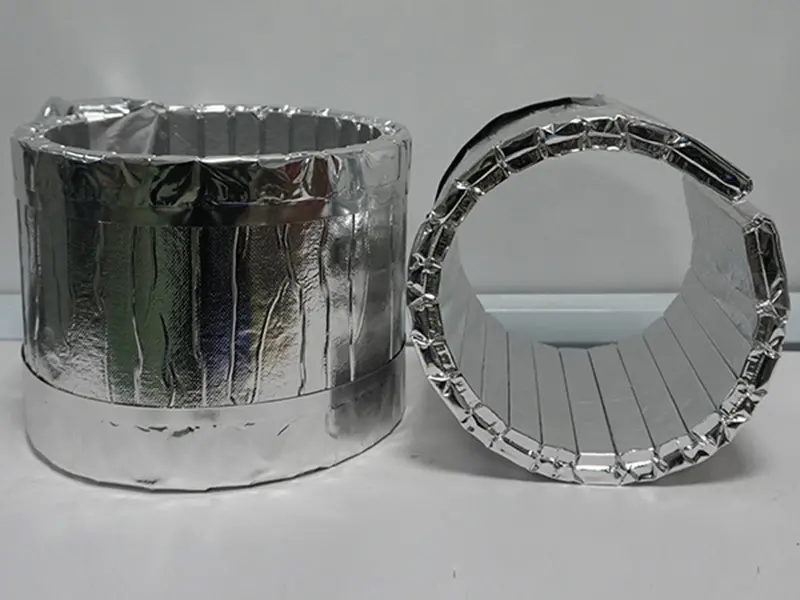
Tailored shapes including curved, circular, and corner profiles for non-planar geometries.
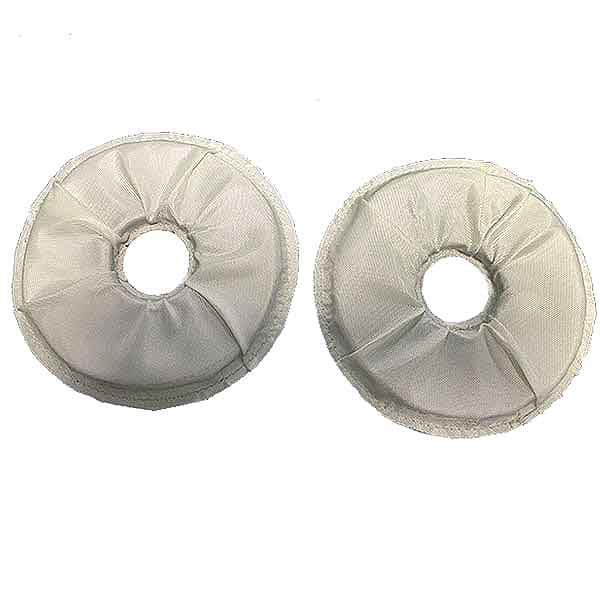
Highly flexible, thermal barrier mats suitable for complex industrial pipes and wraps.
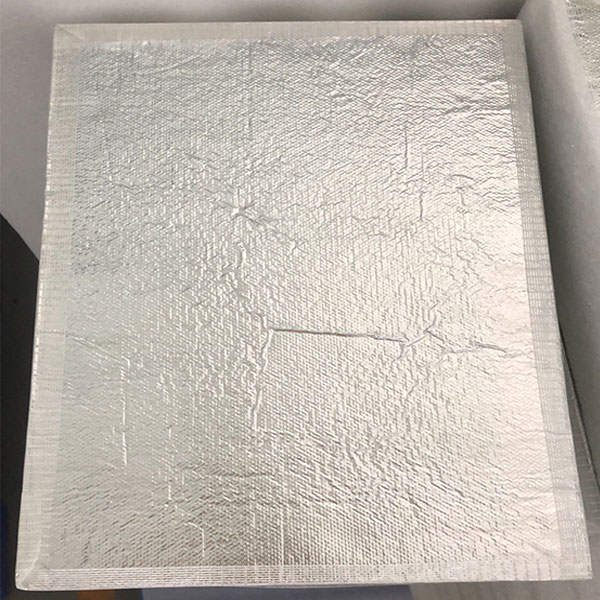
Engineered for high-efficiency refrigeration and cold-storage application.
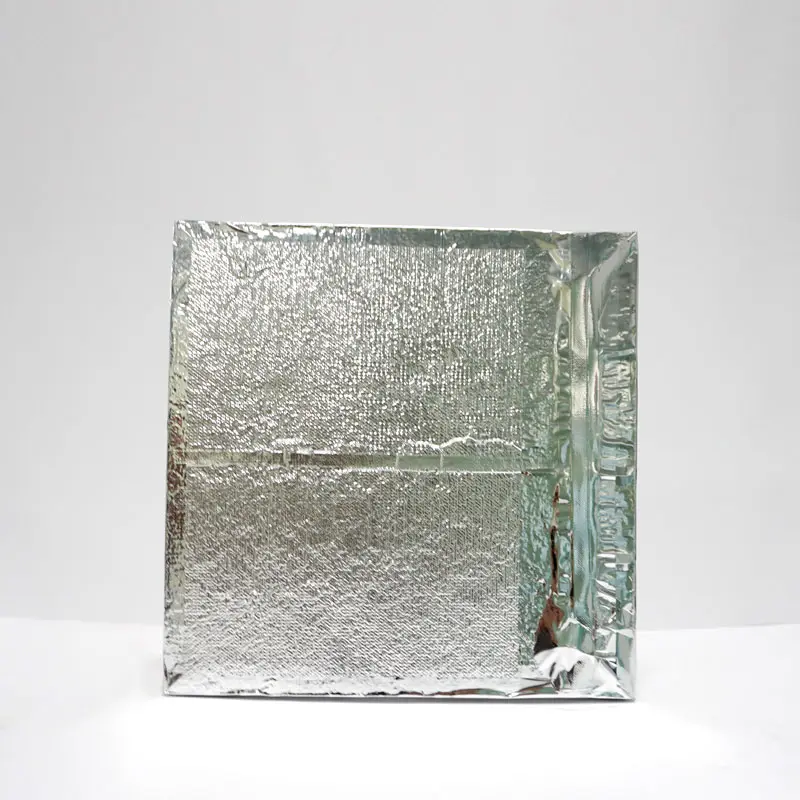
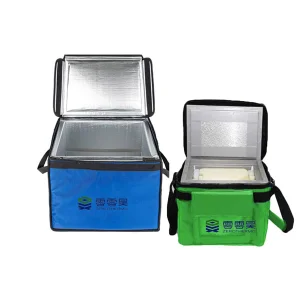
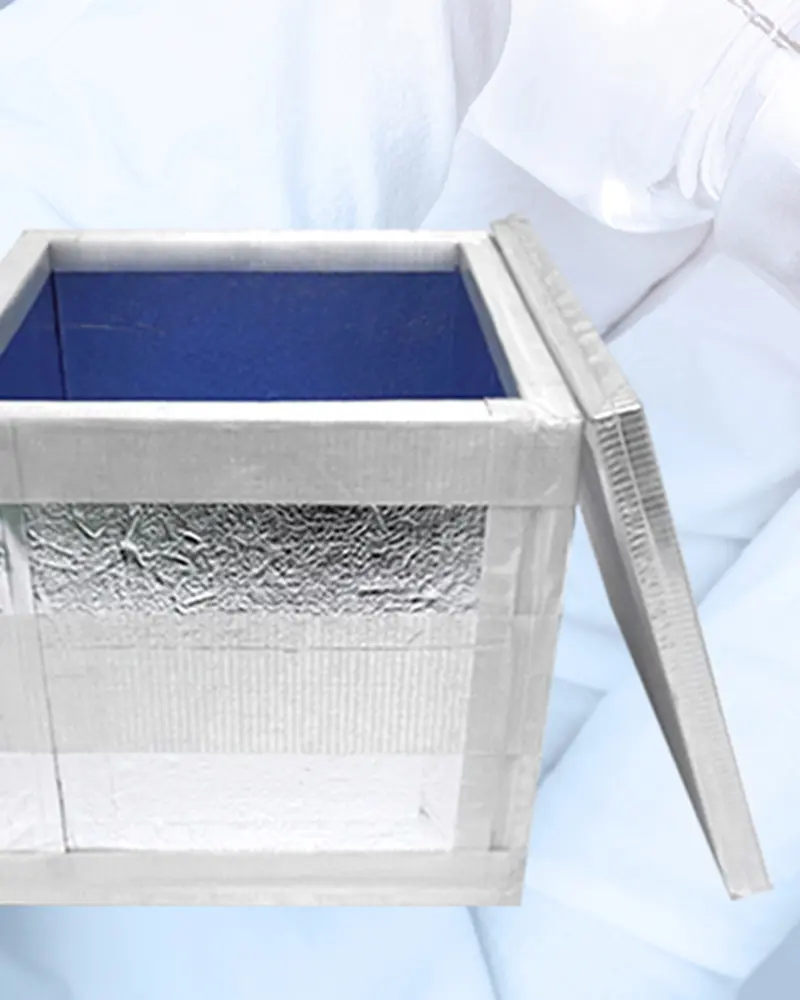
Advanced temperature preservation panels for coolers, vaccine transit, and shipping container.
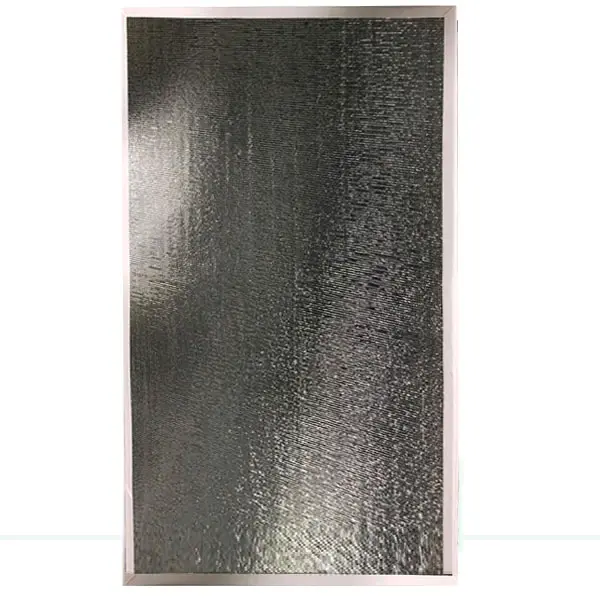
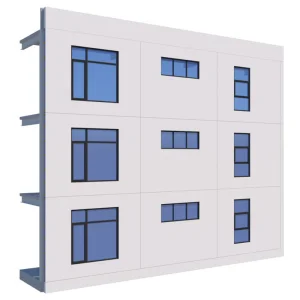
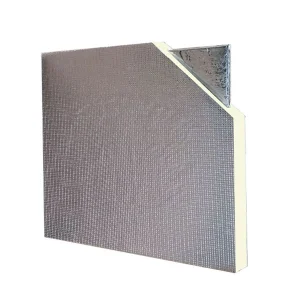
Large format panels designed to limit thermal bridging in wall systems.

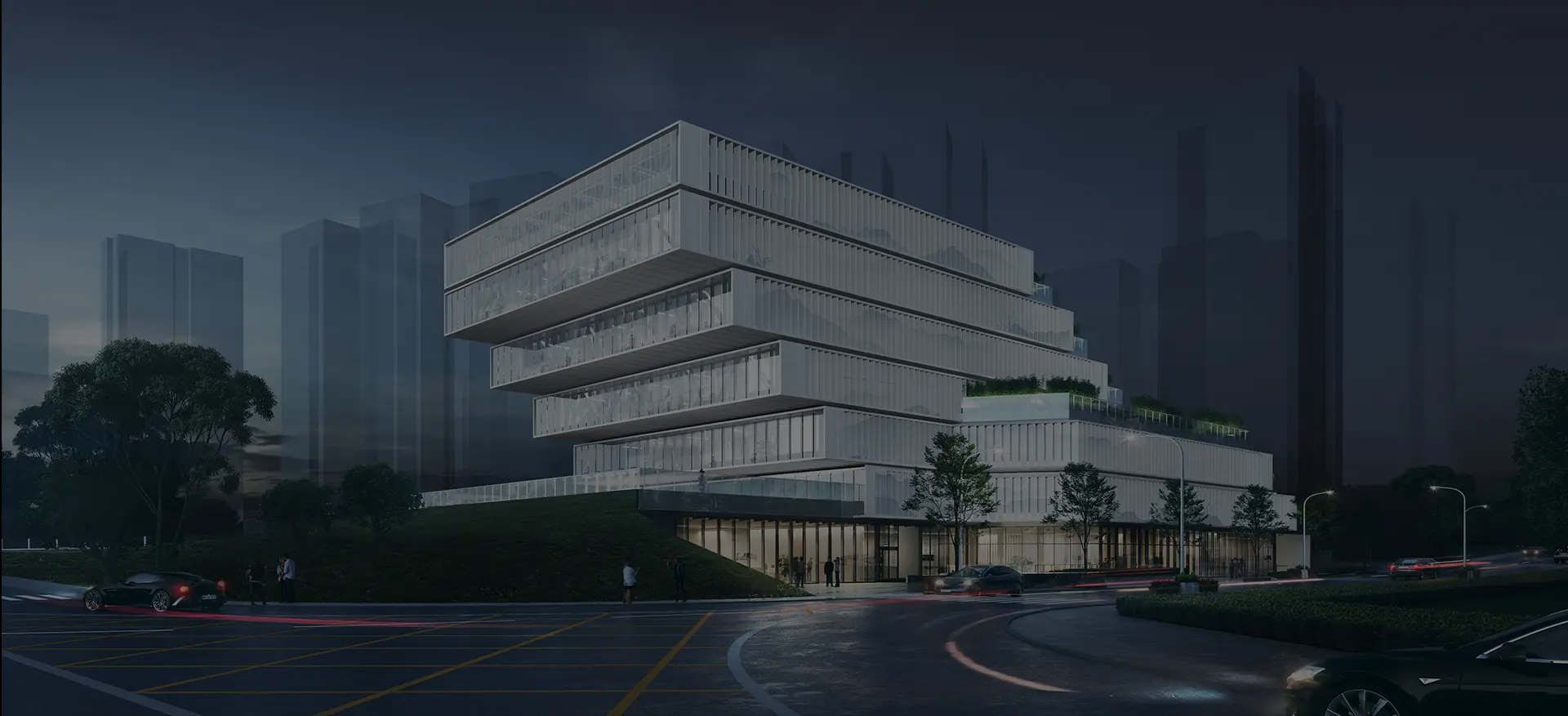
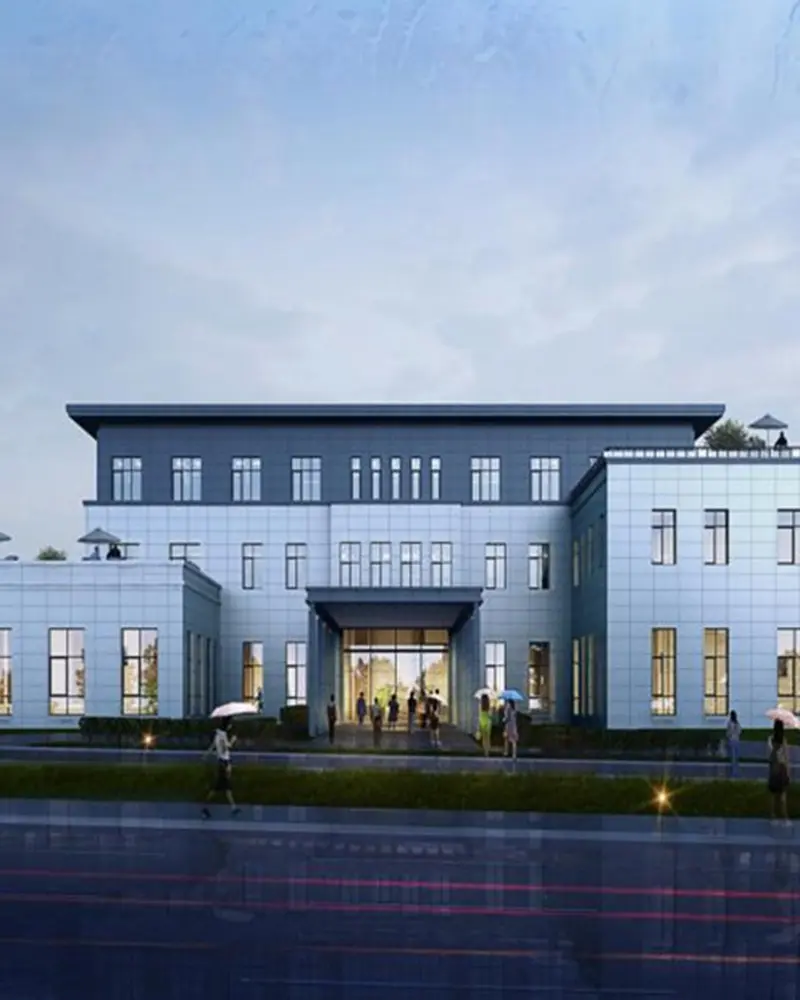
Providing high-efficiency thermal insulation solutions for building envelope systems through innovative products such as vacuum insulation panels and vacuum insulated glass, empowering the construction sector to reduce carbon emissions and achieve carbon neutrality.

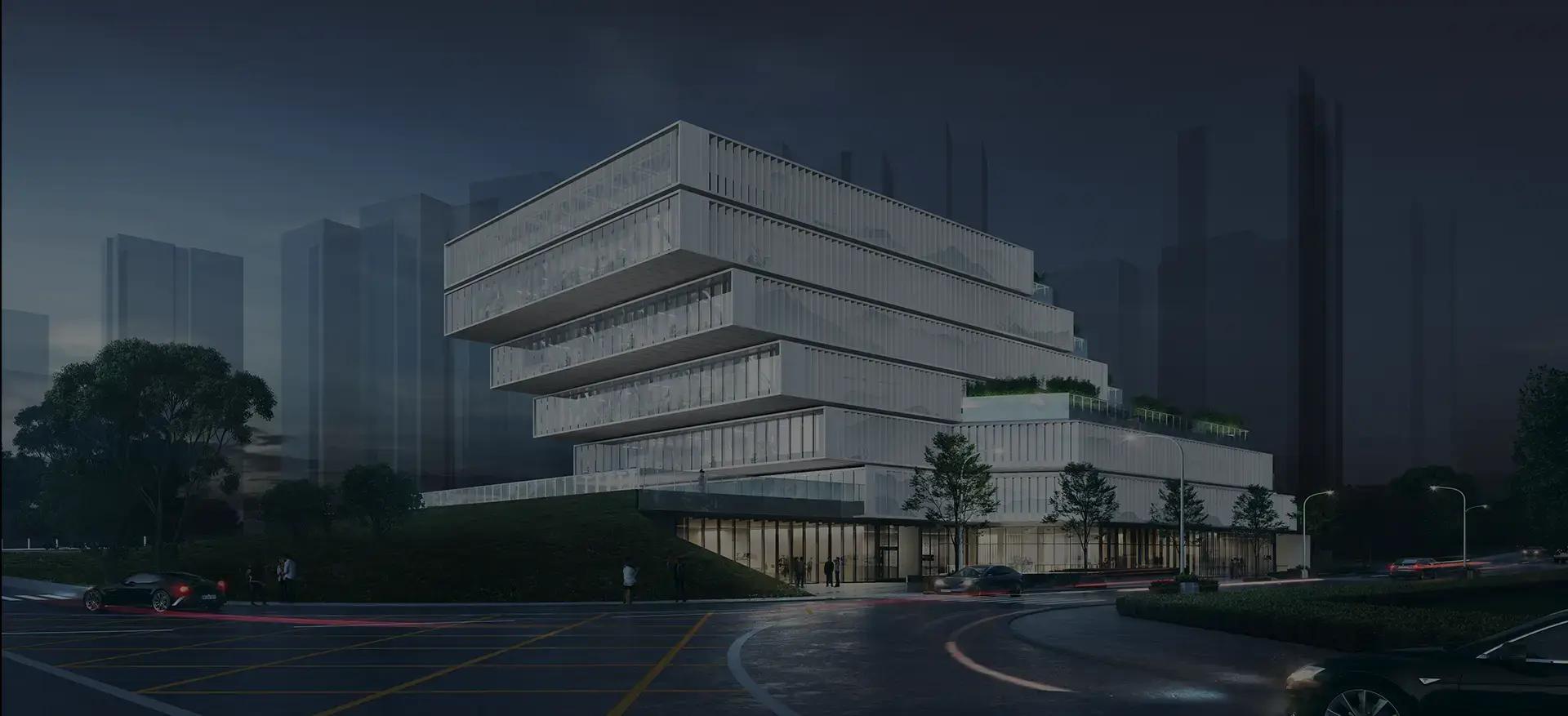
Providing high-efficiency thermal insulation solutions for building envelope systems through innovative products such as vacuum insulation panels and vacuum insulated glass, empowering the construction sector to reduce carbon emissions and achieve carbon neutrality.02

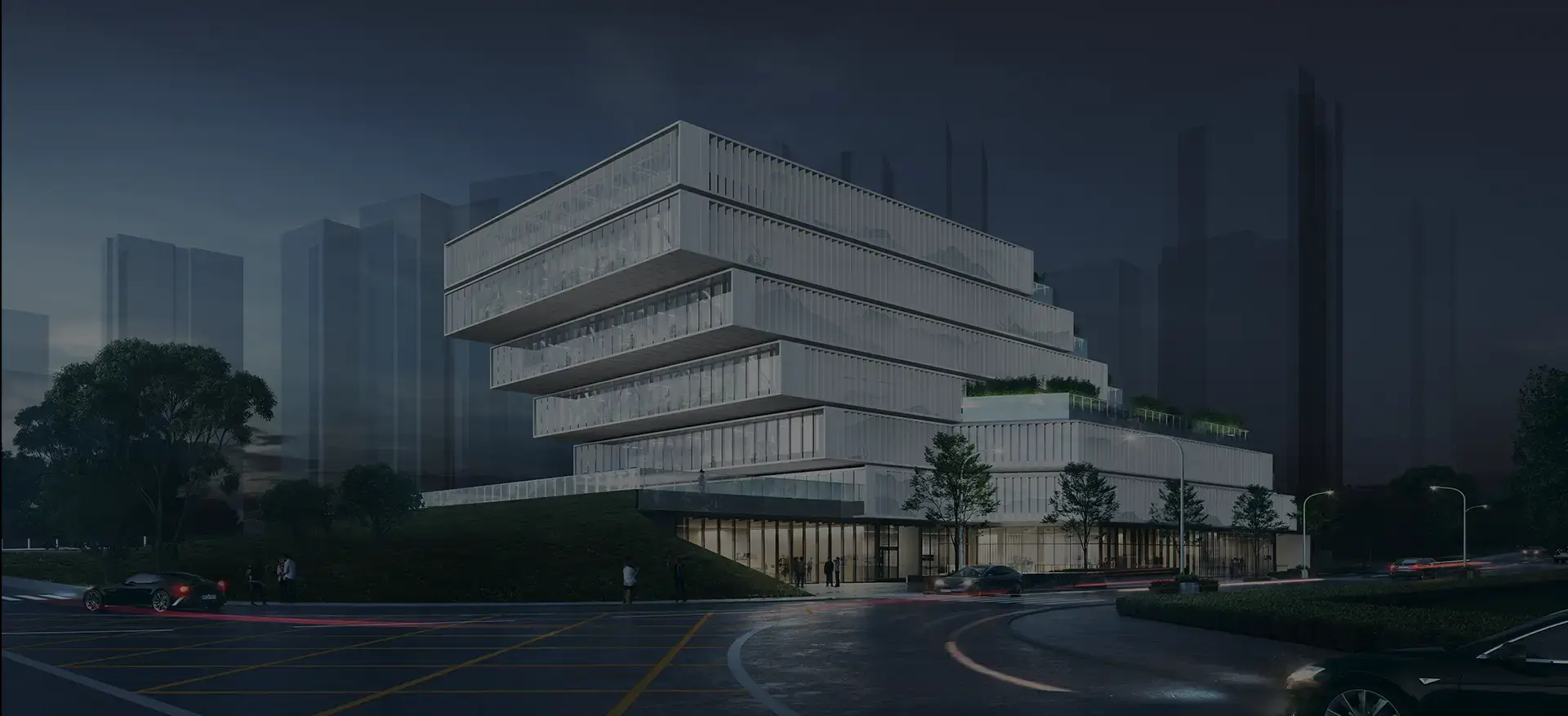
Providing high-efficiency thermal insulation solutions for building envelope systems through innovative products such as vacuum insulation panels and vacuum insulated glass, empowering the construction sector to reduce carbon emissions and achieve carbon neutrality.03

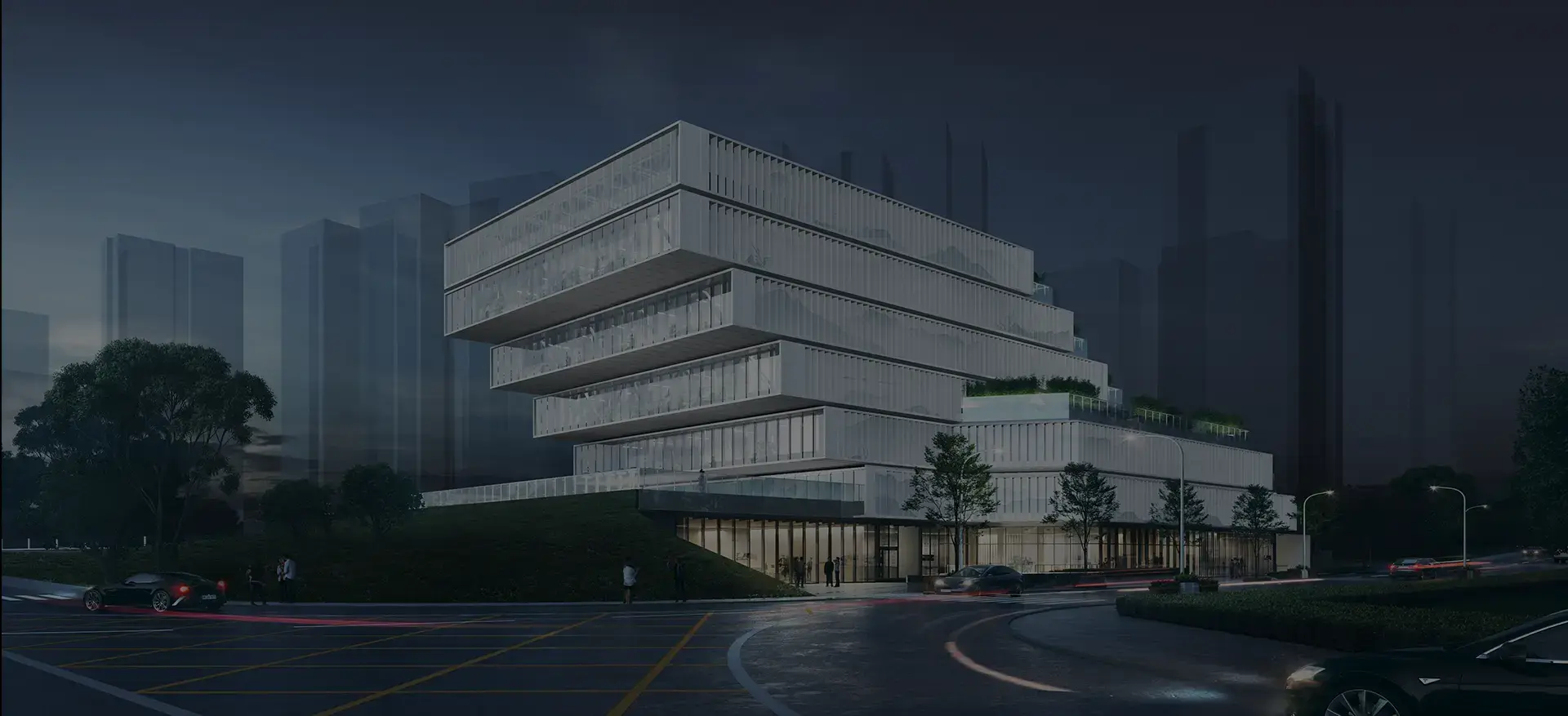
Providing high-efficiency thermal insulation solutions for building envelope systems through innovative products such as vacuum insulation panels and vacuum insulated glass, empowering the construction sector to reduce carbon emissions and achieve carbon neutrality.03


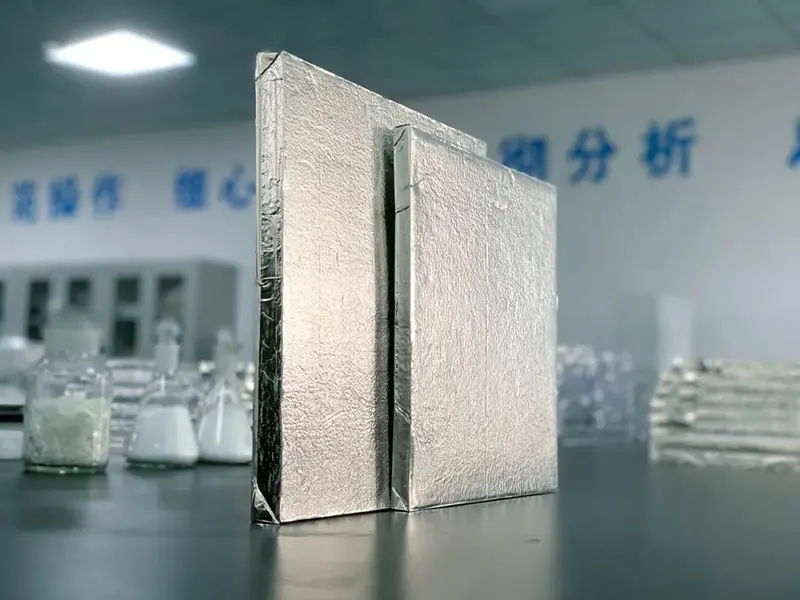
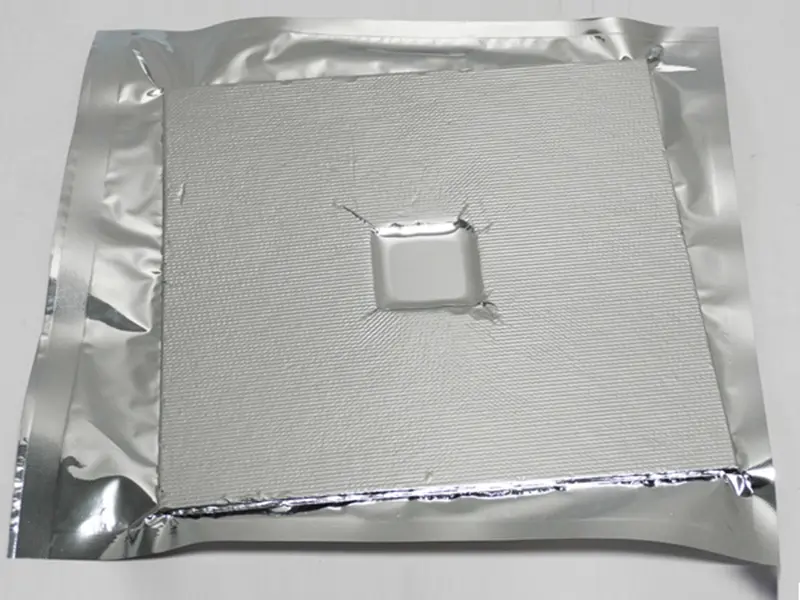
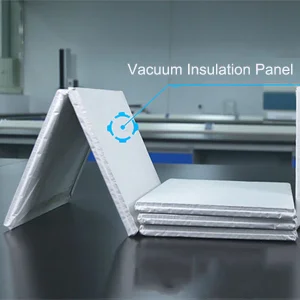
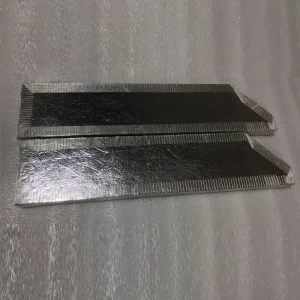
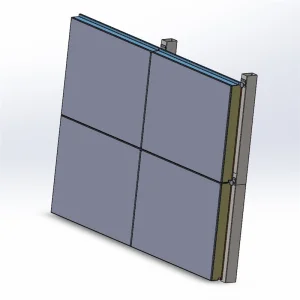
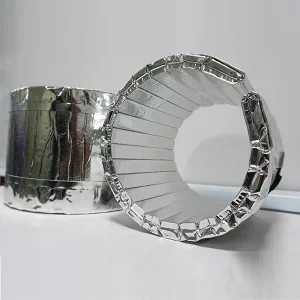
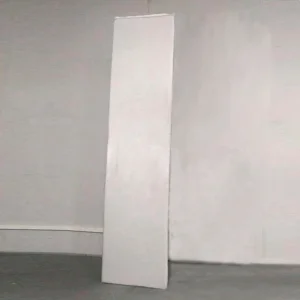
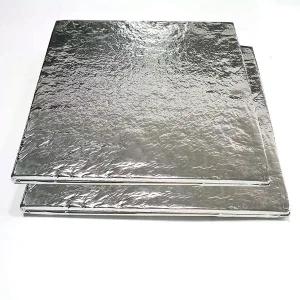
Vacuum Insulation Panels operate by eliminating the primary mechanisms of heat transfer: gas conduction and gas convection. By packing a highly porous core material (such as fumed silica or glass fiber) inside an airtight high-barrier envelope and evacuating the air, the gas molecules are mostly removed. This forces the thermal conductivity to drop to extremely low levels, often between 0.0015 W/(m·K) and 0.004 W/(m·K), which is up to ten times lower than conventional insulation materials like PU foam or EPS.
Fumed silica VIPs feature a microporous core with pore diameters between 7 and 40 nanometers. This tiny structure limits gas conduction even if the vacuum degrades slightly over time, ensuring a lifespan of up to 50 years. They are also non-combustible. Fiberglass core VIPs have larger pores, meaning they require a higher vacuum to perform. While they offer high initial insulation at a lower cost, they are more sensitive to moisture and vacuum degradation, making them better suited for shorter-lived applications like appliances rather than building envelopes.
No, VIPs cannot be cut, drilled, or altered on-site. The panel relies on a sealed internal vacuum. Puncturing the outer barrier membrane will compromise the vacuum, causing the panel's thermal conductivity to rise to that of the core material under normal atmospheric pressure (approximately 0.020 W/(m·K) for fumed silica). All dimensional adjustments, penetrations, and special shapes must be custom-manufactured at our factory prior to installation.
Our quality control program covers the entire manufacturing process. We source high-grade fumed silica and verify the performance of our multi-layer barrier films. Each panel undergoes precise vacuum extraction, sealing, and a subsequent aging period. We then test the internal pressure and thermal performance using advanced sensors and heat flow meters before shipment. This process ensures only stable, high-barrier panels are delivered to our clients.
Sourcing directly from our automated production facilities in Nanchong City provides significant cost advantages. We manage costs through integrated raw material processing, automated production lines, and scaled operations. Our partnerships with key shipping lines and proximity to the China-Europe rail network also allow us to offer competitive global shipping rates, providing high-performance insulation at a lower overall cost of ownership.
We offer comprehensive support for projects requiring vacuum insulation. Reach out to our engineering team to discuss custom designs, sizing, and pricing options.