Industrial Excellence
The global quest for carbon neutrality and net-zero energy buildings (NZEB) has exposed the physical limits of traditional insulation materials such as mineral wool, expanded polystyrene (EPS), and polyurethane (PU) foam. To meet stringent modern building envelope standards (e.g., passive house certifications) without drastically sacrificing internal floor space, architects and structural engineers are increasingly pivoting toward Vacuum Insulated Panels (VIPs) for residential applications.
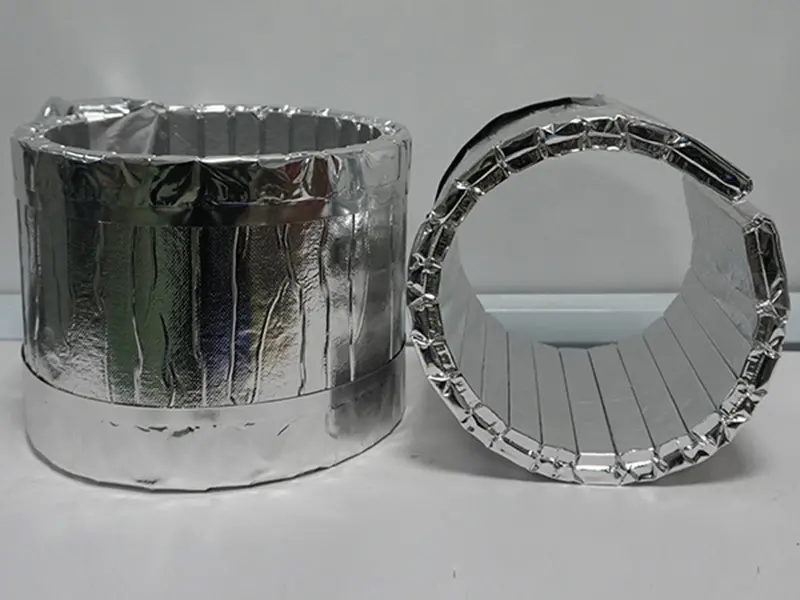
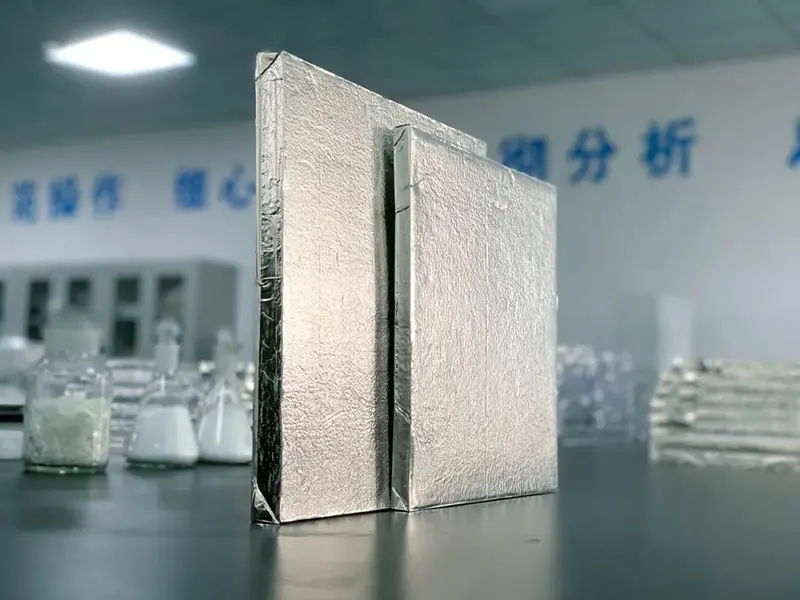
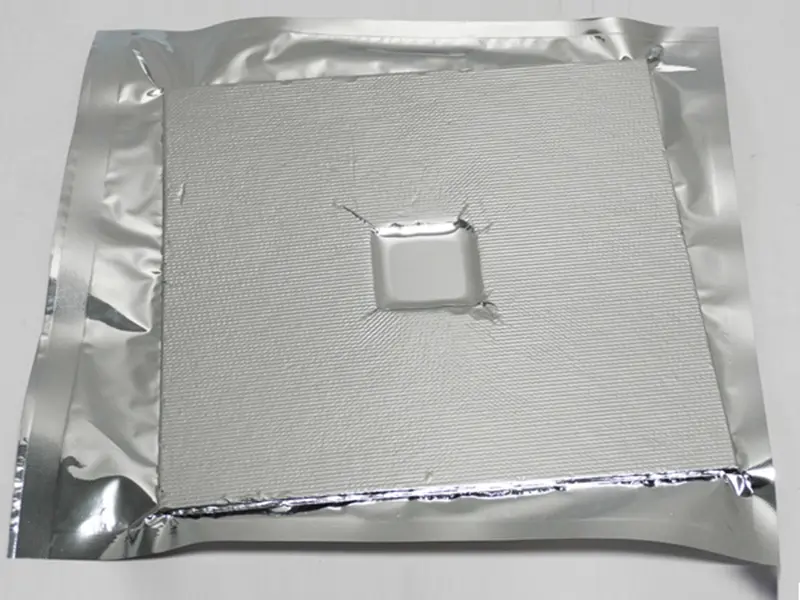
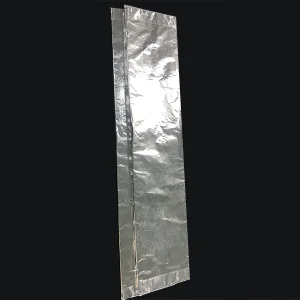
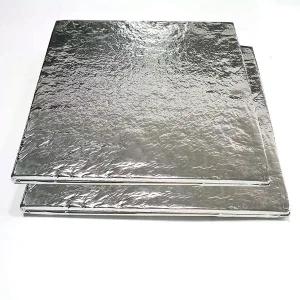
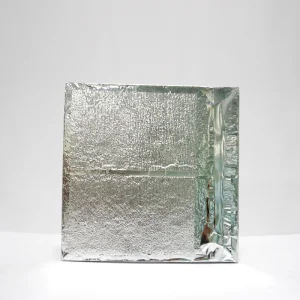
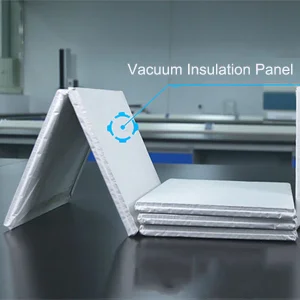
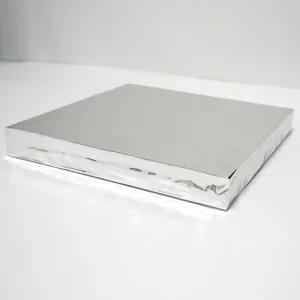
A VIP consists of a highly porous core material—commonly fumed silica or glass fiber—sealed within a gas-tight envelope, which is subsequently evacuated of air. By eliminating gas thermal conductivity (the primary path for heat transfer in standard insulation), VIPs achieve an ultra-low thermal conductivity ($\lambda \approx 0.004 \text{ W/(m·K)}$), providing roughly five to ten times the thermal resistance (R-value per inch) of conventional alternatives. Over the past decade, manufacturing technology advancements have brought costs down, allowing "cheap" (meaning highly cost-effective and ROI-justified) VIP solutions to move from niche laboratory setups to large-scale residential construction projects.
B2B procurement of Vacuum Insulated Panels involves critical criteria beyond surface price. Modern procurement managers, working with construction developers and modular home fabricators, demand absolute dimensional consistency, robust barrier integrity, and verifiable aging performance.
When auditing a Vacuum Insulated Panels Residential Factory, sourcing teams evaluate core parameters:
| Procurement Parameter | Standard Requirement | Industrial Solution / Best Practice |
|---|---|---|
| Core Material Purity | 99.8% Fumed Silica vs. Glass Fiber | Fumed silica prevents early aging and preserves vacuum integrity over 50+ years. |
| Permeation Rates | < 1 mbar pressure rise/year | Multi-layer polymer-aluminum barrier envelopes with specialized protective PET outer films. |
| Dimensional Tolerance | Within ± 2 mm | Automated laser cutting and robot-guided thermal sealing systems. |
| Thermal Performance Guarantee | ≤ 0.005 W/(m·K) initial conductivity | 100% inline quality control with heat flow meter verification post-evacuation. |
Tailored Solutions
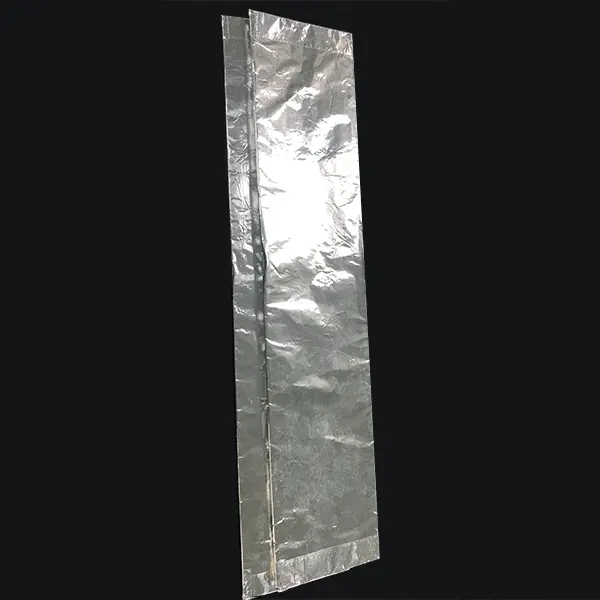
Product Details: Size: Customized Thickness: 5-...
View More+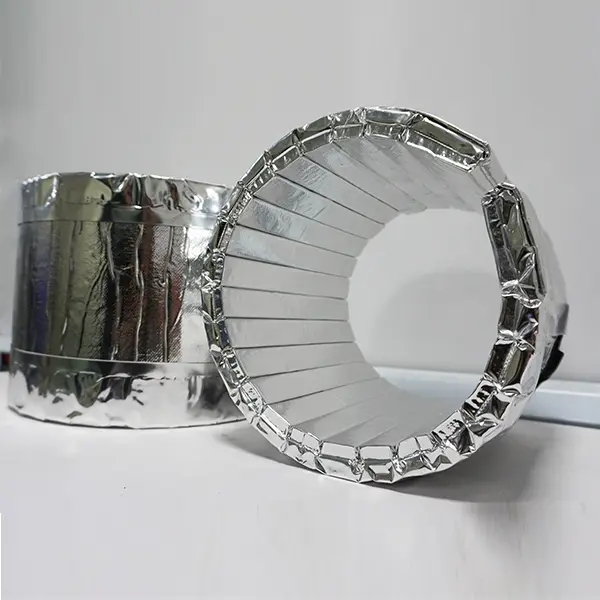
Product Details: Size: Customized Thickness: 5...
View More+
Our elevator fireproof door high temperature na...
View More+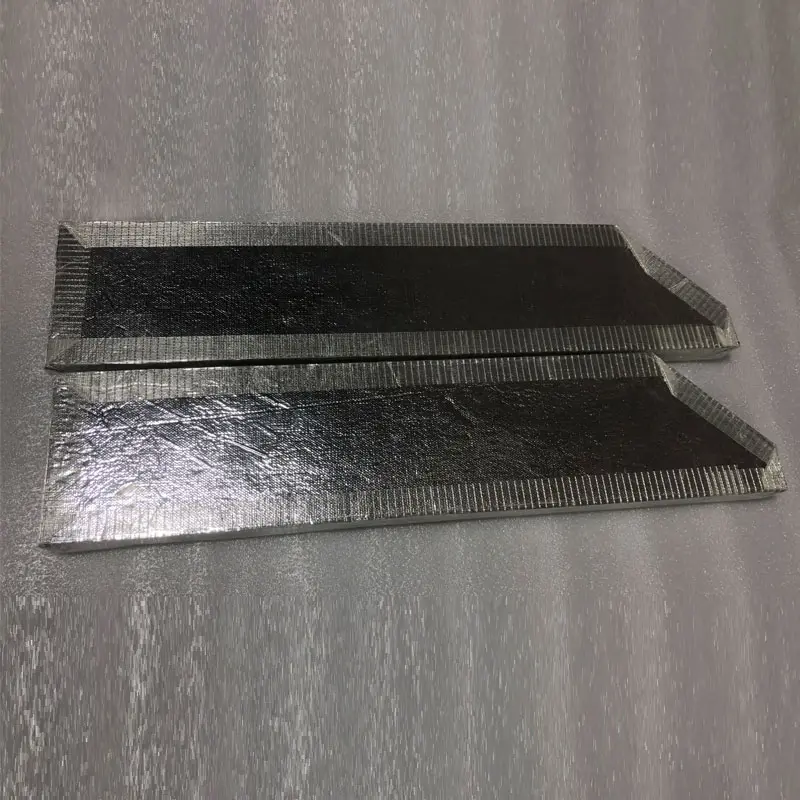
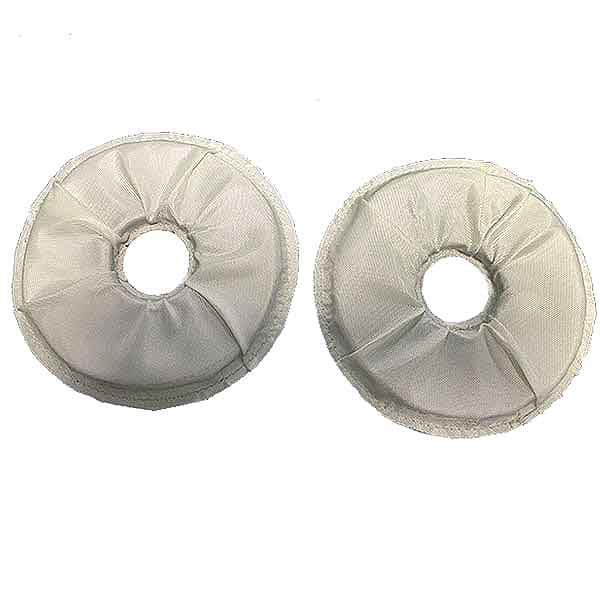
Product Specification Product Features Custom R...
View More+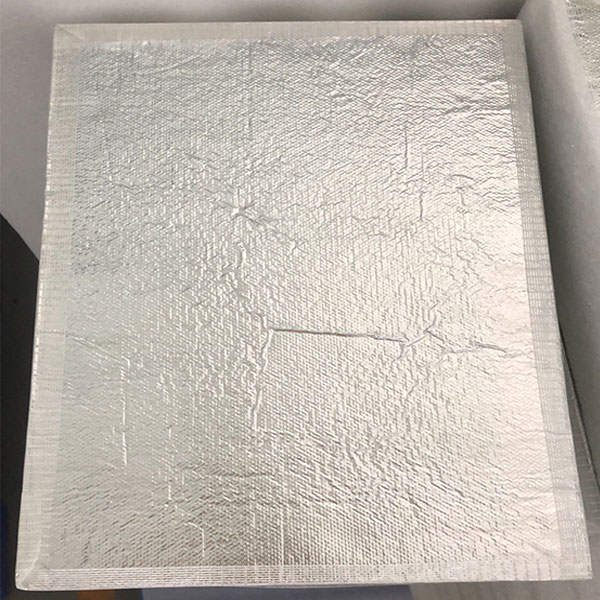
Product Features Size Details Zerothermo vacuu...
View More+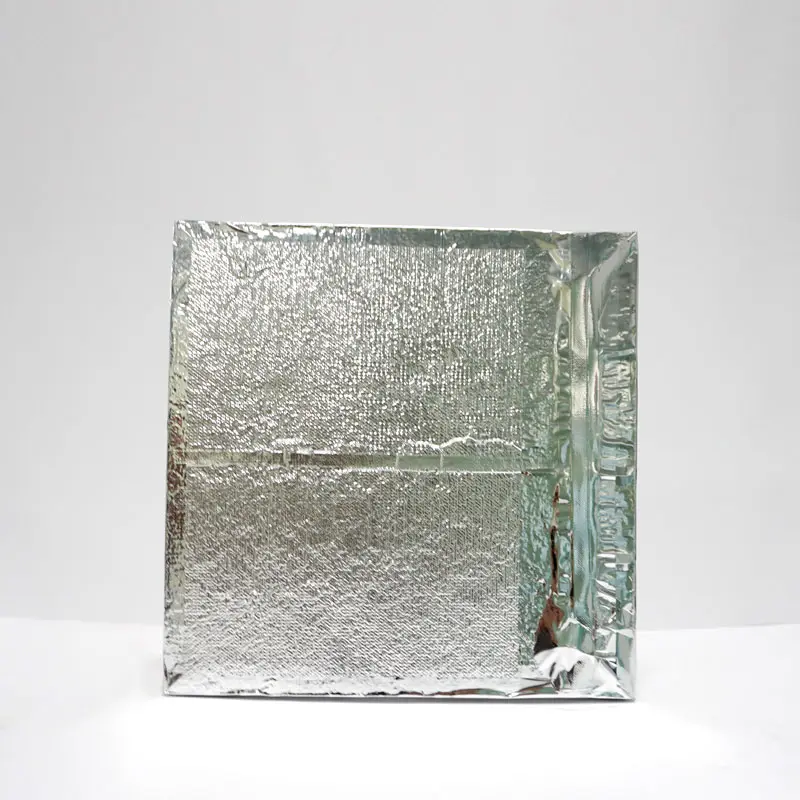
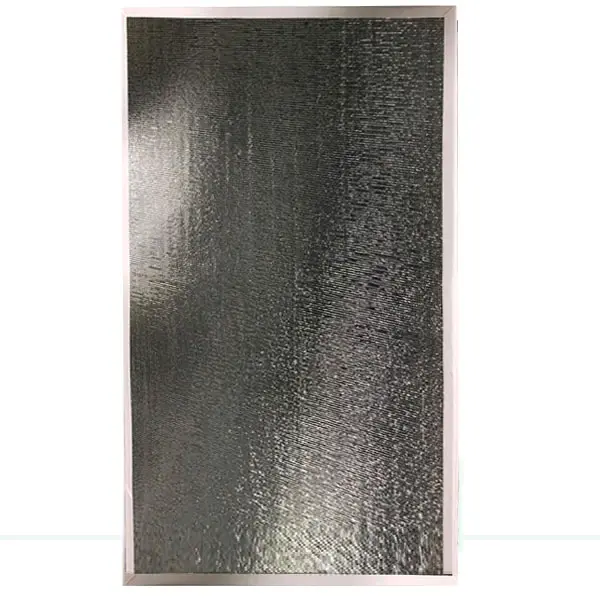
ABOUT US
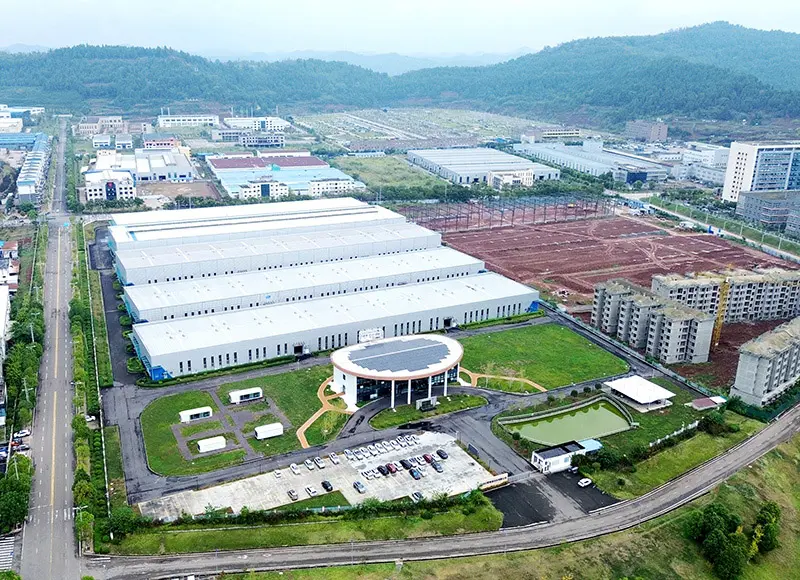
Zerothermo Technology Co., Ltd., a subsidiary of CBVAC Group and a national high-tech enterprise, is headquartered in the Beijing Economic-Technological Development Area with its production base located in Nanchong City, Sichuan Province. This facility stands as one of China’s largest comprehensive production centers for vacuum technology application products.

Special sizes (beyond the range of ANSI/ASME/DIN and other standards) are produced according to customers' drawings or technical parameters.

square, oval or other special shaped flanges. - Oversize/small diameter: such as diameter over 60 inches or micro precision flanges.

Special sizes (beyond the range of ANSI/ASME/DIN and other standards) are produced according to customers' drawings or technical parameters.



In architectural envelopes, VIP integration presents unique engineering challenges. Unlike traditional polyurethane panels, VIPs cannot be cut, drilled, or shaped on-site. Any mechanical puncture immediately breaks the internal vacuum, raising thermal conductivity from 0.004 W/(m·K) to approximately 0.020 W/(m·K), reducing thermal performance back to that of standard foam insulation.
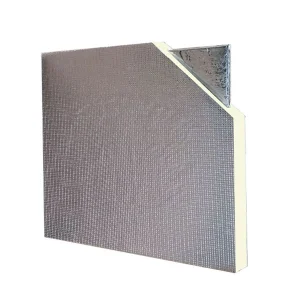
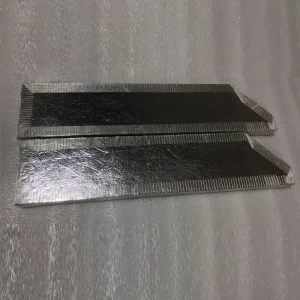
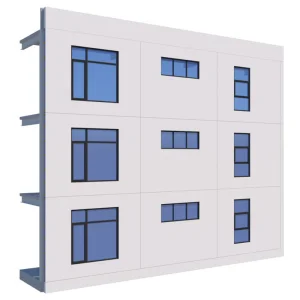
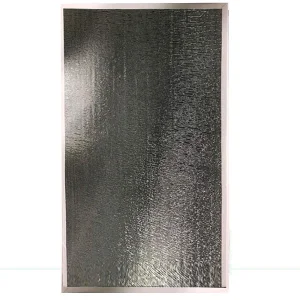
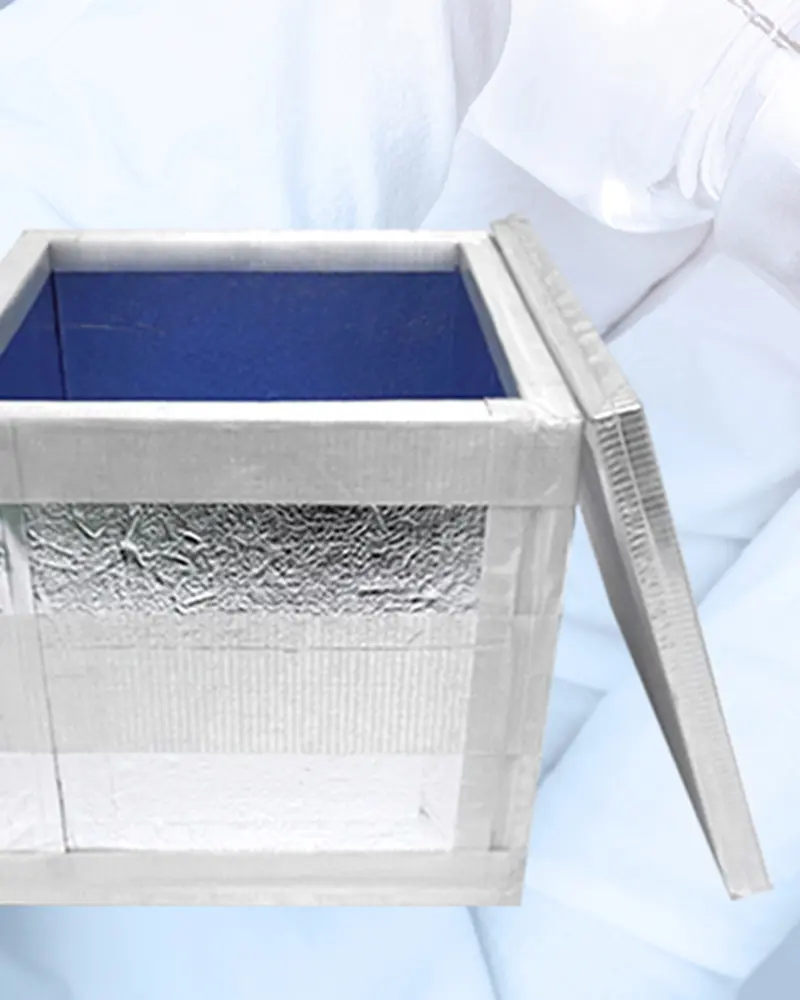
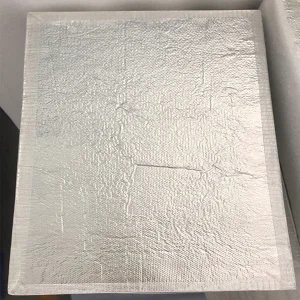
To bypass this limitation, Zerothermo Technology provides prefabricated vacuum insulation walls and modular decorative wall systems. In these systems, VIPs are encapsulated in secondary protective layers (such as polyurethane skin, fiberglass-mesh cementitious coatings, or metal foil boards) in factory conditions. When installed in buildings, these hybrid panels form a robust protective layer. Regular fastening anchors pass safely through pre-engineered margins or polyurethane perimeter frames, ensuring the core vacuum elements remain intact. This design is highly effective for retrofitting high-rise apartment structures, insulating floor systems, and building zero-energy pre-fabricated modules.
The development roadmap for VIP technology centers on two goals: reducing material costs and improving durability. Core materials are shifting from expensive fumed silica particles to hybrid microporous matrices containing diatomaceous earth and mineral opacifiers. These opacifiers block radiative heat transfer at higher temperatures, maintaining insulation performance even in fluctuating environments.
In barrier technology, manufacturers are moving away from traditional thick aluminum foils, which cause thermal bridging at panel joints. Modern designs use multi-layered metallized PET films (usually 3 to 4 layers of nano-scale aluminum vapor deposition on polymer substrates). This limits the edge heat loss pathway while maintaining reliable gas-barrier properties. The next generation of VIPs will integrate smart nano-sensor chips inside the panel envelope. This allows operators to monitor real-time pressure levels inside the wall cavity without destructive inspections, ensuring thermal performance remains optimal.
Solution
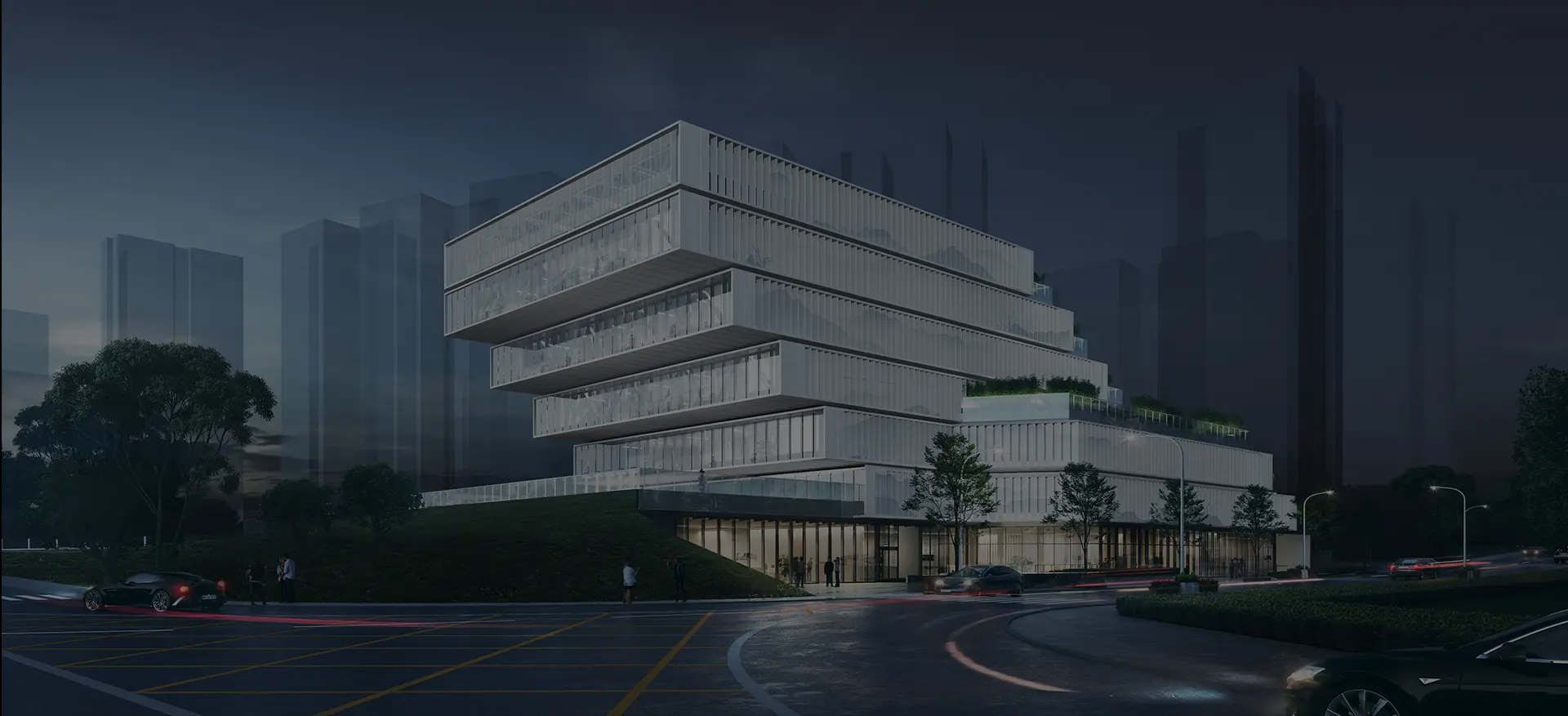
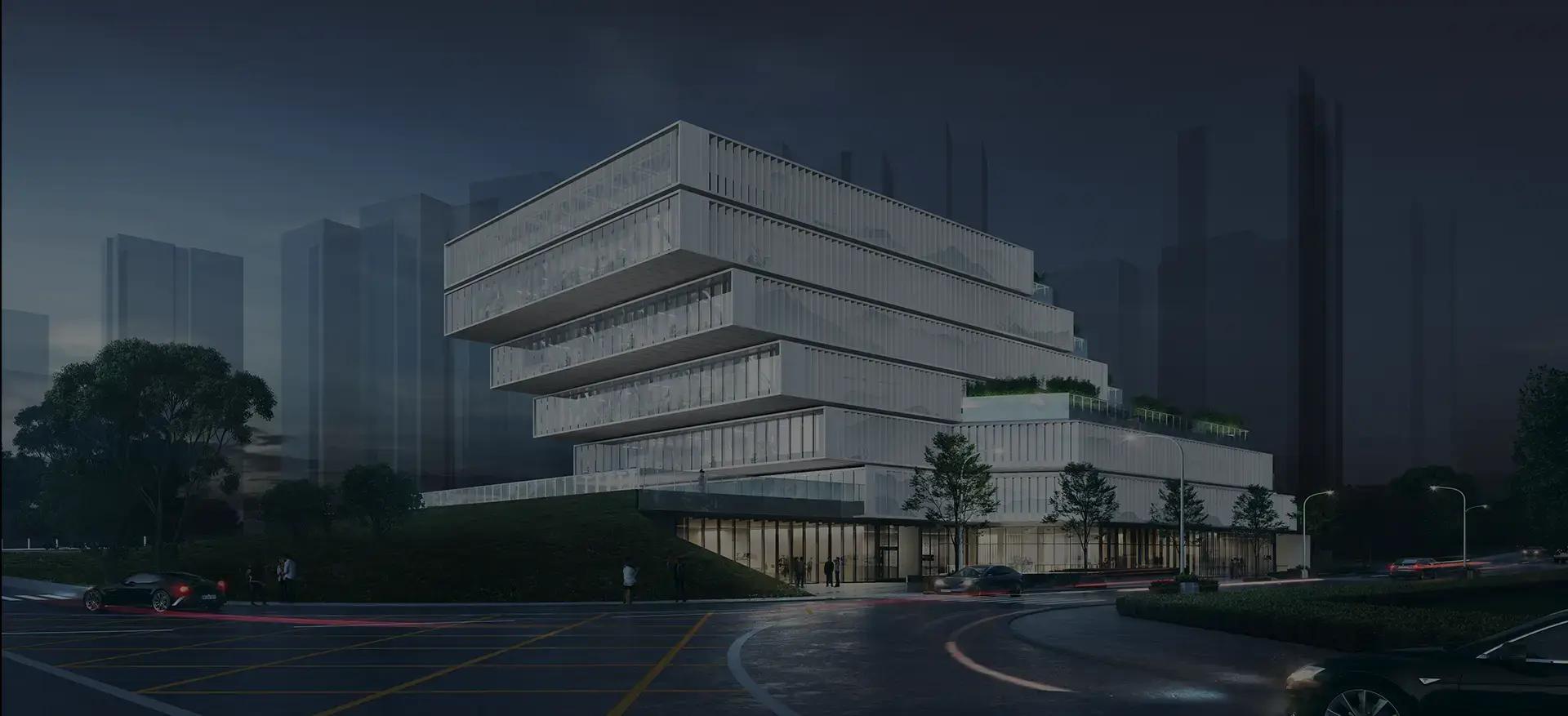
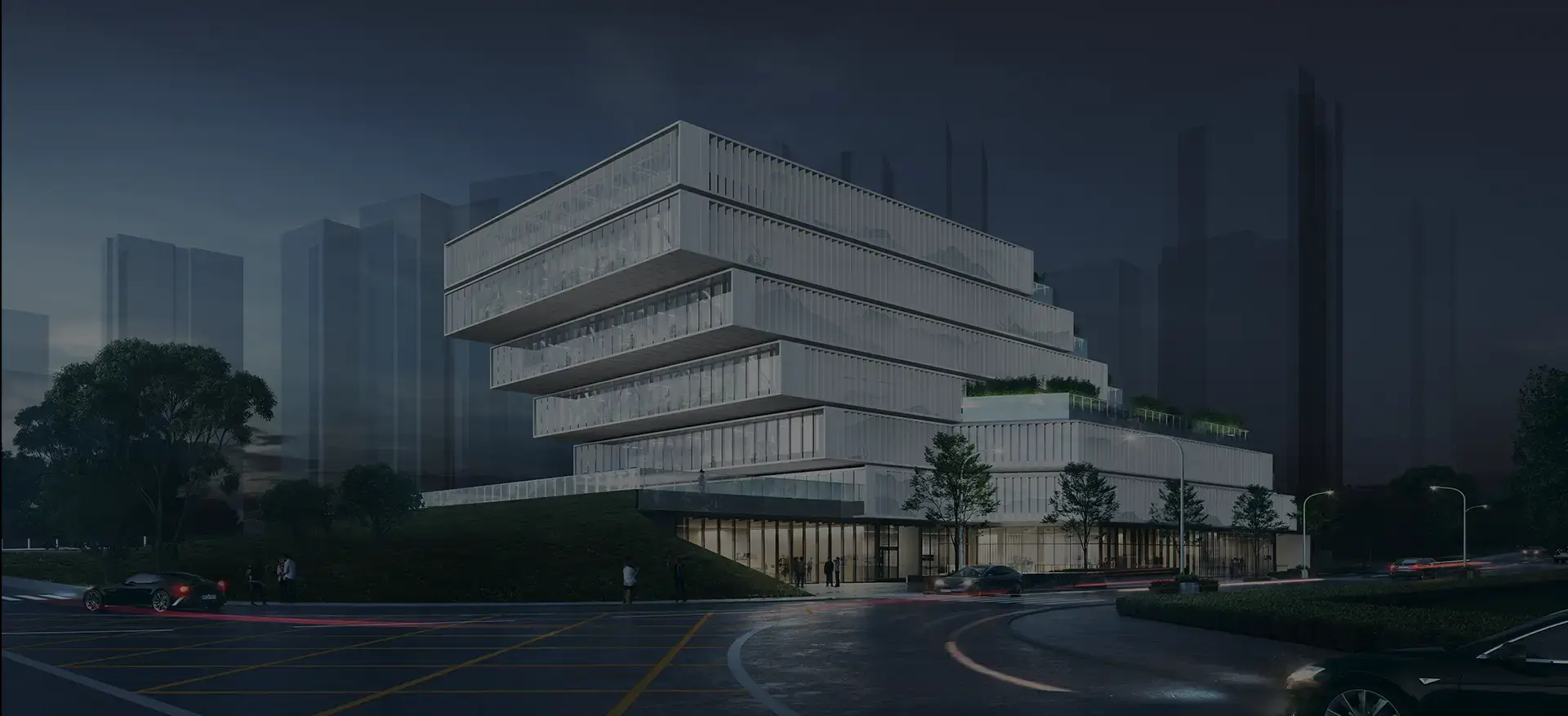
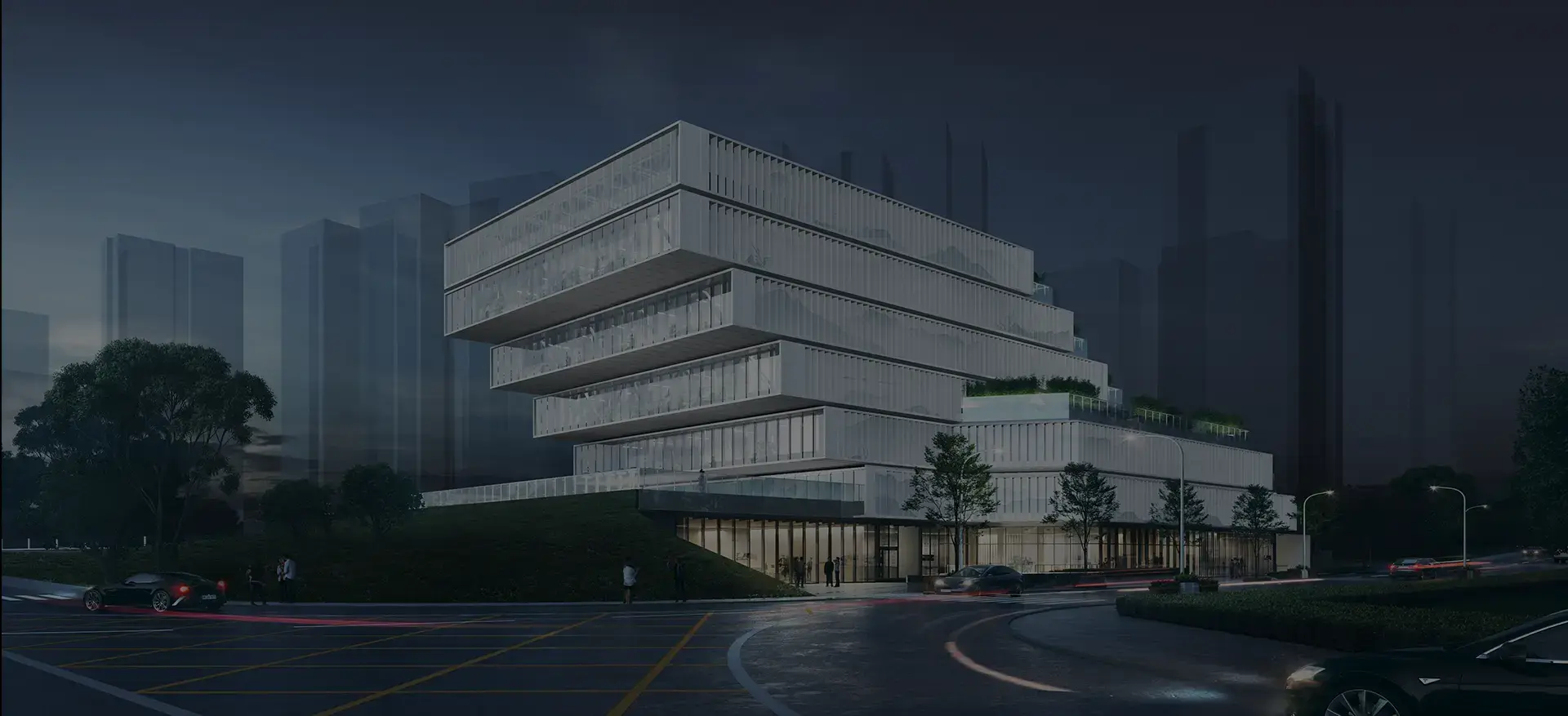
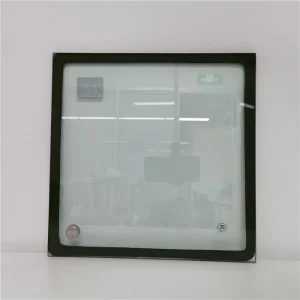
Providing high-efficiency thermal insulation solutions for building envelope systems through innovative products such as vacuum insulation panels and vacuum insulated glass, empowering - the construction sector to reduce carbon emissions and achieve carbon neutrality.
Providing high-efficiency thermal insulation solutions for building envelope systems through innovative products such as vacuum insulation panels and vacuum insulated glass, empowering - the construction sector to reduce carbon emissions and achieve carbon neutrality.02
Providing high-efficiency thermal insulation solutions for building envelope systems through innovative products such as vacuum insulation panels and vacuum insulated glass, empowering - the construction sector to reduce carbon emissions and achieve carbon neutrality.03
Providing high-efficiency thermal insulation solutions for building envelope systems through innovative products such as vacuum insulation panels and vacuum insulated glass, empowering - the construction sector to reduce carbon emissions and achieve carbon neutrality.03


Case


FAQ
Our Technology
We offer a one-stop vacuum insulation board solution. Contact us for a solution


News and Information
Committed to supporting China’s “dual-carbon” goals, Zerothermo Technology drives high-quality development of new quality productivity while promoting sustainable industrial advancement
Core Inventory


 +8615892792306