
Explore our factory-integrated thermal barriers developed to maximize structural efficiency and thermal isolation.
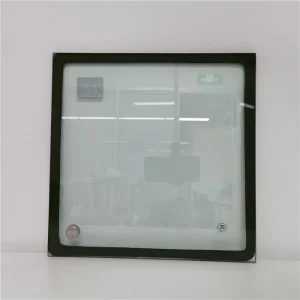
High structural integrity, fully-tempered vacuum glass designed specifically for curtain wall integration. Achieve ultimate U-values.
View More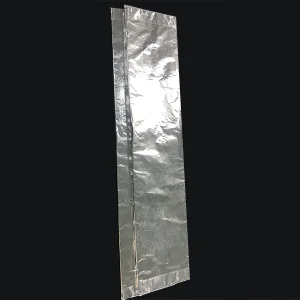
Advanced high-durability thermal management layers designed for EV packaging and battery security systems.
View More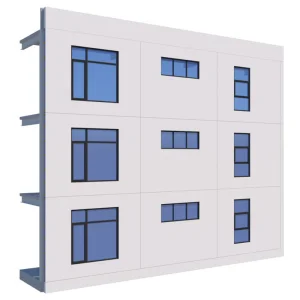
Integrating aesthetic excellence with zero-thermal-bridging properties. Ideal for modern architectural retrofits.
View More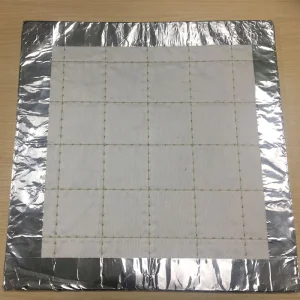
Aerogel-infused nano mats delivering high-grade thermal shielding with lightweight, ultra-thin profiles.
View More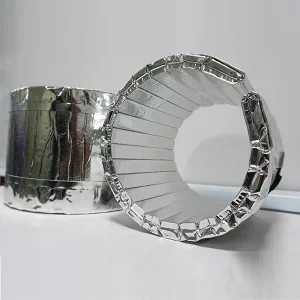
Maximizing heat retention efficiency for heavy-duty commercial and residential water storage systems.
View More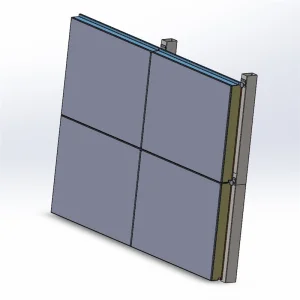
Combining structural exterior durability with core vacuum barrier technology for smart prefabricated builds.
View More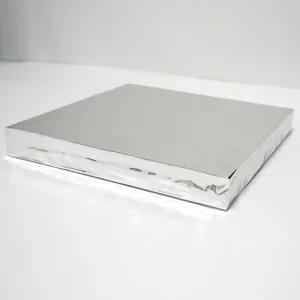
Engineered core panels exhibiting extremely low thermal conductivity for industrial kiln systems.
View More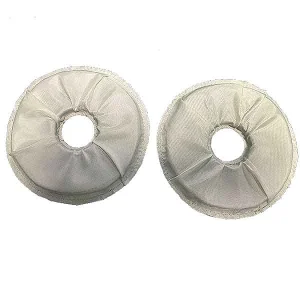
Flexible circular thermal blankets designed for intricate piping, valves, and engine compartments.
View MoreAs the construction landscape pivots toward carbon-neutral frameworks, modern facade engineering faces a dual challenge: maintaining architectural transparency while satisfying strict municipal thermal constraints. Traditionally, curtain wall systems relied on bulky triple-pane insulating glass units (IGUs) to meet local code requirements. This approach significantly increases structural dead load, complicating structural design and driving up manufacturing costs.
In response, global developers, curtain wall factories, and design institutes are prioritizing Vacuum Insulated Glass (VIG). VIG utilizes a microscopic vacuum chamber (typically less than 0.3mm wide) between two panes of glass, eliminating conductive and convective heat transfer. The resulting profile is extremely thin, delivering thermal performance comparable to a solid brick wall but with the weight and clarity of standard double-pane glass.
Purchasing VIG directly from high-volume manufacturers allows curtain wall suppliers to eliminate supply chain markups, access standardized global certificates (such as SGCC and CE), and custom-tailor the dimensions, coatings, and glass make-ups to align with specific project requirements.
The building envelope accounts for approximately 30% to 40% of a structure's total heat loss or gain. Implementing high-efficiency VIG directly impacts building operational emissions (Scope 1 and Scope 2). Lowering the envelope's U-value translates directly to smaller mechanical HVAC systems, yielding upfront savings during development and lowering lifetime energy costs.
From a macro perspective, the transition to VIG supports green building initiatives worldwide, including LEED Platinum, BREEAM Outstanding, and Passive House certifications. By using vacuum insulation technology within curtain walls, developers can achieve performance targets that were previously impossible without reducing the window-to-wall ratio.
Zerothermo Technology Co., Ltd., a subsidiary of CBVAC Group and a national high-tech enterprise, is headquartered in the Beijing Economic-Technological Development Area with its production base located in Nanchong City, Sichuan Province. This facility stands as one of China’s largest comprehensive production centers for vacuum technology application products.

Special sizes (beyond the range of ANSI/ASME/DIN and other standards) are produced according to customers' drawings or technical parameters.

square, oval or other special shaped flanges. - Oversize/small diameter: such as diameter over 60 inches or micro precision flanges.

Special dimensions manufactured to customer specification drawings or unique technical requirements.
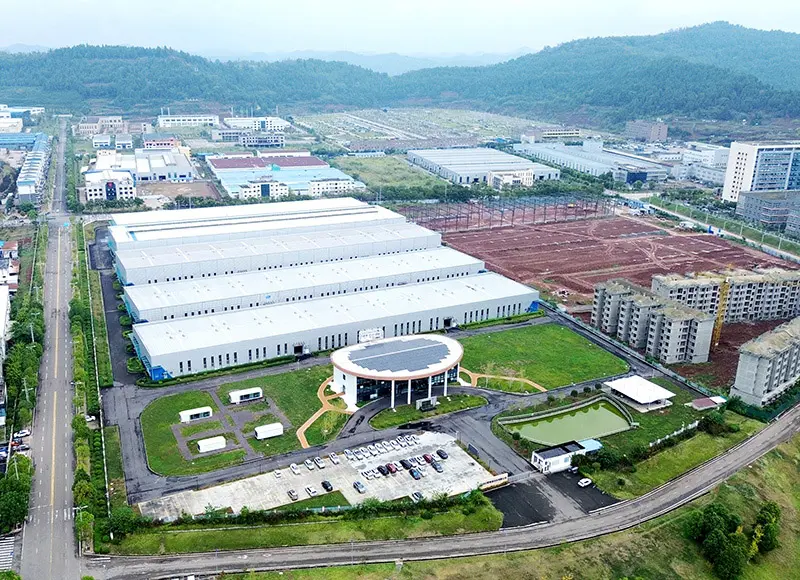


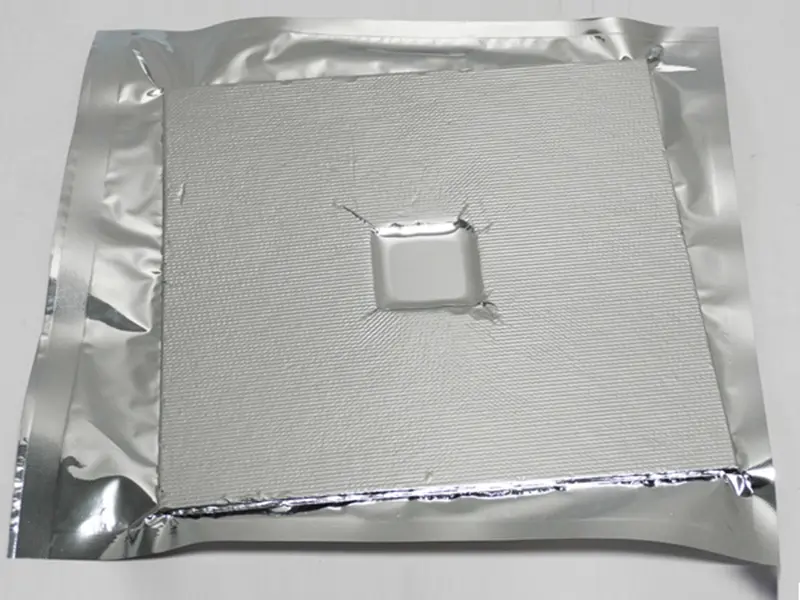
Providing custom dimensional design and core insulation materials to meet high-performance specification standards.
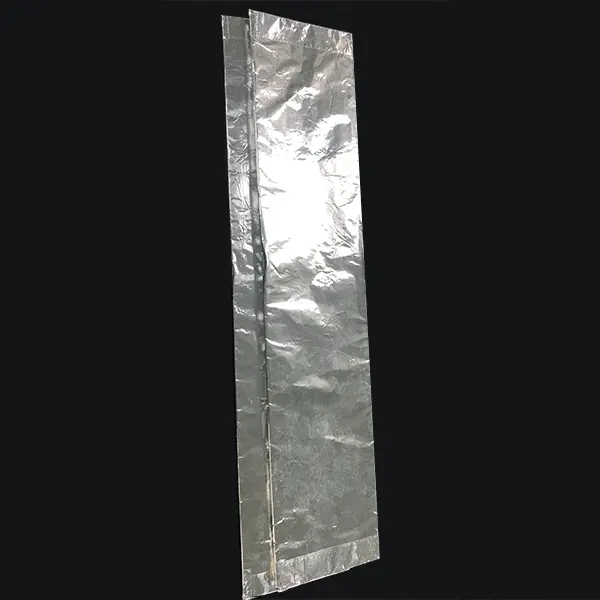
Size: Customized. Thickness: 5mm. High-performance thermal protection for EV modules.
View Details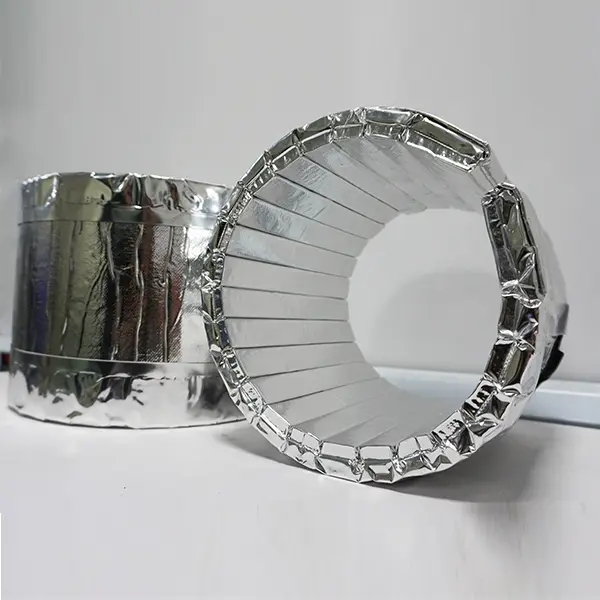
Size: Customized. Thickness: 5mm. Designed for industrial and domestic boiler systems.
View Details
Elevator fireproof door insulation barriers constructed with custom-grade microporous technology.
View Details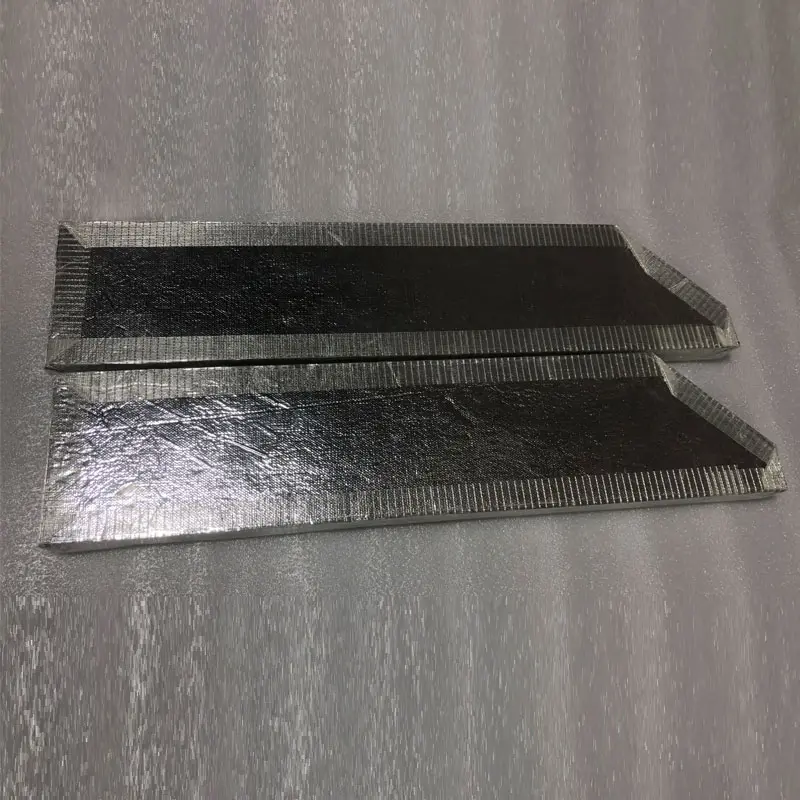
Engineered structural insulation sheets customized for dynamic shapes and spaces.
View Details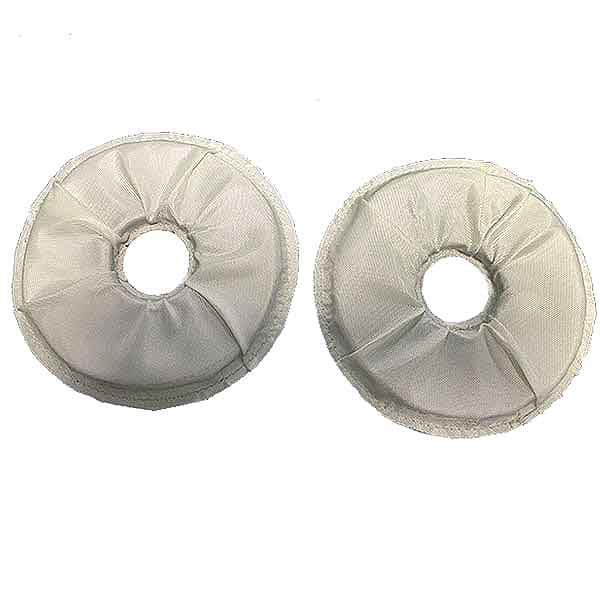
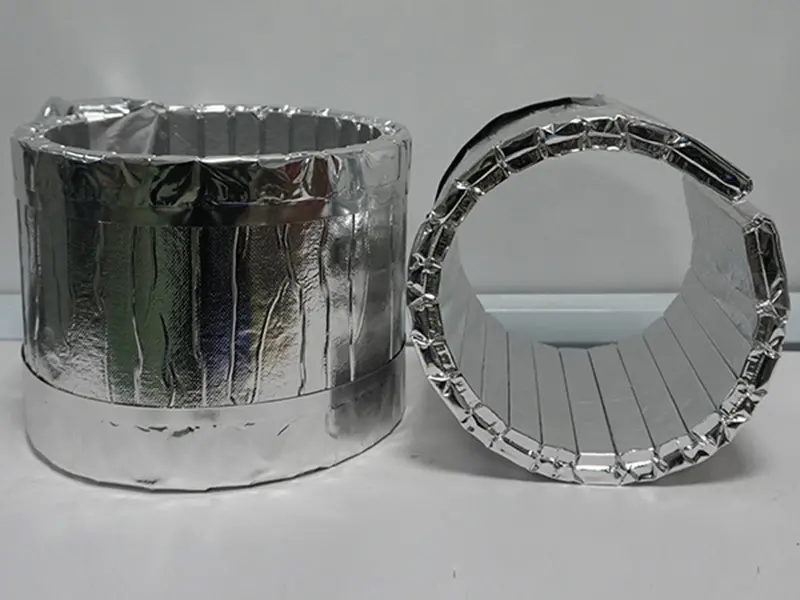
Specialized cylindrical elements for process equipment insulation and pipe fittings.
View Details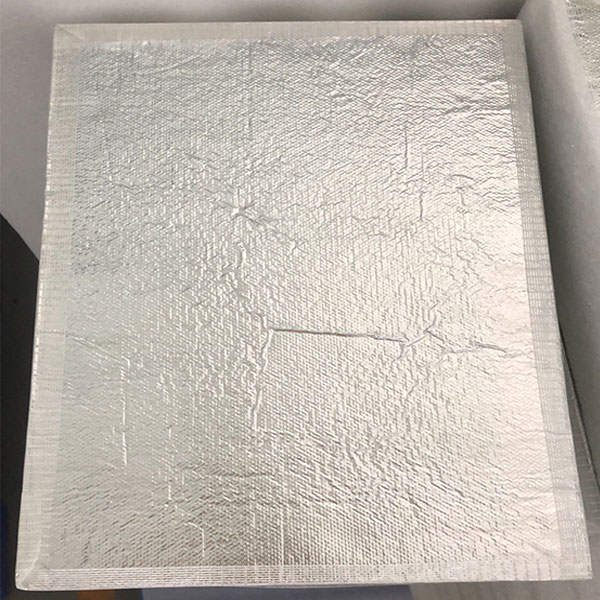
Exceptional thermal envelope materials tailored for cold chain integrity and architectural installations.
View Details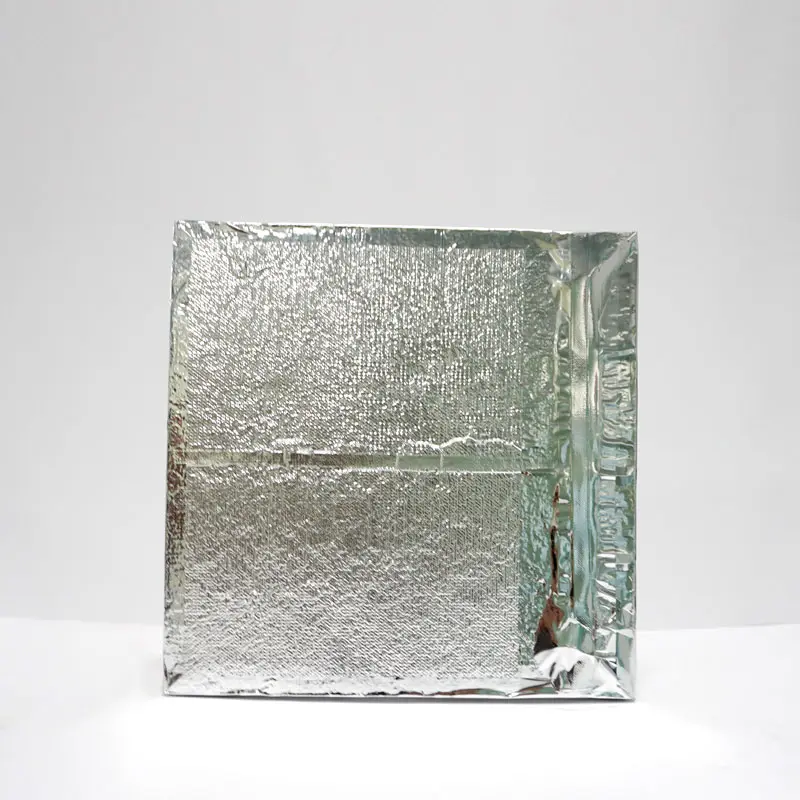
Highly robust containment lining solutions providing sustained cold-storage profiles.
View Details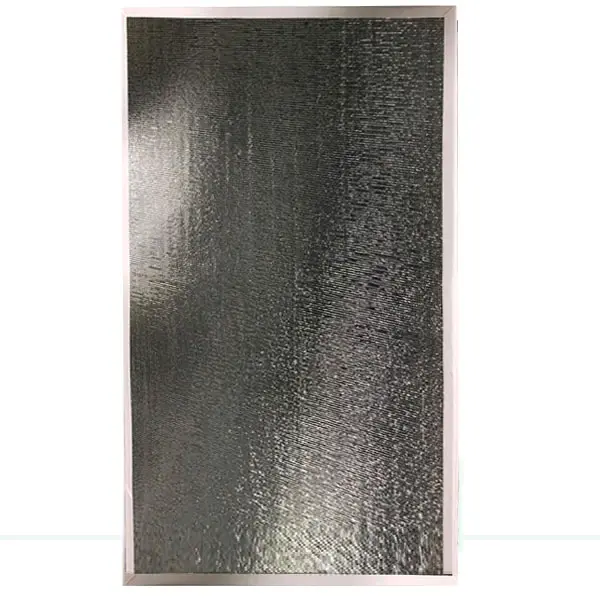
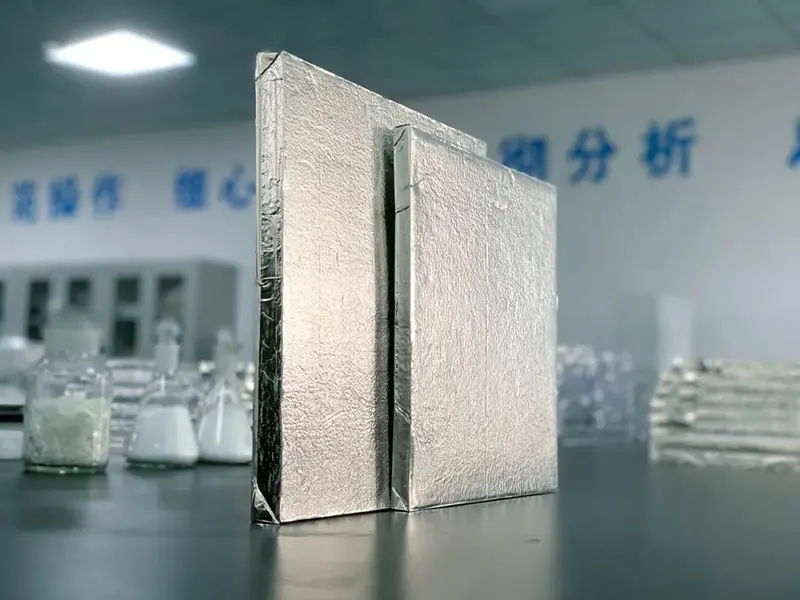
Large format vacuum insulation panel structures specifically suited for large industrial containers.
View DetailsUnifying state-of-the-art physics with scalable industrial manufacturing.


The manufacturing process of VIG represents a significant advancement in glass science. Unlike standard insulated units that rely on inert gases (such as Argon or Krypton), VIG relies on a high vacuum state (below 10-2 Pa). At this pressure, gaseous thermal conduction is virtually eliminated, which significantly improves insulation performance. The technical roadmap for this technology focuses on three main engineering challenges: edge sealing, spacer design, and tempered glass integration.
A reliable hermetic seal is crucial for the long-term performance of VIG. Conventional manufacturing methods utilize high-temperature solder glass, which can lead to stress points and local annealing of tempered glass. The next generation of VIG utilizes low-temperature metal alloy sealing techniques, which preserve the tempered glass's high wind-load resistance and safety characteristics while preventing micro-fracturing along the edge seal.
To resist atmospheric pressure (approximately 10 tons per square meter), small pillars (spacers) are placed in a grid pattern between the glass panes. If these spacers are too large or conductive, they can act as thermal bridges. Current production layouts use micro-ceramic or high-strength stainless steel alloy spacers. These spacers are designed with diameters of 0.3mm to 0.5mm and spaced at 40mm to 60mm intervals, striking a balance between structural durability and low thermal bridging.
For curtain wall factories, building codes require glass to meet safety standards (such as SGCC or EN 12150). Modern VIG features dual-tempered panes. Fully tempered glass requires careful thermal control during the edge-sealing process to prevent the glass from losing its tempered state, ensuring the units meet structural load requirements for high-rise buildings.
Standard Double IGU: Thickness 24mm | U-Value ~2.8 W/(m²K) | Weight 20 kg/m²
High-Performance VIG: Thickness 8.3mm | U-Value ≤0.5 W/(m²K) | Weight 15 kg/m²
The transition toward VIG is driven by evolving regional regulations and energy codes. In the European Union, the Energy Performance of Buildings Directive (EPBD) is steering new construction toward Zero-Emission Buildings (ZEB), encouraging the adoption of ultra-low U-value envelopes. In North America, ashrae 90.1 updates and localized clean energy laws, such as New York's Local Law 97, place strict limits on carbon footprints, making energy efficiency updates highly practical for property owners.
In Asia, particularly in high-density urban areas, the focus is on light weight and structural durability. Using thin-profile VIG helps reduce structural load in high-rise constructions, which can lower structural steel and concrete requirements. This weight reduction helps offset the higher initial material cost of VIG, creating a strong economic case for the technology.
Applying vacuum insulation technology to meet diverse industrial, cold chain, and architectural requirements.

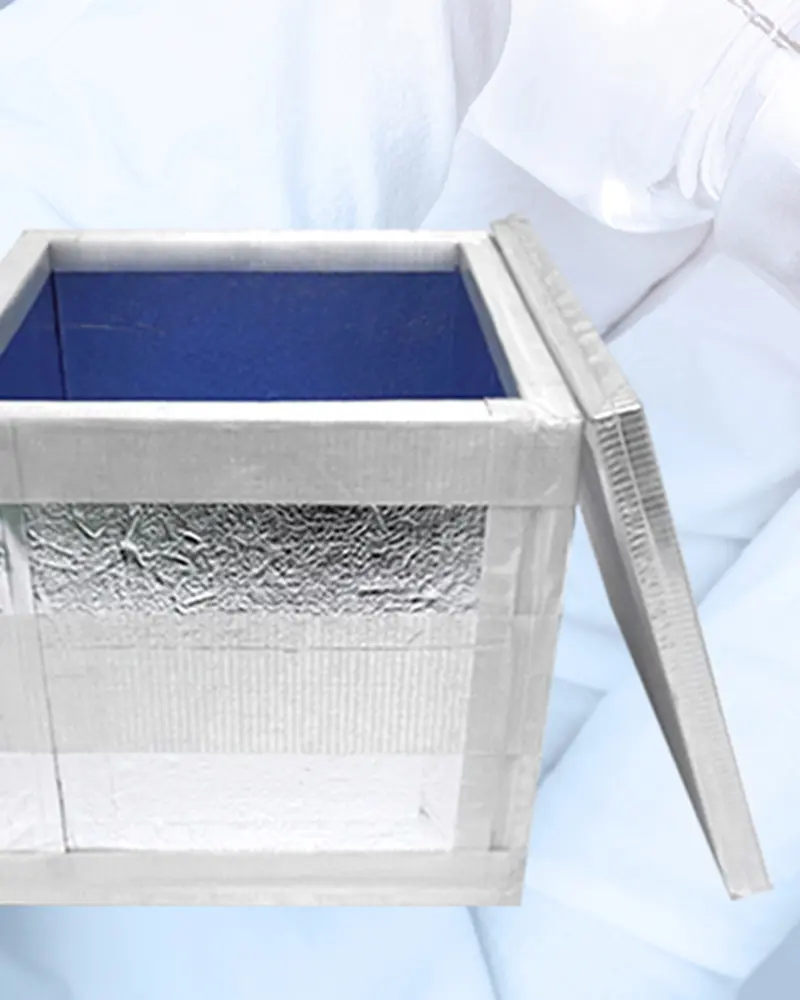
Ensuring strict temperature control for critical pharmaceutical shipping, medical storage, and vaccination transport boxes using advanced fumed silica vacuum insulation panels.

Providing high-efficiency thermal insulation solutions for building envelope systems through innovative products such as vacuum insulation panels and vacuum insulated glass, empowering the construction sector to reduce carbon emissions and achieve carbon neutrality.

Delivering high-temperature microporous nano insulation materials designed for industrial furnaces, storage tanks, and high-heat process equipment to optimize energy conservation.

Supplying specialized modular panels and thermal partitions for outdoor structures, prefabricated eco-pods, and remote resorts to provide climate control and comfort.




Showcasing the global application of our advanced thermal and vacuum insulated products.



Committed to supporting China’s "dual-carbon" goals, Zerothermo Technology drives high-quality development of new quality productivity while promoting sustainable industrial advancement
Understanding the engineering parameters, cost configurations, and design integration of VIG in curtain walls.
Traditional double glazing relies on gas insulation, yielding U-values around 2.6 to 2.8 W/m²K. Vacuum Insulated Glass (VIG) features a high vacuum layer between the glass panes, which eliminates convection and conduction to lower U-values to 0.5 W/m²K or less. This performance is achieved in a much thinner and lighter profile, comparable to triple-glazed units.
No. Because VIG relies on a hermetically sealed vacuum chamber, the units must be manufactured and cut to final sizes at the factory prior to the sealing and vacuum extraction processes. On-site cutting or drilling will compromise the seal and release the vacuum, rendering the unit inoperable.
The spacers are microscopic (0.3mm to 0.5mm in diameter) and placed in a precise grid pattern (typically 40mm to 60mm pitch). They are practically invisible from a standard viewing distance, maintaining high visual clarity (VLT) while supporting the glass against atmospheric pressure.
Our VIG panels are designed to maintain their vacuum and thermal performance for over 25 years. This durability is achieved using high-strength low-temperature metal alloy sealing techniques, which minimize edge degradation and gas penetration over time.
Our vacuum glass products comply with CE standards for the European market and SGCC/IGCC requirements for the North American market, ensuring structural safety, quality, and compliance for high-rise installations.
High-performance thermal containment and structural protection systems designed to meet industrial and logistical standards.
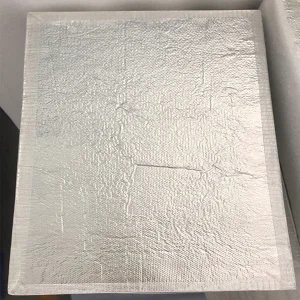
Advanced fumed silica cores protected by dynamic multi-layer PET barrier films, delivering exceptional thermal resistance.
View More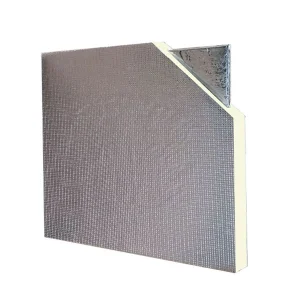
Composite PU-encapsulated vacuum layers designed for transport cases and pharmaceutical cold storage applications.
View More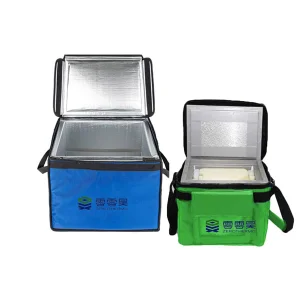
High-efficiency passive cooling transport boxes optimized for medical logistics, vaccine distribution, and food security.
View More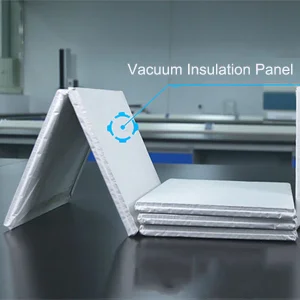
Exterior envelope panels designed to prevent thermal bridging and improve heating/cooling efficiency in retrofits.
View More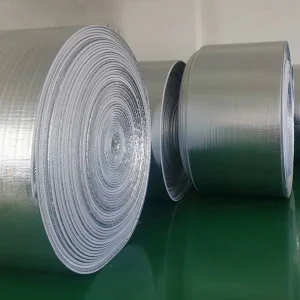
Reflective foil-faced foam boards engineered for roof deck installations and agricultural ceilings.
View More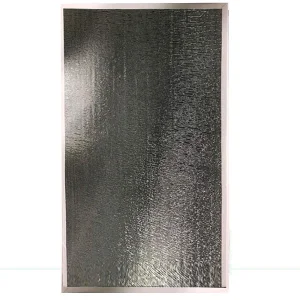
Large format VIP panels designed to optimize cargo volume and minimize heat ingress in shipping containers.
View More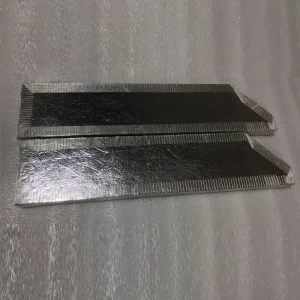
Custom shapes and sizes designed for integration into complex equipment and structural envelopes.
View More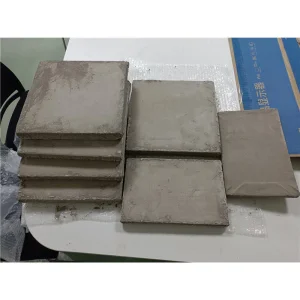
Mechanically reinforced VIP panels designed for heavy-duty structural applications requiring high pressure resistance.
View MoreWe offer specialized vacuum insulation panel and vacuum glass design solutions. Get in touch with our engineering team for specifications, test reports, and factory-direct pricing quotes.




 +8615892792306