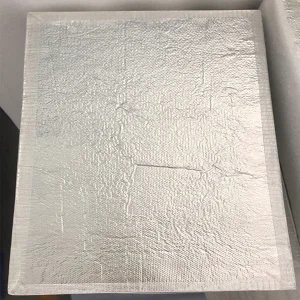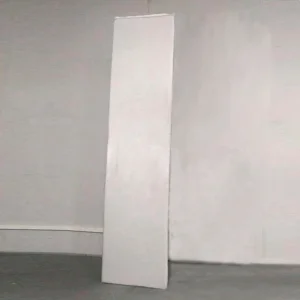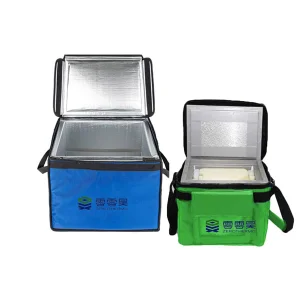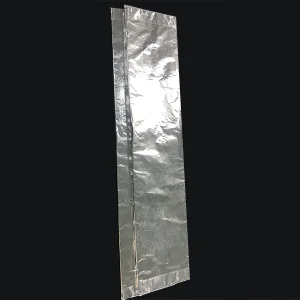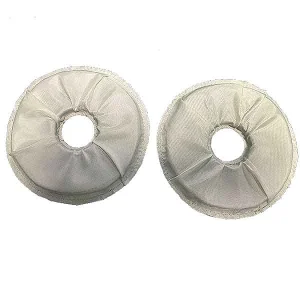
Explore our top-tier energy-saving VIPs and high-temperature nanoporous panels constructed with fumed silica cores.
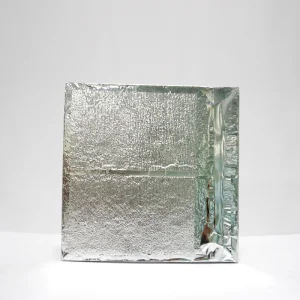
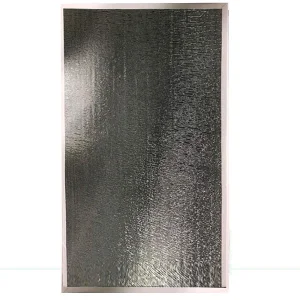
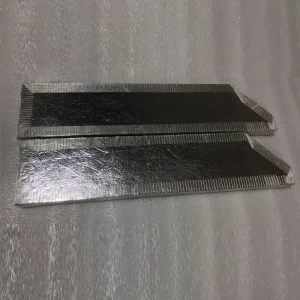
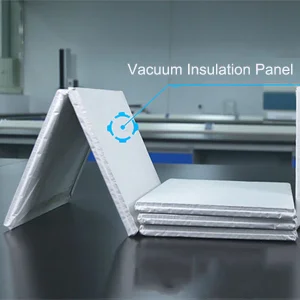
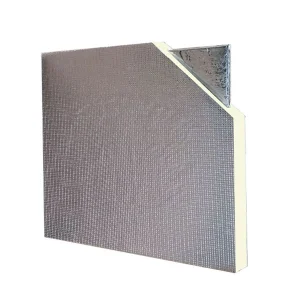
How micro-cavity and Knudsen properties minimize thermal conductivity to absolute minimums.
Nanoporous insulation panels represent a giant leap forward in thermodynamics. By using core structures containing pores smaller than the mean free path of gas molecules (typically under 100 nanometers), these panels effectively suppress convective heat transfer. The core material is usually composed of fumed silica, aerogels, or precipitated silica combined with an opacifier to block infrared radiation.
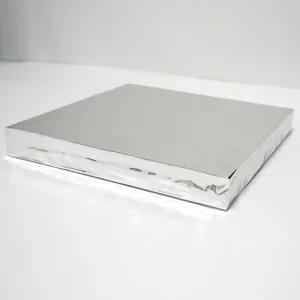
When enclosed within a high-barrier laminate film and vacuum-sealed, the thermal conductivity (known as the K-value or lambda value) can plummet to as low as 0.0035 W/(m·K) to 0.005 W/(m·K). This is up to ten times more efficient than conventional insulation materials such as extruded polystyrene (XPS), polyurethane (PU) foam, or rock wool.
Pores below 50nm restrict the movement of residual gas molecules, preventing thermal collisions.
Silicon carbide or titanium dioxide additives scatter infrared waves to eliminate radiation pathing.
High gas barrier films with specialized getter systems absorb trace moisture and preserve long-term vacuum.
Comparing the core thermal materials to optimize cost-per-R-value in B2B environments.
When sourcing cheap nanoporous insulation panels, B2B procurement managers must look beyond unit prices. True evaluation requires calculating the cost per R-value per square meter, taking into account long-term degradation, mechanical strength, and potential failure rates during installation.
| Insulation Material Core Type | Mean Pore Diameter (nm) | Thermal Conductivity (W/m·K) | Typical Thickness (mm) | Est. Lifetime (Years) | Cost Factor Index |
|---|---|---|---|---|---|
| Fumed Silica VIP (Premium) | 10 – 30 | 0.004 – 0.005 | 10 – 45 | 30 – 50 | Medium-High |
| Aerogel Nanoporous Composite | 20 – 40 | 0.012 – 0.018 | 5 – 15 | 20 – 30 | High |
| Glass Fiber VIP (Standard) | 10,000 – 100,000 | 0.002 – 0.003 (initial) | 5 – 30 | 5 – 15 | Medium |
| PU Foam / VIP Composite | Hybrid Matrix | 0.007 – 0.012 | 20 – 50 | 15 – 25 | Budget-friendly |
While glass-fiber core VIPs offer ultra-low initial thermal conductivity, they suffer from high vulnerability to vacuum degradation. Once moisture or air enters the panel, glass fiber K-values degrade rapidly to 0.020 W/m·K. Conversely, fumed silica VIPs maintain structural integrity and a low thermal conductivity rate of under 0.008 W/m·K even if the vacuum layer is compromised, making them far safer and more cost-effective over long operational horizons.
Bespoke dimensions, temperature thresholds, and material configurations designed for specialized industrial deployments.
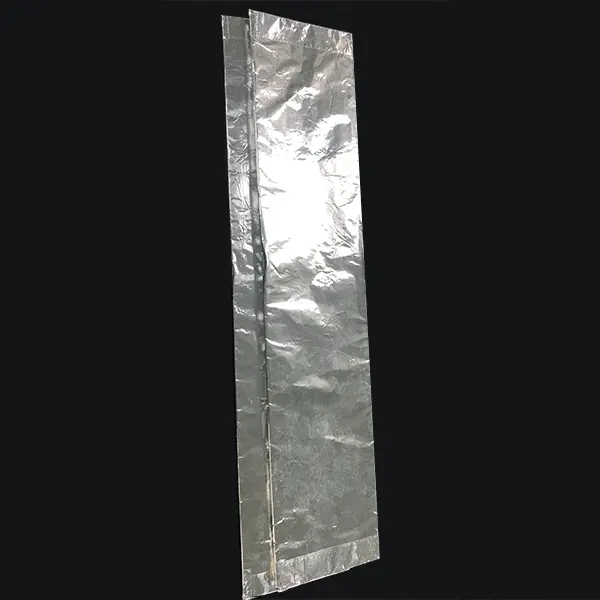
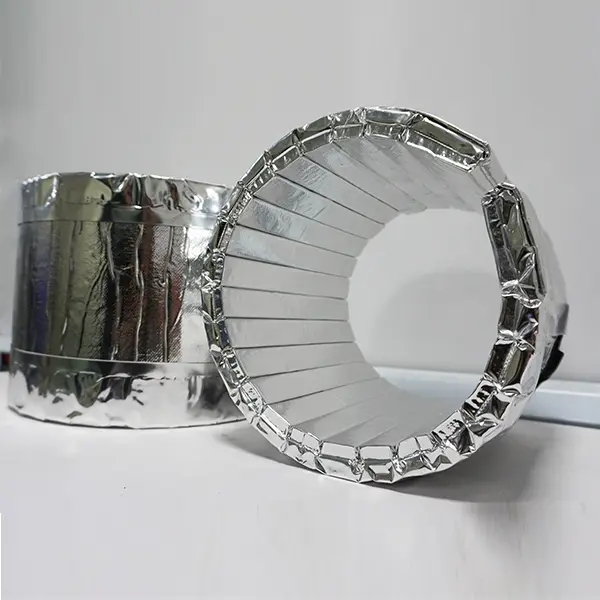
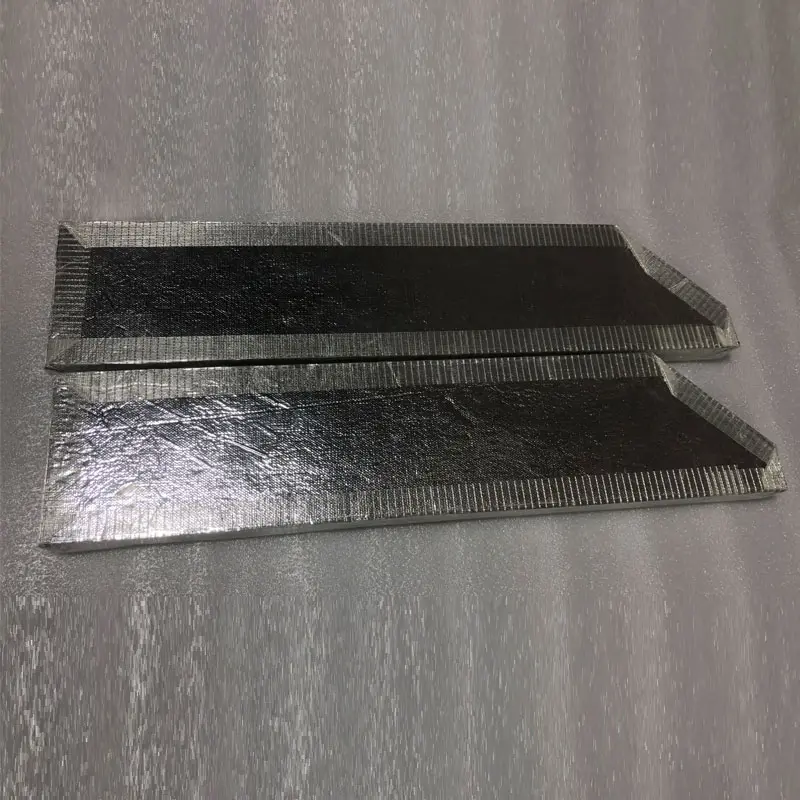
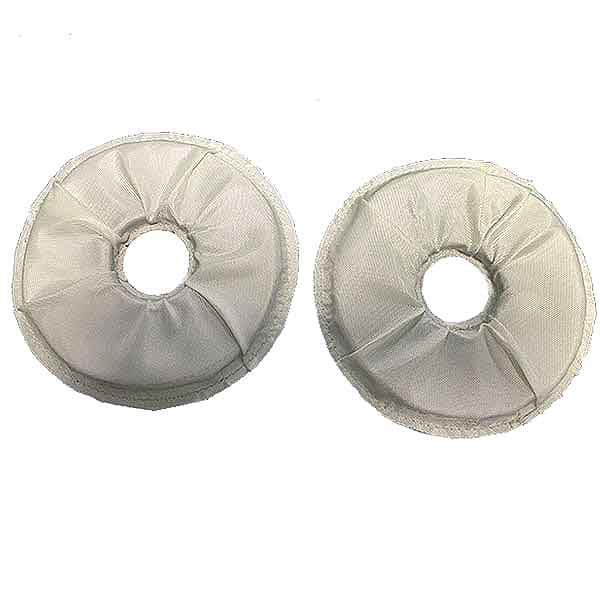
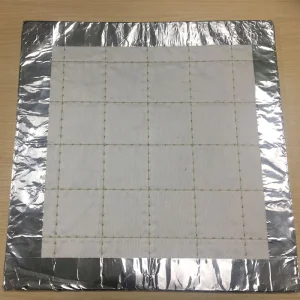
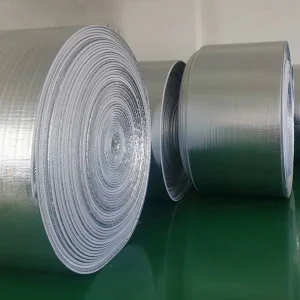
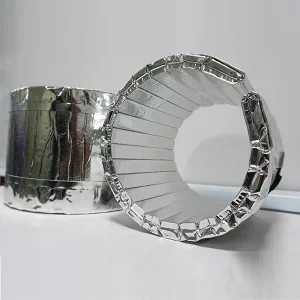
Flexible blanket panels for curved assets.
Request Custom Quote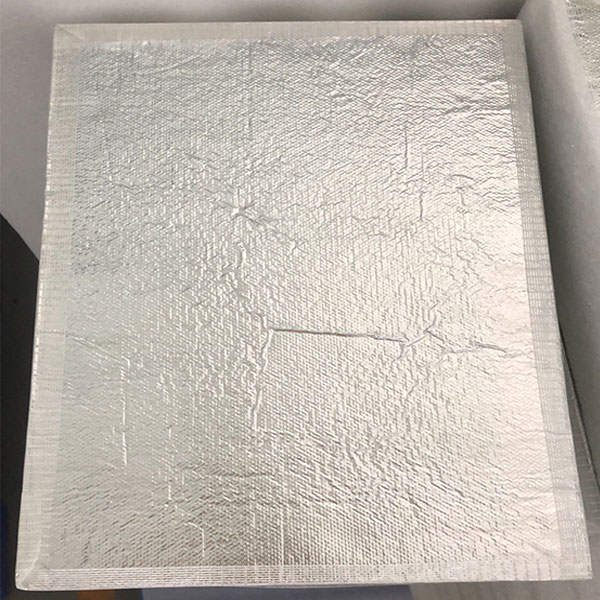
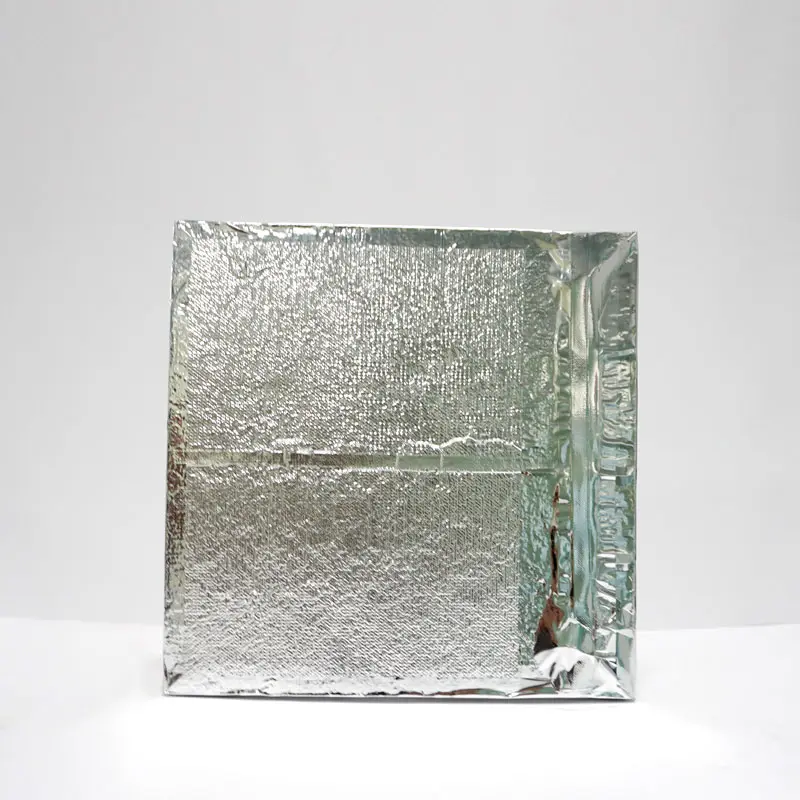
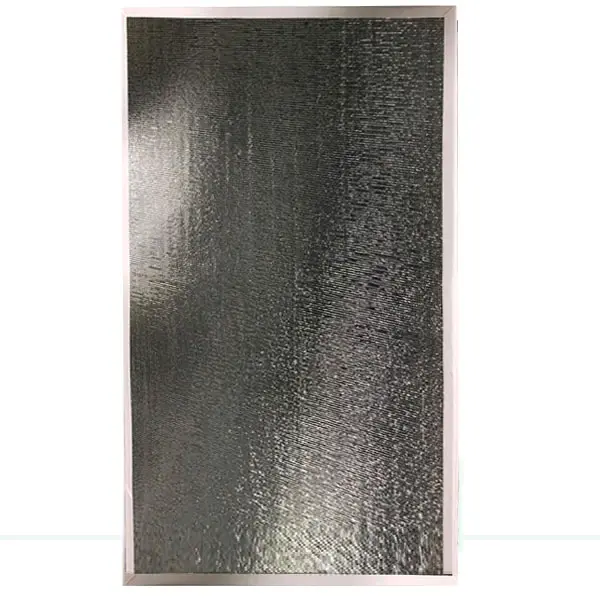
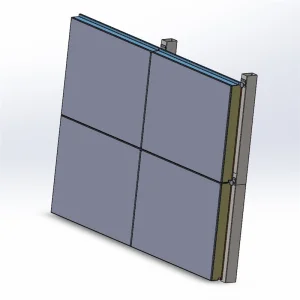
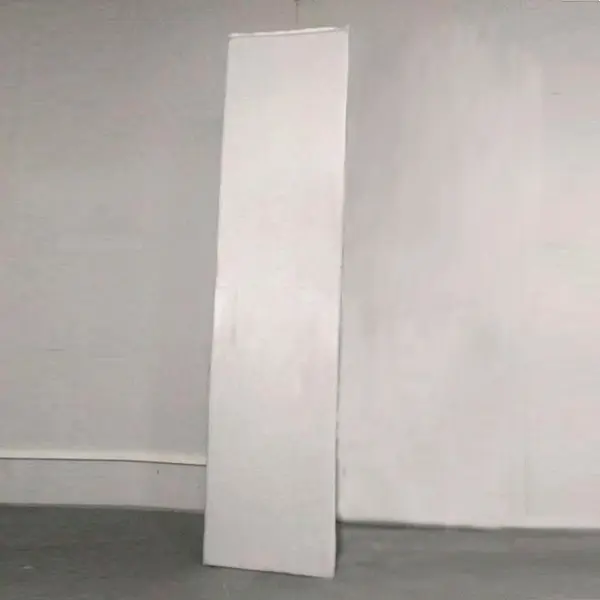
Large structural panels for building envelopes.
Request Custom QuoteHow automated production scales volume while dropping costs for global industrial buyers.
Scaling the manufacture of nanoporous insulation panels requires rigorous environment control and high precision. Historically, manually intensive core preparation and vacuum sealing created variances in thermal performance. The introduction of Factory 4.0 processes in leading manufacturing facilities has changed the industry landscape.
By integrating continuous automation, robotic envelope wrapping, and automated in-line quality assurance systems, production facilities consistently achieve thermal stability across high volumes. Key manufacturing processes include:
Ensures precise density control of the nanoporous fumed silica powder mix, avoiding gaps and irregular cold-bridge spots.
Extracts air uniformly and seals composite barrier films within milliseconds, preserving internal vacuum levels of 0.05 to 0.1 mbar.
Every panel undergoes automated thickness and thermal tests prior to packaging, ensuring zero-defect shipping configurations.
This production efficiency allows Chinese manufacturers to offer extremely competitive pricing structures. The cost savings of automated packaging, combined with domestic raw material sourcing, translates directly into a more competitive total cost of ownership for international buyers looking to secure robust, high-performance thermal insulation at scale.
Engineered for quality, delivery speed, and custom integration into mission-critical pipelines.

Unparalleled manufacturing and testing methodologies matching global industrial specifications.

Swift prototyping and dimensional engineering matching custom system designs.

High throughput capability paired with constant batch-to-batch quality reliability.

Optimized packaging designs ensuring rapid, safe transit to projects worldwide.

Committed to deep integration, engineering collaboration, and ongoing product evolution support.
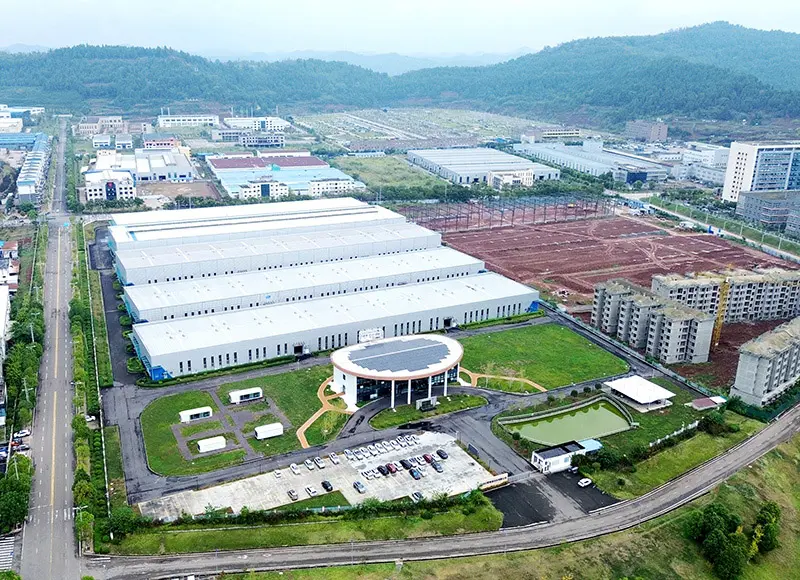
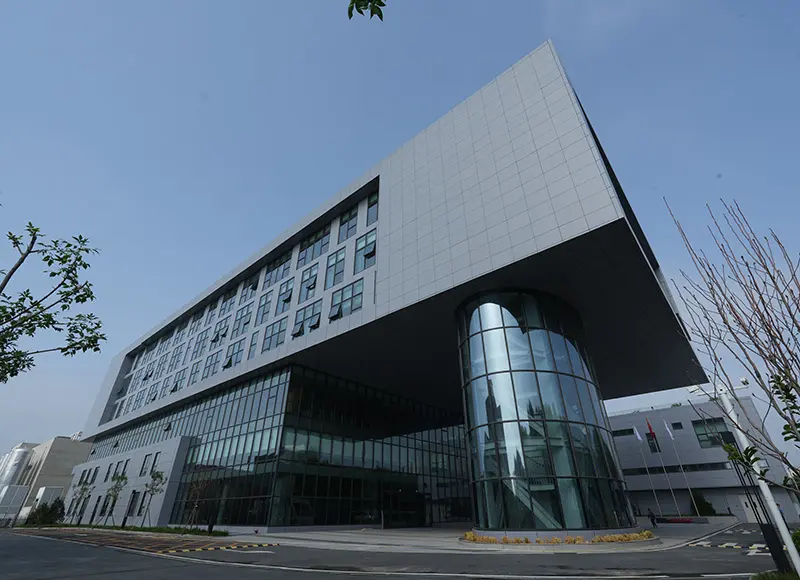
Zerothermo Technology Co., Ltd., a subsidiary of CBVAC Group and a national high-tech enterprise, is headquartered in the Beijing Economic-Technological Development Area with its production base located in Nanchong City, Sichuan Province. This facility stands as one of China’s largest comprehensive production centers for vacuum technology application products.

Special sizes (beyond the range of ANSI/ASME/DIN and other standards) are produced according to customers' drawings or technical parameters.

Square, oval or other special shaped flanges. - Oversize/small diameter: such as diameter over 60 inches or micro precision flanges.

Specialized structural flanges and layout seals matching custom high-vacuum thermal barrier requests.

Detailed mapping of nanoporous panels within building systems, storage units, and industrial facilities.
Nanoporous insulation panels are crucial for thermal management in space-constrained or high-temperature environments. Standard insulation materials are often too bulky or lack the temperature limits required for demanding industrial applications.
Vaccine storage boxes and biological shipping shippers require strict temperature maintenance (e.g., -70°C for mRNA, 2-8°C for biologics). By using fumed silica VIPs, containers can sustain stable temperatures for over 120 hours without external power, reducing payload volume requirements by up to 60% compared to polyurethane shipping boxes.
Urban architectural envelopes face strict insulation limits and fire code mandates. Fumed silica VIPs provide Class A1 fire protection and require a thickness of only 20mm to match the insulation value of a 150mm glass mineral wool board, saving valuable internal floor space in dense urban developments.
Lithium-ion EV batteries are prone to thermal runaway under structural compromise or excessive loads. Customized thin-profile aerogel and nanoporous insulation blankets between modules act as high-efficiency thermal barriers, delaying heat transfer between cells and offering critical protection.
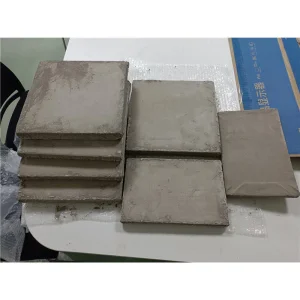
Steam pipelines, boiler assemblies, lab ovens, and high-efficiency water heaters operate at temperatures exceeding 600°C. Custom microporous insulation panels reduce structural heat loss, keeping surface casings cool to the touch while maximizing system efficiency.
Integrating vacuum insulation and smart glass systems to help industries transition to net-zero carbon operations.

Providing thermal insulation envelopes for safe vaccine transport and cold box logistics.

High-efficiency building wall insulation, optimizing space and reducing structural emissions.

Thermal lining and heat shields for furnaces, piping networks, and machinery.

Lightweight prefabricated housing, outdoor structural protection, and acoustic barriers.
Review real-world projects featuring our high-performance vacuum insulation configurations.

Industrial electronic shield installations and custom cleanroom insulation envelopes.

High-performance vacuum core packaging and industrial insulation upgrades.

Eco-friendly exterior insulation boards conforming to green building standards.
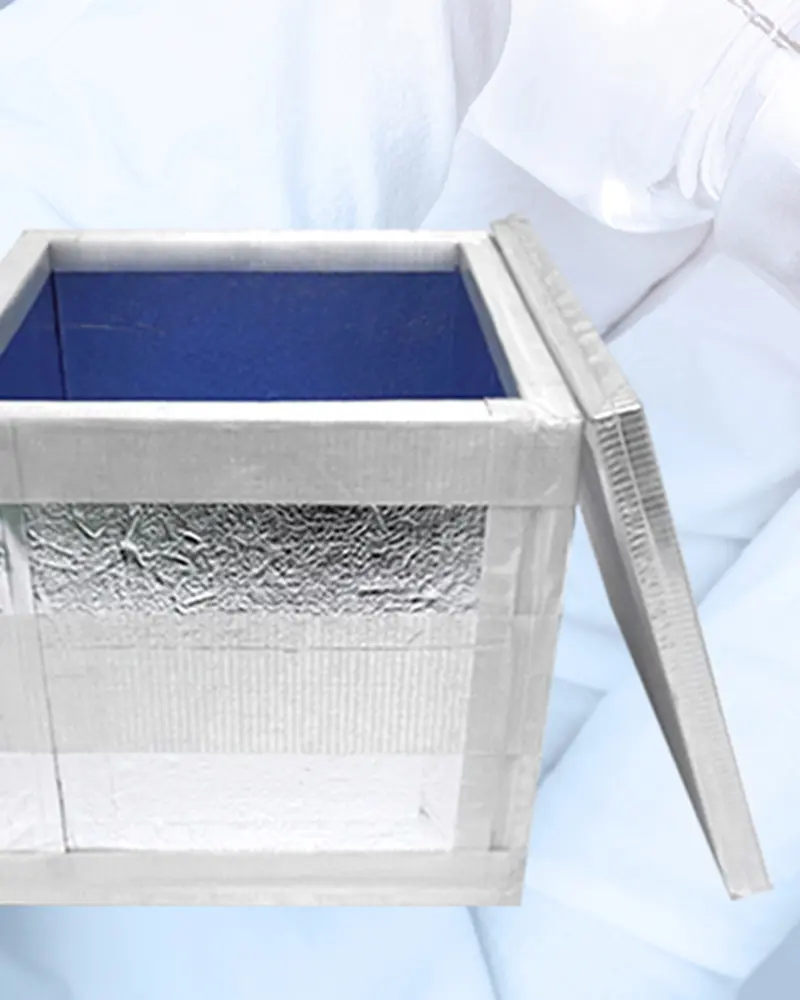
High-capacity pharmaceutical logistics box with integrated vacuum insulation panels.
Supporting sustainability goals through technical innovation and new quality productivity.
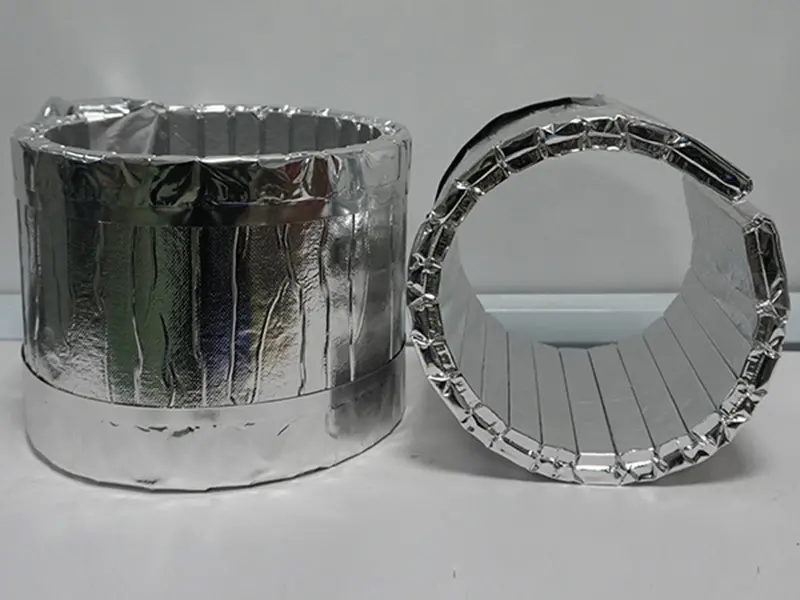
| Analyzing fire rating compliance and heat barrier efficiency in modern building shafts.
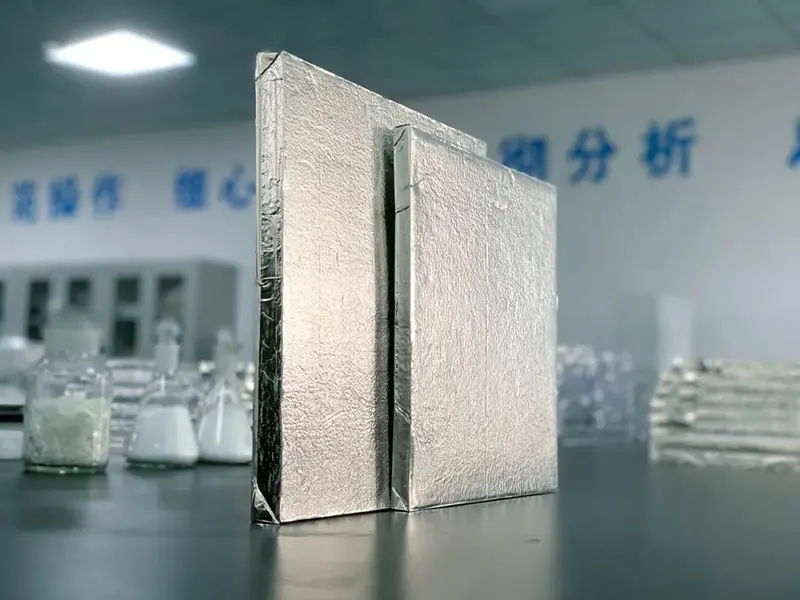
| Exhibiting next-generation fumed silica vacuum insulation panels and custom designs.
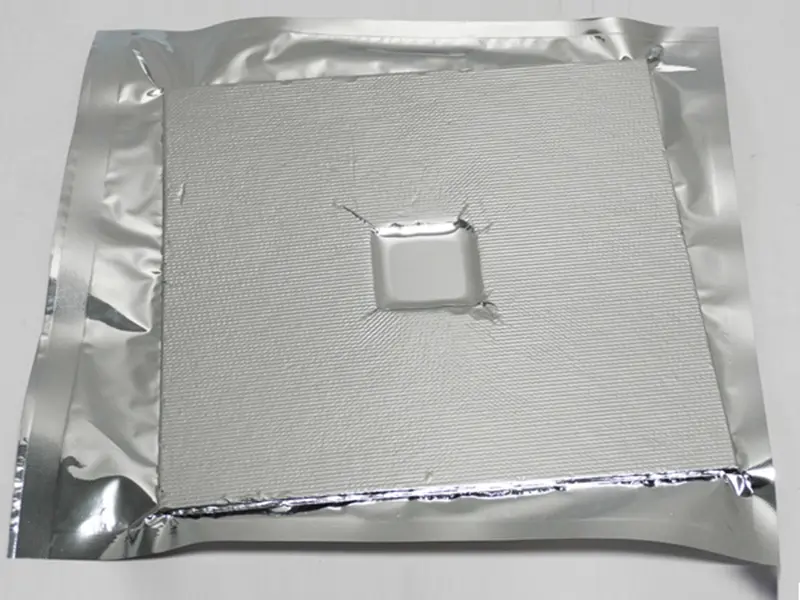
| A closer look at how microporous thermal structures reduce energy loss in high-temperature systems.
Detailed answers covering design features, performance testing, and procurement strategies.
We offer a one-stop vacuum insulation board solution. Contact us to speak with a technical engineer or request a custom price estimate.






Explore our specialty high-temperature mats and insulated wraps optimized for EV and appliance casings.