
Featured Products
Industry Whitepaper & Technical Insights
Modern commercial buildings, industrial manufacturing units, and advanced pharmaceutical laboratories demand ventilation systems that prioritize thermal efficiency, spatial economy, and absolute fire resistance. At the center of this thermal management shift is the microporous board for HVAC ducts. Utilizing nanostructured fumed silica dispersed with opacifiers to intercept infrared radiation, microporous materials represent the absolute cutting edge of commercial insulation technology.
For decades, HVAC system installations relied heavily on fiberglass blankets, elastomeric nitrile rubber foams, or mineral wool panels. While these materials are economical, their high thermal conductivity requires excessive insulation thicknesses. This limits overhead spaces in high-density commercial architecture and increases weight on structural hangers. Additionally, fibrous materials can degrade over time, leading to particle detachment and air quality issues.
In contrast, microporous insulation boards provide the following advantages:
In industrial process facilities, ducts carry high-temperature exhaust, chemical fumes, or waste heat recovery airflow. Here, duct insulation must withstand constant exposure to elevated temperatures. If insulation fails, thermal energy leaks into surrounding work environments, increasing HVAC cooling loads and putting personnel at risk. Microporous boards provide safe continuous operations at temperatures exceeding 1000°C, making them suitable for extreme ventilation ducts, heat exchangers, and thermal storage integration.
Typical thermal conductivity at 200°C (W/m·K)
All our thermal products strictly comply with international building and safety standards:
Strategic Advantage
Sourcing cheap microporous boards for HVAC ducts does not mean compromising quality. In China’s advanced manufacturing sectors, "cheap" refers to the optimization of supply chains and economies of scale. Major production hubs leverage localized material flows and vertically integrated fabrication networks to lower costs without sacrificing thermal performance or material safety.
By placing production bases near major mineral reserves and chemical processing zones (such as Sichuan Province), manufacturers minimize long-distance transport costs for raw fumed silica and opacifier compounds.
High-tonnage continuous dry-pressing machinery and precision CNC routing equipment ensure dimensional stability and minimize material scrap, reducing unit processing costs.
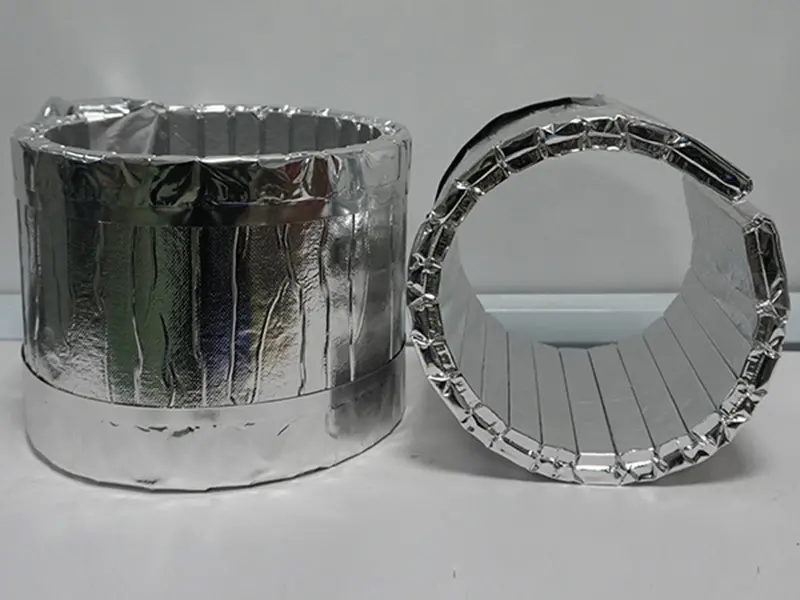
Chinese engineers specialize in producing non-standard, custom-molded, or flexible segment shapes tailored to complex duct runs and elbows, avoiding expensive post-installation trimming.
Tailored Fabrication
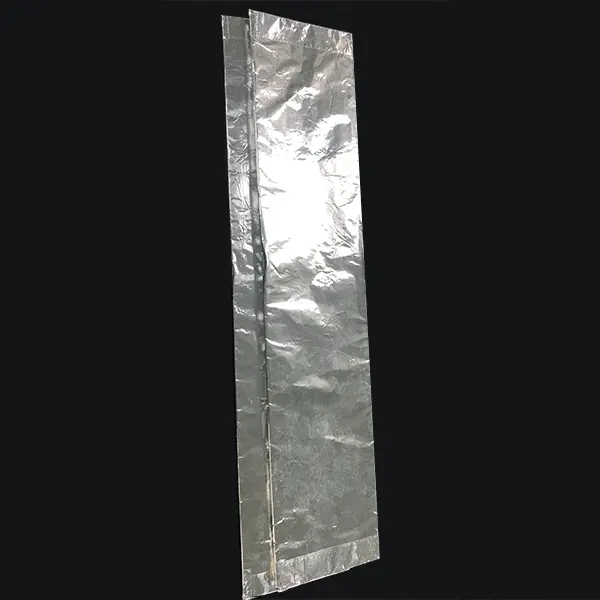
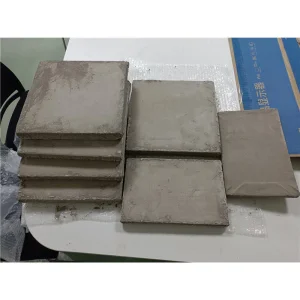
Product Details: Size: Customized Thickness: 5-...
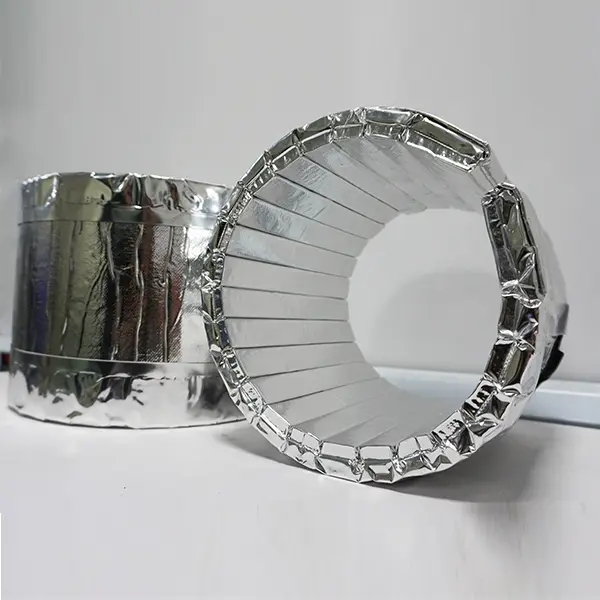
Product Details: Size: Customized Thickness: 5...
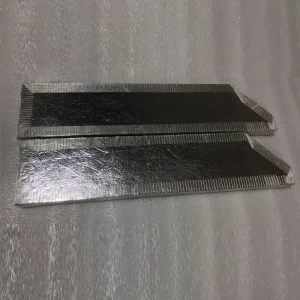
Our elevator fireproof door high temperature na...
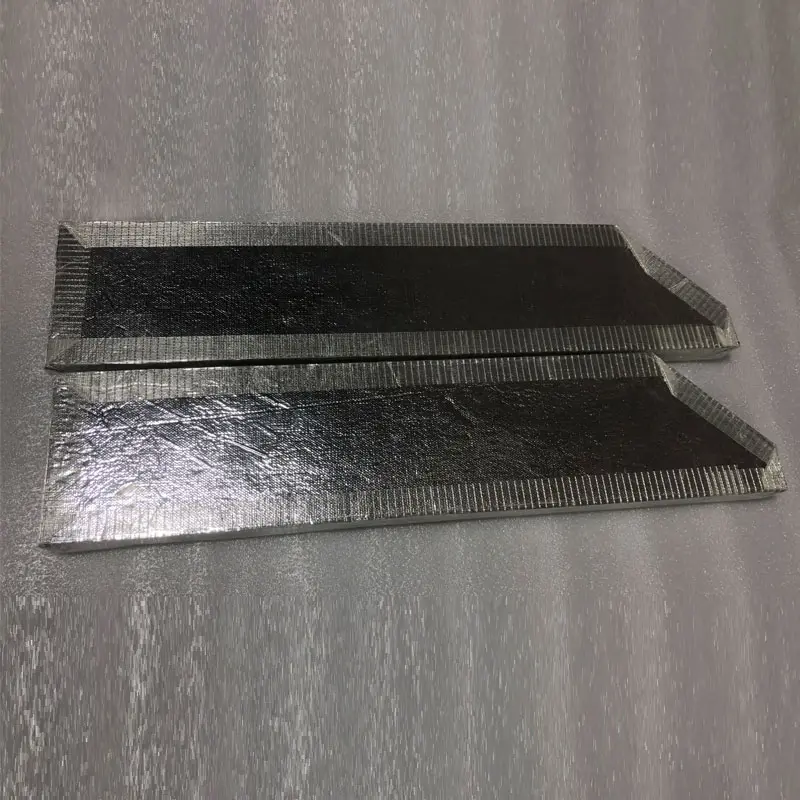
Product Features Product Details T...
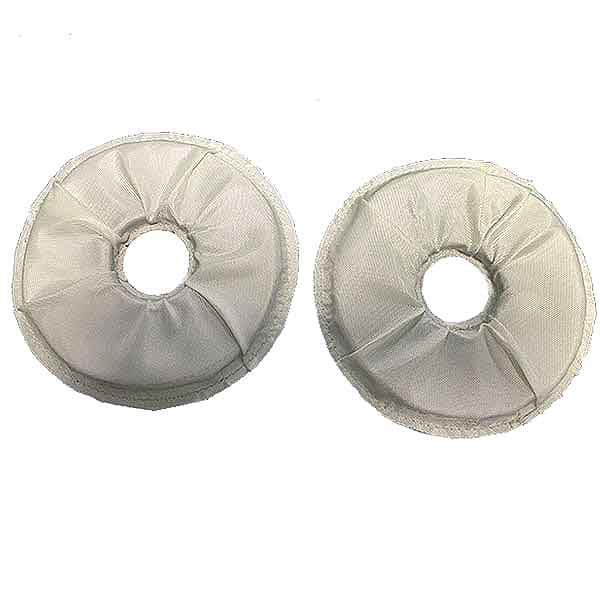
Product Specification Product Features Custom R...
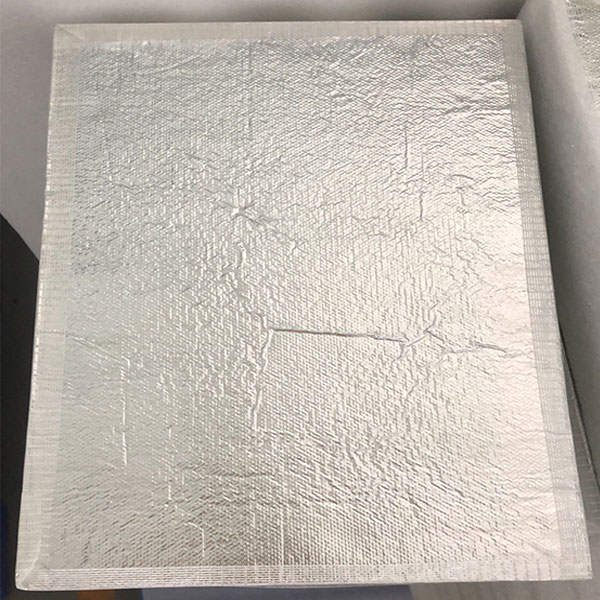
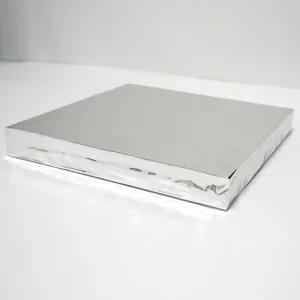
Product Features Size Details Zerothermo vacuu...
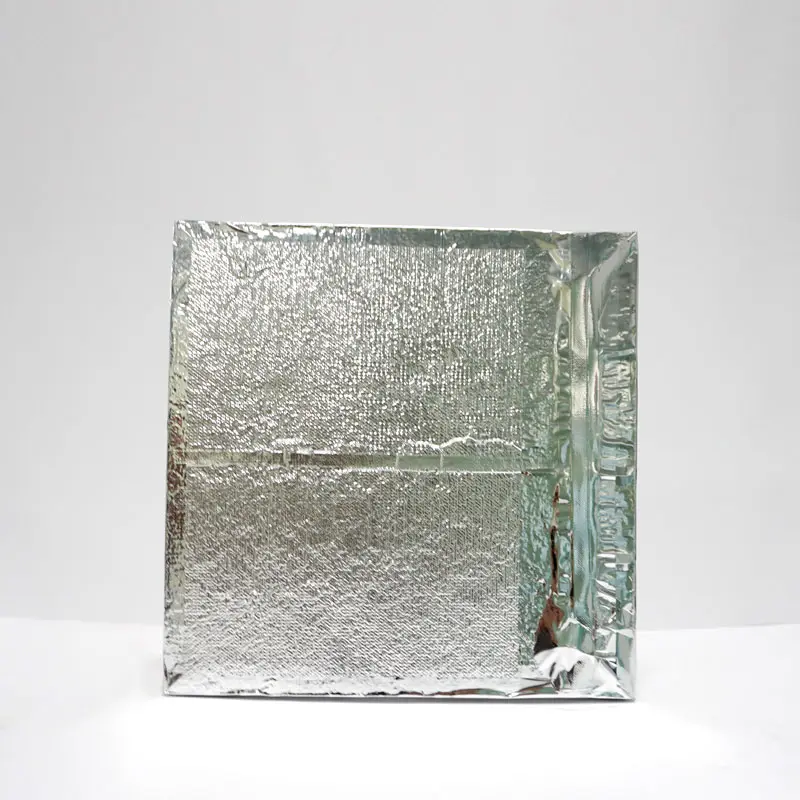
Product Features Vacuum insulation Pan...
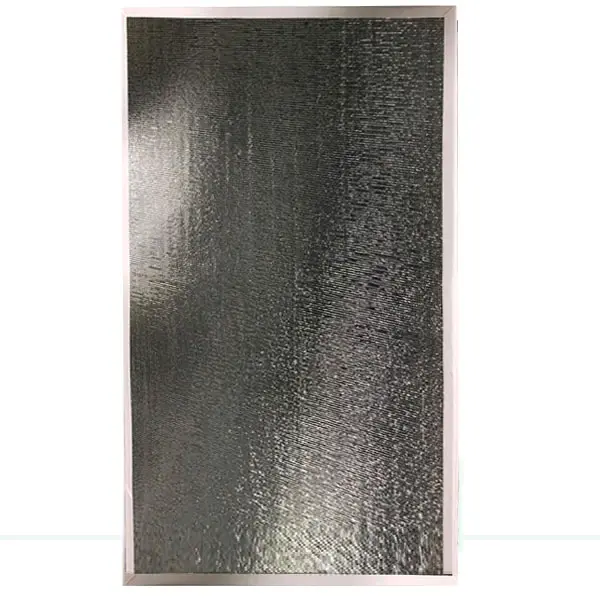
Product Features Product Specification Size ...
ABOUT US
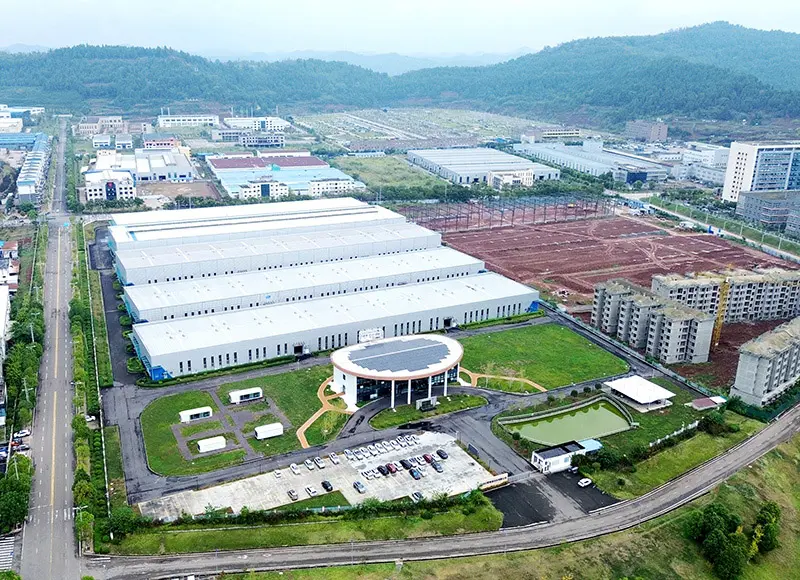
Zerothermo Technology Co., Ltd., a subsidiary of CBVAC Group and a national high-tech enterprise, is headquartered in the Beijing Economic-Technological Development Area with its production base located in Nanchong City, Sichuan Province. This facility stands as one of China’s largest comprehensive production centers for vacuum technology application products.

Special sizes (beyond the range of ANSI/ASME/DIN and other standards) are produced according to customers' drawings or technical parameters.

Square, oval or other special shaped flanges. - Oversize/small diameter: such as diameter over 60 inches or micro precision flanges.

Special sizes (beyond the range of ANSI/ASME/DIN and other standards) are produced according to customers' drawings or technical parameters.



solutions
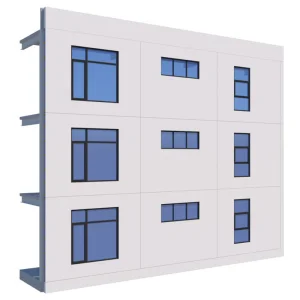
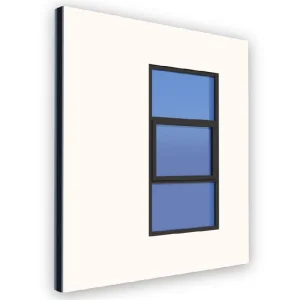
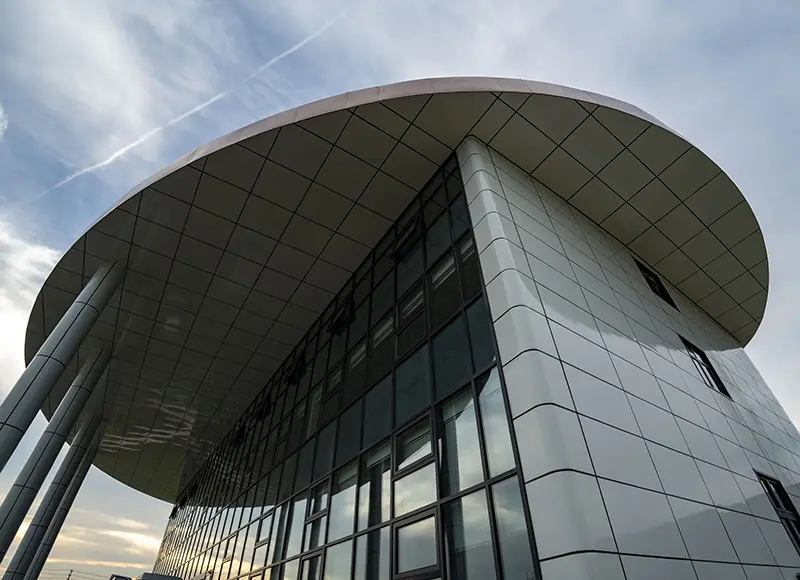
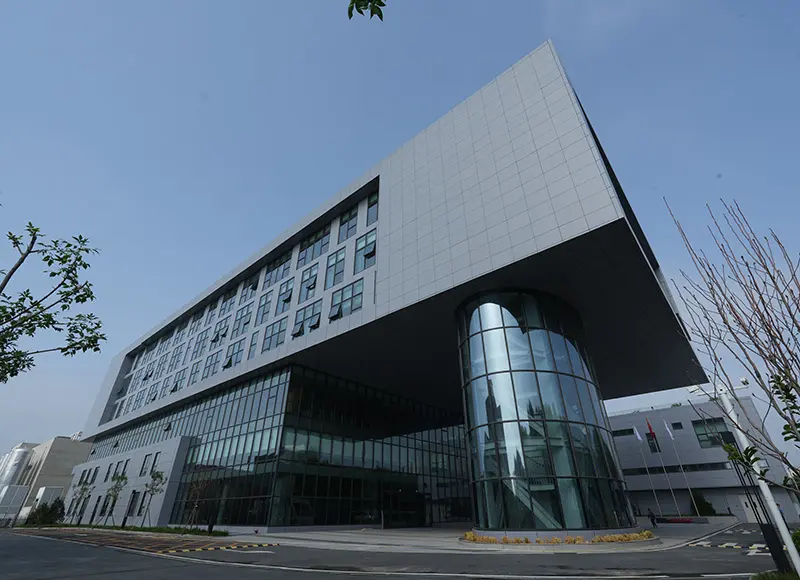
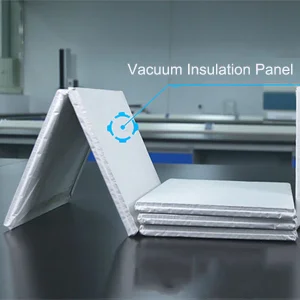
Providing high-efficiency thermal insulation solutions for building envelope systems through innovative products such as vacuum insulation panels and vacuum insulated glass, empowering the construction sector to reduce carbon emissions and achieve carbon neutrality.
Providing high-efficiency thermal insulation solutions for building envelope systems through innovative products such as vacuum insulation panels and vacuum insulated glass, empowering the construction sector to reduce carbon emissions and achieve carbon neutrality.
Providing high-efficiency thermal insulation solutions for building envelope systems through innovative products such as vacuum insulation panels and vacuum insulated glass, empowering the construction sector to reduce carbon emissions and achieve carbon neutrality.
Providing high-efficiency thermal insulation solutions for building envelope systems through innovative products such as vacuum insulation panels and vacuum insulated glass, empowering the construction sector to reduce carbon emissions and achieve carbon neutrality.


Market Developments
The international building market is undergoing a decarbonization phase driven by strict government energy-efficiency directives. As a result, engineering consultancies and HVAC system installers are redesigning thermal containment barriers.
Regulating heating and cooling energy usage requires minimizing duct thermal losses. Applying thin microporous linings within HVAC duct plenums allows buildings to achieve low thermal transfer rates without altering outer duct sizing or structural support designs.
Urban building retrofits often feature tight ceiling voids. Thick traditional insulation can make fitting new ventilation ducts difficult. Microporous boards provide high thermal resistance in a compact profile, resolving space limitations in legacy structure modernization projects.
In microelectronics and biological cleanrooms, air ducting must remain free of dust particles and fibers. Wrapping or lining ducts with enclosed or surface-sealed microporous boards prevents mineral fibers from entering the air stream, protecting sensitive work environments.
Case Studies
Frequently Asked Questions
Our microporous boards feature a low thermal conductivity of approximately 0.018 W/m·K to 0.024 W/m·K at room temperature, which is significantly lower than mineral wool or polyurethane panels. This performance remains consistent even at elevated operating temperatures.
Yes. Made of fumed silica and inorganic opacifiers, our microporous boards are rated Class A1 non-combustible under DIN EN 13501-1 and standard ASTM testing. They do not catch fire, emit toxic fumes, or generate thick smoke during fire incidents.
Yes, we specialize in custom fabrication. Using 5-axis CNC machining, we cut round segments, elbow wraps, and specific geometric panels tailored to complex architectural specifications, helping reduce on-site cutting and waste.
Located in Nanchong City, Sichuan Province, our production base has direct access to regional fumed silica suppliers. This proximity helps lower shipping costs and secures a steady supply of high-grade raw materials.
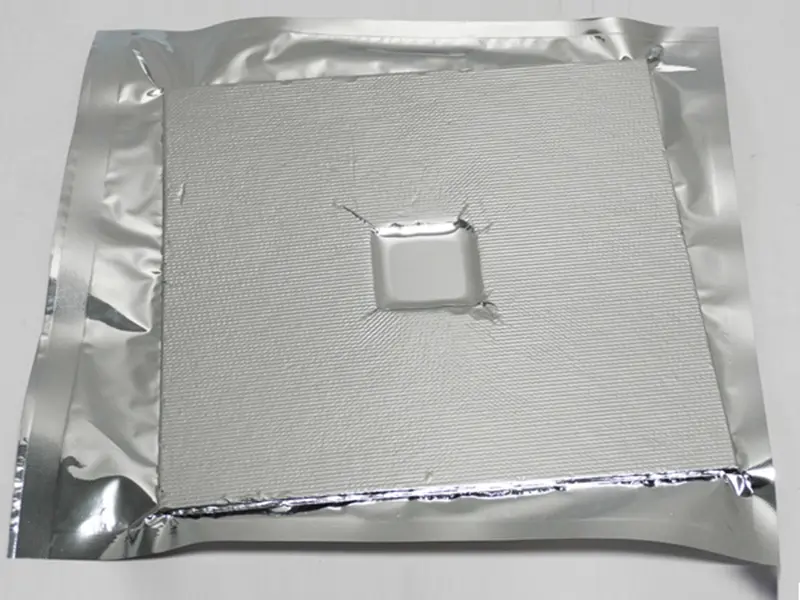
Vacuum Insulation Panels (VIPs) are vacuum-sealed inside a barrier film, achieving very low thermal conductivity (around 0.005 W/m·K). However, they cannot be cut or modified on-site. Microporous boards operate at normal atmospheric pressure, allowing them to be cut or shaped while maintaining solid thermal performance and fire resistance up to 1000°C.
Our Technology
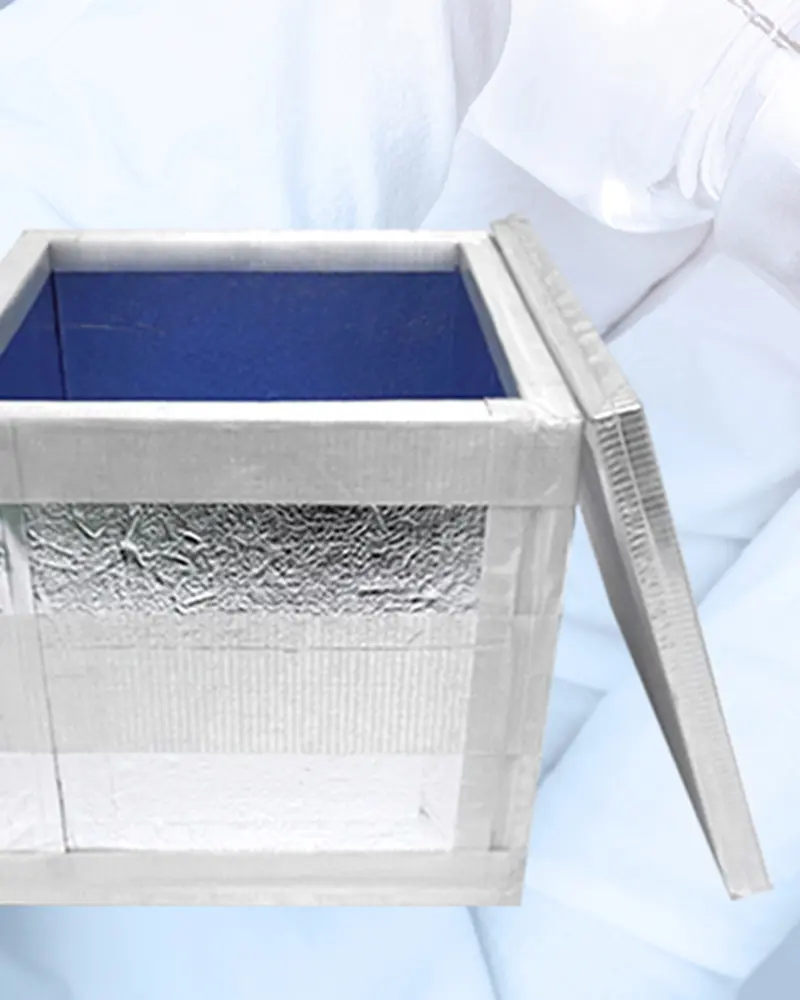
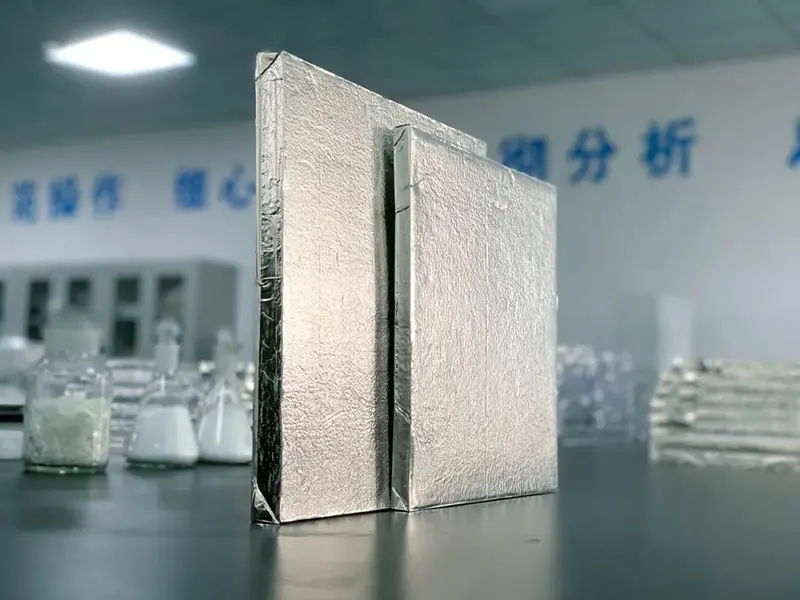
We offer a one-stop vacuum insulation board solution. Contact us for a solution


Procurement Range






 +8615892792306