

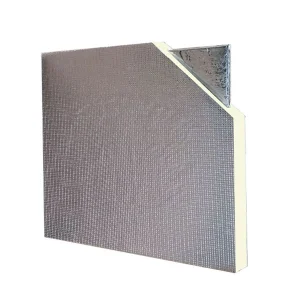
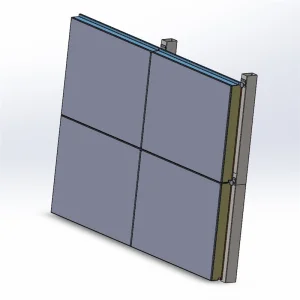
In modern industrial applications, the quest for highly efficient insulation materials has placed Vacuum Insulation Panels (VIPs) at the forefront of engineering specifications. A critical topic of investigation for procurement officers and thermal compliance engineers is flammability. The search term "Cheap Is VIP Flammable" represents a significant user intent: balancing industrial budget constraints against strict international fire safety regulations. As project managers seek low-cost solutions, they must evaluate the flammability profiles of different core materials, protective foils, and barrier films to avoid catastrophically compromising building codes and storage safety standards.
This whitepaper offers a comprehensive analysis of the materials utilized in modern VIP manufacturing, with a focus on fumed silica, fiberglass, and polyurethane (PU) foam. It evaluates how budget alternatives affect fire safety, examines global standards (such as EN 13501-1 and ASTM E84), and explains the core technology that allows Zerothermo Technology Co., Ltd. to provide balanced thermal performance and structural safety.
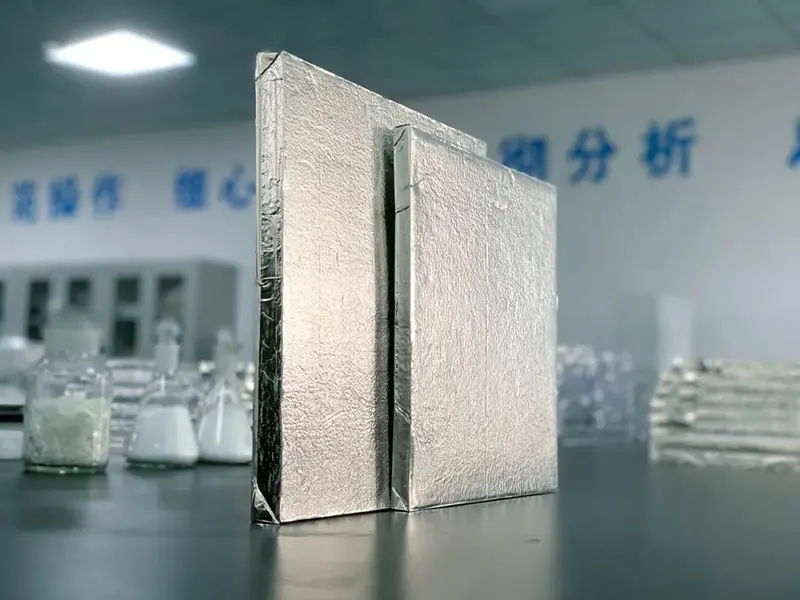
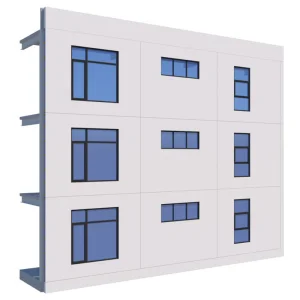
Global net-zero energy demands require high-performance building skins. VIPs offer high thermal resistance with minimal thickness, conserving usable interior space while reducing overall heating and cooling energy usage.
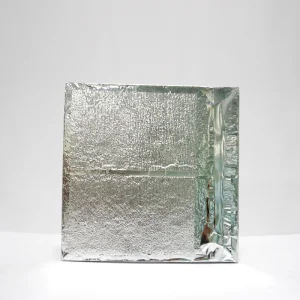
The global distribution of vaccines, biological materials, and therapeutics demands precise temperature maintenance. Fumed silica VIPs provide up to 10 times the insulation of traditional materials, ensuring cargo safety during long-transit shipping.
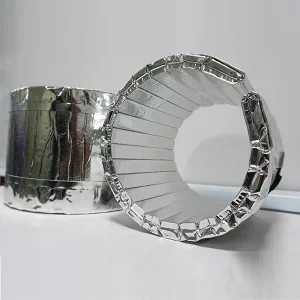
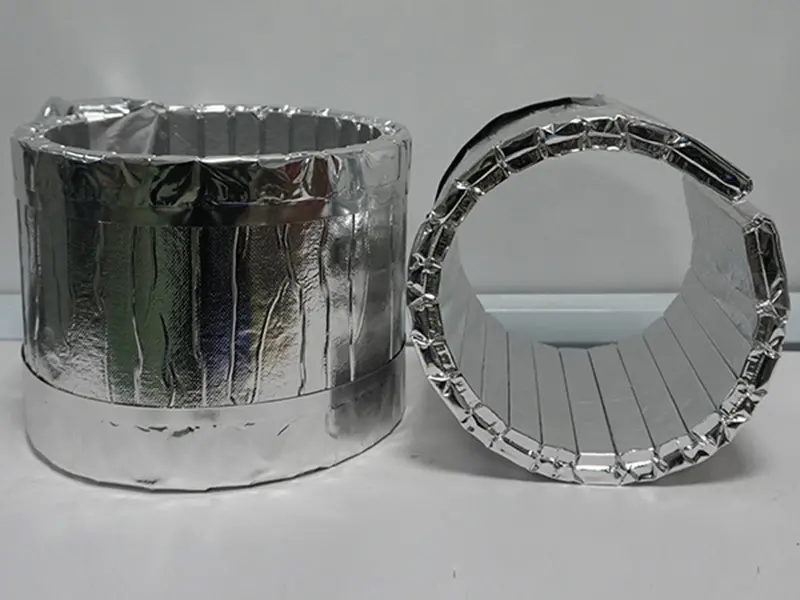
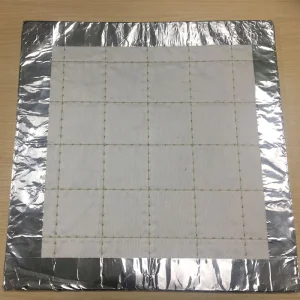
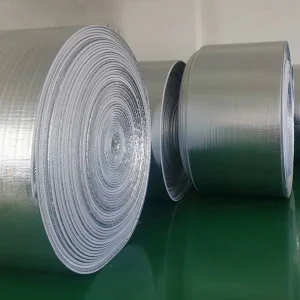
With electric vehicle adoption rising rapidly, preventing battery thermal runaway is a critical safety challenge. Flexible, microporous insulation blankets isolate cells and restrict propagation of accidental fire events.
To accurately answer whether Vacuum Insulation Panels are flammable, we must examine their constituent layers: the inner core material and the outer barrier envelope.
The core material accounts for over 95% of a VIP's volume. Its composition defines both the thermal performance and the core flammability rating:
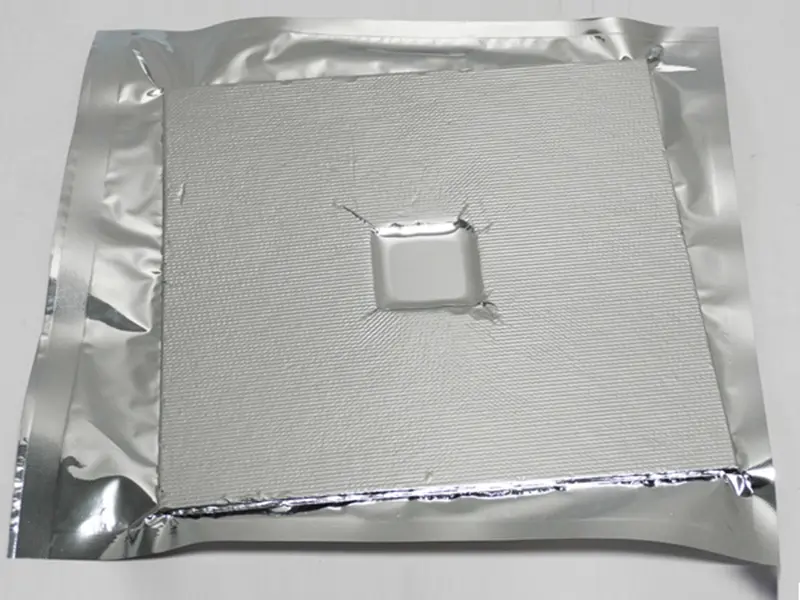
The core is encapsulated in a multi-layer metallized polymer film (typically aluminum foil laminated with PE or PET). The polymer components in these films are thin but combustible. However, because the interior is under a high vacuum, oxygen is excluded. Without oxygen inside the panel, combustion cannot occur within the core. Under external fire exposure, the outer film may char, but a high-quality fumed silica or fiberglass core remains non-combustible.
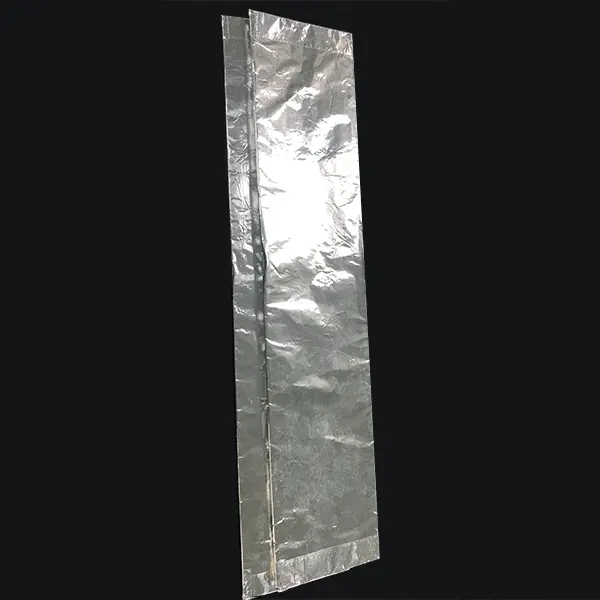
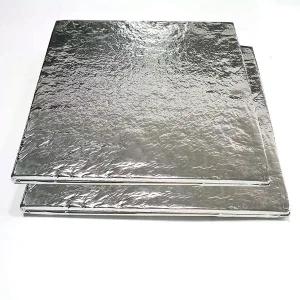
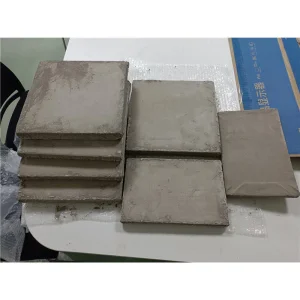
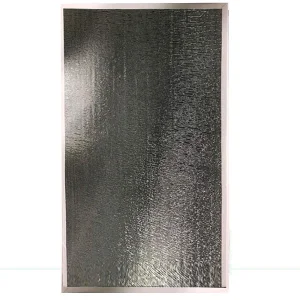
Product Details: Size: Customized Thickness: 5-...
View More +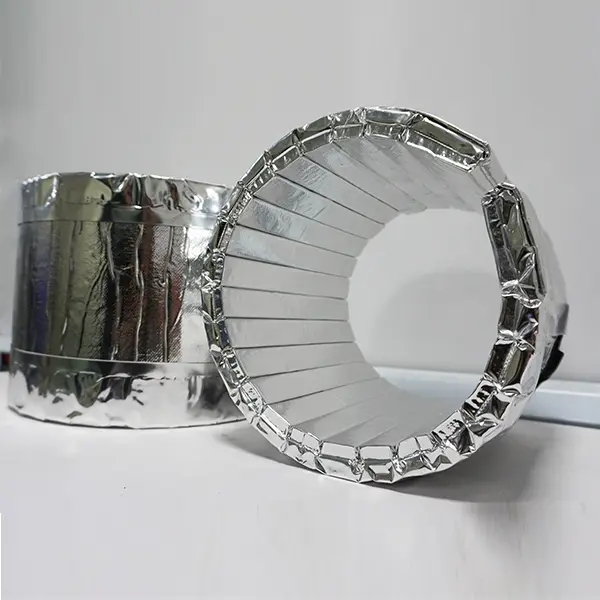
Product Details: Size: Customized Thickness: 5...
View More +
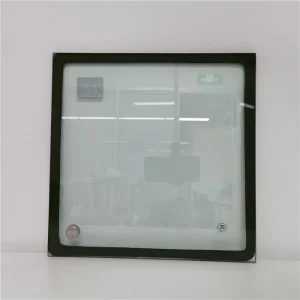
Our elevator fireproof door high temperature na...
View More +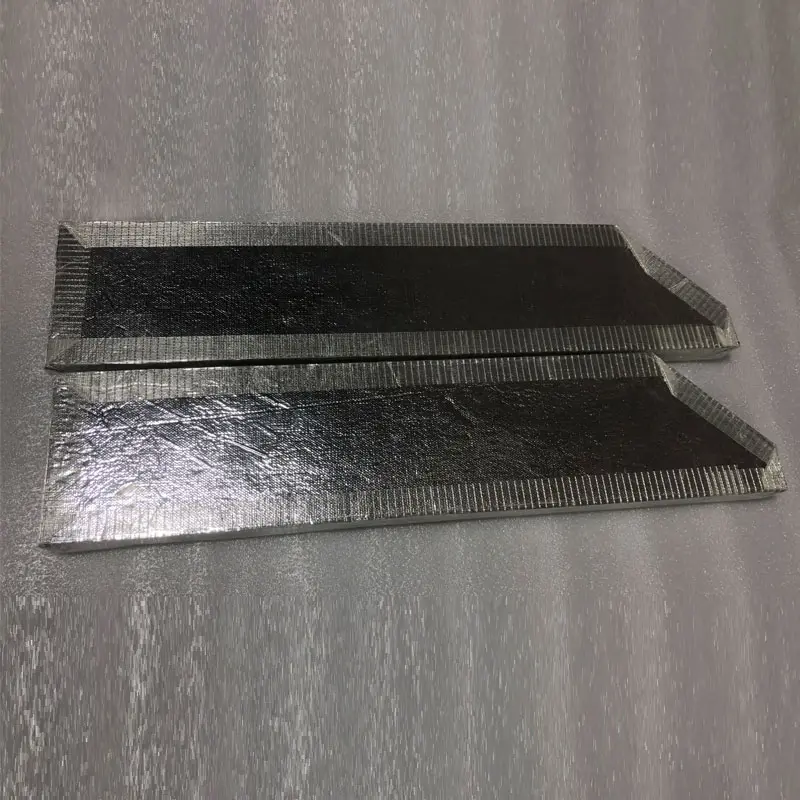
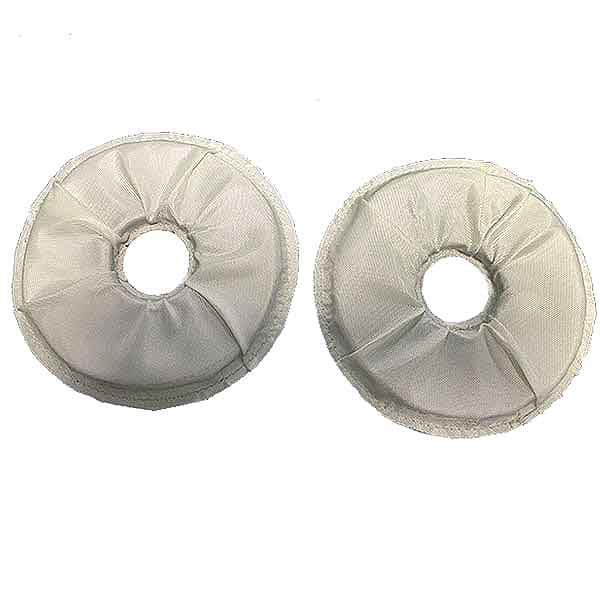
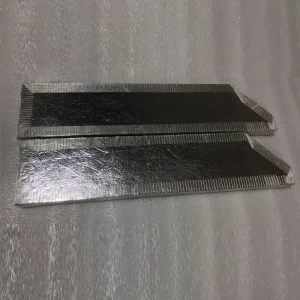
Product Specification Product Features Custom R...
View More +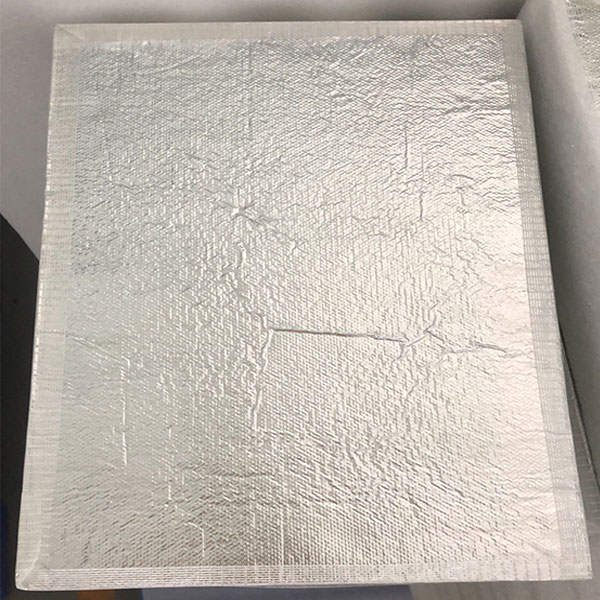
Product Features Size Details Zerothermo vacuu...
View More +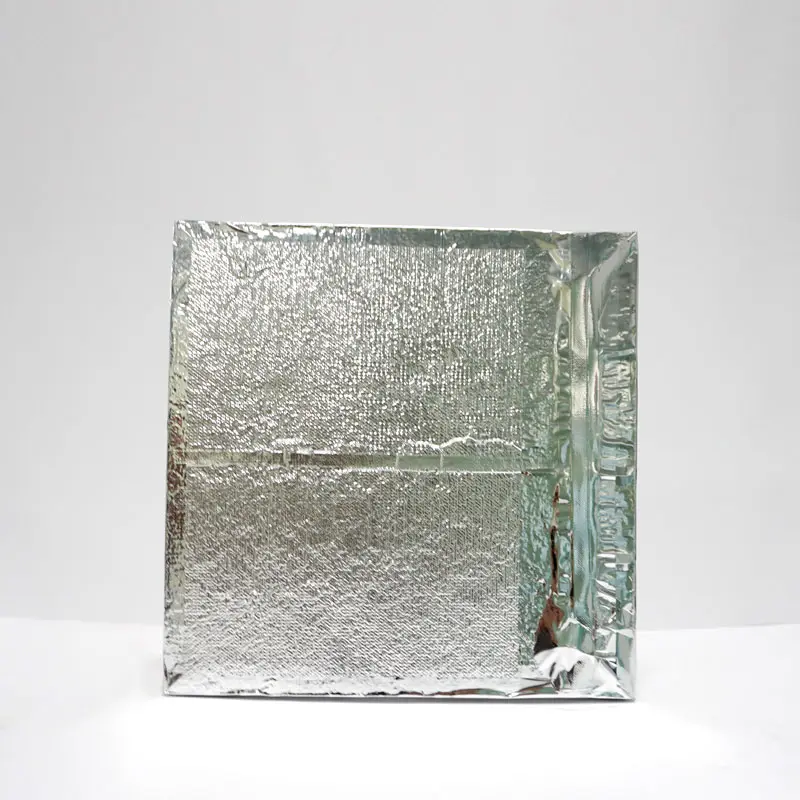
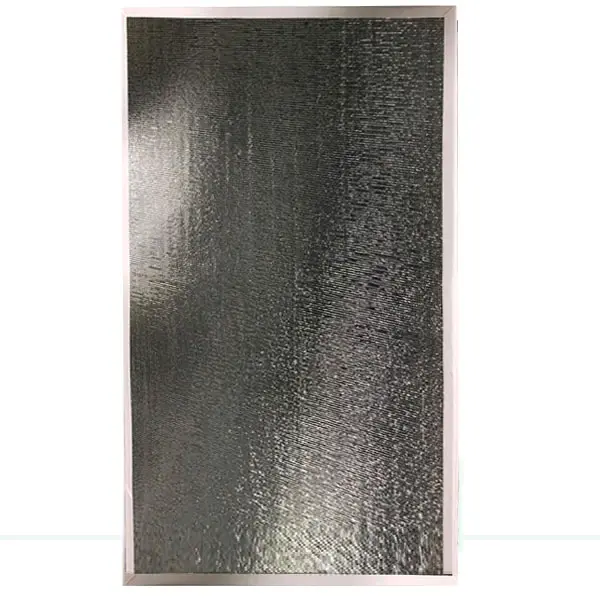
Product Features Product Specification Size ...
View More +Zerothermo Technology Co., Ltd., a subsidiary of the renowned CBVAC Group, is a national high-tech enterprise. Headquartered in the Beijing Economic-Technological Development Area, the company operates its main manufacturing base in Nanchong City, Sichuan Province. This facility stands as one of China's largest comprehensive production centers for vacuum technology application products, integrating research, testing, and automated mass production.
Drawing on the industrial foundation of the CBVAC Group, Zerothermo has developed advanced thin-film sealing processes, core materials conditioning systems, and automated testing lines. These capabilities ensure that each panel maintains its vacuum and meets thermal performance standards over decades of operation.
Navigating global building codes and material regulations requires adherence to regional testing standards. Zerothermo VIPs are designed and tested to comply with international requirements:


In response to changing international regulations and energy standards, Zerothermo is pursuing several key research directions to enhance thermal insulation and safety:
Developing composite cores that blend fumed silica with non-combustible fiber structures. This approach enhances mechanical handling and drop-impact resistance during installation while maintaining low thermal conductivity.
Researching bio-based, halogen-free, and flame-retardant outer laminates that replace traditional halogenated additives. This lowers environmental impact and minimizes smoke toxicity if a fire occurs.
Integrating miniature, non-invasive optical and radio-frequency sensors into VIPs. These sensors monitor vacuum level variations over the panel's lifespan, allowing preventative maintenance before thermal performance drops.
Using advanced laser welding to replace heat-seal adhesives on VIP margins. This improves the integrity of the barrier film, extends the panel's operating life, and reduces heat leakage at the joints.

Industrial thermal envelope solutions utilizing low-temperature cold chain and special shaped fumed silica panels.

High-efficiency temperature-controlled packaging integration utilizing vacuum-insulated modular frameworks.
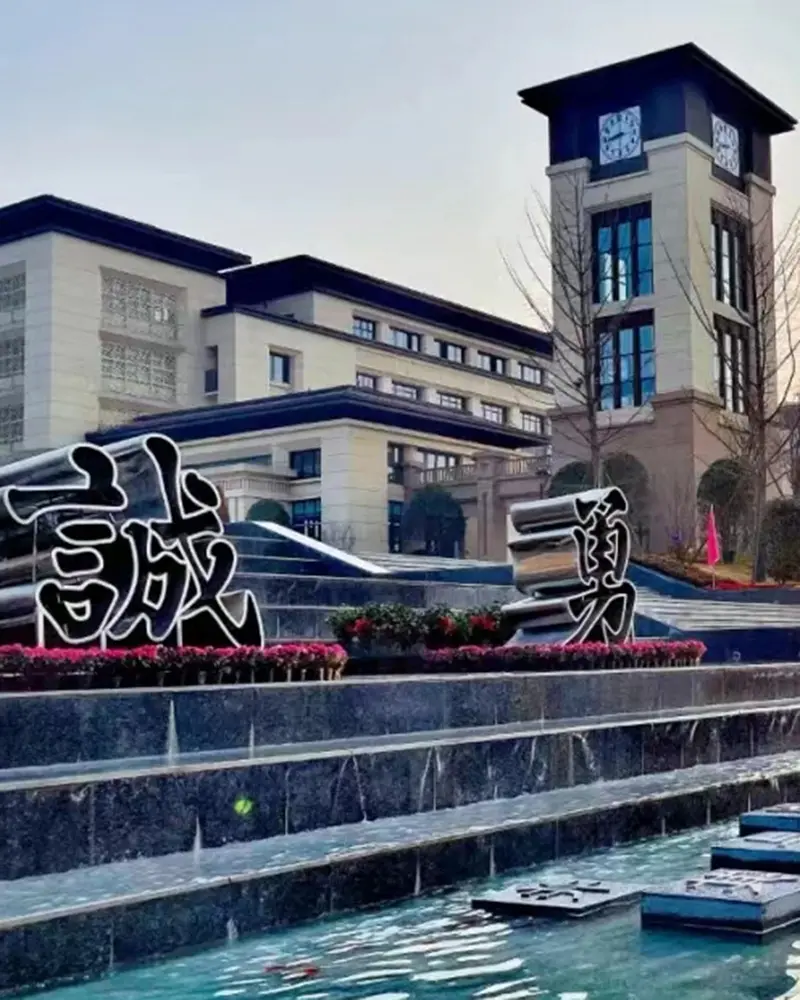
Eco-friendly structural application of modular insulation decoration panels for exterior walls, meeting Class A fire codes.
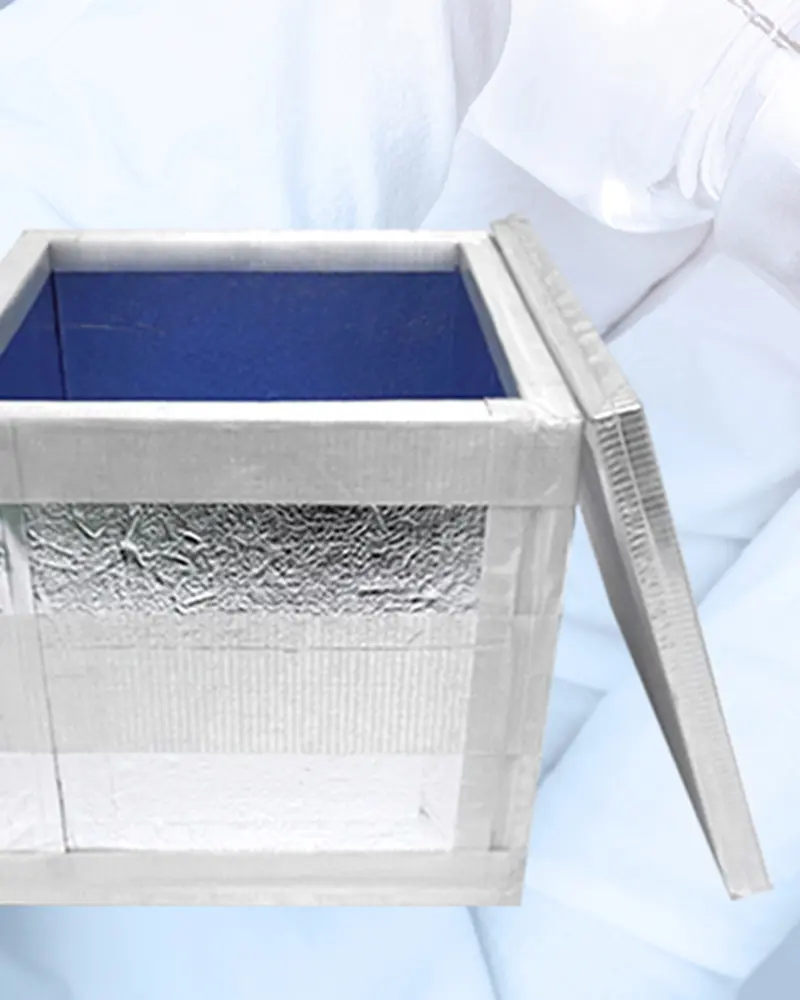
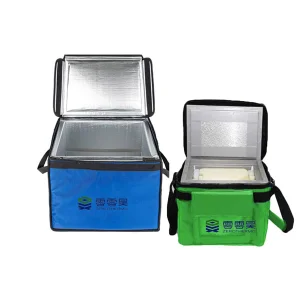
Providing high-efficiency vaccine transport boxes using fumed silica VIPs to maintain temperature control during distribution.

We offer comprehensive, custom thermal insulation solutions. Contact our engineering team for inquiries regarding fire safety specifications, material parameters, and project pricing.



 +8615892792306