As global carbon-neutral mandates intensify and energy supply costs escalate, corporate buyers, architects, and industrial equipment engineers are reassessing the core metrics of their thermal protection systems. Standard polyurethane (PU), mineral wool, and expanded polystyrene (EPS) materials no longer satisfy advanced requirements for space utilization, extreme thermal efficiency, and environmental compliance. Today's commercial space demands specialized insulation solutions that boast ultra-low thermal conductivity while retaining structural safety and durability under fluctuating temperatures. This guide covers the engineering parameters, procurement guidelines, and production efficiencies that define high-performing insulation sheets—particularly vacuum insulation panels (VIPs) and nano-microporous blankets.
Modern commercial and industrial sectors operate under strict environmental and regulatory oversight. In Europe, the Energy Performance of Buildings Directive (EPBD) has pushed the boundaries of insulation thickness requirements, making space saving a high-revenue priority for property developers. In North America, pharmaceutical shipping regulations (such as FDA and GDP mandates for biological drugs and vaccines) require precise temperature control profiles, forcing cold-chain transport networks to move away from bulky EPS boxes toward vacuum-insulated containers.
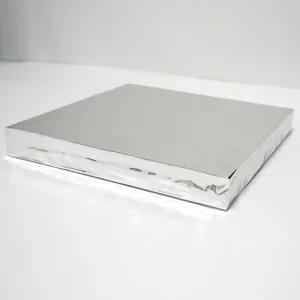
Simultaneously, the global shift toward New Energy Vehicles (NEVs) has created a vital thermal safety niche. EV batteries require robust, ultra-thin insulation barriers to manage thermal runaways between adjacent battery packs, operating in space constraints of only a few millimeters. This has driven the mass adoption of custom ceramic-fiber based nano-microporous blankets and thin-core VIP panels. By reducing thermal conductivity to values as low as 0.004 W/(m·K)—which is roughly five to ten times lower than conventional PU foam or glass fiber wool—VIP systems allow operators to minimize wall thickness by up to 80% while retaining the equivalent R-value. This directly translates to more payload volume in transport containers, lower structural profiles in architectural systems, and increased passenger space inside vehicles.
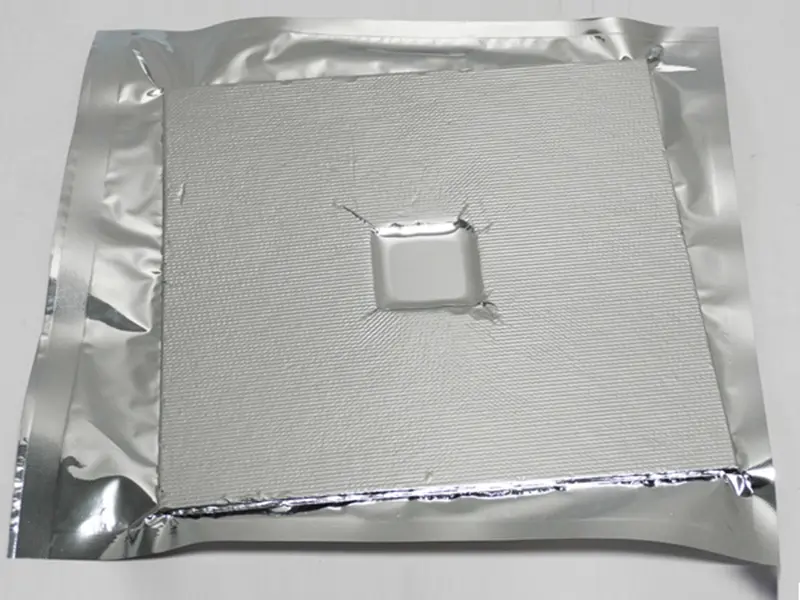
Traditional insulating materials function by trapping ambient air molecules within cellular or fibrous structures. However, thermal conduction still occurs via the collision of gas molecules. VIPs work by evacuating this trapped gas, lowering the pressure inside the core material below the critical Knudsen threshold. In this vacuum state, the mean free path of any remaining gas molecules exceeds the pore size of the core matrix (typically fumed silica or micro-fiber glass), effectively eliminating gas phase conduction. This leaves only weak solid-skeleton conduction, resulting in unmatched insulating efficiency.
China has established itself as the global hub for vacuum insulation production, driven by strong supply chains, advanced automation, and massive industrial capacity. Our primary production base, located in Nanchong City, Sichuan Province, is a key hub for vacuum-technology application products. Operated under Zerothermo Technology Co., Ltd. (a subsidiary of the prestigious CBVAC Group), the facility integrates research, development, and mass manufacturing into a unified workflow.
Operating a major manufacturing plant in China yields distinct cost and efficiency advantages for global buyers:
| Insulation Type | Thermal Conductivity (W/m·K) | Required Thickness (for R-30 Rating) | Flammability Rating | Typical Lifespan (Years) |
|---|---|---|---|---|
| Fumed Silica VIP | 0.004 - 0.006 | ~20 - 30 mm | Class A (Non-combustible) | 25 - 50 Years |
| Fiberglass Core VIP | 0.002 - 0.004 (initial) | ~15 - 20 mm | Class A | 15 - 20 Years |
| PU Foam / PIR Board | 0.022 - 0.028 | ~120 - 150 mm | Class B1/B2 (Combustible) | 10 - 15 Years |
| Rockwool / Mineral Fiber | 0.035 - 0.040 | ~180 - 220 mm | Class A | 20 - 30 Years |
The versatility of our insulated sheets enables tailored solutions across multiple industries:
When requesting quotes for vacuum insulation panels or nano-microporous sheets, procurement managers should specify key parameters to prevent performance failures:
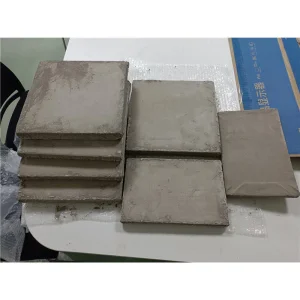
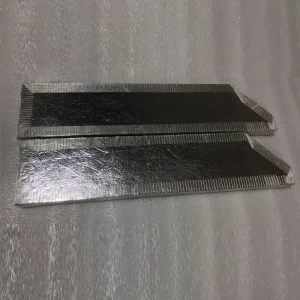
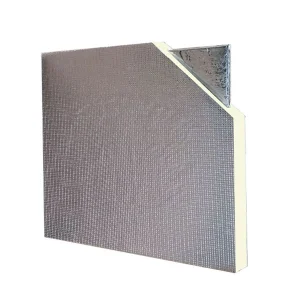
Product Details: Size: Customized. Thickness: 5-30mm. Optimized for high thermal runaway suppression and tight battery packs envelope integrations.
View More +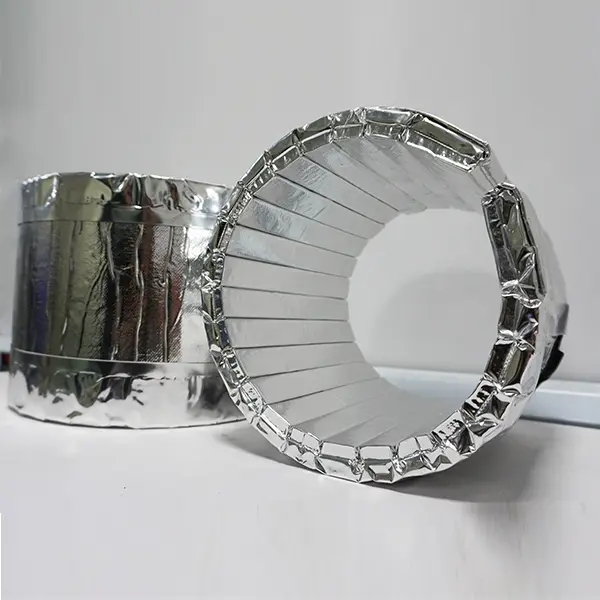
Product Details: Size: Customized. Thickness: 5-30mm. High structural stability for water heater tanks and industrial thermal apparatus.
View More +
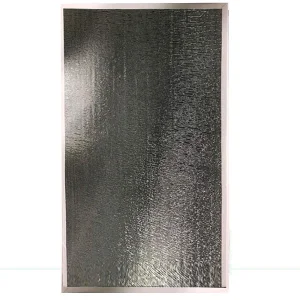
Our elevator fireproof door high temperature nano microporous sheets provide excellent fire rating and low thermal conductivity in narrow frames.
View More +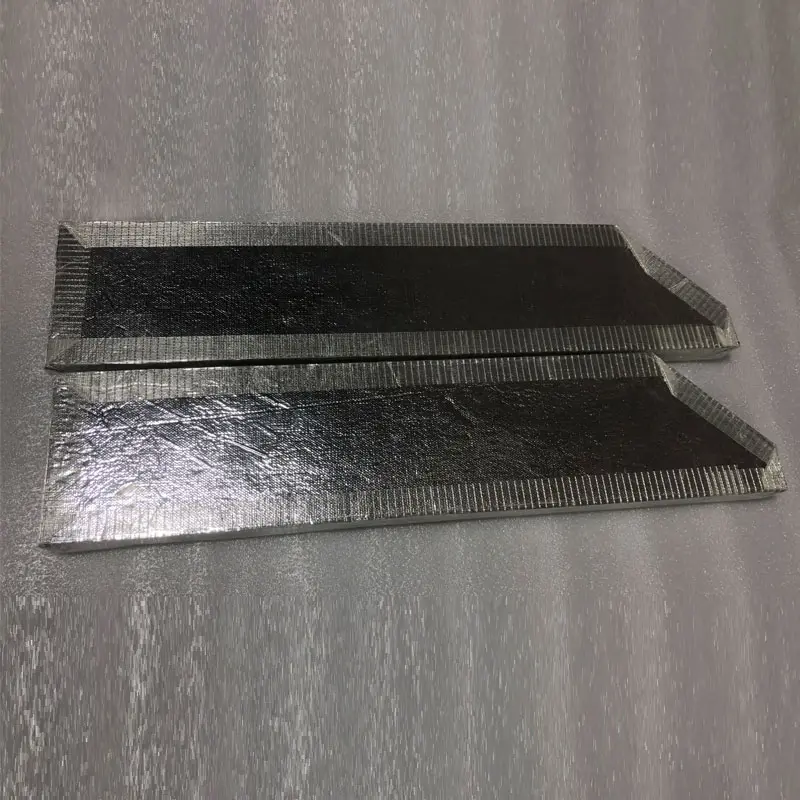
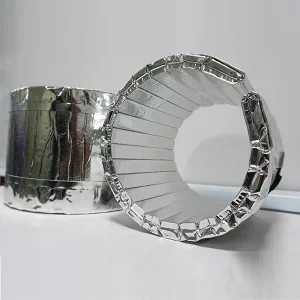
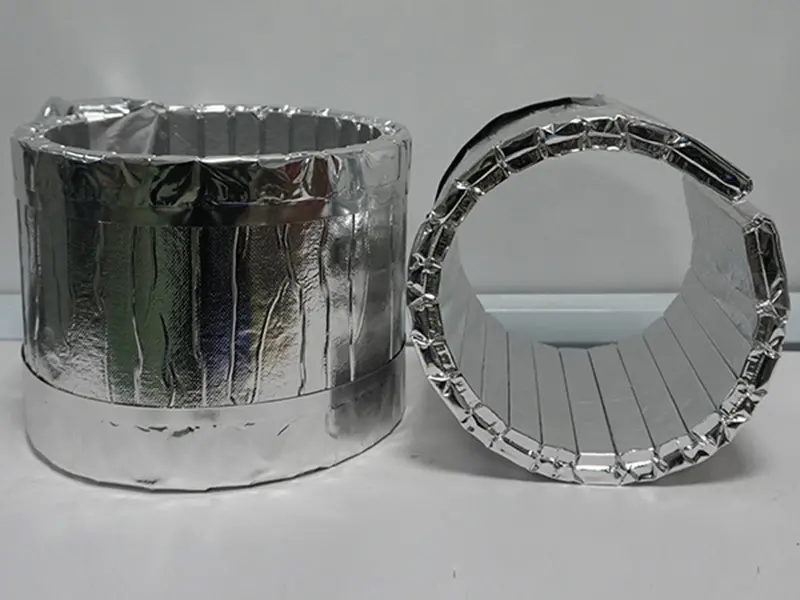
Custom non-flat and complex geometry vacuum insulation panels designed for circular pipe structures and irregular cooler box layouts.
View More +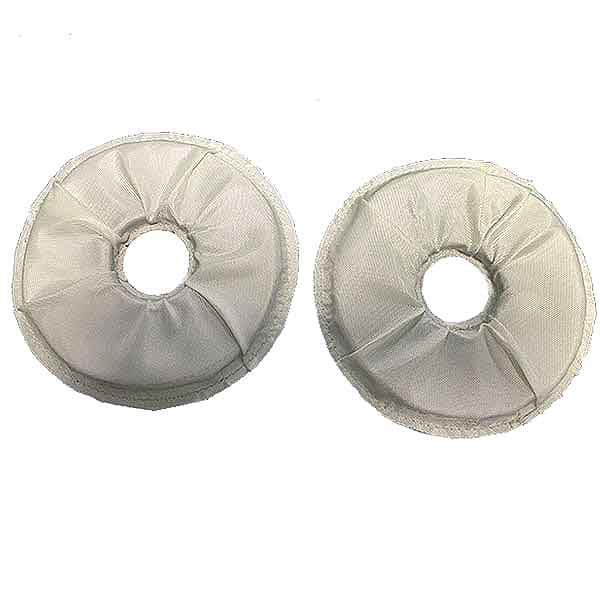
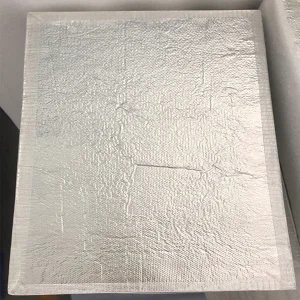
Flexible nano-microporous blankets designed for curved pipes, chemical reactor lines, and exhaust gas recirculation systems.
View More +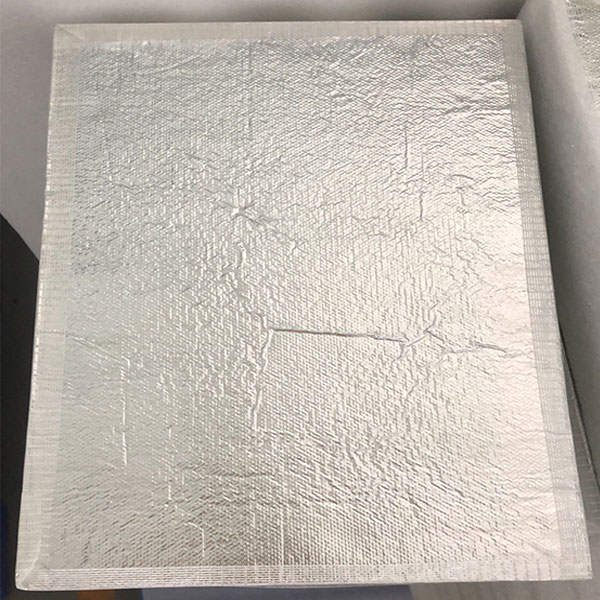
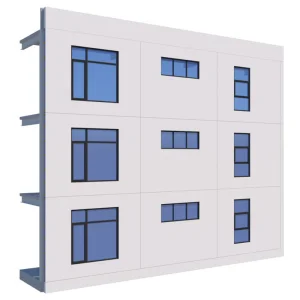
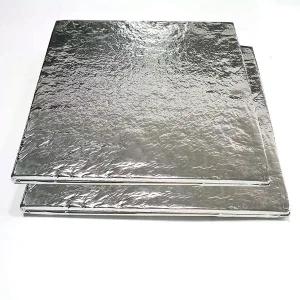
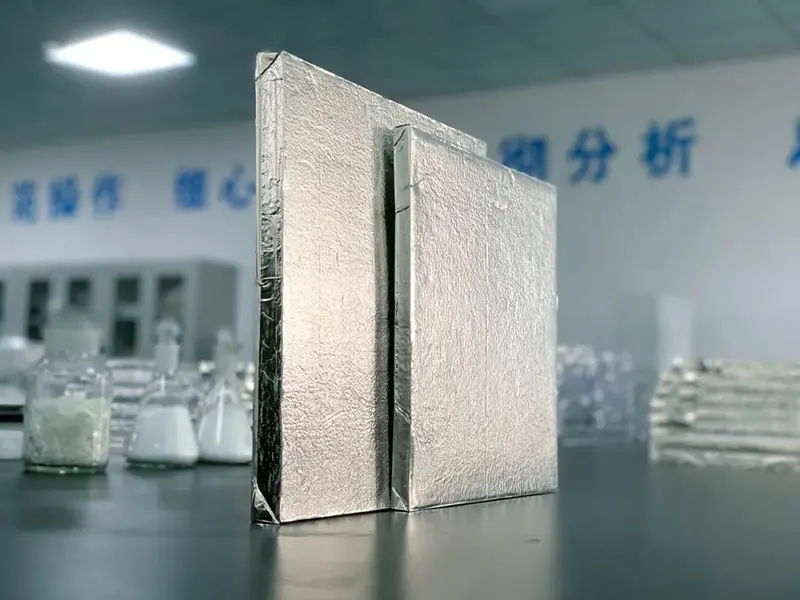
High barrier PET foil panels ensuring zero degradation over long architectural cycles. Outstanding insulation parameters.
View More +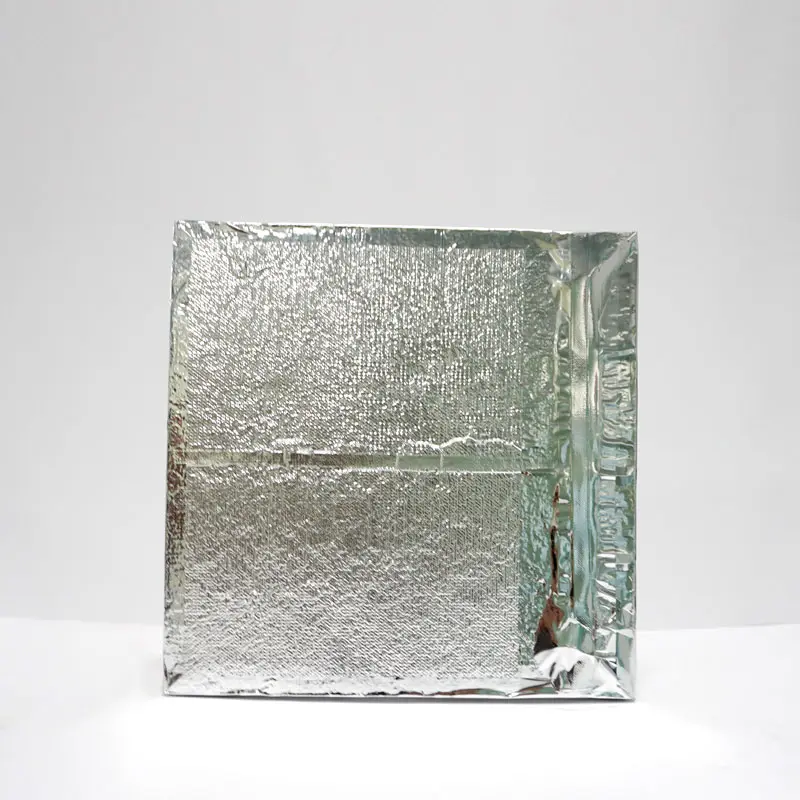
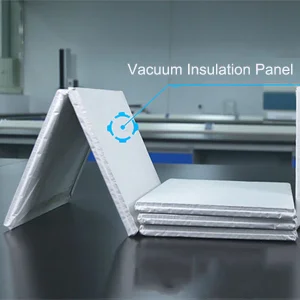
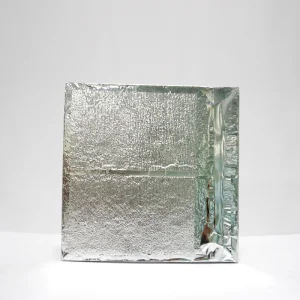
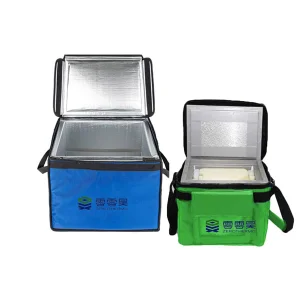
Providing thermal protection panels for vaccine carriers, biological products, and perishables. Tested to withstand cold logistics environments.
View More +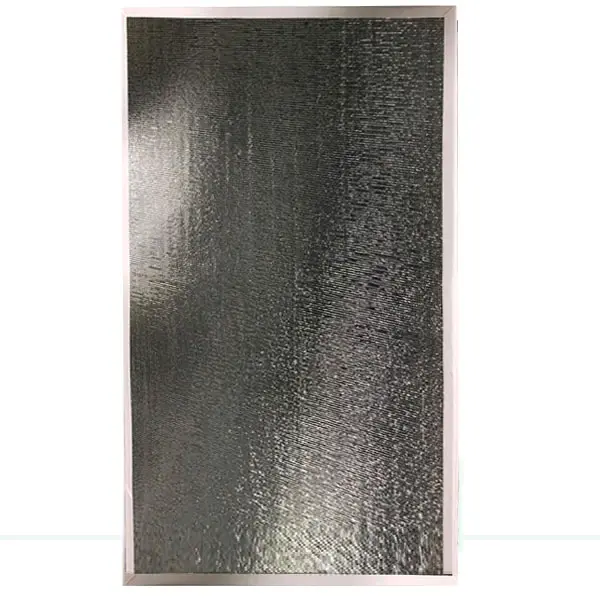
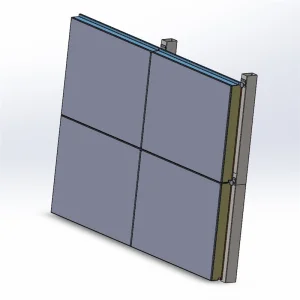
Large dimension VIP panels ideal for freight containers, reefers, and prefabricated construction modules. Excellent edge seal reliability.
View More +Zerothermo Technology Co., Ltd., a subsidiary of CBVAC Group and a national high-tech enterprise, is headquartered in the Beijing Economic-Technological Development Area. Our primary production base, located in Nanchong City, Sichuan Province, stands as one of China’s largest and most advanced production centers for vacuum technology application products.
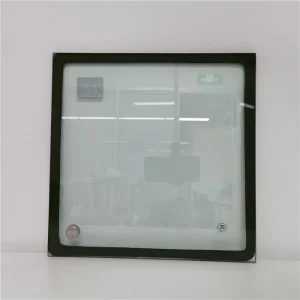
Leveraging deep industrial experience in vacuum metallurgy, seal engineering, and thermal physics, Zerothermo has developed a comprehensive product line that spans vacuum insulation panels (VIPs), vacuum insulated glass (VIG), and ultra-high-temperature nano-microporous blankets. We pride ourselves on helping global enterprises optimize their energy profiles and achieve strict carbon neutrality targets.

Special sizes (beyond the range of ANSI/ASME/DIN and other standards) are produced according to customers' drawings or technical parameters.

Square, oval or other special shaped flanges. - Oversize/small diameter: such as diameter over 60 inches or micro precision flanges.

Special sizes (beyond the range of ANSI/ASME/DIN and other standards) are produced according to customers' drawings or technical parameters.

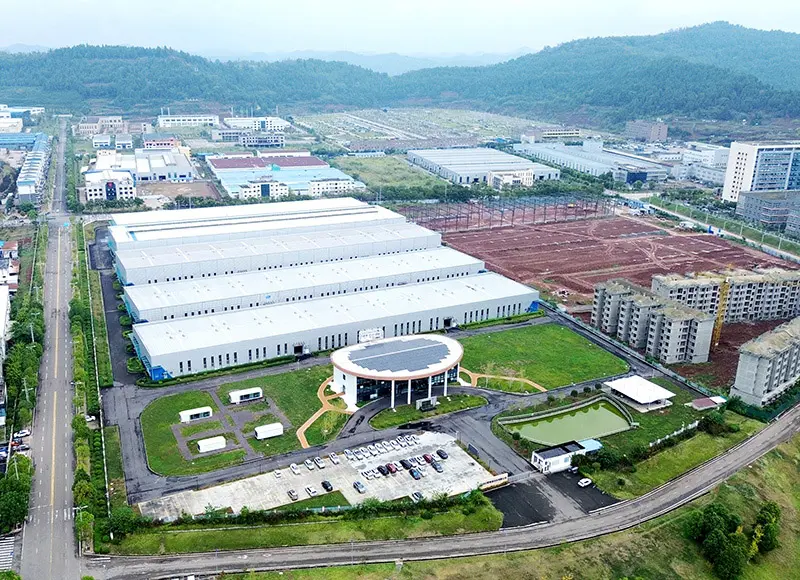




Every vacuum insulated panel conforms to strict quality tests and holds international certifications. Consistent thermal performance is verified before dispatch.

From complex CAD designs to curved shapes, our engineers deliver custom specifications for pharmaceutical, architectural, and aerospace clients quickly.

Our expansive production lines scale easily to support large commercial real estate builds and long-term EV manufacturer component schedules.

Strategic logistics partnerships ensure safe ocean freight and customs clearance, with special protective packaging that guarantees vacuum panels arrive intact.

Backed by CBVAC Group, Zerothermo offers strong financial backing and engineering continuity, supporting your product cycles for years to come.




Providing high-efficiency thermal insulation solutions for building envelope systems and industrial setups through innovative products like vacuum insulation panels and vacuum insulated glass. We empower sectors to reduce carbon emissions and achieve carbon neutrality across architectural, pharmaceutical, high-temperature industrial, and tourism applications.





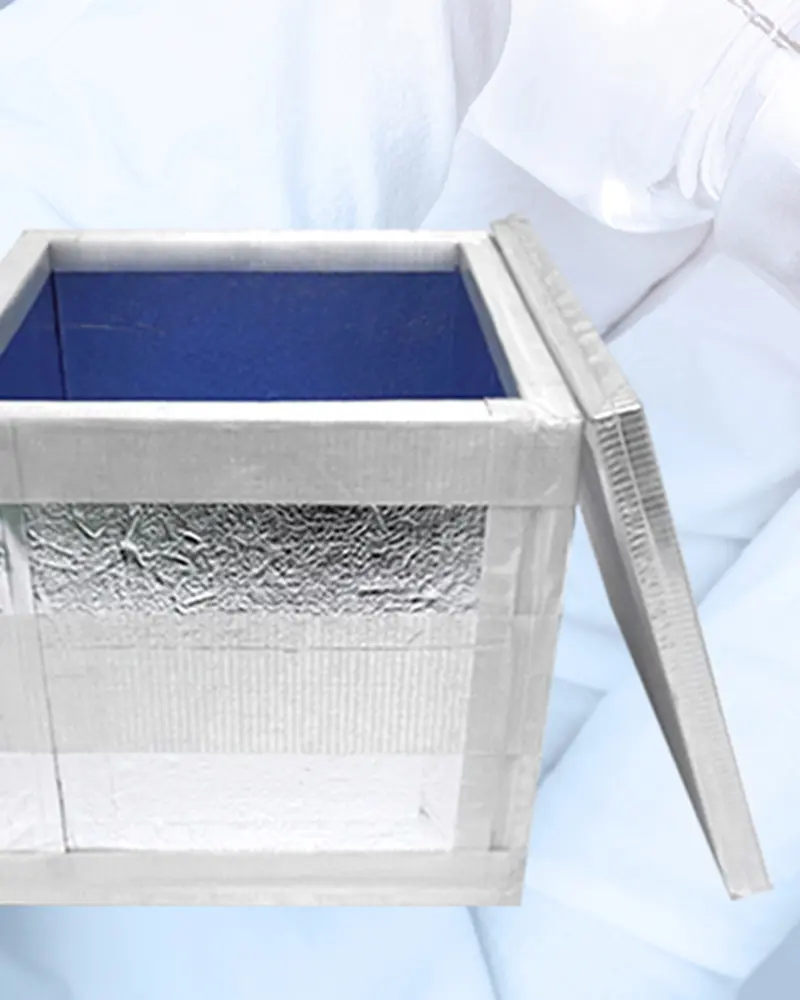

We offer a one-stop vacuum insulation board solution. Reach out to our engineering support team for custom drawings, thermal analysis, and wholesale volume pricing.