
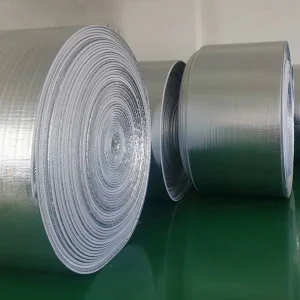
High-reflectivity barrier engineered with premium composite metallic aluminum foil structure to optimize building envelope thermal performance.
View Product Specification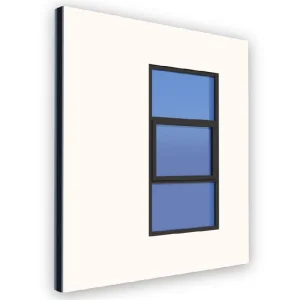
Thermally severed prefabricated exterior wall systems offering low U-value integration for modern green building envelopes.
View Product Specification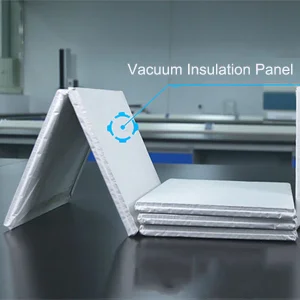
Cost-efficient structural core insulation sheets designed to mitigate severe thermal bridging effects in architectural facade layouts.
View Product Specification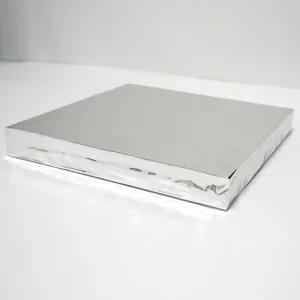
Engineered for extreme architectural fire barriers and high-temperature insulation zones requiring low thermal conductivity.
View Product Specification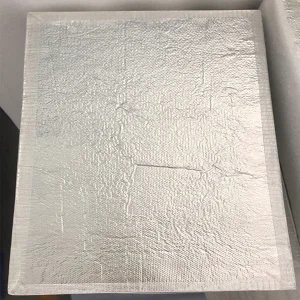
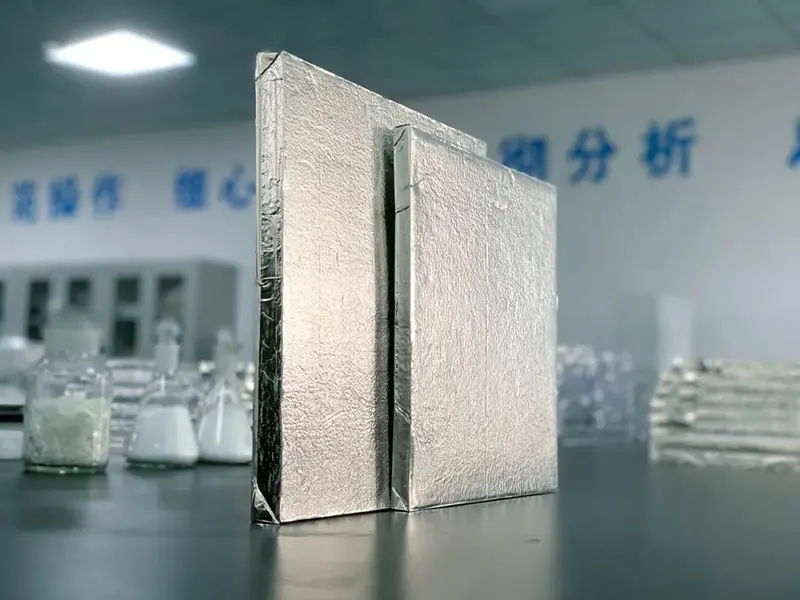
Ultra-low thermal conductivity VIPs wrapped in multilayered barrier film for exterior wall structures.
View Product Specification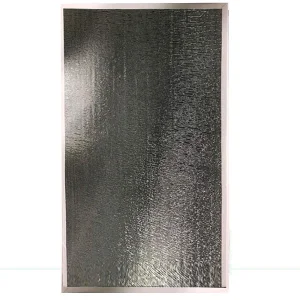
Large-scale vacuum insulated paneling optimized for cold storage buildings and exterior architectural curtain walls.
View Product Specification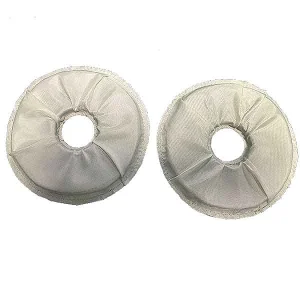
Flexible nanostructured matrices designed for curved building structural facade columns and complex pipe works.
View Product Specification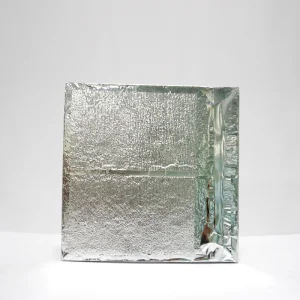
Engineered for cold chain infrastructure, this VIP offers stable low thermal conductivity profiles across broad temp ranges.
View Product SpecificationThe contemporary building envelope is no longer designed as a simple physical divider. Instead, modern architectural demands necessitate a highly engineered, multifunctional interface. This system must deliver structural integrity, superior thermal insulation, and exceptional safety features. A critical element of this shift is the deployment of fire-resistant external cladding systems. Historically, building designs often prioritized either thermal performance or fire safety, sometimes leading to compromises. Recent building regulations and global safety challenges have demonstrated that thermal insulation and fire safety must be addressed concurrently. These two parameters cannot be optimized independently.
Fire propagation on building facades presents a complex thermodynamic challenge. When external flames reach a building’s exterior, the materials used in the cladding system determine the rate of flame spread. Many traditional external insulation finishing systems (EIFS) relied heavily on organic polymers such as expanded polystyrene (EPS) or polyurethane (PU) foams. Although these materials are lightweight and offer good thermal resistivity, they are inherently combustible. Under fire conditions, they can melt, drip, and contribute to rapid flame spread via the chimney effect in the facade cavity.
To mitigate these hazards, international building codes require fire-resistant cladding materials that comply with strict fire classifications. Standards such as EN 13501-1 (Class A1 or A2) or ASTM E119 define non-combustible materials that do not contribute to fire growth. A-grade fire protection materials, including fumed silica cores, metal panels, and inorganic microporous blankets, do not burn, emit minimal smoke, and release no toxic gases or flaming droplets.
Designing modern energy-efficient buildings involves achieving very low U-values (thermal transmittance). Meeting these standards using traditional mineral wool or fiberglass requires exceptionally thick wall assemblies, which can reduce a building's usable interior floor area. Here, advanced vacuum technology offers a compact alternative. Vacuum Insulation Panels (VIPs) provide thermal conductivities as low as 0.004 W/(m·K) to 0.005 W/(m·K)—five to ten times lower than conventional insulation. By pairing non-combustible fumed silica VIP cores with robust external protective finishes, developers can install thin, space-saving external cladding that meets strict fire safety codes without sacrificing thermal performance.
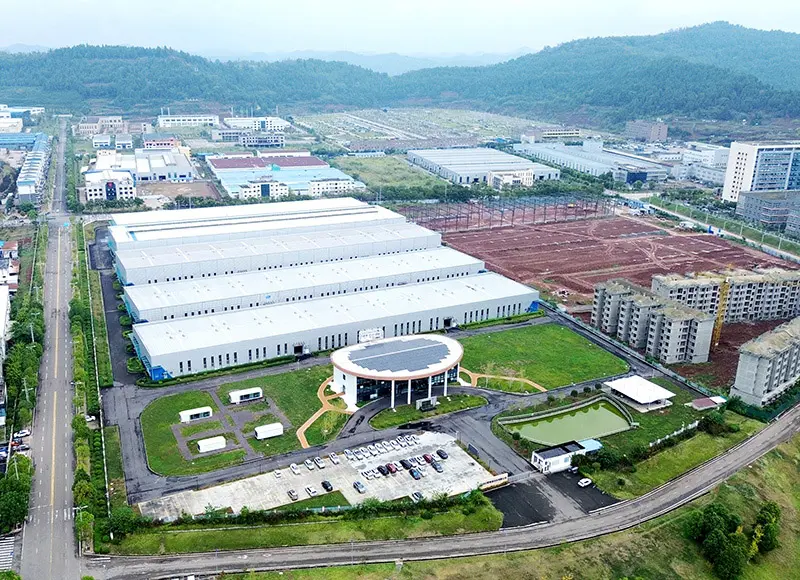
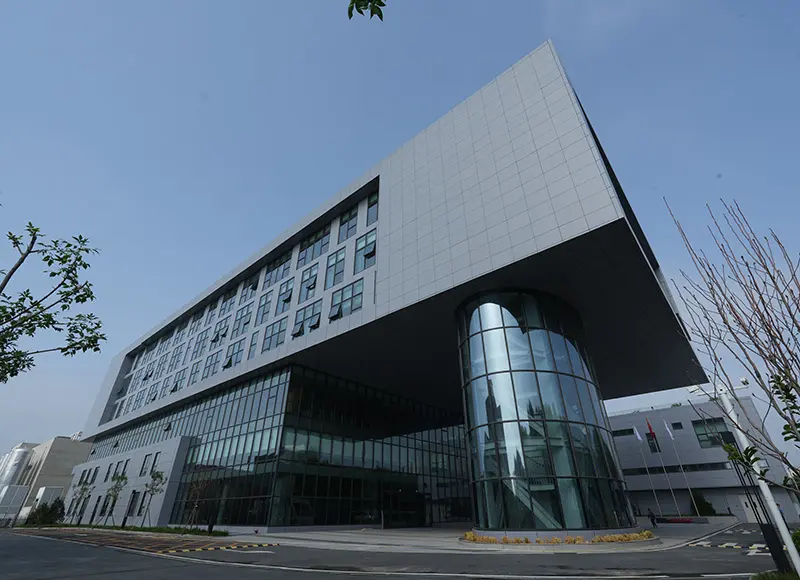
Zerothermo Technology Co., Ltd., a subsidiary of CBVAC Group and a national high-tech enterprise, is headquartered in the Beijing Economic-Technological Development Area with its production base located in Nanchong City, Sichuan Province. This facility stands as one of China's largest comprehensive production centers for vacuum technology application products.
Special sizes (beyond ANSI/ASME/DIN standards) produced according to client drawings or technical parameters.
Square, oval, and custom-shaped components, including large-scale and micro-precision flanges.
Engineering specialized vacuum components with strict quality controls to support global supply chains.



Global procurement behaviors for thermal insulation are changing due to stricter climate policies and safety regulations. In markets such as the European Union, North America, and parts of Asia, governments are establishing aggressive decarbonization targets. These policies demand that building facades achieve low thermal transmittance while meeting stringent fire safety ratings. Consequently, purchasing managers are shifting focus from simple upfront material costs toward evaluating the total cost of ownership (TCO) over a building's full life cycle.
Purchasing agents often seek "cheap" fire-resistant cladding. However, experienced procurement professionals define value by considering the entire product life cycle. Highly efficient systems, like fumed silica vacuum insulation panels, may require a higher initial capital expenditure compared to traditional mineral wool. Yet, their performance characteristics offer substantial long-term financial returns:
Global sourcing requires strict compliance with diverse regional standards. Suppliers must verify that their products meet relevant regional criteria, such as the European CE marking, North American UL listings, or British Standards (BS 8414). Working with a manufacturer that conducts standardized testing ensures that thermal insulation products comply with local building regulations. This reduces compliance risks and avoids costly delays during the construction inspection phase.
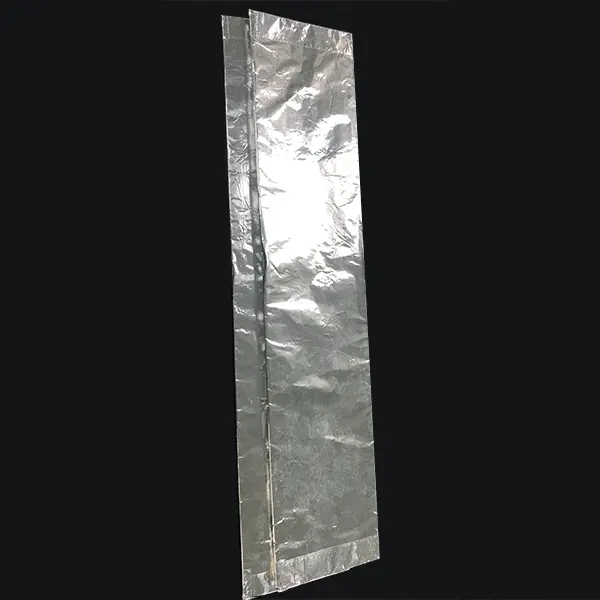
Engineered thermal barriers designed for EV battery packs to manage thermal runaway risks and maintain optimal cell temperatures.
Explore Solution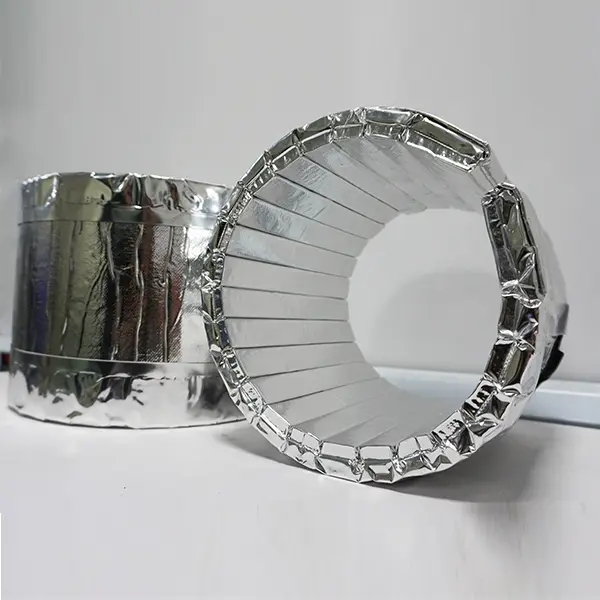
Advanced microporous panels treated for water repellency, designed for high-temperature applications in damp environments.
Explore Solution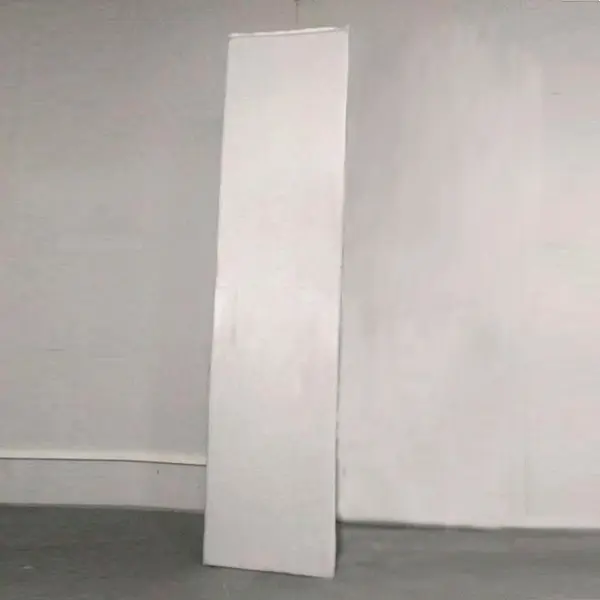
Ultra-thin, non-combustible microporous core materials designed to meet strict fire-rating standards for lift doors.
Explore Solution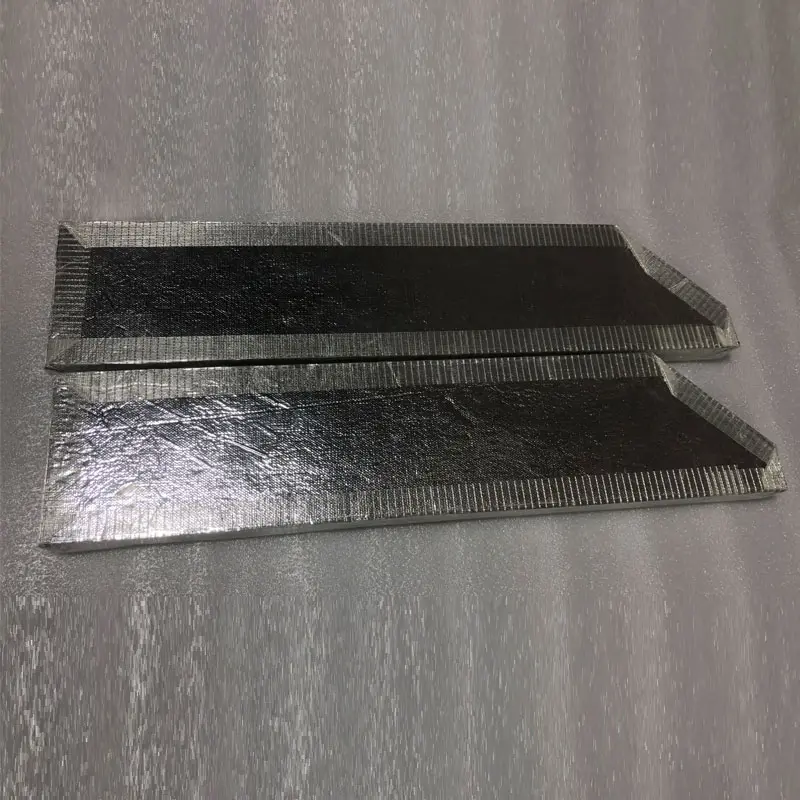
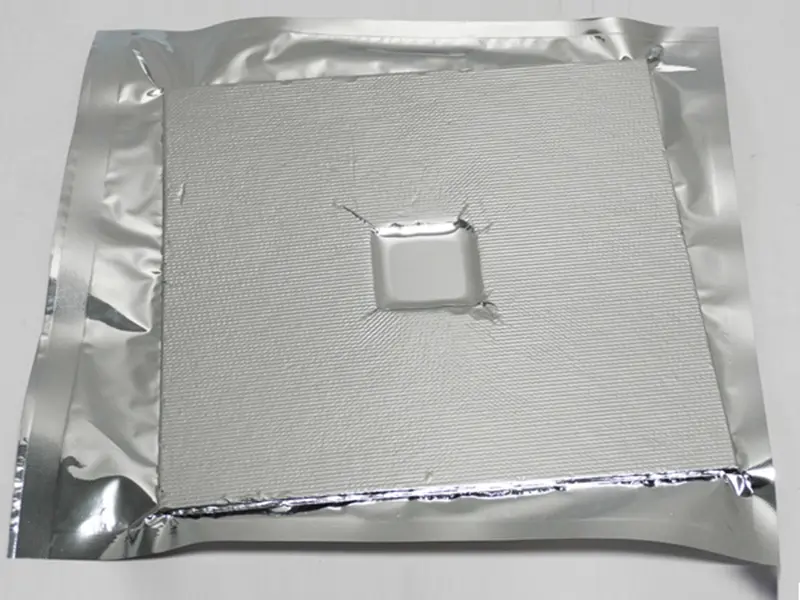
Custom-cut vacuum panels with pre-engineered holes, bends, or complex geometries for specific layout profiles.
Explore Solution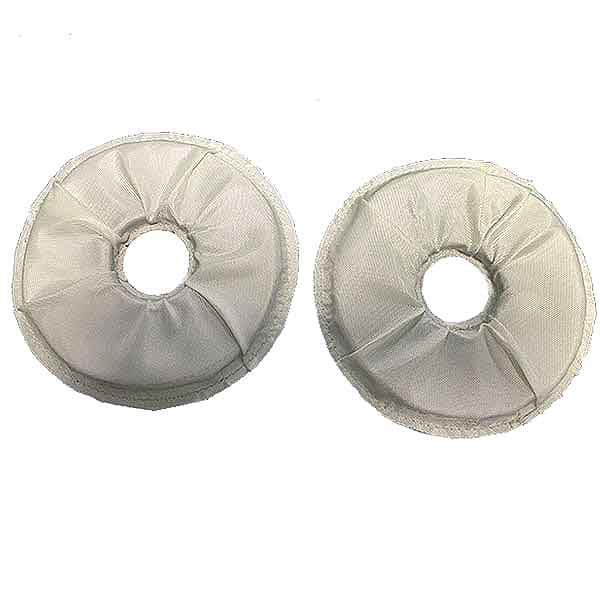
Flexible nanostructured insulating blankets designed to wrap around cylindrical components and complex curves.
Explore Solution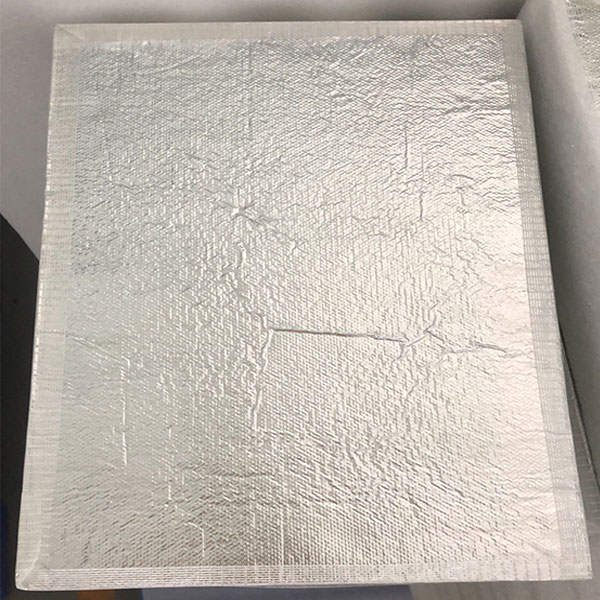
Premium-grade fumed silica vacuum insulation core providing long-term structural R-value retention.
Explore Solution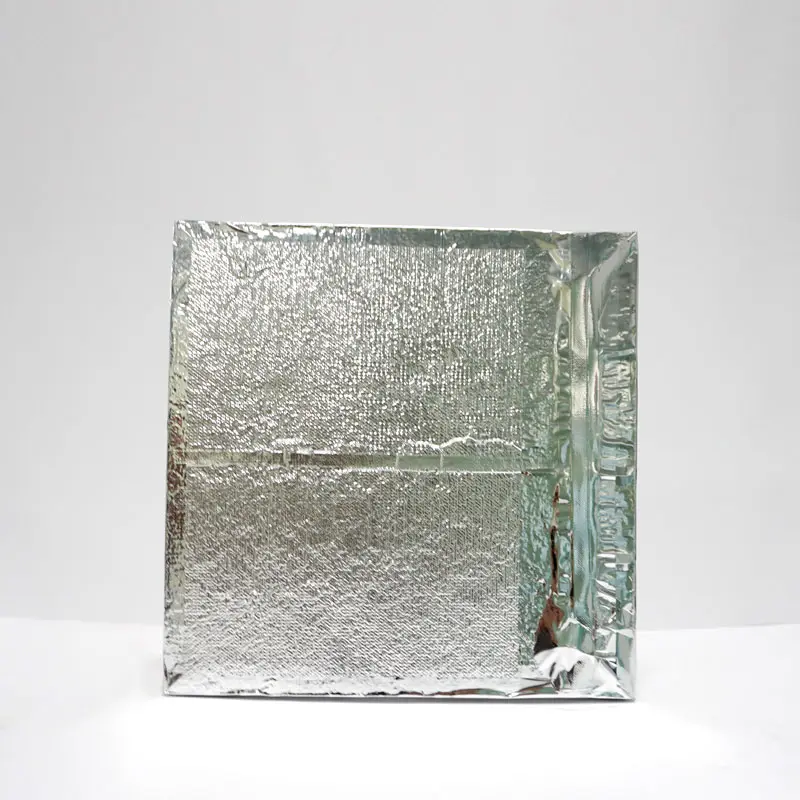
High-performance vacuum core solutions engineered for temperature-controlled shipping containers and cold-storage cells.
Explore Solution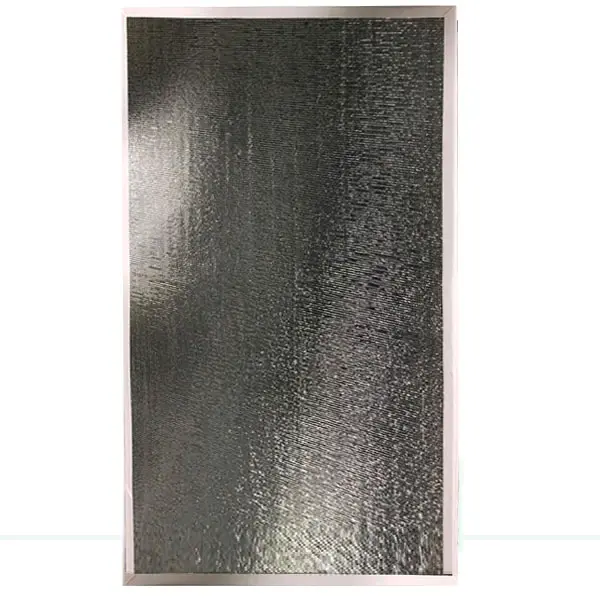
Large-format fumed silica VIP panels designed to simplify assembly and reduce installation joints in cold chain and building envelopes.
Explore SolutionModern engineering projects require integrated solutions rather than isolated material components. External cladding works in conjunction with structural concrete, metal frame assemblies, building window configurations, and interior climate control systems. When addressing fire safety in high-rise buildings, this integration becomes critical. Standard facade materials may fail under thermal stress, so structural components must be engineered to resist high heat and prevent localized structural failure.
High-rise building envelopes present unique challenges due to wind loads, environmental exposure, and safety requirements. Our prefabricated vacuum insulated wall panels and metal aluminum foil composites are designed to fit directly into modular unitized curtain wall systems. By incorporating Class-A non-combustible vacuum panels within structural steel framing, designers can achieve high thermal performance and safety metrics with a slim facade profile. This thin assembly minimizes structural load on the foundation and maximizes the building's usable interior footprint.
In industrial settings, thermal protection demands extend beyond typical building facades. Facilities such as refineries, chemical processing plants, and heavy manufacturing factories require specialized thermal barriers. For these environments, high-temperature nano-microporous panels offer reliable thermal stability. Designed to perform at operating temperatures exceeding 900°C, these materials act as effective heat shields. They help protect structural steelwork, instrument boxes, and process piping from thermal failure during high-heat exposure or industrial fires.


Insulation technology is moving toward hybrid composite materials. Traditional vacuum insulation panels, while highly effective, require careful handling to avoid punctures that compromise the vacuum. Next-generation research focuses on developing self-healing barrier films and high-density nanostructured silica cores. These advancements aim to ensure the panels retain substantial insulation value even if the outer barrier is compromised.
Additionally, integrating phase change materials (PCMs) with vacuum insulation is showing promise. This combination allows facade elements to store and release thermal energy, actively buffering the building against temperature swings. By paring thin vacuum insulation with thermal mass solutions, developers can design energy-efficient buildings that remain stable in varied climates. These hybrid technologies represent the next step in sustainable architectural facade systems.
Providing high-efficiency thermal insulation solutions for temperature-sensitive shipping containers and packaging systems to maintain product safety during transit.
Delivering thin, highly insulating wall assemblies and facade cladding that meet strict fire safety regulations and energy codes.
Offering specialized microporous insulation and thermal barriers to protect equipment and optimize energy use in industrial facilities.
Designing modern, thermally insulated components for prefabricated modular cabins and eco-friendly tourist structures.
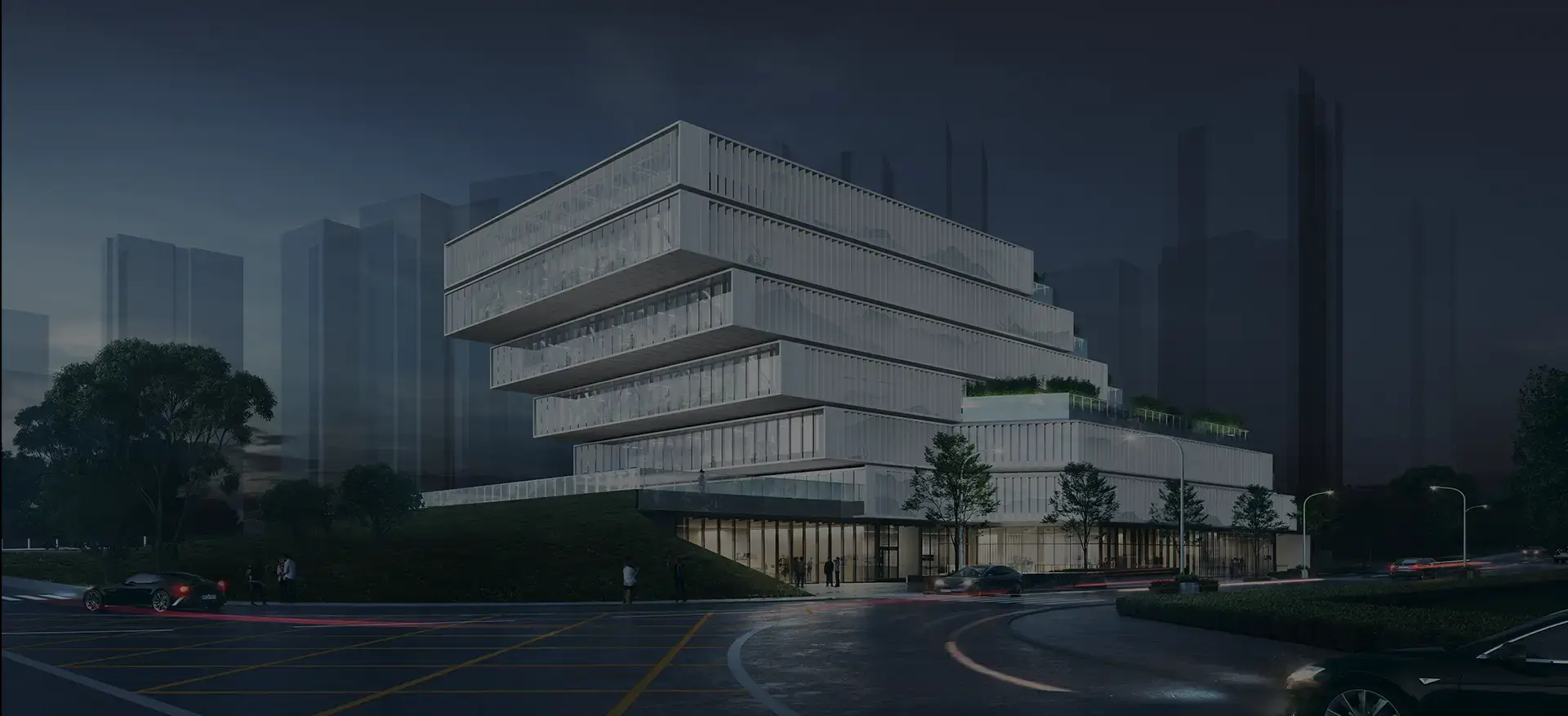
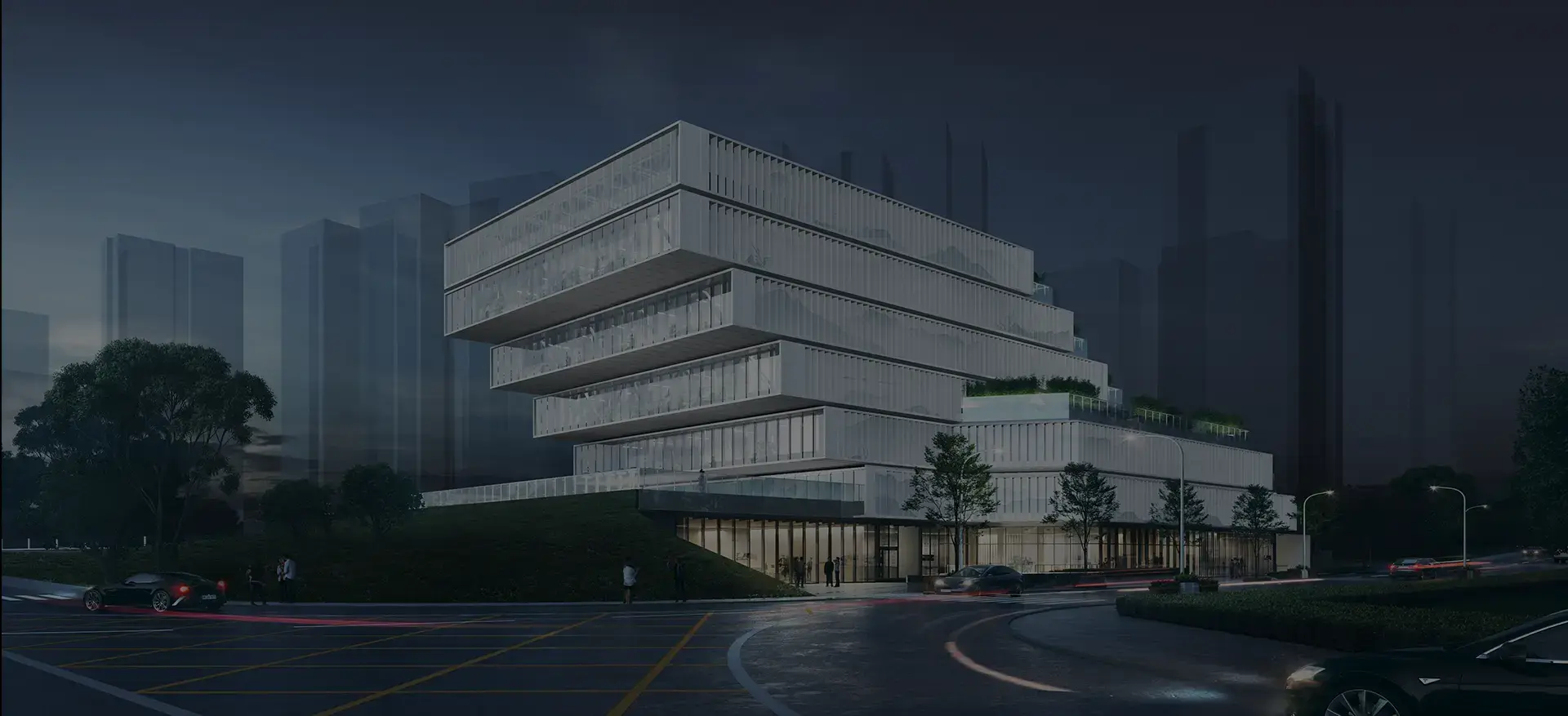


The fire performance of our VIPs depends on the materials used in the core and outer envelope. The panel core consists of fumed silica, a non-combustible inorganic material. This core does not support combustion, melt, or release toxic smoke under fire exposure. When wrapped in Class-A flame-retardant composite films or metal foils, the finished panels meet stringent international fire safety standards, such as EN 13501-1 Class A2, making them suitable for external building envelopes.
Vacuum insulation panels cannot be cut, drilled, or physically altered on-site, as puncturing the outer barrier releases the internal vacuum and reduces the panel's thermal efficiency. To address this, we work closely with designers during the planning phase to pre-engineer panels in the exact sizes and shapes required, including any penetrations or notches, before manufacturing.
Fumed silica VIPs are engineered for long-term durability. When properly installed within a protective wall system, they are designed to maintain their insulation performance for up to 50 years. The fumed silica core acts as a desiccant, helping to absorb moisture that may diffuse through the outer barrier over time, which supports consistent thermal resistance throughout the product life cycle.
While the initial cost of VIP cladding is higher than traditional materials like mineral wool or EPS, it can offer long-term financial advantages. The slim profile of VIPs allows for thinner wall construction, which can increase rentable interior space in high-density developments. Additionally, the high R-value helps lower building energy consumption, and the Class-A fire safety performance can lead to reduced building insurance premiums over time.

Integrated high-performance thermal insulation panels within cleanroom envelopes to support stable temperature controls.
Read Case Study
Expanded application of vacuum insulation technology across complex external curtain wall structures.
Read Case Study
Deployed Class-A fireproof wall panel systems to meet strict local safety standards for educational facility designs.
Read Case Study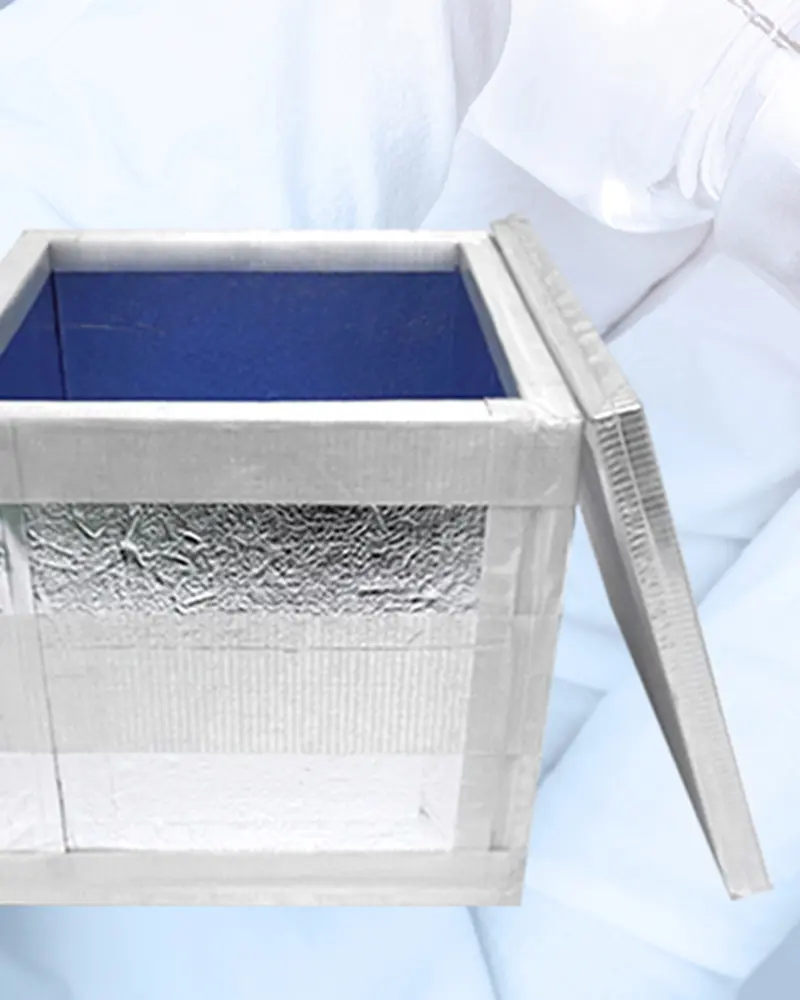
Designed customized vacuum insulated containment panels to support stable temperature control for vaccine shipping units.
Read Case Study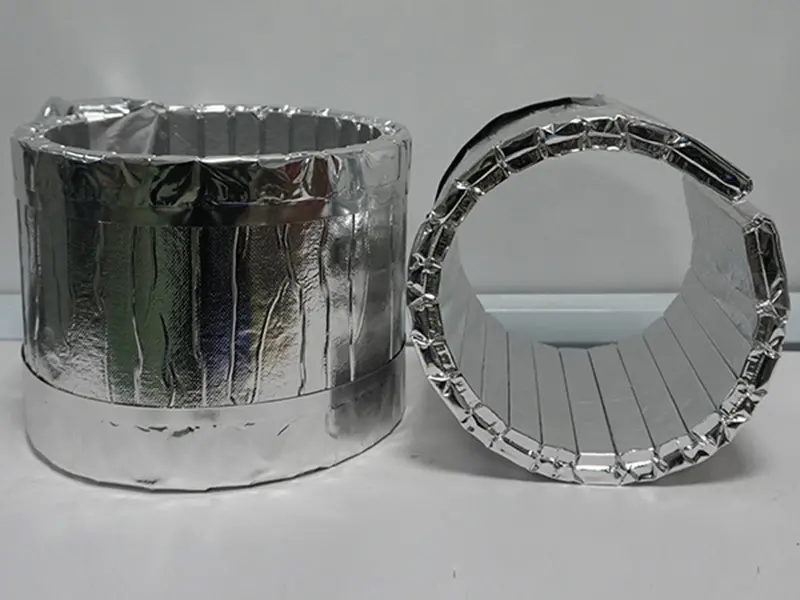

We offer comprehensive vacuum insulation and fire-resistant cladding solutions. Contact our engineering team to discuss your project requirements and obtain a custom quote.


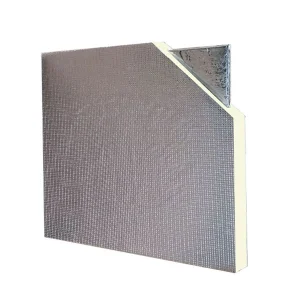
Composite polyurethane foam and vacuum insulation panel technology optimized for transport containers and cold chain cooling equipment.
View Product Specification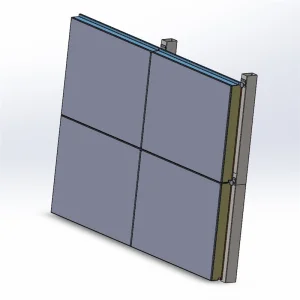
Structural facade panel combining A-grade thermal insulation with decorative external finishes for simplified on-site assembly.
View Product Specification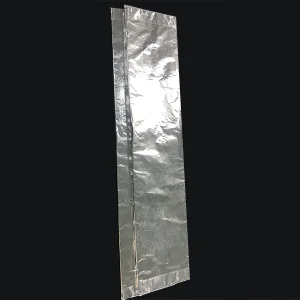
Thin, heat-resistant insulation layers designed to improve cell thermal management and help mitigate runaway risks.
View Product Specification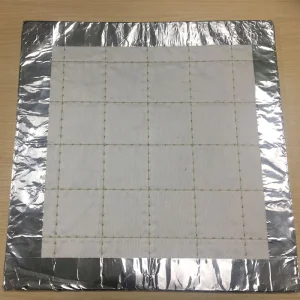
Flexible nanostructured insulation mats designed for high-temperature piping systems and complex industrial geometries.
View Product Specification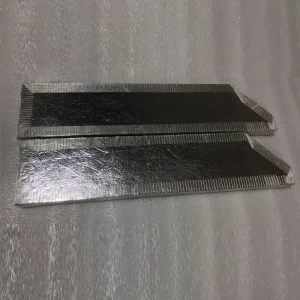
Custom-shaped fumed silica vacuum insulation panels wrapped in a multi-layer PET barrier film to fit complex structural layouts.
View Product Specification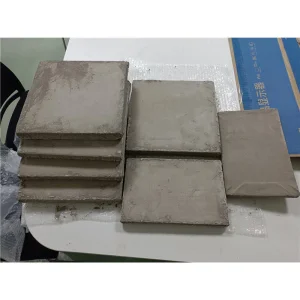
Vacuum panels featuring a reinforced core design to provide improved mechanical strength during handling and installation.
View Product Specification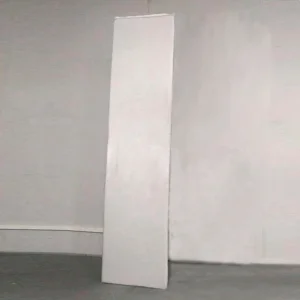
Ultra-thin microporous panels designed to provide reliable fire protection and heat barrier performance in elevator shaft doors.
View Product Specification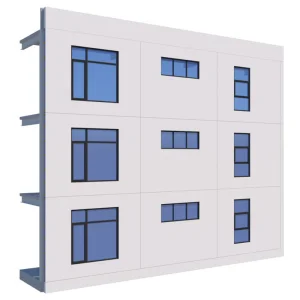
Integrated modular wall cladding panels designed to provide external thermal insulation and a finished exterior surface in one step.
View Product Specification
 +86 15892792306