
Explore our top-performing vacuum insulation panels engineered for zero energy buildings, architectural facades, and thermal retrofits.
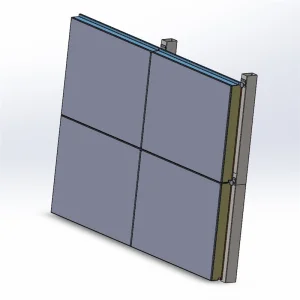
Integrated structural insulation systems optimized for high thermal resistance in green buildings.
View Pricelist & Details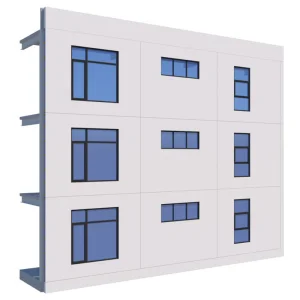
Double-function modular systems offering external cladding coupled with core vacuum insulation layers.
Explore Companies & Costs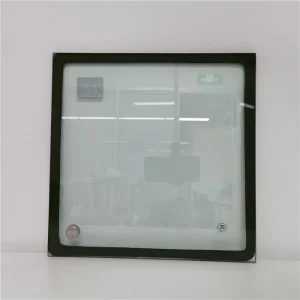
Ultra-thin insulated glass panels providing superior noise control and energy efficiency profiles.
Request Manufacturer Quotes
Custom thermal barriers formulated to prevent thermal runaway and maintain EV battery life.
Request Custom Specifications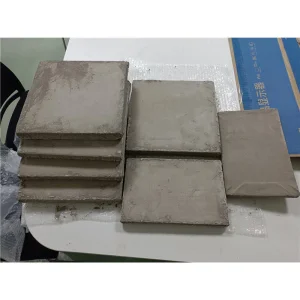
High-strength structures customized for underfoot slab insulation and heavy load architectural areas.
Contact China Factories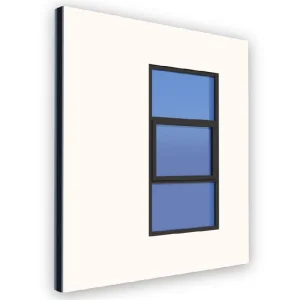
Pre-engineered wall components allowing rapid site assembly with integrated core VIP units.
Get Direct Factory Quotes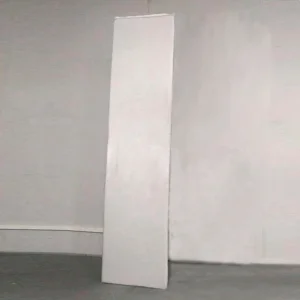
Ultimate grade high-temperature nano microporous panel configured for absolute fire safety.
Request Manufacturer Price
Reflective radiant foil composite boards for building roof applications and external envelope systems.
Explore Factory PricelistThe global construction sector is undergoing a profound paradigm shift. As governments implement stringent carbon neutrality guidelines, traditional insulation materials like expanded polystyrene (EPS), extruded polystyrene (XPS), and polyurethane foam (PU) are reaching their physical limitations. To achieve the rigorous thermal resistance values (R-values) required by modern Net-Zero Energy Building (NZEB) designs, traditional materials would need to be installed at thicknesses exceeding 300mm. This compromises valuable interior square footage, increases dead loads on structures, and complicates architectural details.
“By utilizing vacuum insulation panel technology, architects can achieve up to ten times the thermal resistance of traditional insulation at a fraction of the thickness. A 20mm VIP panel matches the performance of a 200mm mineral wool blanket.”
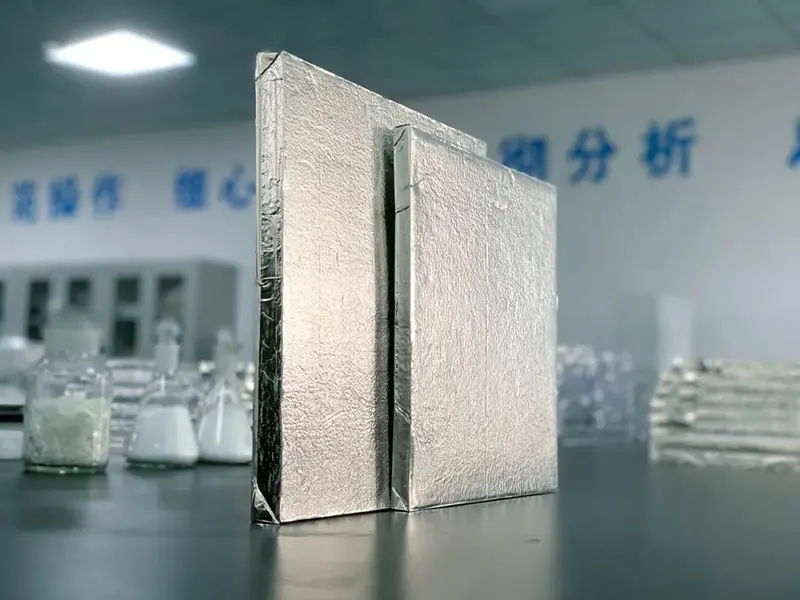
At the center of a VIP's extraordinary performance is the elimination of gas conduction. Heat transfers through building envelopes via three mechanisms: solid conduction, radiation, and gaseous convection. Vacuum insulation panels work by evacuating the air inside a microporous core material (such as fumed silica or fiberglass) and hermetically sealing it within a high-barrier laminate envelope. The resulting internal vacuum pressure (typically below 5 mbar) negates the collision of gas molecules, bringing the total thermal conductivity (λ) down to an outstanding 0.0035 to 0.004 W/m·K. This represents a revolution in structural engineering and thermal envelope efficiency.
We specialize in designing and manufacturing customized high-barrier thermal solutions tailored to your project's unique configurations.
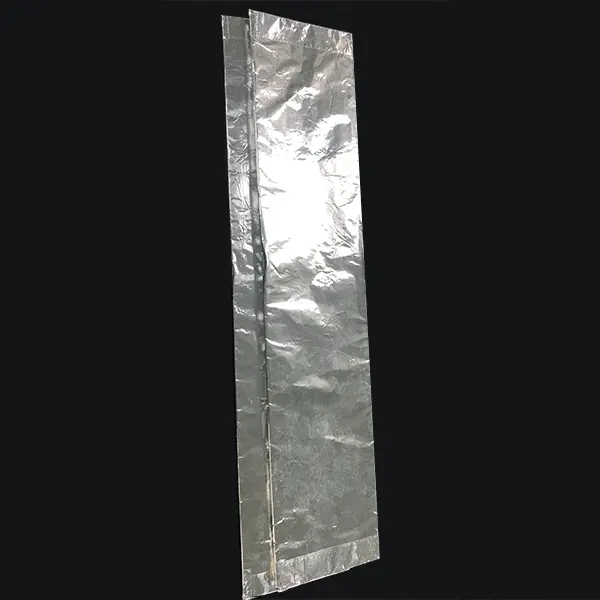
Custom size: Customized. Thickness: 5-30mm. High-strength lightweight thermal blankets engineered for pack safety.
Request Customization Detail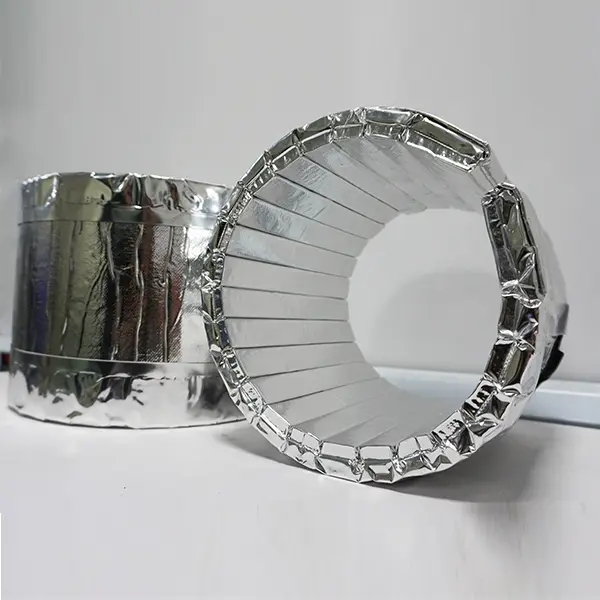
Product Details: Customized Thickness: 5-100mm. Water-repellent properties optimized for harsh industrial zones.
Explore Specifications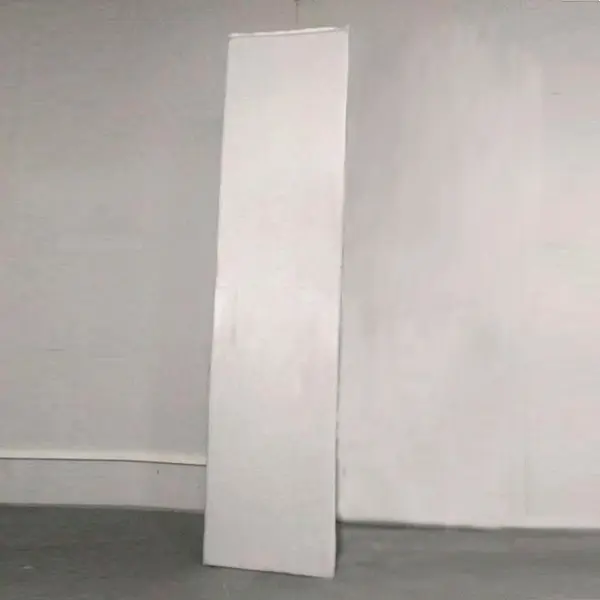
Specially formulated nano microporous cores designed to handle extreme temperatures and prevent deformation.
Get Performance Data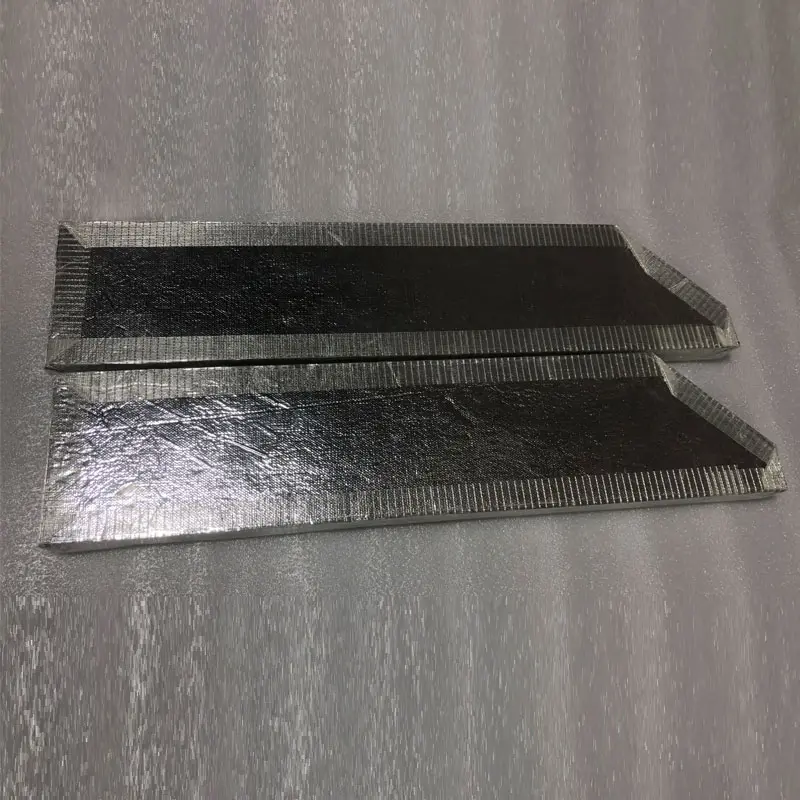
Custom geometry shapes, corner cutouts, and pre-formed cylindrical profiles for intricate installations.
Enquire Special Shapes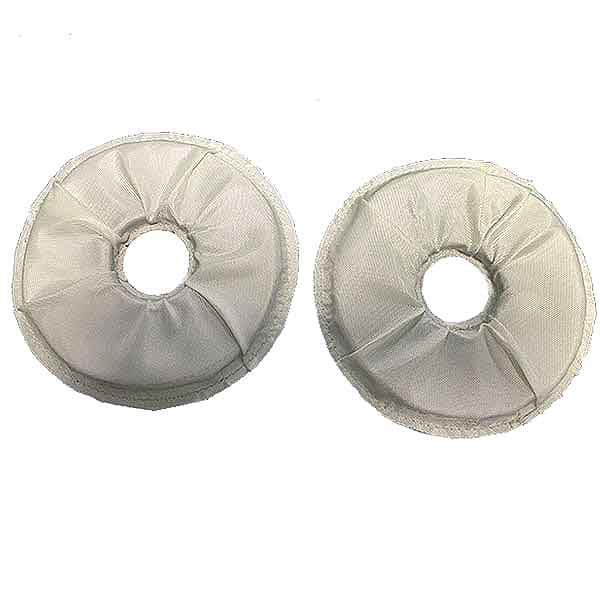
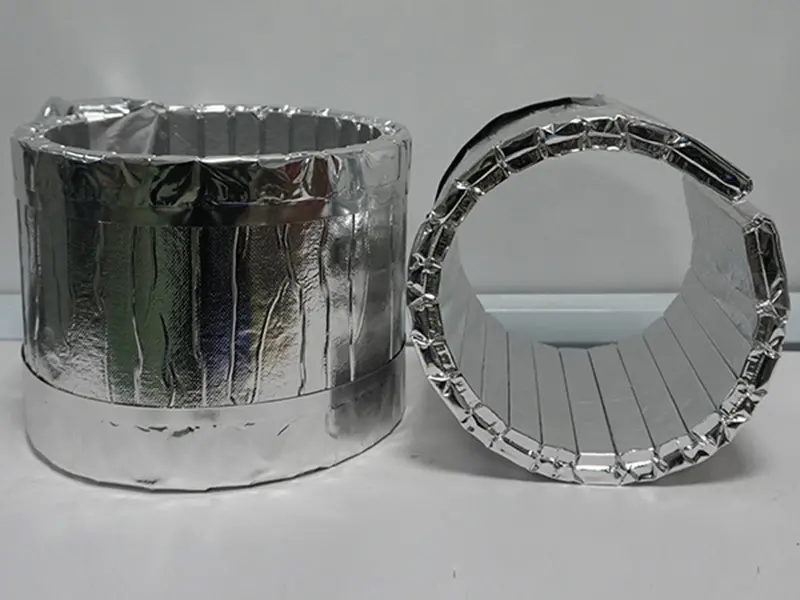
Flexible high-performance structures wrapping around pipes, circular ducts, and high-temp reservoirs.
Request Mat Design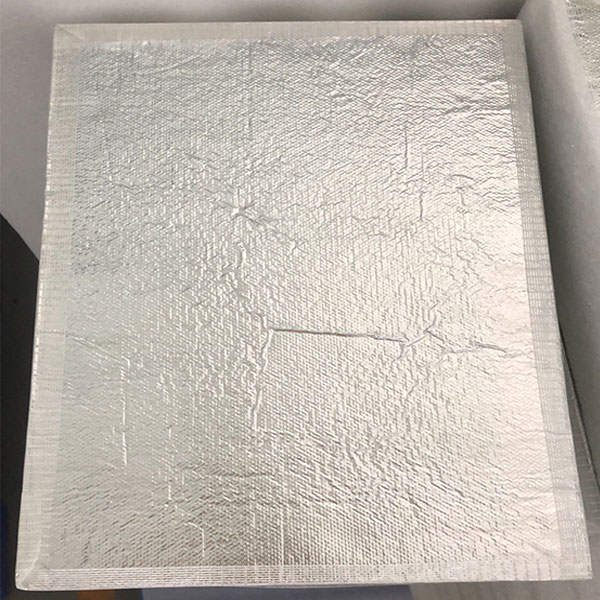
Premium Grade core material vacuum panels featuring specialized PET high-barrier laminates.
Check Heat Transfer Rates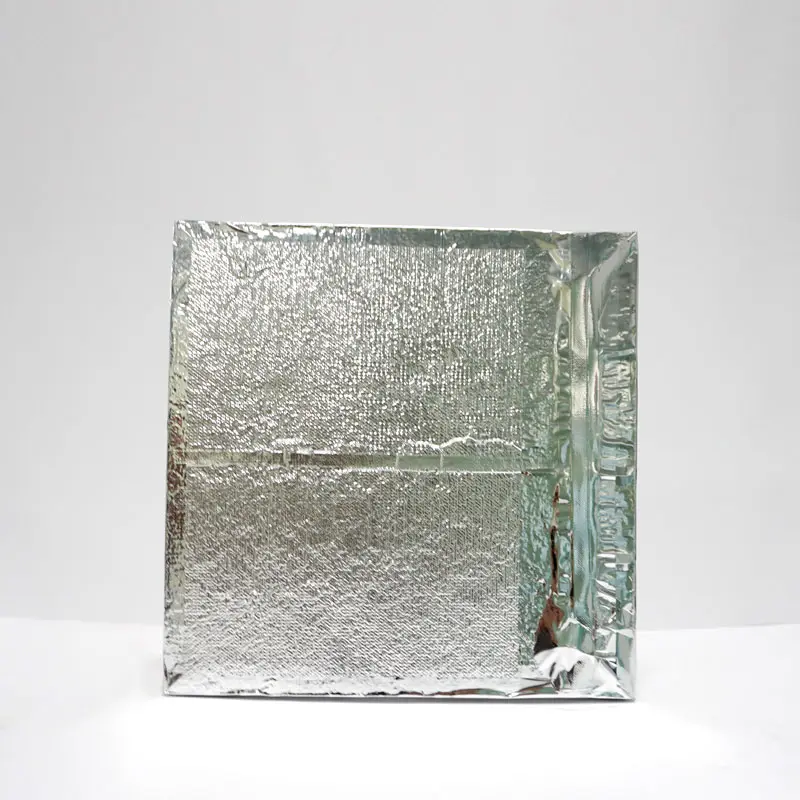
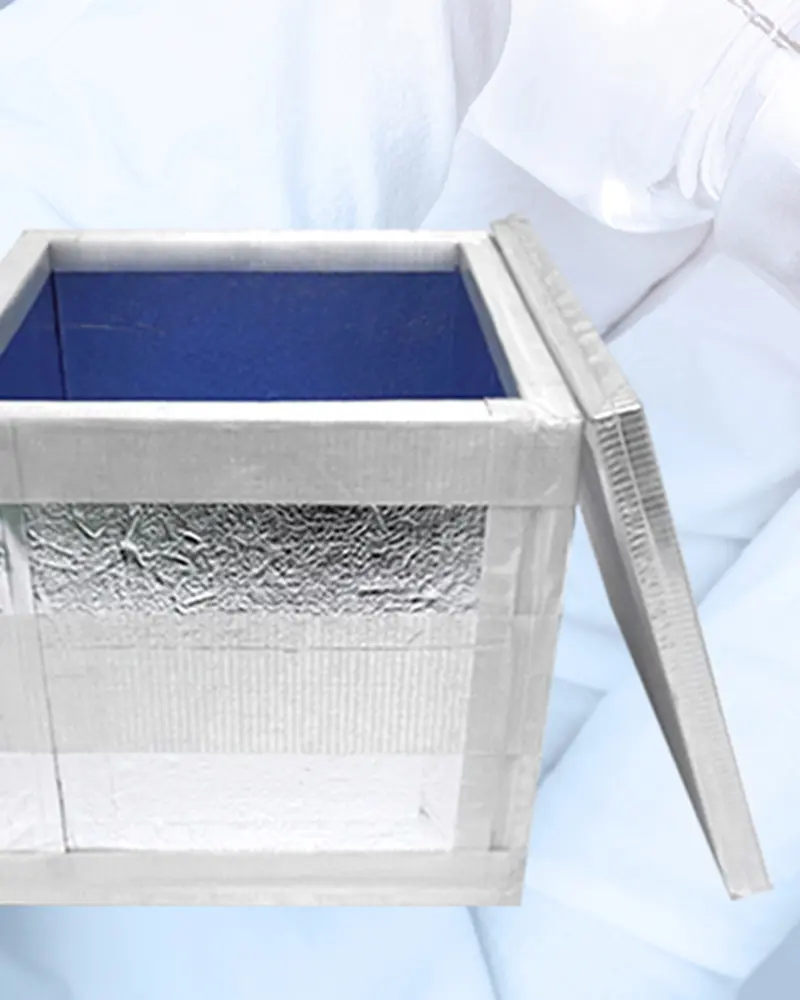
Ideal for pharmaceutical transit systems, containers, and insulation boxes requiring strict ambient control.
View Box Applications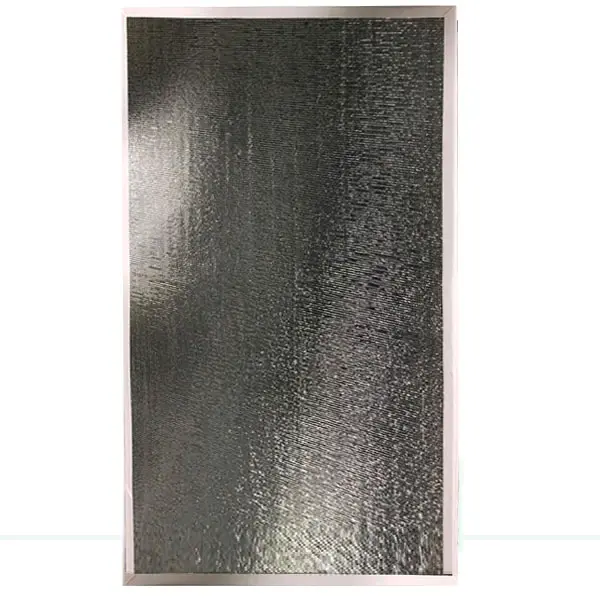
Industrial-scale large format panels designed to minimize thermal bridging in architectural facades.
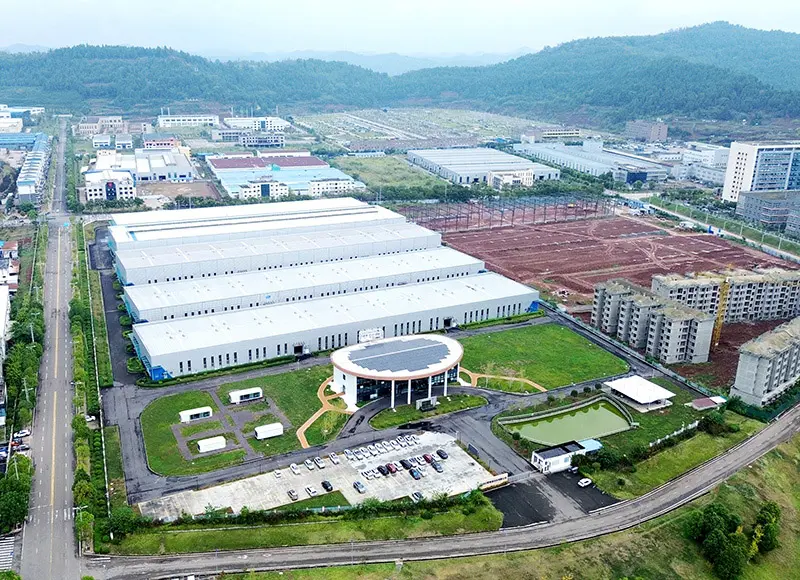
Request Dimension FeasibilityA proud subsidiary of the prestigious CBVAC Group and a certified national high-tech enterprise. Our corporate headquarters is situated in the Beijing Economic-Technological Development Area, while our primary manufacturing base spans a state-of-the-art facility located in Nanchong City, Sichuan Province. This strategic layout houses one of China’s largest and most technologically advanced comprehensive production centers for vacuum technology and thermal barrier application products.
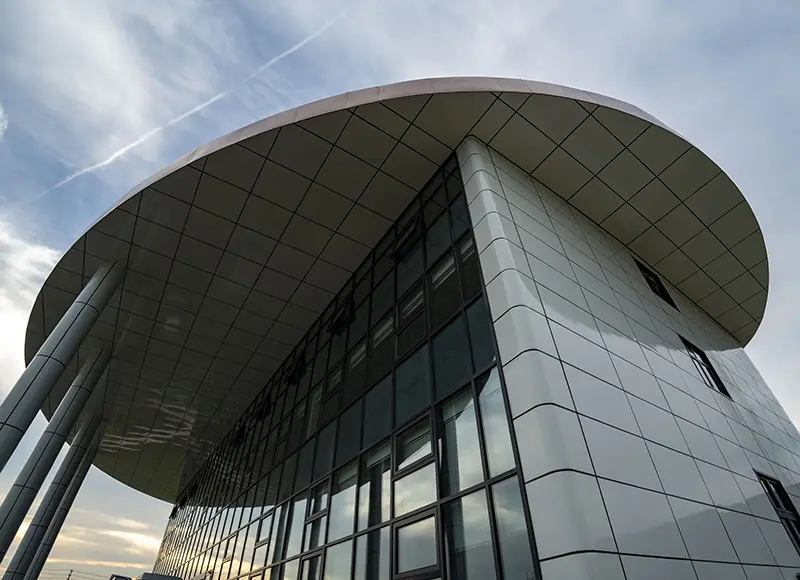
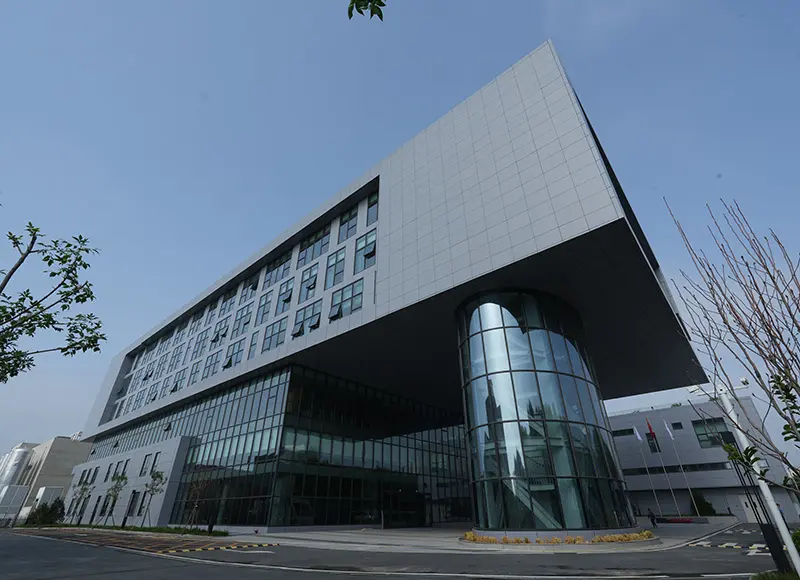

Special dimensions falling beyond ANSI, ASME, or DIN requirements, produced exactly according to architectural specifications.

Square, oval, and unique geometric joint interfaces designed to enable structural hermetic continuity in envelope assemblies.

Vacuum flange rings spanning over 60 inches or micro-precision seals constructed from advanced, low-outgassing alloys.


When selecting Vacuum Insulation Panels for long-term construction projects, the choice of core material is critical. The market primarily utilizes two cores: Fumed Silica (consisting of amorphous silicon dioxide) and Glass Fiber (microfine glass filament matrix). While glass fiber VIPs offer a slightly lower initial thermal conductivity in laboratory conditions (approx 0.0018 W/m·K), they are prone to rapid thermal degradation. Because the fiber matrix has larger average pore sizes (typically 10-20 microns), any minimal pressure rise due to moisture vapor permeation dramatically degrades thermal resistance.
In contrast, Fumed Silica VIPs feature an extremely small pore size (approx 10-50 nanometers). Because the pore size is smaller than the mean free path of air molecules at atmospheric pressure, the thermal conductivity of a fumed silica core remains below 0.020 W/m·K even if the vacuum is completely lost. This provides a crucial safety factor for building envelopes. Furthermore, fumed silica is naturally non-combustible (Class A1 fire rating), making it the optimal solution for high-density residential facades, high-rise building fire stops, and industrial fireproofing doors.
Uncompromising manufacturing standards under CBVAC Group supervision ensure long-lasting thermal stability.


Providing high-efficiency thermal insulation solutions for building envelope systems, transport boxes, and high-temperature industrial pipelines.

Ensuring absolute temperature stability for life-saving vaccines, biological samples, and high-value medical shipments with long-duration insulated cooler boxes.

Integrating fumed silica vacuum insulation panels and vacuum insulated glass within building facade envelopes, roofs, and precast systems to achieve Net-Zero energy certification.

Providing custom thermal barriers, flexible nano jackets, and microporous panels for industrial furnaces, heat exchangers, and energy storage enclosures.

Powering prefabricated mobile cabins, high-end ecodomes, and architectural exhibits where maximum internal volume and thermal comfort are required.
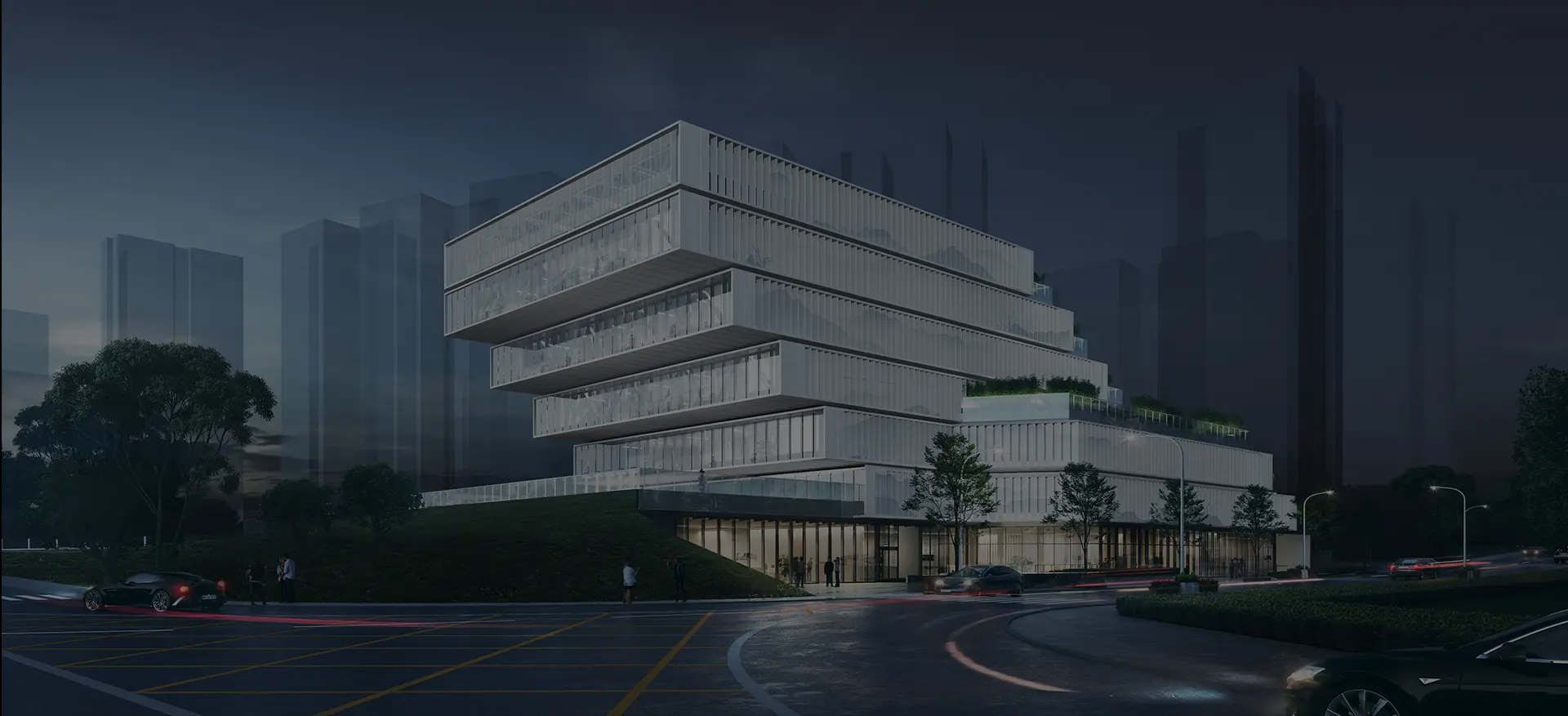
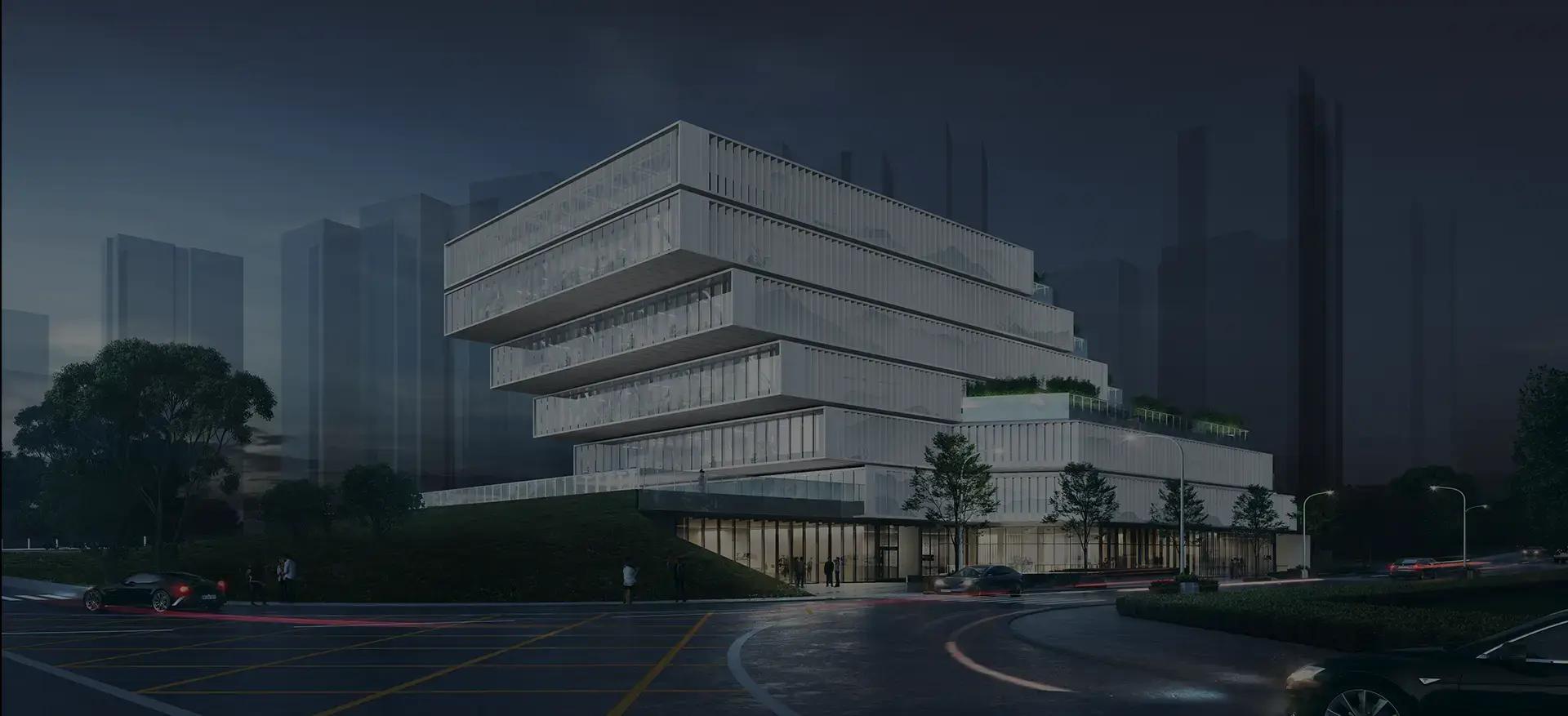
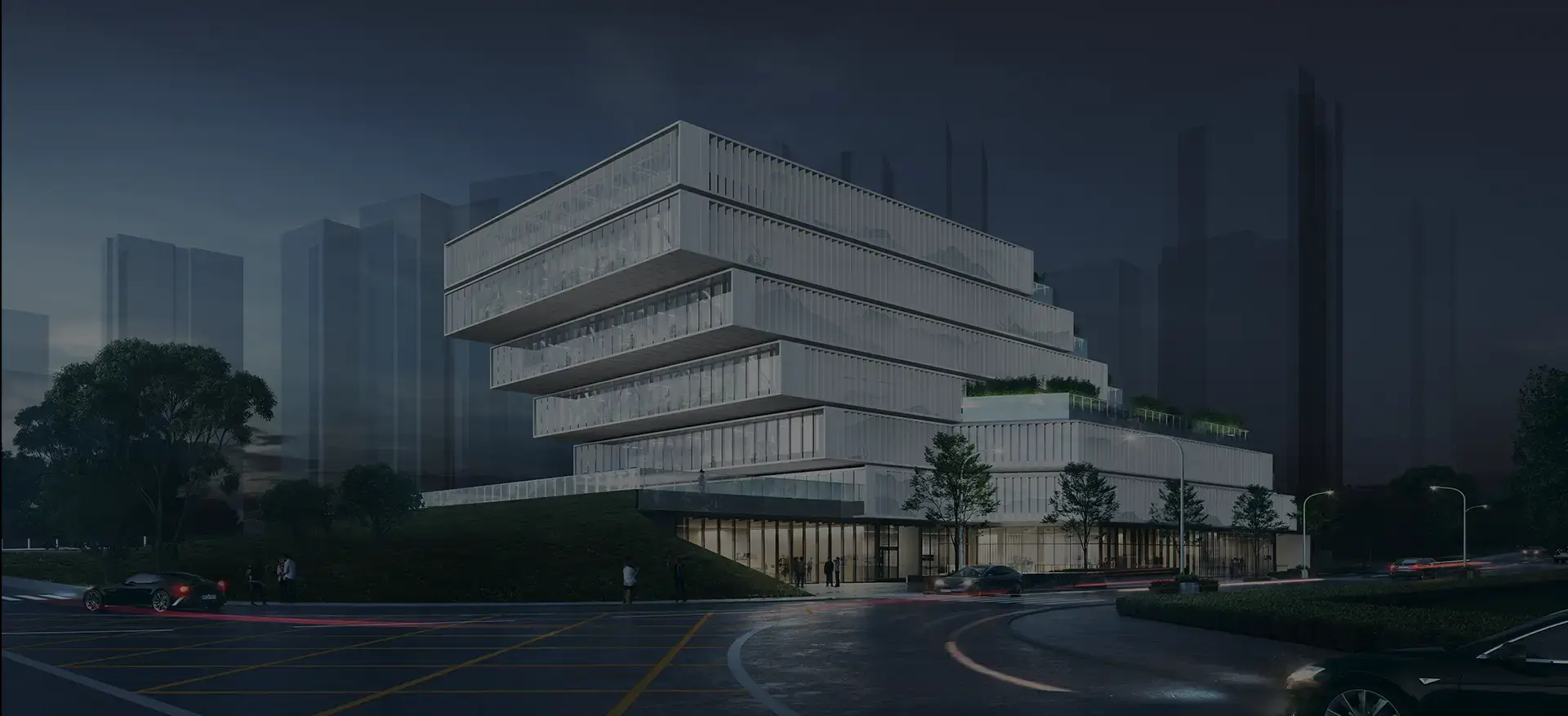
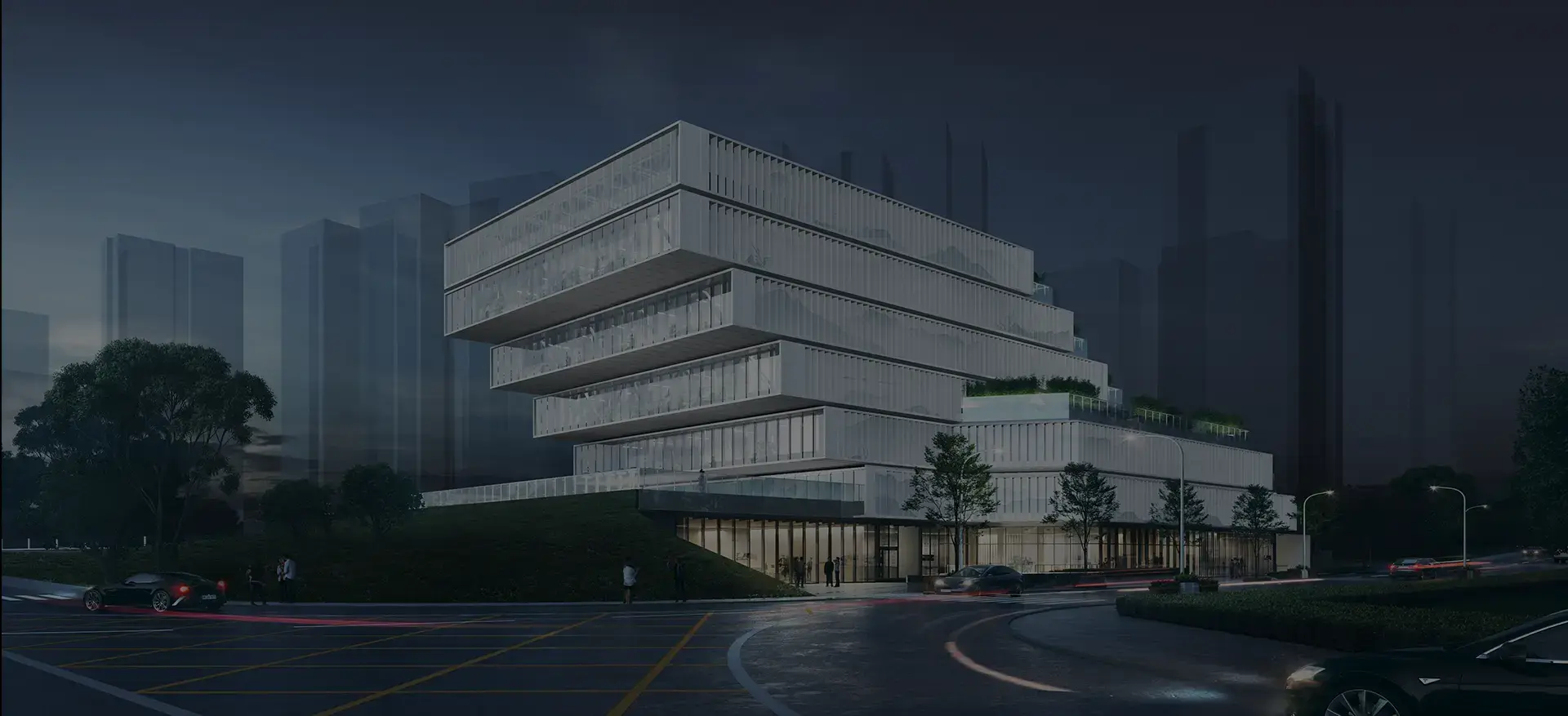
See our premium thermal engineering solutions implemented across complex commercial, residential, and transport sectors.



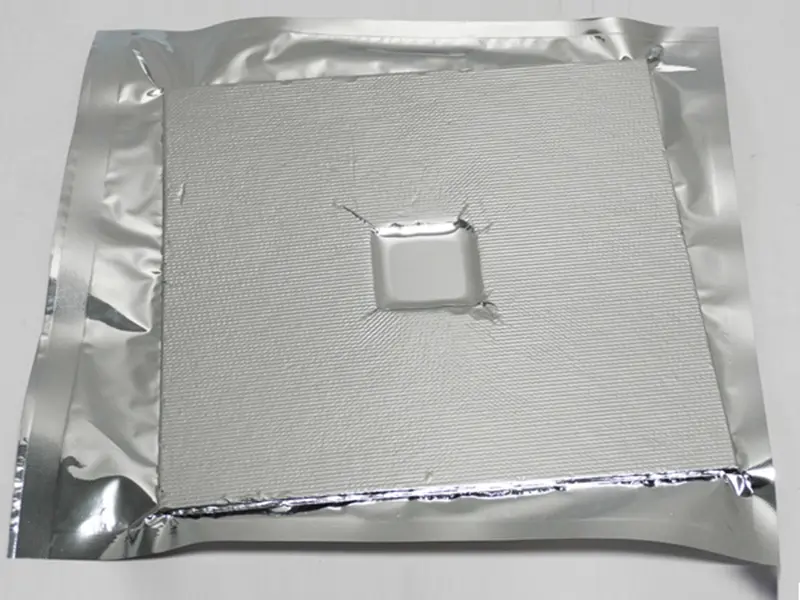
Designing a high-performance building envelope using Vacuum Insulation Panels requires careful planning of details. Because the core material is enclosed within an aluminum or metalized polymer barrier film, heat can bypass the vacuum core through the film layers at the joints. This phenomenon is known as the "edge effect." If left unmanaged, the edge effect can reduce the effective R-value of the panel assembly by up to 20-30%.
To eliminate this potential thermal bridging, Zerothermo recommends a staggered dual-layer panel layout or overlapping ship-lap edge details. Furthermore, the joints between adjacent panels should be packed with high-efficiency silica aerogel strips or low-conductivity polyurethane foams. It is important to note that vacuum insulation panels cannot be cut, drilled, or nailed on-site. Any puncture to the barrier film results in loss of vacuum. Therefore, detailed CAD wall layouts and custom shaped panels (e.g. corner L-shapes or circular profiles) are pre-engineered at our Sichuan manufacturing base prior to dispatch.
Stay informed with the latest updates on dual-carbon policies, technological milestones, and international exhibitions.

Get answers to the most common queries regarding VIP life cycle, installation, and thermal performance.
Under typical architectural conditions, fumed silica VIPs are designed to last over 50 years. Over this timeframe, slow outgassing and moisture absorption can cause a minor pressure rise within the panel. However, due to the nanoscale pore structure of fumed silica, the thermal conductivity is projected to rise from an initial value of 0.0035 W/m·K to only 0.006–0.008 W/m·K. This performance remains significantly superior to traditional insulation materials over the lifecycle of the building.
We use detailed CAD drawings to generate a complete layout of the wall, roof, or floor section. Panels are fabricated to those exact dimensions at our facility. For areas around penetrations (like pipes, windows, or structural brackets), we integrate matching fillers made of high-performance EPS, XPS, or aerogel blankets to ensure absolute coverage without compromising the vacuum panels.
Yes. The core fumed silica material is inorganic and naturally non-combustible, achieving a Class A1 fire rating. When laminated with protective multilayer envelope foils, the complete composite panels meet national and international Class A fire standards, preventing vertical flame propagation in ventilated cavity walls.
Our advanced barrier films feature protective layers that minimize water vapor transmission. Additionally, we integrate special desiccants and getters inside the core of the panel to absorb moisture vapor that may slowly permeate the barrier over decades, preserving the internal vacuum pressure.
The initial material cost of VIPs is higher than EPS or mineral wool per square meter. However, the true economic calculation should account for the space saved in urban areas. By utilizing thin VIP panels, developers can increase the internal sellable or rentable floor area of high-rise properties by 2% to 5%, which often covers the initial premium cost of the VIP system.
Yes, but they require structural encapsulation. Zerothermo offers reinforced vacuum insulation boards featuring protective laminates (like cement boards, XPS, or high-density rubber pads) to distribute compressive loads and prevent mechanical damage during construction and throughout the building's service life.
Contact us today to discuss customized dimensions, engineering layouts, and bulk project discounts.
Our technical engineers will review your drawings and provide a thermal insulation layout plan and a detailed project estimate.


High-performance vacuum insulation systems and nano-mats designed for specialty temperature applications.
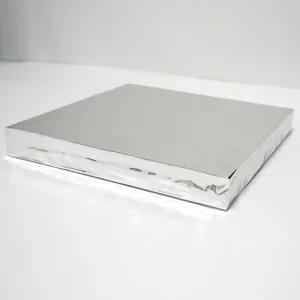
Precision-manufactured boards optimized for industrial kiln structures and machinery linings.
Request Pricelist & Sizes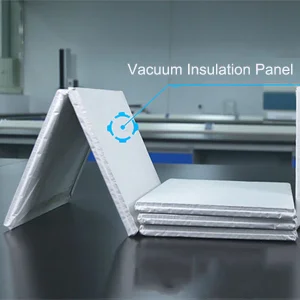
Cost-efficient building heat shields designed for residential wall system assemblies.
Compare Companies & Costs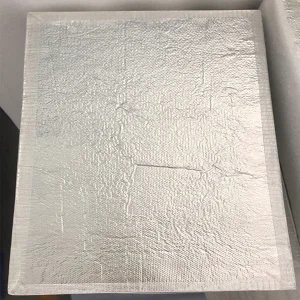
High-efficiency thermal barrier cores laminated with thick protective PET jackets.
Contact China Companies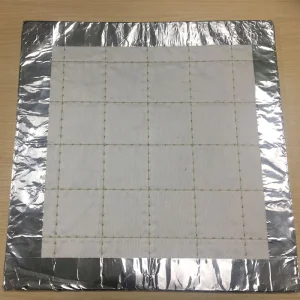
Flexible aerogel-like materials that wrap around curved industrial pipes and machinery components.
Contact Manufacturers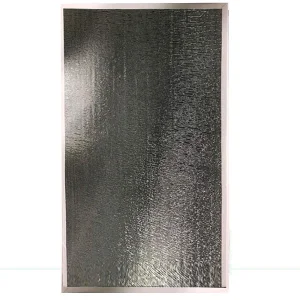
Large-format panels designed to reduce energy consumption in active refrigerated shipping logistics.
Get Factory Quotations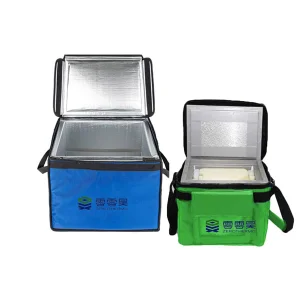
Durable, high-efficiency shipping enclosures designed to maintain cold chain temperature compliance.
Find Supply Companies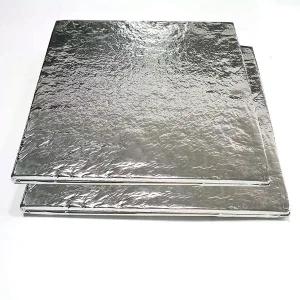
Thin vacuum insulation panels designed for domestic appliances, cold storage walls, and floor applications.
Contact Manufacturers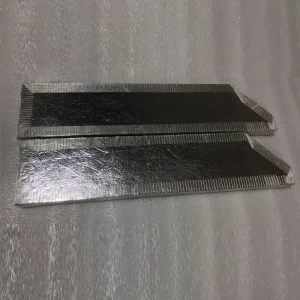
Engineered shaped panels designed to match curved walls, columns, and irregular structural geometry.
Request Factory Quotation
 +86-15892792306