
Premium Insulated Solutions
Technical Analysis & Industry Standards
Modern architectural engineering demands ultra-high efficiency insulation materials that conform to stringent energy efficiency standards without compromising interior usable space. Among the most innovative responses to this engineering dilemma is the integration of Vacuum Insulation Panels (VIPs) into prefabricated decorative wall panels. This whitepaper provides a rigorous examination of VIP technology, focusing on its fabrication processes, core chemistry, installation considerations, and economic implications for large-scale global procurement.
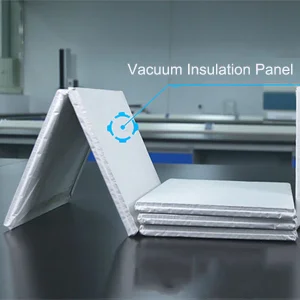
At the center of any Vacuum Insulation Panel is the minimization of heat transfer mechanisms: gaseous conduction, solid conduction, and radiative heat transfer. A VIP achieves its outstandingly low thermal conductivity (often in the range of 0.002 to 0.004 W/m·K) by evacuating the air inside a porous core material, which is subsequently encapsulated within a multi-layer gas-tight envelope.
By lowering the internal pressure to around 1 mbar, the mean free path of the remaining air molecules becomes larger than the pore size of the core material (a phenomenon described by the Knudsen number). This virtually eliminates gaseous thermal conduction, leaving solid conduction through the sparse skeletal frame of the core and radiative heat transfer across the pore cells as the primary heat pathways. Compared to traditional insulation materials such as Expanded Polystyrene (EPS), Extruded Polystyrene (XPS), and polyurethane foams—which present thermal conductivities between 0.030 and 0.040 W/m·K—VIPs provide up to ten times the thermal performance at a fraction of the thickness.
When selecting the best VIP for prefabricated wall panel integration, designers must prioritize core composition. Typically, two main core types dominate the industrial market:
Engineered to Specification
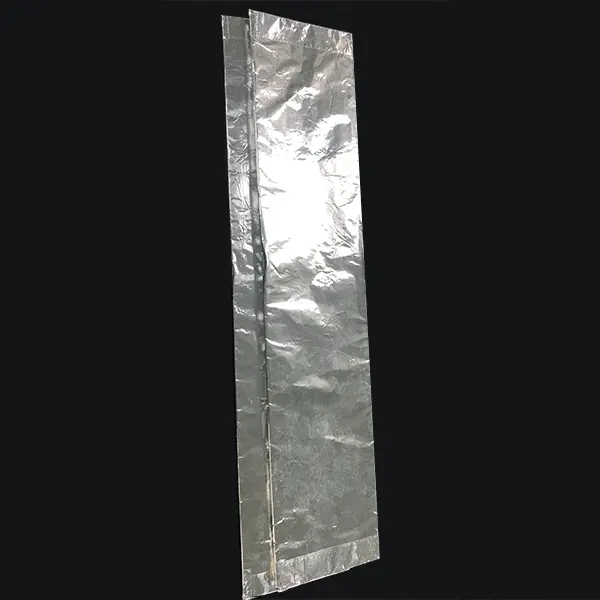
Product Details: Size: Customized Thickness: 5-50mm. Designed for thermal runaway protection in NEV battery packs.
View More +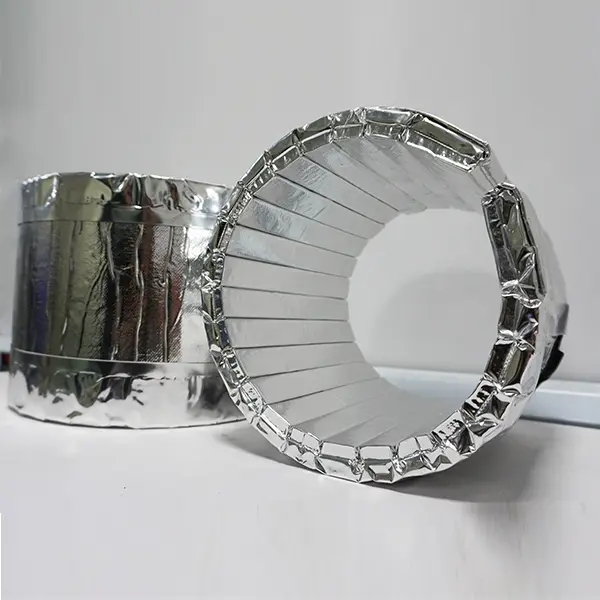
Product Details: Size: Customized Thickness: 5-50mm. Specially wrapped thermal shielding for industrial boilers and heaters.
View More +
Our elevator fireproof door high temperature nano microporous panels ensure supreme integrity under high thermal stress.
View More +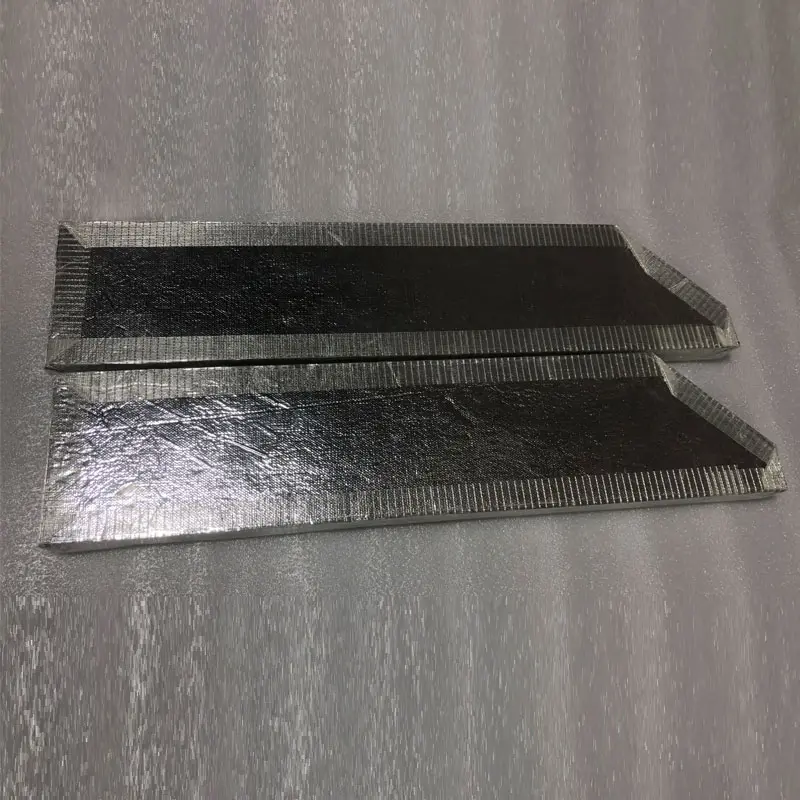
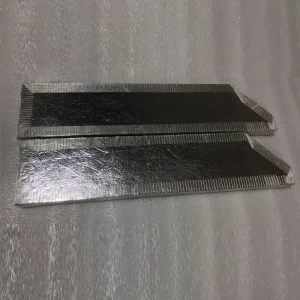
High performance custom shapes with specialized cutting and layout planning for non-linear structures.
View More +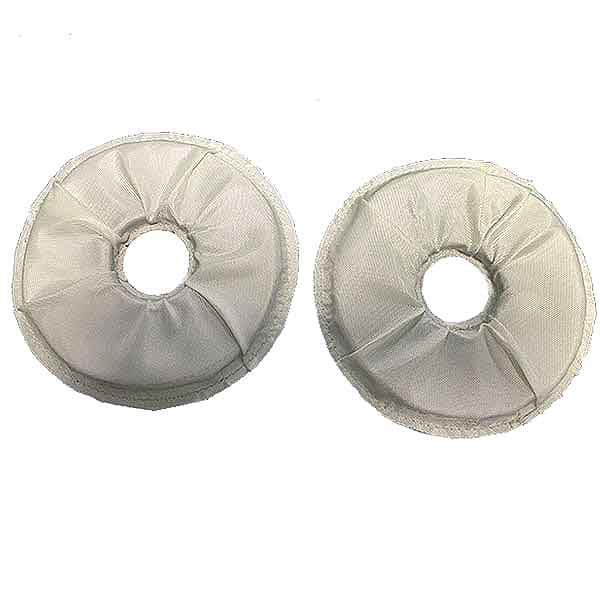
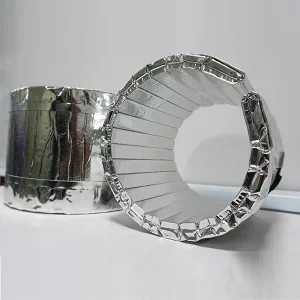
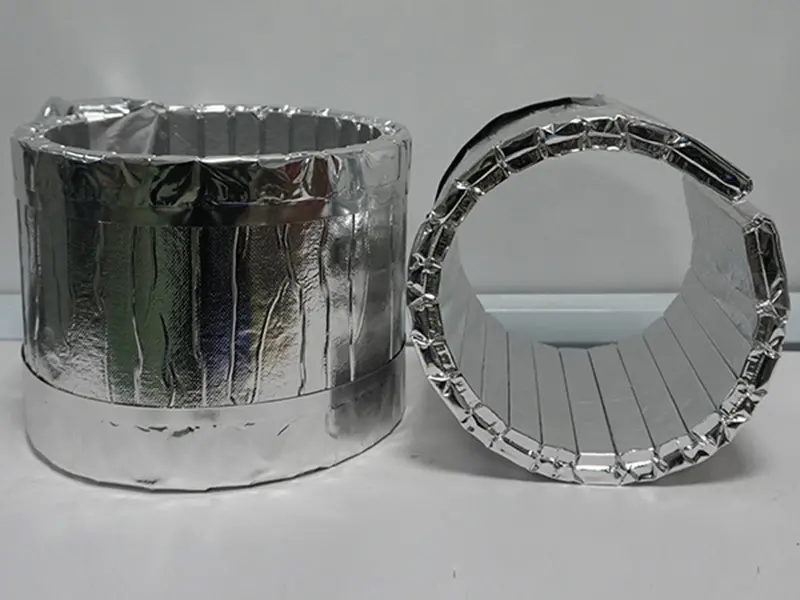
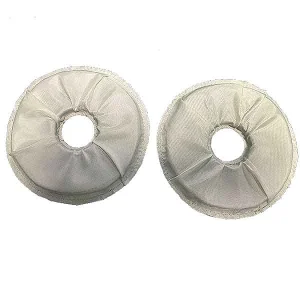
Flexible thermal insulation blankets structured for complex geometric shapes, pipe wrapping, and cylindrical vessels.
View More +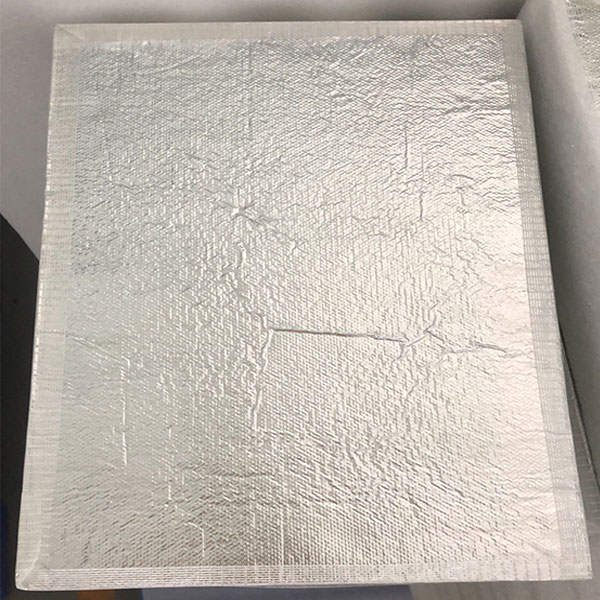
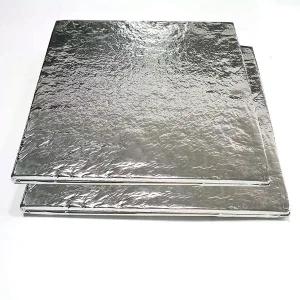
Superior engineering utilizing ultra-fine fumed silica powder and barrier membranes to secure long-term thermal resistance.
View More +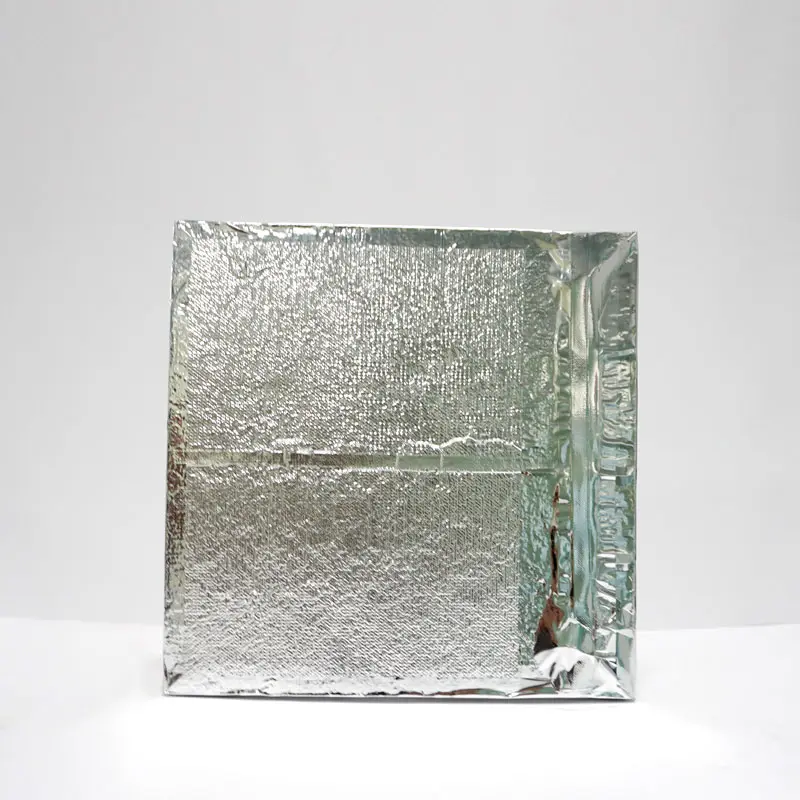
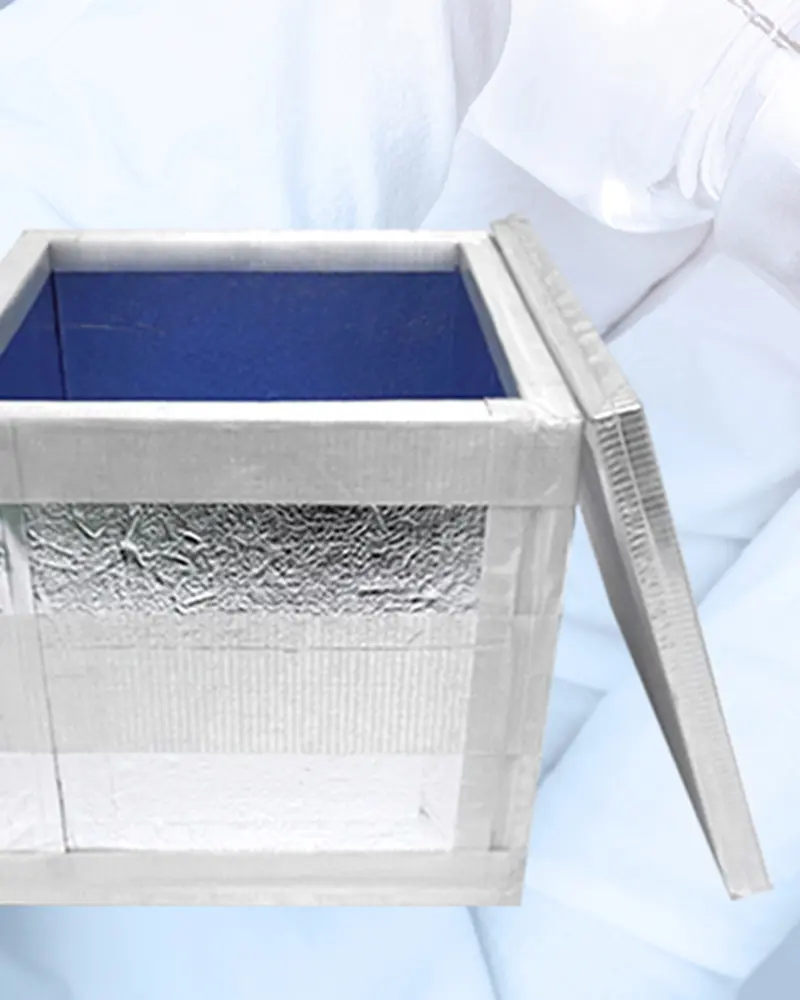
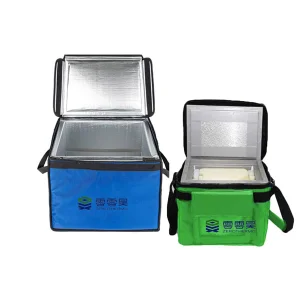
Custom panels designed for temperature-controlled shipping containers, ensuring safe transit of bio-pharmaceuticals.
View More +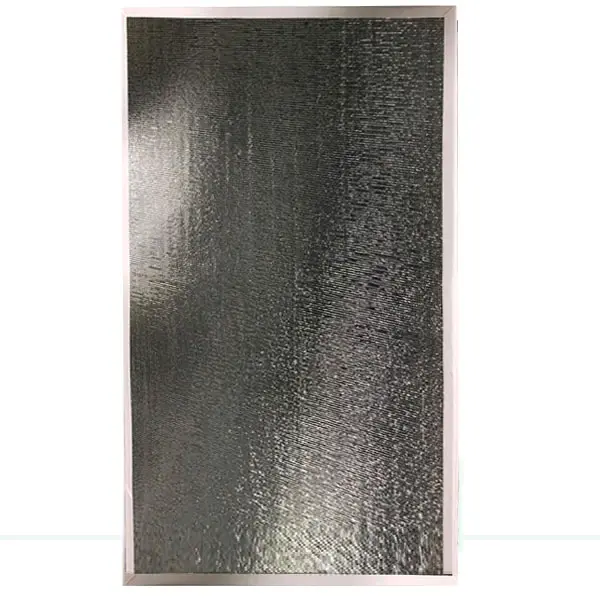
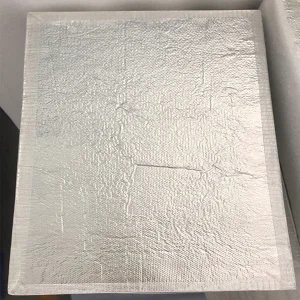
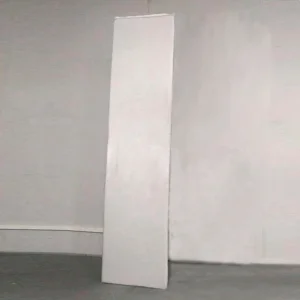
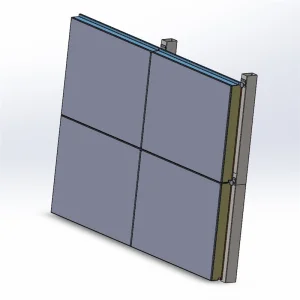
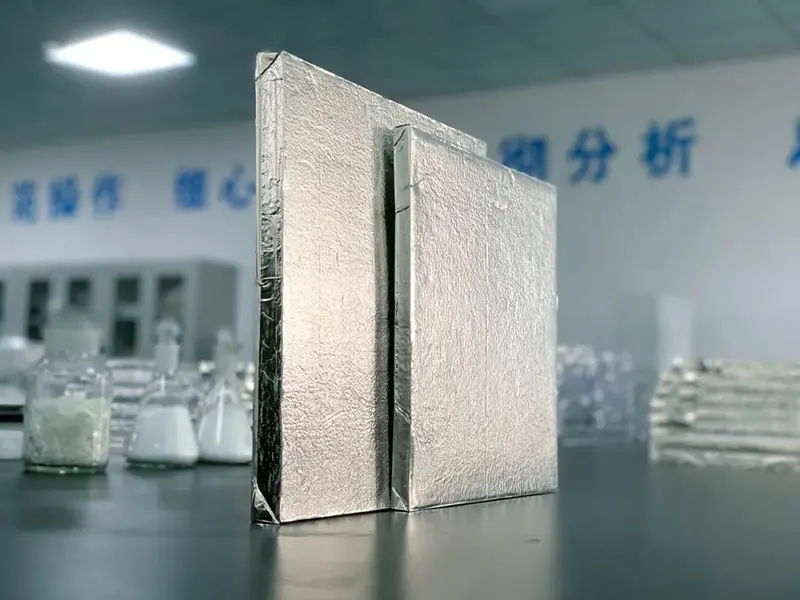
Jumbo format vacuum panels built for direct integration into modular building envelopes and prefab wall components.
View More +For international real estate developers, contractors, and modular construction firms, sourcing VIPs directly from China offers significant structural and financial advantages. China has become the global center for vacuum insulation production, driven by technological refinement and strong supply chains.
As green building mandates such as Europe's *Energy Performance of Buildings Directive (EPBD)* and China's *Dual-Carbon Initiative* take effect, traditional insulation materials are hitting their performance limits. Increasing thermal resistance by simply adding thickness is no longer practical due to space and structural design constraints. Vacuum Insulation Panels offer a clear path forward:
In highly populated urban centers where every square meter of real estate commands premium prices, using a 20mm VIP instead of a 150mm rockwool panel increases the net usable floor area of a high-rise development by 2% to 5%. Over a multi-story project, this space saving can offset the premium cost of vacuum panels.
About Us
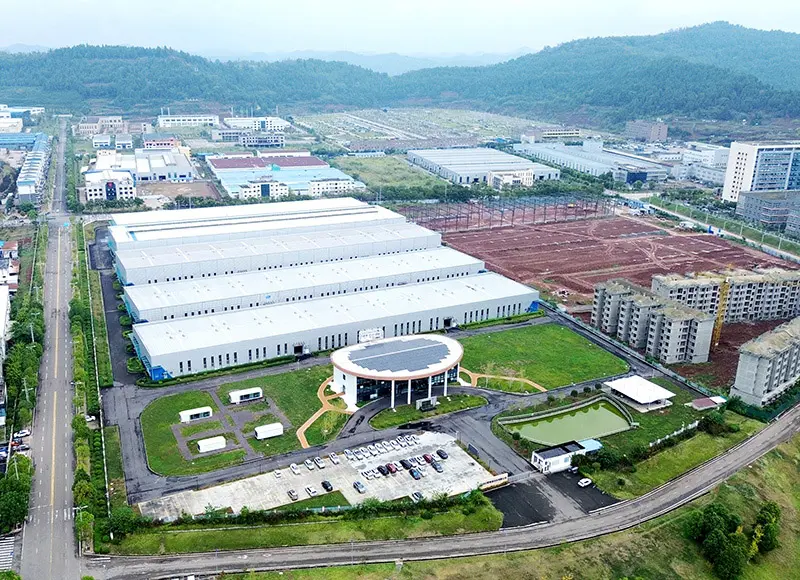
Zerothermo Technology Co., Ltd., a subsidiary of CBVAC Group and a national high-tech enterprise, is headquartered in the Beijing Economic-Technological Development Area. Our primary production base is in Nanchong City, Sichuan Province. This facility stands as one of China’s largest comprehensive production centers for vacuum technology application products.

Special sizes (beyond the range of ANSI/ASME/DIN and other standards) are produced according to customers' drawings or technical parameters.

Square, oval, or other custom profiles. We support oversize and micro-precision configurations, such as diameters over 60 inches.

High-precision components built using national standards, ensuring gas tightness and structural integrity under demanding environments.


Technology & Manufacturing Superiority


Real-World Deployment

Providing high-efficiency thermal insulation solutions for temperature-sensitive shipping containers and packaging systems.

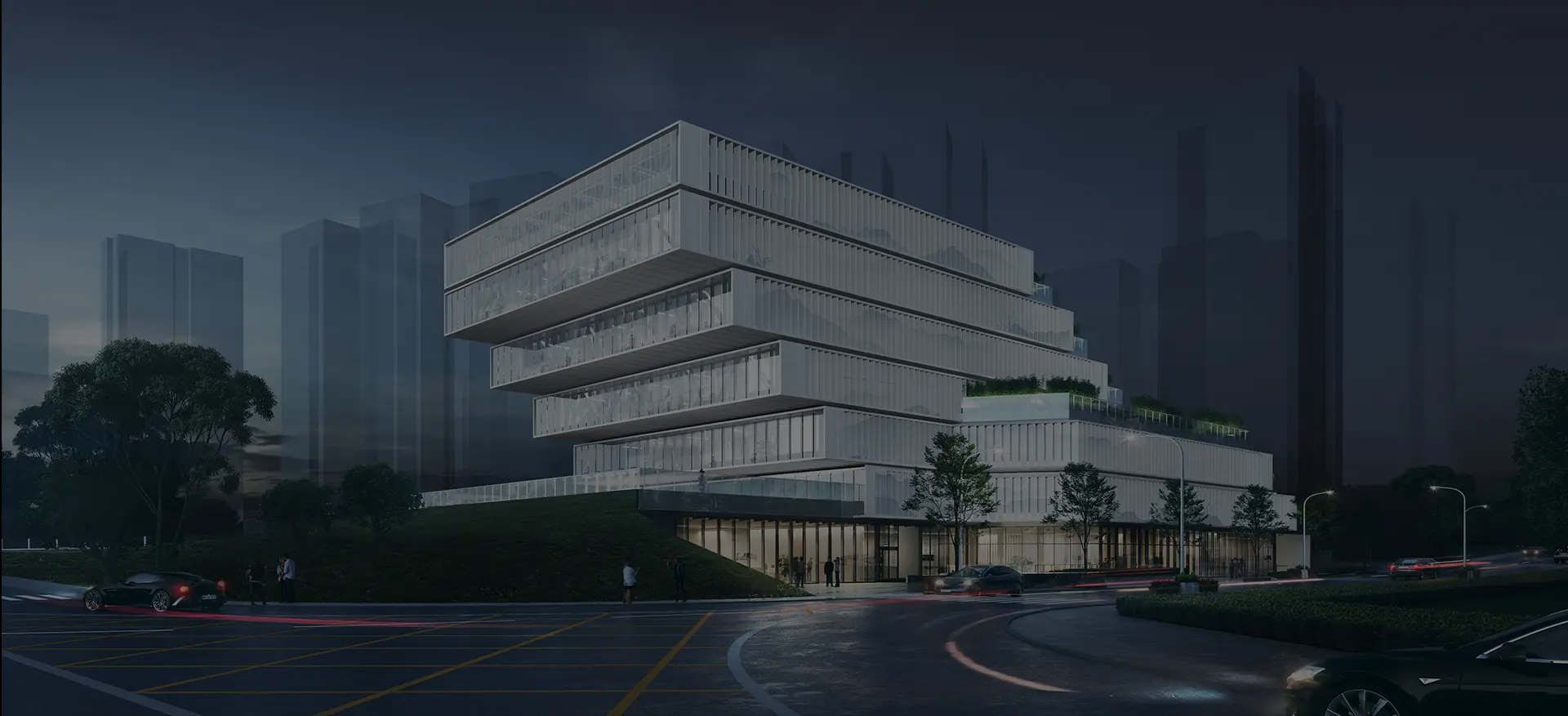
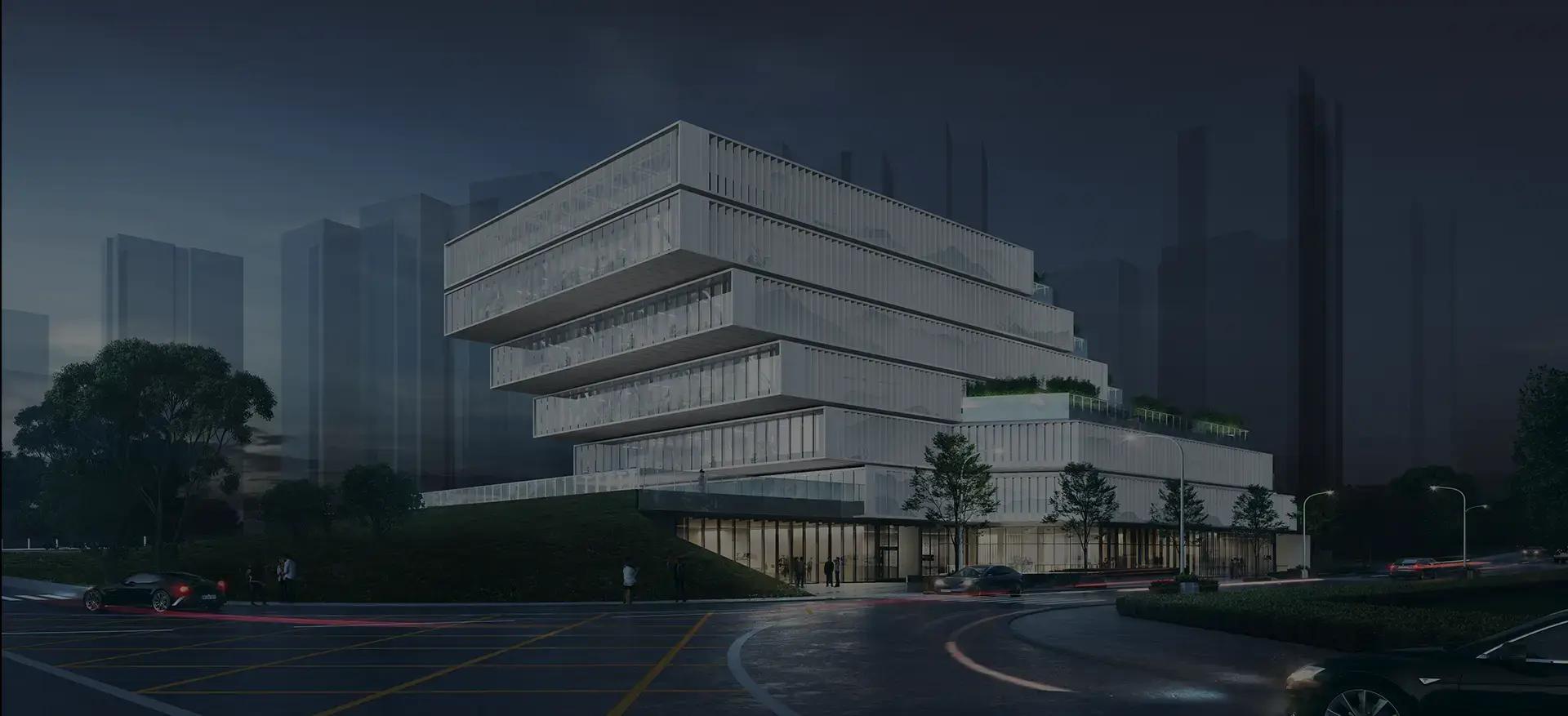
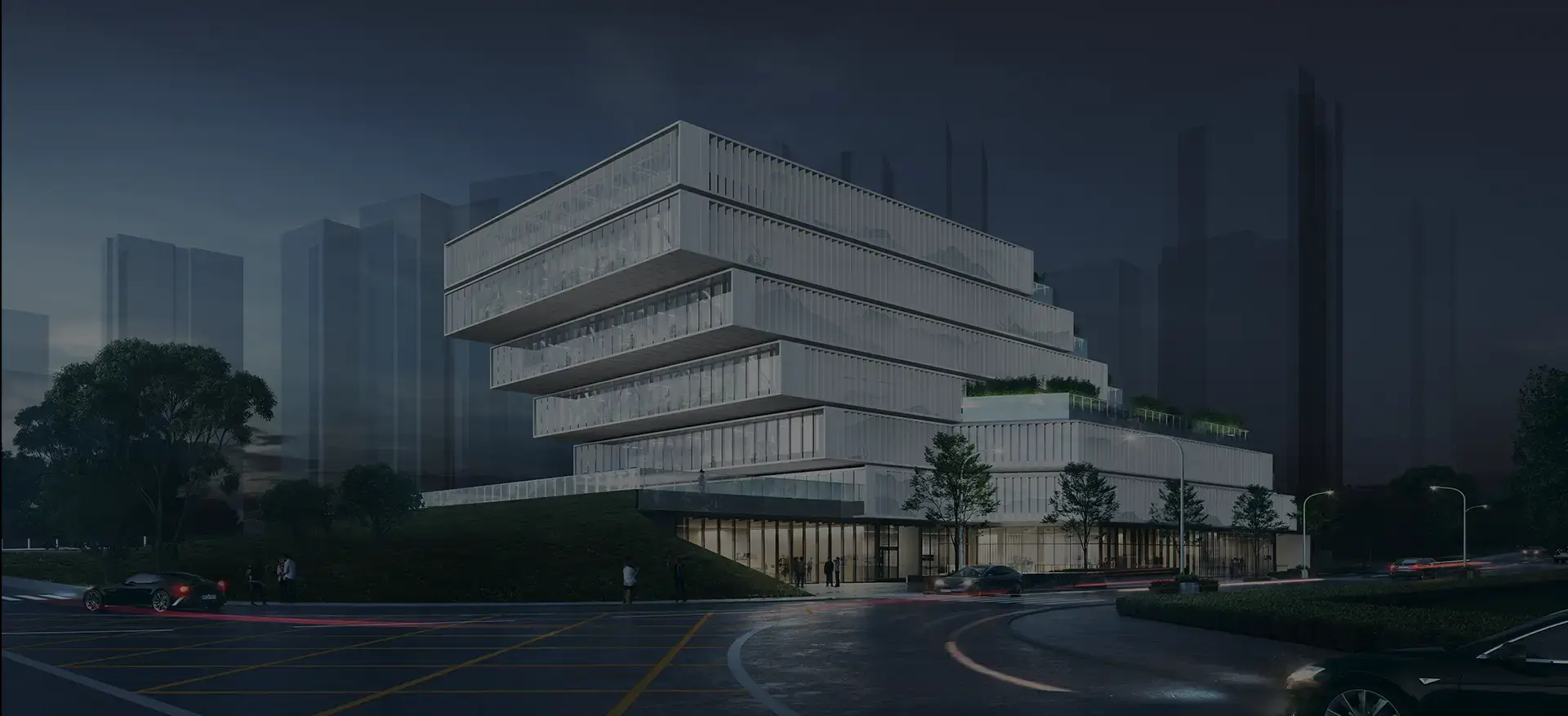
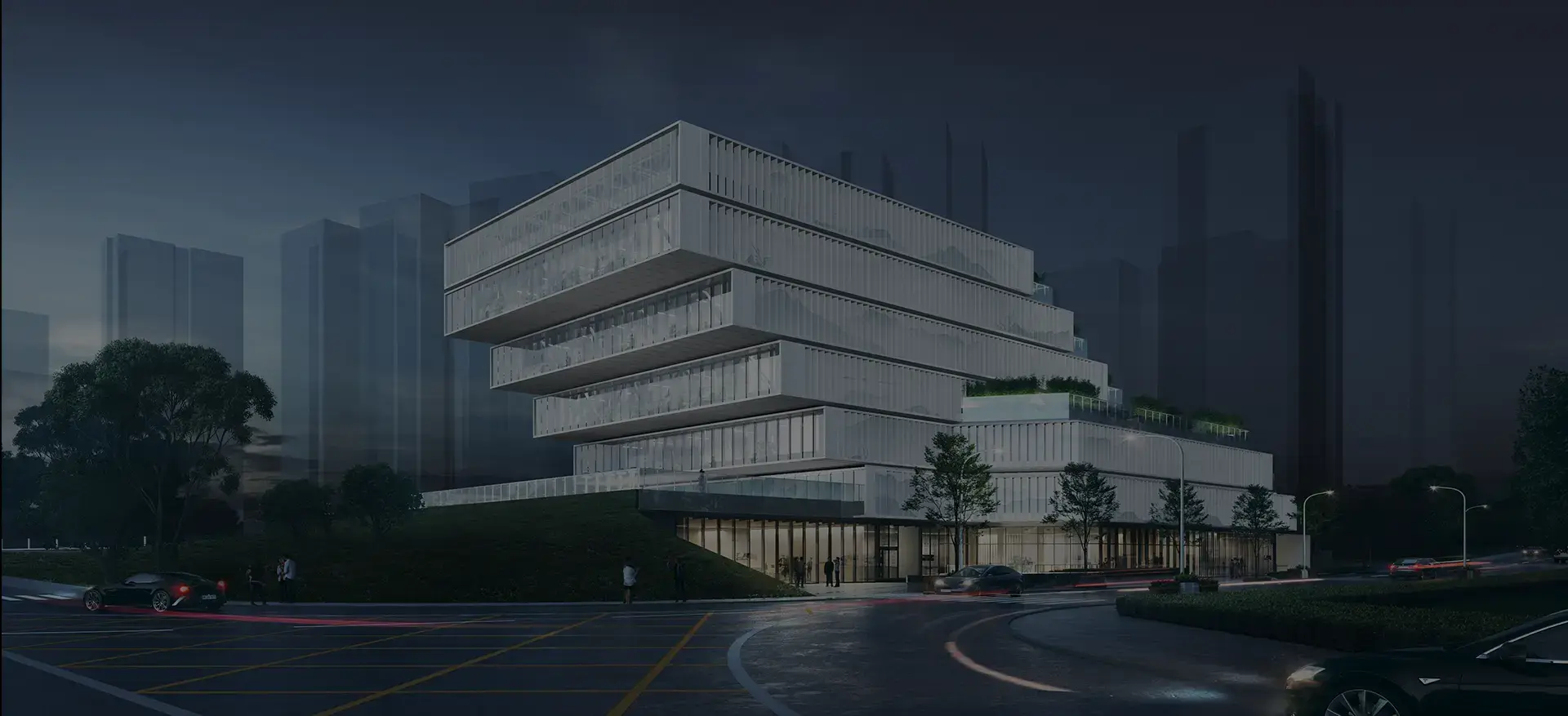
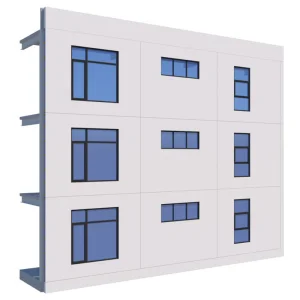
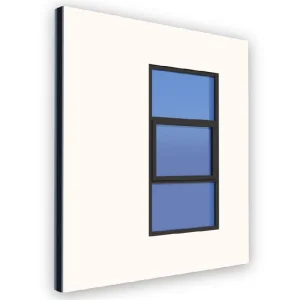
Providing high-efficiency thermal insulation solutions for building envelope systems through vacuum insulation panels and insulated glass.

Specialized nano microporous blankets designed to resist temperatures up to 1000°C in industrial furnaces and boilers.

Thermal solutions for prefabricated cabins, modular resort villas, and temporary mobile structures.
Proven Performance



Integrating Vacuum Insulation Panels into prefabricated wall panels requires careful attention to detail, as any structural puncture will compromise the vacuum and reduce performance. Below are the standard procedures recommended by Zerothermo's engineering department:
Because VIPs cannot be cut, drilled, or shaped on-site, a detailed architectural shop drawing is required. Designers lay out standard rectangular panels, using specialized shapes only where necessary. Any remaining gaps or areas requiring penetrations (such as electrical outlets or plumbing lines) are designed with dynamic filler materials like polyurethane foam or aerogel insulation blankets.
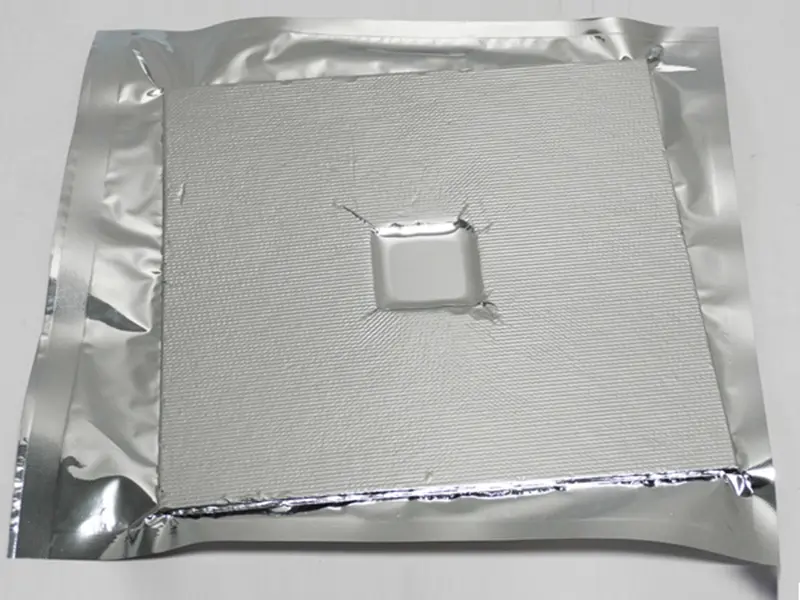
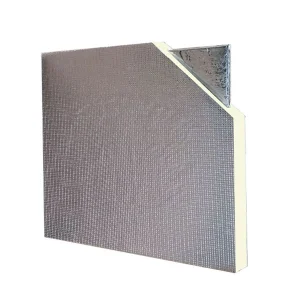
To shield the delicate vacuum barrier film (commonly a PET/Aluminium foil laminate) from mechanical damage during shipping and installation, the VIP is typically embedded within a protective composite envelope. This envelope can consist of:
This sandwich configuration protects the VIP from mechanical impacts and integrates it into standard curtain wall systems.
The joints between adjacent prefabricated panels are potential thermal bridges. To maintain continuous insulation, design details should incorporate interlocking step-lap joints or vapor-permeable gaskets. Placing thin aerogel strips along the panel seams can also help eliminate linear thermal bridging.
While the initial cost of a fumed silica vacuum insulation panel is higher than traditional materials, a life-cycle cost analysis reveals significant long-term economic benefits. Beyond increasing net rentable floor area, VIPs reduce heating and cooling energy consumption by 30% to 50%. Additionally, fumed silica is non-toxic, recyclable, and presents a low carbon footprint, aligning with global green building certification standards (LEED, BREEAM, DGNB).
Technical Knowledge Base
No. The thermal performance of a VIP relies on a sustained internal vacuum. Any cutting, drilling, or deep scratching of the protective barrier film will puncture the envelope, causing immediate loss of vacuum and reducing the R-value to that of conventional silica. All panels must be pre-fabricated to exact dimensions based on comprehensive shop drawings.
Fumed silica VIPs are designed for long-term building applications. Because fumed silica has a nano-porous structure, its thermal performance remains stable even if the internal vacuum degrades slightly. Under typical architectural conditions, fumed silica VIPs maintain high efficiency for over 50 years, matching the standard design life of modern commercial building envelopes.
Condensation control requires correct thermal design. By positioning the high-performance VIP on the cold side of the structural wall and incorporating a vapor barrier, the dew point is kept safely outside the structural wall. Standard pre-construction hygrothermal analysis (such as WUFI simulations) is recommended for each project.
The core material of our fumed silica VIPs is naturally non-combustible and has high thermal stability. The overall fire rating of the prefabricated panel is determined by the combination of the outer protective boards and the inner core. Many assemblies achieve Class A fire performance, making them suitable for high-rise facades and escape routes.
VIP pricing depends on: 1) The core material type (Fumed Silica vs. Fiberglass); 2) The panel dimensions and shape complexity (standard rectangles are more cost-effective than custom shapes); 3) The specification of the barrier film and protective layers; 4) Order volume. Large-scale production runs benefit from automated manufacturing efficiencies, which lowers the cost per square meter.
Premium Insulated Solutions
Get in Touch
We offer integrated, one-stop vacuum insulation solutions tailored to your project’s parameters. Reach out to our technical sales team for comprehensive design consultations and pricing options.




 +8615892792306