
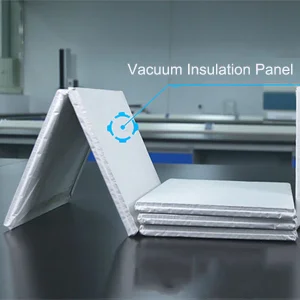
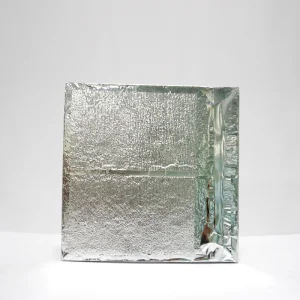
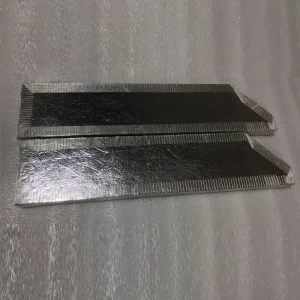
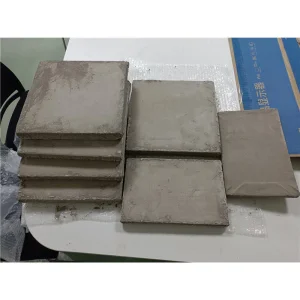
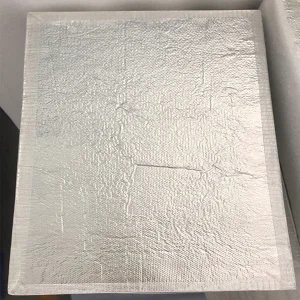
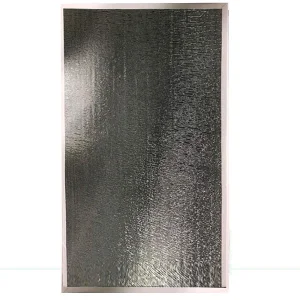
Vacuum Insulation Panels (VIPs) represent the absolute zenith of modern thermal insulation science. Traditional insulation materials—such as Expanded Polystyrene (EPS), Extruded Polystyrene (XPS), polyurethane foam (PU), and mineral rockwool—depend on trapping air within their porous structures to reduce heat transfer. Their thermal conductivities typically range from 0.030 W/(m·K) to 0.045 W/(m·K). In contrast, VIPs alter the physics of heat transfer by evacuating the gas from a nanoporous core material, achieving thermal conductivities ($\lambda$) as low as 0.0035 W/(m·K) to 0.0050 W/(m·K).
The Knudsen Effect & Nanoporous Architecture: By utilizing fumed silica (with average pore diameters of 10 to 50 nanometers) as the core material under a deep vacuum (typically 0.1 to 10 mbar), the core's pore size is engineered to be smaller than the mean free path of air molecules at atmospheric pressure (~68 nm). This restricts the collision-based transfer of kinetic energy among gas molecules, virtually eliminating gaseous thermal conduction even in the event of minor vacuum degradation over a 50-year building lifecycle.
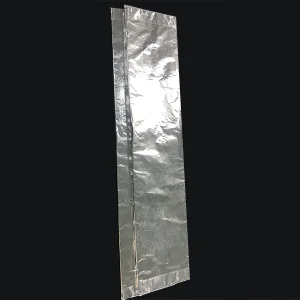
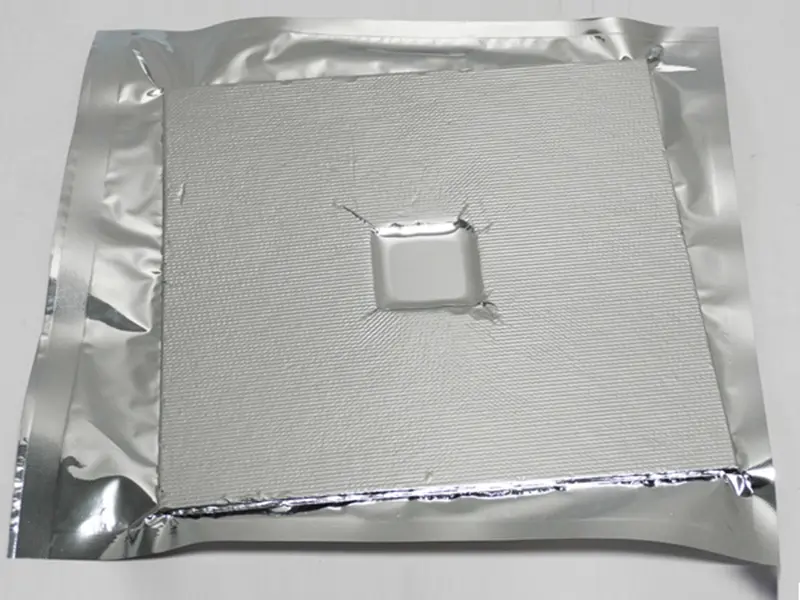
A typical architectural VIP consists of three key components:
As the international community converges on stringent climate-neutral building directives—such as the European Union's Energy Performance of Buildings Directive (EPBD) and the United States' updated ASHRAE 90.1 building energy standards—passive house construction and net-zero energy buildings (NZEB) have transitioned from niche programs to mainstream regulations. Within this paradigm, exterior wall insulation plays a critical role in minimizing thermal bridging and reducing HVAC heating and cooling loads.
The global demand for high-performance VIPs in exterior wall applications is driven by several key factors:
When sourcing VIPs for exterior wall insulation, architects and developers must choose between core technologies. While fiberglass-core VIPs are popular in domestic appliances (such as refrigerator freezers and cold chain boxes) due to lower initial material costs, fumed silica is the industry standard for building envelopes:
| Feature / Metric | Fumed Silica Core VIP | Fiberglass Core VIP |
|---|---|---|
| Initial Thermal Conductivity | 0.004 - 0.005 W/(m·K) | 0.0015 - 0.0025 W/(m·K) |
| Conductivity after 50 Years | 0.007 - 0.008 W/(m·K) (Highly Stable) | 0.020 - 0.035 W/(m·K) (Rapid Degradation) |
| Critical Vacuum Pressure Threshold | 100 mbar (High tolerance) | 1 - 5 mbar (Extremely sensitive) |
| Fire Classification | Class A1/A2 Non-Combustible | Class B/C (Depending on film barrier) |
| Lifespan in Construction Envelopes | 50+ Years | 10 - 15 Years (Not recommended for walls) |
Integrating VIPs into an exterior wall requires careful planning because the panels cannot be cut, drilled, or nailed on-site. Any mechanical puncture destroys the internal vacuum, causing the thermal conductivity to rise to that of non-evacuated fumed silica (~0.020 W/m·K).
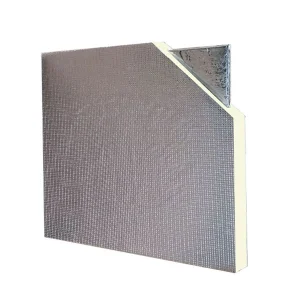
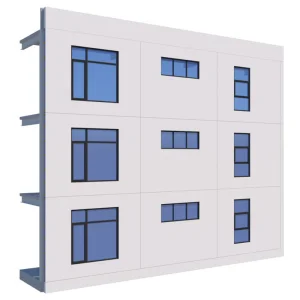
In External Thermal Insulation Composite Systems (ETICS), VIPs are adhered directly to the load-bearing masonry wall using structural polymer-modified adhesives. To prevent mechanical damage during construction and over the building's life, VIPs are encapsulated within protective layers, such as high-density EPS skins, elastomeric polyurethane coatings, or thin polyurethane protection boards. This composite assembly protects the vacuum barrier while maintaining a slim profile.
For modern ventilated rainscreen systems, VIPs are installed within structural sub-framing brackets. Thermally isolated plastic anchors or specialized pressure plates hold the VIP composite panels securely against the substrate without puncturing the vacuum boundaries. Specifiers frequently map out the wall grid using standard factory-sized VIP panels, filling the remaining edge spaces with cut-to-fit aerogel blanketing or high-density polyurethane strips.
Special attention must be paid to joints between adjacent VIPs. Although the center-of-panel thermal performance is outstanding, heat can escape through the multi-layered aluminum barrier films at the panel edges. High-performance installations offset this by using dual-layer offset installations or wrapping panel joints with aerogel strip inserts, reducing the linear thermal transmittance ($\psi$) of joint interfaces to negligible levels.
Understanding the pricing structure of VIPs is essential for budgeting large-scale commercial retrofits. VIP manufacturing is a high-precision process, making the initial cost per square meter higher than traditional insulation. However, a comprehensive lifecycle cost analysis often demonstrates a favorable return on investment.
Key drivers of VIP pricing include:
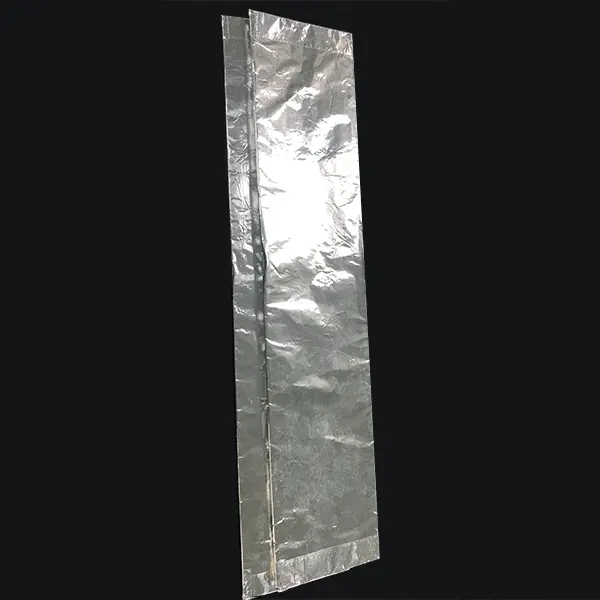
Size: Customized. Thickness: 5mm+ for high thermal run-away protection.
View More +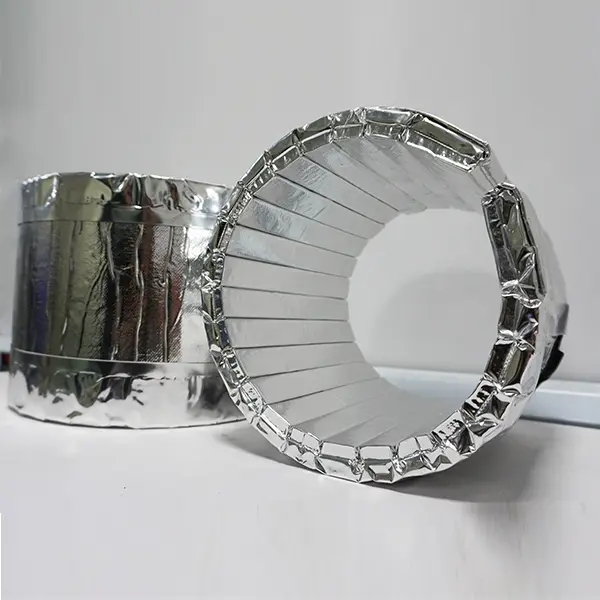
Size: Customized. Thickness: 5mm+ optimized for extreme conditions.
View More +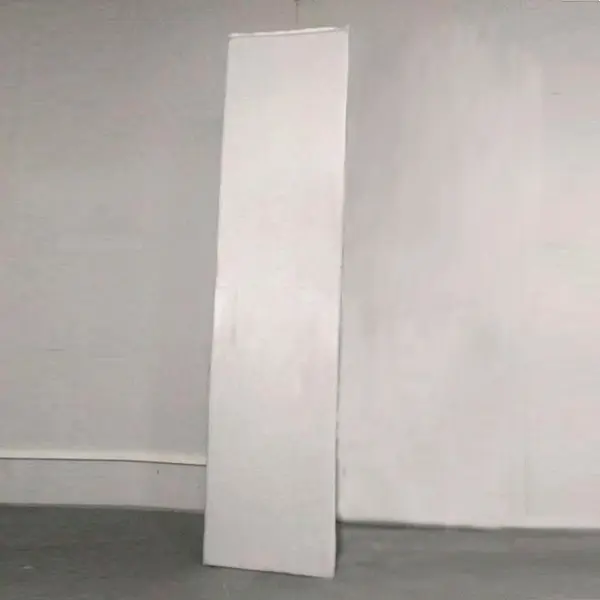
Engineered specifically for elevator fireproof door structural cores.
View More +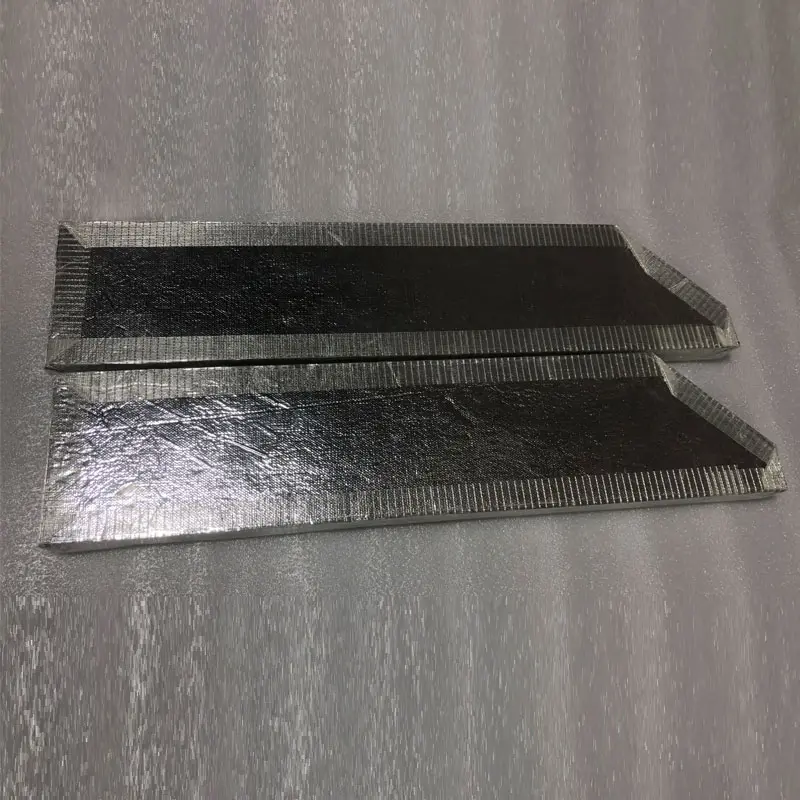
Custom geometry vacuum insulation panels with protective outer film layers.
View More +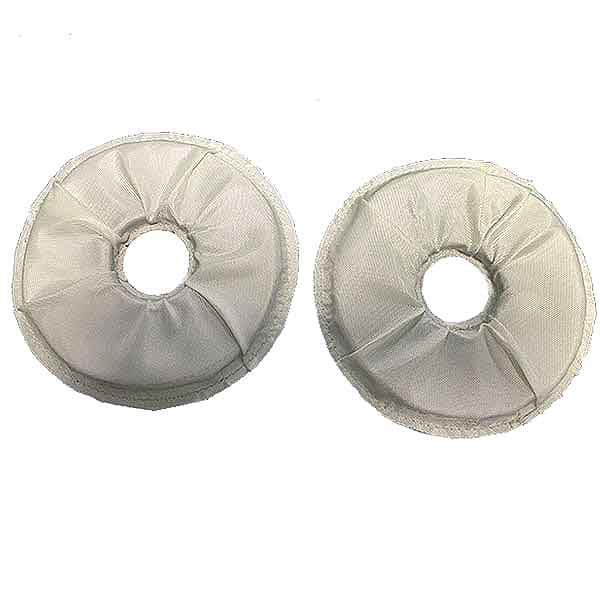
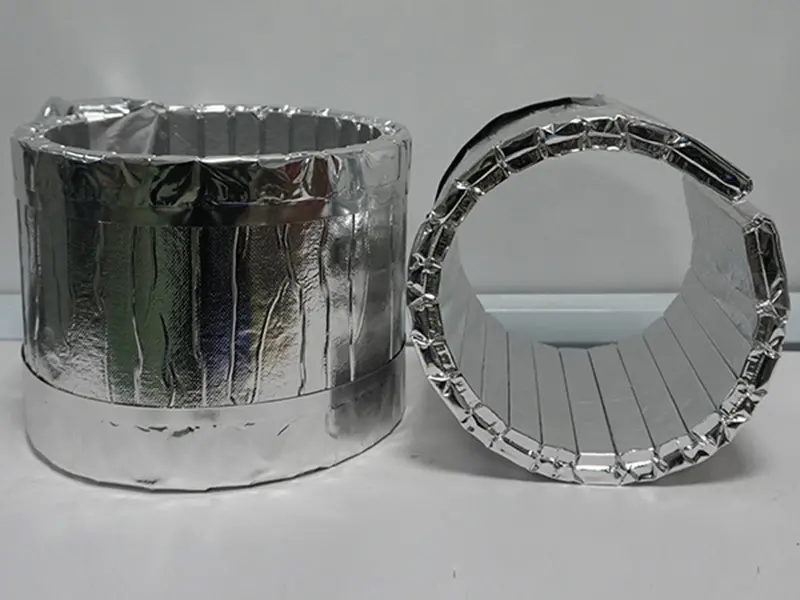
Tailored cylindrical thermal isolation for industrial piping and components.
View More +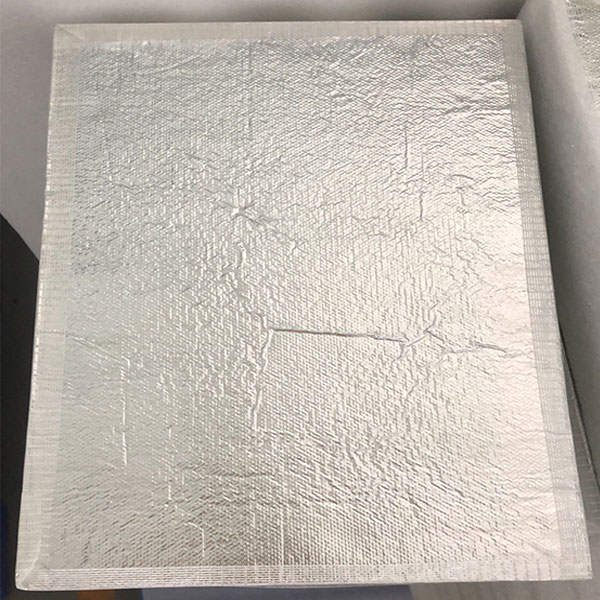
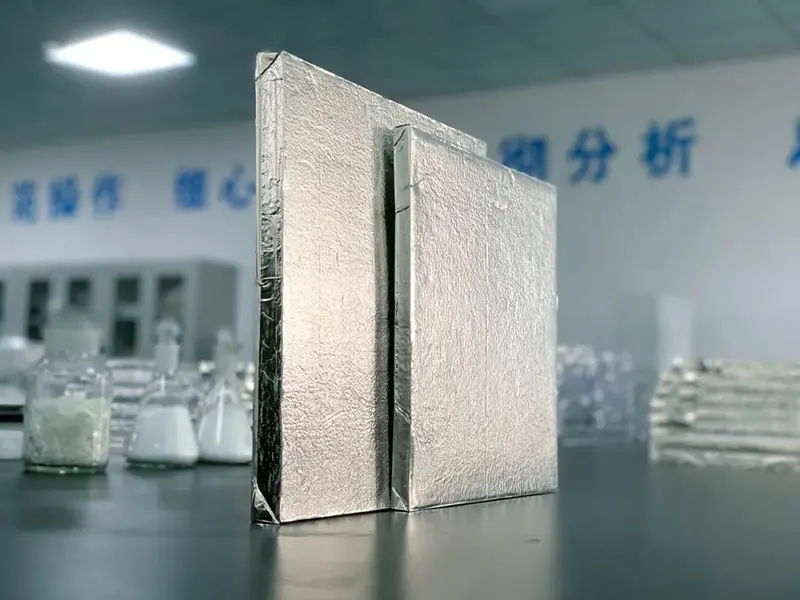
Premium building envelope panel featuring custom PET protective films.
View More +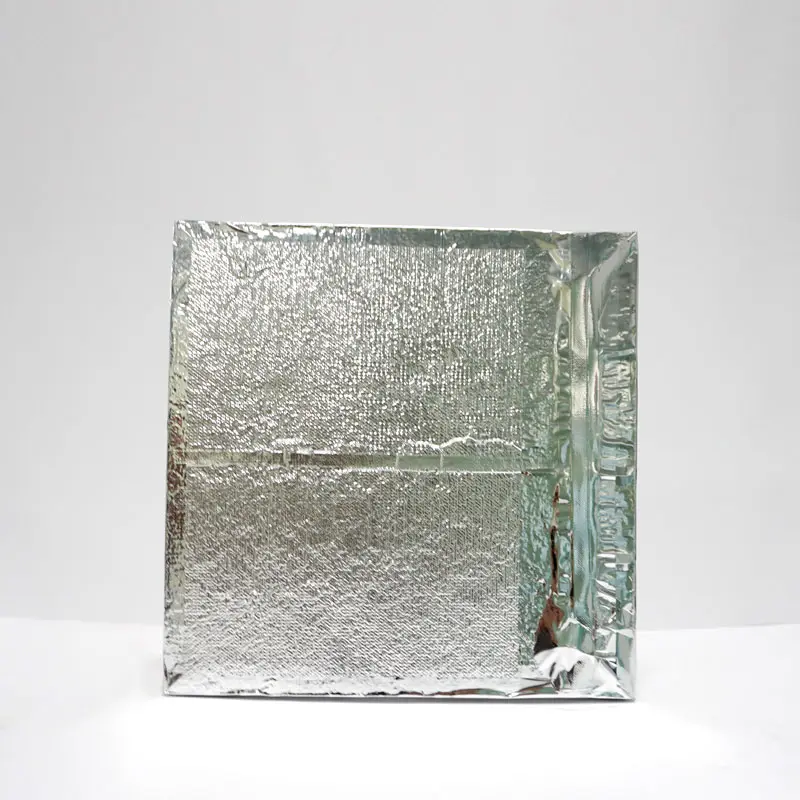
High efficiency VIPs optimized for vaccine transport and deep-freeze logistics.
View More +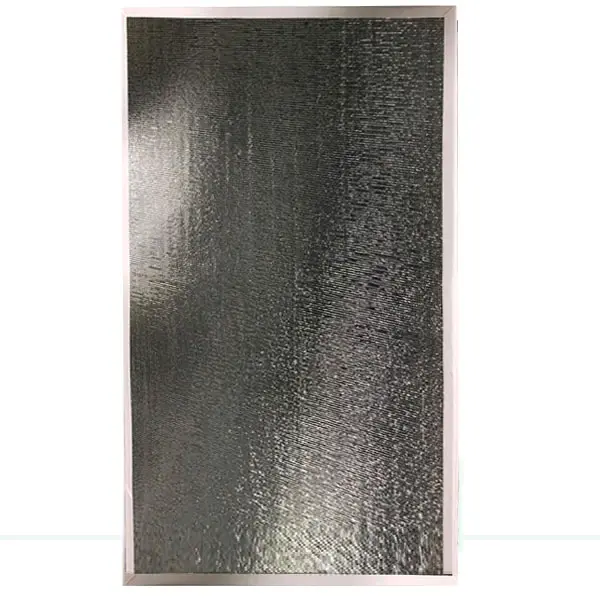
Extra-large footprint panels engineered for commercial marine cargo containers.
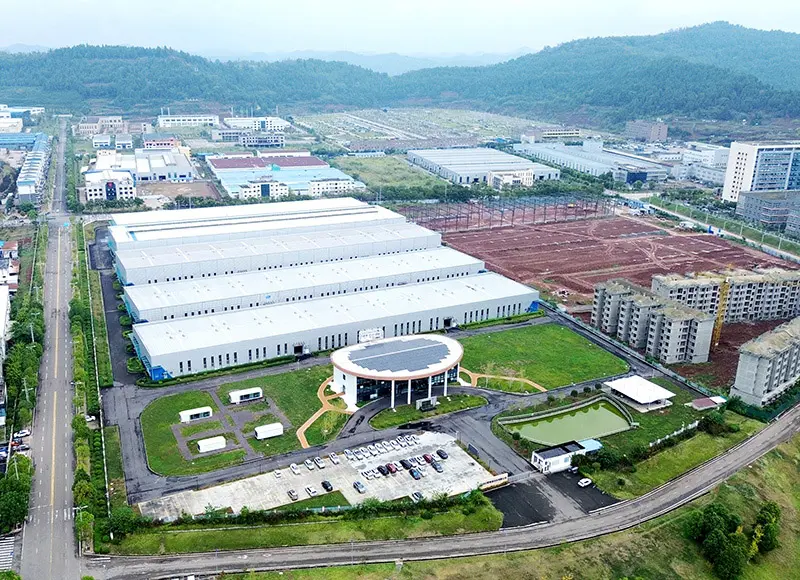
View More +Zerothermo Technology Co., Ltd., a subsidiary of the prestigious CBVAC Group, is a national high-tech enterprise. Headquartered in the Beijing Economic-Technological Development Area, our state-of-the-art production base spans across Nanchong City, Sichuan Province. This facility stands as one of China's largest comprehensive production centers for vacuum technology application products.

Special sizes (beyond the range of ANSI/ASME/DIN and other standards) are produced according to customers' drawings or technical parameters.

Square, oval, or other special shaped flanges. Oversize/small diameters, such as diameters over 60 inches or micro precision flanges.

Special sizes (beyond standard ranges) engineered and manufactured according to specific client drawings and technical criteria.



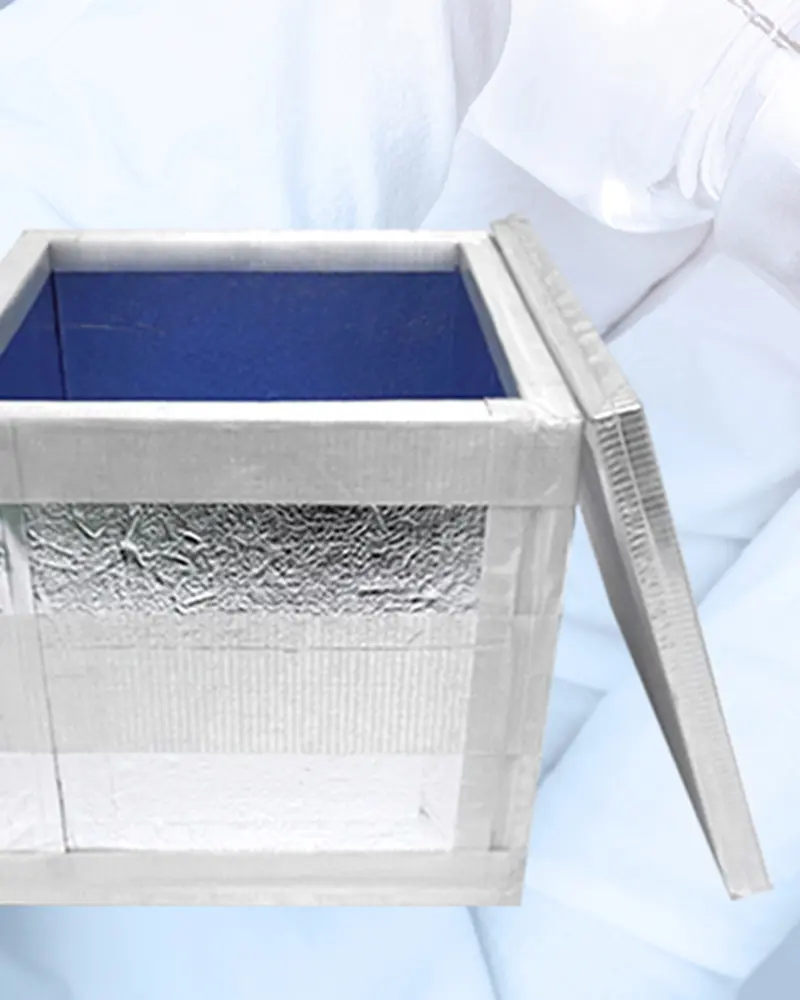
Providing high-efficiency thermal insulation solutions for temperature-sensitive shipping containers through vacuum insulation panels.

Providing thermal insulation solutions for building envelopes through vacuum insulation panels and vacuum insulated glass, helping reduce carbon emissions.

Offering custom microporous panels designed to withstand high industrial temperatures, preventing thermal loss and optimizing energy efficiency.

Innovative thermal modular shells for outdoor installations, cabins, and temporary structures to maintain stable interior climates.




Exploring the performance parameters required for elevator fire containment and how nanoporous panels provide critical protection.
Our team presented our latest vacuum insulation panels and custom aerospace-grade microporous thermal materials at the Canton Fair.
An in-depth analysis of high-temperature operations and the role of specialized nanoporous panels in modern industries.
A: Fumed silica has a nanoporous structure that tolerates pressure increases better than fiberglass. If a fiberglass VIP loses vacuum, its thermal conductivity jumps to ~0.035 W/(m·K). Under the same conditions, fumed silica only rises to ~0.020 W/(m·K). Silica cores are also non-combustible (Class A) and have a lifespan of over 50 years, compared to just 15 years for fiberglass.
A: No. VIPs rely on a vacuum sealed inside a gas-barrier envelope. Cutting, drilling, or shaving a panel will puncture this envelope, releasing the vacuum and reducing its insulation value. Installers must work with pre-planned dimensions and fill any gaps with adjustable materials like aerogel blankets or high-density PIR.
A: Thermal bridging can occur through the metalized barrier films at the panel edges. This is resolved by using double-layered, offset panels or covering the seams with high-efficiency aerogel tape, keeping the overall envelope performance consistent.
A: Key factors include the thickness (typically 10mm to 50mm), the purity of the fumed silica core, the composition of the barrier film, and whether the panels are standard sizes or custom shapes. Custom sizes require manual processing, which increases the price per square meter.
A: VIPs with a fumed silica core are naturally non-combustible. When paired with high-performance barrier foils, they meet strict building safety standards (such as Class A1 or A2), making them suitable for high-rise exterior insulation systems.
We offer comprehensive, one-stop vacuum insulation solutions tailored to your project requirements. Reach out to our technical team for product documentation, performance testing reports, and custom pricing estimates.


 +86 15892792306