Explore high-performance thermal insulation structures optimized for refrigeration, construction, cold chain logistics, and high-temperature environments.
Thermal insulation effectiveness is fundamentally defined by the thermal resistance, commonly referred to as the R-value. When analyzing high-performance insulation solutions, particularly Vacuum Insulation Panels (VIPs), standard R-value comparisons fail to capture the exponential thermal efficiency improvements these structures provide.
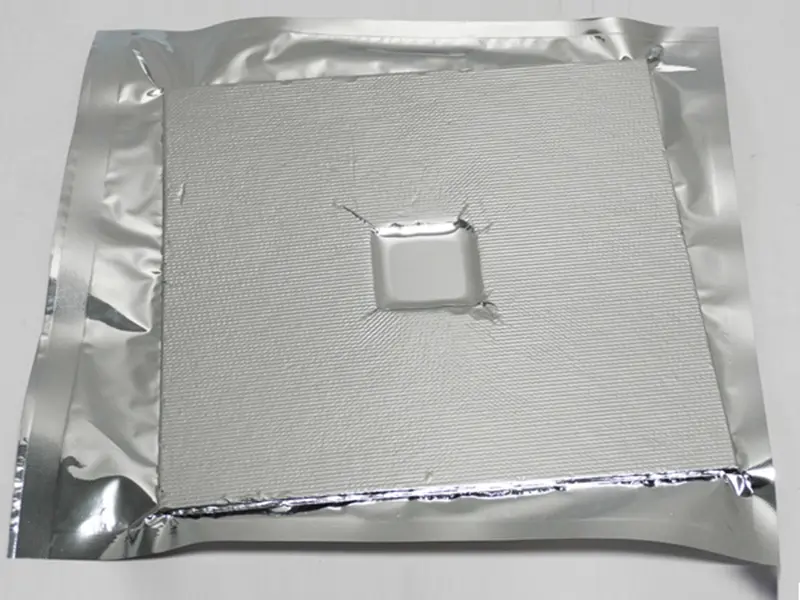
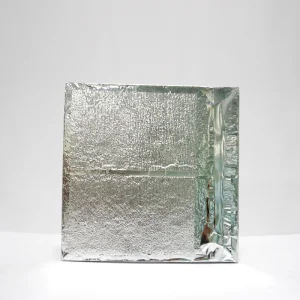
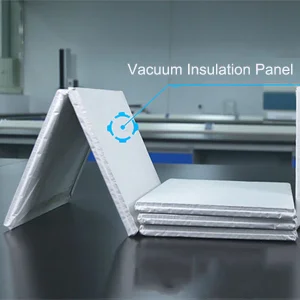
Traditional thermal insulation materials—such as Polyurethane (PU) foam, Expanded Polystyrene (EPS), and mineral wool—rely on trapping gas or air molecules within a porous structure. However, gas conduction remains a primary mechanism of heat transfer. The core concept behind a Vacuum Insulation Panel (VIP) is the evacuation of this internal gas, reducing pressure below the threshold where gas conduction contributes to thermal transmittance.
By extracting air from the core material matrix (whether it is fumed silica or glass fiber) and enclosing it within an impermeable, airtight barrier envelope, the thermal conductivity ($\lambda$) can drop to as low as 0.0015 to 0.002 W/m·K. This corresponds to an initial R-value of up to R-60 per inch, compared to PU foam which yields approximately R-7 per inch, and mineral wool which provides R-3.5 to R-4 per inch.
R = d / λ (where d is thickness in meters, and λ is thermal conductivity in W/m·K). With a vacuum-sealed core, λ is minimized, elevating the R-value exponentially without increasing the component thickness.
| Insulation Material | Thermal Conductivity (λ - W/m·K) | Typical R-Value per Inch (h·ft²·°F/Btu) | Space Savings (Relative to R-30 target) |
|---|---|---|---|
| Fumed Silica Core VIP | 0.002 - 0.004 | R-35 to R-50 | 90% - 95% Space Savings |
| Fiberglass Core VIP | 0.0015 - 0.003 | R-45 to R-65 | 92% - 97% Space Savings |
| Polyurethane Foam (PU) | 0.022 - 0.028 | R-6.0 to R-8.0 | Baseline reference |
| Extruded Polystyrene (XPS) | 0.029 - 0.035 | R-5.0 | Requires 6x larger footprint |
| Mineral Wool / Glass Fiber | 0.038 - 0.045 | R-3.5 to R-4.2 | Requires 10x larger footprint |
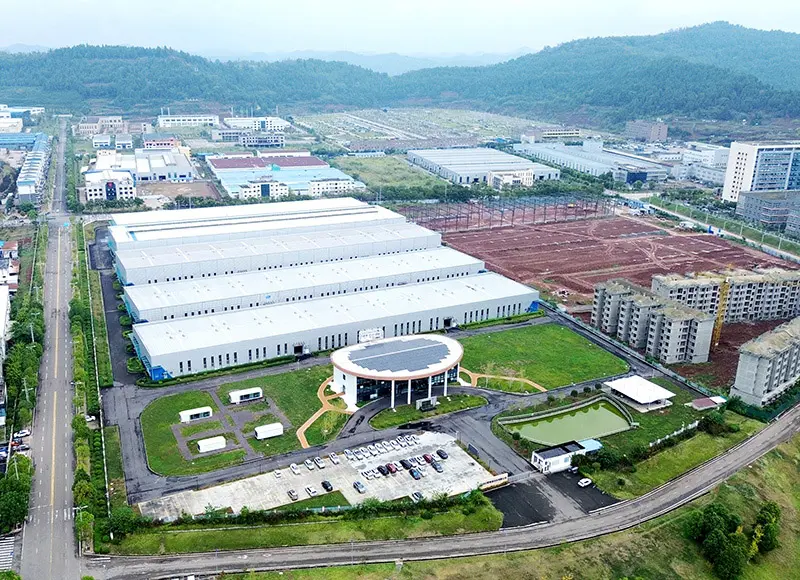
Zerothermo Technology Co., Ltd., a subsidiary of the renowned CBVAC Group, is a national high-tech enterprise dedicated to the design, optimization, and production of ultra-high-efficiency vacuum insulation products. Headquartered in the Beijing Economic-Technological Development Area, Zerothermo has established its state-of-the-art production base in Nanchong City, Sichuan Province. This facility stands as one of China’s largest and most comprehensive manufacturing complexes for industrial vacuum technology and advanced thermal applications.
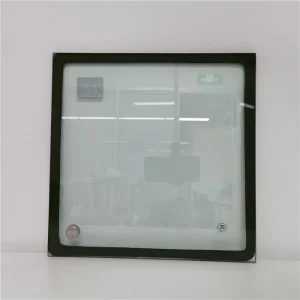
Integrating research, engineering, and mass production, Zerothermo specializes in manufacturing vacuum insulation panels (VIPs), vacuum insulated glass (VIG), and custom high-temperature nano-microporous thermal barriers. Our advanced facilities are certified under global standards, including ISO 9001 and ISO 14001, ensuring that our products serve critical thermal management needs in green building, cold-chain pharmaceuticals, transit systems, and domestic refrigeration.

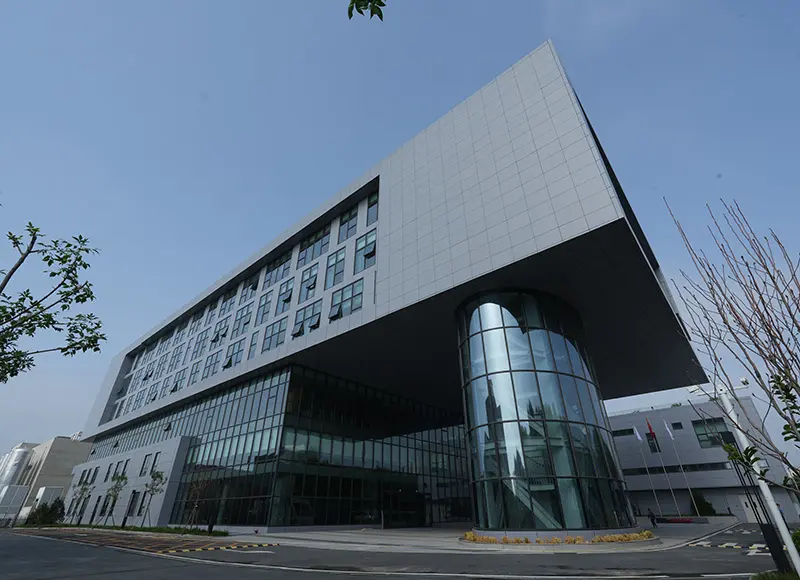


The convergence of rare raw material supply, advanced automated machinery, and vacuum engineering cluster ecosystems in China.
China produces a significant portion of the world's high-purity fumed silica and fiberglass substrates. This direct access to raw materials eliminates cross-border logistics costs and guarantees consistency in density, pore structures, and chemical purity, yielding a more stable, long-term insulation R-value.
Our Sichuan Nanchong factory integrates specialized moisture and gas-adsorption getter matrices inside each VIP panel. These proprietary alloys capture trace outgassed moisture and air molecules over time, preserving the interior vacuum pressure (< 1 mbar) and maintaining high R-value levels for over 50 years.
Utilizing CBVAC Group's world-class high-vacuum pumps and multi-chamber batch evacuation ovens, Zerothermo ensures uniform vacuum levels. Industrial scale automation guarantees that every single batch achieves optimal edge-sealing and zero fold defects, preventing premature R-value decay.

Our vacuum core processing complies with rigorous ASTM and European technical evaluations, delivering unmatched dimensional tolerance and long-term insulation reliability.

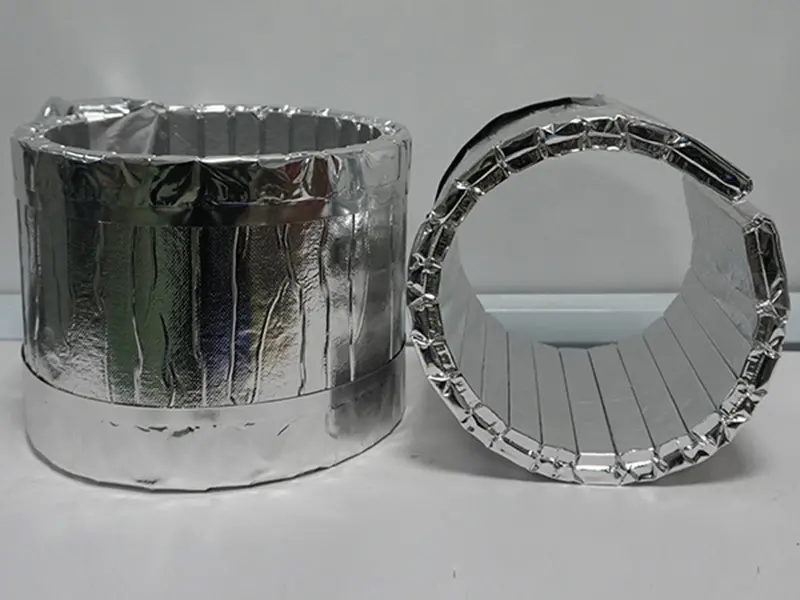
With an agile engineering team, we can design specialized complex geometries, custom curved shapes, and thermal wraps tailored for specific machine housings.

Leveraging our vast Nanchong Sichuan base, we execute high-volume contracts for Fortune 500 home appliance manufacturers and construction companies with fast lead times.

Protected by specialized impact-resistant packaging and moisture-sealed containers, our products are shipped globally with minimal transit defect risk.

We provide full life-cycle validation, offering diagnostic services and vacuum inspection equipment to verify panel health at each project deployment stage.
Vacuum technology is crucial for achieving net-zero targets and ensuring thermal isolation across diverse industrial ecosystems.

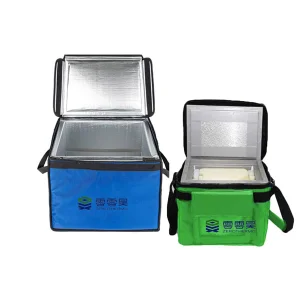
Enabling critical temperature maintenance (-70°C to +8°C) for vaccines and biological samples. The high R-value ensures compliance during shipping delays, preventing thermal excursions inside vaccine coolers.

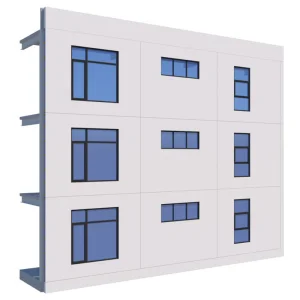
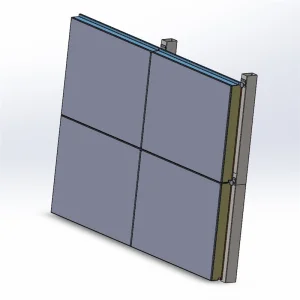
Ideal for curtain walls, exterior envelopes, and floor installations. Provides maximum thermal resistance (R-50 per inch) to achieve Passive House performance targets while saving rentable floor space.

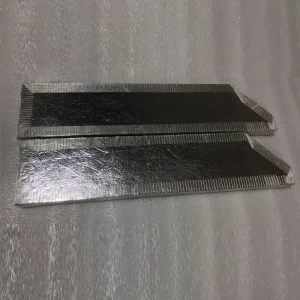
Providing microporous structures and flexible insulation jackets capable of containing heats exceeding 1000°C. Protects adjacent components in elevator fireproof doors and heavy kilns.

Empowering modular container structures, mobile eco-villas, and high-altitude shelters to resist extreme sub-zero weather conditions with integrated vacuum wall panels.
Custom dimensions, high temperature resistance, and special materials formulated for industrial configurations.
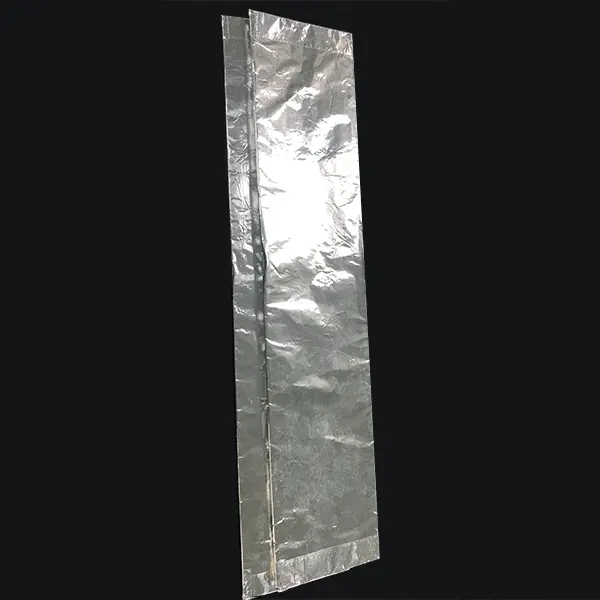
Product Details: Size: Customized Thickness: 5-30mm. Specifically engineered for electric vehicle battery packs, providing ultra-thin thermal runaway containment.
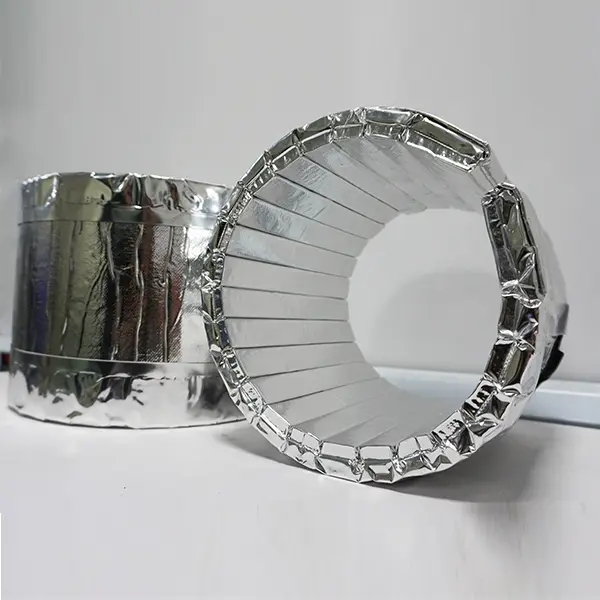
Product Details: Size: Customized Thickness: 5-50mm. Designed to encase heating coils, preventing standby heat loss in high-end water heaters.
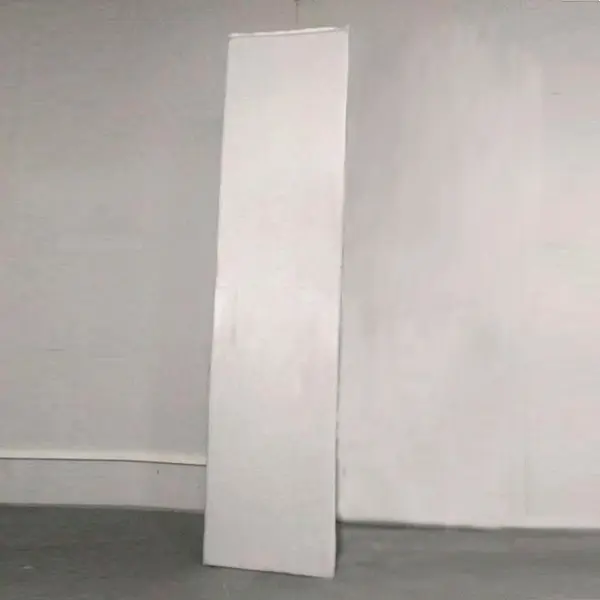
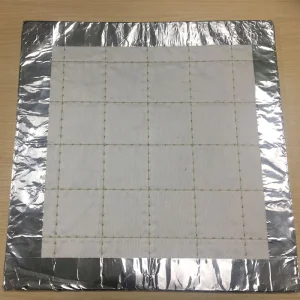
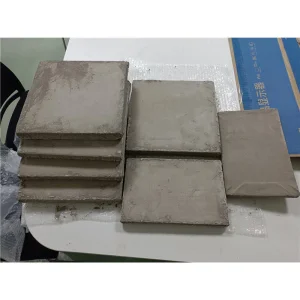
Our elevator fireproof door high temperature nano insulation panels offer structural rigidity and unmatched heat blocking in standard structural profiles.
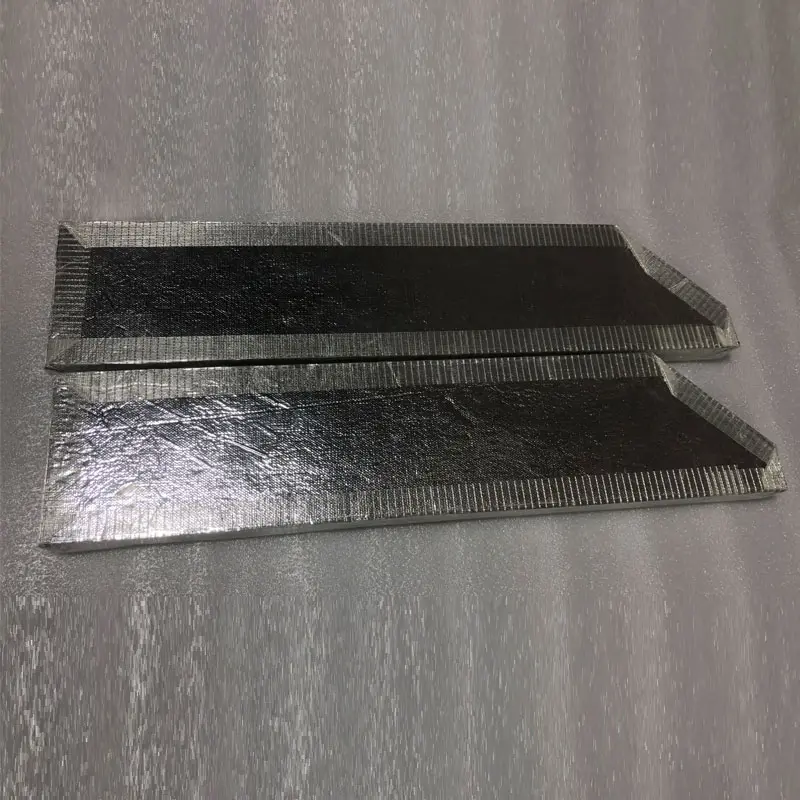
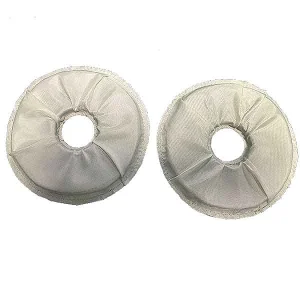
Custom cut-outs, curved profiles, and rounded edges optimized for complex installation chambers and piping systems.
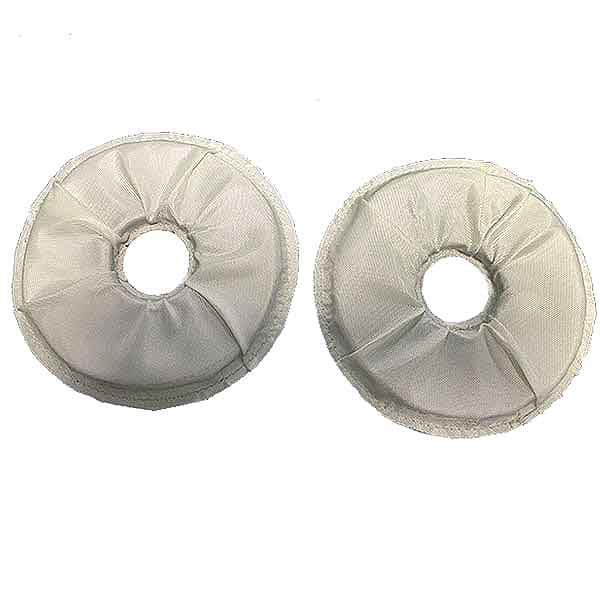
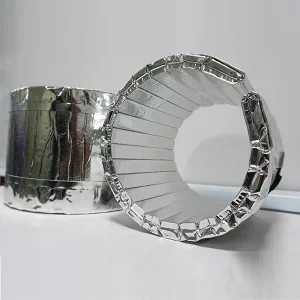
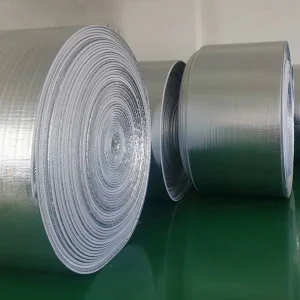
Flexible wrap designs for industrial reactors, pipeline systems, and curved storage tanks with high durability envelopes.
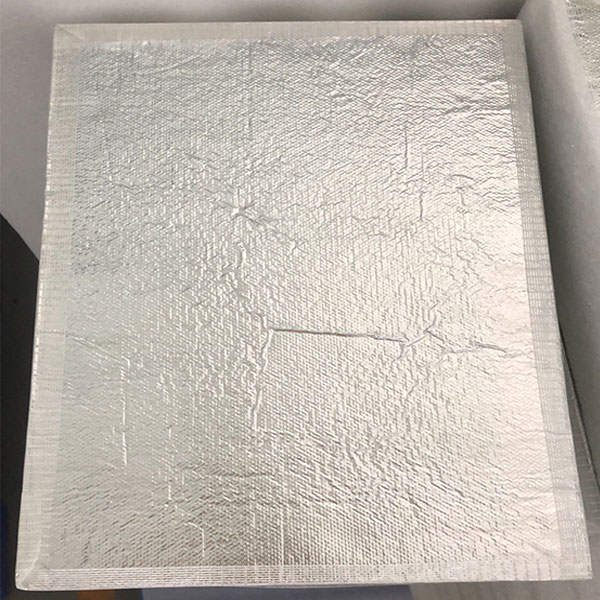
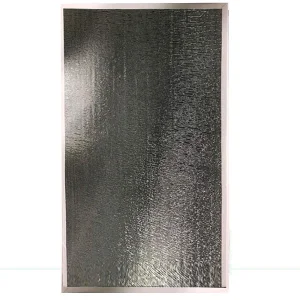
State-of-the-art silica core composition with minimal thermal drift, providing long-term structural stability and predictable R-value lifespan.
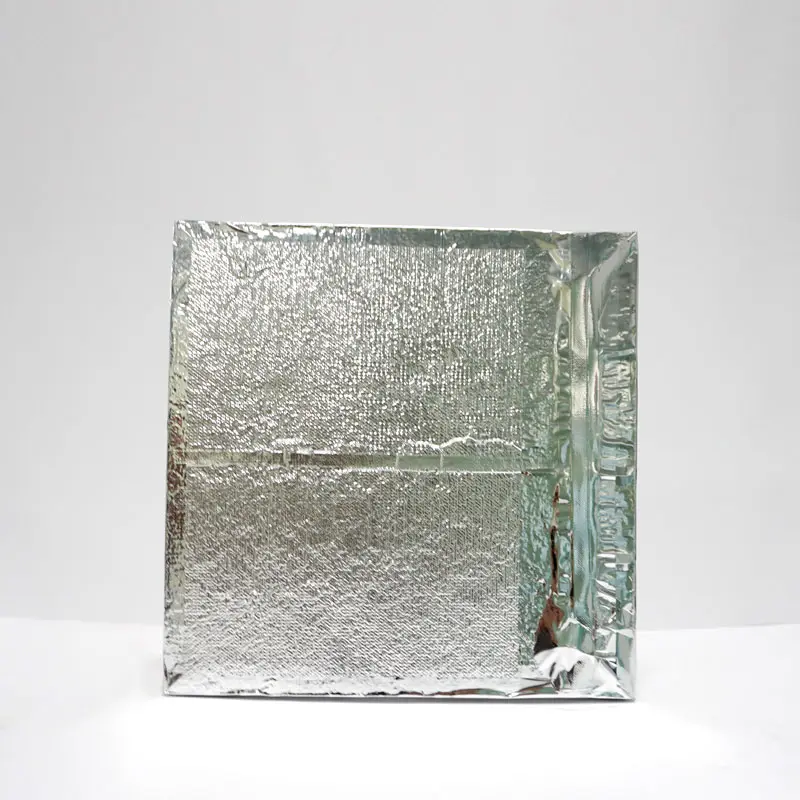
Optimized core and film envelope, providing extreme resistance to vibration during ocean freight and road transportation.
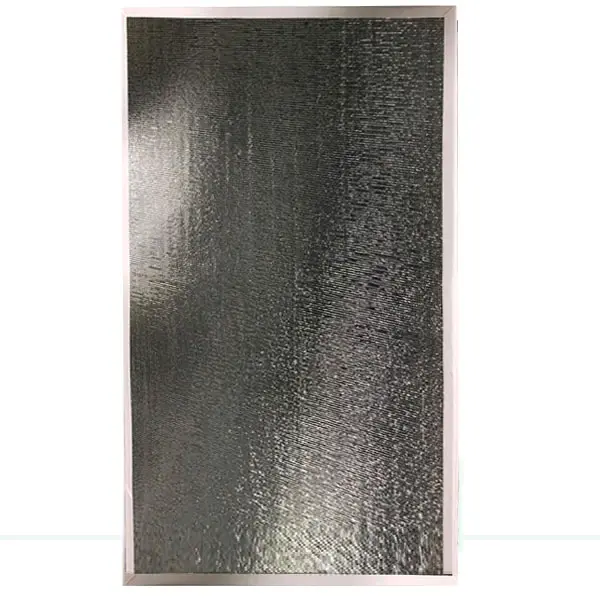
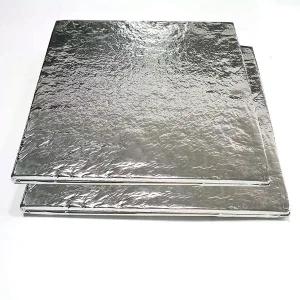
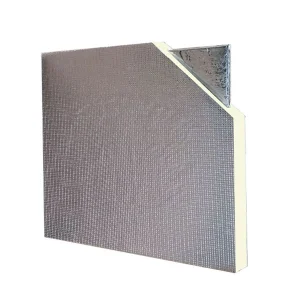
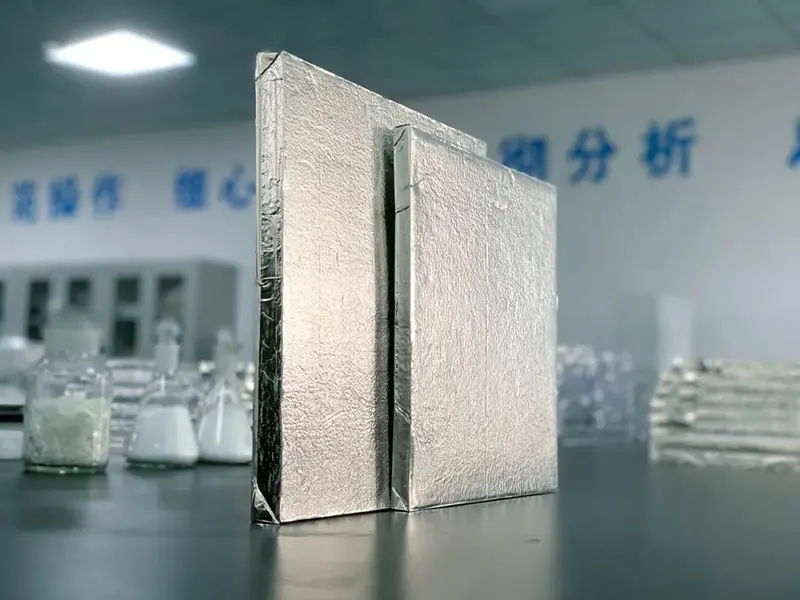
Extra-large scale panels suitable for architectural facade integration and industrial cold warehouse installations.
For procurement officers and architectural engineers, selecting the optimal vacuum insulation panels requires careful balance between thickness constraints, thermal targets, and physical durability. To ensure success, global procurement processes follow these technical considerations:
Always specify the "Center-of-Panel" thermal resistance ($R_{cop}$) separately from the overall system thermal resistance ($R_{system}$). Center-of-panel measurements represent the ideal vacuum physics, whereas the overall system R-value factors in edge effects and framing details. Zerothermo provides comprehensive data packages detailing both values for our full product line.
Explore real-world projects where Zerothermo technology was deployed to solve challenging thermal performance and space limitations.

Supplied advanced micro-environmental control enclosures, maintaining precise temperatures with custom fumed silica vacuum insulation panels.

Custom high-temperature flexible nano-microporous thermal blankets were wrapped around precision manufacturing kilns to lower exterior casing temperatures.
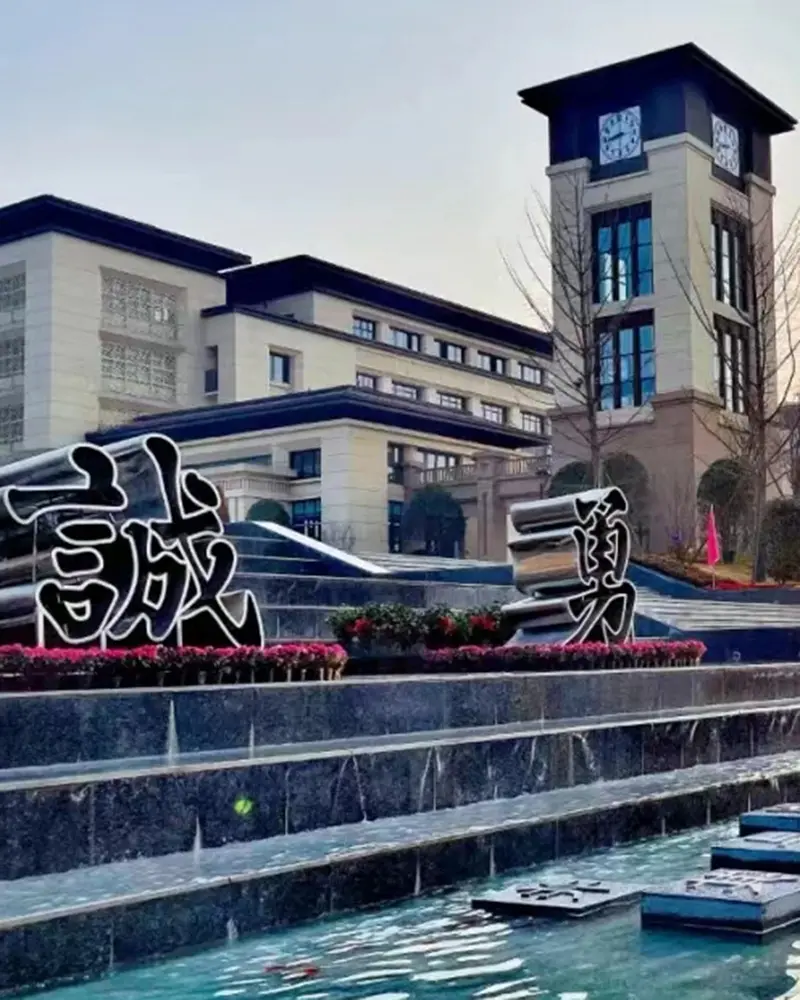
Supplied energy-efficient, integrated vacuum insulation wall decorative panels for exterior facades, helping the campus achieve green energy building certifications.
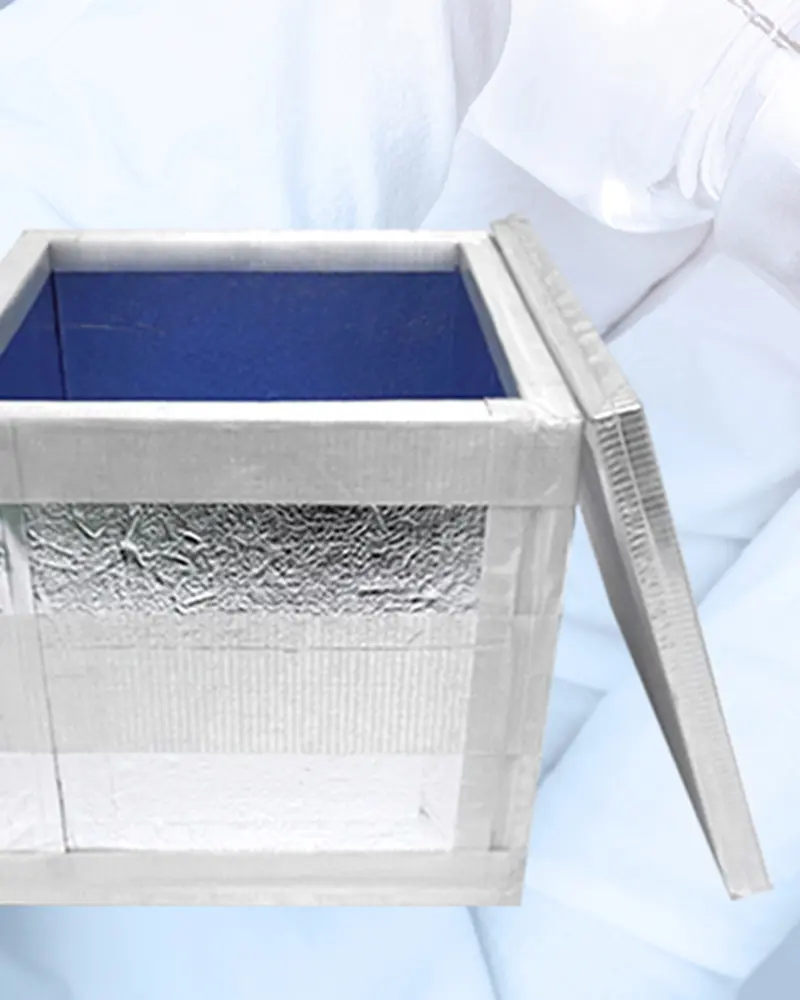
Designed and delivered fumed silica vacuum insulation panel systems for lightweight vaccine coolers, ensuring reliable cold-chain delivery of critical biologicals.
Stay informed about global trends, events, and breakthroughs in vacuum insulation panel technology and energy-efficiency practices.
Get answers to common technical, design, and purchasing questions regarding VIP panel selection and maintenance.
Additional thermal insulation panels, microporous structures, and custom thermal envelopes designed to meet specific engineering requirements.
Provide your structural parameters, thermal limits, and target R-values. Our engineering team will design a customized VIP matrix solution for your project.
Get in touch directly with our sales and engineering departments in China.