
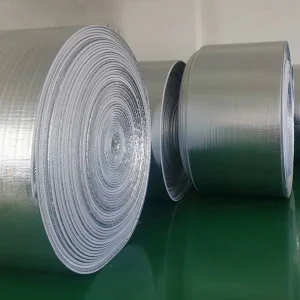
High-efficiency roof insulation rolls combining reinforced aluminum foil wraps with dense thermal barrier foam.
View Details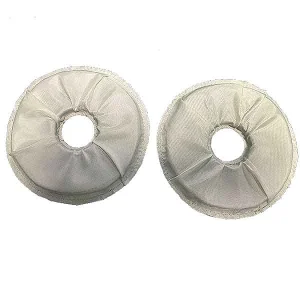
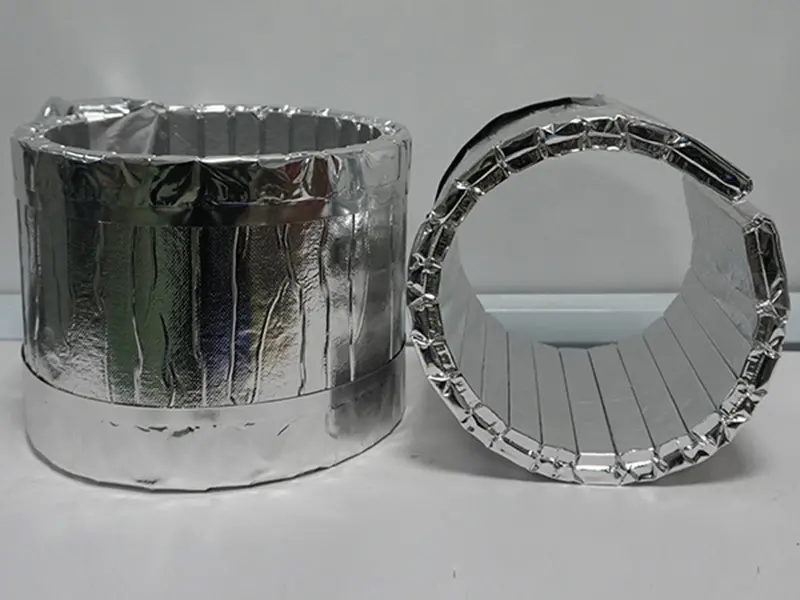
Flexible nanostructured thermal insulation blankets configured for complex circular and high-temp industrial pipes.
View Details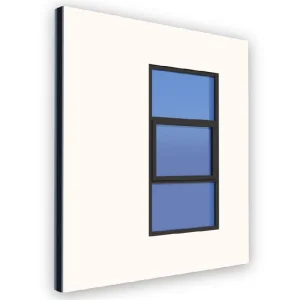
Engineered facade solutions utilizing unified vacuum insulation cores for rapid modular construction and thermal superiority.
View Details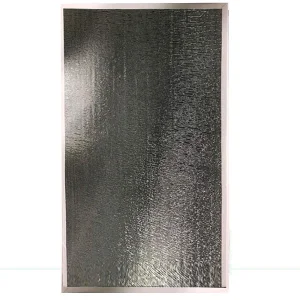
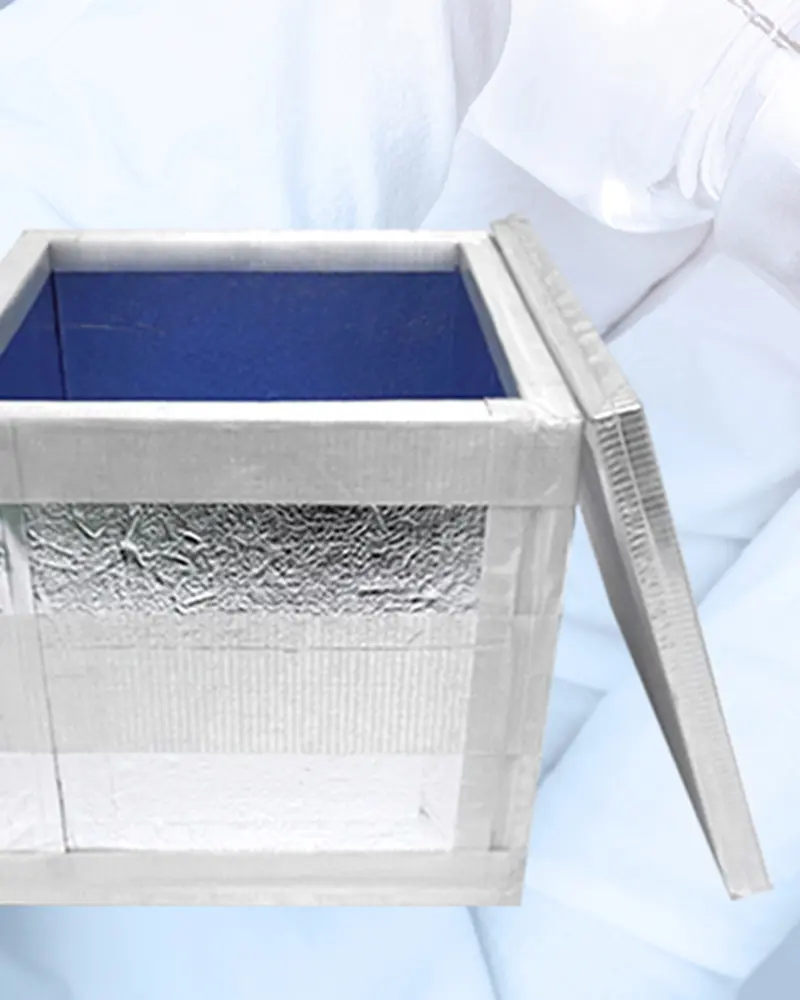
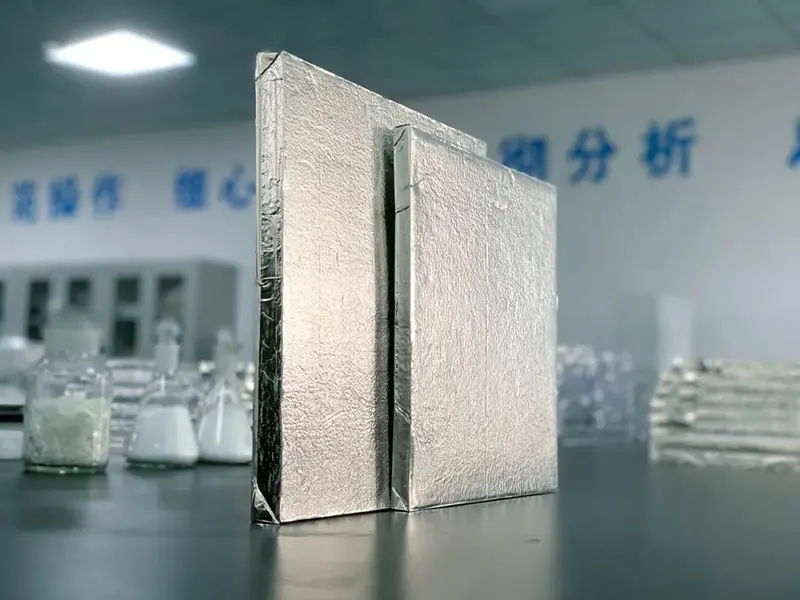
Large-format fumed silica cores encased in high-barrier laminates, custom-sized for vaccine and cold-chain containers.
View Details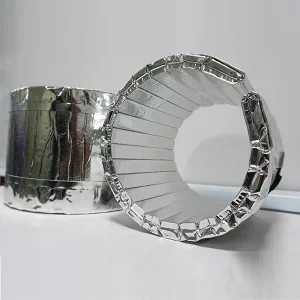
Innovative microporous insulating wraps designed to maximize thermal containment in commercial storage water heaters.
View Details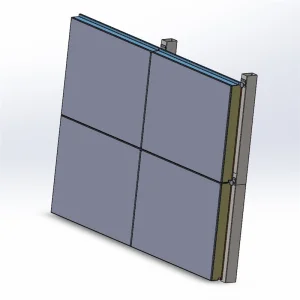
Pre-engineered exterior wall solutions integrating interior aesthetics, external weather barriers, and vacuum cores.
View Details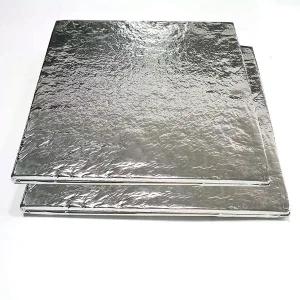
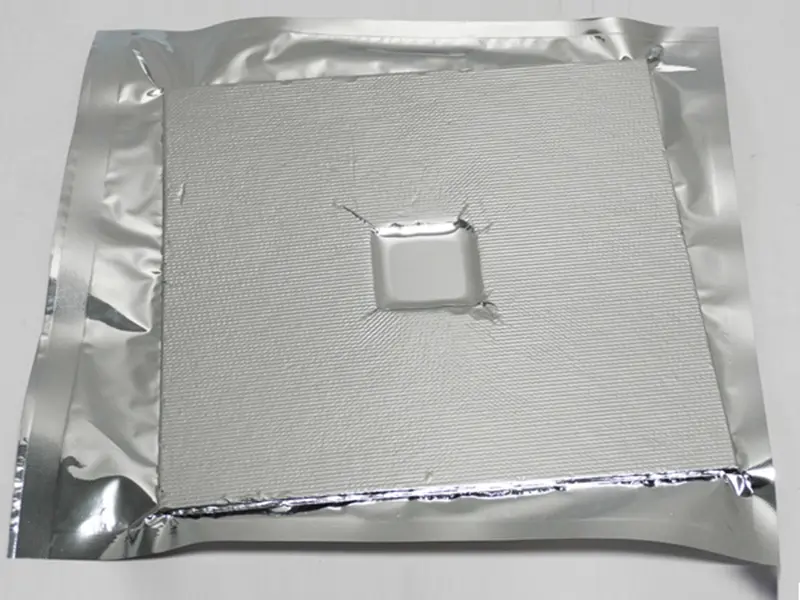
Fiberglass core vacuum panels providing ultra-low thermal conductivity for appliance and architecture applications.
View Details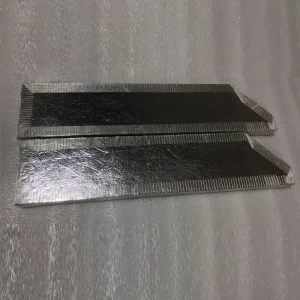
Custom-shaped fumed silica VIPs with specialized PET outer protective films for sophisticated geometries.
View DetailsIn the global quest for net-zero carbon architecture and high-performance climate control systems, traditional glazing technology is hitting its physical limits. Standard double and triple-glazed units filled with inert gases like Argon or Krypton rely on the thickness of the gas layer to prevent heat transfer. However, as convection currents occur within the gas space, thermal bridging degrades overall performance. This is where Vacuum Double Glazed Units (VDGUs) represent a quantum leap in thermodynamic engineering.
Heat transfer is comprised of three vectors: conduction, convection, and radiation. In a vacuum double-glazed unit, two panes of glass are separated by a micro-spacer grid (typically composed of stainless steel or ceramic pillars with diameters under 0.5mm and spacing margins of 20mm to 40mm). The internal cavity is evacuated to a pressure below 0.1 Pa (Pascals), creating a high-vacuum state. Because a vacuum contains virtually no molecules, both conduction and convection through the internal cavity are eliminated. Thermal radiation is mitigated through the strategic application of Low-Emissivity (Low-E) coatings on the inner glass surfaces.
Constructing a durable vacuum-insulated glass unit requires mitigating massive atmospheric pressures (approximately 10 metric tons per square meter). This load rests entirely upon the micro-spacers, which must be precisely positioned to prevent contact-point stress fractures. The perimeter sealing is another crucial component: manufacturers utilize either low-temperature glass solder or metal-alloy sealing. Traditional polymer seals are porous and fail over time; only hermetic, non-porous glass-to-metal or glass-to-glass seals can preserve the vacuum cavity over a service life exceeding 25 years.
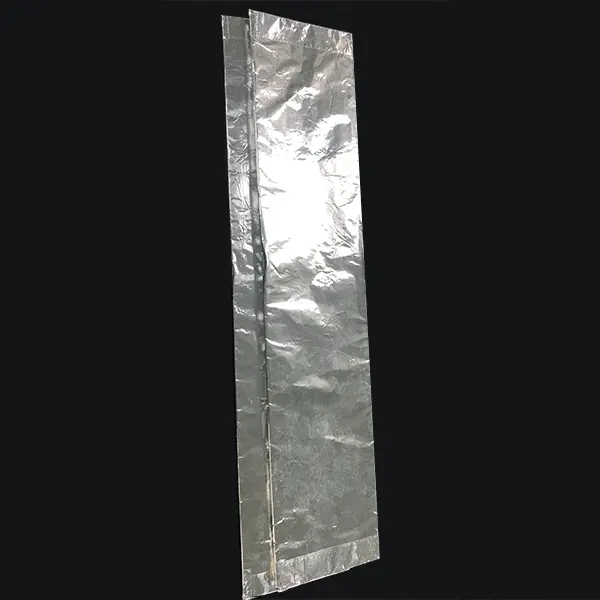
Product Details: Size: Customized Thickness: 5-...
View More +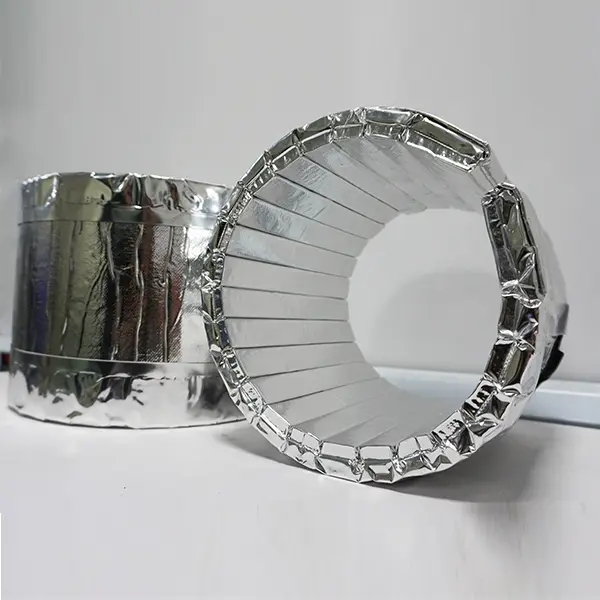
Product Details: Size: Customized Thickness: 5...
View More +
Our elevator fireproof door high temperature na...
View More +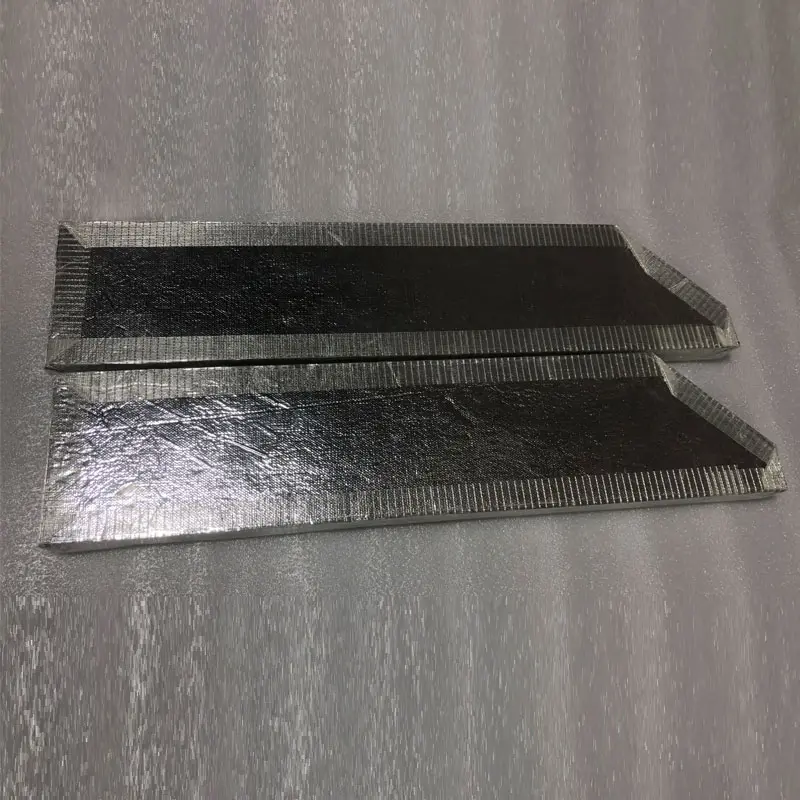
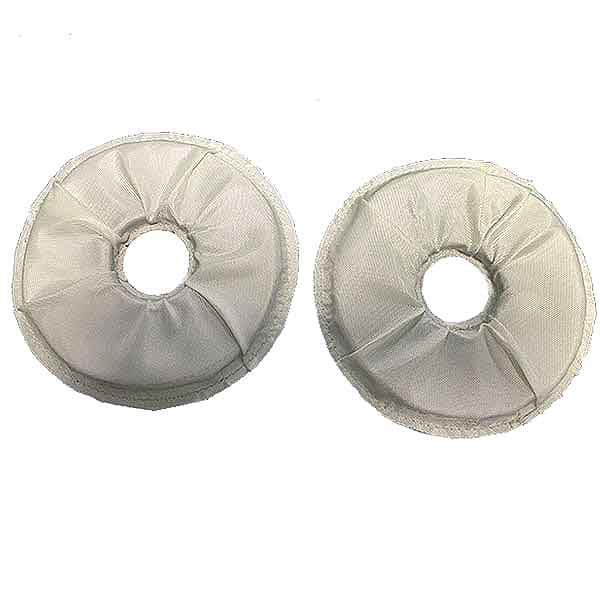
Product Specification Product Features Custom R...
View More +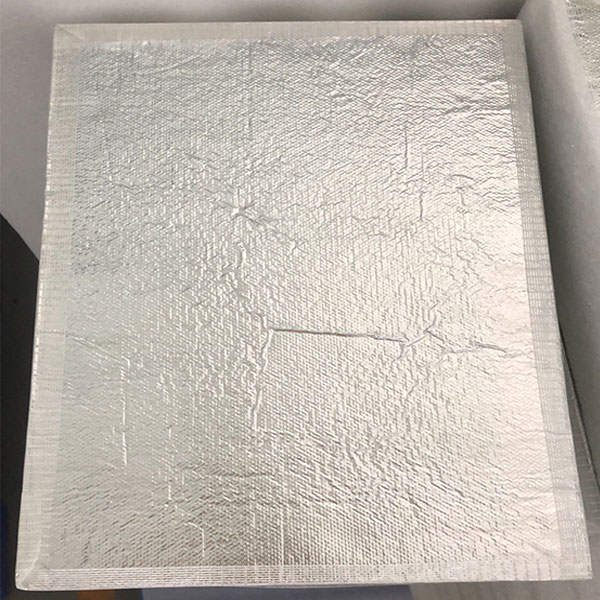
Product Features Size Details Zerothermo vacuu...
View More +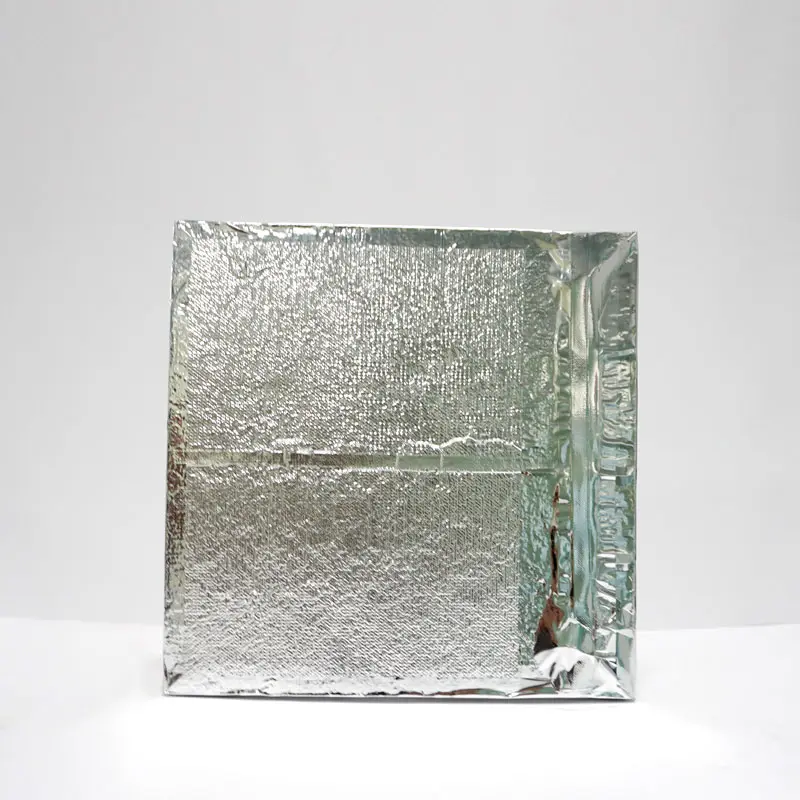
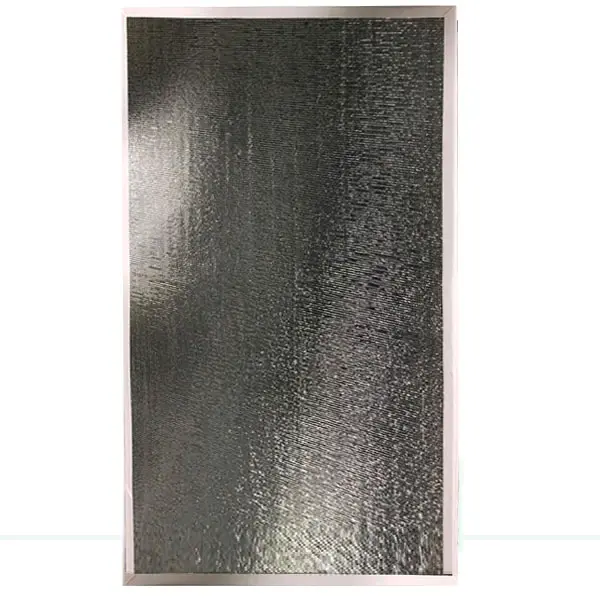
Product Features Product Specification Size ...
View More +B2B procurement teams, real estate developers, and curtain wall engineering firms are shifting away from traditional products toward specialized insulation systems. This shift is driven by stricter regulatory codes such as the EU's Energy Performance of Buildings Directive (EPBD) and ASHRAE Standard 90.1 in North America. These regulations mandate significant reductions in operational energy use, prompting commercial and industrial buyers to seek high-quality double-glazed units and vacuum panels.
Procuring thermal insulation units for skyscrapers, high-end retail developments, or cold chain networks requires careful vetting. Technical managers focus on four primary metrics during procurement:
Zerothermo Technology Co., Ltd., a subsidiary of CBVAC Group and a national high-tech enterprise, is headquartered in the Beijing Economic-Technological Development Area with its production base located in Nanchong City, Sichuan Province. This facility stands as one of China’s largest comprehensive production centers for vacuum technology application products.

Special sizes (beyond the range of ANSI/ASME/DIN and other standards) are produced according to customers' drawings or technical parameters.

Square, oval or other special shaped flanges. - Oversize/small diameter: such as diameter over 60 inches or micro precision flanges.

Fully customized flange fittings matching ultra-high vacuum requirements and high stress architectural glass frameworks.
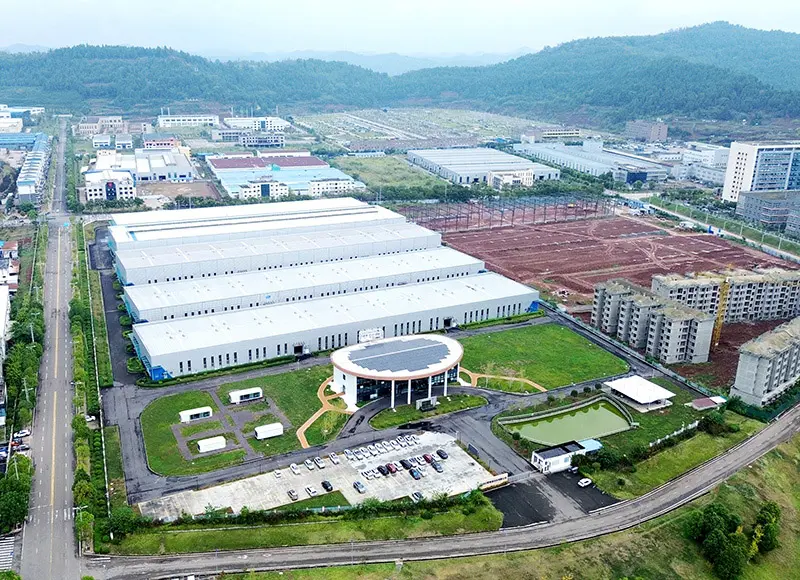
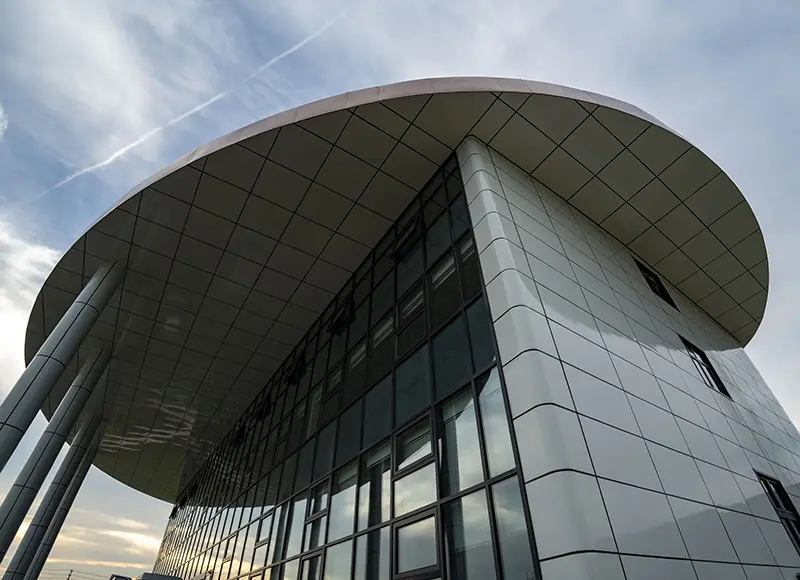
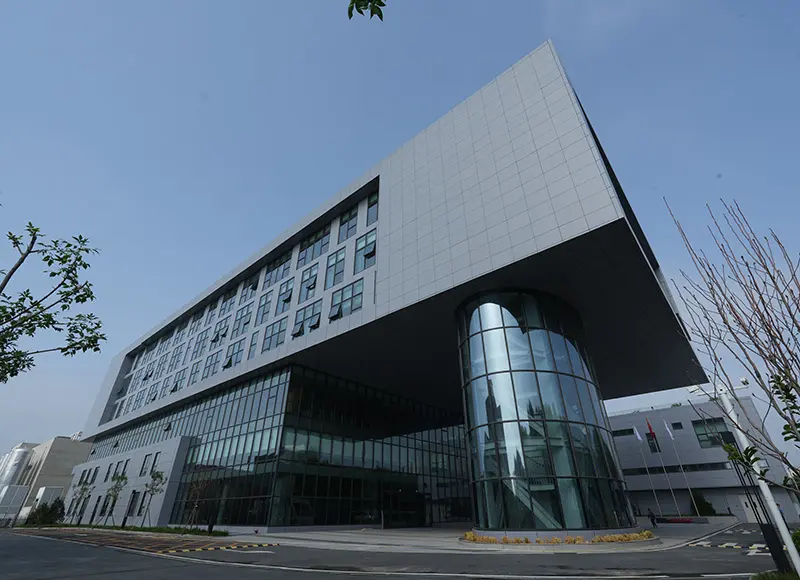


As standard building components face supply chain bottlenecks, Zerothermo Technology provides reliable delivery timelines through our smart manufacturing infrastructure. Operating from Nanchong City, Sichuan Province, under the parent CBVAC Group, our facility represents one of China's largest advanced production centers for vacuum application technology. This scale enables us to secure logistics networks and guarantee stable, volume-based pricing for international buyers.
Our Factory 4.0 integration includes several key production capabilities:


By designing high-efficiency thermal barriers, Zerothermo's vacuum insulation panels and vacuum insulated glass help developers reduce carbon emissions and achieve modern environmental targets. From industrial warehouses to specialized transport networks, these systems offer consistent thermal control across demanding environments.





Thermal properties must adapt to local environments. Zerothermo's vacuum double-glazed units and insulation panels are optimized for specific local challenges: from cold northern climates to warm southern regions and loud urban centers.
In regions with harsh winters, heat retention is the priority. Our vacuum double-glazed units feature high-transmittance double Low-E coatings. These coatings let visible light and solar energy pass into the building while preventing internal heat from escaping, reducing heating costs.
In hot, sunny regions, solar heat gain is the main challenge. We customize units with Solar Control Low-E coatings on the outer pane. This combination blocks solar radiation while the vacuum barrier prevents external heat from conducting inward, lowering cooling loads.
For offices and residences near highways, airports, or rail lines, noise control is vital. Sound travels through air by molecular vibration. Because the vacuum core of our glass has no air molecules, sound transmission is minimized, delivering excellent sound dampening without heavy laminated glass.

Mechanically reinforced vacuum insulation panels offering high compression resistance for structural floor assemblies.
View Details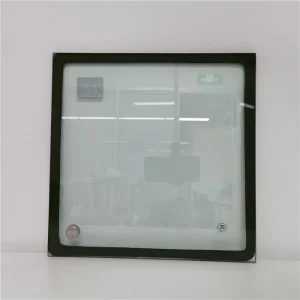
Safety-tempered vacuum glazing offering high impact resistance and optimal insulation performance.
View Details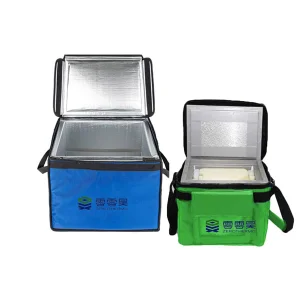
High-efficiency vaccine shipping containers utilizing fumed silica vacuum insulation panels for stable cold storage.
View Details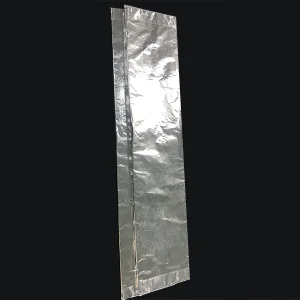
Custom-fit insulating blankets designed to manage thermal runaways in electric vehicle battery packs.
View Details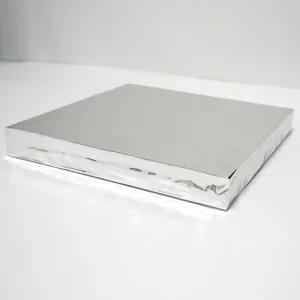
Rigid, high-density microporous panels designed for heat containment in furnaces and high-temperature machinery.
View Details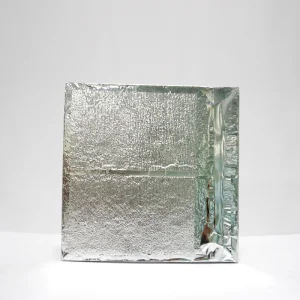
Cold chain logistics panels optimized to maintain cryogenic temperatures during long-distance shipping.
View Details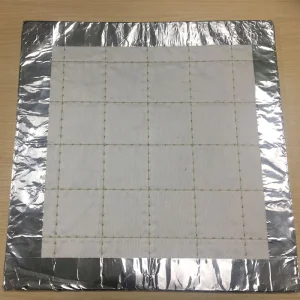
Flexible nanostructured insulation mats configured to wrap high-temperature pipes and irregular industrial shapes.
View Details
Specialized fireproof panels designed to maintain thermal integrity in high-traffic elevator shafts and safety doors.
View DetailsWe offer custom vacuum insulation solutions. Contact our engineering team for technical layouts, glass configurations, and project estimates.


