
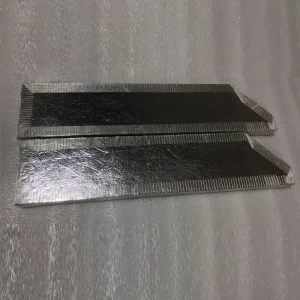
High-performance fumed silica core wrapped in barrier PET film for extreme thermal resistance.
View Details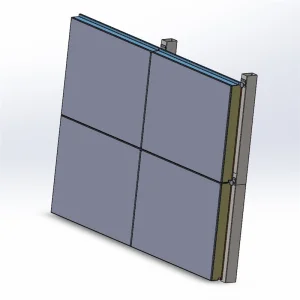
Integrated insulation and decoration facade panel for modern construction envelopes.
View Details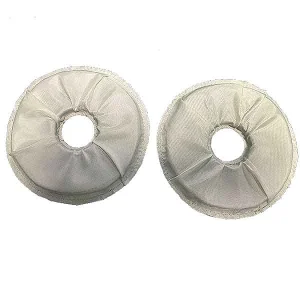
Flexible nano-microporous blankets designed for round and complex high-temperature geometries.
View Details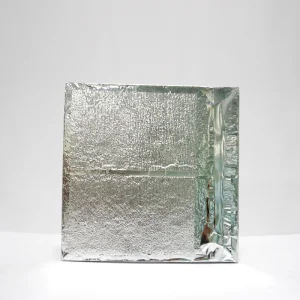
Fumed silica insulation core engineered for reliable medical, food, and vaccine cargo transit.
View Details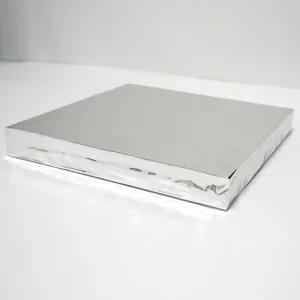
Unmatched thermal resistance for extreme temperature industrial environments and energy savings.
View Details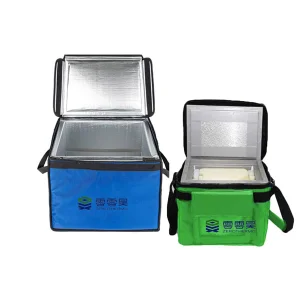
Advanced passive thermal control box optimized for vaccine, pharmaceutical, and fresh food shipping.
View Details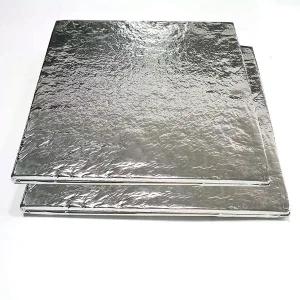
Exceptional thermal barrier panels for high-performance home appliances and building assemblies.
View Details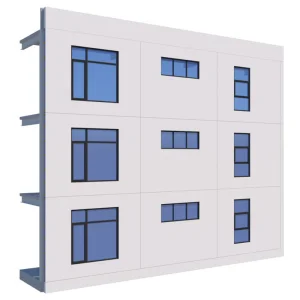
A dual-purpose exterior cladding system combining visual elegance with severe insulation properties.
View DetailsIn the modern landscape of high-performance architecture, cleanroom infrastructure, and temperature-controlled logistics, thermal insulation selection is no longer just a design parameter—it is a critical factor for operational efficiency, compliance, and environmental stewardship. Polyurethane (PU / PUR) Foam Sandwich Panels stand as the absolute benchmark in these sectors, providing a combination of structural rigidity, low weight, and superior thermal resistance (R-value).
This industry report acts as a resource for engineers, global procurement managers, and architects who need to navigate the ecosystem of polyurethane foam sandwich panel manufacturers, technical specifications, and application frameworks.
The core material of a polyurethane sandwich panel consists of a rigid thermosetting polymer matrix created by reacting an isocyanate with a polyol blend. The closed-cell structure (typically >95% closed cells) locks in blowing agents with incredibly low thermal conductivity, producing a thermal insulation performance that surpasses traditional insulation materials such as mineral wool, expanded polystyrene (EPS), and glass fiber.
| Insulation Core Type | Thermal Conductivity (W/m·K) | Density Range (kg/m³) | Closed Cell Content (%) | Fire Performance Rating |
|---|---|---|---|---|
| Rigid Polyurethane (PUR) | 0.020 - 0.024 | 38 - 42 | > 95% | Class B2 / B3 (DIN 4102) |
| Polyisocyanurate (PIR) | 0.018 - 0.022 | 40 - 45 | > 97% | Class B-s1, d0 (EN 13501) |
| Mineral Wool | 0.035 - 0.040 | 100 - 140 | N/A (Fibrous) | Class A1 (Non-combustible) |
| Expanded Polystyrene (EPS) | 0.033 - 0.038 | 15 - 25 | Closed but loose | Class B1 / B2 |
This comparative overview highlights the thermodynamic superiority of PU/PIR. With thermal conductivity values nearly half those of mineral wool, a thinner, lighter PIR core can achieve the same target thermal resistance (U-value). This reduces material weight, simplifies structural support frames, lowers freight costs, and increases the usable internal volume of cold rooms and buildings.
Polyisocyanurate (PIR) is a chemical evolution of Polyurethane (PUR). By increasing the index ratio of isocyanate to polyol and utilizing specific catalysts, excess isocyanate reacts with itself to form stable, strong ring-like isocyanurate structures. These rings require higher thermal energy to break, giving PIR sandwich panels superior dimensional stability and significantly better flame-retardant properties compared to standard PUR panels.
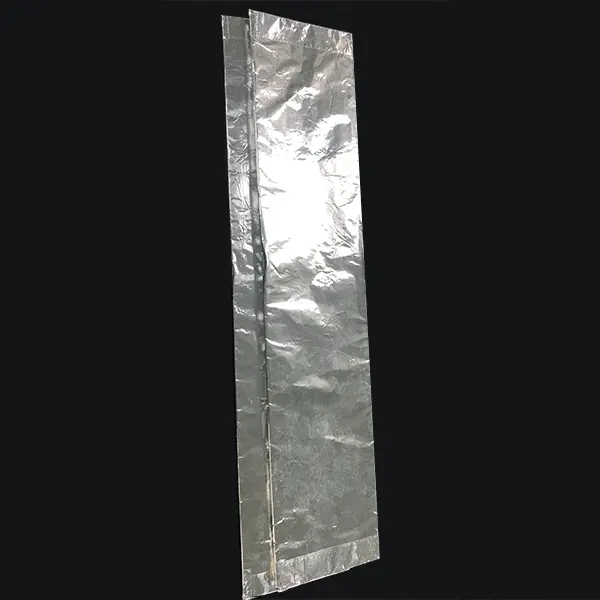
Custom dimensions, thickness 5-20mm. High thermal protection layers tailored for modern electric vehicle packs.
View Details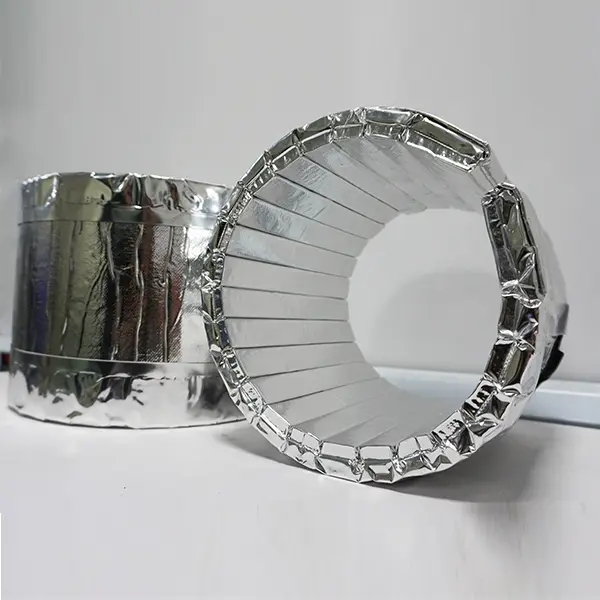
Custom-shaped wrap jackets providing maximum heat retention and energy efficiency for storage tanks.
View Details
Integrates nano-microporous board cores into standard door designs to meet rigorous fire-safety ratings.
View Details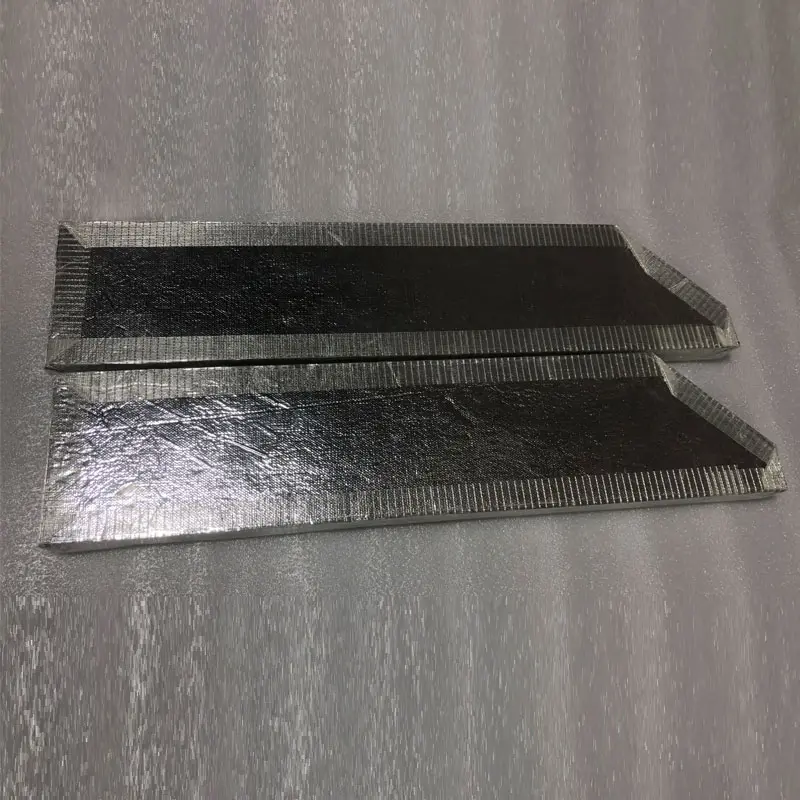
Bespoke custom curves, angles, and penetrations engineered for complex architectural geometries.
View Details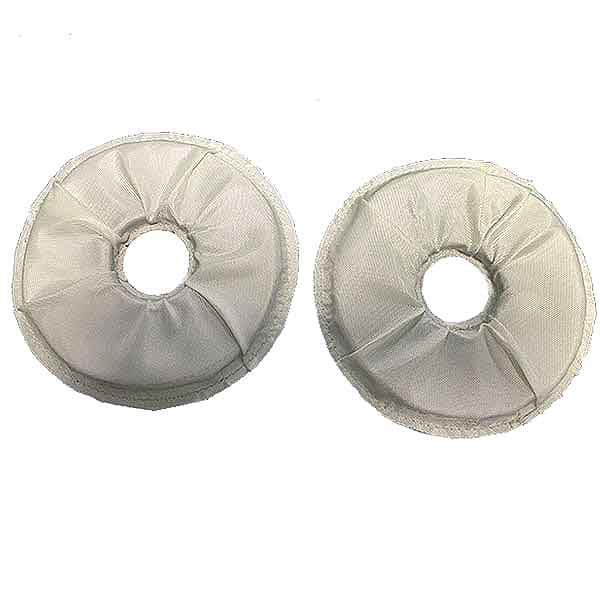
Specially manufactured insulation mats designed to tightly wrap round piping and cylindrical vessels.
View Details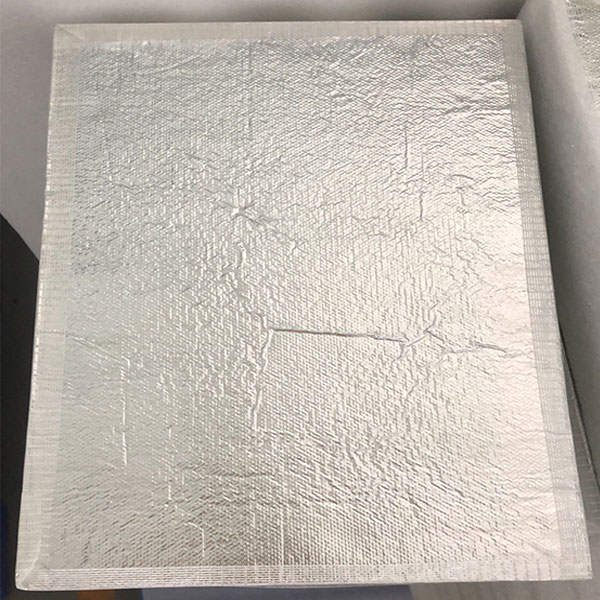
Premium grade vacuum paneling offering minimal heat transmission for critical cold chain applications.
View Details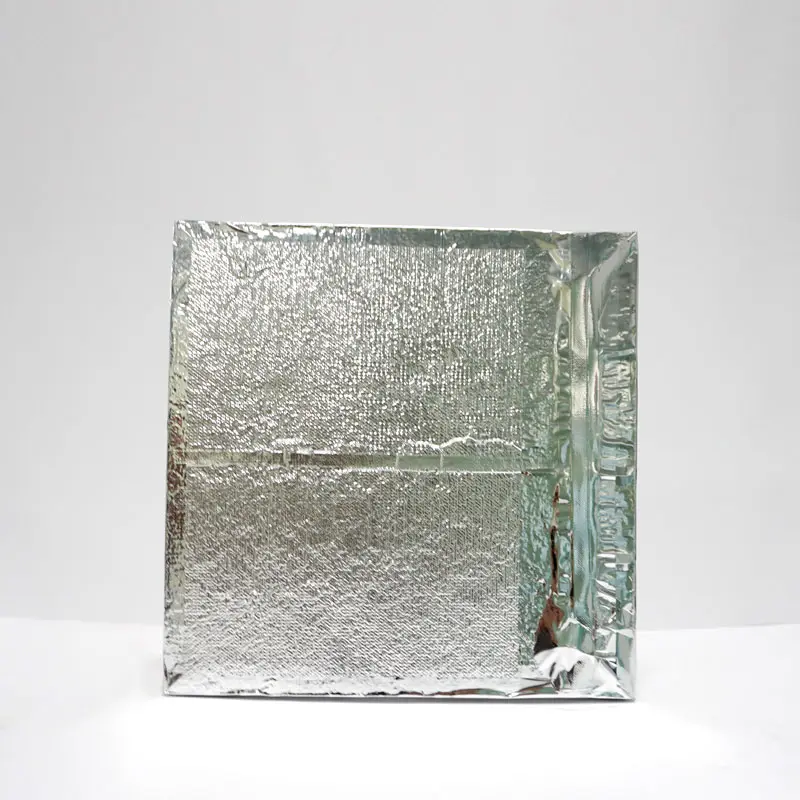
Designed for multi-day, ultra-low temperature maintenance during long-distance medical shipping.
View Details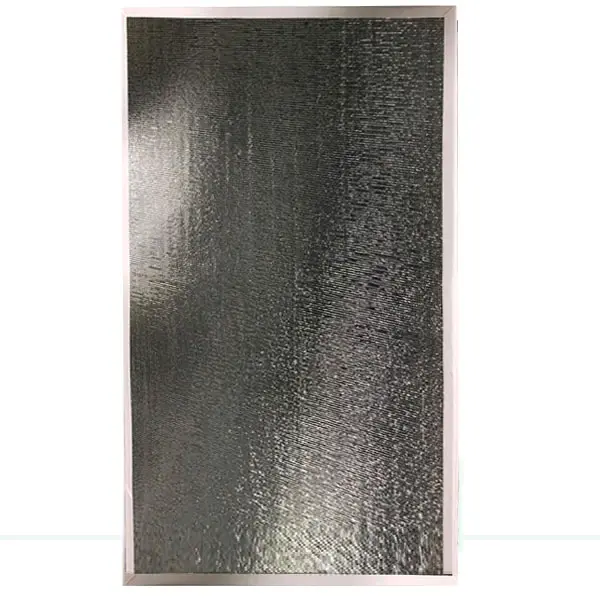
Large format vacuum insulation panel solutions tailored for refrigerated freight containers and walling.
View DetailsThe manufacturing technology of polyurethane sandwich panels is undergoing rapid transformation, driven by tightening global energy regulations, carbon-neutral manufacturing initiatives, and the demands of smart industrial factories. Below are the key pillars defining the technical roadmap of advanced PU/PIR panel producers:
Advanced PU foam sandwich panels are versatile engineering materials used across critical sectors. Modern manufacturers tailor properties like surface profiling, joint designs, skin thicknesses, and foam densities to match these diverse application demands:


Zerothermo Technology Co., Ltd., a key subsidiary of the CBVAC Group, is a national high-tech enterprise. The company is headquartered in the Beijing Economic-Technological Development Area, with its primary manufacturing complex in Nanchong City, Sichuan Province. This production facility stands as one of China’s largest and most advanced integrated production bases for vacuum technology application products.
By combining CBVAC Group's vacuum technology expertise with advanced material sciences, Zerothermo produces fumed silica vacuum insulation panels (VIPs), vacuum insulated glass (VIG), and hybrid polyurethane insulation boards that meet the highest standards of energy efficiency.

Custom fabricated sizes produced in strict accordance with client-provided engineering drawings or target thermal profiles.

Square, oval, and specialty configurations designed to manage thermal leakage in ultra-high vacuum applications.

Precision components designed and manufactured to meet ANSI, ASME, DIN, and international ISO vacuum interface certifications.
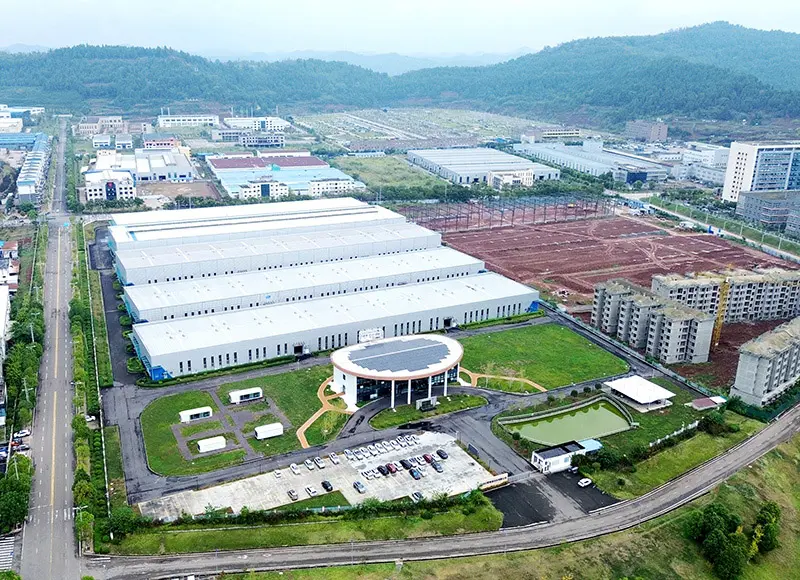







Ensuring continuous thermal protection for cold chain packaging, cooler boxes, and refrigerated logistics corridors.

Providing high-efficiency building envelopes using VIPs and vacuum insulated glass to help construction sectors reach carbon neutrality.

Delivering advanced nano-microporous thermal barriers designed for extreme industrial processing plants.

Enabling lightweight, prefabricated structural envelopes for modular tourism cabins and eco-resort cabins.
In the global market for polyurethane insulation panels, production efficiency, supply chain stability, and pricing play a decisive role in procurement. China’s modern Factory 4.0 production bases—epitomized by Zerothermo Technology’s Nanchong facility—provide clear structural advantages:
Global procurement teams must look beyond basic unit cost (per square meter) when selecting a manufacturing partner. To ensure successful implementation, the following key metrics should be verified:
1. Structural Integrity & Wind Load Capability: The panel's load-carrying capacity is determined by its composite structure: the tensile strength of the PU core and the thickness of the outer steel skins (typically 0.5mm to 0.8mm). Ensure the manufacturer provides wind-load spans and deflection tables (usually L/200) verified by third-party laboratories.
2. R-Value Certification & Degradation: Aging affects the thermal resistance of polyurethane foam as blowing agents gradually diffuse out. Ensure the manufacturer provides aged R-value ratings (such as R-values tested after 180 days of conditioning at 23°C) rather than just initial R-value calculations.
3. Compliance with Regional Standards: Panels must meet local fire and structural building codes. Look for manufacturers carrying international certifications: Europe (CE mark, EN 13501-1 Class B-s1, d0), North America (FM 4880 Approval, ASTM E84 Class A), and China (GB 8624 Class B1).



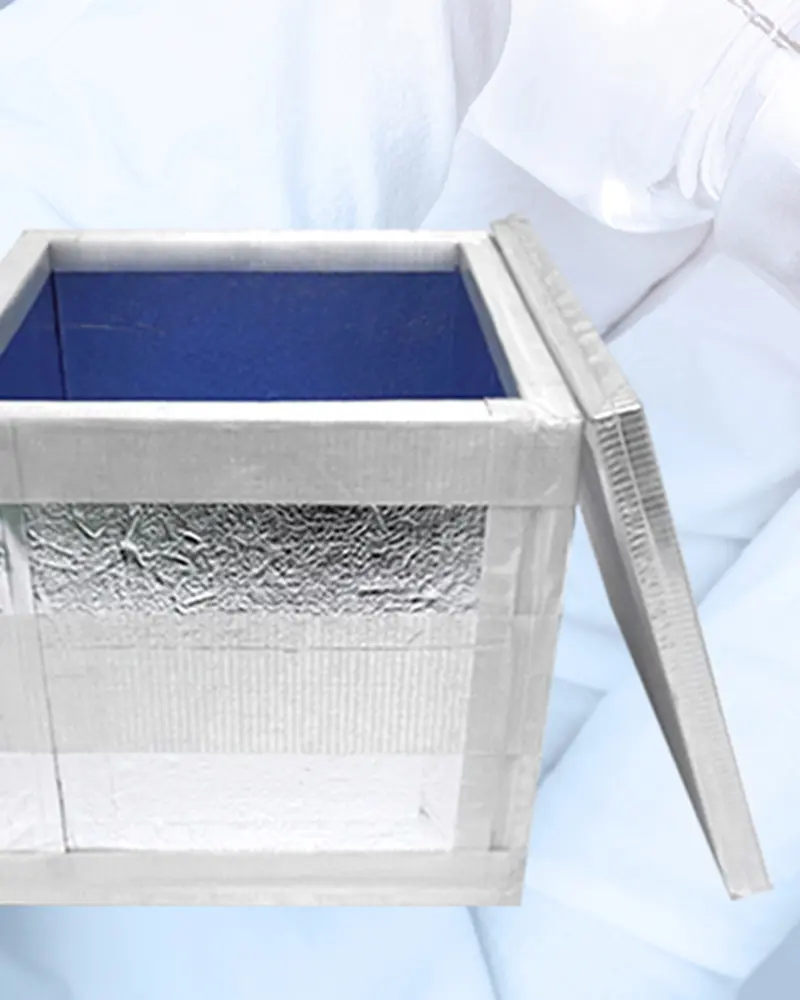
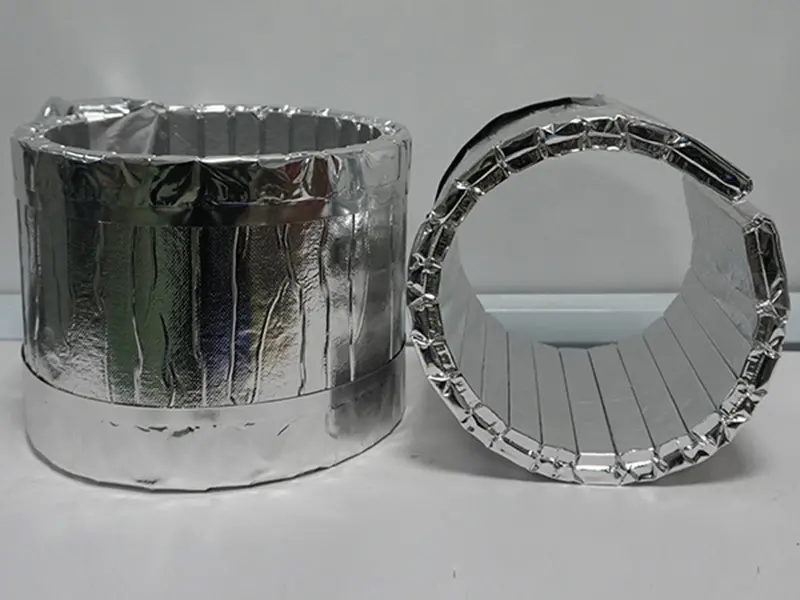

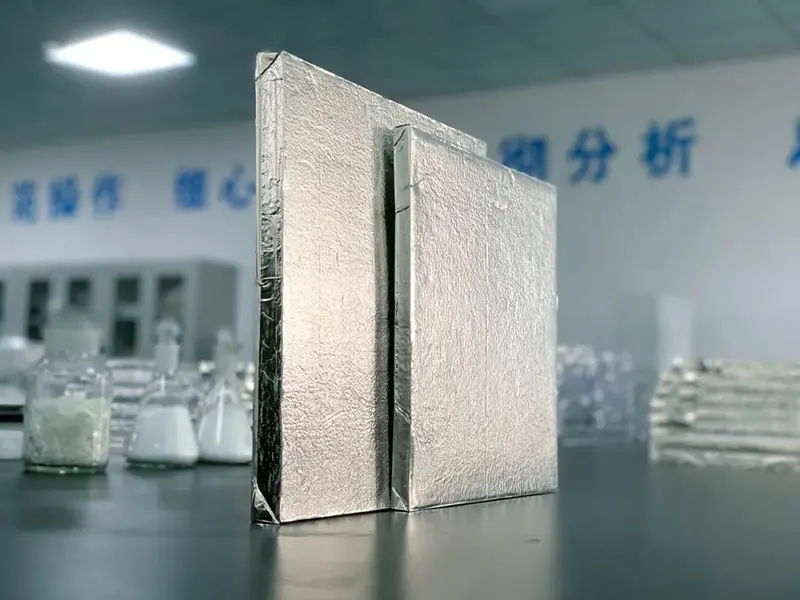
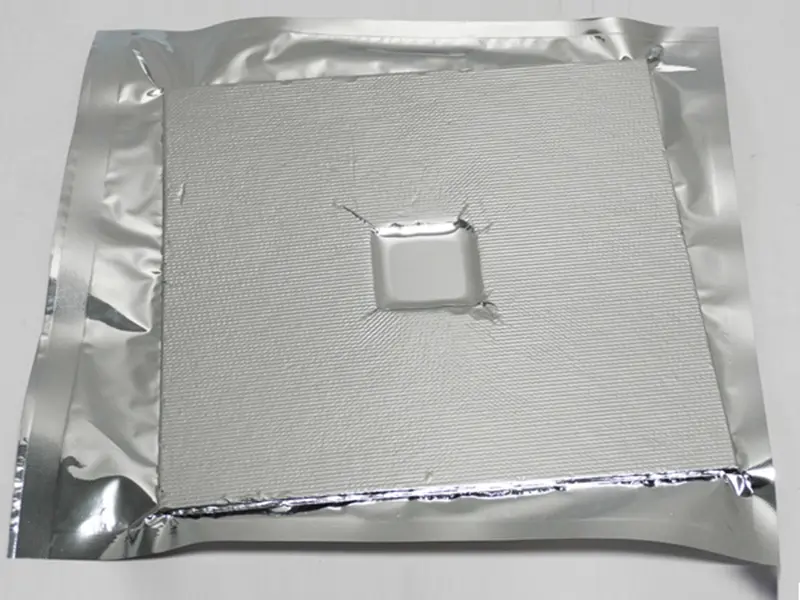
Standard polyurethane panels offer an initial R-value of roughly R-7 to R-7.2 per inch (LTTR of around R-5.6 to R-6.0 after aging). Advanced PIR (Polyisocyanurate) panels achieve higher ratings of R-7.5 to R-8.2 per inch, thanks to refined cell structures and the use of modern blowing agents.
Unlike standard thermoplastic materials like EPS, which melt and fuel fire propagation, PIR is a thermosetting polymer. When exposed to flames, PIR forms a surface char layer that isolates the core and slows flame spread, helping the assembly meet ASTM E84 Class A or EN 13501 Class B-s1, d0 standards.
Yes. Hybrid panels encapsulate a core of fumed silica VIPs inside a protective polyurethane foam envelope. This design uses the durability of PU foam to protect the vacuum barrier, delivering extremely high thermal resistance for high-efficiency refrigeration and cold-storage projects.
Typical skin materials are hot-dipped galvanized or galvalume steel, with thicknesses ranging from 0.4mm to 0.8mm. Special food-safe or anti-corrosive coatings, such as PVDF, Plastisol, or Stainless Steel (Grade 304/316), are used in cleanrooms and chemical processing facilities.
We use interlocking tongue-and-groove joint systems paired with factory-applied PVC seals, EPDM gaskets, or site-applied vapor-seal mastics. This creates continuous core-to-core contact that eliminates thermal bridging and prevents air leakage.
With correct installation and regular joint inspections, high-quality PU/PIR panels have an operational lifespan of 30 to 50 years. The structural metal skins protect the foam core from moisture and physical damage, preserving its thermal properties over the long term.
Zerothermo Technology provides one-stop vacuum insulation and advanced PU/PIR sandwich panel solutions. Reach out to our technical engineering team for R-value calculations, wind-load span tables, or customized pricing quotes.
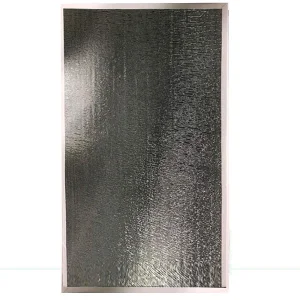
Large format vacuum panels designed for refrigerated ocean containers and long-haul transport.
View Details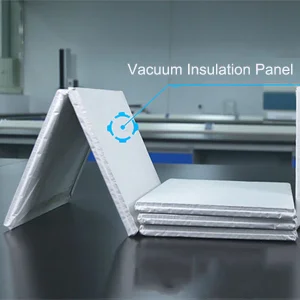
Ultra-thin thermal barrier panels providing external wall protection and space optimization.
View Details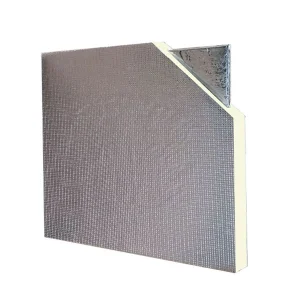
Hybrid PU-shielded vacuum insulation panels designed for cold chain cooler box systems.
View Details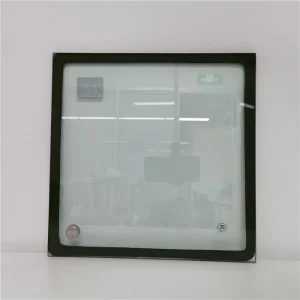
Double-paned tempered vacuum glass units delivering extreme window insulation parameters.
View Details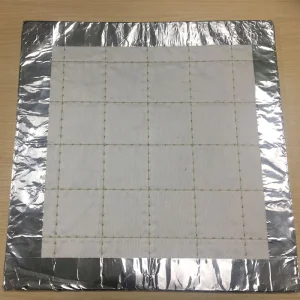
Flexible nano-insulation blankets designed for pipeline protection and thermal conservation.
View Details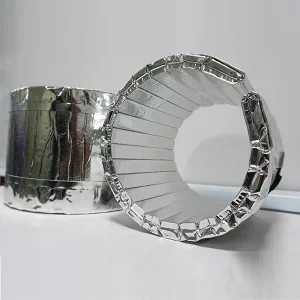
Durable insulating wraps that minimize stand-by heat loss in domestic and industrial boilers.
View Details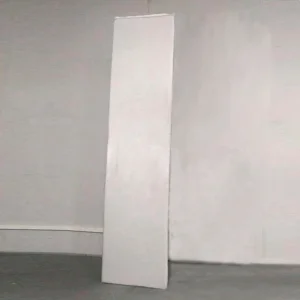
High-temperature nano-microporous boards integrated for reliable integrity under fire conditions.
View Details
Advanced custom thermal barriers designed to manage thermal runaway risks in electric vehicle batteries.
View Details
 +86 15892792306


