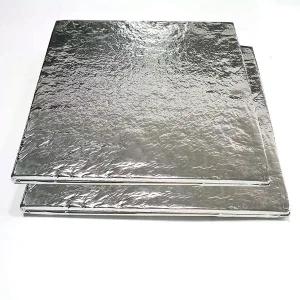
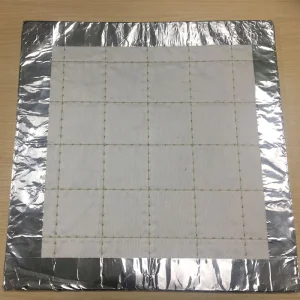
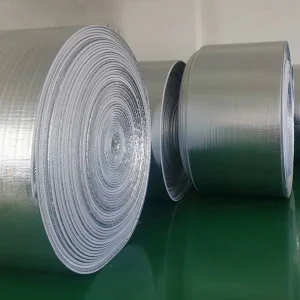
In thermal management engineering, managing heat transfer under extreme temperatures (up to 1000°C and beyond) is a critical challenge. Conventional insulation materials like mineral wool, calcium silicate, and ceramic fibers are reaching their physical limits due to structural degradation, bulkiness, and escalating thermal conductivities at high temperatures. Nano-microporous thermal insulation panels represent the absolute pinnacle of high-temperature thermal barriers, providing a path toward revolutionary thermal containment.
The core operating principle of a microporous panel lies in the Knudsen Effect. Heat transfer in gases is mediated by collisions between gas molecules. The average distance a gas molecule travels before colliding with another is known as the "mean free path" (approximately 68 nanometers for air at standard temperature and pressure). By engineering the microporous matrix from fumed silica particles, we construct an interconnected network of nanopores averaging 20 nanometers in diameter. Because these pores are significantly smaller than the mean free path of air molecules, the air is effectively immobilized. Gas molecules collide with the boundaries of the solid pore walls rather than with each other, virtually eliminating gas-phase convection and minimizing gaseous conduction.
At elevated temperatures, radiative heat transfer (infrared radiation) becomes the dominant mode of thermal energy transport, increasing exponentially with the fourth power of absolute temperature ($T^4$). To counter this, our manufacturing process integrates high-refractive-index opacifiers (such as Silicon Carbide or Zirconium Silicate) uniformly within the fumed silica core matrix. These opacifiers scatter, reflect, and absorb infrared rays, attenuating radiative heat transfer even in extreme furnace environments.
| Insulation Type | Density (kg/m³) | Thermal Conductivity at 200°C | Thermal Conductivity at 600°C | Thermal Conductivity at 800°C |
|---|---|---|---|---|
| Zerothermo Microporous Board | 280 - 320 | 0.021 | 0.027 | 0.032 |
| Ceramic Fiber Board | 300 - 350 | 0.075 | 0.130 | 0.180 |
| Calcium Silicate Board | 250 - 300 | 0.065 | 0.110 | 0.145 |
| Mineral Rockwool | 120 - 150 | 0.050 | 0.120 | N/A (Fails) |
Industries worldwide are facing unprecedented pressures to reduce carbon emissions, lower energy footprints, and optimize thermal systems. This shift has altered procurement requirements across critical sectors: metallurgical plants, cement factories, aerospace engineering, petrochemical facilities, and lithium battery manufacturing. Modern procurement directors look beyond raw material pricing; they analyze total cost of ownership (TCO) and long-term energy savings.
High-temperature plants require insulation that minimizes space. Microporous panels can reduce the required insulation thickness by up to 75% compared to traditional ceramic fiber linings, increasing kiln volume and operational capacity.
Reducing heat losses directly impacts fuel and energy consumption. Enterprises adopting fumed silica microporous panels report average carbon footprint reductions of 15% to 28% in continuous furnace operations.
Global supply chain compliance is crucial. B2B buyers require complete certifications including ISO 9001, RoHS, REACH, and non-combustibility standards (UL94 class A1) to guarantee workplace safety and reliability.
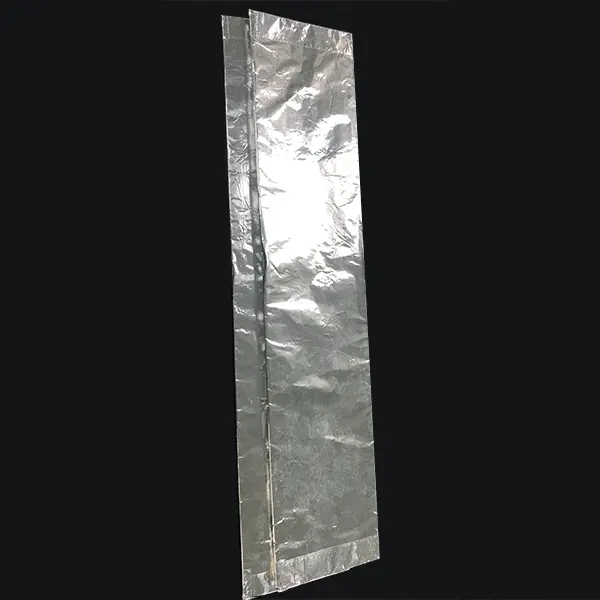
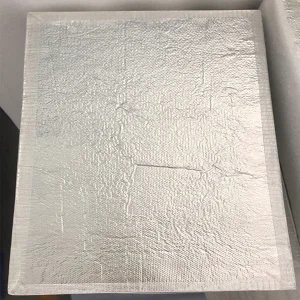
Product Details: Customized sizes with thicknesses starting from 5mm, providing thermal runaway protection for NEV battery cells.
Request Quote >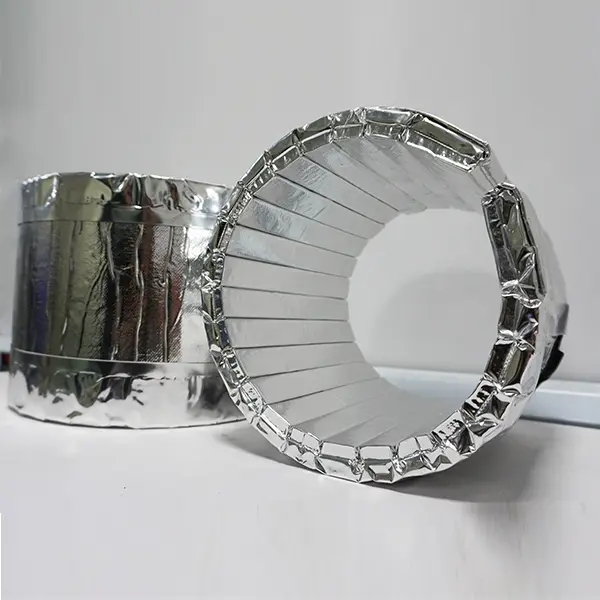
Product Details: Customized thickness of 5mm+ for heat retention, reducing standby energy losses in storage tanks.
Request Quote >
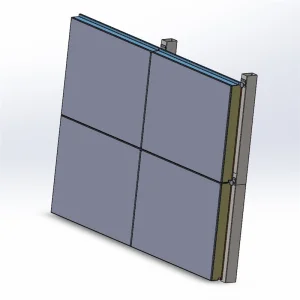
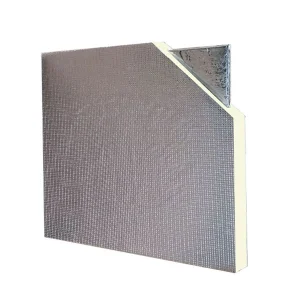
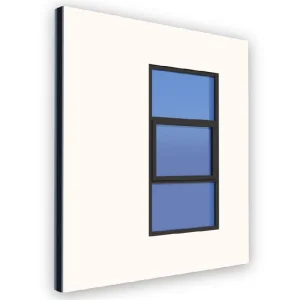
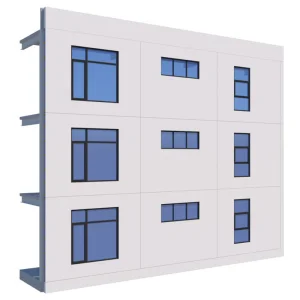
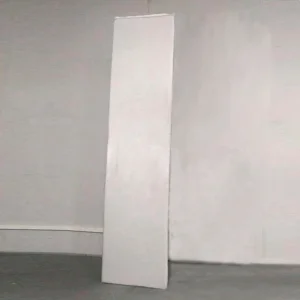
Designed for compliance with building codes, providing fireproof core insulation with high structural stability.
Request Quote >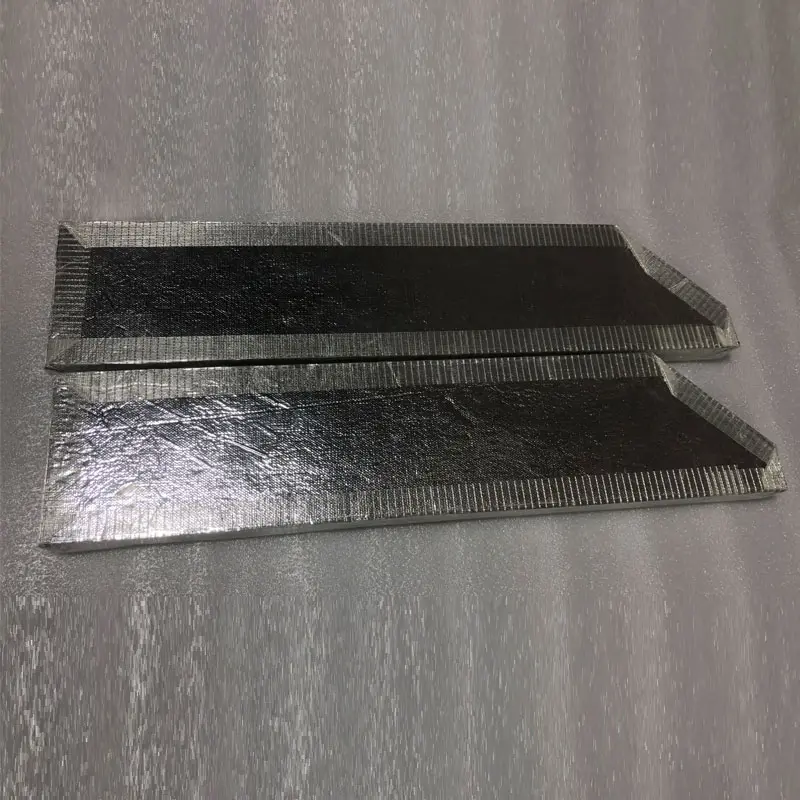
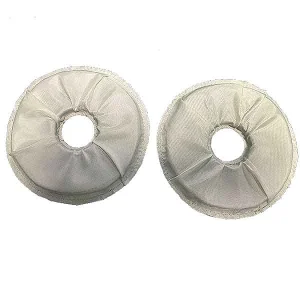
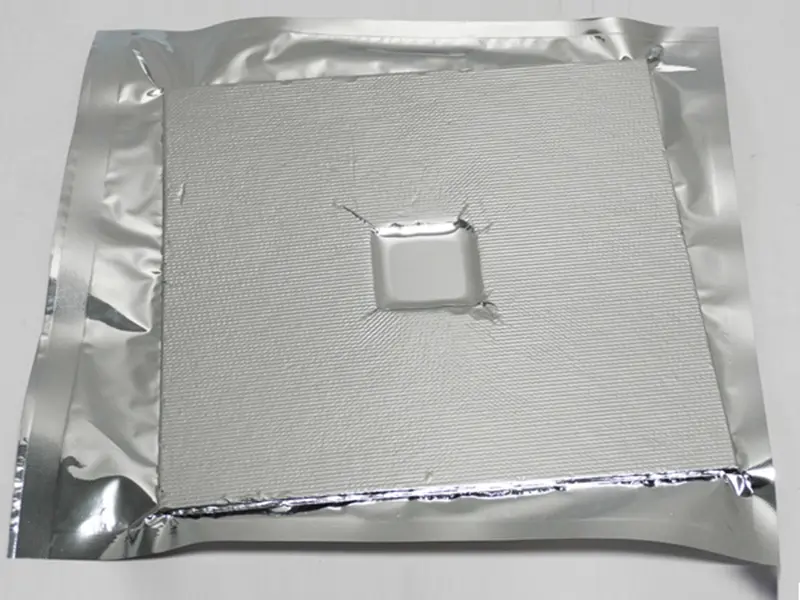
Custom geometries (holes, complex shapes) tailored for challenging mechanical configurations and spaces.
Request Quote >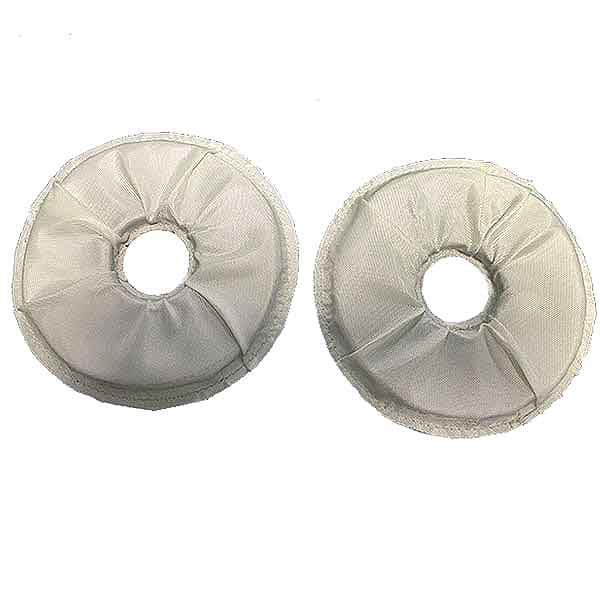
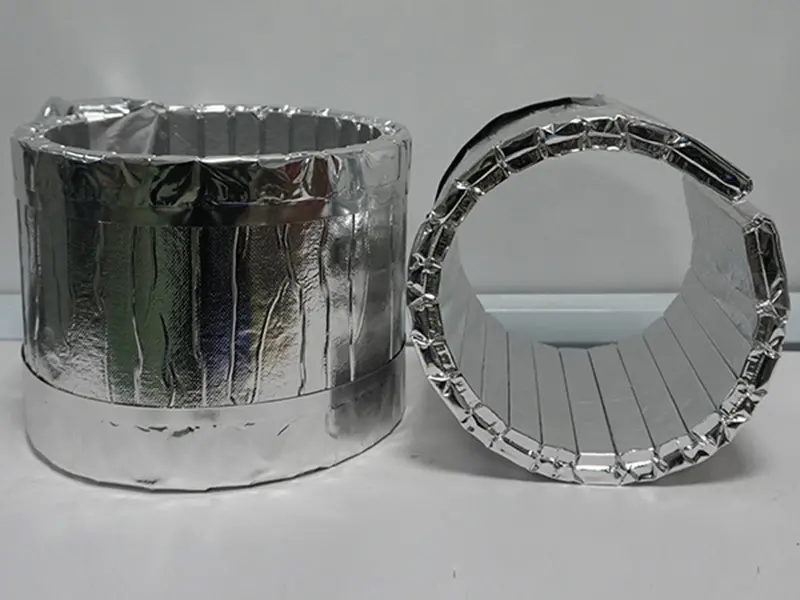
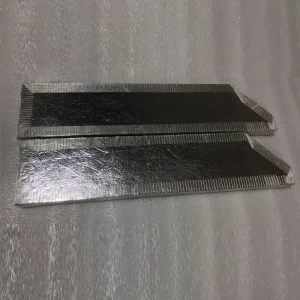
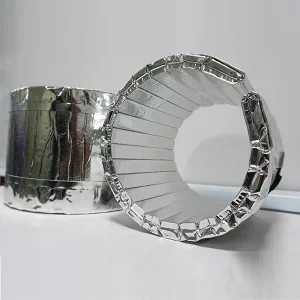
Specially formulated flexible nano microporous blankets designed for circular ducts, pipes, and curved surfaces.
Request Quote >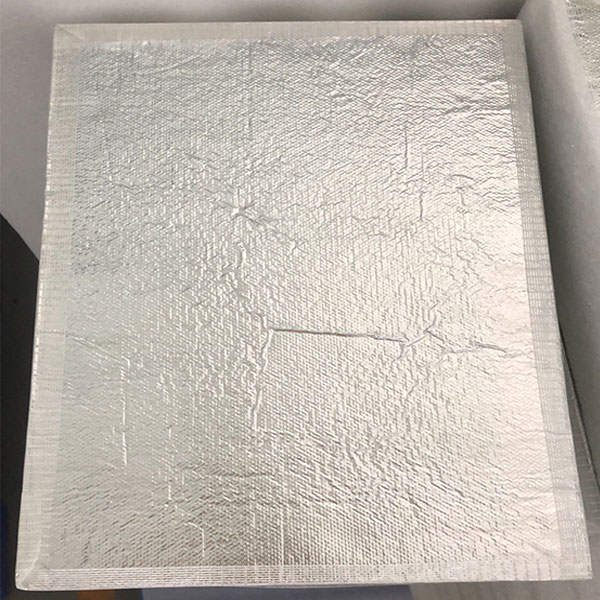
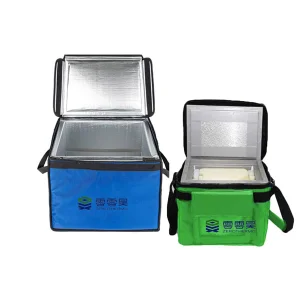
Optimized for logistics applications, featuring low thermal conductivity to ensure temperature stability.
Request Quote >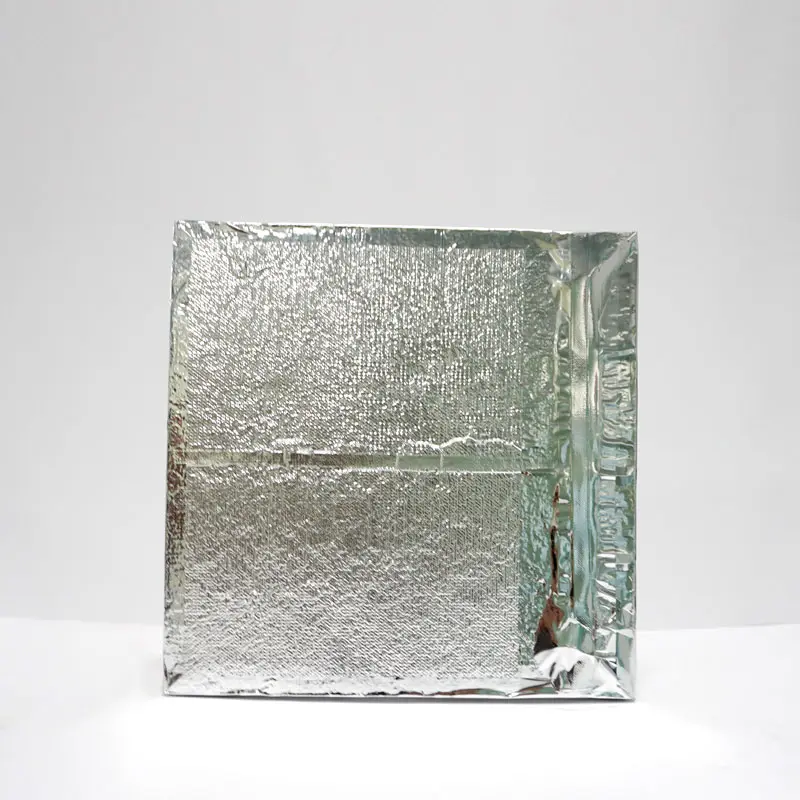
Engineered for transport boxes and shipping systems, helping maintain required temperatures during long-distance transits.
Request Quote >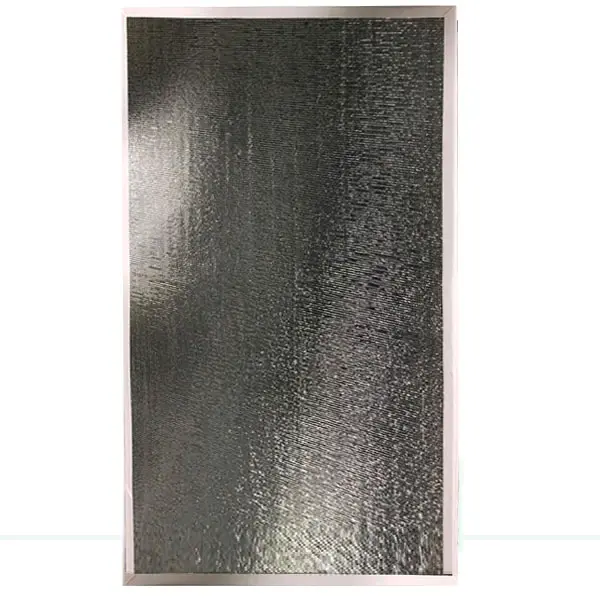
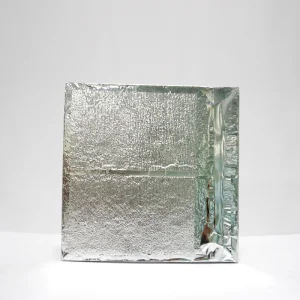
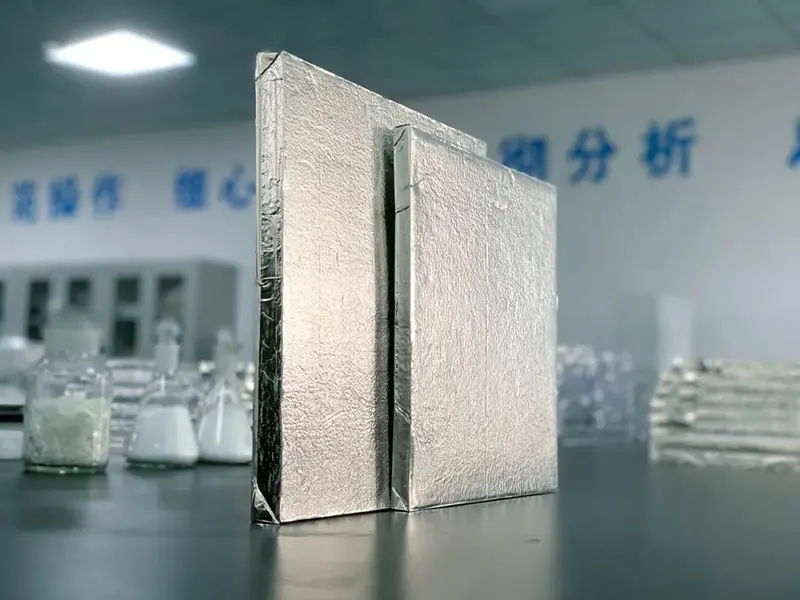
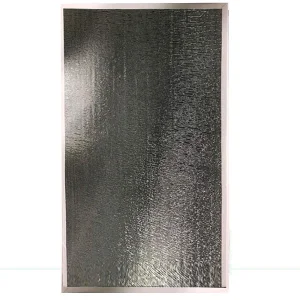
Large format vacuum panels designed for building envelope integrations and high-capacity refrigeration units.
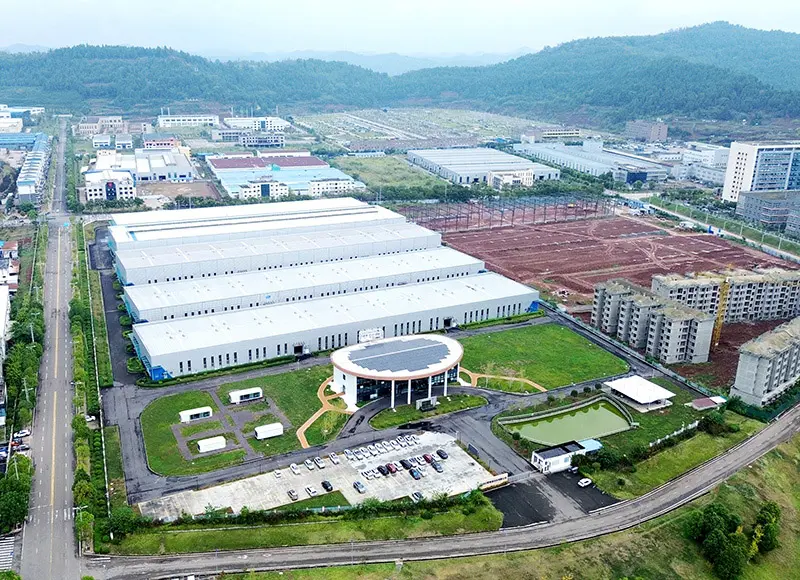
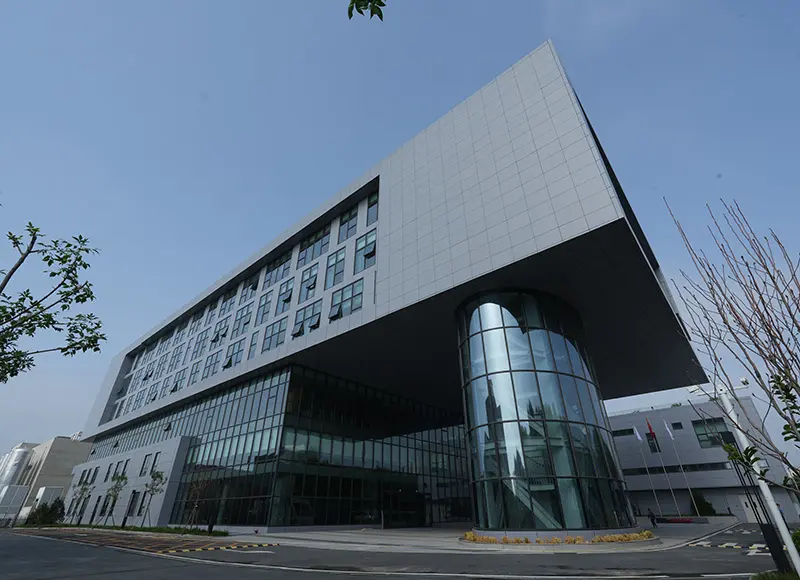
Request Quote >Zerothermo Technology Co., Ltd., a subsidiary of the CBVAC Group, is a national high-tech enterprise. Headquartered in the Beijing Economic-Technological Development Area, our production base is located in Nanchong City, Sichuan Province. This facility stands as one of China’s largest comprehensive production centers for vacuum technology and nano-microporous thermal materials.
By utilizing vacuum technology and nanoporous core materials, we design, manufacture, and distribute high-performance thermal insulation solutions. Our systems are engineered to withstand demanding environments, serving clients across the globe in key industrial segments.

Special dimensions beyond ANSI/ASME/DIN standards, manufactured to custom engineering drawings.

Square, oval, and large-diameter flanges (over 60 inches) for industrial vacuum systems.
Our state-of-the-art laboratory and testing facility in Sichuan Province
We manufacture following strict quality standards, ensuring consistent core thickness, density, and thermal conductivity for every batch.
From complex geometric designs to customized envelope configurations, we quickly translate client requirements into physical products.
Our large Nanchong manufacturing base allows us to fulfill large-scale global orders without compromising quality or lead times.
We coordinate packaging, moisture-proof wrapping, and container loading to ensure safe delivery across international trade routes.
Supported by the CBVAC Group, we offer financial stability, continuous R&D investment, and long-term project support.
Providing high-efficiency thermal insulation solutions for cold boxes, vacuum coolers, and shipping containers, ensuring temperature stability for transport networks.
Delivering high-efficiency insulation for building envelopes through vacuum insulation panels (VIPs), helping reduce energy consumption and achieve carbon-neutral goals.
Providing thermal barriers for industrial kilns, lab furnaces, steel ladles, and chemical pipelines to reduce heat loss, protect machinery, and lower fuel consumption.
Integrating compact, high-efficiency insulation inside modular cabins, temporary structures, and specialized transport units for outdoor environments.
Operating in global markets like the European Union, North America, Japan, and Southeast Asia requires adherence to strict safety and quality standards. Zerothermo products undergo regular testing to meet global compliance requirements:
Our engineers provide CAD drawings, thermal modeling, and finite element analysis (FEA) to simulate heat distribution within your machinery. This helps prevent hot spots, verify mechanical compatibility, and confirm expected energy savings before production begins.

Integrating precision fumed silica panels into laboratory furnace cabinets.

Upgrading heavy-duty industrial kilns with space-saving insulation layers.

Vacuum decorative panels installed for energy-efficient building envelopes.
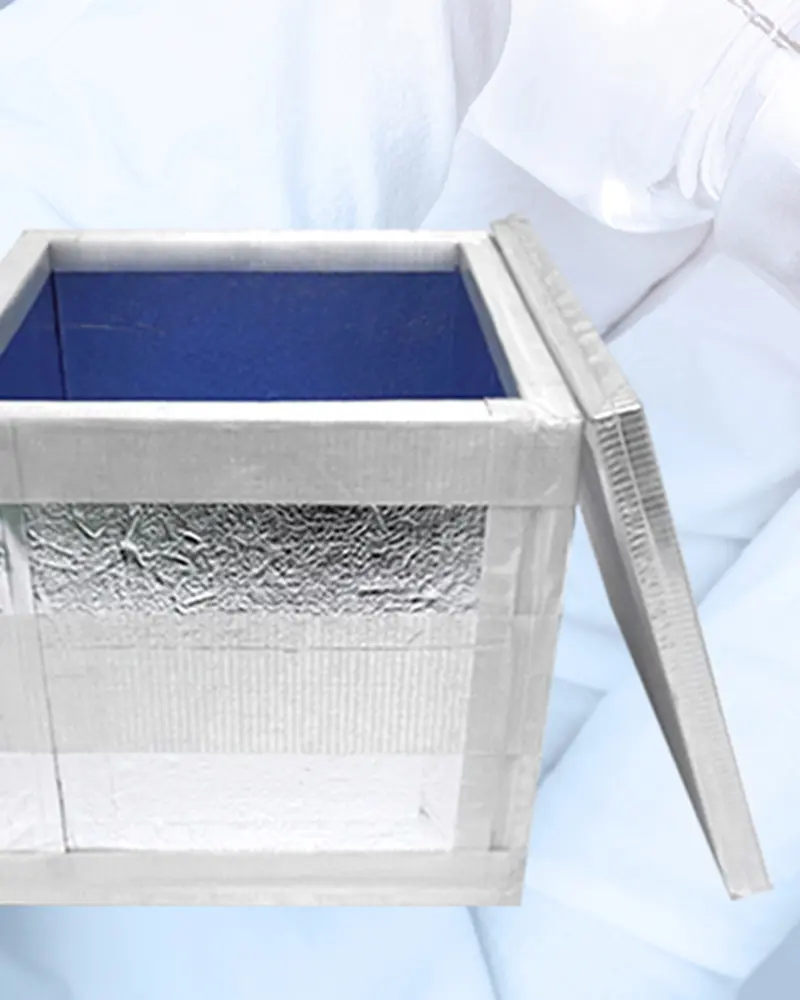
Fumed silica VIP panels integrated for medical thermal transport boxes.
2023/Apr/19
An analysis of why microporous core insulation is becoming a standard design choice for high-rise elevator fireproof door assemblies.
2023/Apr/17
Showcasing our fumed silica vacuum insulation technologies at booth #10.2K06 to partners from Europe, Asia, and North America.
2023/Apr/13
A technical review exploring the use of microporous materials in aerospace systems and specialized battery housings.
Our high-temperature microporous panels are rated for continuous service temperatures up to 950°C (1742°F), with peak temp stability up to 1100°C (2012°F). Under these conditions, the panels resist sintering and maintain their structural integrity and low thermal conductivity.
Fumed silica microporous panels offer thermal conductivity that is 3 to 4 times lower than ceramic fiber boards at typical operating temperatures. This allows engineers to reduce the insulation thickness, saving space and weight, while eliminating the hazardous respirable dust associated with ceramic fibers.
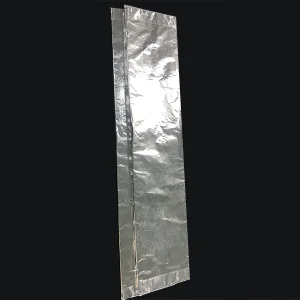
Standard microporous core materials are hydrophilic and can absorb moisture, which temporary degrades their performance. However, for environments where water exposure is possible, we provide hydrophobic formulations and protective outer encapsulation (such as heat-sealed PE films, aluminum foils, or glass fiber cloths).
We recommend ordering panels custom-fabricated to your exact shape and dimensions. If you are using unencapsulated dry boards, they can be cut using standard woodworking hand tools. However, for encapsulated vacuum insulation panels, cutting or drilling is not possible as it will break the vacuum seal and degrade the panel's thermal performance.
We offer customized manufacturing for a wide range of shapes, including round shapes, segmented curves, and panels with pre-drilled holes. Standard thicknesses range from 5mm up to 50mm, with custom lengths and widths available to meet your engineering specifications.
Contact our engineering support team for thermal simulations, thickness recommendations, and pricing quotes tailored to your project requirements.