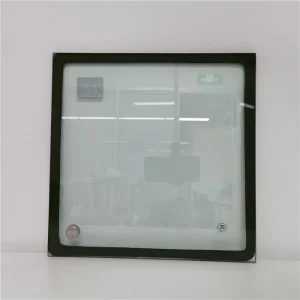
Los Angeles Grade Tempered Vacuum Insulated Glass
Fully tempered, high-safety vacuum-insulated glass designed to satisfy stringent seismic drift requirements in Downtown LA structural envelopes.
Request Quotes →
Explore our top vacuum-insulated components engineered to bypass heavy framing assemblies while matching structural load conditions for California Title 24 compliance.
Fully tempered, high-safety vacuum-insulated glass designed to satisfy stringent seismic drift requirements in Downtown LA structural envelopes.
Request Quotes →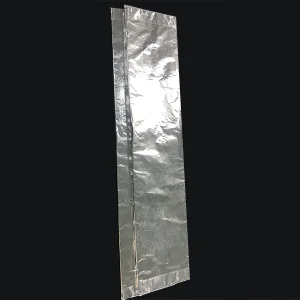
Ultra-thin microporous thermal barrier blankets manufactured for California's rapidly growing EV fleet transit and utility energy storage packs.
View Details →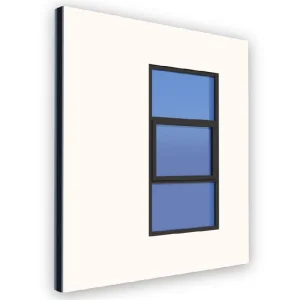
Modular factory-assembled wall units embedded with high-vacuum core layers for lightning-fast zero-emission assembly on commercial job sites.
Source Factory →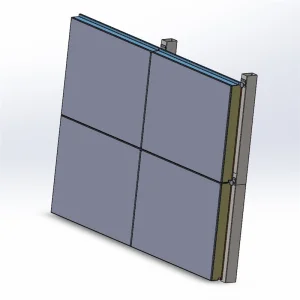
A complete structural cladding unit delivering both finish aesthetics and high R-value thermal performance for LA green retrofits.
Get Pricelist →The Southern California architectural landscape is undergoing a monumental shift. Under the pressure of California Title 24 Part 6 (Building Energy Efficiency Standards) and the City of Los Angeles' ambitious plan to achieve 100% renewable energy and carbon neutrality, traditional glass building designs are no longer viable. Standard double-pane glazing options cannot meet the aggressive U-value ceilings required for new construction and major building envelope retrofits in municipal zones like Downtown LA, Century City, and Santa Monica.
Conventional triple glazing presents a major drawback: structural weight. Adding a third layer of heavy float glass demands thicker, reinforced framing profiles, beefier foundation anchorages, and costlier crane logistics during glass installation. Vacuum Insulated Glass (VIG) bypasses this structural challenge entirely. By evacuating the gas space between two panes to create a vacuum level below 10-2 Pa, heat conduction and convection are completely neutralized. This yields a single, lightweight glass unit (typically less than 10mm thick) that matches or exceeds the thermal barrier capabilities of traditional thick masonry wall assemblies.
Furthermore, the high solar radiation index in the Los Angeles Basin necessitates glass that manages Solar Heat Gain Coefficient (SHGC) dynamically. When paired with premium off-line sputtered Low-E (low-emissivity) coatings, our VIG assemblies block up to 90% of solar heat gain while keeping visual light transmission remarkably high. This directly alleviates structural mechanical cooling load demands for high-rise commercial structures, substantially reducing the urban heat island effect across Southern California's commercial business districts.
From an acoustic perspective, the vacuum gap functions as an excellent sound insulator. For developments adjacent to LAX runway corridors or dense interstate shipping lanes, our VIG products provide outstanding sound attenuation (up to STC 39), ensuring tranquil indoor spaces in the heart of the city.
Understanding the mechanical and thermal metrics that separate high-grade vacuum insulated glass from traditional double and triple glazed IGUs.
Our VIG manufacturing lines utilize proprietary low-temperature glass solder edge-sealing techniques. Unlike metal-edge seal designs prone to thermal expansion leakage, our proprietary compound-glass fused edge ensures zero-leak performance and structural integrity across decades of intense high-low California temperature swing cycles.
To resist crushing atmospheric pressure (approx. 10 tons per square meter), our VIG features a high-durability grid of support pillars. Using high-density micro-pillars spaced at scientific intervals, we optimize visual transparency while ensuring robust wind-load support for high-rise buildings in seismic zones.
Even with advanced high-vacuum evacuation, trace gas molecules can outgas from inner glass surfaces over time. Our units integrate active getter materials within the edge spacer channel. This continually traps moisture and volatile compounds, maintaining a stable vacuum state for over 25 years.


From architectural envelopes to zero-emission cold supply chains, high-performance vacuum technology is a key driver of modern decarbonization.

High-efficiency VIP transport containers ensuring temperature compliance for sensitive medical storage across LA transit hubs.

Empowering commercial real estate assets to slash HVAC emissions by substituting standard windows with high R-value VIG panels.

Ultra-thin microporous linings providing critical thermal insulation for refinery equipment and battery safety containment units.

Sound insulation properties that isolate structural facades from traffic noise in dense, growing urban areas.
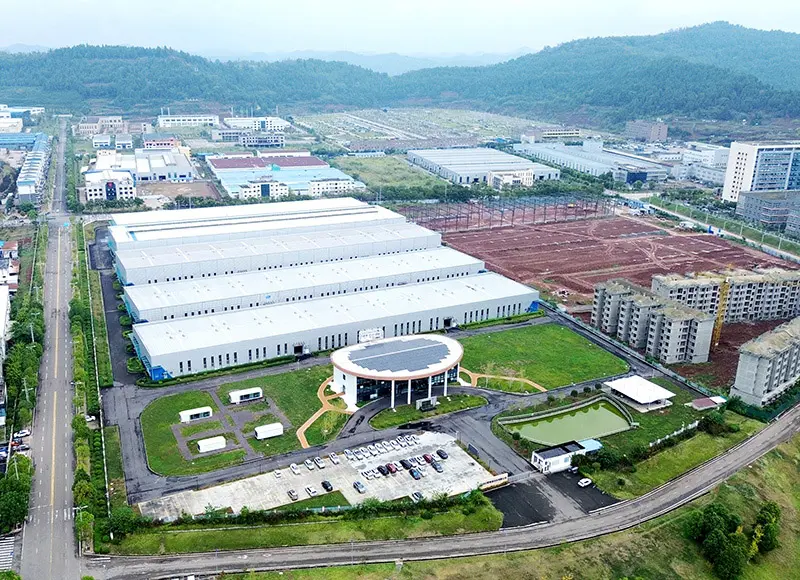
Zerothermo Technology Co., Ltd. (a subsidiary of the prestigious CBVAC Group) runs one of the world's most advanced manufacturing bases for vacuum application systems in Nanchong City, Sichuan Province. Operating under Industry 4.0 automation standards, our production lines feature clean-room glass processing, high-precision robotic micro-spacer positioning, and automated in-line laser vacuum sealing. This setup delivers high consistency, zero internal structural defects, and excellent yield rates.
For international buyers in Los Angeles, this high-capacity setup yields significant cost savings compared to domestic production. Our supply chain is structured to ensure fast lead times:
Our partnership with ocean carriers guarantees reliable shipping space, cushioning Southern California developers against material shortages and supply chain disruptions.
Select from our range of structural insulation materials, VIP wall systems, and high-performance barriers developed for commercial retrofits and EV applications in California.
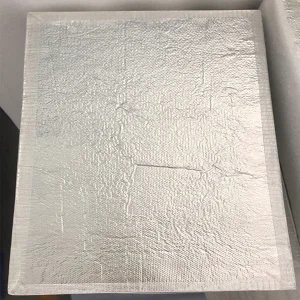
Ultra-low thermal conductivity VIP panels wrapped in PET film for structural wall envelopes.
View Options →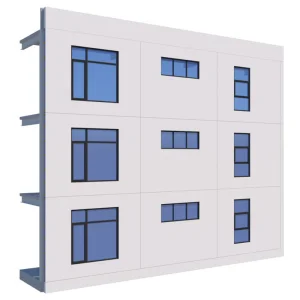
Integrated decorative wall cladding panel systems designed to speed up envelope installation.
Get Pricelist →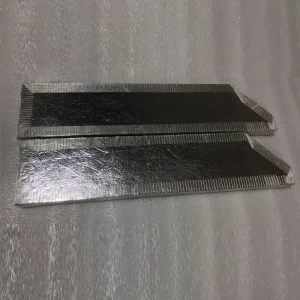
Custom curved and shaped VIP panels engineered to fit unique architectural profiles.
Consult Factory →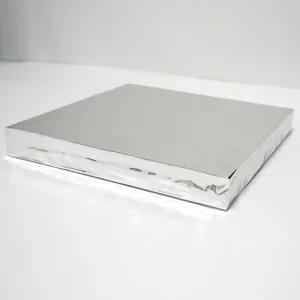
High-grade core panels designed to insulate industrial furnaces and high-heat battery compartments.
Source Quote →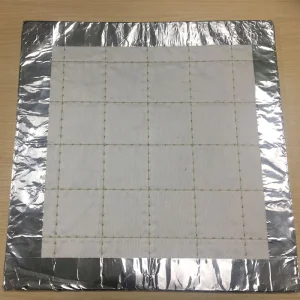
Flexible, thin-profile thermal insulation wraps suitable for complex industrial geometries.
View Sizes →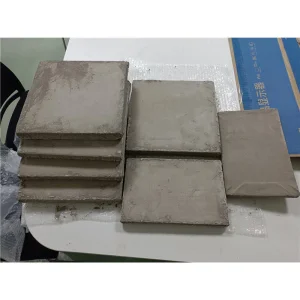
Reinforced panels that offer additional shear resistance for load-bearing thermal envelopes.
Request Quotes →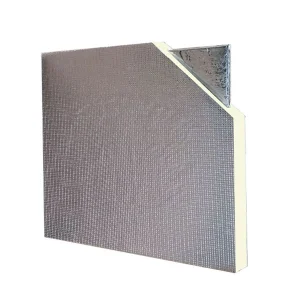
Hybrid PU foam-backed VIP panels designed for cold-chain boxes and logistics containers.
Pricelist Details →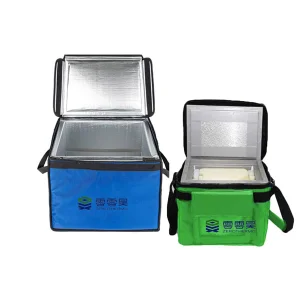
High-performance vacuum cooler boxes built to protect vaccine stability during last-mile distribution.
Inspect Design →Zerothermo Technology Co., Ltd. is a national high-tech enterprise and a key subsidiary of the CBVAC Group. Headquartered in the Beijing Economic-Technological Development Area, we manage a state-of-the-art production base in Nanchong City, Sichuan Province. This facility stands as one of China's largest comprehensive manufacturing centers for high-vacuum thermal barrier applications.
We are committed to delivering advanced, space-saving thermal solutions for demanding building envelope retrofits, temperature-controlled distribution systems, and clean energy storage markets globally.
Leveraging CBVAC Group's deep vacuum expertise, we manufacture high-tolerance custom interfaces for industrial applications:

Precision temperature control and acoustic insulation utilizing built-in VIP panel inserts for high-grade clean rooms.
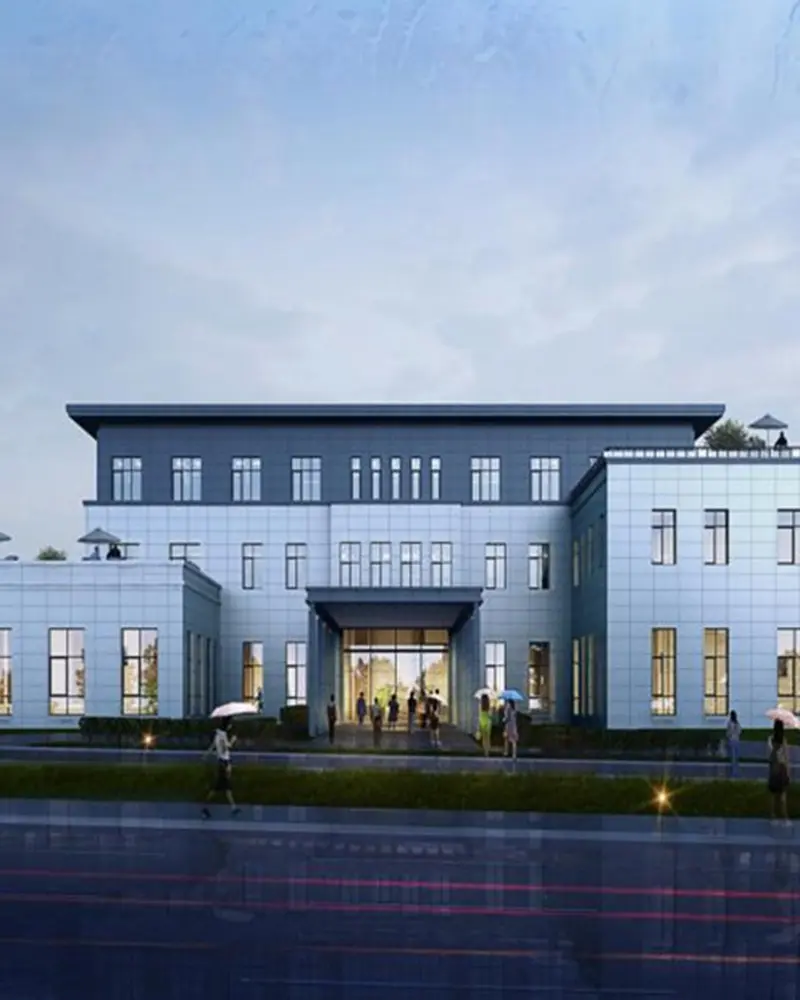
Fully tempered, high-safety VIG glazing installed to meet energy code requirements without redesigning framing structural sections.

Installation of low-E vacuum insulated window arrays to reduce structural load and lower campus carbon footprint.
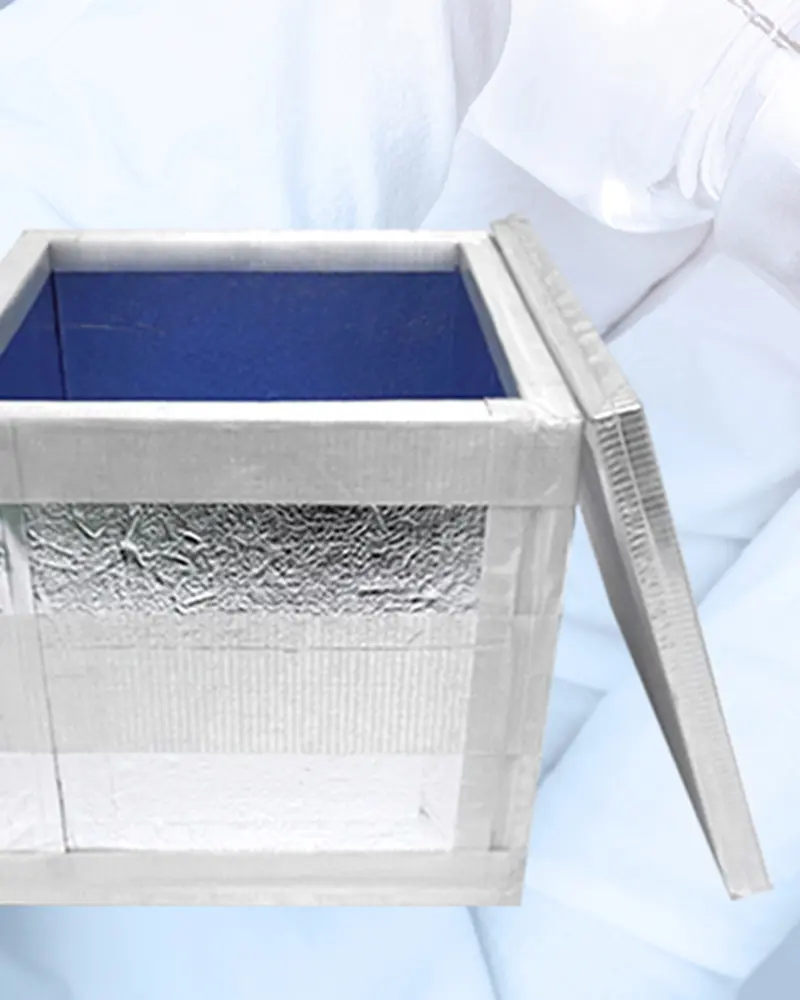
Implementing fumed-silica vacuum insulated packaging (VIP) to secure global vaccine distributions.
Answers to common structural, thermal, and logistics questions from architects, engineering teams, and distributors sourcing for the California market.
Title 24 Part 6 mandates stringent U-value limitations for building envelopes. Traditional glass designs require thick, heavy profiles. VIG achieves a low center U-value (down to 0.4 W/m²K) in a lightweight profile (8.3mm-10mm total thickness). This helps design teams meet compliance paths without adding excess structural mass.
Our VIG products feature low-temperature glass-solder edge seals and built-in getters to trap trace outgassed compounds. This system maintains a stable vacuum space (<10-2 Pa) for a lifetime exceeding 25 years under standard building conditions.
Because a vacuum contains no air molecules to transmit mechanical vibration, acoustic transmission is severely restricted. Our tempered VIG units achieve a Sound Transmission Class (STC) rating of up to 39 dB. This is a massive improvement over standard double glazed units (STC 32 dB) and provides an excellent acoustic shield for projects in busy city zones.
All our architectural glazing materials are tested to comply with SGCC (Safety Glazing Certification Council) and IGCC (Insulating Glass Certification Council) standards, ensuring code compliance across all states.
Our technical sales engineers are ready to assist you with structural designs, acoustic calculations, and logistics planning.
Whether you are retrofitting a historic facade in downtown LA or designing a new zero-emission building envelope, we provide complete engineering support.


