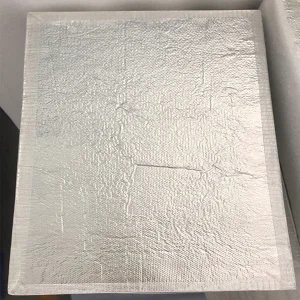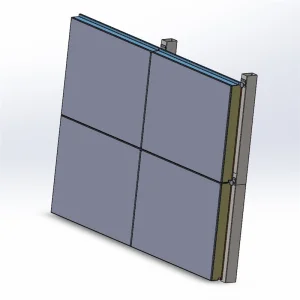
Advanced space-saving, non-combustible materials specifically tailored to meet Singapore Fire Code regulations and global standards.

Singapore stands as one of the world's most densely populated urban centers, characterized by architectural marvels, critical infrastructure hubs, and strict fire safety enforcement. Managed by the Singapore Civil Defence Force (SCDF), fire codes such as the Fire Code 2023 govern building regulations strictly, requiring maximum fire resistance while driving structural designs towards sustainability and efficiency. High-rise developments, extensive MRT tunnels, marine & offshore projects, and massive data center clusters in Jurong and Tai Seng demand passive fire protection (PFP) solutions that save floor area while ensuring the highest structural integrity.
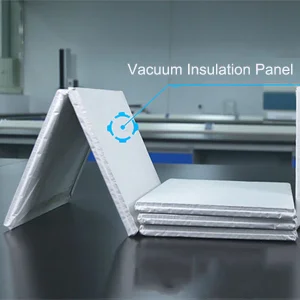
Traditional fire safety cladding and board systems relying on thick rockwool or plasterboards present challenges in space-constrained developments. Every square meter of space saved in Singapore premium commercial locations equals thousands of dollars in capitalized value. By utilizing Vacuum Insulation Panels (VIPs) and High-Temperature Nano Microporous Insulated Panels, engineers can achieve up to 10 times better thermal resistance than conventional products with less than a quarter of the thickness. These advanced systems deliver outstanding fire barriers, helping building envelopes satisfy non-combustibility criteria (Class 0 / Class A) while optimizing indoor space.
"Integrating nanotechnology into passive fire protection systems addresses the dual demands of space optimization and rigorous SCDF compliance, reshaping commercial construction and clean technology in tropical regions."
Furthermore, Singapore’s commitment to achieving net-zero emissions by 2050 through the BCA Green Mark 2021 framework pushes developers to source building materials with low embodied carbon and outstanding lifecycle performance. Vacuum Insulation Panels with fumed silica cores offer a non-combustible structure that satisfies stringent energy-saving mandates and ensures reliable, long-term performance under high humidity levels.
How next-generation thermal barriers are redefining high-temperature sectors and passive protection globally.
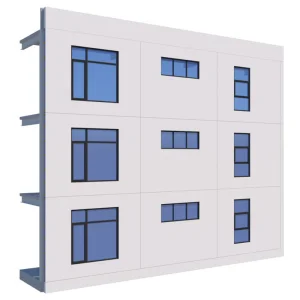
Metropolises globally face the challenge of aging high-rise structures. Advanced thin-profile vacuum insulation panels fit into structural facades during refurbishment, adding fire safety barriers and heat shield solutions without modifying the building's exterior envelope.
The rise of EVs raises battery fire hazard concerns. Custom aerogel and nano-microporous blankets serve as thermal runaway barriers in battery packs, delaying or preventing chain propagation and providing invaluable escape windows for vehicle occupants.
On offshore platforms and inside Jurong Island petrochemical complexes, fire safety is critical. High-temperature microporous barriers protect structural steel members and piping infrastructures from hydrocarbon fires, maintaining load-bearing capacity during fire emergencies.
Designed and manufactured to your unique dimensions, thickness specifications, and application configurations.
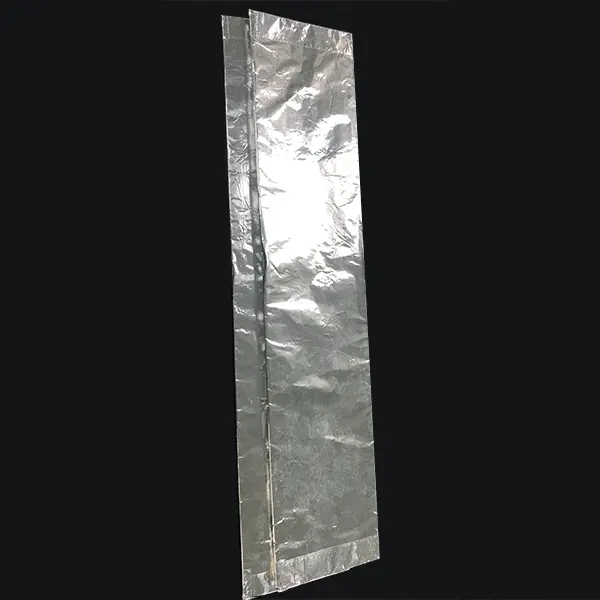
Tailored battery safety insulation for EVs, preventing thermal runaway propagation with thicknesses starting from 5mm.
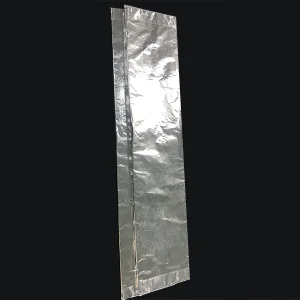
Engineered for high-temperature settings requiring reliable protection from moisture and humidity intrusion.

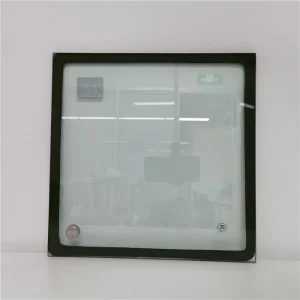
Designed specifically to meet stringent fire ratings for elevator shaft access doors in high-rise buildings.
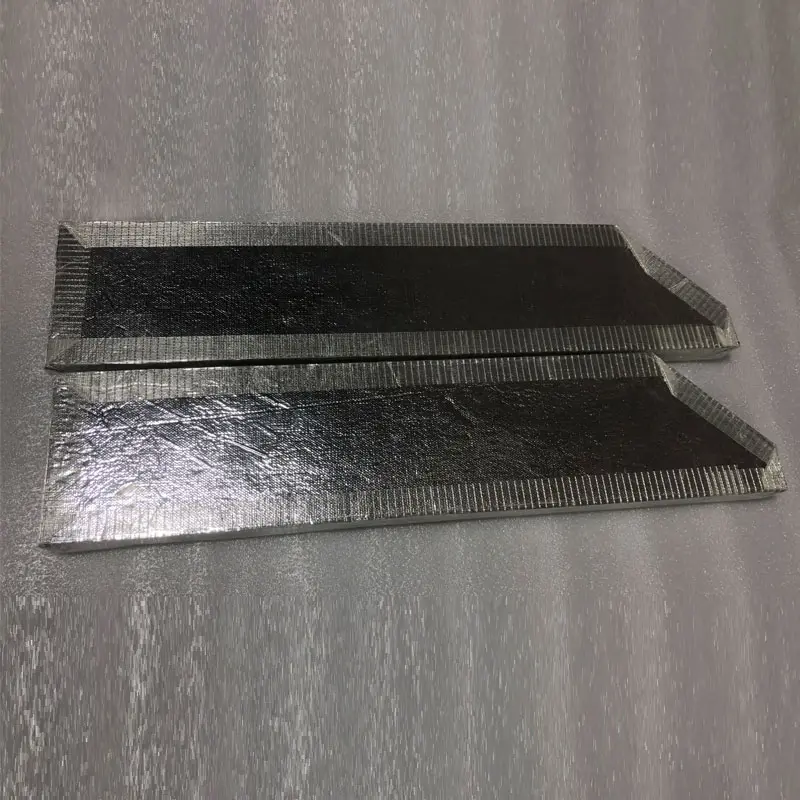
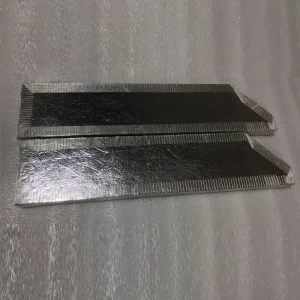
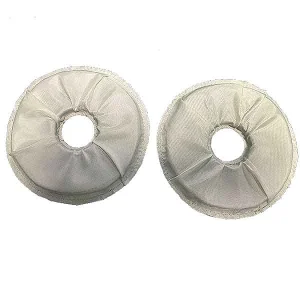
Custom shapes designed to fit around structural components, columns, and equipment configurations seamlessly.
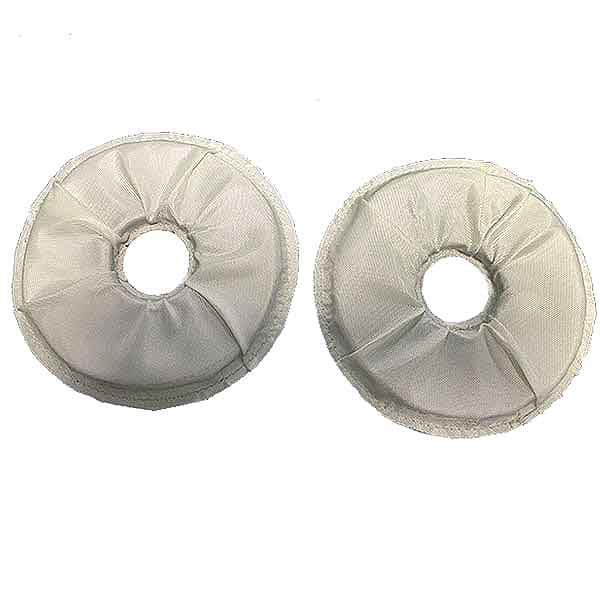
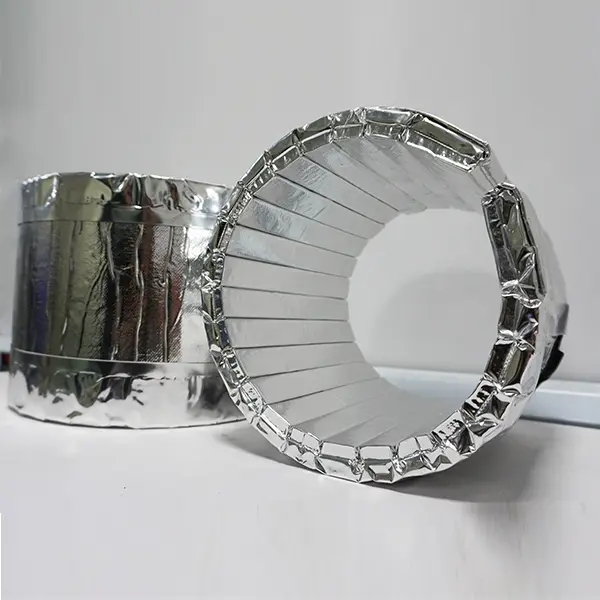
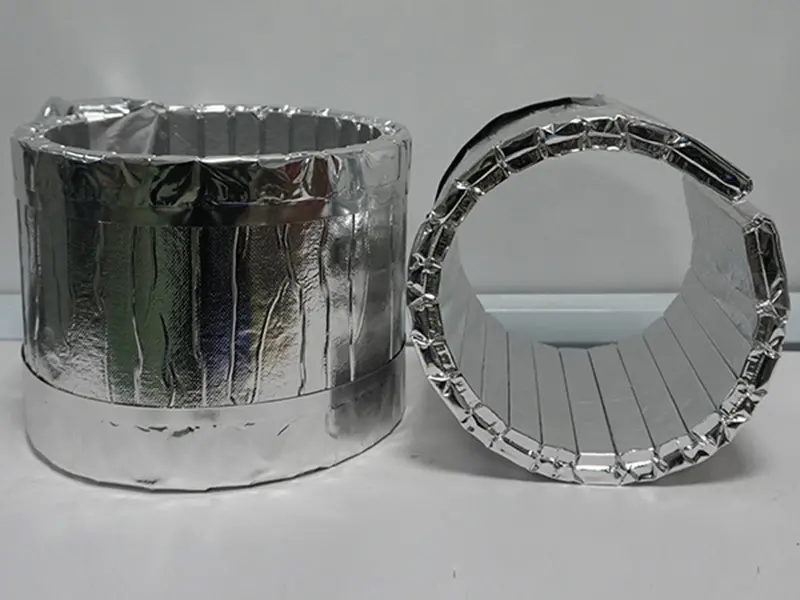
Flexible heat insulation wraps designed for high-temperature process piping and industrial valves.
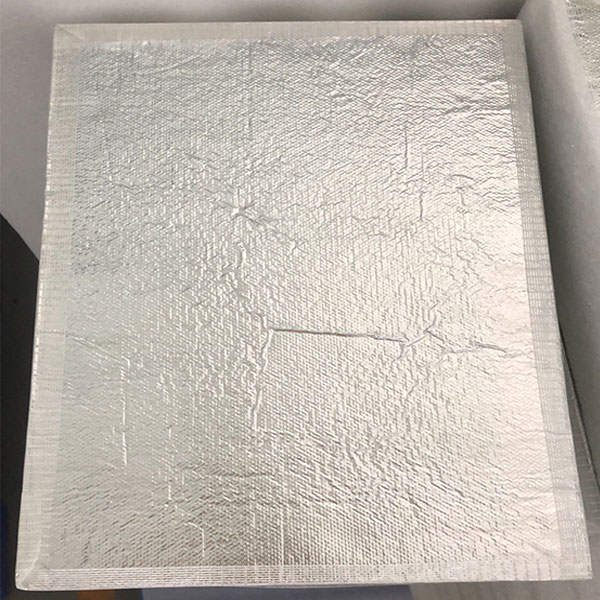
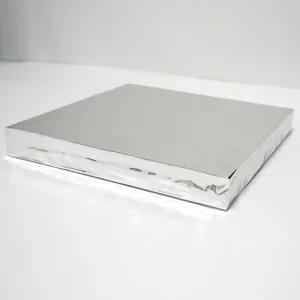
Extremely low thermal conductivity panel designed to optimize energy efficiency in cold storage and building envelopes.
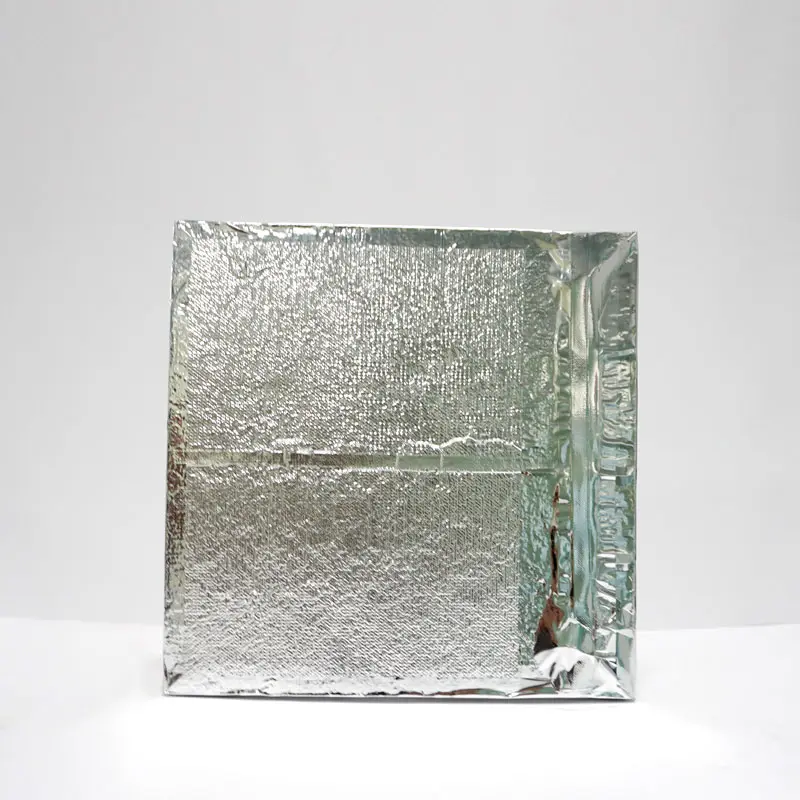
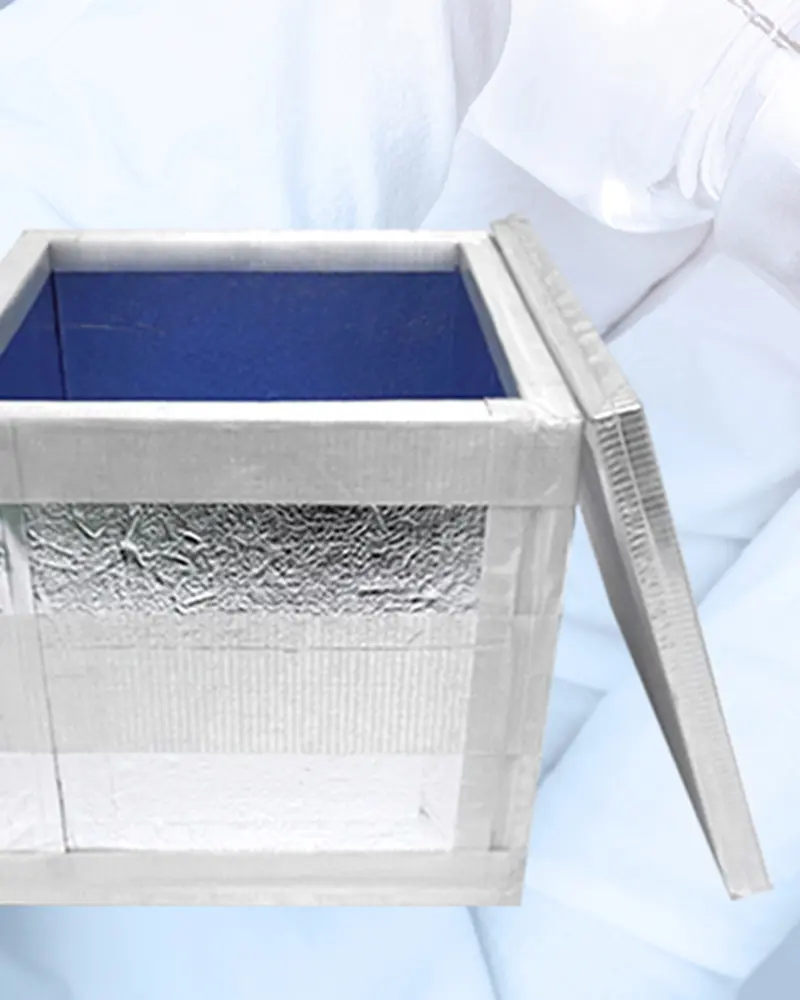
Optimized insulation for vaccine containers, biological transport boxes, and refrigerated logistics operations.
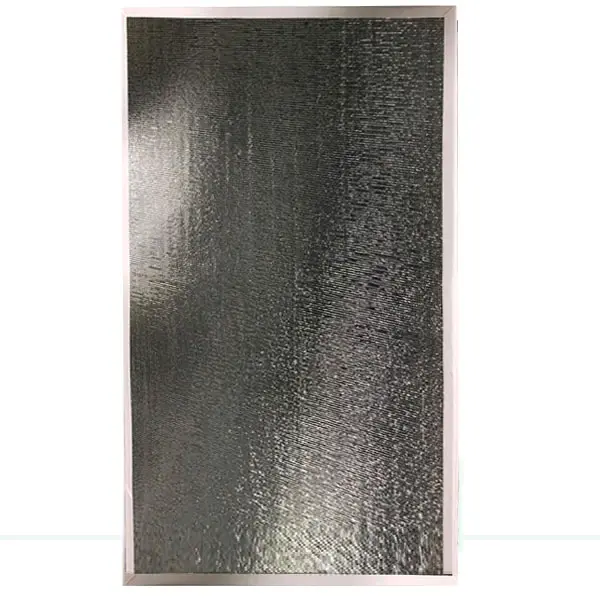
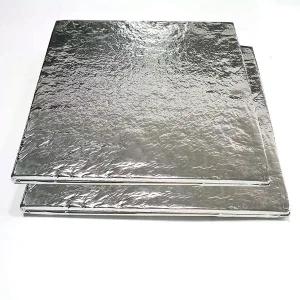
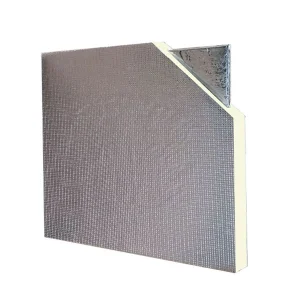
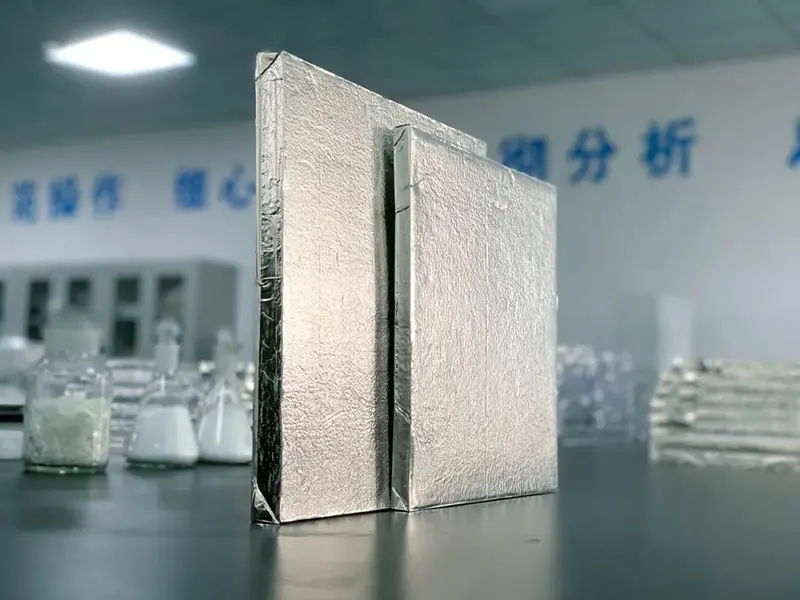
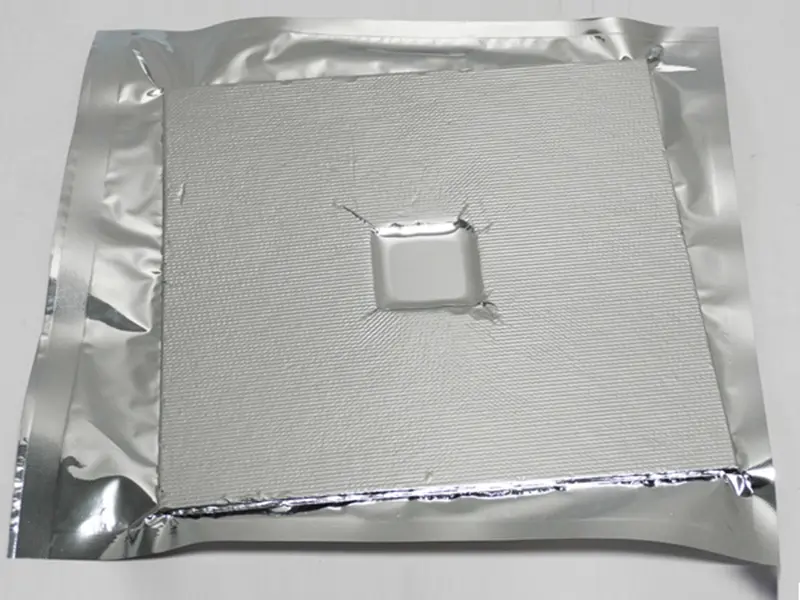
Large-format vacuum insulation panels tailored to simplify installation on large wall surfaces and industrial enclosures.
Zerothermo Technology Co., Ltd., a subsidiary of CBVAC Group and a national high-tech enterprise, is headquartered in the Beijing Economic-Technological Development Area with its production base located in Nanchong City, Sichuan Province. This facility stands as one of China’s largest comprehensive production centers for vacuum technology application products.

Special sizes (beyond the range of ANSI/ASME/DIN and other standards) are produced according to customers' drawings or technical parameters.

square, oval or other special shaped flanges. - Oversize/small diameter: such as diameter over 60 inches or micro precision flanges.

Providing custom engineering services to align high-performance vacuum insulation components with structural components.
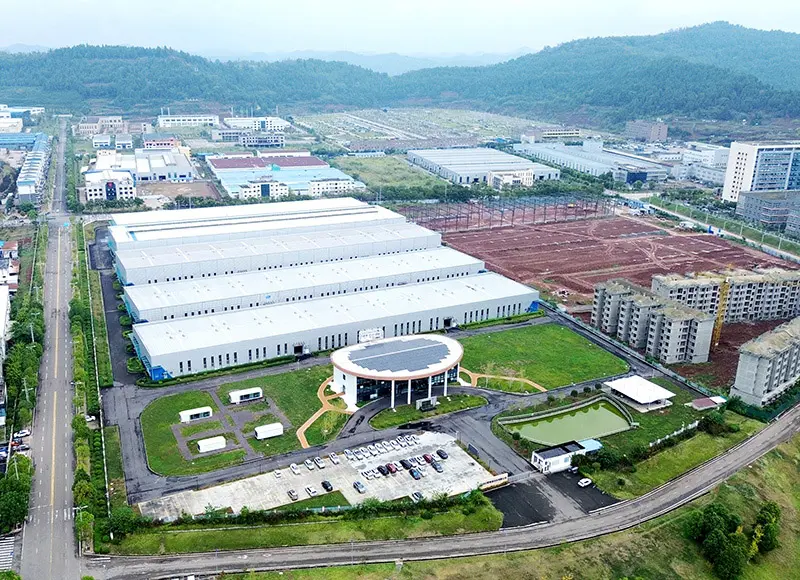
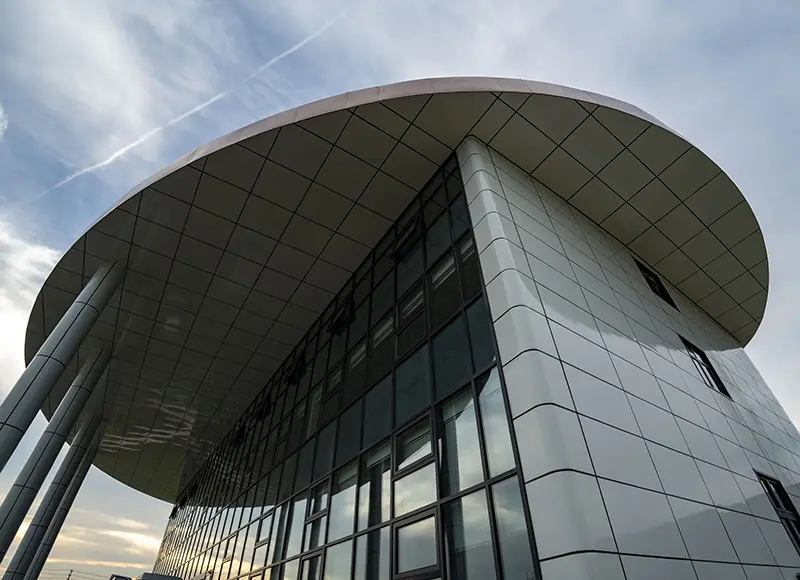
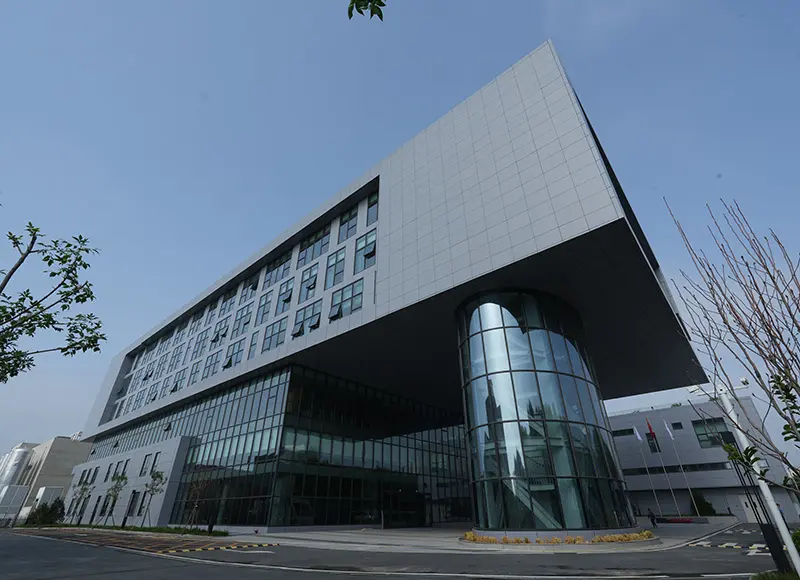


Delivering high-performance vacuum insulation technology through precision engineering and advanced quality standards.


Providing thermal barrier and fire safety solutions across key commercial, logistics, and high-temperature sectors.


Explore real-world installations where our VIPs and nano-insulation panels solved thermal and safety challenges.


To maintain compliance with shifting international regulations, our engineering team continuously refines fumed silica cores and vacuum sealing films to lower thermal conductivity and improve fire performance.
Developing fumed silica-aerogel hybrid cores to reduce thickness by 15% while matching standard fire protection levels.
Optimizing ready-to-install composite panels that combine vacuum insulation with structural calcium silicate, satisfying SG Fire Code 2023 without additional gypsum layers.
Designing biodegradable exterior films and re-processable fumed silica cores to align with circular construction projects and Green Mark standards.
Our building and safety products are tested to meet demanding standards, helping you achieve compliance with local fire code regulations, building safety standards, and global maritime policies:
Understand the technical advantages and SCDF requirements for Vacuum Insulation and Nano Microporous Panels in Singapore.
The core material is composed of non-combustible inorganic fumed silica, which has a natural melting point well above 1,000°C. In the event of a fire, the fumed silica core prevents heat transfer, helping structural assemblies maintain integrity and slowing flame propagation.
Because they rely on a sealed vacuum, VIPs cannot be cut, drilled, or altered on-site. Alterations puncture the outer barrier envelope and reduce insulation performance to standard levels. We provide engineering support to custom-manufacture panels according to building blueprints, ensuring a precise fit.
BCA Green Mark focuses on lowering energy use. Our panels offer very low thermal conductivity, allowing building envelopes to achieve high thermal performance. This reduces heat gain and lowers cooling loads, supporting compliance with Green Mark certifications.
Yes. Our custom panels feature protective coatings and multi-layered barriers that shield the core material from moisture and humidity, maintaining reliable insulation performance in humid environments.
Standard fire-rated doors require up to 40mm of traditional insulation. By utilizing high-temperature nano microporous insulation panels, the overall thickness can be reduced to 10-15mm while still meeting local fire safety ratings.
Committed to supporting green building and industrial goals through thermal efficiency and advanced materials.





Our engineers provide technical support for high-temperature and space-saving insulation challenges. Send us your requirements for custom sizing and fire safety specifications.


Premium VIP and nano-microporous products designed to satisfy global energy efficiency standards.


 +8615892792306