
Engineered to deliver ultra-low thermal conductivity in extreme high-temperature environments across Norway's industrial landscape.
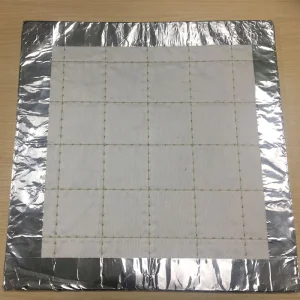
Ultra-flexible nano-microporous blankets designed for tight geometries, industrial piping, and subsea thermal insulation systems.
Technical Specs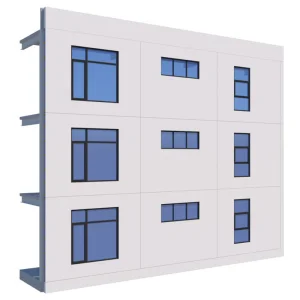
High-efficiency modular structural panels engineered for rapid installation in industrial wall envelopes and high-temperature kilns.
Get Price List
Prefabricated modular assembly structures optimizing space saving while maximizing R-value thermal retention under cold climates.
View Details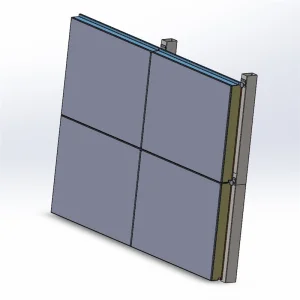
Integrated core systems utilizing fumed silica cores for exterior and structural industrial cladding in harsh maritime environments.
Inquire NowNorway's industrial landscape is undergoing a historical transformation. With the national mandate to cut greenhouse gas emissions by at least 55% by 2030 compared to 1990 levels, heavy industries—ranging from offshore petroleum operations in the North Sea to metal smelting plants in Sunndal and Karmøy—must rapidly adopt revolutionary thermal management technologies. Smelting operations (aluminum, ferroalloys, silicon) and offshore energy facilities represent massive points of thermal energy loss.
Traditionally, these high-temperature facilities relied on standard calcium silicate, refractory bricks, or mineral wool. However, these materials require significant thickness to achieve modern thermal resistance, leading to space constraints, increased load weights, and substantial heat storage within structural frames. By utilizing advanced Nano Microporous Insulation Panels, Norwegian plants can drastically reduce energy consumption (up to 30%), shrink wall profiles by 50-70%, and optimize heat retention in critical process equipment.
Note on Norwegian Carbon Taxes: Under the European Union Emissions Trading System (EU ETS) and Norway's national carbon tax framework, reducing energy waste and capturing heat directly correlates to significant financial savings. Modern nano thermal barriers act as a high-return capital investment by mitigating thermal leakage in furnaces and waste-heat recovery (WHR) loops.
On a global scale, the industrial thermal insulation market is shifting from "bulk thickness" barriers to "nano-engineered" performance barriers. Microporous insulation is formulated based on the physics of the Knudsen Effect. By creating an internal pore structure with an average diameter smaller than the mean free path of air molecules (approximately 68 nanometers at atmospheric pressure), gas conduction is effectively suppressed.
Zerothermo Technology, a subsidiary of the CBVAC Group, has established itself as a global leader in high-performance vacuum and nano-insulation technologies. Working from our massive comprehensive production base, we synthesize fumed silica, inorganic opacifiers (to reflect infrared radiation), and reinforcement fibers under extreme quality control standards to deliver panels with thermal conductivities as low as 0.015 W/(m·K) at high temperatures.
The development of microporous panels follows a rigorous technological path. High-purity fumed silica serves as the core matrix. Opacifiers such as silicon carbide or titanium dioxide are blended evenly to scatter and block radiative heat transmission—which becomes the dominant mode of heat transfer above 500°C.
To ensure durability under humid marine environments such as those found on Norwegian offshore platforms, hydrophobic treatments are applied. Zerothermo's R&D department continues to innovate by combining vacuum seal technology with nano-microporous structures, offering unparalleled structural integrity and resistance against high-vibration fatigue.
Tailoring nano-microporous and vacuum insulation panels to specific project drawings and thermal tolerances.
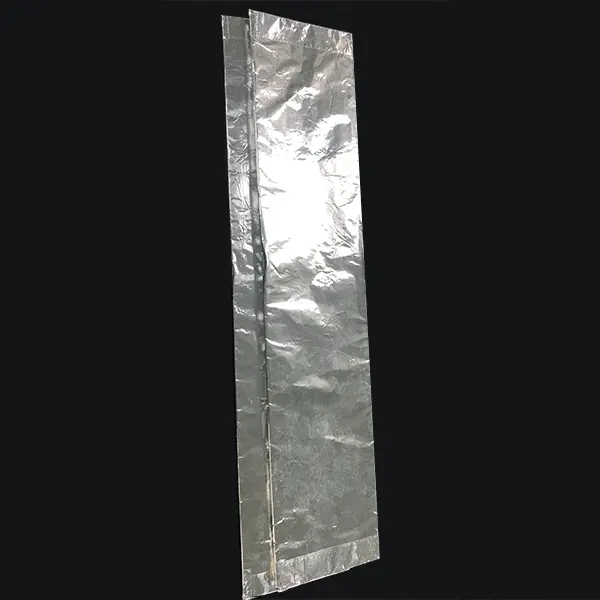
Size: Customized | Thickness: 5-20mm. Specifically designed for extreme cold start performance and thermal runaway prevention in electric vehicles.
Request Prototype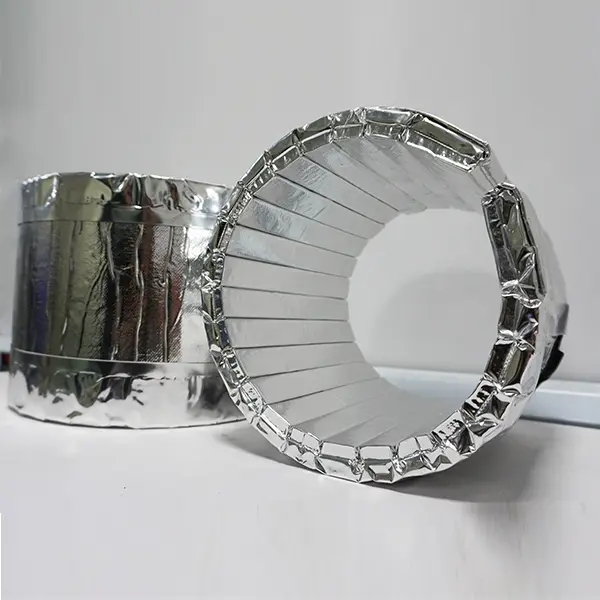
Size: Customized | Thickness: 5-50mm. Features specialized hydrophobic sealing to withstand coastal industrial environments in Norway.
Get Price List
Engineered for high-rise commercial structures and marine vessels, ensuring strict compliance with European marine equipment and construction standards.
View Spec Sheet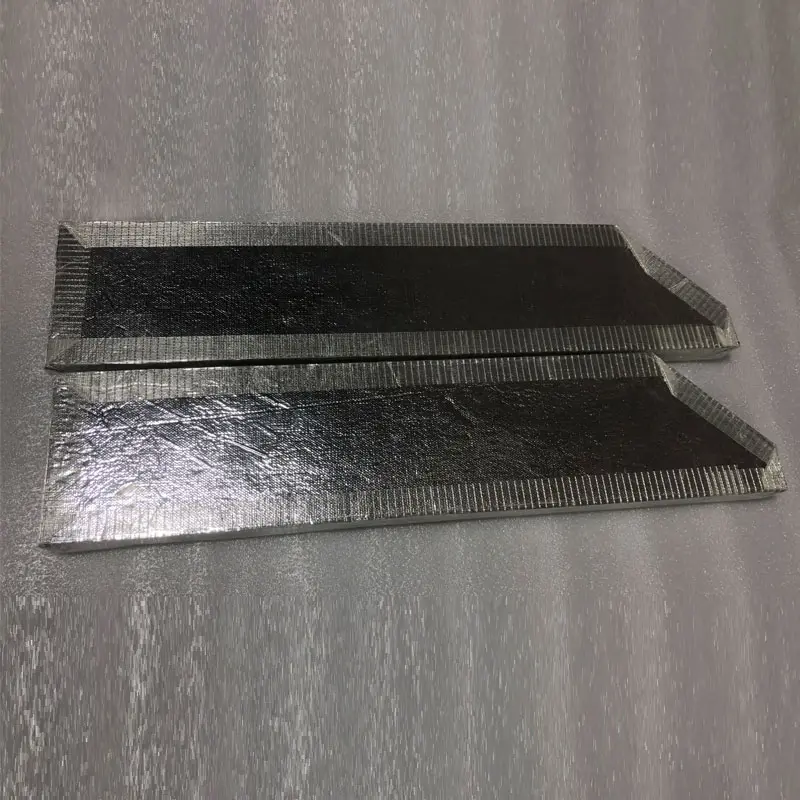
Engineered to insulate pipes, structural curves, and industrial valves, preventing thermal bridges and reducing insulation footprints.
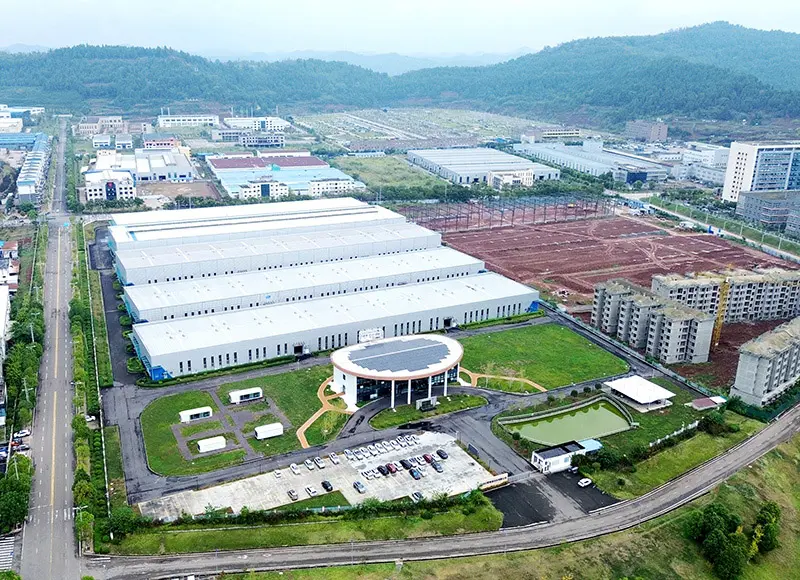
Request Custom DesignZerothermo Technology Co., Ltd., a subsidiary of CBVAC Group and a national high-tech enterprise, is headquartered in the Beijing Economic-Technological Development Area with its production base located in Nanchong City, Sichuan Province. This facility stands as one of China’s largest comprehensive production centers for vacuum technology application products.
Our core mission is delivering next-generation thermal barriers that reduce energy footprints across metallurgy, cold chain logistics, marine engineering, and green construction sectors. Our products conform to the strictest ISO 9001 and CE certifications, validating our reliability for high-integrity European markets.
Learn More About CBVAC Group
Technical Engineers & Experts

Global Industrial Projects

Key Technology Patents

Annual Panel Production Capacity
Targeted installations that optimize thermal control and structural design in harsh conditions.

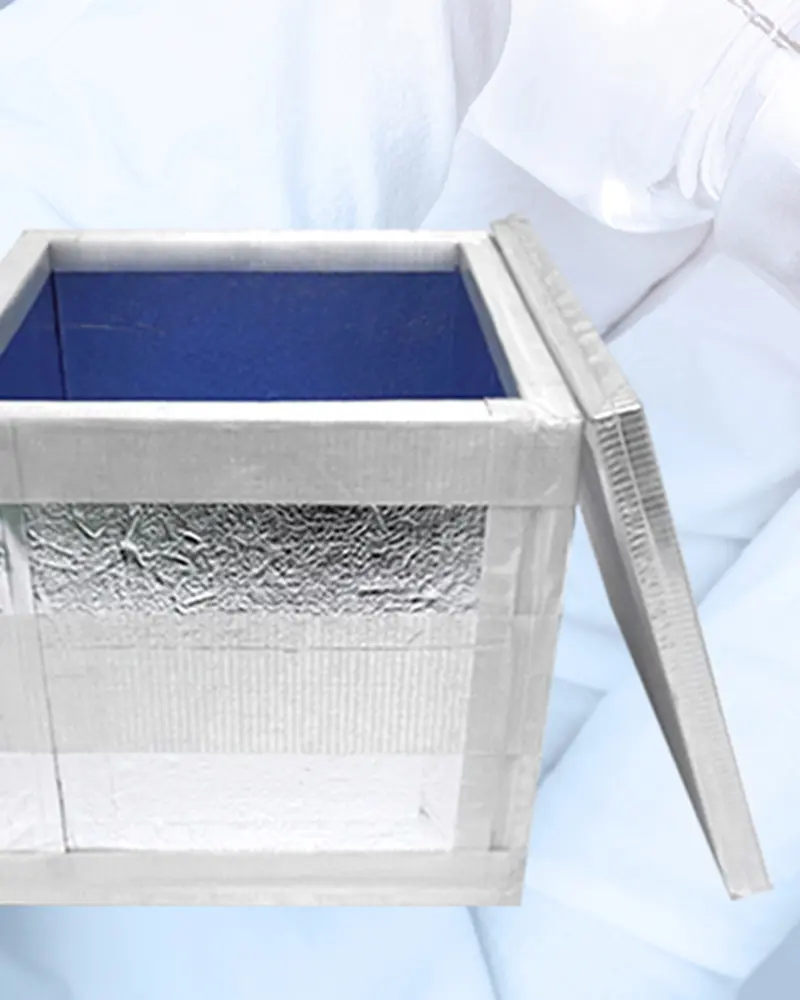
High-efficiency VIP envelopes for transport of critical medicine and vaccine storage, complying with strict EU and Norwegian health guidelines.

Achieving TEK17 building standards in Norway. Ultra-thin wall insulation solutions ensuring minimal floor-space loss in residential and commercial hubs.

Refractory backup insulation in smelting cells, glass furnaces, and rotary kilns, dramatically reducing heat losses and surface temperatures.

Compact thermal barriers for ship engines, exhaust manifolds, and subsea pipelines where weight savings directly translate into fuel efficiency.
In metal smelting plants, reducing the energy cost per ton of metal is critical. Traditional insulation bricks degrade over time, leading to thermal bridging and heat loss through structural joints. By placing a layer of Zerothermo Custom High Temperature Nano Microporous Panels behind the working refractory lining, the thermal profile is shifted.
This allows engineers to:
Subsea transport of crude oil and natural gas requires reliable thermal control to prevent the crystallization of hydrates and wax deposition in high-pressure depths. Using flexible nano insulation blankets wrapped around critical pipes within a Pipe-in-Pipe configuration ensures that fluid temperature is maintained above critical levels over long tie-back distances. Our waterproof, compression-resistant formulations are ideally suited for these demanding deepwater deployment profiles.
Technical Superiority: Ordinary glass wool fails under high hydrostatic pressures or steam leaks. In contrast, nano-microporous panels with reinforced structures retain structural integrity, avoiding collapse under extreme load cycles.
Combining large-scale vacuum production capacity with tailored material engineering to serve critical supply chains.


Proven real-world deployments showcasing energy conservation and system longevity.



Critical engineering answers regarding the deployment and maintenance of nano microporous panels.
A complete portfolio of fumed silica vacuum insulation panels, high-temp blankets, and cold-chain cooler modules.
Reinforced core designs optimized for heavy-load structures, building facades, and energy-dense cold facilities.
Get Price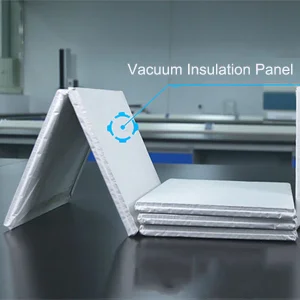
Engineered to deliver exceptional thermal insulation performance within thin walls, ideal for low-energy architectures.
Order Samples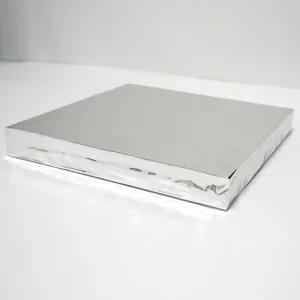
Bespoke density and shape profiles designed specifically for complex kiln linings and hot pipes.
Inquire Now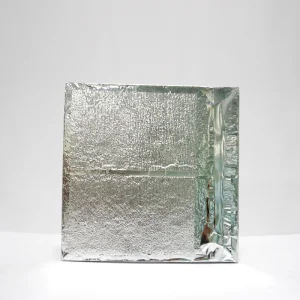
Engineered for transport boxes, ensuring temperature stability for pharmaceuticals and seafood.
Technical Data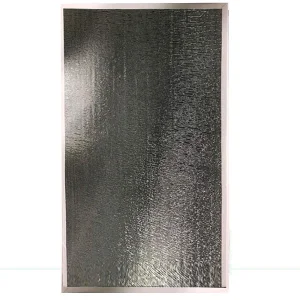
Customizable large format panels designed specifically for shipping containers and reefer ocean fleets.
Request Quote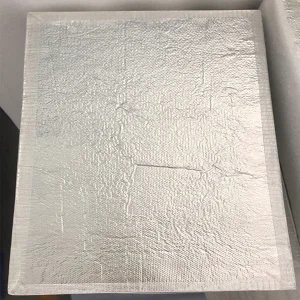
Equipped with a tough PET outer wrap to protect the core material against mechanical wear during assembly.
Request Pricing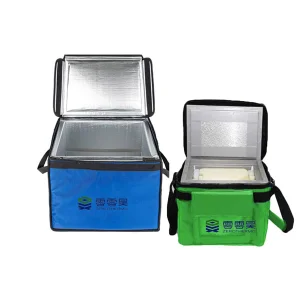
High-integrity storage containers utilizing vacuum panel technology to prolong ice-pack life cycles.
Specs Sheet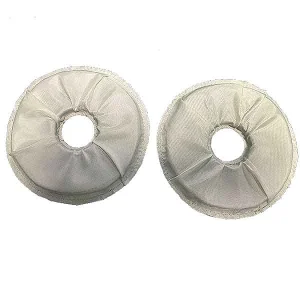
Engineered for pipelines and valves with curved geometry, preventing temperature escape from joints.
Get Design SupportWe supply high-temperature insulation panels globally, with targeted logistics, certifications, and support for Norwegian operators in Oslo, Bergen, Stavanger, and Trondheim. Contact our engineering team for data sheets and customized pricing.




 +86 15892792306